Booking a Maine Fishing Guide in Advance
There's nothing quite like the dream of casting a line in the pristine waters of Maine, whether you're chasing a trophy landlocked salmon, battling a powerful striped bass, or enjoying a quiet day on the ice. But that dream can quickly turn into a logistical headache if you don't plan ahead, especially when it comes to securing a knowledgeable fishing guide. This comprehensive guide will walk you through the ins and outs of booking a Maine fishing guide in advance, ensuring your trip is less about stress and more about reeling in memories.
Why Booking in Advance is Crucial for Your Maine Fishing Adventure
Many anglers, especially those new to Maine or traveling from out of state, might underestimate the demand for experienced local fishing guides. It's not like showing up to a public park; these guides often have loyal clients, limited availability, and prime dates that get snapped up quickly. Thinking ahead isn't just a suggestion; it's often the difference between a successful, stress-free trip and a last-minute scramble.
Securing Your Preferred Dates and Prime Seasons
Imagine you've been dreaming of a fall foliage fishing trip, with crisp air and aggressive brook trout, only to find every reputable guide booked solid for October. Or maybe you're aiming for the peak of the Maine Striped Bass Season and Limits when the Kennebec River is teeming with big fish. These windows of opportunity, especially around holidays, school vacations, or specific biological events like fish runs, are incredibly popular. Guides operate on a first-come, first-served basis, and by delaying your booking, you risk missing out on the exact dates that align with your travel plans or the species you're most keen to target.
Booking early allows you to lock in the days that work best for your schedule, whether it's a specific long weekend or a midweek escape when waters might be less crowded. It gives you the power to choose, rather than having to settle for whatever scraps of availability are left. This foresight can be particularly important if you have a non-negotiable travel window, perhaps due to work or family commitments, where flexibility is not an option.
Accessing Top Guides and Specialized Trips
Maine boasts an incredible network of Registered Maine Guides, many of whom are legendary in their respective specialties. Some guides are renowned for their expertise in Landlocked Salmon Fishing in Maine on Sebago Lake, while others might be the go-to for remote Brook Trout Fishing in Maine in the Allagash Wilderness. These top-tier guides, the ones with decades of experience, intimate knowledge of specific waters, and a reputation for putting clients on fish, are in high demand. Their calendars fill up months, sometimes even a year, in advance.
Furthermore, if you're looking for a specialized experience, such as a multi-day fly-in trip to a remote pond, a dedicated ice fishing outing with heated shacks and all the gear, or a specific type of offshore deep-sea charter, these unique offerings often have even more limited slots. By booking early, you increase your chances of securing one of these highly sought-after experts or unique trips that perfectly match your fishing aspirations. Don't underestimate the value of a guide who knows the secret spots and subtle techniques that only come with years on the water.
Avoiding Last-Minute Stress and Disappointment
Picture this: you've driven hours to get to Maine, your rods are packed, and your excitement is palpable. You try to book a guide, only to discover everyone is completely booked. The disappointment can be crushing, and it leaves you scrambling to figure out an alternative plan, often leading to less-than-ideal fishing experiences or simply missing out altogether. This kind of last-minute stress can quickly sour an otherwise anticipated vacation.
Booking in advance eliminates this anxiety. Once your guide is confirmed, you can focus on other trip preparations, like reviewing your gear, planning your itinerary, and brushing up on Maine Fishing Regulations Explained. It provides peace of mind, knowing that a key component of your Maine fishing adventure is secured, allowing you to relax and truly look forward to the journey ahead. It also gives you ample time to coordinate with your guide on any specific needs or preferences you might have.
Understanding Maine's Peak Fishing Seasons and Guide Availability
Maine's fishing opportunities are vast and varied, spanning all four seasons. Each season brings its own charm and targets, but also different levels of guide availability. Knowing when the "hot spots" are, both in terms of fish activity and angler traffic, is key to smart booking.
Spring: Salmon and Trout Awakens
Spring in Maine is a magical time for freshwater anglers. As the ice recedes (often referred to as "ice-out"), the Landlocked Salmon Fishing in Maine and Brook Trout Fishing in Maine really heats up. Water temperatures are cool, and fish are often active near the surface or in tributary mouths, making for excellent opportunities. Popular lakes like Sebago, Moosehead, and the Rangeleys are prime destinations during this period. The spring smelt run can also ignite phenomenal fishing action.
Because spring offers some of the best early-season action, guides specializing in these species and locations tend to book up quickly, especially weekends from late April through June. Think about fishing for Landlocked Salmon Size and Bag Limits in Maine during these cooler months. If your heart is set on a specific spring date, particularly around Memorial Day or early season hatches, plan to book several months in advance to ensure you get a guide who knows the specific patterns and nuances of spring fishing.
Summer: Bass, Stripers, and Lake Action
Summer in Maine brings warm weather, vacationers, and a diverse range of fishing opportunities. This is peak season for Smallmouth Bass Fishing in Maine and Largemouth Bass Fishing in Maine in the state's countless lakes and ponds. Additionally, the coastal waters come alive with the thrilling pursuit of Striped Bass Fishing in Maine. Popular coastal towns like Portland, Kennebunkport, and Boothbay Harbor see a huge influx of anglers looking for their shot at a striper. Offshore charters for groundfish and even tuna also hit their stride.
Given the general popularity of Maine as a summer destination, coupled with school holidays, guide calendars fill up extremely fast for July and August. If you're planning a family trip or a vacation that coincides with the summer months, it's not uncommon for top guides to be fully booked six months to a year ahead of time. This is especially true for weekend trips and Maine Deep Sea Fishing Charters. Consider booking your guide simultaneously with your accommodations to avoid any scheduling conflicts.
Fall: Trophy Trout and Salmon Spawns
As the leaves turn brilliant hues of red and gold, Maine's waters transform into a haven for fall fishing. This is a favorite time for many hardcore anglers, particularly those chasing large brook trout and landlocked salmon as they begin their spawning runs. Rivers and stream mouths connected to major lakes can offer spectacular action, with fish often displaying vibrant spawning colors.
While perhaps not as universally busy as the summer, fall still attracts a dedicated crowd, and guides who specialize in river fishing or targeting large, aggressive fish during their pre-spawn and spawn periods can be fully booked. The window for prime fall action is also narrower than summer, often just a few weeks in September and October. If you dream of Maine Fall Brook Trout Fishing Techniques or landing a trophy salmon, booking by late spring or early summer for a fall trip is a very wise move.
Winter: Hardwater Excitement
Maine's winters bring a unique and cherished fishing tradition: ice fishing. From chasing big Togue Size and Bag Limits in Maine on deep lakes to jigging for perch and pickerel on smaller ponds, Maine Ice Fishing Techniques Guide offer a different kind of thrill. Guides specializing in ice fishing provide heated shacks, augers, tip-ups, and an understanding of ice safety, which is invaluable.
The ice fishing season runs roughly from December through March, depending on ice conditions. While specific dates can be harder to predict due to weather, the most accessible weekends and holiday periods (like Valentine's Day free fishing weekend or school breaks) are popular. Maine Ice Fishing Guides often manage flexible schedules but can still fill up, particularly for larger groups or if you're seeking a guide for a specific species like big lake trout. Booking a few months out, ideally by early fall, is recommended to ensure you secure a guide for your preferred dates and locations.
How Far in Advance Should You Book a Maine Fishing Guide?
The simple answer to "how far in advance?" is: as soon as you know your travel dates. However, there are nuances based on the time of year, your target species, and the popularity of the guide you hope to hire.
General Rule of Thumb for Popular Periods
For peak seasons like summer (July-August), spring (May-June), and fall (September-October), especially for weekends or holidays, a general rule of thumb is to book 6 to 12 months in advance. Yes, you read that right. The most sought-after guides with stellar reputations or those offering unique, limited trips, often see their calendars completely filled a year out. If you're targeting specific, highly desirable species or locations like a Moosehead Lake Fishing Guide for big togue or a Rangeley Lakes Fishing Guide for landlocked salmon, this extended lead time is even more critical.
Booking within this timeframe gives you the best chance to get your preferred guide, specific dates, and ideal fishing conditions. It also allows you to plan other aspects of your trip, like lodging and travel, around your confirmed guide reservation, rather than trying to fit fishing in around an already set itinerary. Don't be shy about reaching out far in advance; guides appreciate the foresight.
Factors Influencing Booking Lead Times
Several factors can influence how far in advance you truly need to book:
- Popularity of the Guide: The more experienced and well-known a guide is, the faster their calendar fills up. Guides with extensive positive reviews on platforms like FishingBooker or those with a strong local reputation will always have higher demand.
- Targeted Species/Technique: If you're after a highly specific catch, like a trophy brown trout on a fly rod during a certain hatch, or a giant bluefin tuna offshore, guides specializing in these niche areas may have fewer open dates. Similarly, specific techniques like guided fly fishing trips on particular rivers often require more advanced booking.
- Trip Duration: A single-day trip might have more flexibility than a multi-day guided expedition into the wilderness. Longer, more involved trips inherently require more planning and therefore longer lead times.
- Group Size: If you're planning a trip for a larger group, finding a guide with a boat or setup that can accommodate everyone might reduce availability, pushing you to book earlier. Small, private trips for one or two anglers might have a bit more wiggle room.
- Weekdays vs. Weekends/Holidays: Weekends, especially during prime seasons, are almost always booked solid first. If you have the flexibility to fish midweek, you might find more last-minute openings, but even then, don't count on it during peak tourist season.
What to Do If You're Booking Last Minute
Life happens, and sometimes a spontaneous trip or a last-minute opportunity arises. If you find yourself needing to book a Maine fishing guide with short notice, don't despair entirely, but adjust your expectations.
- Be Flexible: Your best bet is to be highly flexible with your dates, times (morning vs. afternoon), and even the type of fishing. Instead of insisting on salmon on Saturday, be open to bass on Tuesday.
- Check Online Platforms: Websites like FishingBooker can be incredibly useful for last-minute searches. They often show real-time availability for multiple guides in an area, allowing you to quickly see who might have an unexpected opening. You might find a great guide who had a cancellation.
- Call Around: Don't be afraid to call multiple guides directly. Even if their online calendar shows no openings, a quick phone call might reveal a recent cancellation or a guide who knows another reputable guide with availability.
- Consider Lesser-Known Waters/Species: Instead of the most popular lakes or coastal spots, look into guides who operate on slightly less-frequented waters or target species that might not be as high on everyone's list. You might discover a hidden gem!
- Plan for Next Time: If all else fails, take it as a learning experience. You might enjoy fishing without a guide, or you can use the time to scout locations for your next trip. Then, armed with knowledge, book your guide for the following season well in advance!
The Booking Process: What to Expect and How to Prepare
Once you've decided to book a guide, understanding the typical process can make things much smoother. It's about clear communication, financial understanding, and ensuring everyone is on the same page.
Initial Research and Communication
Your journey begins with research. Beyond simply finding a guide, think about what kind of experience you want. Do you prefer fly fishing, spin casting, or trolling? Are you targeting a specific fish, or just want to catch whatever's biting? Websites dedicated to Maine fishing, guide associations, and platforms like FishingBooker are excellent starting points to find Hiring a Maine Fishing Guide services. Look for guides whose stated specialties align with your interests.
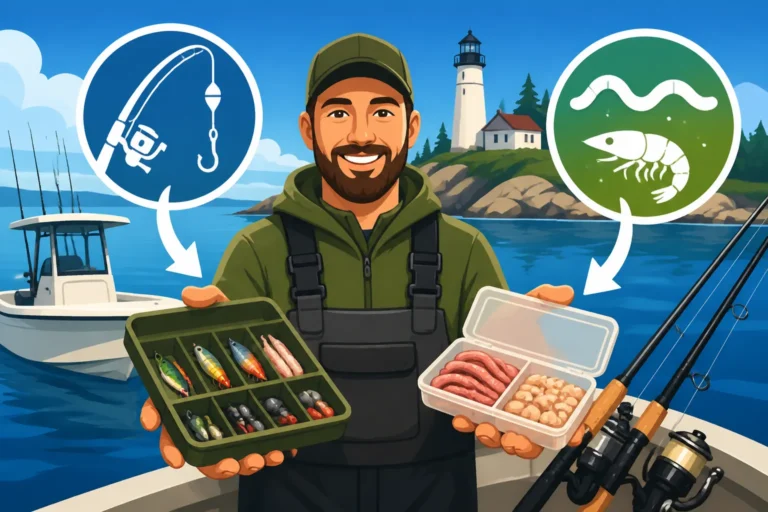
Once you have a few potential guides in mind, reach out! Email is often a good first contact, as it allows guides to respond when they're not on the water. Be clear about your desired dates, target species, number of anglers, and any special requests. Ask about their experience, what's included in the trip (gear, bait, lunch), and their approach to fishing. A good guide will be prompt and thorough in their responses, and this initial communication can give you a strong sense of their professionalism and personality.
Understanding Deposits, Payments, and Cancellation Policies
Nearly all reputable Maine fishing guides and charters will require a deposit to secure your booking. This deposit serves to hold your date and protect the guide's time. The amount can vary, but typically it's a percentage of the total trip cost or a flat fee. Make sure you understand:
- Deposit Amount: How much is due upfront?
- Payment Schedule: When is the remaining balance due? Some guides require full payment before the trip, others accept it on the day of.
- Payment Methods: What forms of payment do they accept (credit card, check, cash)?
- Cancellation Policy: This is crucial. What happens if you need to cancel? What happens if the guide needs to cancel due to weather or unforeseen circumstances? Maine Fishing Guide Cancellation Policies can vary widely. Some might offer a full refund if canceled far enough in advance, others a partial refund, or a credit for a future trip. Always get this in writing or confirmed via email.
A transparent guide will have a clear policy on these matters. Don't hesitate to ask questions until you fully understand all financial aspects and cancellation rules. This prevents uncomfortable surprises down the road.
Confirming Details and Pre-Trip Preparations
Once you've paid your deposit and confirmed your booking, the guide should send you a confirmation. This typically includes the date, time, meeting location, and any specific instructions. Pay close attention to these details.
Before your trip, the guide will likely provide guidance on What to Bring on a Maine Fishing Charter or guided trip. This usually includes:
- Clothing: Layering is key in Maine, even in summer. Be prepared for changing weather conditions.
- Footwear: Appropriate footwear for boat decks or uneven terrain.
- Food and Drink: Unless specified, you might need to bring your own snacks and beverages.
- Sun Protection: Hat, sunglasses, sunscreen are a must.
- Maine Fishing License: Critically important! Ensure you have the appropriate Maine Fishing License Guide for freshwater or saltwater, and the correct duration (e.g., a Maine 1-Day Fishing License Price for Visitors if you're only fishing for a short time). You can often buy these online in advance.
- Camera: To capture those memorable moments!
About a week or a few days before your trip, it's a good practice to send a brief email or text to your guide to reconfirm everything. This shows you're prepared and allows for any last-minute adjustments.
Choosing the Right Maine Fishing Guide for Your Trip
Selecting the perfect guide is about more than just finding someone available. It's about finding a match for your fishing style, expectations, and desired outcome. A great guide can elevate your trip from good to unforgettable.
Matching Guide Expertise to Your Desired Species and Style
Maine offers an incredible diversity of fishing, and guides often specialize. Are you looking to:
- Fly fish for wild brook trout in a remote stream? You'll want a guide who is an expert in Fly Fishing Techniques for Maine Rivers and possibly wilderness navigation.
- Troll for monster lake trout (togue) on a vast lake? Seek out a guide with a comfortable boat, sonar expertise, and a deep understanding of Trolling Techniques for Maine Lakes.
- Cast for striped bass along the coast? Look for a guide specializing in Maine Striped Bass Fishing Techniques with knowledge of tides, baitfish movements, and local hot spots in areas like Casco Bay or the Kennebec River.
- Target bass with artificial lures in a specific region? Find a guide who lives and breathes Maine Bass Fishing Limits by Zone and understands seasonal bass patterns.
Don't settle for a generalist if you have a specific goal. Ask prospective guides about their primary focus and success rates with the species or technique you're interested in. A truly great guide will be honest about their strengths and might even recommend another guide if they feel someone else is a better fit for your specific request.
Reading Reviews and Checking Credentials
In today's digital age, online reviews are a powerful tool. Platforms like FishingBooker allow past clients to share their experiences, providing invaluable insight into a guide's professionalism, patience, knowledge, and ability to put clients on fish. Look for consistent themes in positive reviews: "patient with kids," "knew all the spots," "great communicator," "made it an unforgettable day." Also, pay attention to how guides respond to feedback, both positive and negative.
Beyond reviews, check a guide's credentials. In Maine, all professional fishing guides must be a Maine Registered Guide License Requirements. This means they've passed exams on navigation, first aid, safety, and Maine's fish and wildlife laws. Don't hesitate to ask for their Maine Guide license number or look them up on the Maine Department of Inland Fisheries and Wildlife website. For saltwater charters, especially those operating further offshore, captains will also hold specific U.S. Coast Guard licenses. These credentials assure you of a certain level of safety and competence.
Asking the Right Questions Before Committing
Before you commit to a booking, have a list of questions ready. This not only helps you gather information but also gives you a feel for the guide's personality and communication style.
Here are some essential questions to ask:
- "What's your typical success rate for [target species] on [target water] during [your desired season]?" (Be realistic; fishing is never guaranteed.)
- "What kind of boat and equipment do you use? Is it suitable for my group size?"
- "What's included in the price, and what should I bring?" (e.g., Maine Fishing License Costs Guide, bait, tackle, food, drinks, rain gear)
- "How do you handle bad weather?" (Referencing their cancellation policy).
- "Are you family-friendly? I'm bringing my kids." (If applicable.)
- "What's your philosophy on catch and release versus keeping fish?" (Aligns expectations.)
- "Do you clean and bag the fish we keep?"
- "How do you prefer communication before the trip?"
An open dialogue with your guide ensures that both parties have a clear understanding of expectations, helping to create a smooth and enjoyable experience on the water.
| Booking Aspect | Recommendation for Peak Season Bookings | Last-Minute Booking Strategies |
|---|---|---|
| Lead Time | 6-12 months in advance | As soon as possible, be highly flexible |
| Target Dates | Secure specific preferred dates, holidays | Open to weekdays, alternative months |
| Guide Choice | Access to top-tier, specialized guides | May need to consider newer guides or those with cancellations |
| Species/Style | Can target highly specific fish/techniques | Be open to what's biting or guides available |
| Deposit/Payment | Standard deposits and clear policies | Confirm cancellation policies immediately for flexibility |
| Preparation | Ample time for gear, licenses, travel planning | Quick turnaround, rely on guide for immediate needs |
| Stress Level | Low, confidence in secured trip | High, uncertainty, potential disappointment |
Navigating Common Challenges and Smart Solutions
Even with careful planning, unexpected challenges can arise. Knowing how to handle them can make a big difference in the overall success of your trip.
Weather-Related Cancellations and Rescheduling
Ah, the unpredictable Maine weather! A beautiful forecast can turn into a blustery, rainy day, making fishing unsafe or simply miserable. This is where a clear Maine Fishing Guide Cancellation Policies comes into play. Most reputable guides prioritize client safety and will make the call to cancel a trip due to adverse weather.
Solutions:
- Understand the Policy: Before booking, explicitly confirm how your guide handles weather cancellations. Will they offer a full refund, a credit for a future trip, or work with you to reschedule?
- Flexibility is Key: If you're traveling a long distance, try to build a buffer day into your itinerary, if possible. This way, if your trip is canceled, you might have an extra day to reschedule with the same guide.
- Communicate Early: If the forecast looks questionable, reach out to your guide a day or two in advance. They're often watching the weather closely and can give you an early heads-up.
- Consider Alternatives: If rescheduling isn't possible, ask if the guide offers alternative, more sheltered fishing spots that might still be viable in less-than-ideal conditions. Sometimes a change of location means saving the day.
Group Size and Capacity Limitations
Every guide and charter boat has a maximum capacity, dictated by safety regulations and comfort. If you're planning a trip for a larger group, say more than 2-4 anglers for a freshwater guide or more than 6-10 for a coastal charter, this can significantly impact availability. How Many People Can Go on a Maine Charter Boat? is an important question.
Solutions:
- Be Upfront: Clearly state your group size in your initial inquiry.
- Consider Multiple Guides/Boats: For very large groups (e.g., a corporate outing or a large family reunion), you might need to book two or more guides or boats. Some guides have networks and can help arrange this, especially for destinations like Sebago Lake Fishing Guides.
- Adjust Expectations: If your group is very large, be prepared that certain types of intimate fishing experiences, like fly fishing a small stream, might not be feasible for everyone simultaneously. You might need to split into smaller groups or opt for a larger charter vessel.
- Book Even Earlier: The larger your group, the further in advance you'll need to book to ensure suitable accommodations and guide availability.
Unexpected Changes and Guide Communication
Sometimes, things happen beyond anyone's control – a guide might have a family emergency, or their boat could break down. While rare, it's a possibility.
Solutions:
- Clear Communication: A professional guide will communicate any issues or changes with you as soon as possible. If you don't hear from them close to the trip, don't hesitate to reach out for a quick check-in.
- Backup Plan (Mental): While you've invested in a guide, it's wise to have a mental backup plan. This could be knowing where to buy a Maine Fishing License Guide for self-guided fishing, having a few public access spots in mind, or knowing if there's a local bait shop that offers basic rental gear.
- Trust the Guide: If your guide needs to make an adjustment or suggest an alternative, trust their expertise. They want you to have a good trip and will usually do their best to make it happen, even if the original plan needs to shift slightly. Often, a trusted guide can refer you to a colleague who can step in.
Booking a Maine fishing guide in advance isn't just about convenience; it's about securing the best possible experience, gaining access to expert knowledge, and ensuring your precious time on Maine's beautiful waters is spent making memories, not chasing availability. Plan ahead, communicate clearly, and get ready for an unforgettable fishing adventure!
Disclaimer
This article is for general informational purposes only and does not constitute professional advice. Laws, prices and regulations vary by location and change over time. Consult a qualified professional for guidance on your specific situation.