Maine Fishing License Guide
One of the most common frustrations for any angler heading to the pristine waters of Maine is figuring out the labyrinthine world of fishing licenses. It can feel like you need a law degree just to understand if you're legal to drop a line, especially with different types of licenses, residency rules, and specific exemptions. This comprehensive guide is here to untangle all that confusion, making sure you know exactly what you need to fish responsibly and enjoyably in the Pine Tree State.
Why You Absolutely Need a Maine Fishing License
Let's face it, nobody wants to get a surprise visit from a Maine game warden when they're out enjoying a peaceful day on the lake. The rules are there for a reason, primarily to fund vital conservation efforts and manage fish populations, ensuring healthy fisheries for generations to come. Without these funds, our beloved trout streams, salmon rivers, and bass lakes wouldn't be nearly as vibrant.
The Legal Requirement for Anglers
In Maine, if you're 16 years of age or older and planning to fish in any of the state's inland waters (lakes, ponds, rivers, streams, brooks), you are legally required to possess a valid fishing license. This isn't just a suggestion; it's a mandatory regulation enforced by the Maine Department of Inland Fisheries and Wildlife (MDIFW). Think of it as your ticket to access some of the best fishing opportunities on the East Coast. If you're caught fishing without the proper documentation, you could face fines and other penalties, which can quickly turn a relaxing day into a costly headache. It's simply not worth the risk. Making sure you have your license on your person, whether it's a physical copy or a digital one on your phone, is just part of responsible angling in Maine.
Beyond the legal aspect, purchasing a license is a direct contribution to the health and future of Maine's fisheries. The revenue generated from license sales goes towards stocking programs, habitat restoration, scientific research, and enforcement efforts. This means every license purchased helps maintain the incredible biodiversity and fishing quality that Maine is famous for. It's a small investment with a huge impact on the environment you love to explore.
Who is Exempt from Needing a License?
While the general rule is that anyone 16 and older needs a license, there are some specific exemptions designed to make fishing more accessible or to acknowledge certain demographics. It's crucial to understand these exemptions completely, as relying on incorrect information could still land you in trouble. You'll want to review the full details on Maine Fishing License Exemptions.
For instance, Maine residents under the age of 16 do not need a fishing license to fish in inland waters. This is fantastic news for families looking to introduce their children to the joys of fishing without an extra financial burden. It encourages youth participation and helps foster a love for the outdoors from a young age. However, remember that while they don't need a license, they are still subject to all other fishing regulations, including bag limits, length limits, and season dates. It's important for an adult to be familiar with these rules, especially if supervising young anglers.
Another key exemption applies to certain disabled veterans who are Maine residents. If you are a Maine resident veteran who has a 100% service-connected disability, you are eligible for a complimentary license. This is a small token of gratitude for their immense sacrifice and service. Similarly, members of the military who are residents or stationed in Maine may have specific exemptions or discounts available. It’s always best to check the latest MDIFW guidelines or contact them directly to confirm eligibility for any special status.
Finally, anyone fishing on designated "Free Fishing Days" is exempt from needing a license. Maine typically offers a couple of these days each year, often coinciding with popular holidays or events like Valentine's Day for ice fishing, and Memorial Day Weekend for open water. These days are a fantastic opportunity for non-licensed anglers, perhaps those visiting from out of state or those who haven't fished in years, to try their hand without the upfront cost of a license. Details for these can be found in the Maine Free Fishing Weekend Rules guide.
Types of Maine Fishing Licenses Available
Maine offers a variety of fishing licenses tailored to different needs, whether you're a lifelong resident, a seasonal visitor, or just planning a short trip. Understanding these options is key to purchasing the correct license for your situation and avoiding any unnecessary expense or, worse, being caught without the right paperwork.
Resident vs. Non-Resident Options
The first and most significant distinction in Maine fishing licenses is between resident and non-resident options. Your residency status dictates both the cost and the types of licenses available to you. To qualify as a Maine resident for licensing purposes, you generally must have resided in Maine for at least 3 months immediately preceding your license application. This means owning property here or having a seasonal camp isn't enough; you need to demonstrate continuous physical presence. You'll typically need to provide proof of residency, such as a Maine driver's license or state ID, along with other documentation, to prevent misuse of resident rates. The Maine Resident Fishing License Cost is significantly lower than that for non-residents, reflecting the state's support for its local population.
Non-residents, on the other hand, include anyone who does not meet Maine's residency requirements. This category covers most visitors, tourists, and out-of-state anglers coming to experience Maine's renowned fishing. While the cost is higher, the state makes it very easy for non-residents to purchase licenses, recognizing the significant contribution these visitors make to the local economy and conservation efforts. Non-residents have a range of options from short-term to season-long licenses, allowing them flexibility depending on the length of their stay. You can learn more about these specifics in our Maine Nonresident Fishing License Cost article.
Short-Term vs. Annual Licenses
For both residents and non-residents, Maine offers a choice between short-term and annual licenses. This flexibility is incredibly helpful for different types of anglers.
Annual Licenses: These licenses are valid for the entire calendar year, typically from January 1st to December 31st. They are the most economical choice for anyone planning to fish frequently throughout the year. For residents, an annual license offers the best value if you intend to fish for more than just a few days. For non-residents, a season-long license might make sense if you plan multiple trips to Maine, or an extended stay. These licenses usually become available for purchase in December for the upcoming year, allowing eager anglers to get a head start.
Short-Term Licenses: These are primarily designed for visitors or residents who only plan to fish for a very limited period. Non-residents, in particular, benefit from these options, as they can choose a license that perfectly matches their vacation plans. Common short-term options include:
- 1-Day Fishing License: Perfect for a quick, impromptu fishing trip. Many visitors exploring the coast or lakes might opt for this if they only have a single day to cast a line. The 1-Day Fishing License Cost and Rules are usually straightforward.
- 3-Day Nonresident Fishing License: A popular choice for a long weekend getaway. This provides enough time to explore a few different spots without committing to a full season.
- 7-Day Nonresident Fishing License: Ideal for a week-long vacation in Maine. This offers ample opportunity to fish multiple locations and species.
- 15-Day Nonresident Fishing License: For those planning a more extended stay, such as two weeks of adventuring in the Maine wilderness.
These short-term licenses provide excellent flexibility and can often be a more budget-friendly option than a full season license for casual visitors.
Specialty Licenses and Combinations
Maine also offers several specialized licenses and combination packages that cater to specific groups or provide added value.
Senior Lifetime Fishing License: Maine residents who are 65 years of age or older (and meet specific residency requirements) may be eligible for a lifetime fishing license. This is a fantastic benefit, allowing seniors to fish for the rest of their lives without needing to renew annually. It’s a wonderful program that recognizes long-term residents and encourages continued outdoor activity. Our guide on Senior Lifetime Fishing License Eligibility provides all the necessary details.
Disabled Veteran Fishing License: As mentioned earlier, Maine offers a complimentary fishing license to resident veterans with a 100% service-connected disability. This special license ensures that those who have sacrificed so much can enjoy the therapeutic benefits of fishing in Maine's beautiful environment. More information can be found in our Disabled Veteran Fishing License Eligibility article.
Combination Hunting and Fishing License: For those who enjoy both angling and hunting, Maine offers combination licenses. These licenses provide a discounted rate compared to purchasing separate hunting and fishing licenses. It's a convenient and cost-effective option for individuals who participate in both activities throughout the year. These combined licenses are particularly popular among avid outdoors enthusiasts looking to streamline their licensing needs. You can explore the Combination Hunting and Fishing License Options to see if this is right for you.
How and Where to Purchase Your Maine Fishing License
Getting your Maine fishing license is simpler than you might think, with multiple convenient options available. Whether you prefer the ease of online purchasing or a quick stop at a local vendor, Maine has made the process user-friendly.
Buying Online: The Easiest Way
For most people, purchasing a Maine fishing license online is by far the easiest and quickest method. The Maine Department of Inland Fisheries and Wildlife (MDIFW) offers a secure and straightforward online portal where you can buy licenses 24/7 from the comfort of your home, or even from your phone while on the go. This means you can purchase your license even outside of regular business hours, ensuring you're ready for that early morning bite.
The online system will walk you through the process, asking for your personal details, proof of residency (if applicable), and allowing you to select the type of license you need. You'll typically receive an immediate confirmation and a printable license. It's a good idea to print a physical copy to carry with you, but many wardens will also accept a digital copy displayed on your smartphone. Just make sure your phone is charged! This method saves you time, gas, and the hassle of finding a physical vendor. Our detailed guide on How to Buy a Maine Fishing License Online can walk you through the steps.
In-Person Purchase Locations
For those who prefer a more traditional approach, or if you find yourself needing a license last minute while already in Maine, there are numerous in-person purchase locations across the state. These agents are typically local businesses that have partnered with the MDIFW to provide license services.
You can often find fishing licenses at:
- Sporting Goods Stores: Larger retailers like Kittery Trading Post, L.L.Bean, or even Walmart often have dedicated counters or departments for license sales. They usually have staff who are knowledgeable about the different license types and can answer basic questions.
- General Stores and Convenience Stores: Many smaller, local general stores, especially in more rural areas, serve as license agents. These are often invaluable resources in areas where other options might be scarce.
- Town Clerks' Offices: Your local town or city clerk's office typically sells fishing licenses during regular business hours. This can be a reliable option if you're a resident and prefer to handle things locally.
Before heading out, it's always a good idea to call ahead to confirm their hours and that they are indeed a license agent. Some smaller locations might have seasonal hours or be closed on certain days. When buying in person, remember to bring the necessary identification and payment. You can find more information about these locations in our Where to Buy a Maine Fishing License guide.
What You'll Need to Buy a License
Regardless of whether you purchase your license online or in person, you'll need to have certain information and documents ready. This helps streamline the process and ensures you get the correct license.
- Proof of Identity: A valid government-issued photo ID is essential. This could be a driver's license, state ID card, or passport. This verifies who you are.
- Proof of Residency: If you're applying for a resident license, you'll need to demonstrate that you meet Maine's residency requirements. This often means presenting your Maine driver's license, a Maine state ID, or other documents that prove you've lived in the state for the required period. Without proper proof, you'll likely be required to purchase a non-resident license.
- Previous License Information (if renewing): If you're renewing an expired license, having your old license number handy can sometimes expedite the process, though it's not always strictly necessary. The system can usually look you up by your other identifying information.
- Payment Method: Be ready with a credit card, debit card, or cash, depending on the purchase location. Online purchases will require a valid credit or debit card.
- Date of Birth: This is a standard requirement for all license applications.
Having all this information readily available will make the process of getting your license quick and painless, getting you out on the water faster.
Understanding Maine's Fishing License Costs
The cost of a Maine fishing license varies significantly depending on your residency status and the duration of the license. It's important to understand these differences to budget for your trip and ensure you're getting the best value. Remember that these prices are subject to change, so always check the official MDIFW website for the most current figures, or consult our Maine Fishing License Costs Guide.
Resident License Price Breakdown
For Maine residents, the state aims to keep fishing affordable, recognizing the importance of outdoor recreation for its citizens. The annual resident license is generally the most popular and cost-effective option for those living in the state.
A standard annual resident fishing license typically costs around $25-$30. This allows you to fish all inland waters from January 1st to December 31st of the purchasing year. For senior residents (65 and older), the option for a lifetime license is often available at a significantly reduced rate, or even free for those over a certain age threshold and meeting specific criteria. For instance, residents 70 and older may be eligible to fish for free. The exact details for this can be found in our dedicated article, Senior Lifetime License Cost for Maine Residents 70 and Older.
Combination licenses, which include both fishing and hunting privileges, are also available for residents at a bundled price, usually around $45-$50. This provides substantial savings if you participate in both activities. Additionally, special licenses for disabled veterans who are Maine residents are complimentary, a gesture of appreciation for their service. These programs make sure that Maine's residents, especially those who have given so much, can continue to enjoy the state's natural beauty without financial burden.
Non-Resident License Price Breakdown
Non-residents will find that their license costs are higher than resident rates, but still offer good value considering the quality of fishing opportunities available in Maine. The variety of short-term options makes it easy to choose a license that fits your vacation plans precisely.
Here’s a general idea of non-resident fishing license costs:
- Annual Non-Resident Fishing License: This usually runs between $60-$70. It's the best option if you plan to visit Maine multiple times throughout the year or for an extended stay. Our Can Out-of-State Anglers Buy a Maine Season License? discusses this further.
- 1-Day Non-Resident Fishing License: Expect to pay around $10-$15 for a single day. This is perfect for a spontaneous fishing excursion.
- 3-Day Non-Resident Fishing License: Priced typically in the $25-$30 range.
- 7-Day Non-Resident Fishing License: Often costs around $40-$45, ideal for a week-long trip.
- 15-Day Non-Resident Fishing License: Generally in the $50-$60 range, suitable for longer vacations.
These tiered options allow visitors to tailor their license purchase to the length of their stay, preventing them from overpaying for a full annual license if they're only visiting for a short period. For specific costs for the upcoming year, you might check Maine Nonresident Fishing License Cost 2026 for future planning.
Agent Fees and Total Costs
When purchasing a fishing license, especially in person, you might encounter an "agent fee." This is a small surcharge added by the vendor (the general store, sporting goods shop, or town office) to cover their administrative costs for processing the license sale. These fees are usually just a dollar or two per license. While the base license price is set by the state, the agent fee is typically retained by the vendor.
For example, if a resident annual license is $25, and the agent charges a $2 fee, your total cost will be $27. When purchasing online, there may be a small processing fee as well, which is usually clearly stated before you finalize your transaction. It's important to be aware of these potential extra costs so you're not surprised at checkout. Often, the convenience of purchasing locally or online is well worth the small additional fee. You can generally find information about these additional charges when you explore options like Maine Fishing License Cost With Agent Fees Included.
License Validity, Renewal, and Expiration Dates
Understanding when your Maine fishing license is valid and how to renew it is just as important as knowing how to buy it. Missing an expiration date can lead to an unlawful fishing situation, even if you had good intentions.
How Long is a Maine Fishing License Valid?
Maine fishing licenses operate on a calendar year system, not a 12-month period from the date of purchase. This is a common point of confusion for many anglers, especially those accustomed to licenses that expire exactly one year after being bought.
A Maine fishing license, whether annual or short-term, is valid for the calendar year in which it is purchased. This means it generally expires on December 31st of that year. So, if you buy an annual license in July, it will still expire on December 31st, not the following July. The same applies to short-term licenses; a 7-day license purchased in December will only be valid for those 7 days, and then still expire on December 31st if the period extends into the next calendar year. However, for short-term licenses like the 3-day or 7-day, they are typically valid for the consecutive days specified, regardless of the calendar year end if purchased late in the year (e.g., a 7-day purchased Dec 28 would be valid until Jan 3). It’s always critical to double-check the exact validity dates printed on your specific license. Our guide, Does a Maine Fishing License Expire on December 31?, clarifies this system.
This calendar year system helps simplify enforcement and ensures everyone is on the same cycle. Most anglers plan to purchase their new license in late December or early January for the upcoming year, ensuring uninterrupted access to Maine's waters.
Renewing Your License Annually
Renewing your Maine fishing license is typically a quick and painless process, especially if you do it online. The MDIFW website usually opens up sales for the upcoming year in December, giving anglers a full month to renew before the new year officially begins.
When renewing online, the system will often recognize you from previous purchases, pre-filling much of your information, which speeds up the process considerably. You'll just need to verify your details, select your desired license type for the new year, and complete payment. It's a convenient way to keep your license current without having to visit an agent in person. For those who prefer the in-person method, you can visit any authorized license agent starting in December for the new year's license.
Setting a reminder on your phone or calendar for late December is a good practice to ensure you don't accidentally let your license lapse. Many anglers make it a tradition to buy their new license as part of their holiday preparations! Our Maine Fishing License Renewal Rules guide offers more in-depth advice.
What Happens if Your License Expires?
If your Maine fishing license expires and you continue to fish, you are effectively fishing without a valid license, which carries penalties. This is why understanding the December 31st expiration date is so important. Many anglers, especially those who only fish occasionally or early in the new year, inadvertently let their license expire.
The consequences of fishing with an expired license are the same as fishing without one: you could be issued a warning, a fine, or in more serious cases, face legal action. The amount of the fine can vary, but it's always an unpleasant and avoidable situation. A game warden will typically verify your license in the field, and if it's found to be expired, they will address the violation. There's usually no grace period for expired licenses, so you must have a current one from January 1st onwards if you're 16 or older.
To avoid any issues, always check the validity date on your license before heading out. If it's expired, simply purchase a new one online or from an agent. It takes only a few minutes and ensures your fishing adventures remain legal and enjoyable.
Navigating Maine's Saltwater Fishing Registry
Maine offers both freshwater and saltwater fishing opportunities, and understanding the distinct requirements for each is crucial. While a freshwater license covers inland waters, saltwater fishing has its own set of rules, often involving a registration process rather than a traditional license.
Do You Need a Saltwater Registry in Maine?
This is a common question, and the answer can be a bit nuanced. For the most part, if you are recreationally fishing in Maine's saltwater from shore, a private boat, or a pier, you are required to register with the Maine Saltwater Fishing Registry. This registration is generally free for Maine residents. Non-residents who hold a valid saltwater fishing license from another state that offers reciprocity with Maine may be exempt from the Maine registry, but it's vital to check the current reciprocity agreements. Otherwise, non-residents will also need to register.
However, there are specific situations where you don't need to register:
- On a For-Hire Charter or Headboat: If you are fishing aboard a federally permitted for-hire vessel (a charter boat or headboat), the captain's federal permit covers all passengers, so you do not need your own individual saltwater registration. This makes deep-sea fishing trips easy for visitors. Our guide, Do Charter Fishing Passengers Need Their Own License in Maine?, elaborates on this.
- Under 16 Years Old: Similar to freshwater, individuals under 16 generally do not need to register for saltwater fishing.
- Disabled Veterans (Maine Residents): Some exemptions apply to resident disabled veterans, similar to freshwater licenses.
The purpose of the saltwater registry is primarily for data collection by the National Oceanic and Atmospheric Administration (NOAA) to help manage federal fisheries. It allows them to estimate angler effort and harvest, which is critical for sustainable management of species like striped bass, mackerel, and cod. You can find comprehensive details on Maine Saltwater Fishing Registry Guide.
How to Register for Saltwater Fishing
Registering for Maine's saltwater fishing is typically a very simple and free process for residents. Most commonly, it's done online through the MDIFW website, just like purchasing an inland fishing license.
When you access the online portal, you'll select the saltwater registry option, provide your personal information, and confirm your residency. There's usually no fee for Maine residents for this registration. Upon completion, you'll receive a confirmation, which you should keep handy. While it's not a physical license like a freshwater one, having proof of your registration is important if a marine patrol officer or game warden checks.
For non-residents, if you don't have a reciprocal state license, you'll also register through the MDIFW system. There might be a nominal fee for non-residents if their home state doesn't have a reciprocal agreement or if they are not covered by a federal permit. Always consult the most current MDIFW information for specific requirements and potential costs, or refer to our Saltwater Fishing Registry Cost and Requirements article.
Common Misconceptions About Saltwater Fishing Permits
There are several common misunderstandings surrounding Maine's saltwater fishing registry that can lead to confusion.
- "My Freshwater License Covers Saltwater Too": This is perhaps the most prevalent misconception. A Maine freshwater fishing license does not cover saltwater fishing. These are entirely separate requirements. If you plan to fish both inland and coastal waters, you need both a freshwater license (if applicable) and a saltwater registration (if applicable). Our guide on Maine Freshwater vs Saltwater License Differences dives deeper into this.
- "I Don't Need It If I'm Just Fishing From a Pier": Many people assume that if they're not in a boat, they don't need a permit. This is incorrect. If you are 16 or older and fishing recreationally in Maine's marine waters from any location—shore, dock, pier, or private boat—you need to be registered, unless specifically exempted (e.g., on a charter boat).
- "It's a Full-Blown License": While it's a legal requirement, Maine's saltwater registration is not the same as a traditional fishing license. It's more of a data collection tool. In other states, it might be called a saltwater license, but in Maine, the term "registry" is typically used to denote its primary function.
Always err on the side of caution. If you're unsure whether you need to register, take a few minutes to check the MDIFW website or make a quick call. It's much better to be properly informed than to risk a fine. Our article Do I Need a Saltwater License to Fish From a Maine Pier? specifically addresses pier fishing concerns.
Consequences of Fishing Without a License in Maine
Nobody wants to face legal trouble when they're simply trying to enjoy the great outdoors. Fishing without a license in Maine isn't just a minor oversight; it's a violation of state law, and the consequences can range from an uncomfortable conversation with a warden to significant fines. It truly underscores the importance of being fully prepared before you even cast your first line.
Penalties and Fines for Non-Compliance
The penalties for fishing without a valid Maine fishing license can vary depending on the specific circumstances, including whether it's a first offense, the angler's cooperation, and the discretion of the game warden. However, generally, if you're caught fishing without a license when one is required, you can expect to receive a summons or a warning.
A common penalty involves a monetary fine. These fines are not insignificant and can quickly turn an otherwise inexpensive day of fishing into a costly mistake. The amount of the fine can fluctuate, but it's typically in the range of $100 to $300 for a first offense, plus court fees. Repeated offenses can lead to much steeper fines, and potentially even the suspension of future fishing privileges. It’s also possible that any fish caught may be confiscated. Think about it – a $25 annual license seems pretty cheap when compared to a $200 fine and the embarrassment of being cited. Our Maine Fishing License Fine for No License article provides more specific details on potential financial penalties.
Beyond the immediate financial repercussions, there's also the inconvenience and stress of dealing with the legal process. This could mean a mandatory court appearance, which requires time off work or other commitments, adding further cost and frustration. It simply isn't worth the risk when licenses are so readily available and relatively affordable. Remember, wardens are there to enforce regulations that protect our natural resources, and they take their job seriously.
The Importance of Supporting Conservation
Beyond the legal ramifications, fishing without a license in Maine carries an ethical consequence: you're not contributing your fair share to the conservation efforts that make Maine's fisheries so exceptional. Every license purchased plays a direct role in funding the programs that protect, manage, and enhance fish populations and their habitats.
These funds are crucial for:
- Fish Stocking Programs: Ensuring vibrant populations of popular species like brook trout and landlocked salmon in countless lakes and streams.
- Habitat Restoration: Projects that improve water quality, restore spawning grounds, and enhance overall aquatic ecosystems.
- Research and Monitoring: Scientific studies that help biologists understand fish populations, track health, and make informed management decisions.
- Law Enforcement: Funding the game wardens who protect against poaching and ensure fair access for all.
When you buy a license, you're not just buying a piece of paper; you're investing in the future of Maine fishing. It's a way for anglers to give back to the resource that provides so much enjoyment. Those who fish without a license are essentially freeloading on the contributions of responsible anglers, and undermining the very system that sustains our cherished fishing traditions. It’s a collective responsibility that every angler shares.
Special Considerations for Maine Anglers
Maine's fishing regulations aren't always a one-size-fits-all situation. There are specific rules and exemptions for certain days, age groups, and military personnel that are important for every angler to understand.
Free Fishing Days Explained
Maine designates specific "Free Fishing Days" each year, offering a fantastic opportunity for residents and non-residents alike to fish without a license. These days are usually strategically placed to encourage participation and introduce new people to the sport. While you don't need a license on these days, all other fishing regulations, such as bag limits, length limits, and gear restrictions, still apply.
Typically, Maine offers two distinct periods for free fishing:
- Winter Free Fishing Weekend: Often held around Valentine's Day or President's Day weekend, this is specifically for ice fishing. It's a perfect chance for families to try ice fishing for the first time without the initial cost of a license. The Maine Valentine's Weekend Free Ice Fishing Days is a popular event.
- Summer Free Fishing Weekend: Usually occurs in early June, coinciding with Memorial Day Weekend or National Fishing and Boating Week. This allows for open water fishing on inland waters without a license. It's a great way to kick off the summer fishing season.
These days are excellent for introducing friends or family members to fishing who might not otherwise purchase a full license. They also provide an opportunity for experienced anglers to try a new fishing spot or technique without committing to an additional license if they already have one for other states. Just remember to always verify the exact dates each year through the MDIFW website, as they can sometimes shift. You can always check our Maine Free Fishing Weekend Dates for 2026 for future planning.
Rules for Kids and Juniors
Maine encourages young people to get involved in fishing by offering generous exemptions for junior anglers. This approach helps cultivate a new generation of conservationists and outdoor enthusiasts.
Specifically, Maine residents and non-residents under the age of 16 do not need a fishing license to fish in inland waters. This means that if you're planning a family trip to one of Maine's beautiful lakes, your children can join in the fun without any licensing hassle. It's a wonderful benefit that makes fishing accessible and affordable for families. However, it's crucial to remember that while they don't need a license, all other regulations—such as daily bag limits, minimum length requirements, and specific gear restrictions for certain waters—still apply to them. An adult supervising a junior angler should be fully aware of these rules. Our Do Kids Need a Fishing License in Maine? guide covers this in more detail.
This exemption is a huge draw for families, making Maine a prime destination for a kid-friendly fishing vacation. Imagine a young angler reeling in their first brook trout in the pristine waters of the Rangeley Lakes Fishing Guide area without the need for paperwork! It fosters a love for the sport and for Maine's natural resources early on.
Military Personnel and Veteran Discounts
Maine deeply respects the service of its military personnel and veterans, offering specific considerations regarding fishing licenses. These programs aim to make it easier and more affordable for those who have served to enjoy the state's natural bounty.
Active Duty Military: Active duty members of the U.S. Armed Forces who are Maine residents, or who are permanently stationed in Maine, may be eligible for resident rates on fishing licenses, even if they haven't met the full 3-month residency requirement. This is a significant benefit, as non-resident licenses are considerably more expensive. They typically need to provide proof of active duty status and where they are stationed. Our Fishing License Rules for Active Military article provides comprehensive information on these benefits.
Disabled Veterans: As highlighted earlier, Maine residents who are 100% service-connected disabled veterans are eligible for a complimentary lifetime fishing license. This is a profound recognition of their sacrifice. To qualify, veterans usually need to provide documentation from the U.S. Department of Veterans Affairs confirming their 100% service-connected disability rating. This generous program ensures that these veterans can enjoy fishing in Maine for free, for life. For further details, you can consult the Maine Disabled Veteran Fishing License Requirements. These policies reflect Maine's commitment to supporting those who have served our nation.
Navigating Specific Fishing Regulations
Beyond just the license, understanding Maine's overall fishing regulations is paramount. The state has diverse aquatic environments, and regulations are carefully crafted to protect these unique ecosystems and fish populations. Having your license is just the first step; knowing the rules is equally vital for responsible angling. You'll want to consult the official MDIFW fishing law book, which is available online and at license agents, or reference our Maine Fishing Regulations Explained guide.
General Law vs. Special Regulations Waters
One of the most important distinctions in Maine fishing is between "General Law" and "Special Regulations" waters. Misunderstanding which applies can lead to violations, even with a valid license.
General Law: This refers to the standard set of rules that apply to the majority of Maine's inland waters. If a specific lake, pond, river, or stream is not listed as having special regulations, then General Law applies. These rules typically cover standard season dates (e.g., open water fishing from April 1 to September 30 in some zones, or year-round in others for specific species), bag limits (how many fish you can keep), length limits (minimum or maximum size), and gear restrictions. For instance, General Law might specify a certain number of lines you can use during open water fishing. Understanding the Maine General Fishing Law Definition Explained is critical for most anglers.
Special Regulations Waters: Many popular or sensitive fishing locations in Maine have "Special Regulations" that supersede the General Law. These special rules are put in place for various reasons:
- Conservation: To protect threatened or vulnerable fish populations, such as native brook trout in remote ponds, or to manage trophy fisheries.
- Species Management: To target specific species, like landlocked salmon in certain lakes, with unique limits or seasons.
- Unique Habitats: To account for unusual ecological conditions or to promote catch-and-release practices.
These special regulations can include different season dates, stricter bag or length limits, fly-fishing-only restrictions, single-hook artificial lure rules, or even catch-and-release-only stipulations. For example, a renowned brook trout pond might be fly-fishing-only with a zero bag limit, while a nearby lake under General Law allows bait and a daily limit. Always check the MDIFW regulations book for the specific water body you plan to fish. You might find different rules for Maine Bass Fishing Limits by Zone or Brook Trout Daily Bag Limits depending on whether you're in the North or South Zone. It's often helpful to look up specific waters you plan to fish using the MDIFW website’s searchable database.
Line Limits and Gear Restrictions
Maine also has specific rules regarding the number of lines you can fish with and certain gear restrictions, particularly when it comes to ice fishing and the use of lead tackle.
Open Water Line Limits: During open water fishing season, the general rule in Maine is that an angler may fish with no more than two lines at any time. This applies to most lakes, ponds, rivers, and streams under General Law. Each line can have a single hook or a lure with multiple hooks. This limit helps prevent overfishing and ensures fair opportunity for all anglers. There can be exceptions for certain waters with special regulations, so always check the specific rules for your intended fishing location. Detailed rules are in our Maine Open Water Line Limits guide.
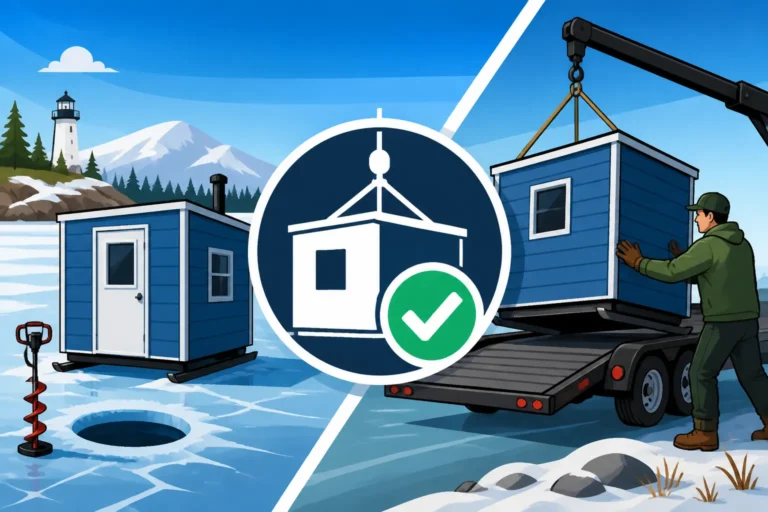
Ice Fishing Line Limits: When it comes to ice fishing, the rules are significantly different, reflecting the unique nature of the sport. During the ice fishing season, an angler may fish with up to five lines (including tip-ups, jigging rods, or any combination). This allows anglers to cover more ice and increase their chances of success, which is often necessary when targeting deeper-dwelling species like togue or landlocked salmon. Each line must be under the immediate supervision of the angler. Additionally, ice fishing shacks have specific rules regarding identification and removal dates. Learn more in our Maine Ice Fishing Line Limits article.
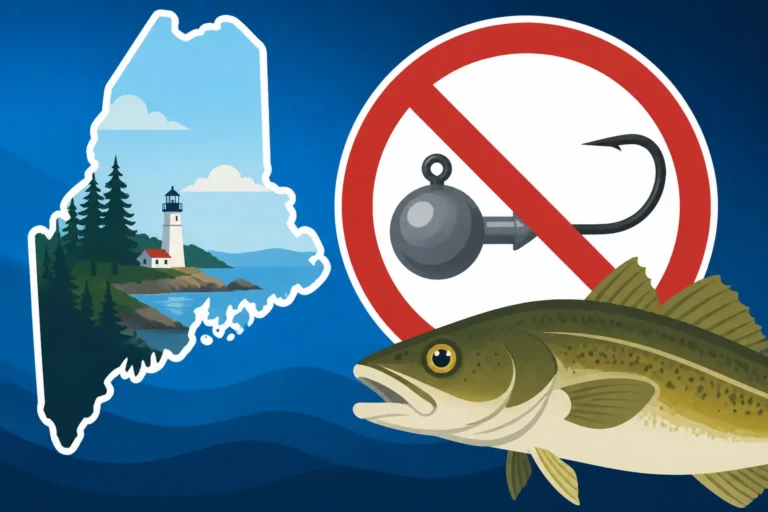
Lead Tackle Ban: Maine has been proactive in phasing out the use of lead sinkers and jigs in freshwater fishing due to the danger they pose to loons and other wildlife that can ingest them. The state implemented a ban on the sale and use of lead sinkers (1 ounce or less) and unpainted lead-headed jigs (2.5 inches or less) in recent years, with further restrictions coming into effect. For example, a ban on the sale and use of painted lead jigs of specific sizes is set to begin in September 2026. Anglers must ensure they are using lead-free alternatives like bismuth, steel, or tungsten. This is a crucial regulation for protecting Maine's iconic wildlife. You can read up on the specifics in our Maine Lead Jig Fishing Ban article. Always check the current regulations to ensure your tackle box is compliant.
Zones and Seasons
Maine is a large state with diverse climatic and ecological conditions, leading to different fishing zones and seasonal rules.
North and South Zones: For inland fishing, Maine is primarily divided into a North Zone and a South Zone. These zones have distinct General Law regulations, especially concerning fishing season dates and some species limits. The dividing line is roughly along Route 2 from Bethel to Mexico, then Route 17 to Rangeley, and so on. Understanding which zone you are fishing in is paramount. For example, the open water season may start earlier or end later in the South Zone for certain species, or ice fishing dates might differ. Our Maine North Zone vs South Zone Fishing Rules guide provides a detailed breakdown of these geographical distinctions and their impact on regulations. For example, if you're fishing a popular lake like Sebago Lake, you'll be under South Zone rules, whereas Moosehead Lake falls entirely within the North Zone.
Fishing Season Dates: Each fish species has specific open seasons, and these can vary by zone and even by individual water body. While some waters may offer year-round fishing for certain species, others have very strict opening and closing dates to protect spawning fish or juvenile populations. It's not uncommon for ice fishing seasons to open later and close earlier in certain regions, or for specific rivers to have a "catch and release only" season for a period. Always consult the MDIFW regulations for the exact water body and species you are targeting to ensure you are fishing within the legal dates. Our Maine Fishing Season Dates Guide is an invaluable resource for this. Knowing the season dates helps you plan your trips effectively and ensures you're fishing legally.
Essential Gear and Resources for Maine Anglers
Beyond just your license and knowing the rules, having the right gear and knowing where to find additional information can significantly enhance your Maine fishing experience.
Must-Have Fishing Gear
While a full tackle box is a personal preference, a few essentials will make your Maine fishing trip more enjoyable and safe:
- Appropriate Rod and Reel: Depending on what you're targeting (trout, salmon, bass, stripers), your rod and reel setup will vary. A versatile medium-light spinning combo is often a great starting point for many freshwater species.
- Tackle Box Basics: Include a variety of lures and baits suited for Maine's popular fish. For freshwater, this might mean spoons, spinners, small crankbaits, and worm harnesses. If you’re targeting striped bass in saltwater, bigger plugs, soft plastics, and bait rigs will be key. Don't forget terminal tackle like hooks, sinkers (lead-free!), swivels, and leaders. You can find a vast selection of these items on Amazon or at local Maine sporting goods stores.
- Pliers and Line Cutters: Essential for safely removing hooks and cutting line.
- Net or Lip Gripper: To safely land and handle fish, especially if you plan to practice catch and release.
- Waders and Boots: If you plan on stream or river fishing, good waders are a game-changer for accessing prime spots and staying dry.
- Appropriate Clothing: Maine weather can change quickly. Dress in layers, and always have rain gear, even on sunny days. Sunscreen and a hat are also crucial.
- Cooler with Ice: To keep your catch fresh if you plan to harvest fish within legal limits.
Having a waterproof case for your license and other important documents is also a smart move. Many anglers purchase handy waterproof license holders from retailers like Amazon to protect their paper licenses from the elements.
The Maine Fishing Law Book and Online Resources
The most authoritative source for all Maine fishing regulations is the official Maine Open Water & Ice Fishing Laws book, published annually by the MDIFW. This compact booklet contains all the general laws, special regulations for specific waters, season dates, bag limits, and other crucial information.
You can typically pick up a free physical copy of the law book at any licensed agent (sporting goods stores, town clerks, general stores) when you purchase your license. It's advisable to always have the most current version. Additionally, the MDIFW website is an invaluable online resource. Their website features:
- Searchable Law Book: An online, searchable version of the current fishing laws, allowing you to quickly look up regulations for a specific lake or river.
- Interactive Maps: Maps that can help you identify fishing zones and locate access points.
- Fish Stocking Reports: Information on where fish have been stocked, which can be helpful for planning trips.
- Contact Information: Ways to reach game wardens or MDIFW staff if you have specific questions or need to report a violation.
bookmarking the MDIFW website on your phone or computer is a smart move. When in doubt, always consult the official MDIFW resources or call the department directly. It’s the best way to ensure you're compliant and safe.
Disclaimer
Please note that fishing regulations in Maine are subject to change. While this guide aims to provide accurate and up-to-date information, it is not a substitute for the official Maine Department of Inland Fisheries and Wildlife (MDIFW) regulations. Always consult the most current MDIFW fishing law book or their official website before heading out to fish to ensure compliance with all laws and regulations.