Maine Fishing Season Dates Guide
One of the biggest headaches for anglers heading to the Pine Tree State is trying to figure out Maine's notoriously complex fishing season dates. It's not just a simple "open or closed" situation; you're dealing with different species, varying regional zones, and countless individual water bodies with their own unique rules. It can feel like you need a law degree just to cast a line without breaking regulations. This comprehensive guide is here to untangle that complexity, giving you the detailed breakdown of Maine's fishing seasons so you can plan your next fishing adventure with confidence and stay on the right side of the law.
Understanding Maine's Dynamic Fishing Seasons
Maine's diverse geography, from its rugged coastline to its vast inland forests and countless lakes and rivers, creates an incredible array of fishing opportunities. However, this natural richness also necessitates a sophisticated system of regulations to protect fish populations and ensure sustainable angling for generations to come. It’s not just about what you can catch, but when and where you can catch it.
Why Maine's Seasons Are So Layered
The complexity of Maine's fishing seasons isn't arbitrary; it's a carefully crafted system designed by the Maine Department of Inland Fisheries and Wildlife (MDIFW) to manage its precious aquatic resources. Think about it: a small, shallow pond in southern Maine might warm up quickly in spring and freeze solid in winter, offering a completely different environment than a deep, cold lake in the vast northern woods. Different fish species also have distinct spawning cycles, temperature preferences, and growth rates. For instance, brook trout thrive in cold, oxygen-rich streams, while largemouth bass prefer warmer, weedy lake margins.
This layering accounts for crucial ecological factors like spawning periods, which are often protected to allow fish to reproduce without disturbance, ensuring future generations. It also helps manage fishing pressure, preventing overharvesting of certain species during vulnerable times. Furthermore, the seasons consider varying ice conditions across the state, ensuring safety for ice anglers and preventing fishing on unstable ice. Without these layered regulations, Maine's incredible fisheries would quickly be depleted, leading to a much less vibrant and enjoyable angling experience for everyone. It’s a balancing act between providing ample opportunity and safeguarding the health of the ecosystem.
The Importance of the Maine Fishing Law Book
If you're serious about fishing in Maine, the official Maine Fishing Law Book is your Bible. While this guide provides a fantastic overview, the law book contains the precise, legally binding details for every water body and species. Relying solely on general advice, even from experienced local anglers, can sometimes lead to misunderstandings, especially with how frequently specific regulations can change for certain lakes or rivers. MDIFW updates this book annually, usually in late winter or early spring, and it's absolutely crucial to consult the most current edition before you head out.
You can usually pick up a physical copy at most bait shops, sporting goods stores like Kittery Trading Post or L.L.Bean, or even on a handy online retailer like Amazon. Many anglers also find the digital version on the MDIFW website incredibly useful, as it's searchable and can be accessed on your phone or tablet while you're out on the water. Taking the time to read through the sections relevant to your target species and chosen fishing spot can save you from costly fines or, worse, inadvertently harming fish populations. It’s a small effort that pays huge dividends in peace of mind and responsible angling. For more detailed information on regulations, you might want to read our comprehensive guide on Maine Fishing Regulations Explained.
General Law Fishing Season Dates: What You Need to Know
For many anglers, understanding the "General Law" is the first step, as these rules apply to the vast majority of lakes, ponds, rivers, and streams unless specific "Special Regulations" supersede them. It’s the baseline from which all other regulations deviate.
Open Water General Law Seasons
Maine's open water fishing season for most inland waters typically kicks off on April 1st and runs all the way through September 30th. This period, known as the "General Law Open Water Fishing Season," applies to species like landlocked salmon, brook trout, brown trout, lake trout (or togue, as we call them in Maine), and bass in waters not covered by special regulations. During these months, you’ll find anglers enjoying everything from casting for brook trout in small streams to trolling for salmon on large lakes.
However, there's a crucial caveat: while the season officially starts April 1st, many waters in the northern parts of the state might still be iced over well into April or even early May. "Ice-out" is a much-anticipated event, and while the law permits fishing, nature often has its own timetable. Conversely, some waters might remain open for certain species on a catch-and-release basis even beyond September 30th, often into October, or even year-round in some specific locations, but these are almost always under special regulations. Always double-check the specific water you plan to fish to ensure you're within the legal dates.
Beyond September 30th, many rivers and streams transition into a restricted fall fishing season, often catch-and-release only, specifically targeting wild brook trout and landlocked salmon during their spawning runs. This allows anglers to enjoy the vibrant fall colors and active fish while protecting the critical spawning process. For the most common inland sportfish, the April 1st to September 30th window is your standard timeframe for open water activities under general law.
Ice Fishing General Law Seasons
When the crisp autumn air gives way to bitter cold, Mainers eagerly anticipate the ice fishing season. Under General Law, the ice fishing season typically opens on January 1st and closes on March 31st. This three-month window is a cherished tradition, drawing thousands of anglers to the frozen lakes and ponds across the state. From jigging for perch to setting out tip-ups for a trophy togue, ice fishing offers a unique way to experience Maine's winter beauty.
Similar to open water, the actual start of your ice fishing season is dictated by safe ice conditions, not just the calendar date. Early January can be a bit of a gamble, especially in southern Maine, where ice might not be consistently thick enough for safe travel. Conversely, in the far northern reaches, lakes might be safe for ice fishing well before January 1st, but fishing before the official opening date is illegal unless specifically allowed by special regulations (which are rare for general ice fishing season starts). This is where consulting the annual law book and local intel from bait shops becomes invaluable.
It's also important to remember that line limits and other specific rules apply to ice fishing. Under General Law, you're generally allowed to fish with up to five lines when ice fishing, a significant difference from open water limits. However, there are exceptions, especially in special regulation waters where limits might be lower. To avoid any issues, always review the specific rules for your chosen body of water. Our detailed article on Maine Ice Fishing Rules Guide provides a lot more insight into this beloved winter pastime.
Navigating Maine's North Zone vs. South Zone Regulations
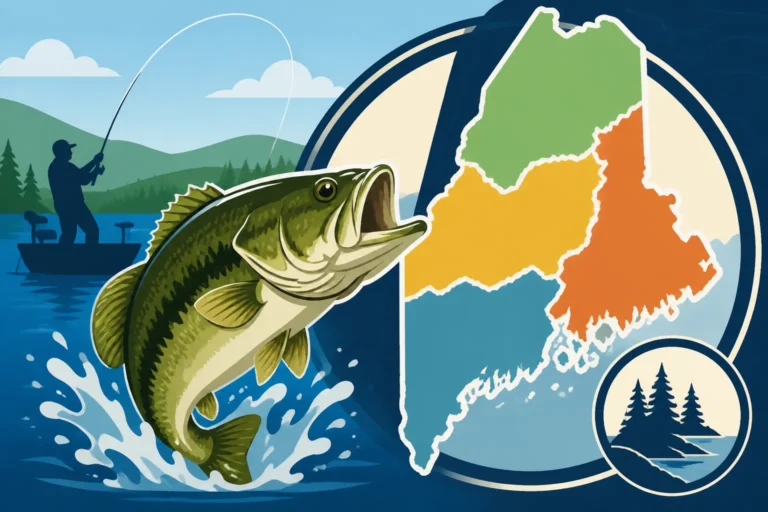
Maine is a big state, and its climate and ecological characteristics vary significantly from its southern coastal plains to its vast northern wilderness. To effectively manage these differences, the MDIFW has divided the state into two primary fishing zones: the North Zone and the South Zone. Understanding this geographical division is paramount, as it dictates different season dates, bag limits, and other regulations for many popular fish species.
Defining the North and South Zones
The dividing line between Maine's North and South Zones is essentially an east-west line that runs roughly along the northern borders of Oxford, Franklin, Somerset, Piscataquis, and Washington counties. More precisely, it follows specific roadways and geographical features to make it clear for anglers. Generally, if you're north of Route 2 and certain other designated lines, you're in the North Zone. If you're south of it, you're in the South Zone.
The purpose of these zones is to account for the climatic and environmental variations across the state. The North Zone, with its colder temperatures and longer winters, often has later ice-out dates, shorter growing seasons for fish, and a higher prevalence of cold-water species like brook trout and lake trout. The South Zone, on the other hand, experiences milder winters, earlier ice-out, and generally warmer waters, supporting a wider mix of species including smallmouth and largemouth bass, which thrive in slightly warmer conditions. These ecological differences necessitate tailored management strategies, which are reflected in the zone-specific regulations. It's not just a line on a map; it's a reflection of Maine's natural diversity. To dive deeper into this topic, be sure to check out our specific article on Maine North Zone vs South Zone Fishing Rules.
Key Seasonal Differences Between Zones
The North and South Zones often have different season dates, especially concerning the opening and closing of certain fisheries. For instance, the general law ice fishing season might have slightly different nuances between the zones, though the standard January 1st to March 31st often applies broadly. However, where you'll see the most significant differences are often in the bag limits and minimum lengths for certain species, or special extensions for specific types of fishing.
For example, bass fishing regulations can vary considerably. In the South Zone, bass waters are often managed to allow for a longer open season for harvest, reflecting the faster growth rates and larger populations. In the North Zone, where bass might grow slower, the regulations could be more restrictive, sometimes emphasizing catch-and-release during certain periods to protect the spawning population. Similarly, some remote ponds in the North Zone might have later opening dates for brook trout to protect them during critical post-ice-out periods when they are most vulnerable.
It’s not just about the start and end dates, but the subtle nuances of what you can keep and when. Always consult the MDIFW law book and pay close attention to which zone your intended fishing spot falls into. Ignoring these zone boundaries could lead to unintentional violations, even if you think you're following the "general" rules.
| Feature / Species | North Zone (Generally North of Route 2) | South Zone (Generally South of Route 2) |
|---|---|---|
| Ice Fishing Season | Generally Jan 1 – March 31 (with some earlier special regulations) | Generally Jan 1 – March 31 (with some earlier special regulations) |
| Open Water Season | Generally April 1 – Sept 30 (for general law waters) | Generally April 1 – Sept 30 (for general law waters) |
| Brook Trout Limits | Often more restrictive, emphasizes wild populations, specific pond rules | General law often allows more harvest, but many special rules apply |
| Landlocked Salmon | Similar general law dates, but specific lake rules vary widely | Similar general law dates, but specific lake rules vary widely |
| Smallmouth Bass | Often more catch-and-release focused or shorter harvest seasons | Longer harvest seasons, more liberal limits on many waters |
| Largemouth Bass | Less prevalent, often managed with more conservation-focused rules | Highly popular, longer seasons, more liberal limits on many waters |
| Ice Out Dates | Typically later (April into early May) | Typically earlier (Late March into April) |
Note: This table provides a general overview. Always consult the current Maine Fishing Law Book for exact, water-specific regulations.
Species-Specific Season Dates for Popular Fish
While general laws provide a baseline, many popular game fish in Maine have specific regulations that dictate when and how you can pursue them. These rules are tailored to the biology and conservation needs of each species, ensuring healthy populations.
Landlocked Salmon and Brook Trout Seasons
Landlocked salmon and brook trout are arguably Maine's most iconic freshwater sportfish, revered for their beauty and fighting spirit. Their seasons are often intertwined due to similar habitat preferences and management strategies. Under General Law, the open water season for both species typically runs from April 1st to September 30th. However, this is where the "special regulations" really come into play.
Many of Maine's premier salmon and trout waters, particularly large lakes like Sebago Lake, Moosehead Lake, and the Rangeley Lakes, have very specific season dates that extend beyond or alter the general law. For instance, some lakes might have a year-round catch-and-release season for salmon and trout, allowing anglers to target them even in the colder months, provided they are immediately released unharmed. Other waters might have a late fall season specifically for fly fishing, targeting staging or spawning fish. During the ice fishing season, these species are also highly sought after. While the general ice fishing season runs from January 1st to March 31st, many specific waters, especially those in the North Zone, might have slightly different start dates or unique bag limits for these prized fish. It is absolutely vital to consult the MDIFW law book for the specific lake or pond you intend to fish, as a single water body can have different rules for different species within it. For a deeper dive into these species, you can read our guides on Landlocked Salmon Fishing in Maine and Brook Trout Fishing in Maine.
Lake Trout Togue Season Dates
Lake trout, or "togue" as they are affectionately known in Maine, are denizens of the state's deepest, coldest lakes. These powerful fish are a favorite among ice anglers and those who troll deep during the open water season. Like salmon and brook trout, togue generally fall under the April 1st to September 30th open water season and the January 1st to March 31st ice fishing season under General Law.
However, togue populations are often managed very specifically due to their slow growth rates and vulnerability to overfishing. This means many of the lakes where togue thrive, such as Moosehead Lake, Sebago Lake, and Sebec Lake, have unique regulations regarding their season dates, bag limits, and minimum length requirements. For example, some large lakes might have an extended open water season for togue, sometimes even into October, but with strict catch-and-release rules or reduced bag limits after September 30th. During the ice fishing season, certain lakes might also have special dates that allow for an earlier start or later end, particularly in the deep, cold waters of the North Zone, where ice forms earlier and lasts longer. Always verify the regulations for the specific lake you are fishing to ensure compliance. Our article on Lake Trout and Togue Fishing in Maine offers more detailed information on targeting these magnificent fish.
Bass Fishing Seasons Largemouth and Smallmouth
Bass fishing in Maine, particularly for smallmouth and largemouth bass, has exploded in popularity over the last few decades. These aggressive, hard-fighting fish provide fantastic angling opportunities, especially in the warmer waters of central and southern Maine. The general open water season for bass typically mirrors other species, running from April 1st to September 30th. However, bass management includes specific nuances, especially around their spawning period.
Maine generally implements a "spring catch-and-release only" period for bass, usually from April 1st through June 20th. During this time, you can fish for bass, but you must immediately release them unharmed. This critical period protects bass during their spawning season when they are most vulnerable on their nests. After June 20th, the harvest season typically opens with specific bag limits and length requirements, which can vary between the North and South Zones and individual waters. For example, some lakes might have a specific slot limit, allowing anglers to keep fish within a certain size range while protecting very large or very small fish. Ice fishing for bass is also legal during the general ice fishing season, but they are less commonly targeted through the ice due to their reduced activity in cold water. For extensive details on both species, refer to our guides on Smallmouth Bass Fishing in Maine and Largemouth Bass Fishing in Maine.
Striped Bass Season Dates for Coastal Waters
For those who prefer the salty spray of the ocean, striped bass fishing along Maine's stunning coastline is a major draw. Unlike freshwater species managed by MDIFW, striped bass are migratory saltwater fish managed through federal and state cooperation, primarily by the Atlantic States Marine Fisheries Commission (ASMFC) and Maine Department of Marine Resources (DMR). This means their season dates and regulations are often subject to change based on coast-wide stock assessments and conservation needs.
Historically, the striped bass season in Maine is open year-round, but with very specific slot limits and bag limits that aim to protect the breeding stock and allow for sustainable harvest. Anglers are typically allowed to keep one fish per person per day, within a specific slot size (e.g., 28 to 31 inches). Fish outside this slot – whether undersized or oversized – must be immediately released. These slot limits are crucial for ensuring the health of the striper population. While the season is technically open year-round, striped bass are a migratory species, meaning they are primarily present in Maine's coastal waters from late spring (usually May or early June) through late fall (often October or November), before migrating south for the winter.
It's absolutely critical to stay informed about the current year's DMR regulations for striped bass, as they can change annually. You don't need a separate saltwater fishing license for striped bass if you're a Maine resident, but non-residents typically need to register with the Maine Saltwater Fishing Registry Guide (which is free) or hold a valid marine fishing license from another reciprocal state. Always check the DMR website or inquire at local tackle shops for the most up-to-date information on the striped bass slot limit and any other special rules. Find out more in our dedicated article on Striped Bass Fishing in Maine.
Special Regulations and Catch-and-Release Waters
Beyond the general laws and zone-specific rules, Maine's fisheries management includes a vast network of "special regulations" designed to fine-tune conservation efforts for individual water bodies. Ignoring these specific rules is one of the quickest ways to accidentally break the law, or worse, inadvertently harm a fragile fish population.
Decoding Special Regulation Waters
Special regulation waters are lakes, ponds, rivers, or sections of rivers that have rules different from the General Law. These regulations are meticulously detailed in the MDIFW Fishing Law Book and are usually listed by county and then by water body name. The reasons for these special rules are varied and crucial:
- Protecting Wild Fisheries: Many remote ponds or headwater streams that support wild, native brook trout populations will have more restrictive regulations, often catch-and-release only, or very limited harvest, to safeguard their genetic integrity and health.
- Enhancing Trophy Opportunities: Some lakes are managed to produce larger fish, meaning length limits might be higher, or certain size ranges are protected (slot limits) to allow fish to grow to trophy size.
- Addressing Specific Ecological Challenges: If a particular water body is facing pressure from invasive species, habitat degradation, or unique environmental factors, special regulations might be put in place to help the ecosystem recover or maintain balance. For instance, a lake might have a more liberal bag limit on an invasive species like northern pike to encourage their removal, while simultaneously having stricter limits on native trout.
- Extending Fishing Opportunities: Conversely, some waters might have special regulations that extend fishing opportunities, such as a year-round open season with strict catch-and-release rules, or an extended fall fly-fishing season.
It’s easy to get caught up in the excitement of planning a fishing trip, but before you wet a line, always, always check the special regulations for your chosen water. What might be legal on one side of a lake could be illegal on the other, or a stream feeding into a lake might have entirely different rules than the lake itself. A quick scan of the law book for your specific location on Amazon can be a lifesaver. This diligence is a cornerstone of responsible angling in Maine.
Year-Round and Catch-and-Release Only Fisheries
Among the special regulations, two common types are "year-round" and "catch-and-release only" fisheries. These are designed to offer continuous angling opportunities while still protecting fish populations.
-
Year-Round Fisheries: Some specific water bodies or sections of rivers are open to fishing for certain species year-round. This is particularly common in some rivers and streams in the South Zone that don't suffer from extreme ice conditions, allowing for extended open water fishing. However, even in "year-round" waters, there are almost always specific regulations regarding tackle (e.g., artificial lures only, single hook), bag limits (often zero or very restrictive), and length limits. The idea is to provide angling recreation during times when other waters might be closed, but without negatively impacting fish stocks. It offers a great opportunity for dedicated anglers to extend their season into the colder months.
-
Catch-and-Release Only Fisheries: These waters are perhaps the most conservation-oriented. In a catch-and-release only fishery, any fish caught must be immediately and carefully released back into the water. This means no harvest is permitted. These regulations are often found on fragile wild trout ponds, during specific spawning runs, or in waters where fish populations are particularly vulnerable. Many of Maine's blue-ribbon fly-fishing streams fall into this category, preserving the quality of the fishing experience by ensuring fish are not removed from the system. Often, these waters also have additional tackle restrictions, such as "artificial lures only" or "fly fishing only," to minimize harm to the fish. When fishing these areas, it's crucial to use appropriate techniques to ensure the fish have the best chance of survival. This includes minimizing handling, using barbless hooks, and releasing them quickly. For beginners looking to understand the core principles, our guide Maine Fishing Laws for Beginners would be a helpful resource.
Seasonal Fishing Opportunities and Best Times to Visit
Understanding Maine's fishing seasons isn't just about avoiding fines; it's about maximizing your chances of a successful and enjoyable trip. Each season brings its own unique challenges and rewards, dictated by fish behavior, water temperatures, and weather patterns. Knowing when to target what, and where, is key to a memorable angling experience.
Spring Fishing the Ice-Out Rush
Spring in Maine is a magical time for anglers, heralded by the much-anticipated "ice-out." This is when the last remnants of winter ice vanish from lakes and ponds, typically starting in late March in the southernmost regions and extending into early May in the northern wilderness. As soon as the ice clears, fish like landlocked salmon, brook trout, and lake trout become incredibly active near the surface, feeding aggressively after a long winter under the ice.
This period, roughly from April 1st through May, offers some of the best fishing of the year. Salmon and trout are often found in the top 10-20 feet of the water column, cruising shorelines, stream mouths, and shallow coves where smelt, their primary forage, are running. Trolling with smelt imitations, small spoons, or streamer flies near the surface can be exceptionally productive. In rivers and streams, brook trout are eager to strike at nymphs and wet flies. Bass, while often still in their pre-spawn patterns and under catch-and-release rules, also begin to move into shallower, warmer waters, offering exciting early-season action. The air can still be chilly, so dressing in layers is crucial, but the promise of a big fish after a long winter makes it all worthwhile. For tips on when to head out, check out Best Time of Year to Fish in Maine.
Summer Fishing Deep and Early
As Maine's summer temperatures rise through June, July, and August, the fishing dynamics shift dramatically. Surface waters warm up, driving cold-water species like salmon, togue, and brook trout deeper into the lakes and ponds where cooler, oxygen-rich water persists. This doesn't mean the fishing stops; it just means you have to adapt your techniques.
For salmon and togue, summer is prime time for deep trolling. Using downriggers, lead core lines, or copper line setups to present lures and bait at depths of 30 to 80 feet (or even deeper in some lakes) is often necessary. They'll be holding around thermal clines, submerged structures, or deep points. Early mornings and late evenings often provide brief windows when these fish might venture slightly shallower, especially on overcast days. Bass fishing, conversely, heats up as the water warms. Largemouth and smallmouth bass are very active throughout summer, found in weedy coves, around rocky points, and submerged structures. Topwater action can be explosive at dawn and dusk, while during the heat of the day, pitching jigs and soft plastics into cover or working deeper drop-offs can be effective. Rivers and streams can still hold active trout, but you'll often find them hiding in cold spring pockets or shaded, oxygenated riffles during the warmest parts of the day.
Fall Fishing the Spawning Runs
Fall fishing in Maine, typically from September through October, is a breathtaking experience, both for the vibrant foliage and the aggressive fish. As water temperatures begin to drop, many species become highly active again, feeding heavily in preparation for winter or their spawning cycles. This is particularly true for landlocked salmon, brook trout, and brown trout.
As fall progresses, landlocked salmon begin their migration up rivers and streams to spawn. This creates incredible opportunities for anglers targeting these powerful fish in the shallows of their spawning grounds, though many of these areas are catch-and-release only during this sensitive period. Brook trout also become exceptionally colorful and active, feeding aggressively in preparation for their fall spawn. Fly fishing with streamers or nymphs in rivers and streams can be particularly rewarding. Lake trout (togue) also move shallower in the fall, often staging on rocky shoals and ledges before their late fall spawn, offering excellent trolling and jigging opportunities. While the open water season for many species officially closes on September 30th under General Law, many special regulation waters extend fishing opportunities into October, often with specific tackle restrictions and catch-and-release requirements. It's a fantastic time to be on the water, experiencing Maine's beauty and robust fish populations.
Winter Ice Fishing Prime Time
Winter transforms Maine's lakes and ponds into vast frozen playgrounds, ushering in the eagerly anticipated ice fishing season. While the official General Law season runs from January 1st to March 31st, eager anglers often start looking for safe ice as early as December in the northern parts of the state. Ice fishing offers a unique camaraderie and a different kind of angling challenge, often targeting species that are harder to reach in summer.
Togue (lake trout) are a prime target during winter, found suspended over deep water or cruising along rocky structure. Jigging with heavy spoons or shiners on tip-ups are popular methods. Landlocked salmon and brook trout are also actively pursued, often found shallower than togue, especially in early and late ice periods. Perch and pickerel provide consistent action, particularly for families and beginners, as they are often plentiful and willing biters. Setting up a heated ice shack, sharing stories, and cooking fresh fish on the ice are all part of the tradition. However, safety is paramount. Always check ice thickness before venturing out, especially in early and late winter. A good ice auger and spud bar are indispensable tools. For comprehensive safety and technique tips, consult our Maine Ice Fishing Techniques Guide.
Planning Your Maine Fishing Trip Around Season Dates
Successfully navigating Maine's fishing seasons requires a bit of homework, but the reward is a truly unforgettable angling experience. Proper planning ensures you're fishing legally and at the right time for your target species.
Essential Resources for Up-to-Date Information
The absolute best and most official source for Maine fishing season dates and regulations is the Maine Department of Inland Fisheries and Wildlife (MDIFW). Their website (www.maine.gov/ifw) is a treasure trove of information, including the current year's Fishing Law Book, which you can download as a PDF or browse online. This is the definitive guide, and it's updated annually.
Beyond the official website, local resources are incredibly valuable:
- Local Bait and Tackle Shops: These are hubs of knowledge. Owners and staff often have real-time updates on ice conditions, recent catches, and any last-minute regulation changes. They're also great for recommendations on hot spots and the right bait or lure.
- Registered Maine Guides: If you're planning a trip to a new area or targeting a specific species, Hiring a Maine Fishing Guide can be an invaluable investment. Guides are experts in local regulations, seasons, and techniques, ensuring you have a safe, successful, and legal trip.
- Online Forums and Social Media Groups: Many dedicated Maine fishing communities exist online. While these can offer excellent tips and camaraderie, always cross-reference any information with the official MDIFW sources, as casual advice can sometimes be inaccurate.
- MDIFW Regional Offices: If you have specific questions or need clarification on a complex regulation, contacting one of the MDIFW regional offices directly is a smart move. Their wardens and biologists are there to help.
Don't rely on outdated information or hearsay. Take the time to confirm the rules for your specific dates and locations before you head out.
Permits, Licenses, and Exemptions
Before you even think about season dates, you need to ensure you have the proper legal authority to fish. In Maine, almost all anglers aged 16 and older are required to possess a valid Maine Fishing License Guide. This applies to both residents and non-residents, and there are various options available: annual licenses, short-term licenses (like a Maine 3-Day Nonresident Fishing License or Maine 7-Day Nonresident Fishing License), and even lifetime licenses for eligible residents.
Here's what to keep in mind:
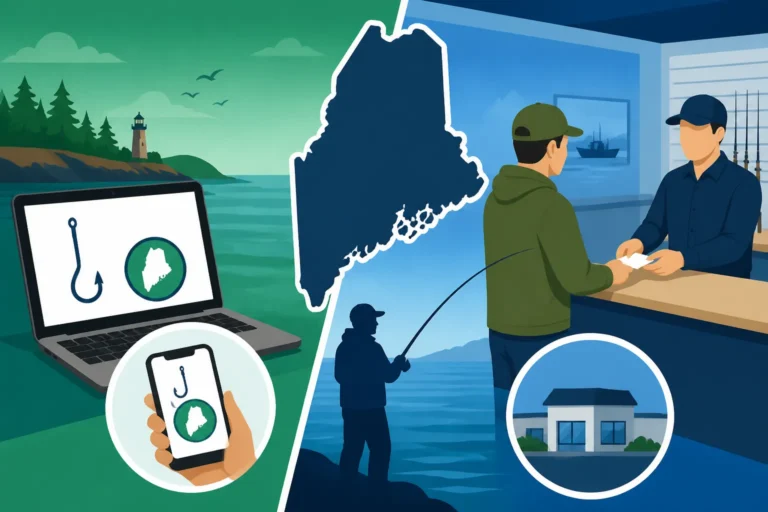
- Purchase Before You Go: You can easily purchase your Maine fishing license online through the MDIFW website, or in person at various license agents across the state, including town offices, sporting goods stores, and many convenient stores. Buying it ahead of time saves you hassle at the lake.
- Carry Your License: Always have your license on your person while fishing. Wardens do check, and not having it can result in a fine. A physical copy or a clear photo/digital copy on your phone usually suffices.
- Saltwater Registry: For saltwater fishing, Maine residents do not need a license but are required to register annually with the Maine Saltwater Recreational Fishing Registry. Non-residents who do not possess a valid saltwater fishing license from a reciprocal state must also register. This is free and helps DMR monitor fishing effort.
- Exemptions: There are certain exemptions to licensing requirements. For example, Maine residents under 16, non-residents under 16 (except on certain fee-based waters), Maine residents 70 years or older (who qualify for a free license), and active duty military personnel (with specific conditions) may be exempt or qualify for special licenses. Always verify your eligibility. Check out our guide on Maine Fishing License Exemptions for more details.
- Free Fishing Days: Maine also offers a couple of "Free Fishing Days" each year, typically in February (for ice fishing) and June (for open water), during which residents and non-residents can fish without a license. These are great opportunities for beginners or families to try fishing.
Being prepared with the correct license and knowing the relevant regulations is fundamental to an enjoyable and stress-free fishing trip in Maine.
Common Mistakes to Avoid with Maine Fishing Seasons
Even experienced anglers can sometimes fall into traps when navigating Maine's intricate fishing regulations. Avoiding these common mistakes can save you a headache, a fine, and ensure you're a responsible steward of Maine's natural resources.
Misinterpreting General Law vs. Special Regulations
This is by far the most frequent mistake anglers make. It’s easy to read the "General Law" section of the MDIFW rule book and assume those rules apply everywhere. However, Maine has thousands of water bodies, and a significant number of them are under "Special Regulations." These special rules always override the General Law.
Imagine you're fishing a beautiful pond that allows you to keep five brook trout under General Law. But unbeknownst to you, this particular pond is a designated "Special Regulation" water with a strict "catch-and-release only" rule for brook trout to protect its wild population. Keeping even one fish would be a violation. Or perhaps a lake you're fishing has a general open water season until September 30th, but a special regulation extends catch-and-release fly fishing until October 31st, requiring artificial lures only. If you use bait during that extended period, you'd be breaking the rules. The key takeaway is this: always check the specific regulations for the precise water body you plan to fish. Do not assume that what applies to one pond or river segment applies to another, even if they're nearby. The most reliable way to avoid this mistake is to download the digital fishing law book and search for your specific lake or river by name before you cast your first line. You can even find physical copies of the law book or relevant gear like a headlamp for early morning/late evening fishing on Amazon.
Ignoring Zone Boundaries
Another common oversight, especially for those traveling across the state, is forgetting about the North Zone and South Zone distinctions. While the general law season dates might often align, there are crucial differences in bag limits, length limits, and sometimes even specific season variations for certain species between these two broad geographical areas.
Consider bass fishing: the catch-and-release period or the exact harvest limits might differ between a lake in southern Maine (South Zone) and a lake in northern Maine (North Zone). You might be legally allowed to keep a certain number and size of bass in the South Zone, but those same fish would be illegal to harvest in a North Zone lake. The MDIFW has established these zones for important ecological reasons, and ignoring them means you're not adhering to the management strategies designed for the fish populations in that specific region. Before your trip, identify which zone your destination falls into. The fishing law book clearly defines the boundary lines, often using major roads as easy-to-identify markers. Knowing which zone you're in is just as important as knowing the specific water body rules, as it's another layer of regulation you must consider to fish legally and responsibly in Maine.
Disclaimer
The information provided in this guide is for general informational purposes only and is subject to change. While we strive to provide accurate and up-to-date content, fishing regulations in Maine are complex and can change annually. It is the angler's responsibility to consult the most current official Maine Department of Inland Fisheries and Wildlife (MDIFW) Fishing Law Book and Maine Department of Marine Resources (DMR) regulations before engaging in any fishing activity. Reliance on any information in this guide is solely at your own risk.