Maine Fish Bag Limits Guide
Anglers often arrive in Maine with visions of big catches, only to find themselves scratching their heads over what they can actually keep. The complexities of daily limits, length restrictions, and special regulations can feel like a maze, leading to understandable frustration and even unintentional violations. This comprehensive guide aims to demystify Maine's fish bag limits, breaking down the general laws, specific species regulations, and how to navigate the nuances to ensure a legal and responsible fishing experience.
Understanding Maine's General Law Bag Limits
Navigating the world of fishing regulations can feel like learning a new language, especially when you're excited to hit the water. In Maine, the concept of "General Law" is your foundational starting point, but it's crucial to understand that it doesn't apply everywhere. Think of it as the default setting for most waters, a set of standard rules that kick in unless a particular lake, pond, or river has specific, overriding regulations. Many of us have made the mistake of assuming one rule applies everywhere, only to realize later that our favorite fishing hole has its own unique set of guidelines. This section will help clarify what General Law entails, the critical distinction between daily and possession limits, and why a ruler is as important as your fishing rod.
What "General Law" Means for Anglers
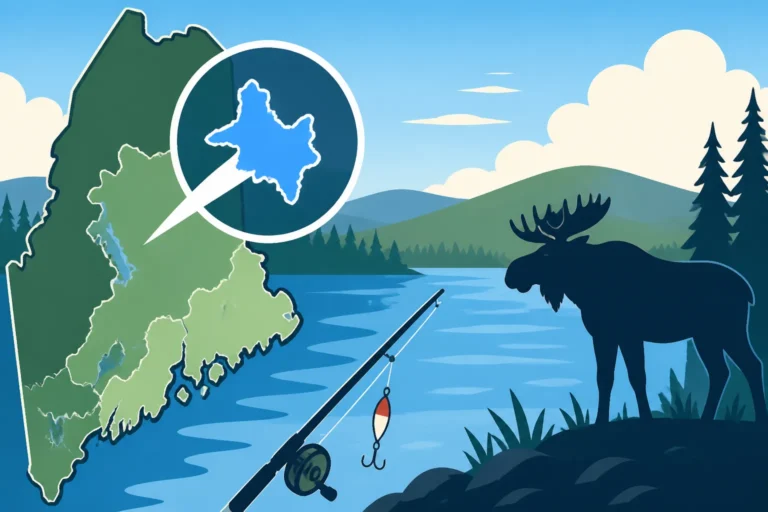
General Law, as defined by the Maine Department of Inland Fisheries and Wildlife (IFW), represents the baseline fishing regulations that apply to most inland waters across the state. These are the default rules regarding bag limits, length limits, and legal fishing methods when no other specific regulations are listed for a particular body of water. For example, if you're fishing a small, unnamed pond deep in the woods, chances are General Law will apply. However, Maine is home to thousands of lakes, ponds, and rivers, and a significant number of popular fishing destinations have their own unique "special regulations."
The biggest pitfall for anglers, even seasoned ones, is assuming General Law covers all bases. You might fish a lake under General Law for years, then visit a nearby, seemingly similar body of water that has vastly different rules regarding the same species. It's not uncommon to find a lake just a few miles away that has a reduced bag limit for brook trout or a different minimum length for landlocked salmon. To truly understand the full scope of what's expected, it’s imperative to consult the official Maine Fishing Regulations Explained booklet or the IFW website for the specific water you plan to fish. Always start with the assumption that special regulations might exist, and verify before you cast your first line.
Daily vs. Possession Limits Explained
When discussing fish limits, two terms often come up: "daily limit" and "possession limit." While they might seem interchangeable at first glance, understanding the distinction is vital to staying compliant. The daily limit refers to the maximum number of a specific species of fish you are allowed to catch and keep in a single calendar day. For instance, if the daily limit for brook trout is five, you can only harvest five brook trout between midnight and midnight. Once you've kept your five fish, your fishing for brook trout is done for that day, regardless of how many more you might catch and release.
The possession limit, on the other hand, refers to the total number of fish of a particular species that you can have in your physical possession at any given time. This includes fish in your livewell, cooler, vehicle, at your camp, or even in your freezer at home if you're on an extended trip. In most cases in Maine, the possession limit is the same as the daily limit. This means you can't, for example, catch five trout on Monday, go home, clean them, and then go out and catch another five on Tuesday to add to your cooler if your possession limit is still five. Once you hit your possession limit, you cannot acquire any more fish of that species until some of your current catch has been consumed, gifted, or disposed of in a legal manner, bringing your possession count back below the limit. Failing to grasp this distinction can quickly lead to an over-limit violation, even if you thought you were simply starting fresh each day.
Decoding Length Limits and Minimum Sizes
Beyond the sheer number of fish you can keep, many species in Maine are also subject to specific length limits. These regulations dictate the size of fish you are legally allowed to harvest and are a critical component of sustainable fisheries management. There are generally two types of length limits you’ll encounter: a minimum length and a slot limit. A minimum length means the fish must be at least a certain size to be kept. For example, if landlocked salmon have a 14-inch minimum length, any salmon you catch under 14 inches must be immediately and carefully released back into the water, regardless of how many fish you've already kept or the daily bag limit.
A slot limit is a bit more nuanced. It means fish must fall within a specific size range to be legally kept. Fish smaller than the lower end of the slot and larger than the upper end of the slot must be released. For instance, a slot limit of 18-24 inches for a certain species would mean you can only keep fish that measure between 18 and 24 inches, inclusive. This type of regulation is often used to protect both juvenile fish (ensuring they have a chance to grow and spawn) and large, mature breeding stock (often the most productive spawners and valuable for trophy potential). Having a reliable measuring device, such as a bump board or a flexible tape measure, is absolutely essential. You can find excellent, durable options on platforms like Amazon that are perfect for accurate measurement on the water. Properly measuring your catch quickly and releasing undersized or out-of-slot fish safely are hallmarks of a responsible angler in Maine.
Specific Bag Limits for Popular Freshwater Species
Maine's freshwater fisheries are a diverse and incredible resource, offering opportunities to target everything from hard-fighting salmon to feisty bass. However, each species comes with its own set of rules, often varying by location and season. What's perfectly legal on one lake might be a serious violation on another, even for the same type of fish. It can be a real headache trying to keep it all straight, especially when you're trying to enjoy a relaxing day on the water. This section dives into the typical bag limits for some of Maine's most cherished freshwater game fish, highlighting common regulations and where you'll most often find exceptions to the general rules.
Landlocked Salmon Regulations
Landlocked salmon are a prized catch in many of Maine's larger lakes and rivers, known for their acrobatic fights and delicious flesh. Under General Law, the typical bag limit for landlocked salmon is one fish per day, with a minimum length of 14 inches. This regulation is designed to protect the growth and survival of these magnificent fish, allowing younger salmon to mature and ensuring a healthy population. However, it's incredibly important to note that many of Maine's premier salmon waters operate under special regulations that supersede this general rule.
Lakes like Sebago, Moosehead, and the Rangeley Lakes region, famous for their salmon populations, often have highly specific limits. These can include different minimum lengths, increased or decreased daily bag limits, or even slot limits that dictate a specific size range of fish that can be kept. For example, some lakes might allow two salmon daily, but with a stricter minimum length, or might have a provision for only one salmon over a certain "trophy" size. Before heading out, it's absolutely crucial to consult the Maine Landlocked Salmon Bag Limits section of the IFW regulations for the specific body of water you intend to fish. Misidentifying the rules could lead to unknowingly keeping an illegal fish, even if your intentions are good.
Brook Trout Daily Limits
The brook trout, Maine's state fish, is a beloved native species, particularly in the remote ponds and pristine streams of the North Woods. Their vibrant colors and wild nature make them a true angler's delight. However, brook trout regulations are among the most variable in the state, reflecting the fragile nature of their populations and the diversity of their habitats. Under General Law, many waters in Maine's South Zone allow a daily bag limit of five brook trout, with no minimum length. In the North Zone, General Law often allows two brook trout daily. This difference reflects broader management strategies based on regional pressure and habitat. For a detailed breakdown of these regional variations, consult the Maine North Zone vs South Zone Fishing Rules.
Yet, "General Law" is rarely the final word for brook trout. Many small, wild brook trout ponds and remote streams are managed under special regulations, often with reduced bag limits (e.g., two fish daily, or even one) or strict length limits. Some highly sensitive waters are designated as "catch-and-release only" to protect delicate wild populations. It's not uncommon to find regulations stating "S-6," meaning single hook, artificial lures only, and all fish must be immediately released. These special rules are in place to preserve the unique character of Maine's wild brook trout fisheries. Always double-check the specific rules for your chosen destination in the IFW regulations, paying close attention to the Brook Trout Daily Bag Limits for that exact water.
Lake Trout Togue Limits
In Maine, what many anglers affectionately call "togue" are actually lake trout, a deep-dwelling, cold-water species renowned for their size and longevity. These powerful fish are a favorite target for ice anglers and those who troll deep waters during the open water season. Under General Law, the daily bag limit for togue is typically two fish, with a minimum length of 18 inches. This regulation aims to manage the harvest of a species that can take many years to reach maturity.
However, similar to salmon and brook trout, togue limits are frequently adjusted for specific lakes. Large, deep lakes like Moosehead, Sebago, and some of the Rangeley Lakes, which are prime togue habitat, often have their own unique regulations detailed in the IFW rulebook. These special rules can sometimes allow for more fish, or impose slot limits to protect a certain size class. It's not unheard of to see variations in minimum length or possession limits. Anglers targeting togue need to pay close attention to the specific water body's regulations, which can be found under Maine Togue and Lake Trout Limits. Successfully landing a big togue is a thrill, but understanding and adhering to the nuanced regulations ensures these fisheries remain healthy for years to come.
Bass Smallmouth and Largemouth Limits
Maine offers fantastic fishing for both smallmouth and largemouth bass, especially in the central and southern parts of the state. These warm-water species provide exciting action and are a favorite for competitive angling. The regulations for bass in Maine are primarily influenced by the state's North and South Zones, which differentiate management strategies based on climate and fish distribution. Under General Law in the South Zone, the daily bag limit for bass (combined smallmouth and largemouth) is typically two fish, with only one of those fish allowed to be over 14 inches in length. This slot aims to protect the larger, mature breeding bass.
In the North Zone, General Law typically allows a daily bag limit of five bass (combined smallmouth and largemouth), with no minimum length. This more liberal limit reflects the different population dynamics and fishing pressure in the northern reaches of the state. However, as with all species, specific lakes and ponds can and do have unique regulations for bass. Some waters might be managed for trophy bass, with stricter length limits or even catch-and-release only periods. Before you head out for a day of bass fishing, always check the Maine Bass Fishing Limits by Zone in the IFW regulations for the exact water you'll be fishing, especially if you're crossing between the North and South Zones, as the differences can be significant.
Maine's Saltwater Fish Bag Limits and Regulations
Maine's rugged coastline and rich offshore waters offer incredible opportunities for saltwater anglers, from casting for striped bass in tidal rivers to deep-sea adventures for groundfish. But just like freshwater, the ocean comes with its own rulebook, often influenced by both state and federal management efforts. The regulations are designed to sustain fish populations under significant commercial and recreational pressure. For many newcomers to saltwater fishing in Maine, it can be a bit overwhelming to keep track of the rapidly changing seasons, length restrictions, and bag limits. This section will break down the crucial limits for some of Maine's most sought-after saltwater species, helping you navigate the tides of regulation.
Striped Bass Slot Limits and Seasons
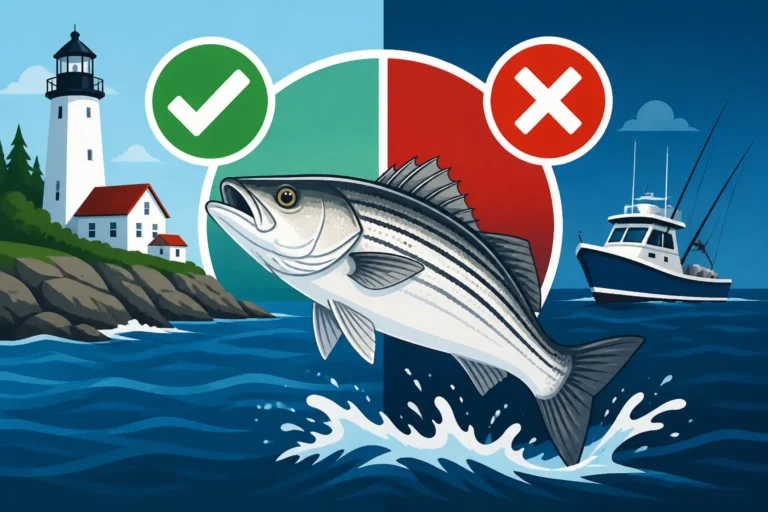
Striped bass are, without a doubt, the king of Maine's inshore saltwater fishery. Their powerful runs and aggressive takes make them a top target for countless anglers along the coast and up tidal rivers. However, striped bass populations are carefully managed, and the regulations are quite strict to ensure their long-term health. In Maine, recreational anglers are subject to a slot limit, meaning you can only keep fish that fall within a very specific size range. For example, the current slot limit is often 28 inches to less than 31 inches, and anglers are typically allowed one fish per person per day. Any striped bass caught that are shorter than the minimum or longer than the maximum must be immediately and carefully released.
Understanding the reasoning behind this slot limit is key: it protects the younger, growing fish from harvest and, crucially, allows the largest, most productive breeding fish (often called "cows") to reproduce and contribute to the next generation of stripers. These regulations can also change year-to-year based on stock assessments, so staying current is essential. Additionally, there are specific seasons when striped bass fishing is open, and fishing outside these dates, even if catch-and-release, can be prohibited. Always refer to the Maine Striped Bass Season and Limits and the Maine Department of Marine Resources (DMR) for the most up-to-date information. And don't forget the separate requirement for the Maine Saltwater Fishing Registry Guide for all saltwater anglers in the state.
Groundfish Cod and Haddock Limits
Venturing offshore from Maine's harbors, anglers often target "groundfish" – species like cod, haddock, pollock, and cusk that live on or near the seabed. These fish are not only a blast to catch but also make for excellent table fare. However, groundfish stocks in the Gulf of Maine have faced significant challenges over the years, leading to very stringent and often complex regulations. Recreational bag limits for species like Gulf of Maine cod and haddock are typically quite low, often just a few fish per person per day, and sometimes with minimum length requirements that can be challenging to meet.
These regulations are often set at the federal level by the National Oceanic and Atmospheric Administration (NOAA Fisheries) and then implemented by the state. The limits can vary by season, change unexpectedly, and sometimes even have specific regulations depending on the area you are fishing (e.g., federal waters vs. state waters). It's common to see minimum lengths for haddock around 17 inches and specific, often short, seasons for cod. Due to the dynamic nature of these regulations and the shared jurisdiction, it's critical to check both the Maine DMR and NOAA Fisheries websites or consult with your charter captain before heading out for groundfish. They are the best resources for navigating these ever-changing rules.
Mackerel and Other Coastal Species
While species like striped bass and groundfish often grab the headlines, Maine's coastal waters are also home to a variety of other exciting fish that provide excellent angling opportunities, particularly for those fishing from shore, piers, or smaller boats. Atlantic mackerel, for example, are a popular target, especially in spring and fall, offering fast action and making for great bait or a tasty meal. The good news for mackerel enthusiasts is that they typically have very generous bag limits, often no limit at all for recreational anglers, allowing for plenty of fun, especially for kids.
Beyond mackerel, you might encounter other species like pollock, bluefish, or various types of flounder and sculpin. Regulations for these species can vary widely. Pollock generally have liberal limits, similar to mackerel, while bluefish often have a reasonable daily bag limit (e.g., 3 fish per person) and sometimes a minimum length. Other less commonly targeted species might fall under broader "other marine finfish" categories with general rules. Always remember that even for these species, knowing the Maine Saltwater Fishing Registry Guide requirements is non-negotiable, and it's always best practice to consult the Maine DMR regulations if you're unsure about the limits for any specific coastal species you plan to target. Many anglers purchase a comprehensive tide chart and regulation book from their local bait shop or online via Amazon to keep all this information handy.
Special Regulation Waters and Their Unique Limits
Maine is a state that takes its fisheries management very seriously, and for good reason. With thousands of diverse water bodies, from vast glacial lakes to tiny remote ponds and winding rivers, a "one-size-fits-all" approach simply wouldn't work. This means that while General Law provides a baseline, a huge number of Maine's most popular and biologically significant fishing locations are governed by "Special Regulations." Failing to understand this distinction is one of the quickest ways to accidentally run afoul of the law, turning a fantastic day of fishing into a stressful encounter with a game warden. This section will help you identify these special waters, understand common deviations, and, most importantly, show you exactly where to find the rules that apply to your chosen spot.
Identifying Waters with Special Rules
The most critical piece of advice for any angler in Maine is this: never assume General Law applies to a specific body of water until you've verified it. Maine's most renowned fishing destinations, and even many lesser-known but biologically important waters, often have special regulations tailored to their unique ecosystems and management goals. These are identified in the official IFW fishing regulations book, which is updated annually. Instead of being listed under the overarching "General Law," these waters will have their own specific entries, detailing the rules that apply only to them.
For instance, iconic lakes like Sebago Lake, Moosehead Lake, and the Rangeley Lakes are prime examples of waters with extensive special regulations for species like landlocked salmon, lake trout (togue), and brook trout. The rules for these bodies of water often differ dramatically from General Law in terms of bag limits, length limits, open seasons, and even methods of fishing. Sometimes, even different sections of the same river or different coves within a large lake can have varying rules. It requires a diligent approach: look up the specific name of the lake, pond, or river you're visiting in the official regulations. If it's not listed under General Law, then it definitely has its own set of rules you need to understand.
Common Deviations from General Law
Special regulations in Maine are designed to fine-tune fisheries management for specific conditions, and they can manifest in a variety of ways that deviate from the standard General Law. Recognizing these common deviations can help you quickly grasp the intent behind the rules. One frequent deviation is reduced bag limits, where, for example, a water might allow only one brook trout instead of the General Law five, or might permit a single salmon instead of the typical one. These reductions are often implemented to protect fragile populations or to create a more conservative fishery.
Another common deviation is increased minimum lengths or special slot limits. You might find a lake where landlocked salmon must be 16 inches instead of 14, or where only one bass over 14 inches is allowed, as seen in many Southern Zone bass waters. Some waters, particularly for wild brook trout, might be designated "S-6" waters, meaning artificial lures only, single hook, and all fish must be released immediately. This is a strong conservation measure. Additionally, closed seasons for specific species (e.g., a specific trout season closing earlier on one pond) or restrictions on bait use (e.g., no live bait) are common. The key takeaway is that these deviations are almost always more restrictive than General Law, so it's always better to err on the side of caution and check the specifics for your intended fishing location.
Where to Access Up-to-Date Specific Regulations
The single most authoritative source for Maine's fishing regulations is the Maine Department of Inland Fisheries and Wildlife (IFW). They publish a comprehensive annual rulebook that is absolutely essential for every angler. You can pick up a physical copy at most bait and tackle shops, general stores, and town offices that sell fishing licenses throughout the state. Having a physical copy is often invaluable, especially in remote areas where cell service is unreliable. For instance, if you're looking for specific rules about Moosehead Lake, you'll find it listed alphabetically in this booklet, overriding any General Law you might have in mind.
In addition to the printed guide, the IFW also maintains an excellent online resource. Their website features an interactive map and a searchable database where you can look up specific regulations for virtually any named water body in Maine. There's also a Maine Fishing Regulations App and Website that provides easy access to the rules on your smartphone, which can be a lifesaver when you're on the water. Local knowledge from bait shop owners or experienced guides can also be incredibly helpful, but always cross-reference it with the official IFW publications. Regulations are updated annually, so even if you've fished a particular spot for years, it's your responsibility to check for changes each new season.
Why Bag Limits Matter: Conservation and Sustainability
It might seem like a hassle to constantly check regulations and adhere to strict bag limits, especially when the fish are biting. However, these rules aren't arbitrary; they are the cornerstone of responsible fisheries management and conservation efforts in Maine. Every limit, every size restriction, and every closed season is put in place with a clear purpose: to protect our precious aquatic resources and ensure that future generations can enjoy the same incredible fishing experiences we do today. Understanding the "why" behind the "what" can transform compliance from a chore into a commitment to the health of Maine's waters.
Ecological Impact and Fish Stock Management
Fish bag limits, length restrictions, and season closures are directly tied to the ecological health of Maine's fish populations. Without them, there's a very real risk of overfishing, which can decimate fish stocks and disrupt entire aquatic ecosystems. Imagine if every angler could keep as many fish as they wanted, regardless of size. This unchecked harvest would quickly deplete the numbers of adult fish, reducing the breeding population necessary to replenish the stock. When this happens, it can lead to a collapse of the fishery, making it impossible to catch certain species in the future.
Biologists at the IFW conduct extensive research, including population surveys, creel censuses (counting fish caught), and habitat assessments, to determine the health of fish stocks in various waters. This data informs their decisions on setting appropriate bag limits and other regulations. These limits allow for a sustainable harvest, meaning enough fish are left in the water to reproduce and grow, maintaining a balanced population structure. For example, slot limits for species like striped bass are specifically designed to protect the most prolific spawners, ensuring that a healthy breeding stock remains to contribute to future generations of fish. It's a delicate balance, and bag limits are a primary tool in maintaining it.
Ensuring Future Generations of Anglers
At its heart, the purpose of bag limits and all fishing regulations is to ensure sustainability – the ability for our natural resources to support future generations. Many of us cherish memories of fishing with our parents or grandparents, and we want to pass that tradition on to our own children and grandchildren. Without careful management, those opportunities could vanish. The decisions made today about how many fish can be harvested directly impact the abundance and size of fish available years from now.
When anglers adhere to bag limits, they are actively participating in the long-term health of the fishery. Every fish released because it was undersized, over the limit, or outside a slot limit contributes to the breeding stock and growth potential of the population. This isn't just about fish numbers; it's about preserving the entire angling experience – the thrill of the catch, the beauty of Maine's waters, and the peace found in nature. By respecting the rules, we are making a tangible investment in the future of fishing in Maine, safeguarding it as a legacy for the anglers yet to come. It’s a collective responsibility that every person who holds a Maine Fishing License Guide shares.
The Angler's Role in Maine's Fisheries
As anglers, we are not just participants in a sport; we are stewards of the natural environment. Our actions on the water have a direct and profound impact on the health of Maine's fisheries. Adhering strictly to bag limits is perhaps the most fundamental way we fulfill this role. It demonstrates respect for the resource and for the science-based management efforts of the IFW. Beyond simply following the rules, responsible angling includes other practices that contribute to conservation.
Practicing Catch and Release Best Practices in Maine for fish you don't intend to keep, or those that don't meet legal requirements, is vital. This means minimizing handling time, using wet hands, and reviving fish gently before release. Anglers can also play a crucial role by reporting suspicious activity, such as individuals consistently exceeding bag limits or fishing in closed areas, to game wardens. Every report helps protect the resource. Furthermore, educating fellow anglers, especially beginners, about the importance of regulations fosters a culture of conservation within the fishing community. Our collective commitment to these principles ensures that Maine's legendary fishing opportunities endure.
Essential Tools and Best Practices for Adhering to Limits
Fishing responsibly in Maine means more than just knowing the rules; it means having the right tools and employing best practices to ensure you comply with bag and length limits. Imagine the frustration of catching a beautiful fish, only to realize you don't have a reliable way to measure it, or worse, mishandling a fish you have to release because you weren't prepared. Being properly equipped and informed helps prevent accidental violations and, crucially, minimizes stress on the fish you return to the water. This section outlines the essential gear and techniques for accurate measurement, species identification, and keeping track of your catch.
Accurate Fish Measurement Techniques
Accurate measurement is non-negotiable when length limits are in play. A few crucial techniques can make all the difference, preventing you from mistakenly keeping an undersized fish or releasing a legal one. First, always use a reliable measuring device. A flexible tape measure is usually adequate for most species, but a hard "bump board" with a built-in end stop is ideal for precise measurements, especially for species like bass and salmon. You can find excellent, durable measuring tools on Amazon that are designed for anglers.
When measuring, lay the fish flat on its side, ensuring its mouth is closed against the bump stop (or the start of your tape). Gently compress the tail fin to ensure you measure to the longest point, which is how Maine regulations typically define total length. Speed is also critical, especially for fish you intend to release. Have your measuring device ready before you even bring the fish into the boat or onto the shore. Wet your hands before handling the fish to protect its protective slime coat, and try to keep it in or near the water as much as possible during the measurement process. A quick, accurate measure means less stress for the fish and peace of mind for you.
Understanding Different Species and Identification
Sometimes, the challenge isn't just knowing the limits, but confidently identifying the fish you've caught. Maine is home to several species that can be easily confused, especially for novice anglers or under low light conditions. Mistaking a brown trout for a brook trout, or a small landlocked salmon for a lake trout (togue), can lead to an unintentional violation because their bag and length limits can differ significantly. For example, a brook trout might have a different minimum length than a brown trout in the same water.
It's a good practice to familiarize yourself with the key identification features of the species you expect to encounter. The IFW regulations booklet often includes helpful diagrams, and numerous online resources, including the Maine Fishing Regulations App and Website, offer detailed fish identification guides. Pay attention to fin shape, color patterns, spots, and mouth structure. When in doubt about a fish's identity or whether it meets the legal requirements, the safest and most responsible course of action is always to release it immediately. It's better to let a legal fish go than to mistakenly keep an illegal one.
Keeping Track of Your Catch
On a busy fishing day, especially when targeting multiple species or when regulations are complex, it's surprisingly easy to lose track of how many fish you've kept. This is where a simple system for tracking your catch becomes invaluable. For species with strict daily limits, some anglers use a small counter, a tally mark on a waterproof notepad, or even just move a specific number of clips from one side of their vest to another to represent their allowed quota.
If you're fishing with a partner or a group, ensure everyone understands who is responsible for tracking which fish, especially if you're combining your catch in a single cooler or livewell. Remember, the possession limit often applies to the individual, even if fish are pooled. For legal fish you intend to keep, a stringer, a livewell, or an ice-filled cooler are appropriate methods. Just ensure that the fish remain identifiable by species and, if required, by length, until you're back home and processing them. A simple, disciplined approach to tracking your catch eliminates guesswork and ensures you stay well within the legal boundaries.
Consequences of Violating Maine's Bag Limits
While the focus of this guide is to help you avoid violations, it's equally important to understand the serious repercussions that can arise if you accidentally (or intentionally) break Maine's fishing laws. Many anglers, especially those new to the state or unaware of specific rules, might not realize the severity of the penalties for exceeding bag limits or keeping undersized fish. These aren't just minor infractions; they can range from substantial financial penalties to the loss of your fishing privileges, and in some cases, even more severe legal consequences. It's a stark reminder that responsible angling is not just ethical, but also legally mandated.
Fines and Penalties
Violating Maine's fish bag limits, length limits, or any other fishing regulation can lead to significant fines. The exact amount can vary depending on the severity of the offense, the species involved, the number of fish over the limit, and whether it's a first-time offense or a repeat violation. For example, keeping one undersized brook trout might incur a baseline fine, but keeping multiple illegal fish, or targeting endangered species, would likely result in much higher penalties. These fines are often designed to be a deterrent, making it clear that the state takes its fisheries management very seriously.
Beyond the initial fine, you might also face additional court fees and surcharges. In some cases, particularly for more egregious violations, you could be required to appear in court, which adds the burden of legal expenses and lost time. The cost of a violation can quickly escalate, far outweighing any perceived benefit of keeping an extra fish. It's important to remember that ignorance of the law is generally not a valid defense. Therefore, understanding the regulations, as detailed in the Maine Fishing Law Book Where to Get One, is your best protection against these costly and frustrating consequences. As a point of reference, fishing without a license, as detailed in Fishing Without a License in Maine, carries its own significant penalties, but exceeding bag limits is also considered a serious offense.
License Suspension or Revocation
Perhaps even more impactful than a financial fine is the potential loss of your fishing privileges. For serious or repeat violations of bag limits or other fishing regulations, the Maine Department of Inland Fisheries and Wildlife has the authority to suspend or even revoke your fishing license. A suspension means you won't be able to legally fish in Maine for a specified period, which could range from months to several years. A revocation means your license is permanently taken away.
This consequence is particularly devastating for dedicated anglers who cherish their time on the water. Imagine being unable to pursue your passion because of a regulatory oversight or a moment of carelessness. The loss of fishing privileges serves as a powerful reminder of the importance of compliance and respect for the regulations. It underscores the state's commitment to protecting its natural resources and ensures that those who repeatedly disregard the rules are removed from the angling community. It's a severe penalty, but one that is firmly in place to protect the integrity of Maine's fisheries for everyone.
Public Perception and Ethical Angling
Beyond the legal and financial ramifications, violating fishing regulations also carries a significant ethical cost and impacts public perception. The vast majority of anglers in Maine are responsible and adhere to the rules. When individuals are caught violating bag limits or other regulations, it casts a negative light on the entire angling community. It can foster mistrust and resentment between responsible anglers and those who disregard the law, and between the public and the angling community as a whole.
Ethical angling is about more than just following the letter of the law; it's about respecting the resource, the environment, and fellow outdoors enthusiasts. Game wardens in Maine work tirelessly to enforce these regulations, ensuring fair play and conservation. When anglers knowingly or carelessly violate rules, they not only risk personal penalties but also undermine these vital efforts. Choosing to fish responsibly, adhering to all bag limits and regulations, and practicing good stewardship helps maintain a positive image for anglers and ensures the continued health and enjoyment of Maine's abundant fishing opportunities. It reinforces the idea that we are all partners in conservation.
Staying Informed About Changing Regulations
The world of fishing regulations in Maine isn't static; it's a dynamic system that evolves annually based on scientific data, conservation needs, and public input. What was perfectly legal last year might have changed this season, and what applies to one lake might be completely different on another. This constant evolution can be a source of frustration for anglers, but it’s a necessary part of adaptive fisheries management. Staying informed is not just recommended; it's a mandatory responsibility for every angler who casts a line in Maine waters. This section will guide you to the most reliable sources of information and explain why it's crucial to check the rules every single year.
Relying on Official Sources: Maine IFW
When it comes to Maine fishing regulations, there is one ultimate authority: the Maine Department of Inland Fisheries and Wildlife (IFW). They are the primary source for all inland fishing laws, including bag limits, length limits, and season dates. Each year, the IFW publishes a comprehensive rulebook that outlines all the General Law provisions and, crucially, lists every water body with special regulations. This printed booklet is gold; it's your go-to reference and should be consulted before every fishing trip, especially to a new or unfamiliar water.
You can pick up a physical copy of the IFW fishing regulations booklet at most locations where fishing licenses are sold, including town offices, many convenience stores, and bait and tackle shops throughout Maine. While local advice from seasoned anglers or bait shop owners can be helpful, it should always be cross-referenced with the official IFW publication. Rumors and outdated information can circulate, so always go to the source. The IFW website is also an invaluable resource, offering searchable databases and downloadable PDFs of the current regulations, ensuring you have access to the most accurate information available.
Utilizing Online Resources and Local Knowledge
While the official IFW rulebook is paramount, several other resources can aid in your quest to stay informed. The IFW's website (maine.gov/ifw) provides an interactive map and a search function where you can input the name of a specific lake, pond, or river to instantly pull up its current regulations. This is an incredibly convenient tool, especially when planning a trip or double-checking a rule on the fly. Additionally, the Maine Fishing Regulations App and Website offers mobile-friendly access to these critical details. Many anglers find it helpful to download the PDF version of the regulations onto their phone or tablet so they can access it even without cell service, which is common in many of Maine's remote fishing areas.
Beyond official channels, local bait and tackle shops are treasure troves of up-to-date information. The folks who run these establishments live and breathe local fishing, and they often know about recent regulation changes, hot spots, and specific nuances for nearby waters. They can also tell you about any emergency rule changes that might have occurred since the annual booklet was printed. However, always treat local knowledge as supplementary to, not a replacement for, the official IFW regulations. Forums and social media groups dedicated to Maine fishing can also be a source of information, but again, always verify any critical regulatory details with an official IFW source.
Annual Changes and Staying Current
Perhaps the most important takeaway regarding regulations is that they are not static. Maine's fishing laws, including bag limits, length limits, and Maine Fishing Season Dates Guide, are reviewed and often revised on an annual basis. These changes are driven by a variety of factors: new scientific data on fish populations, habitat changes, shifts in angling pressure, and ongoing conservation efforts. For example, a severe winter kill in a specific pond might prompt a temporary reduction in bag limits, or a successful stocking program might lead to a more liberal limit in another.
As an angler, it is your responsibility to check the regulations every single year, even for waters you've fished countless times. Never assume that because a rule was in place last year, it remains the same this year. The IFW typically releases its updated rulebook and online regulations in late December or early January, covering the fishing season for the upcoming calendar year. Making it a habit to obtain the newest regulations each winter is the best way to ensure compliance and avoid any unintentional violations. Staying current isn't just about avoiding fines; it's about being a responsible, ethical angler and contributing to the health of Maine's cherished fisheries.
Disclaimer
The information provided in this Maine Fish Bag Limits Guide is intended for general informational purposes only and is subject to change. While we strive to offer accurate and up-to-date content, fishing regulations, bag limits, and seasons in Maine are established by the Maine Department of Inland Fisheries and Wildlife (IFW) and the Maine Department of Marine Resources (DMR) and are subject to annual revisions and emergency rule changes. It is the sole responsibility of every angler to consult the official and most current IFW and DMR fishing regulations publications before engaging in any fishing activity. Always verify specific rules for the exact body of water and species you intend to fish. Fishing without proper knowledge of current regulations can result in fines, penalties, and license suspension.