What Zone Is Moosehead Lake In for Maine Fishing Rules?
Planning a fishing trip to Maine can feel like navigating a maze, especially with all the talk about different fishing zones. Many anglers naturally wonder, "What zone is Moosehead Lake in for Maine fishing rules?" It's a critical question because your answer dictates everything from season dates to specific bag and length limits. This guide will cut through the confusion, clearly defining Moosehead Lake's fishing zone and breaking down exactly what that means for your next unforgettable adventure on its magnificent waters.
Understanding Maine's Unique Fishing Zones
Maine is a vast state with incredible diversity in its aquatic ecosystems, from rugged coastal regions to sprawling inland forests dotted with thousands of lakes and rivers. To effectively manage these diverse fisheries and account for differences in climate, fish populations, and fishing pressure, the Maine Department of Inland Fisheries & Wildlife (MDIFW) has implemented a zoning system. This system is crucial because it helps protect vulnerable species while allowing sustainable recreational fishing. Trying to apply a "one size fits all" approach simply wouldn't work across such varied landscapes.
The North vs. South Divide
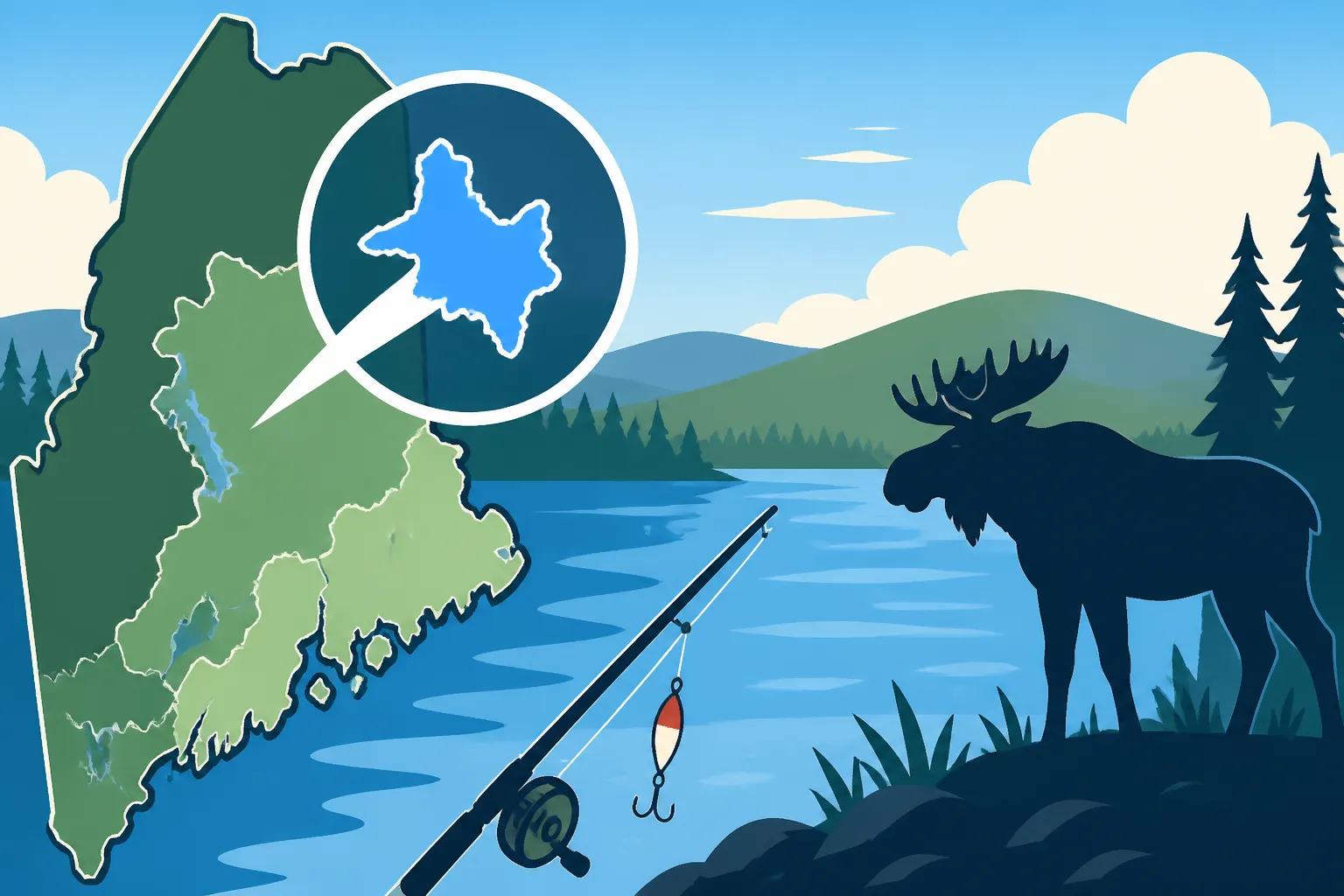
At its core, Maine's inland fishing regulations are divided into two primary zones: the North Zone and the South Zone. This division isn't just an arbitrary line on a map; it's a carefully considered boundary that primarily runs along the southern edges of Franklin, Somerset, Piscataquis, Penobscot, and Washington counties.
The North Zone encompasses the vast, wilder regions of the state, characterized by colder temperatures, more extensive wilderness areas, and a greater prevalence of coldwater species like brook trout, lake trout (togue), and landlocked salmon. Historically, these areas see less year-round fishing pressure due to more remote access and longer, harsher winters. As such, the North Zone often has slightly different season dates and sometimes more conservative limits aimed at preserving these wilder fisheries.
Conversely, the South Zone generally includes the more populated, southerly parts of the state. These waters experience more human activity, have a wider array of warmwater species like smallmouth and largemouth bass, and often benefit from longer open-water seasons due to milder climates. While coldwater species are certainly present in many southern lakes, the management focus often differs. Understanding this fundamental distinction, which you can explore further in our detailed guide on Maine North Zone vs South Zone Fishing Rules, is the first step to becoming a truly informed Maine angler.
Why Fishing Zones Matter for Anglers
The primary reason these zones exist and why you, as an angler, need to pay close attention to them, is because they dictate the overarching framework for regulations. Imagine planning a trip based on South Zone rules only to find out you're in the North Zone – you could inadvertently be breaking laws regarding season dates, daily bag limits, or even length restrictions. This isn't just about avoiding a fine; it's about respecting the conservation efforts put in place to ensure healthy fish populations for generations to come.
Zones determine when you can legally fish, both during open water and ice fishing seasons. They influence the number of fish you can keep (your daily bag limit) and the minimum or maximum lengths allowed for certain species. For example, a brook trout limit in a North Zone pond might differ from a similar pond in the South Zone, reflecting localized population health and fishing pressure. Without knowing which zone you're in, you're essentially fishing blind, risking your reputation, your wallet, and potentially harming the very resources you're trying to enjoy. It's truly a foundational piece of knowledge for anyone fishing in Maine.
Moosehead Lake's Official Classification for Fishing Rules
Now, let's get to the heart of the matter for those drawn to Maine's largest and arguably most iconic lake. Moosehead Lake is a true gem, famous for its majestic scenery and exceptional fishing opportunities. Given its vast size and remote, wild character, it makes perfect sense where it falls within the state's zoning system.
Moosehead Lake: A North Zone Gem
Without a shadow of a doubt, Moosehead Lake is located entirely within the North Zone for Maine fishing rules. This classification is a direct reflection of its geographical location deep within Piscataquis County, a region that epitomizes the wild character of northern Maine. Its expansive waters, deep cold basins, and surrounding undeveloped wilderness provide ideal habitat for a variety of coldwater game fish, making it a prime example of a North Zone fishery.
Being a North Zone lake means Moosehead shares many general regulations with other waters in this vast region, particularly concerning season structures and overall management philosophy. However, due to its immense size, popularity, and unique fishery dynamics, Moosehead Lake also has its own set of very specific regulations that often supersede or further refine the general North Zone rules. This isn't uncommon for major lakes in Maine; the MDIFW recognizes that a blanket zone rule, while useful, sometimes needs localized adjustments for the best management outcomes. Therefore, while it's firmly a North Zone lake, you'll still need to dive into the specifics for Moosehead itself.
What "North Zone" Means for Moosehead Anglers
For anglers heading to Moosehead Lake, understanding its North Zone classification is your starting point. Generally, this means you can anticipate a slightly shorter open water fishing season compared to the South Zone, and a well-defined ice fishing season.
The North Zone's open water fishing season typically runs from April 1st through September 30th. This period is when you'll be able to fish the lake from a boat, shore, or canoe without ice. Come winter, the ice fishing season usually commences on January 1st and concludes on March 31st. These dates are critical, as fishing outside of them is strictly prohibited, unless specific exceptions are noted for particular species or methods. You can find more comprehensive details on these seasonal windows in our in-depth Maine Fishing Season Dates Guide.
Beyond the general season dates, the North Zone designation often comes with a management focus on preserving native populations of brook trout and promoting robust landlocked salmon and lake trout (togue) fisheries. This focus can translate into specific regulations designed to ensure these species thrive. This might mean more restrictive bag limits or length limits, or even catch-and-release only periods for certain species or areas within the lake. It's about balancing recreational opportunity with ecological health, a delicate act that the MDIFW carefully manages.
Key Fishing Regulations for Moosehead Lake Anglers
While Moosehead Lake falls squarely in the North Zone, it's absolutely crucial to understand that major water bodies like Moosehead often have special regulations that diverge from the general laws for that zone. This is where many anglers can get tripped up, thinking they know the rules simply by knowing the zone. Always, always verify the specific rules for Moosehead Lake itself.
Season Dates and General Law Applicability
As a North Zone lake, Moosehead generally adheres to the North Zone season dates: April 1st to September 30th for open water fishing, and January 1st to March 31st for ice fishing. However, Moosehead Lake's regulations frequently include nuances. For example, some fishing methods might be restricted during certain times of year, or specific tributaries to the lake might have different seasons or methods allowed.
For those planning to hit the ice, remember that the ice fishing season on Moosehead is a big deal, drawing anglers from all over. Make sure you're familiar with not just the dates, but also specific rules regarding the number of lines you can use and ice shack requirements. Our Maine Ice Fishing Rules Guide delves into these winter specifics, which are particularly relevant for Moosehead's extensive ice fishing scene. Even during the open water season, checking the details is paramount. The "general law" applies unless a special regulation is noted, but Moosehead is almost certainly one of those waters with special notations.
Species-Specific Bag and Length Limits
This is where Moosehead Lake truly showcases its unique character, often with highly specific rules for its prized species. Let's look at the main attractions:
- Landlocked Salmon: Moosehead Lake is renowned for its landlocked salmon. While general North Zone rules might apply elsewhere, Moosehead often has a specific daily bag limit and a slot limit to manage its salmon population effectively. For instance, you might be allowed to keep only one salmon per day, and it might need to fall within a specific length range, such as 14 to 18 inches, with only one fish over 18 inches allowed. These slot limits are designed to protect the breeding population and encourage the growth of larger fish. For broader context, see our Maine Landlocked Salmon Bag Limits guide, but remember to always cross-reference with Moosehead's specific listing.
- Lake Trout (Togue): Known locally as "togue," these deep-dwelling fish are another major draw. Moosehead Lake's togue population is managed carefully, and you might find a daily bag limit of one fish, often with a significant minimum length, such as 23 inches or greater. This ensures that only mature, larger fish are harvested, allowing younger ones to contribute to the fishery. Don't let a general North Zone rule about lake trout mislead you here; Moosehead's specific togue rules are very important. Check out Maine Togue and Lake Trout Limits for more background.
- Brook Trout: While Moosehead's vastness makes brook trout fishing a bit more specialized (often in tributaries or shallower coves), there will still be regulations. A typical regulation might be one brook trout per day, 12 inches or greater. Again, this is often more restrictive than general North Zone brook trout limits, aiming to protect native strains. Our guide on Brook Trout Daily Bag Limits provides a good overview, but Moosehead's specific rule takes precedence.
- Other Species: Don't forget species like cusk, whitefish, and yellow perch, which also inhabit Moosehead. While their regulations might be less stringent, they still exist. Always consult the MDIFW regulations.
It's clear that while the North Zone designation provides a framework, Moosehead Lake demands a closer look at its particular rules.
Navigating Moosehead Lake's Rules Like a Pro
Understanding that Moosehead Lake is in the North Zone is a great start, but it's just the beginning. To truly navigate its regulations like a seasoned angler, you need to consult the definitive source and plan accordingly. Getting caught unaware of a specific rule can turn a fantastic fishing day into a frustrating one.
The Importance of the Maine Fishing Law Book
I cannot stress this enough: before you ever cast a line in Moosehead Lake, or any water body in Maine, you must consult the most current official MDIFW Open Water & Ice Fishing Law Book. This isn't just a suggestion; it's a critical step for responsible and legal angling. The printed book is usually available wherever you purchase a Maine Fishing License Guide, at most outdoor retailers, and sometimes even at general stores near popular fishing destinations. For convenience, a digital version is always available for free on the MDIFW website, which you can easily access on your phone or tablet. You can often find official MDIFW fishing guides, or useful supplementary resources, on platforms like Amazon if you prefer a physical reference.
This book is your Bible for Maine fishing regulations. It will contain a detailed listing of all waters in the state, often organized by county, and clearly state any special regulations that apply to specific lakes, ponds, or rivers. For Moosehead Lake, you will find its specific entry under Piscataquis County, outlining all the precise season dates, bag limits, length limits, and any method restrictions that apply to its waters. Don't rely on hearsay or old memories; regulations can and do change year to year. You can learn more about finding this essential document in our guide on Maine Fishing Law Book Where to Get One.
Planning Your Moosehead Lake Fishing Trip with Regulations in Mind
Once you've got the current regulations firmly in hand, you can truly plan your Moosehead Lake adventure. This knowledge will guide your gear choices, your target species, and even your approach to fishing.
For instance, knowing the specific length and bag limits for landlocked salmon might influence whether you primarily troll with certain lures designed to attract larger fish, or if you focus on catch-and-release with smaller flies. If you're targeting togue, understanding their minimum length of 23 inches means you'll need gear capable of handling potentially large fish and the patience to release smaller ones. Ensure you have a good quality fish finder or sonar, easily found on Amazon, to help locate those deep-dwelling salmon and togue.
If ice fishing is your game, knowing the precise season dates for Moosehead's North Zone classification, and any specific gear rules, is paramount for safety and legality. You'll want to ensure you have the right equipment, from reliable ice augers to suitable tip-ups. Stock up on essential gear like durable tackle boxes or specialized ice fishing tip-ups, which are readily available on Amazon, to ensure you're prepared for the elements and the fish. Many reputable brands of fishing rods, reels, and specialized lures tailored for deep-water trolling or ice fishing are available for purchase on Amazon, making preparation convenient.
Thinking about your internal links for deeper dives into specific topics is also crucial. For example, you might want to learn How to Find Maine Fishing Regulations for a Specific Lake if you're exploring other waters in the area, or read up on Maine Fishing Regulations Explained for a broader understanding of the state's approach to fisheries management.
Below is a table summarizing some example specific regulations for Moosehead Lake. Remember, these are subject to change, so always verify with the latest MDIFW law book!
Table: Example Key Fishing Regulations for Moosehead Lake (North Zone – Special Regulations)
| Species | Daily Bag Limit | Length Limit | Notes |
|---|---|---|---|
| Landlocked Salmon | 1 | 14-18 inches (only one over 18 inches allowed) | Check for specific tributary rules. |
| Lake Trout (Togue) | 1 | 23 inches or greater | Often a very important rule for protecting spawning stock. |
| Brook Trout | 1 | 12 inches or greater | Primarily found in tributary streams and certain coves. |
| General Open Water Season | April 1 – Sept 30 | Subject to change; always verify. | |
| General Ice Fishing Season | Jan 1 – March 31 | Includes specific rules for lines, shacks, and baitfish. |
By taking the time to understand Moosehead Lake's North Zone classification and then drilling down into its unique, specific regulations, you're setting yourself up for a successful, legal, and truly rewarding fishing experience in one of Maine's most magnificent wilderness treasures.
Disclaimer
Please remember that fishing regulations are subject to change. While we strive to provide accurate and up-to-date information, it is always your responsibility to consult the current official Maine Department of Inland Fisheries & Wildlife (MDIFW) Open Water & Ice Fishing Law Book before engaging in any fishing activities. This guide is for informational purposes only and should not be considered legal advice.