Maine Ice Fishing Rules Guide
The thrill of ice fishing in Maine, with its crisp air and the anticipation of a trophy catch under the frozen surface, is truly something special. But let's be honest, navigating the myriad of rules and regulations can feel like trying to untangle a frozen fishing line – frustrating and complex. From knowing when the season actually opens on your favorite lake to understanding line limits and shack removal dates, there's a lot to keep track of. This comprehensive guide is here to untangle those complexities, breaking down all the essential Maine ice fishing rules to ensure your time on the ice is both legal and enjoyable.
Understanding Maine's Ice Fishing Season and General Law
Maine's ice fishing scene is incredibly diverse, offering opportunities across thousands of lakes and ponds. However, this diversity also means that regulations can vary significantly depending on where you drop your line. It’s crucial to understand the overarching season dates and how general law principles apply, then know when to dig deeper for specific water bodies.
When Can You Ice Fish in Maine?
The statewide general law season for ice fishing typically kicks off on January 1st and runs through March 31st. However, this is where the "general law" part becomes really important, because it's just a starting point. Many waters have specific regulations that either extend or shorten this period, or even alter the start date. For instance, some lakes might open earlier, perhaps even in December, while others might close earlier, especially in the southern part of the state where ice-out happens sooner. This variation is designed to protect fish populations during critical periods, like spawning, or to manage particular fisheries. The Maine Department of Inland Fisheries and Wildlife (MDIFW) publishes an annual "Open Water & Ice Fishing Laws" book, which is your absolute bible for these specifics. You might even find a digital version to download from their website or sometimes physical copies are available at local license agents. Always, and I mean always, check the specific regulations for the water you plan to fish before heading out. Overlooking a local rule can turn a relaxing day into a costly one. For a broader view, you might want to consult our comprehensive guide on the Maine Fishing Season Dates Guide.
General Law vs. Special Regulations
The concept of "General Law" in Maine fishing refers to the default rules that apply unless a specific water body has a "Special Regulation" overriding it. Think of General Law as the baseline. It covers things like the standard season dates, the number of lines you can use, and common bag limits for species like brook trout or landlocked salmon. But Maine is renowned for its conservation efforts and diverse fisheries, which means many, many lakes and ponds have their own unique set of rules. These special regulations are often put in place to manage unique populations, protect native species, or enhance trophy fisheries. For example, a small remote pond might be catch-and-release only for brook trout, or a larger lake might have a different length limit for lake trout (togue) than the general law. It's not enough to know the General Law; you must actively seek out the special regulations for your chosen fishing spot. These are usually listed alphabetically by county and water body name in the MDIFW law book. Failing to check these specifics is one of the most common mistakes anglers make, leading to potential fines and the unintentional harm of valuable fish populations. Understanding these intricacies is key to responsible angling, and our article on Maine Fishing Regulations Explained can offer more in-depth insight.
Essential Gear and Equipment Regulations
Beyond just having the right bait and a warm jacket, Maine has some very specific rules about the gear you can use on the ice. These aren't just arbitrary regulations; they're designed for fair fishing, safety, and to protect the environment. Ignoring them can lead to significant penalties, so it's vital to be informed.
Line Limits and Tip-Up Rules
When ice fishing in Maine, the general rule is that you can tend up to five lines at any given time. This typically means a combination of jigging rods and tip-ups. A "line" refers to any device used to catch fish, whether it's a rod held in your hand or a tip-up set to signal a bite. Here's the critical part: all lines must be under the immediate supervision of the person who set them. You can't just set five tip-ups and wander off for an hour. "Immediate supervision" generally means you must be close enough to tend the line effectively, typically within a reasonable distance where you can see it and get to it quickly if a flag goes up.
Each tip-up, whether homemade or purchased, must be clearly marked with the full name and address of the owner. This is a non-negotiable rule. Game wardens often check for this, and an unmarked tip-up is an easy way to incur a fine. This regulation helps deter abandonment of gear and identifies who is responsible for the lines. If you're using commercially available tip-ups, like those from HT Enterprises or Heritage, make sure you permanently mark them with your details before hitting the ice. For more granular details, check out the Maine Ice Fishing Line Limits article.
Ice Fishing Shacks and Shelters
Ah, the beloved ice shack – a beacon of warmth and camaraderie on the frozen landscape! While these shelters are essential for comfort during Maine's cold winters, they come with a strict set of rules. First and foremost, every ice fishing shack or shelter must be marked with the owner's full name and address. Just like tip-ups, this ensures accountability and helps the MDIFW track abandoned structures.
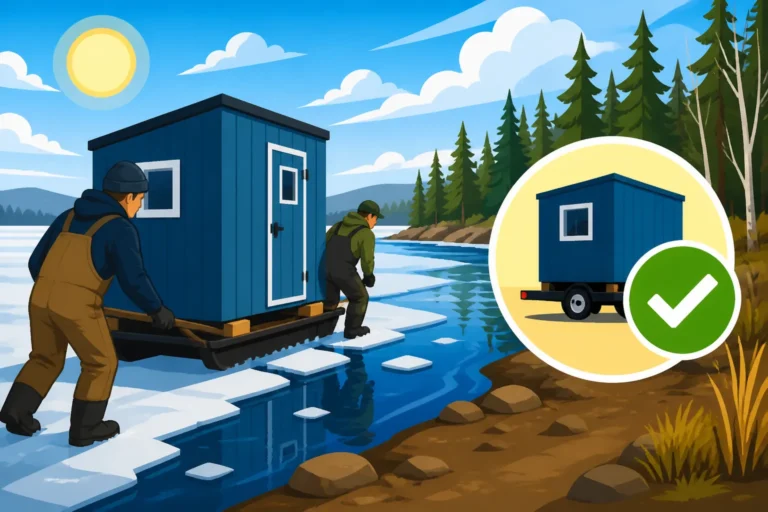
Perhaps the most critical regulation for shacks revolves around their removal. All ice fishing shacks, shelters, and any debris associated with them must be removed from the ice by March 31st of each year or immediately after ice-out, whichever comes first. "Ice-out" refers to the point when the ice sheet is no longer safe to support a structure or human activity. This rule is paramount for environmental protection. Abandoned shacks can sink, becoming hazards for boaters in the spring, polluting the water with debris, and costing the state significant resources for removal. The MDIFW takes this rule very seriously, and fines for leaving a shack on the ice can be substantial, often in the hundreds of dollars, plus the cost of removal. It's a responsibility every ice angler must take seriously to preserve Maine's beautiful waterways. Our dedicated guide to Ice Fishing Shack Removal Rules goes into much greater detail about these specific requirements.
Lead Tackle Restrictions
Maine has been at the forefront of protecting its loon population, and a key part of that effort involves regulating lead fishing tackle. Loons and other waterfowl often ingest lost lead jigs and sinkers, leading to lead poisoning. To combat this, Maine has progressively implemented a ban on the sale and use of lead fishing sinkers and jigs.
As of September 1, 2026, the ban will expand significantly. It will be illegal to use or possess any lead sinker or lead-headed fishing jig that weighs 1 ounce or less while fishing in Maine's inland waters. This is a critical change that every ice angler needs to be aware of. Many popular ice fishing jigs, especially those for panfish, brook trout, and even smaller togue, fall within this weight category. Anglers are strongly encouraged to switch to non-lead alternatives made from materials like tungsten, tin, steel, or bismuth, which are readily available at most sporting goods stores and online retailers like Amazon. This ban is not just about environmental protection; it's about being a responsible angler and ensuring the health of Maine's iconic wildlife. It’s important to stay informed about these evolving regulations, and our article on the Maine Lead Jig Fishing Ban provides the latest information.
Key Fish Species and Bag Limits for Ice Fishing
The joy of ice fishing often lies in targeting specific species, each offering a unique challenge and reward. However, to ensure sustainable fisheries for generations to come, Maine implements strict bag and length limits. These are not arbitrary numbers but carefully crafted regulations based on scientific data, designed to protect fish populations and maintain healthy ecosystems.
Brook Trout and Landlocked Salmon Limits
Brook trout are perhaps the quintessential Maine fish, cherished by anglers for their vibrant colors and feisty fight. When ice fishing, brook trout are a popular target, especially in smaller ponds. Under General Law, the daily bag limit for brook trout is typically 5 fish, with a minimum length of 6 inches. However, this is one of those areas where special regulations are extremely common. Many ponds will have lower bag limits, higher minimum lengths, or even be designated as "catch-and-release only" to foster trophy fisheries or protect fragile populations. Always verify the rules for the specific water you're fishing. For instance, some of the wild brook trout ponds in the North Maine Woods will have much stricter rules than a stocked pond closer to more populated areas.
Landlocked salmon are another prized catch for Maine ice anglers, particularly in larger, deeper lakes. These magnificent fish offer an incredible fight, even through a small ice hole. The General Law for landlocked salmon is typically a daily bag limit of 1 fish, with a minimum length of 14 inches and a maximum length of 18 inches. This "slot limit" is designed to protect prime breeding-age fish, allowing them to contribute to the population before being harvested. Like brook trout, landlocked salmon regulations are frequently modified by special rules for individual lakes. Some of the premier salmon lakes, like Sebago Lake or Moosehead Lake, will often have specific slot limits or daily bag limits that differ from the general law, reflecting the unique dynamics of their populations. For a deeper dive into these specifics, our guides on Brook Trout Daily Bag Limits and Maine Landlocked Salmon Bag Limits are invaluable resources.
Togue Lake Trout Regulations
"Togue," as lake trout are affectionately known in Maine, are a truly sought-after species for ice anglers. These deep-water predators grow to impressive sizes and provide a powerful fight. The General Law for togue is typically a daily bag limit of 2 fish, with a minimum length of 18 inches. However, many of Maine's large, deep lakes, where togue thrive, have very specific regulations due to the unique characteristics of their populations. For example, some lakes might have no length limit on togue to encourage harvest of smaller fish, while others might have much larger minimum length requirements to promote trophy growth.
The reason for these variations often comes down to population density and food sources. In lakes where togue are overpopulated or where their growth rates are slow, removing smaller fish can benefit the overall health of the fishery by reducing competition for food. Conversely, in lakes managed for large, trophy-sized togue, stricter length limits are imposed. It's not uncommon to see regulations like "only one fish over 23 inches" or similar variations. Before you even think about setting up your tip-ups for togue, make sure you've consulted the MDIFW regulations for that specific lake to understand the nuances of the daily bag and length limits. You don't want to accidentally keep a fish that's out of slot, or worse, put back one that's supposed to be harvested! More detailed information can be found in our comprehensive article on Maine Togue and Lake Trout Limits.
Bass and Other Species
While brook trout, salmon, and togue often steal the spotlight, Maine's ice anglers can also find excellent opportunities for other species, including bass, perch, and pickerel. These fish can offer fast-paced action and are often less finicky in winter, especially if you find them schooling.
Bass (Smallmouth and Largemouth): While not traditionally thought of as an ice fishing target, more and more anglers are discovering the thrill of catching bass through the ice. Many waters that are excellent for bass in the open water season also hold good populations in winter. The General Law for bass in winter (January 1 – March 31) typically allows for 1 fish daily, with a minimum length of 10 inches. However, Maine is divided into fishing zones (North and South), and bass regulations can vary significantly, especially during the open water season. During ice fishing season, the rules tend to be more uniform, but still, always check the specific waters. Bass often congregate in deeper holes or near structure in winter, offering a unique challenge and a strong fight on lighter ice fishing gear.
Perch (White and Yellow) and Chain Pickerel: These species offer fantastic opportunities for active ice fishing and are often excellent table fare. There are generally no length or bag limits for white perch, yellow perch, or chain pickerel under General Law in Maine's inland waters during ice fishing season. This makes them ideal targets for beginners or families, as the action can be steady, and there's no stress about measuring or counting. These fish are often found in shallower areas, bays, and around weed beds, making them accessible targets. Keep in mind, while there are no general limits, a few specific waters might have special regulations for these species, so a quick check of the law book is still a good habit. You can find excellent panfish action on many lakes across the state, and catching a mess of yellow perch for a fish fry is a classic Maine winter tradition.
Here's a quick reference table for common ice fishing species and their general law limits (always check special regulations!):
| Species | Daily Bag Limit (General Law) | Minimum Length (General Law) | Slot Limit (General Law) | Notes |
|---|---|---|---|---|
| Brook Trout | 5 fish | 6 inches | None | Highly variable, check special regulations closely! |
| Landlocked Salmon | 1 fish | 14 inches | Max 18 inches | Slot limit protects breeders. Special regs common. |
| Togue (Lake Trout) | 2 fish | 18 inches | None | Regulations vary widely by lake to manage populations. |
| Smallmouth/Largemouth Bass | 1 fish | 10 inches | None | Winter season (Jan 1 – Mar 31) limits. Check specific waters. |
| White Perch | No Limit | None | None | Great for continuous action and table fare. |
| Yellow Perch | No Limit | None | None | Another excellent option for quantity and eating. |
| Chain Pickerel | No Limit | None | None | Abundant and aggressive, often providing strong fights. |
Licensing Requirements for Ice Fishing in Maine
Before you even think about drilling a hole in the ice, the very first rule of Maine fishing is ensuring you have the proper license. It's the foundation of legal and responsible angling, and frankly, it helps fund the vital conservation and management efforts that keep Maine's fisheries thriving.
Who Needs a Maine Fishing License?
In Maine, with very few exceptions, anyone 16 years of age or older needs a valid fishing license to fish in inland waters, which includes all lakes, ponds, rivers, and streams where ice fishing typically occurs. This applies to both residents and non-residents alike.
- Maine Residents: If you're a permanent resident of Maine, you'll need a resident fishing license. There are different options available, including annual licenses, combination hunting and fishing licenses, and even lifetime licenses. For those who are 70 years of age or older, Maine offers a complimentary lifetime fishing license, a wonderful gesture to its elder anglers. Our article on Do Maine Seniors Fish Free After Age 70? provides more details on this.
- Non-Residents: Visitors from out-of-state also need a license. Maine offers a variety of non-resident licenses to suit different trip durations, including 1-day, 3-day, 7-day, 15-day, and full season options. This flexibility allows you to choose the license that best fits your travel plans. For example, if you're just coming up for a long weekend of ice fishing, a Maine 3-Day Nonresident Fishing License might be perfect.
- Youth Anglers: One of the great things about Maine is its encouragement of young anglers. Children under 16 years of age do not need a fishing license to fish in Maine's inland waters. This makes it incredibly easy and accessible for families to introduce kids to the joys of ice fishing without the added cost or paperwork. However, any fish caught by an unlicensed youth still count towards the adult's daily bag limit if they are fishing together. For comprehensive information, our Maine Fishing License Age Requirements in Maine article covers all the specifics.
Where to Purchase Your License
Getting your Maine fishing license is a straightforward process, offering several convenient options:
- Online: The easiest and often quickest way to purchase your license is directly through the MDIFW website. You can do this from the comfort of your home, print it out immediately, or save it to your phone. This is especially handy if you decide on a last-minute ice fishing trip.
- In-Person at a License Agent: Many sporting goods stores, bait shops, general stores, and town offices across Maine are authorized license agents. This is a great option if you prefer to purchase your license locally, perhaps while picking up bait or other supplies. It also supports local businesses, which is always a plus. You can find a list of agents on the MDIFW website. Places like Kittery Trading Post or even some larger retailers might offer them.
- By Mail: While less common for immediate needs, you can also purchase licenses by mail through the MDIFW. This option is generally used for advance planning or specialized licenses.
No matter where you purchase your license, it's vital to carry it with you at all times while fishing. A warden can ask to see it, and not having it, even if you bought it, can lead to a fine. It’s also important to remember that most Maine fishing licenses operate on a calendar year, expiring on December 31st, regardless of when you purchased them during the year. So, if you're ice fishing in January, you'll need a new license for the new year. For a full breakdown on the process, our article on How to Get a Maine Fishing License is a must-read.
Safety First: Crucial Ice Fishing Safety Rules
Ice fishing is an exhilarating winter pursuit, but it demands respect for the elements. The unpredictable nature of ice means that safety can never be an afterthought. Following established safety protocols isn't just a suggestion; it's a necessity that can literally save lives. The thrill of the catch isn't worth risking everything for.
Ice Thickness Guidelines
The golden rule of ice fishing safety revolves around ice thickness. There is no such thing as 100% safe ice, but there are widely accepted guidelines for minimum safe thickness:
- 2 inches or less: STAY OFF. This ice is too thin to support human weight.
- 4 inches: Suitable for ice fishing on foot. This is the absolute minimum for individual anglers, and even then, caution is paramount.
- 5-7 inches: Good for small groups on foot, or for snowmobiles and ATVs. Always exercise caution, especially in unfamiliar areas.
- 8-12 inches: Generally safe for small cars or light trucks.
- 12-15 inches: Supports medium-sized trucks.
It's crucial to remember that these are just guidelines. Ice thickness can vary dramatically on the same body of water, even within a few feet. Factors like springs, currents, pressure ridges, coves, and areas around inlets/outlets can create dangerously thin spots. The MDIFW strongly advises anglers to always check the ice thickness regularly as they move across the water. A spud bar or an ice auger should be used to test ahead of you. Don't rely solely on tracks or other anglers' presence; always verify for yourself. Early and late ice seasons are particularly hazardous, as conditions can change rapidly. When considering early or late season outings, our article on Early Ice Safety Tips for Maine Anglers is an excellent resource to review.
Emergency Preparedness
Being prepared for an emergency on the ice is not about being paranoid; it's about being responsible. Maine's winter conditions can be extreme, and an unexpected fall through the ice or exposure to the cold can quickly become life-threatening.
- Dress in Layers: Hypothermia is a serious risk. Wear waterproof outer layers and warm, insulating inner layers made of wool or synthetic materials (avoid cotton, which loses its insulating properties when wet). A good pair of insulated boots is also a must.
- Carry Safety Gear:
- Ice Picks: These are small, sharp tools that you wear around your neck. If you fall through, they provide grip on the ice, allowing you to pull yourself out. They are simple, inexpensive, and incredibly effective. You can find them on Amazon or at local sporting goods stores.
- Throw Rope: A coiled rope with a flotation device, easily deployed to assist someone who has fallen through the ice without putting yourself at risk.
- Whistle: To signal for help if you're in distress.
- First-Aid Kit: Basic supplies for cuts, scrapes, and other minor injuries.
- Navigation: A map, compass, or GPS device is crucial, especially in whiteout conditions or on large, unfamiliar lakes like Moosehead Lake.
- Go with a Buddy: Fishing with at least one other person is one of the most effective safety measures. In an emergency, a companion can provide immediate assistance or go for help.
- Inform Someone of Your Plans: Always let someone know where you're going, who you're with, and when you expect to return. This way, if you don't check in, they know to alert authorities.
- Stay Hydrated and Fuelled: Cold weather can be deceiving. Drink plenty of water and bring high-energy snacks to maintain your core body temperature and energy levels.
Remember, rescue efforts in remote Maine locations can take time. Your best defense is prevention and self-reliance through thorough preparation.
Navigating Maine's North and South Zones for Ice Fishing
Maine's diverse geography and climate necessitate a nuanced approach to fishing regulations, particularly evident in the division of the state into North and South fishing zones. While many ice fishing rules apply statewide, understanding these zones is crucial because they can impact season dates, bag limits, and other specifics for certain species or waters.
Zone Differences and Their Impact on Rules
The primary reason for the North and South Zone distinction is the difference in climate and ecological conditions across Maine. Northern Maine experiences significantly longer, colder winters and later ice-out dates compared to Southern Maine. This geographical reality impacts fish growth rates, spawning times, and the overall vulnerability of fish populations to angling pressure.
- Season Lengths: Historically, the North Zone often has longer ice fishing seasons or specific open water seasons that differ from the South Zone, reflecting the extended winter conditions. For instance, while General Law states January 1 to March 31 for ice fishing, specific lakes in the North Zone might have extended seasons well into April, while many in the South Zone might experience earlier ice-out, rendering those extended dates moot.
- Species Management: Regulations for certain species, particularly brook trout and landlocked salmon, can vary between zones. The North Zone, with its vast tracts of wilderness, is home to many remote ponds and streams managed primarily for wild brook trout populations, often with stricter catch limits or "catch-and-release" rules to preserve genetic integrity and trophy potential. The South Zone, with its higher human population and greater number of stocked waters, might have different limits to reflect these dynamics.
- Bass Fishing: While bass are not a primary ice fishing target for all, their management is a key differentiator between the zones during the open water season. During the general ice fishing season, bass limits are usually more uniform, but it's always good to be aware that the underlying zone differences influence broader fisheries management.
It's not about one zone being "better" for fishing; it's about acknowledging ecological realities and tailoring regulations to best manage fish populations and angling opportunities in different parts of the state. For a deeper explanation of these regulations, refer to our article on Maine North Zone vs South Zone Fishing Rules.
Identifying Your Fishing Zone
Knowing which zone you're in is paramount to complying with regulations. The MDIFW provides a clear map detailing the boundary between the North and South Zones. Generally, the dividing line runs roughly from west to east across the state, passing near major landmarks.
- The Dividing Line: The border essentially follows US Route 2 from the New Hampshire border east to Mexico, then Route 17 to Rumford, then Route 108 to Peru, Route 120 to Hartford, Route 219 to Turner, Route 117 to Livermore Falls, Route 133 to Winthrop, Route 41 to Augusta, Route 202 to Unity, Route 139 to Brooks, Route 7 to Belfast, and then follows the Maine coastline east.
- Check the MDIFW Law Book: The most reliable way to confirm your zone is to consult the official MDIFW "Open Water & Ice Fishing Laws" book. It contains maps and clear descriptions of the zone boundaries. When looking up specific water bodies, the law book will explicitly state if a water falls within the North or South Zone, and then list its corresponding regulations.
- Consult Local Resources: Bait shops and local sporting goods stores are also excellent resources. The folks who work there are often lifelong anglers and can quickly tell you which zone a particular lake or pond falls into. Many will even have the MDIFW law book readily available.
Never assume you know the zone, especially if you're fishing near the border or in an unfamiliar part of Maine. A quick check can save you a lot of trouble and ensure you're fishing legally and responsibly. Lakes like Sebago Lake are firmly in the South Zone, while Moosehead Lake is a prime North Zone fishery, and understanding these distinctions is key to a successful and compliant ice fishing trip.
Ethical Angling and Environmental Responsibilities
Ice fishing, like all outdoor pursuits, comes with a profound responsibility to both the fish and the environment. Practicing ethical angling and adhering to a "leave no trace" philosophy ensures that Maine's pristine frozen landscapes remain healthy and beautiful for everyone, and for future generations of anglers.
Catch and Release Best Practices in Winter
While the goal for many is to harvest fish for a meal, catch and release is also a vital practice, especially for larger breeding fish, species with strict slot limits, or when you're simply enjoying the sport. In winter, special care must be taken due to the extreme cold, which can be particularly harsh on fish.
- Minimize Air Exposure: Fish gills can freeze quickly in sub-freezing temperatures, and eyes can be damaged. Work quickly and keep the fish in or over the hole as much as possible.
- Wet Hands and Tools: Always wet your hands before handling a fish. Dry hands can remove the fish's protective slime coat, making it vulnerable to disease. Use wet pliers or a hemostat to remove hooks if needed.
- Use Barbless Hooks: Barbless hooks, or hooks with pinched barbs, make for much easier and quicker hook removal, reducing stress and injury to the fish. Many anglers find these helpful, and you can buy them at various outdoor stores or online on platforms like Amazon.
- Support the Fish: If you need to hold the fish for a quick photo, support its body horizontally. Never hold a fish vertically by its jaw or gills, as this can damage its internal organs, especially with larger fish.
- Revive Gently: If a fish seems lethargic before release, gently move it back and forth in the water, facing into the current (if any), to help oxygenate its gills until it swims away under its own power. Don't just toss it back; ensure it's strong enough to survive.
- Avoid Deep Hooking: If a fish is deeply hooked, it's often best to cut the line as close to the hook as possible rather than attempting to rip the hook out, which can cause fatal injuries.
By following these practices, you increase the chances of released fish surviving and contributing to a healthy fishery, upholding the spirit of conservation.
Waste Management and Respecting the Environment
Maine's natural beauty, especially its frozen lakes and ponds, is a precious resource that we all have a duty to protect. Leaving trash, discarded bait, or abandoned gear on the ice is not only disrespectful but also harmful to the environment and future angling opportunities.
- Pack It In, Pack It Out: This is the golden rule of outdoor ethics. Whatever you bring onto the ice – food wrappers, empty beverage containers, old fishing line, broken gear – must leave with you. Don't rely on trash barrels at access points; be prepared to carry out everything you brought in.
- Proper Disposal of Bait: Never leave dead baitfish or unused bait on the ice. Dispose of it properly in trash receptacles. This prevents the spread of disease or invasive species to other water bodies and avoids attracting scavenging wildlife that could be harmed by eating unnatural food sources or getting tangled in line.
- Mind Your Footprint: Avoid driving vehicles unnecessarily on the ice, especially in areas with sensitive shorelines. If you're using an ATV or snowmobile, stick to established trails where safe.
- No Littering: This includes cigarette butts, plastic bags, and any other small items. These can easily become embedded in the ice, resurface during ice-out, and pollute the water or harm wildlife.
- Respect Private Property: Many popular ice fishing spots have access points that cross private land. Always be respectful of landowners, stay on designated access routes, and pack out any trash. A lack of respect from anglers can lead to the closure of these vital access points.
Remember, the vast majority of anglers are responsible and conscientious. By adhering to these ethical and environmental guidelines, you contribute to a positive image of the angling community and help preserve Maine's magnificent outdoor heritage for generations to come.
Common Violations and Penalties to Avoid
Ignorance of the law is never an excuse, especially when it comes to fishing regulations. Maine's Inland Fisheries and Wildlife wardens are dedicated to protecting the state's natural resources, and they take their job seriously. Understanding the most common violations and their associated penalties can help you avoid a ruined trip and a hefty fine.
Fishing Without a License
This is perhaps the most fundamental violation, and it's also one of the easiest to avoid. As discussed, virtually everyone 16 years of age or older needs a valid Maine fishing license to fish in inland waters.
- Consequences: If you are caught fishing without a license, the penalties can be significant. Fines typically start in the range of $100 to $300 for a first offense, plus court fees. More importantly, it can also lead to the suspension of your fishing privileges for a period of time, not just in Maine but potentially in other states as well through interstate compacts. This means you could be legally barred from fishing for months or even years. Imagine planning a dream fishing trip only to find out you can't participate because of a past violation.
- Why it Matters: The revenue generated from fishing license sales directly funds the MDIFW's vital conservation, research, and enforcement efforts. This includes fish stocking programs, habitat restoration, scientific studies of fish populations, and the salaries of game wardens who protect our resources. Fishing without a license is essentially taking advantage of these resources without contributing your fair share, and it undermines the entire system designed to ensure sustainable fisheries. Our article on What Happens If You Fish in Maine Without a License? delves deeper into this.
Exceeding Bag Limits or Improper Gear
Beyond licenses, other common violations often stem from a lack of attention to detail regarding specific regulations or simply trying to push the boundaries.
- Exceeding Bag or Length Limits: This is another frequent violation. Whether it's keeping too many brook trout, taking a landlocked salmon outside its slot limit, or keeping a togue that's too small, these mistakes can be costly.
- Penalties: Fines for exceeding bag limits or violating length limits can range from $100 to several hundred dollars per fish, depending on the species and the severity of the violation. In some cases, especially with protected species or repeat offenses, property (like fishing gear or even a vehicle) can be confiscated. The most frustrating part? You often lose your catch as well.
- Why it Matters: Bag and length limits are scientifically determined to ensure sustainable fish populations. Over-harvesting, even unintentionally, can deplete fish stocks, especially for slower-growing species or those with specific genetic traits.
- Improper Use of Gear: This includes using too many lines, failing to mark your tip-ups and shacks, or using prohibited tackle.
- Unmarked Gear: Not labeling your tip-ups or ice shack with your name and address can lead to fines, typically in the $100 to $200 range. This rule is for accountability and environmental protection.
- Excessive Lines: Using more than the legal limit of five lines, or not keeping all lines under immediate supervision, can result in fines similar to those for unmarked gear.
- Prohibited Tackle (e.g., Lead Jigs): As the lead ban expands, using lead jigs or sinkers that fall under the prohibited weight will become a violation. Fines for this are typically in the $100 to $200 range, with the potential for higher fines for repeat offenses. Compliance with this rule is crucial for the health of Maine's loon population.
- Why it Matters: These rules ensure fair chase, prevent over-harvesting, promote safety, and protect the environment from pollution. They are designed to create an equitable and sustainable fishing experience for all.
The best defense against these penalties is a thorough understanding of the regulations for the specific water body you intend to fish. Always carry the current MDIFW law book, or have the digital version accessible on your phone, and don't hesitate to ask a local bait shop owner or guide if you're unsure about a rule. When in doubt, err on the side of caution.
Disclaimer
The information provided in this guide is intended for general informational purposes only and is subject to change. While we strive to provide accurate and up-to-date content, fishing regulations in Maine are complex and can vary significantly by location and over time. It is solely your responsibility to consult the official Maine Department of Inland Fisheries and Wildlife (MDIFW) "Open Water & Ice Fishing Laws" book or their official website for the most current and specific regulations pertaining to your chosen fishing location and species before engaging in any fishing activity. Failure to do so may result in fines or penalties. Always prioritize safety on the ice and adhere to all local, state, and federal laws.