Do Maine Seniors Fish Free After Age 70?
It’s easy to get confused by fishing regulations, especially when it comes to age-specific rules. Many lifelong anglers, particularly those hitting their golden years, often wonder if their decades of contributing to conservation through license purchases finally earn them a break. For seniors in Maine, the question often boils down to: "Do I still need a license, or can I just head out to my favorite fishing spot for free once I turn 70?" This guide will clear up that common misunderstanding, explain the real deal about senior fishing licenses in Maine, and walk you through what you need to know to keep enjoying the state’s beautiful waters legally and without hassle.
Understanding Maine's Senior Fishing License Policy
Navigating the nuances of fishing regulations can feel like trying to untangle a particularly stubborn fishing knot, especially as you get older. One question that frequently pops up among Maine's esteemed elder angling community is whether they can cast a line without any cost once they hit a certain age. The short answer, and one that often brings a sigh of relief, is yes, for residents, fishing becomes largely complimentary after a certain milestone. However, it's not quite as simple as just heading out the door without a second thought; there’s a specific process to follow to ensure you’re compliant with the law.
Maine Resident Seniors: The Lifetime Fishing License at No Cost
For long-time residents who have called Maine home and enjoyed its bountiful waters, there’s a wonderful benefit: once you reach the age of 70, you are eligible for a complimentary Maine resident lifetime fishing license. This isn't just a seasonal pass; it’s a lifetime license that allows you to fish in Maine's inland waters for the remainder of your days without needing to renew it annually. This is a fantastic way the state recognizes the contributions and passion of its senior citizens to Maine's rich outdoor traditions.
It's crucial to understand that "free" doesn't mean "license-optional." Even though there's no fee, you still need to obtain this special license from the Maine Department of Inland Fisheries and Wildlife (MDIFW) or one of their authorized agents. You can't simply assume your age is enough; an official document is required to prove your eligibility should a warden ask. Think of it less as an exemption and more as a pre-paid, fully covered access pass that still needs to be issued. Many seniors appreciate this, as it solidifies their legal standing while removing the annual financial burden and renewal chore. You can find more detailed information on specific age requirements and documentation in our guide on Senior Lifetime Fishing License Eligibility.
Non-Resident Seniors: Different Rules Apply
This is where the distinction between residents and non-residents becomes incredibly important, and it’s a source of frequent frustration for many visitors who regularly fish in Maine. If you are a non-resident senior, regardless of your age, the complimentary resident lifetime license does not apply to you. Non-resident anglers, even those well over 70, are still required to purchase a valid Maine fishing license to fish in the state's inland waters.
This often comes as a surprise to visitors from states with different senior fishing policies, but Maine's regulations are quite clear on this. The free lifetime license is a benefit specifically for those who contribute to the state's economy and community as residents. Non-resident seniors will need to check the current Maine Nonresident Fishing License Cost and purchase the appropriate duration license for their trip, whether it’s a 1-day, 3-day, 7-day, 15-day, or full-season option. It’s always best to plan ahead and secure your license before hitting the water to avoid any misunderstandings or potential penalties.
Eligibility and Application for Your Senior Lifetime License
So, you’ve hit the big 7-0 and are ready to claim your well-deserved lifetime fishing privileges in Maine. The process isn't overly complicated, but it does require a few specific steps to ensure you meet all the criteria and receive your official document. Don't let the thought of bureaucracy deter you; it's quite straightforward, and the peace of mind knowing you're fully licensed for life is well worth it.
Confirming Your Maine Residency
The absolute first step is confirming your status as a Maine resident. The MDIFW defines a resident as any person who has resided in Maine for at least three months immediately preceding the date of application. This means maintaining a bona fide residence here, not just owning property or visiting seasonally. You’ll typically need to provide proof of residency, which could include a Maine driver’s license, a voter registration card, or utility bills in your name at a Maine address. If you're unsure about your residency status, it's always best to check with the MDIFW directly before attempting to apply.
Once your residency is confirmed and you've reached 70 years of age, you're on the right track. Many anglers, especially those who have lived here for decades, will have no problem meeting this criterion. It’s really about ensuring that the benefits of the state’s resources are directed towards those who call Maine home year-round.
Step-by-Step Application Process
Getting your complimentary senior lifetime fishing license is quite simple. You have a few convenient options, allowing you to choose the method that works best for you.
-
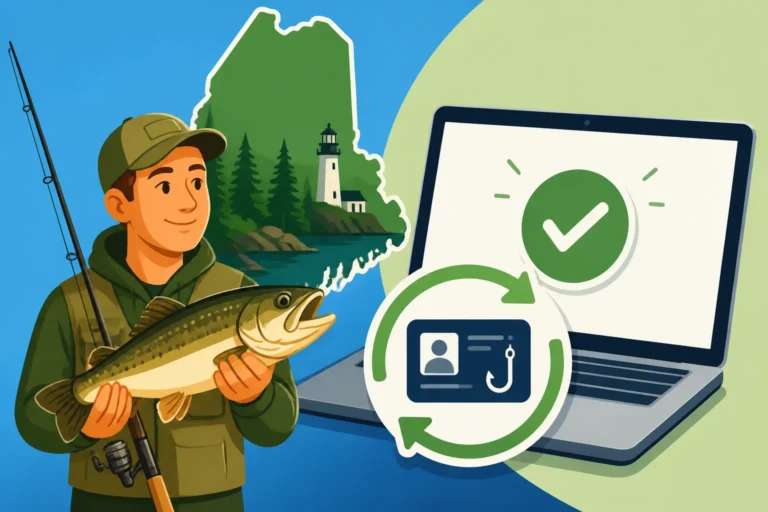
Online: The easiest and often quickest way is to apply online through the MDIFW's official licensing portal. You'll need to create an account if you don't already have one, then select the appropriate resident lifetime fishing license for seniors. The system will guide you through verifying your age and residency. While the cost will show as $0, you still complete the "purchase" process to generate your official license. This is a great option for those who are comfortable with computers and want to handle it from the comfort of their home. If you're looking for where to start, our article How to Buy a Maine Fishing License Online provides a helpful walkthrough.
-
In-Person: If you prefer a more personal touch or have questions, you can visit an authorized license agent. These agents are typically found in town clerk offices, sporting goods stores, and many convenience stores throughout Maine. Just bring your proof of age (like a driver's license) and proof of residency. The agent will process your request, and you'll walk out with your lifetime license in hand. This is often the preferred method for those who like to have a physical interaction or need assistance. To find a location near you, consult our guide on Where to Buy a Maine Fishing License.
-
Mail: While less common these days, you can also apply by mail by downloading an application form from the MDIFW website, filling it out, and sending it in with copies of your required documentation. This method takes longer to process but can be an option if online or in-person methods aren't feasible for you.
Once issued, your lifetime license is valid immediately. You should keep a copy of your license with you whenever you are fishing, whether it's a physical card or a digital version on your phone. This ensures you can easily present it if a game warden performs a routine check.
| Senior Resident Fishing License Eligibility (as of 2024) |
|---|
| Eligibility Criteria |
| Maine Resident |
| Age 70 or Older |
| Result: Eligible for a complimentary Resident Lifetime Inland Fishing License. You must still obtain the license. |
Benefits and Limitations of the Senior Lifetime License
Once you have your complimentary Maine resident lifetime fishing license, you might feel a sense of freedom, and rightfully so! This license offers significant benefits for the dedicated angler. However, like most regulations, there are specific limitations and details to be aware of, ensuring you fully understand what your new lifelong pass covers and what it doesn't.
What Your Lifetime License Covers
Your Maine resident lifetime fishing license is a fantastic asset, primarily covering all inland waters of the state for recreational fishing. This includes the vast majority of Maine's lakes, ponds, rivers, and streams. Whether you're chasing brook trout in a remote stream, trolling for landlocked salmon on Sebago Lake, or casting for smallmouth bass in the Belgrade Lakes, your lifetime license has you covered. It's a single, enduring document that simplifies your access to these diverse freshwater environments year after year.
This means no more worrying about Maine Fishing License Renewal Rules or trying to remember when your annual license expires. You’re set for life, free to enjoy every fishing season Maine has to offer. It removes a minor but persistent annual chore, allowing you to focus on planning your next adventure and enjoying the tranquility of Maine's natural beauty.
Important Exclusions and Additional Requirements
While incredibly comprehensive for inland fishing, your senior lifetime license doesn't cover absolutely everything. It’s essential to be aware of these limitations to stay compliant, especially if your fishing interests extend beyond typical freshwater pursuits.
-
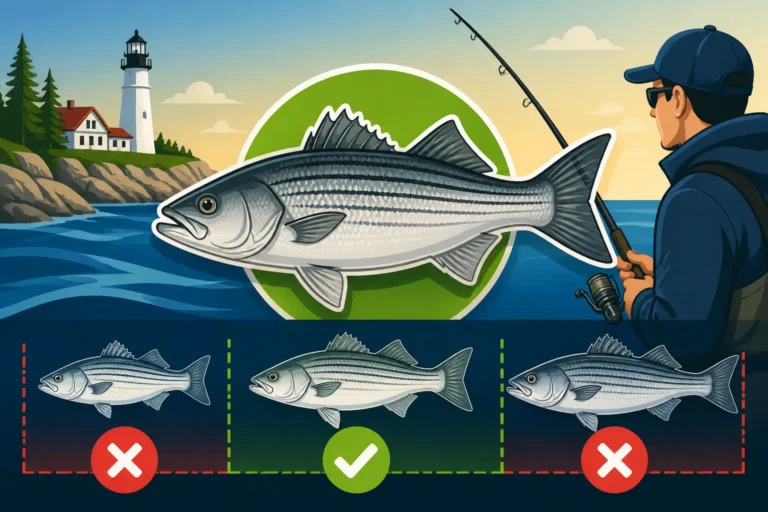
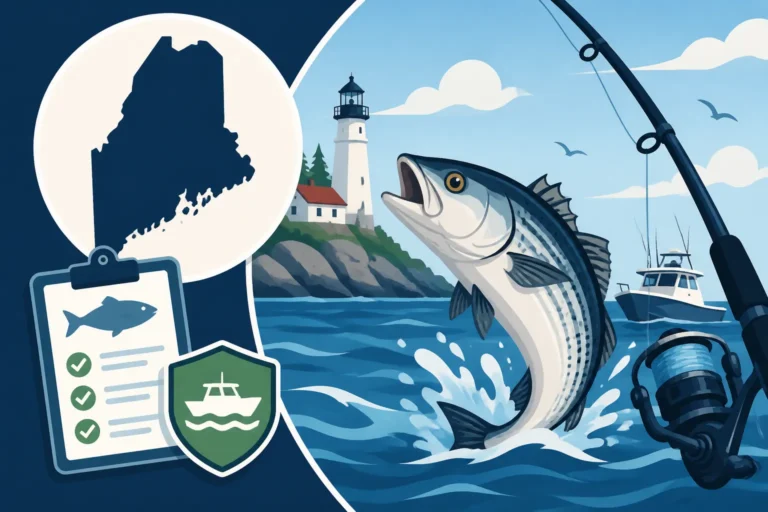
Saltwater Fishing: A common misconception is that the inland fishing license covers saltwater. It does not. If you plan to fish in Maine's marine waters, including coastal rivers and bays for species like striped bass or mackerel, you will need to register with the Maine Saltwater Fishing Registry Guide. The good news is that for Maine residents, this registry is generally free, but it's still a separate registration process that needs to be completed annually. Don't get caught casting for stripers in Casco Bay without it!
-
Ice Fishing Shacks: While your license covers ice fishing itself, if you plan to leave an ice fishing shack on the ice overnight, there are specific regulations you must follow, including proper labeling and removal deadlines. Your lifetime license doesn’t exempt you from these. You can learn more about Ice Fishing Shack Removal Rules to ensure you're in compliance.
-
Special Regulations and Bag Limits: Your lifetime license grants you the right to fish, but it doesn't exempt you from adherence to specific fishing laws for different waters or species. Maine has a complex system of general law and special regulations for individual lakes, ponds, and rivers. This includes rules about Maine Fish Bag Limits Guide, minimum lengths, and seasonal closures. For example, the Brook Trout Daily Bag Limits can vary significantly depending on which zone or specific water you're fishing. Always consult the current Maine fishing law book or the MDIFW website for the specific rules of the waterbody you plan to fish. Ignoring these can lead to fines, even if you have a valid license.
-
Hunting and Other Permits: This license is specifically for fishing. If you also enjoy hunting, trapping, or need other specific permits (like migratory bird stamps), you’ll need to acquire those separately. The lifetime fishing license is a singular benefit for anglers.
Understanding these details ensures that your valuable lifetime license truly offers you worry-free fishing throughout your senior years, allowing you to focus on the joy of the catch, the beauty of the surroundings, and the peace of being out on the water.
Beyond the License: Planning Your Maine Senior Fishing Trip
Having your complimentary lifetime fishing license in hand is a fantastic milestone, marking the beginning of endless fishing adventures across Maine's diverse waters. But a great fishing trip, especially for seniors, goes beyond just legal documentation. Thoughtful planning can make all the difference, ensuring your time on the water is safe, comfortable, and ultimately, more successful.
Staying Informed on Regulations and Seasons
Even with a lifetime license, regulations are always subject to change, and staying updated is key to responsible and legal fishing. Maine's fishing rules can be quite granular, with variations depending on the body of water and the species you're targeting.
- Annual Law Book: The MDIFW publishes a new fishing law book annually. This is your bible for all things regulation-related. It details Maine Fishing Season Dates Guide, bag limits for various species like Maine Landlocked Salmon Bag Limits and Maine Togue and Lake Trout Limits, and any special regulations for specific waters. You can pick one up at any license agent, or download a digital copy from the MDIFW website. Make it a habit to glance through it each spring.
- North vs. South Zone: Maine is divided into a North Zone and a South Zone for fishing regulations, which can impact season dates and specific rules. Knowing which zone your chosen fishing spot falls into is vital. Our guide on Maine North Zone vs South Zone Fishing Rules can help you navigate these differences.
- Online Resources: The MDIFW website is an invaluable resource, often updated more frequently than the printed book for any emergency closures or changes. Before heading out, especially to a new spot, a quick check online can save you a lot of trouble.
Comfort and Accessibility Considerations
As we age, comfort and ease of access become increasingly important for enjoying outdoor activities like fishing. Maine offers a variety of fishing experiences, many of which are senior-friendly.
- Accessible Fishing Spots: Look for locations with easy access. Many state parks, public boat launches, and town recreation areas offer paved paths, docks, and even specially designed accessible fishing platforms. These spots can make it much easier to enjoy shore fishing without navigating rough terrain. Consider places like some sections of the Kennebec River or certain areas around the Belgrade Lakes which offer good public access.
- Gear Selection: Lightweight rods and reels can reduce fatigue, especially during longer fishing sessions. Consider comfortable seating, ample shade if fishing on sunny days, and layers of clothing to adapt to Maine’s often-changing weather. A good pair of polarized sunglasses is always a wise investment to protect your eyes and help you spot fish or structure under the water.
- Buddy System: While fishing alone can be wonderfully peaceful, especially in Maine's quiet wilderness, consider fishing with a friend or family member. Not only does it add to the enjoyment, but it also provides an extra layer of safety, especially if you're venturing into more remote areas.
Staying Safe on the Water
Safety should always be a top priority, regardless of age. Maine’s waters are beautiful but can be unforgiving if proper precautions aren't taken.
- Life Jackets: If you're fishing from a boat, canoe, or kayak, always wear a properly fitted life jacket. Maine law requires life jackets to be readily available, and for certain age groups (like children), they must be worn. Even if not legally required for your age, wearing one is a smart choice for any senior.
- Weather Awareness: Maine weather can change quickly. Always check the forecast before you go and be prepared for sudden shifts in temperature, wind, or precipitation. Thunderstorms can roll in rapidly, especially in summer.
- Hydration and Sun Protection: Bring plenty of water to stay hydrated, even on cooler days. Use sunscreen and wear a wide-brimmed hat to protect yourself from the sun’s rays.
- Communication: If you're going to a remote area, let someone know your plans and expected return time. A fully charged cell phone is always a good idea, though service can be spotty in the deep woods.
By keeping these points in mind, you can ensure that your Maine fishing trips continue to be enjoyable, safe, and rewarding experiences for many years to come, all thanks to that well-earned complimentary lifetime license.
Disclaimer
The information provided in this guide is for general informational purposes only and is subject to change. While we strive to keep the content up-to-date and accurate, fishing regulations, license requirements, and fees are determined by the Maine Department of Inland Fisheries and Wildlife (MDIFW) and can be modified at any time. It is always the angler's responsibility to consult the most current official MDIFW regulations and laws before engaging in any fishing activity. This guide should not be considered a substitute for legal advice or official MDIFW publications.