General Law Fishing Season End Date in Maine
It’s easy to get tangled up in Maine’s fishing regulations, especially when you’re trying to pinpoint exactly when the open water fishing season officially wraps up. Navigating the nuances between general law and specific water exceptions can feel like a real puzzle, leaving many anglers wondering if their favorite spot is still open for one last cast. This comprehensive guide is here to untangle that confusion, clearly outlining the general law fishing season end date in Maine and helping you understand the crucial exceptions that might apply to your fishing plans.
Understanding Maine's General Law Open Water Fishing Season
When we talk about "general law" in Maine fishing, we're referring to the default rules that apply to the vast majority of inland waters unless a specific exception is listed in the official law book. It's the baseline you should always assume applies, until you've verified otherwise for your chosen fishing spot. This blanket regulation helps simplify things, but the exceptions are where many anglers trip up.
The Standard Close Date for Most Inland Waters
For most inland waters in Maine governed by general law, the open water fishing season for all species officially comes to a close on September 30th. This means that if you're fishing a lake, pond, or river that doesn't have specific regulations detailed in the Maine Open Water & Ice Fishing Regulations book, you can typically fish until the very last day of September. After this date, these waters are considered closed to open water fishing, and any angling would need to adhere to the upcoming ice fishing regulations, if applicable, or be considered out of season.
Think of September 30th as the universal "wrap it up" date for standard fishing in Maine. This applies to your typical trout ponds, bass lakes, and salmon rivers unless they are explicitly listed with different dates. It's a key date to remember when planning your late summer and early fall excursions, as it marks a significant shift in the angling calendar. This closing date is in place to protect fish populations during critical periods, such as when many species begin their spawning preparations, ensuring healthy stocks for future generations of anglers.
What "General Law" Really Signifies
"General Law" is essentially the statewide default. It’s the rule of thumb for any body of water that isn't specifically mentioned in the special regulations sections of the Maine Fishing Regulations Explained guide. Maine is renowned for its diverse aquatic ecosystems, from the vast lakes of the North Woods to the smaller, intimate ponds in the southern regions. Because each body of water can have unique characteristics – different fish populations, varying depths, or specific conservation needs – the Maine Department of Inland Fisheries and Wildlife (MDIFW) establishes these general rules as a starting point.
When a water body is not listed in the special regulations, you follow the general laws regarding seasons, bag limits, and legal methods. This system allows for focused conservation efforts on sensitive or unique fisheries, while providing straightforward guidelines for everything else. For a beginner, understanding this distinction is paramount. You start with the general law, and then you always check for exceptions. Without special regulations overriding it, September 30th remains the last hurrah for many open water fishing enthusiasts. This approach ensures that while most waters operate under consistent rules, truly special or sensitive environments can receive tailored protections, allowing them to thrive.
Navigating Exceptions to the General Rule
While September 30th serves as the general law closing date for many Maine inland waters, it's absolutely critical to understand that Maine’s fishing regulations are complex and filled with exceptions. Assuming a uniform end date across the entire state could lead to unintentional violations and frustration. Maine's diverse geography and fishery management strategies mean that many popular and productive waters have their own specific season dates, which often extend beyond the general law or allow year-round fishing for certain species.
North Zone vs. South Zone Differences
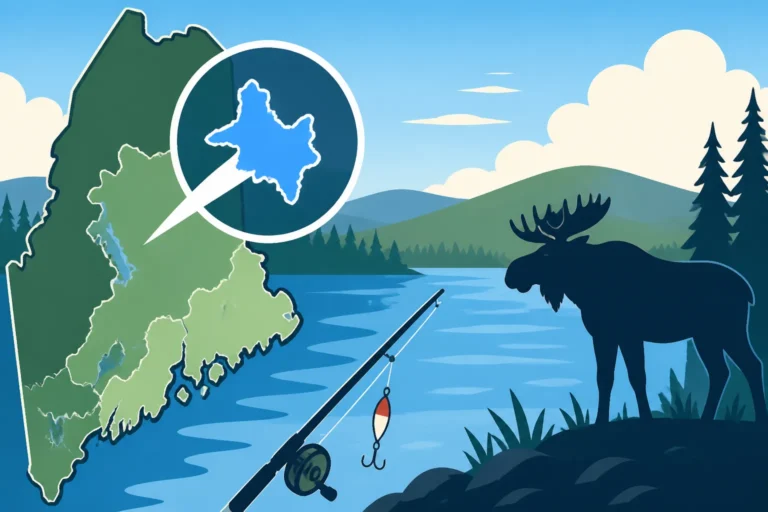
Maine is famously divided into two major fishing zones: the North Zone and the South Zone. These zones exist because the ecological conditions, particularly the timing of ice-out and ice-in, and the specific needs of fish populations, differ significantly between the northern and southern parts of the state. These differences often lead to distinct season dates, not just for ice fishing, but also for open water fishing. For instance, while the general law might apply broadly, many waters in the South Zone, due to its milder climate, may offer extended open water fishing opportunities. Conversely, some waters in the North Zone might have earlier closures or different species-specific rules.
It’s not enough to know the general law; you must know which zone your chosen fishing spot falls into. Large, well-known lakes like Moosehead Lake often have their own comprehensive regulations that may supersede the general zone rules. The Maine North Zone vs South Zone Fishing Rules article provides a detailed breakdown of these geographical distinctions and how they impact your fishing calendar. Always consult the official MDIFW regulations map to verify the zone for your destination, as this can be the difference between a legal catch and an unpleasant encounter with a warden.
Water-Specific and Species-Specific Regulations
This is where the real digging comes in for any serious angler. Many of Maine's most popular fishing destinations, whether it's the famed Rangeley Lakes, Sebago Lake, or hundreds of smaller, beloved ponds and rivers, operate under "special regulations" that dictate unique season dates. These special regulations are designed to protect specific fisheries, manage particular species, or enhance angling opportunities in unique ways.
For example, a lake might have a general law closure for brook trout on September 30th, but allow fishing for bass until October 31st, or even year-round for landlocked salmon with specific catch-and-release rules. Some rivers or sections of rivers might be designated as "fly fishing only" with extended seasons, while others might close entirely after the general law date. The Maine Fishing Season Dates Guide will tell you that it's common for popular waters to have extended seasons, especially for warm water species like bass or pike, which can be fished well into the fall, or even year-round in some instances, sometimes even under catch-and-release only rules.
Here’s a snapshot of how varied these exceptions can be:
- Extended Seasons: Many lakes and ponds, particularly those known for their bass populations, might have open seasons extending through October or even into November. These waters are often listed with specific closing dates in the special regulations section of the law book.
- Year-Round Fishing: A select number of waters, especially larger lakes or certain sections of major rivers, may offer year-round fishing opportunities for certain species, often with strict catch-and-release rules or specific gear restrictions outside of the main season. This allows anglers to pursue fish like smallmouth bass or lake trout even during the colder months, bridging the gap between open water and Maine Ice Fishing Rules Guide.
- Species-Specific Dates: It’s not uncommon for different species within the same body of water to have different closing dates. For instance, a lake might close for trout and salmon on September 30th, but remain open for bass until October 20th. Always check the specific species you are targeting.
- Catch-and-Release Only: For some extended seasons, especially in late fall, waters might switch to a strictly catch-and-release format, meaning no fish can be harvested, regardless of size or bag limits. This is a common conservation measure.
To illustrate these variations, here's a simplified table comparing general law dates with hypothetical special regulation examples. Keep in mind that specific dates are constantly updated by MDIFW, so this is for illustrative purposes only.
| Water Type / Species Targeted | General Law End Date (Typical) | Example of Special Regulation End Date | Specific Rule Example |
|---|---|---|---|
| Most Inland Waters (Trout/Salmon) | September 30th | Standard closing date. | |
| Certain Bass Lakes (South Zone) | September 30th | October 31st | Open for bass only, often catch-and-release after Sept 30. |
| Select Large Lakes (Lake Trout) | September 30th | October 15th | Specific lake may extend season for Togue/Lake Trout. |
| Designated Rivers (Fly Fishing) | September 30th | October 25th | Fly fishing only, catch-and-release for certain species. |
| Year-Round Waters | N/A | Year-round | Specific waters may be open year-round for certain species, often with strict rules. |
Remember, this table is not a substitute for the official MDIFW law book. Each lake, pond, or river can have its own unique set of rules, and these rules are subject to change annually.
Your Responsibility: Checking the Latest Regulations
It cannot be stressed enough: your fishing success, and your compliance with the law, hinges entirely on staying up-to-date with the latest Maine fishing regulations. The responsibility for knowing and following the rules falls squarely on the angler's shoulders. Ignorance of the law is not a valid defense, and fishing out of season, even by accident, can lead to fines and penalties.
Where to Find Official Information
The primary and most reliable source for Maine's fishing regulations is the Maine Department of Inland Fisheries and Wildlife (MDIFW). They publish a comprehensive rulebook annually, typically available in print and digital formats.
- MDIFW Website: The official MDIFW website is your best friend. They have an interactive map, searchable databases, and downloadable PDF versions of the latest Open Water and Ice Fishing Regulations. This is the first place you should look when planning any fishing trip. Their digital resources are updated regularly and are accessible from anywhere.
- Official Maine Fishing Law Book: Every serious angler should have a copy of the current year's Maine Fishing Regulations Explained book. These are distributed free of charge at most outdoor sporting goods stores, bait shops, and town offices across Maine. You can also often find them for purchase on platforms like Amazon if you prefer to have a physical copy mailed to your home before your trip. Having a physical copy can be incredibly useful when you're out in a remote area without cell service, providing quick access to critical information like Maine Fish Bag Limits Guide and season dates.
The Importance of the Maine Fishing Law Book
Imagine you're deep in the North Woods, far from cell signal, and you've just caught a beautiful landlocked salmon. You remember the general law closing date is September 30th, but for this specific lake, what are the exceptions? Is it open longer? What's the minimum length? This is precisely why the official law book is indispensable. It contains all the detailed, water-specific rules that override the general law.
The book is organized by county and then by water body, making it relatively easy to navigate once you get the hang of it. Before you even pack your rods, pull out that book (or open the PDF on your tablet) and look up your specific destination. Confirm the season end dates for the species you intend to target, check any length or bag limits, and be aware of any special methods or gear restrictions. For example, some waters might have restrictions on live bait, or be designated for artificial lures only. Don't rely on old information or hearsay; regulations can change annually based on biological surveys and management decisions. You can buy many helpful fishing reference materials, including laminated regulation guides, on Amazon to keep handy in your tackle box.
Consequences of Misunderstanding Dates
Fishing outside of the legal season, whether intentionally or accidentally, is a violation of Maine law. The consequences can range from fines and penalties to the confiscation of your gear and catch, and even loss of fishing privileges. Nobody wants to face a warden and explain why they were fishing a closed water.
The penalties for Fishing Without a License in Maine (or fishing out of season, which is essentially the same in terms of legality) are designed to be a deterrent and to protect the state's valuable fish populations. Fines can vary depending on the severity of the offense, the number of fish caught, and whether it's a repeat offense. It's a costly mistake that's entirely avoidable by simply taking the time to review the current regulations. Moreover, continuous violations in a particular water body could lead to even stricter regulations being imposed in the future, impacting all anglers. Keep in mind that many local bait shops or sporting goods stores, like Kittery Trading Post or L.L.Bean, can help answer questions about general regulations and point you to the right sections in the law book. You can even find helpful beginner fishing kits and guides on Amazon that include basic information about fishing ethics and regulations.
To ensure you're always fishing legally and responsibly, make it a habit to:
- Check the MDIFW Website: Before every trip, especially if you're visiting a new body of water or it's a new season.
- Carry the Law Book: Have a physical or digital copy of the current year's regulations with you on the water.
- Ask Questions: If you're unsure, ask local bait shop owners, guides, or contact MDIFW directly. Never assume.
Your Maine Fishing License Renewal Rules often align with the new regulation year, so it's a good reminder to get updated information each time you renew. Understanding the general law fishing season end date in Maine is a foundational piece of knowledge for any angler, but it's the diligent pursuit of water-specific details that truly sets a responsible and successful angler apart.
Disclaimer
Please note that fishing regulations in Maine are subject to change. While this guide provides a comprehensive overview based on current information, it is your responsibility to consult the most up-to-date official Maine Department of Inland Fisheries and Wildlife (MDIFW) regulations before engaging in any fishing activities. Always refer to the current Maine Open Water and Ice Fishing Regulations book or the MDIFW website for the definitive and legally binding rules and season dates.