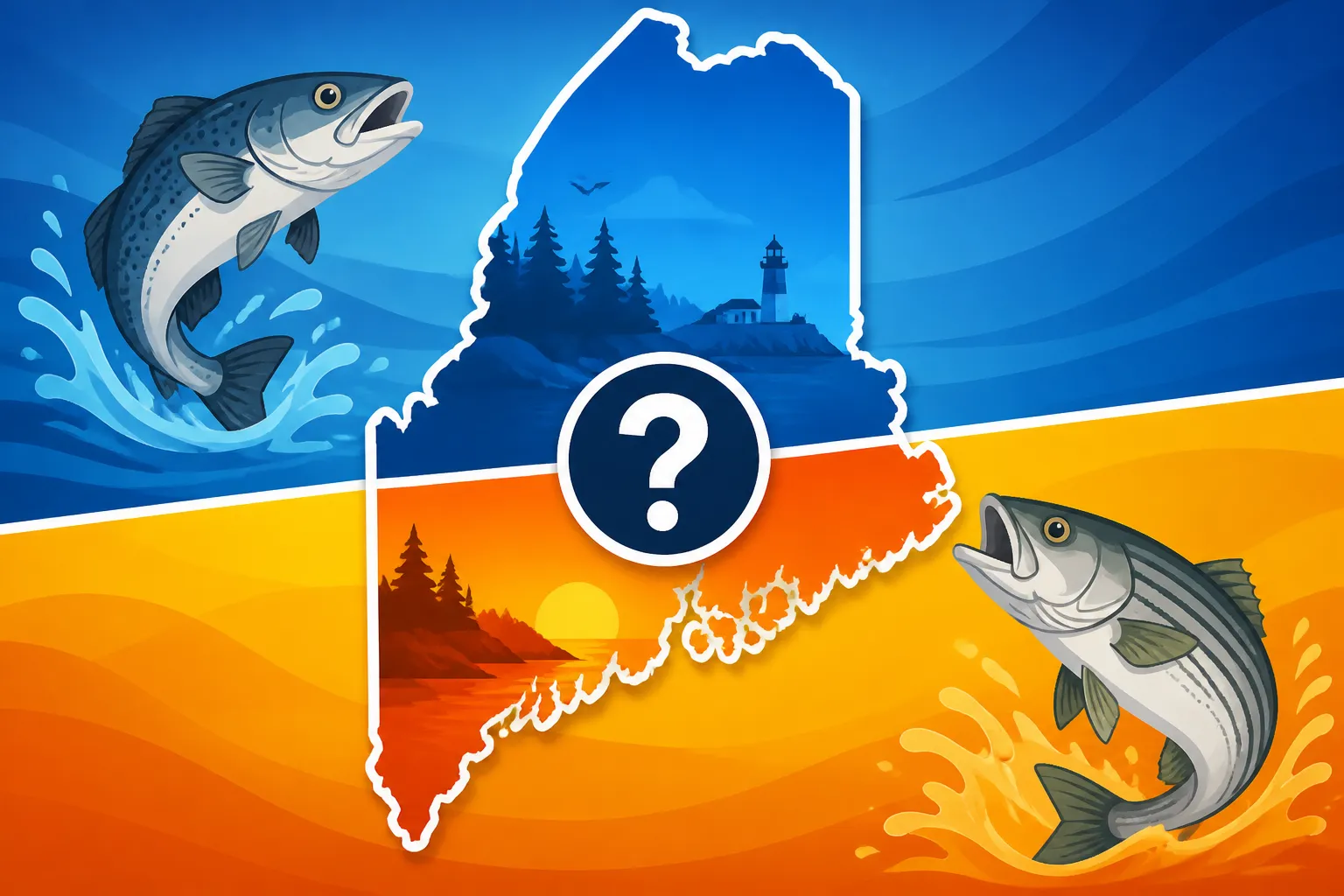
Why Does Maine Have a North and South Fishing Zone?
It’s a common frustration for anglers visiting or new to the Pine Tree State: you’ve got your fishing license in hand, you’re ready to hit the water, and then you hear whispers about "North Zone" and "South Zone" rules. Suddenly, what seemed straightforward becomes a maze of different dates, limits, and specific regulations. This guide is here to unravel that mystery, explaining precisely why Maine's fishing waters are divided into these two distinct zones and what that means for your next fishing adventure.
The Root of the Regional Divide: Maine's Unique Geography and Ecology
Maine is a big state, and while it might seem uniform on a map, its ecological landscape varies dramatically from south to north. This isn't just about a slight temperature difference; it's about ancient geological forces, distinct climate patterns, and how these factors have shaped the very waters and the fish that call them home. Understanding this foundational split is key to grasping the necessity of different fishing zones.
Glacial History and Water Systems
Thousands of years ago, massive glaciers carved out the landscape of Maine, leaving behind a legacy of diverse waterways. In the northern reaches, the glaciers sculpted vast, deep lakes like Moosehead Lake and a myriad of remote ponds, often nestled within expansive, undeveloped wilderness. These northern waters are typically deeper, colder, and retain their cold temperatures much longer into the spring and summer. They are often fed by pristine, spring-fed streams, maintaining a very stable and cold thermal environment.
Conversely, the southern part of the state, while still beautiful and abundant with water, generally features shallower, more numerous lakes and ponds, and slower-moving rivers. The glacial impact here was different, resulting in waters that warm up more quickly and stay warmer for longer during the year. This difference in water depth and thermal stability fundamentally influences the types of fish that thrive in each region and, consequently, how they need to be managed.
Climate and Temperature Extremes
When you drive from Kittery to Fort Kent, you're not just covering distance; you're traversing significant climatic shifts. Northern Maine experiences much longer, colder winters with heavier snowfall and prolonged ice cover on its lakes and ponds. It's not uncommon for lakes in the far north to remain ice-bound well into May, sometimes even early June, drastically shortening the open water fishing season.
The southern part of the state, particularly the coastal regions and inland areas around cities like Portland and Augusta, experiences milder winters and earlier ice-out dates. Their summers are also typically warmer, pushing water temperatures higher and sometimes creating challenging conditions for coldwater species. These distinct seasonal patterns dictate when fish spawn, when they feed most actively, and when they are most vulnerable to angling pressure. The state's fisheries biologists use this information to set appropriate fishing seasons, recognizing that a "one-size-fits-all" approach would either overprotect southern fish or leave northern fish vulnerable during critical periods.
Distinct Fish Habitats
The combination of glacial history and climate has created vastly different aquatic habitats across Maine. The northern lakes and rivers are quintessential coldwater fisheries, ideal for species like brook trout, lake trout (known locally as "togue"), and landlocked salmon. These fish require cold, oxygen-rich water to survive and thrive, particularly during the warmer months. The vast wilderness also provides extensive, undisturbed spawning grounds for these species.
In the south, while you'll still find some coldwater species, many waters are better suited for warmwater fish. Smallmouth bass and largemouth bass, along with chain pickerel and various panfish, dominate these shallower, warmer systems. These species are more tolerant of higher water temperatures and often prefer the weedy, complex structures found in many southern lakes. The divergent needs and preferences of these fish populations necessitate tailored regulations to ensure their sustainability, preventing overfishing during vulnerable times like spawning or protecting them during periods of thermal stress.
How Different Fish Species Influence Zone Regulations
The primary reason for Maine’s North and South fishing zones boils down to effective fisheries management. The Maine Department of Inland Fisheries and Wildlife (MDIFW) has the monumental task of balancing conservation with recreation. To do this, they must consider the life cycles, habitats, and vulnerabilities of the diverse fish species found across the state. This often means different rules for different fish in different places.
Coldwater vs. Warmwater Species Distribution
As we discussed, Maine's geography creates a natural division in fish populations. The North Zone is largely managed for its iconic coldwater sportfish: the wild brook trout, robust landlocked salmon, and deep-dwelling togue. These species are highly sensitive to water temperature. When the ice goes out in the spring, these fish are often very active, but as summer progresses and water temperatures rise, they retreat to deeper, cooler waters. Their spawning cycles typically occur in the fall for trout and salmon, and late fall/early winter for togue.
In contrast, the South Zone harbors a more diverse mix, often with a stronger emphasis on warmwater species like smallmouth and largemouth bass. These fish spawn in the late spring and early summer when water temperatures are much higher. Regulations in the South Zone are designed to protect these warmwater species during their nesting periods, which often overlap with the prime feeding times for coldwater species further north. This divergence means that a fishing season that might be perfect for bass in southern Maine would be completely inappropriate for salmon in the north, and vice-versa. For a deep dive into specific species limits, check out articles like Brook Trout Daily Bag Limits or Maine Landlocked Salmon Bag Limits.
Spawning Cycles and Vulnerabilities
One of the most critical factors in setting fishing regulations is protecting fish during their spawning periods. When fish are spawning, they are often concentrated, aggressive, and highly vulnerable to angling pressure. Disturbing nests or catching fish repeatedly during this time can severely impact reproductive success and future fish populations.
In the North Zone, the primary coldwater species (trout, salmon) generally spawn in the fall. Therefore, open water fishing seasons often extend through the fall, allowing anglers to enjoy the vibrant autumn foliage while targeting these fish. However, certain areas might have catch-and-release rules or specific closures during peak spawning times to protect these populations. For instance, you might find that General Law Fishing Season End Date in Maine could vary significantly between the zones because of these spawning timelines.
In the South Zone, bass, pickerel, and other warmwater species typically spawn in late spring to early summer. To protect these fish during this critical period, many waters in the South Zone have special regulations, often restricting fishing to "catch and release only" for bass until a specific date in June or July. This gives the bass ample time to complete their spawning cycles without undue stress from anglers. The state recognizes that a "hands-off" approach during this sensitive time ensures the long-term health of these popular fisheries.
Management Goals for Native and Introduced Species
Maine also manages its fisheries with an eye toward native species conservation versus the management of introduced, albeit popular, sportfish. Wild brook trout, for example, are a native species and a prized resource, especially in the remote ponds and streams of the North Zone. Regulations in these areas are often more restrictive, focusing on protecting these wild populations from overharvest and habitat degradation. This might mean lower bag limits or specific tackle restrictions. For more on this, see Brook Trout Daily Limit in Maine North Zone.
Conversely, some waters in the South Zone might have regulations designed to manage populations of introduced species, such as largemouth bass, which, while popular, can sometimes impact native ecosystems if not managed carefully. The MDIFW uses the zone system to implement nuanced management strategies. They can promote trophy fishing opportunities for certain species in one zone while implementing stricter conservation measures for another species in a different zone. It's a complex balancing act, always aiming to maintain healthy, sustainable fisheries for everyone to enjoy.
Practical Implications for Anglers: What the Zones Mean for You
Understanding Maine's North and South fishing zones isn't just academic; it has very real, tangible effects on how and when you can fish. Ignoring these distinctions can lead to frustration, missed opportunities, or even costly fines. Being aware of the rules for your chosen location is paramount for a successful and legal fishing trip.
Understanding Season Dates and Bag Limits
The most obvious difference between the North and South Zones lies in their open water fishing season dates and daily bag limits. For example, many lakes and ponds in the North Zone, particularly for coldwater species like trout and salmon, have an open water season that starts on April 1st and often runs through September 30th, with some special regulations beyond that. Given the later ice-out, this still allows for a full season.
However, in the South Zone, while some general law waters might open on April 1st, many waters that hold prominent warmwater species, especially bass, often have a "catch and release only" period during their spawning season, typically extending through June. This means that if you're targeting bass in a southern lake in May, you'll need to release anything you catch. Similarly, specific bag limits can differ dramatically. The Maine Bass Limit in the North Zone might be different from the Maine Bass Limit in the South Zone. You might find that the minimum length for keeping a brook trout also varies depending on whether you're in the North or South Zone.
It's absolutely critical to check the current Maine Fishing Law Book or the MDIFW website for the specific water you plan to fish, as these general zone rules are just a starting point.
Navigating Special Regulations in Both Zones
Beyond the general season dates and bag limits, both the North and South Zones have numerous "special regulation waters." These are specific lakes, ponds, or stretches of river where the rules diverge from the general law for that zone. These special regulations are put in place for very specific reasons, such as protecting a unique wild trout population, promoting a trophy fishery, or managing an invasive species.
You might encounter waters in the North Zone with reduced bag limits for landlocked salmon, or even fly-fishing-only restrictions on certain streams to protect sensitive brook trout habitat. In the South Zone, you could find specific "slot limits" for bass, meaning you can only keep fish within a certain size range, or specific lakes where live bait is prohibited to prevent the introduction of undesirable baitfish species.
The only way to truly navigate these complexities is to have the most current information. Many anglers keep a physical copy of the Maine Fishing Law Book Where to Get One, which is readily available at most sporting goods stores or general stores across the state, and often for free. You can also find digital versions on the MDIFW website, and apps are available for your phone. When in doubt, call a local Maine Inland Fisheries and Wildlife office.
Where to Find Zone-Specific Information
So, how do you know which zone a particular body of water falls into, and what its specific regulations are? The official source is always the Maine Department of Inland Fisheries and Wildlife. Their website is a treasure trove of information, offering detailed maps and searchable databases for specific water bodies.
You can often find "Water Angling Regulations" listings that explicitly state whether a lake is in the North or South Zone, and then list any special regulations that apply. Many anglers use resources like the official MDIFW website or apps to look up specific waters. Some even purchase laminated maps or guidebooks that highlight these zones and regulations, which you can often find on platforms like Amazon if you prefer a physical reference you can take on the water.
When planning your trip, consider your target species and the time of year. If you're passionate about ice fishing for togue, you'll likely be looking at North Zone waters like Moosehead Lake, understanding that their ice fishing season might last longer. If you're planning a family outing for panfish and bass in July, you might focus on South Zone lakes. By knowing your zone, and then drilling down into specific water regulations, you'll be well-prepared for a rewarding experience on Maine's diverse waters. Knowing about Maine Fishing Regulations Explained in detail will empower you to fish responsibly and successfully.
| Feature | North Zone (General Characteristics) | South Zone (General Characteristics) |
|---|---|---|
| Geography | Deeper, larger, colder lakes; vast wilderness | Shallower, more numerous lakes/ponds; more developed areas |
| Climate | Longer, colder winters; later ice-out; cooler summers | Milder winters; earlier ice-out; warmer summers |
| Primary Fish Managed | Brook Trout, Landlocked Salmon, Lake Trout (Togue) | Smallmouth Bass, Largemouth Bass, Chain Pickerel |
| Coldwater Species Spawning | Typically Fall | Some fall spawners (e.g., stocked trout), but less dominant |
| Warmwater Species Spawning | Less prevalent | Typically late Spring/early Summer (e.g., Bass) |
| Open Water Season Start | Often April 1st (general law) | Often April 1st (general law, but many C&R for bass) |
| Bass Season (Keep) | Later in season (often June 20th to Sept 30th or Oct 20th) | Later in season (often June 20th to Sept 30th or Oct 20th) |
| Ice Fishing Season | Often longer (Dec 1st – April 30th) | Often shorter (Dec 1st – March 31st) |
| Typical Rules Tendency | More conservation-focused for native trout/salmon | Balanced for diverse species, specific bass protections |
Disclaimer
The information provided in this guide is for general informational purposes only and is subject to change. Maine's fishing regulations are complex and can vary significantly by water body and season. Always consult the most current official Maine Department of Inland Fisheries and Wildlife (MDIFW) regulations before heading out to fish. Failure to comply with regulations can result in fines and penalties.