Brook Trout Daily Limit in Maine North Zone
Navigating the myriad of fishing regulations in Maine can feel like trying to untangle a stubbornly knotted fishing line – frustrating, confusing, and sometimes, you just wish someone would lay it all out clearly. For those of us who cherish the pursuit of a beautiful brook trout, understanding the specific daily limits, especially when different zones come into play, is absolutely critical. This guide is here to untangle that knot for you, focusing on the brook trout daily limit in Maine's North Zone, helping you stay compliant and enjoy your time on the water without worry.
Understanding Maine's North Zone Fishing Regulations
Maine is a vast state, and its diverse ecosystems mean that what applies in a southern pond might be completely different in a northern wilderness stream. This is why the Maine Department of Inland Fisheries and Wildlife (MDIFW) has implemented different fishing zones, each with its own set of rules tailored to the unique fish populations and environmental conditions. It's not just to make things complicated, though it can certainly feel that way sometimes! These zones are designed to protect and enhance the specific fisheries within them, ensuring healthy populations for generations of anglers to come.
Defining the North Zone Boundaries
The North Zone in Maine encompasses a significant portion of the state's interior, characterized by its remote wilderness, dense forests, and countless lakes, ponds, and rivers that are often less accessible than their southern counterparts. Understanding where this zone begins and ends is the first step to staying compliant with brook trout limits.
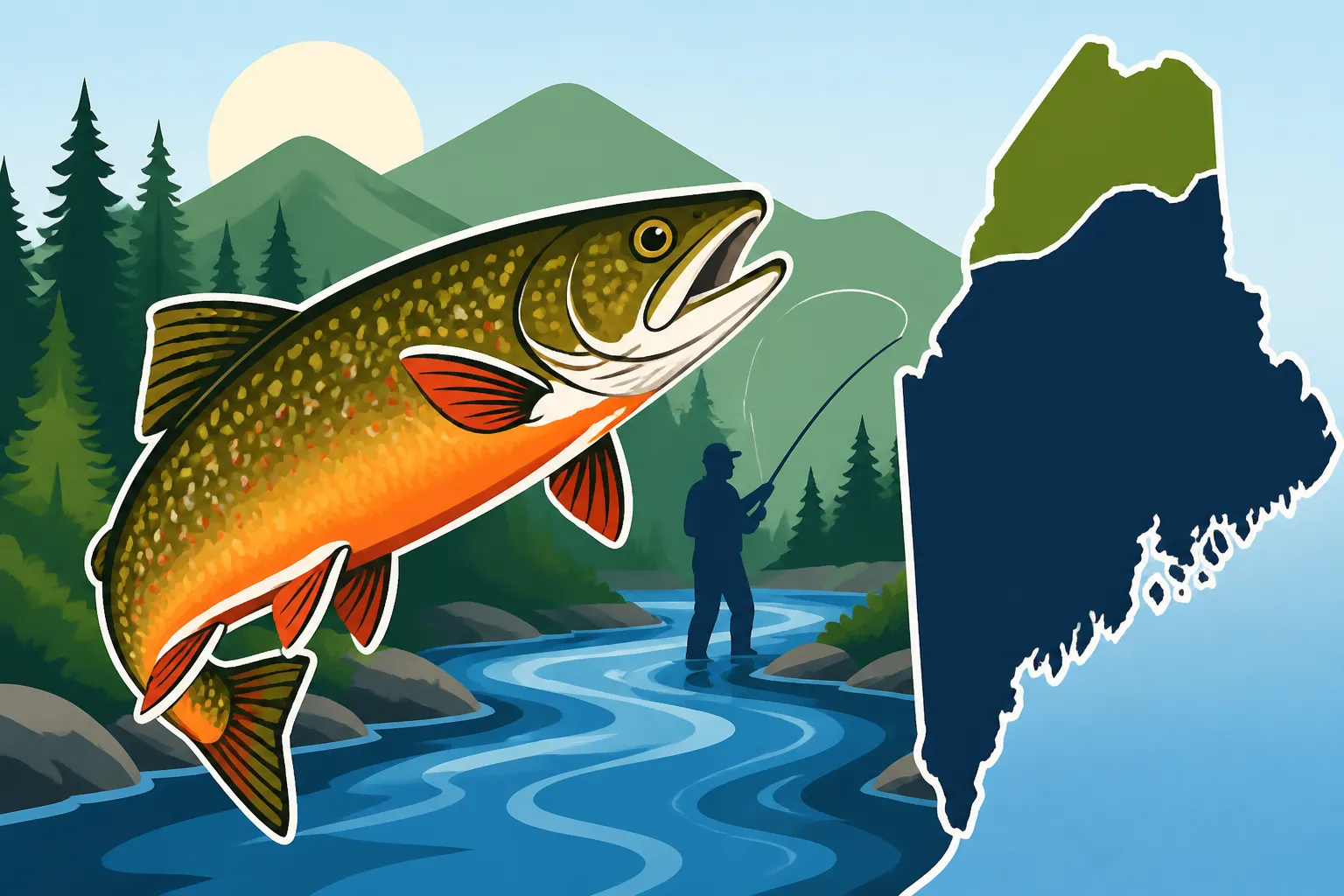
Simply put, the North Zone is generally considered to be everything north of a line that runs roughly along the northern boundaries of Hancock and Washington counties, extending west through parts of Penobscot, Piscataquis, and Somerset counties. More precisely, the MDIFW defines the dividing line as:
- Starting at the Canadian border in Vanceboro.
- Following the northern boundary of the Grand Lake Stream and Princeton townships.
- Continuing along the southern shore of Big Lake to the West Branch of the Union River.
- Following the Union River west to the Penobscot River in Eddington.
- Then west along Route 9 (the "Airline Road") to Bangor.
- From Bangor, it follows Route 2 west to Skowhegan.
- Then it follows Route 16 west to the New Hampshire border.
If you're fishing anywhere north of this somewhat winding and occasionally complex line, you are almost certainly in the North Zone. Areas like Moosehead Lake, the vast forests of Aroostook County, and the Rangeley Lakes Region largely fall within this zone. It's always a good idea to consult the official Maine Fishing Law Book Where to Get One or the MDIFW website, as specific waters within these general zones can sometimes have their own distinct "special regulations" that override the general zone rules.
The Rationale Behind Zone-Specific Limits
You might wonder why Maine goes through the trouble of creating different zones with varying regulations. It's a fundamental aspect of responsible fisheries management. The North Zone, with its cooler waters and more pristine environments, often supports robust wild brook trout populations that can withstand different pressures than those in the warmer, more developed South Zone.
- Conservation of Wild Populations: Many remote waters in the North Zone harbor self-sustaining, wild brook trout populations. These fish are often more genetically diverse and less reliant on stocking programs. Regulations like specific bag limits and length restrictions help ensure these wild populations can continue to thrive, reproduce, and grow to a healthy size.
- Ecological Differences: The environment itself dictates how many fish a body of water can naturally support. Northern lakes and streams often have less human impact, fewer invasive species, and colder water temperatures, which are ideal for brook trout. The carrying capacity for brook trout can be higher in these areas, allowing for slightly different management strategies compared to waters struggling with competition from non-native species or warmer temperatures.
- Angler Pressure: While still popular, many North Zone waters receive less overall fishing pressure than easily accessible spots further south. This can influence bag limits, as heavily pressured fisheries might require stricter limits to prevent overharvesting. The goal is always to balance recreational opportunity with sustainable fish populations.
It’s about understanding that Maine's waters are not a monolithic entity. Each lake, pond, and river has its own story, and the regulations are designed to write a happy ending for both the fish and the anglers. You can dive deeper into these overarching rules by exploring resources like Maine Fishing Regulations Explained.
The Brook Trout Daily Limit in Maine's North Zone
Now, let's get down to the brass tacks: what's the actual number of brook trout you can keep in the North Zone? It's often one of the first questions on an angler's mind, and rightly so, as exceeding limits can lead to hefty fines and a spoiled fishing trip.
The Specific Daily Bag Limit and Length Restrictions
For most waters in Maine's North Zone, under General Law, the daily bag limit for brook trout is 2 fish.
However, it's not just about the number. There are often length restrictions that work in conjunction with the bag limit. For brook trout in the North Zone, generally, the minimum length limit is 6 inches. This means any brook trout you keep must be at least 6 inches long. There are usually no maximum length limits, but this can vary by specific water.
It's absolutely paramount to remember that this is the general law for the North Zone. Many individual lakes, ponds, and streams, particularly those managed for trophy brook trout or unique wild populations, will have special regulations that supersede this general rule. These special regulations might involve:
- Different bag limits: You might find waters that are catch-and-release only, have a limit of 1 fish, or even occasionally a higher limit if populations are abundant and robust.
- Different length limits: Some waters might have a higher minimum length (e.g., 10 or 12 inches) or even a slot limit (e.g., you can only keep fish between 10 and 14 inches, and anything smaller or larger must be released).
Before you even wet a line, always, always check the specific regulations for the waterbody you plan to fish. The MDIFW website has a fantastic searchable database, and the printed law book is your best friend.
To give you a clearer picture, here's a quick comparison of the general law limits for brook trout in Maine's North and South Zones:
| Zone | Daily Bag Limit (General Law) | Minimum Length Limit (General Law) | Key Characteristic |
|---|---|---|---|
| North Zone | 2 Brook Trout | 6 inches | Often targets wild, self-sustaining populations; remote, colder waters. |
| South Zone | 5 Brook Trout | 6 inches | Typically applies to stocked waters or those with higher angler pressure; warmer, more accessible locations. |
Note: This table represents general law only. Always check specific water regulations.
This distinction between zones and the potential for special regulations underscores the importance of staying informed. For more details on the statewide rules, you might want to look into Maine Fishing Season Dates Guide and Maine Fish Bag Limits Guide.
What Counts Towards Your Limit
Understanding what "counts" towards your daily limit is crucial for ethical and legal angling. It’s not just about the fish you take home; it’s about any fish you intend to keep.
- Fish in Possession: Any brook trout you have in your creel, livewell, cooler, or on your stringer that you intend to keep for consumption, mounting, or any other purpose, counts towards your daily limit. Even if you're still fishing, once you've decided to keep a fish, it's counted.
- Catch and Release: If you practice catch and release, those fish do not count towards your limit, assuming they are released immediately and in good health. However, if you "limit out" (catch your legal number of fish) and then continue to fish, you must strictly adhere to catch-and-release practices, ensuring minimal harm to any subsequent fish you catch.
- Intent Matters: The law typically looks at your intent. If you catch a legal-sized brook trout, put it on your stringer, and then catch another, you've started to accumulate fish towards your limit. If you catch a fish that is undersized or over the legal limit, and you don't release it, you're in violation.
It's a common mistake for anglers to keep a few fish and then decide later which ones to keep, potentially exceeding the limit during the decision-making process. The best practice is to make your decision to keep or release immediately upon landing the fish. For those planning to keep fish, it's wise to consider Catch and Release Best Practices in Maine if you happen to catch more than your limit and need to release them safely.
Practical Tips for Staying Compliant
Staying within the legal limits isn't just about avoiding a fine; it's about respecting the resource and contributing to sustainable fishing practices. Here are some practical tips to help you stay compliant:
- Read the Law Book (or App) Religiously: Before every trip to a new waterbody, or even one you've fished before, crack open the MDIFW fishing law book or use their excellent online resources. Regulations can change annually! It's better to be overly cautious than to make an assumption. You can find detailed information on the Maine Fishing Law Book Where to Get One.
- Invest in a Good Fish Ruler: A reliable measuring device is non-negotiable. Whether it's a tape measure, a dedicated fish ruler, or even a sticker on your boat, ensure it's accurate and easily accessible. There are many options available, including durable, waterproof rulers you can find on Amazon, which are perfect for on-the-water use.
- Count as You Go: Keep a mental tally, or even a physical one, of the fish you've decided to keep. Once you're approaching your limit, you can adjust your fishing strategy – perhaps switching to catch-and-release only, or targeting a different species that isn't included in your brook trout limit.
- Know Your Zone: As discussed, the North and South Zones have different general laws. Make sure you know which zone you're in. This is especially important if you're traveling across the state or fishing near the zone boundary. A detailed map or GPS can be incredibly helpful for confirming your location relative to the zones. More insights can be found in Maine North Zone vs South Zone Fishing Rules.
- Educate Yourself on Fish ID: Especially for new anglers, distinguishing between similar species can be tricky. Brook trout, brown trout, and landlocked salmon, for instance, can sometimes be confused. Familiarize yourself with the key identification features of each species in Maine. The MDIFW website has great guides.
Navigating Maine's Fishing Laws for Brook Trout
Maine's fishing regulations are designed to be accessible, but the sheer volume of information can still be daunting. Knowing where to look and understanding the nuances will save you a lot of potential headaches.
Where to Find the Most Current Regulations
The single most authoritative source for Maine fishing regulations is the Maine Department of Inland Fisheries and Wildlife (MDIFW). They publish a new law book annually, usually in late winter or early spring, which details all the general laws and specific regulations for individual waters.
- MDIFW Website: Their website (www.maine.gov/ifw) is an invaluable resource. They have a searchable database where you can look up specific lakes, ponds, or rivers to see their current regulations. This is often the quickest way to get up-to-the-minute information.
- Printed Law Book: You can pick up a physical copy of the Maine Open Water & Ice Fishing Regulations book at most places that sell fishing licenses – local convenience stores, sporting goods shops, town offices, or even order one online. Many anglers keep a copy in their tackle box or vehicle.
- Fishing Apps: While not official, many third-party fishing apps aggregate regulation data. These can be convenient, but always cross-reference with the official MDIFW sources to ensure accuracy, as apps might not always be instantly updated.
Remember, the responsibility to know and follow the rules lies squarely with the angler. Ignorance of the law is not an excuse. This applies not only to bag limits but also to understanding how to get your Maine Fishing License Guide and other critical requirements.
Common Misconceptions and Penalties
Even experienced anglers can sometimes fall prey to misconceptions or make honest mistakes. However, enforcement of fishing laws is taken seriously in Maine to protect the state's valuable fisheries.
- "It's just one more fish": This seemingly harmless thought can lead to exceeding your bag limit. Wardens patrol frequently, especially in popular areas, and they are diligent about checking creels.
- "I thought this water had a different rule": Assuming regulations are uniform, or relying on outdated information, is a common pitfall. Always verify the rules for the specific water you are fishing, even if it's one you frequent. Special regulations for a particular pond might include a higher Brook Trout Daily Limit in Maine South Zone than its North Zone counterpart, for example, emphasizing the importance of checking.
- "Nobody will know": Fishing without a license or violating limits can lead to significant consequences. Wardens are experts at their job and often rely on tips from other ethical anglers.
Penalties for Violations:
Fishing without a valid license or exceeding bag limits in Maine can result in:
- Fines: These can range from a couple of hundred dollars to over a thousand, depending on the severity of the violation and whether it's a first offense.
- Forfeiture of Equipment: In some cases, your fishing gear, including rods, reels, and even boats, can be seized.
- Loss of Privileges: You could lose your fishing privileges in Maine for a period, or even permanently.
- Criminal Charges: More serious violations, such as poaching or commercial sales of illegally caught fish, can lead to criminal charges.
The fines and legal troubles are simply not worth it. The best way to avoid all of this is to simply know the rules and adhere to them. Being a responsible angler means understanding your impact and doing your part to preserve the incredible fishing opportunities Maine offers. If you ever have questions, the local game wardens are generally very approachable and helpful before you begin fishing.
Disclaimer
Please remember that fishing regulations, including bag limits and length restrictions, can change. While this guide provides accurate information based on general laws, it is crucial to consult the official Maine Department of Inland Fisheries and Wildlife (MDIFW) website or the most current printed fishing law book before you go fishing. The MDIFW is the sole authority for Maine's fishing regulations, and individual water bodies may have special regulations that supersede general rules. Always ensure you have the most up-to-date information for the specific location you plan to fish.