Brook Trout Daily Limit in Maine South Zone
Navigating Maine's fishing regulations can often feel like trying to untangle a stubborn knot in your fishing line – frustrating, confusing, and sometimes, you just want to cut it and start over. Many anglers, even seasoned ones, find themselves scratching their heads when it comes to specific species limits, especially with the state's diverse waters and rules. This guide is designed to cut through that complexity, offering a clear and comprehensive breakdown of the daily brook trout limit specifically within Maine's South Zone, so you can cast your line with confidence and enjoy your time on the water.
Understanding Maine's Fishing Zones
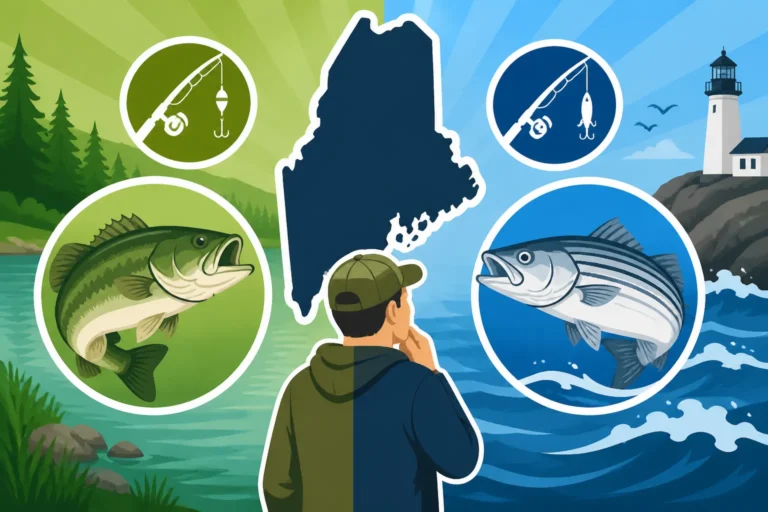
Maine is a big state with a lot of diverse aquatic habitats, and to manage its precious fish populations effectively, the Department of Inland Fisheries and Wildlife (IFW) has divided the state into two primary fishing zones: the North Zone and the South Zone. This division isn't arbitrary; it's based on ecological factors, population density, fishing pressure, and the specific needs of various fish species that thrive in different environments across the state.
North Zone vs. South Zone Distinction
The distinction between the North Zone and the South Zone is critical for any angler. Generally speaking, the North Zone encompasses the vast, wilder regions of Maine, characterized by colder water, lower human population density, and often more remote access. Lakes like Moosehead Lake and the sprawling waters of the Allagash Wilderness Waterway are quintessential North Zone locations. Here, fishing seasons might be shorter, and regulations can be more stringent to protect sensitive, often wild, fish populations like native brook trout and lake trout (togue). The fish populations in these areas are slower-growing and more vulnerable to overfishing.
In contrast, the South Zone covers the more populated, southern, and coastal regions of Maine, where waters tend to be warmer and fishing pressure is generally higher. Think of popular spots like Sebago Lake, the Belgrade Lakes, or waters closer to cities like Portland and Augusta. While still offering incredible fishing, these areas often have different challenges, such as the presence of more invasive species and a greater need to balance recreational angling with conservation in a more accessible environment. The regulations reflect these differences, aiming to provide ample opportunity while still ensuring sustainable fisheries. Understanding these fundamental differences is the first step to truly grasping why specific rules, like those for brook trout, vary across the state. If you want to delve deeper into these geographical distinctions, you can learn more by checking out our guide on the Maine North Zone vs South Zone Fishing Rules.
How to Determine Your Zone
So, how do you know which zone you're actually in when you're out on the water? It's a question many anglers ask, and thankfully, the answer is straightforward, though it requires a little homework. The most reliable way to determine your current fishing zone is to consult the official Maine Open Water & Ice Fishing Law Book. This invaluable resource, published annually by the Maine IFW, contains maps and detailed descriptions of the zone boundaries. It clearly outlines which counties and towns fall into each zone.
Additionally, the IFW website offers interactive maps and lists specific bodies of water and their corresponding zones. Before heading out, especially if you're exploring a new lake or river, make it a habit to check this resource. A quick search on the IFW site or a glance at the law book's index for your specific water body will confirm its zone. Remember, getting it wrong isn't just a minor oversight; it can lead to accidentally violating regulations, which nobody wants. Always double-check, because being prepared means you can focus on the fishing, not the fines.
Brook Trout Daily Limits in the South Zone
Now, let's get to the heart of the matter: the brook trout daily limit in Maine's South Zone. This is where clarity is paramount, as misinterpreting the rules can easily lead to problems. Generally, Maine's regulations are designed to be clear, but the devil is always in the details, especially when "general law" doesn't apply to every single water body.
General Law for Brook Trout in the South Zone
Under Maine's General Law, which applies to most waters unless otherwise specified, the daily bag limit for brook trout in the South Zone is five fish, and there is a minimum length limit of six inches. This means that any brook trout you keep must be at least six inches long from the tip of its nose to the tip of its tail. If you catch a brook trout shorter than six inches, it must be immediately and carefully released back into the water. This minimum length helps protect juvenile fish, allowing them to grow and reproduce, contributing to a healthier overall population.
It's important to understand that "daily bag limit" means the maximum number of brook trout you can possess at any given time while fishing, or transport in a single day. This isn't just about what you take home; it's about what you have in your creel or livewell throughout your fishing trip. If you've already kept five legal-sized brook trout, any additional brook trout you catch must be released, regardless of their size. This general rule is the baseline, but as we'll discuss, it's not the end of the story for all waters. For more general information on daily limits for various species, take a look at our comprehensive guide, Maine Fish Bag Limits Guide.
Special Regulation Waters Affecting Brook Trout
While the General Law provides a solid foundation, it’s absolutely crucial to remember that many lakes, ponds, and even sections of rivers within the South Zone operate under special regulations. These specific rules supersede the general law and are implemented by the IFW to address unique conditions, enhance fisheries, or protect particularly vulnerable populations in certain waters. For instance, a small, pristine brook trout pond known for producing large, wild brook trout might have a "catch and release only" rule, or perhaps a reduced bag limit of one or two fish, with a much higher minimum length (e.g., 12 or 14 inches) to promote trophy fisheries.
You might also encounter waters with specific "slot limits," where fish within a certain size range must be released, but those above or below the slot can be kept. These variations are incredibly important and highlight why simply knowing the general South Zone limit isn't enough. Always, and I mean always, consult the individual regulations for the specific body of water you intend to fish. These special regulations are detailed in the Maine Open Water & Ice Fishing Law Book, often listed by county or alphabetically by water body. Failure to check these can lead to serious legal consequences, even if you were unaware of the specific rule. Our guide on What Is a Maine Special Regulation Water? can give you more context on these unique situations.
To help visualize the general regulations for brook trout in the South Zone, here's a quick summary:
| Zone/Regulation Type | Species | Daily Bag Limit | Minimum Length | Notes |
|---|---|---|---|---|
| South Zone (General) | Brook Trout | 5 | 6 inches | Applies to most waters unless otherwise specified. |
| South Zone (Special) | Brook Trout | Varies | Varies | Always check individual water body regulations in the law book. |
This table serves as a handy reference, but it cannot replace a thorough review of the official IFW law book for the exact water you are fishing, as special regulations are extremely common, especially for brook trout. For instance, if you're wondering about more specific length rules, we have a detailed article on Minimum Length for Keeping a Brook Trout in Maine.
Why These Regulations Matter
It might feel like a lot of rules and hoops to jump through just to enjoy a day of fishing, but these regulations are far from arbitrary. They are the backbone of sustainable fisheries management in Maine, designed with long-term ecological health and recreational opportunity in mind. Understanding the "why" behind the rules can help foster a greater appreciation for them.
Conservation and Sustainable Fishing
The primary reason for these specific daily limits and length restrictions on brook trout, particularly in the South Zone, is conservation. Brook trout ( Salvelinus fontinalis ) are not only a prized game fish for their beauty and fighting spirit, but they are also a key indicator species for water quality and healthy ecosystems. Maine is unique in its abundance of wild, native brook trout populations, especially in its headwater streams and remote ponds. These fish are sensitive to environmental changes and fishing pressure.
By setting limits on the number and size of fish that can be kept, the IFW aims to prevent overharvesting, ensure that enough fish survive to reproduce, and maintain a healthy age and size structure within the population. This is especially vital in the more accessible and heavily fished waters of the South Zone, where populations could quickly diminish without careful management. Sustainable fishing practices, guided by these regulations, ensure that future generations of anglers will also have the opportunity to experience the thrill of catching a vibrant Maine brook trout. If you're curious about where these incredible fish truly belong, read our guide on the Brook Trout Native Range in Maine.
Penalties for Non-Compliance
While education and conservation are the driving forces, regulations also come with enforcement to ensure compliance. Exceeding the daily bag limit for brook trout, keeping undersized fish, or fishing in waters with special regulations without adhering to those specific rules can lead to significant penalties. Maine's Inland Fisheries and Wildlife Wardens are dedicated professionals who patrol the state's waters to ensure fair and legal angling.
Penalties can range from substantial fines, which can easily be several hundred dollars per violation, to the suspension or revocation of your fishing license. In more serious cases, or for repeat offenders, equipment seizure (like your fishing gear, boat, or even your vehicle) and even jail time are possibilities, although these are rare for minor infractions. The best way to avoid these unpleasant outcomes is simple: know the rules for the specific body of water you're on, and adhere to them. It’s always better to be safe than sorry, and a few minutes checking the law book can save you a lot of hassle and money. To understand the broader implications of not following fishing laws, you might want to read our article on What Happens If You Fish in Maine Without a License?.
Practical Tips for South Zone Brook Trout Anglers
Knowing the regulations is one thing, but successfully applying that knowledge while on the water and maximizing your chances of catching brook trout within those limits is another. Here are some practical tips to help you make the most of your South Zone brook trout fishing trips.
Essential Gear for South Zone Brook Trout
When targeting brook trout in the South Zone, especially in smaller streams or ponds, ultralight spinning gear or a lightweight fly rod is often your best bet. A 5-foot to 6-foot ultralight spinning rod paired with a small spinning reel spooled with 2-6 lb test line (fluorocarbon or monofilament) will provide the sensitivity and finesse needed for these often wary fish. For lures, small inline spinners (like Panther Martins or Mepps), tiny spoons, or micro-jigs work wonders. Live bait, such as worms or small minnows, can also be highly effective where legal. You can often find a great selection of these smaller baits and lures on Amazon, making it easy to stock up before your trip.
For fly anglers, a 3-weight or 4-weight fly rod is ideal. You'll want an assortment of dry flies (like Adams, Elk Hair Caddis, or Parachute Adams), nymphs (Pheasant Tail, Hare's Ear), and small streamers (Woolly Bugger, Grey Ghost). Matching the hatch can be crucial, so carrying a variety is smart. Don't forget a small tackle box or fly box, a pair of forceps or pliers for hook removal (especially for careful catch and release), and a small net with a rubber mesh to minimize harm to fish. Investing in quality gear, which you can conveniently browse and purchase on platforms like Amazon, enhances both your fishing experience and your ability to practice ethical angling. For specific recommendations, check out our guide on Best Lures for Maine Open Water Fishing or even Fly Selection for Brook Trout.
Best Practices for Catch-and-Release
Given the conservation importance of brook trout and the daily limits, practicing proper catch-and-release techniques is vital, especially if you plan to exceed your bag limit (by releasing fish) or if you catch undersized fish. Here are some key tips:
- Minimize Fight Time: Use appropriate tackle to land fish quickly, reducing stress.
- Handle with Care: Wet your hands before touching the fish to protect its delicate slime coat. Avoid squeezing or putting fingers in its gills.
- Use Barbless Hooks: Crimp down barbs on your hooks to make removal easier and quicker.
- Quick Hook Removal: Use forceps or pliers to remove the hook as quickly as possible. If the fish is deeply hooked, cut the line close to the hook and release the fish; the hook will likely rust out.
- Keep Fish in Water: Try to keep the fish in the water as much as possible, especially during hook removal and photos. Time out of water severely stresses them.
- Revive Gently: If a fish seems sluggish, hold it gently upright in the water, facing into the current (if any), until it swims away under its own power. Don't throw it back.
By following these practices, you significantly increase the survival rate of released fish, contributing to the health of Maine's brook trout populations. For a deeper dive into responsible angling, refer to Catch and Release Best Practices in Maine.
Navigating the Law Book and Resources
Seriously, don't underestimate the power of the Maine Open Water & Ice Fishing Law Book. It's your bible on the water. Before every trip, even if you think you know the rules for a particular spot, take a few minutes to confirm. Regulations can change annually, and special provisions are numerous. You can pick up a physical copy at most places that sell fishing licenses (like tackle shops or general stores), or download a free PDF version from the Maine IFW website. There's also a convenient "Maine Fish and Wildlife" app that provides digital access to the law book and maps, making it easy to check regulations on the go, even if you're in a more remote area where cellular service might be spotty, though you can download the regulations beforehand.
Knowing how to effectively use these resources is just as important as the gear you carry. If you're planning a trip to a specific body of water, perhaps one of the Best Fishing Lakes in Maine, make sure you know how to find its specific regulations. Often, the law book has an alphabetical index of water bodies. Consult the index for the lake or pond name, and then cross-reference it with the South Zone's general laws. Always look for any specific notes or exceptions for that particular water. Our detailed guide on How to Find Maine Fishing Regulations for a Specific Lake can walk you through the process, ensuring you're always fishing within the legal framework.
Disclaimer
Please remember that fishing regulations, bag limits, and seasons are subject to change. While this guide aims to provide accurate and up-to-date information, it should not be considered the sole authority. Always consult the most current official Maine Department of Inland Fisheries and Wildlife (IFW) fishing law book or their official website before heading out on your fishing trip to ensure compliance with all state laws and local regulations.