How to Find Maine Fishing Regulations for a Specific Lake
Trying to figure out the exact fishing regulations for a specific lake in Maine can sometimes feel like you need a legal degree just to cast a line. It's a common frustration, believe me, but armed with the right knowledge and resources, you can confidently understand and follow all the rules for your chosen fishing spot. This guide will walk you through the process, showing you exactly where to look and what to look for, so your next Maine fishing adventure is worry-free and legal.
Why Pinpointing Lake-Specific Regulations Can Feel So Tricky
Let's be honest, Maine's fishing regulations aren't always a simple, one-size-fits-all deal. You might be planning a trip to a beautiful, remote pond, only to discover its rules are completely different from the popular lake just down the road. This complexity often catches even seasoned anglers off guard, leading to confusion and, sometimes, accidental violations. Understanding why it's complex is the first step to navigating it successfully.
The Layered Complexity of Maine's Fishing Laws
Maine takes its fisheries management very seriously, and for good reason! Our state boasts an incredible diversity of fish species and habitats, from vast, deep lakes holding trophy lake trout (or "togue" as we call them here) to pristine, cold-water streams teeming with native brook trout. To protect these unique resources, the Maine Department of Inland Fisheries and Wildlife (DIFW) implements a nuanced system of regulations that can vary greatly from one body of water to another. It's not just about what species you're targeting; it's about the unique ecosystem of that particular lake or pond.
The sheer volume of waters in Maine contributes to this complexity. With over 2,500 lakes and ponds, plus countless miles of rivers and streams, managing each one with precision requires a detailed approach. This means that while some rules apply generally across the state, many waters have their own set of specific guidelines designed to ensure sustainable fishing for generations to come. It’s this level of detail that makes a simple Google search sometimes inadequate when you need definitive answers for a particular spot. For a broad overview, you might want to start with our comprehensive guide on Maine Fishing Regulations Explained.
General Law Versus Special Regulations
One of the biggest sources of confusion for anglers, especially those new to Maine, is the distinction between "General Law" and "Special Regulations." Think of General Law as the baseline rules that apply to most waters unless otherwise specified. These cover things like general season dates, statewide bag limits, and legal fishing methods. However, many of Maine's most popular or ecologically sensitive waters are designated as "Special Regulation" waters.
Special Regulations are specific rules that supersede the General Law for a particular body of water. These might include different season dates, reduced bag limits, minimum or maximum length requirements, tackle restrictions (like fly-fishing-only waters or prohibitions on live bait), or even catch-and-release-only stipulations. These rules are usually put in place to protect fragile fish populations, enhance trophy fishing opportunities, or manage specific species within that ecosystem. For example, a small pond known for its exceptional wild brook trout might have strict catch-and-release rules, while a larger lake might allow keeping a certain number of the same species. It's crucial to understand What Is a Maine Special Regulation Water? before you even pack your tackle box.
Your Go-To Sources for Maine Lake Regulations
When you're looking for accurate, up-to-date information on Maine's fishing regulations for a specific lake, you need to go directly to the source. The Maine Department of Inland Fisheries and Wildlife (DIFW) is the authority, and they provide several reliable avenues for anglers to access the rulebook. Forget relying on old forum posts or hearsay; official sources are your best friend here.
The Official Maine DIFW Rulebook
The absolute cornerstone of Maine fishing regulations is the annual Maine Open Water & Ice Fishing Laws and Rules booklet, often simply referred to as the "rulebook" or "law book." This comprehensive guide is published annually by the DIFW and contains all the General Laws and, crucially, a detailed list of all Special Regulation waters. It’s organized by county, then by water body, making it the definitive text for finding those elusive lake-specific rules.
You can usually pick up a physical copy of this booklet at most places that sell fishing licenses, like bait shops, sporting goods stores, and some convenience stores across the state. It's also often available at DIFW offices. For those who prefer the convenience of having it delivered, or if you want to get a head start before your trip, you can sometimes find copies for sale online through retailers like Amazon, though make sure you're getting the current year's edition. Having a physical copy is incredibly useful, especially if you're heading to an area with spotty cell service. This is particularly helpful for Maine Fishing Laws for Beginners.
Online Resources and Digital Tools
In this digital age, the DIFW also provides excellent online resources that are often more convenient and can be updated more rapidly than printed materials. Their official website is a treasure trove of information, and they've made significant strides in making it user-friendly for anglers.
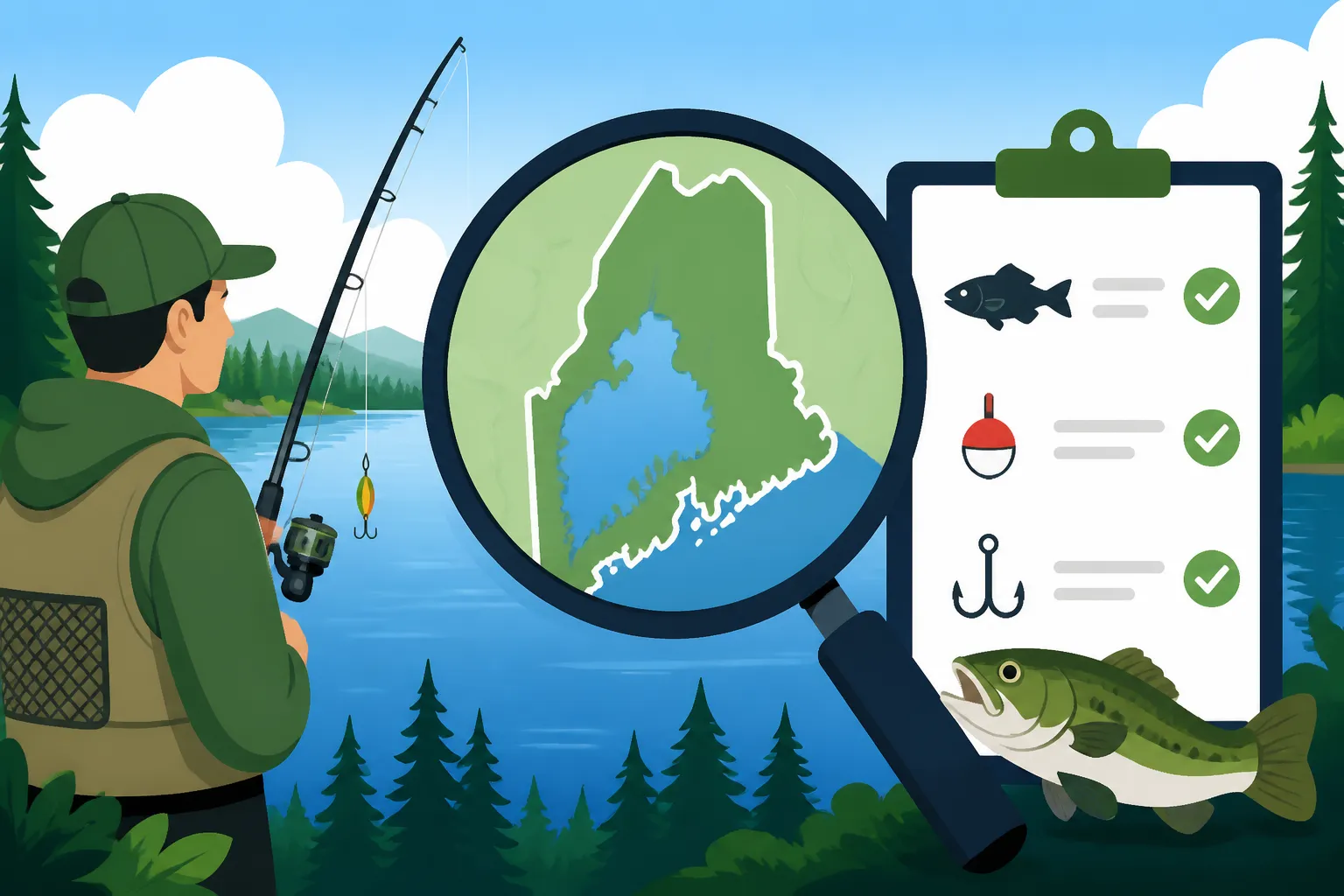
The primary online hub for regulations is the DIFW's fishing regulations webpage. Here, you can usually find a digital PDF version of the current year's rulebook, which is identical to the printed version. This allows you to search keywords or specific lake names easily. Beyond the static PDF, the DIFW also offers interactive tools, such as a "Search Regulations by Water Body" feature or an interactive map. These tools are fantastic because you can type in the name of your target lake, and it will often pull up all the relevant regulations directly. This is a game-changer for quickly checking rules on the fly, and it’s a great complement to the Maine Fishing Regulations App and Website which many anglers now rely on. These digital tools are generally updated frequently, making them your best bet for any last-minute changes or emergency regulations that might not be in a printed book if it's an older edition.
Step-by-Step: How to Pinpoint Your Lake's Rules
Now that you know where to look, let's walk through the practical steps of actually finding the regulations for that specific Maine lake you're dreaming of fishing. This process will save you headaches and ensure you're compliant with all the local rules.
Starting with the DIFW Website
The quickest and most often updated way to find specific lake regulations is through the Maine Department of Inland Fisheries and Wildlife (DIFW) website.
- Navigate to the DIFW Fishing Regulations Page: Your first step is to visit the official DIFW website and look for the "Fishing" section, then navigate to "Regulations" or "Laws." This is usually easy to find from their homepage.
- Locate the "Search by Water Body" Tool or PDF Link: Once on the regulations page, you'll typically find a link to the current year's full law book in PDF format. This is invaluable if you want to browse or need comprehensive details. More importantly, look for an interactive search feature where you can type in the name of a specific lake or pond. It might be labeled something like "Search Regulations by Water Body," "Fishing Regulations Finder," or simply have a search bar.
- Enter Your Lake's Name: Type the full name of the lake or pond you intend to fish. Be as specific as possible. For instance, instead of just "Long Pond," specify "Long Pond, Belgrade" or "Long Pond, T10 SD" if there are multiple waters with the same name.
- Review the Results: The search tool will then display all relevant regulations for that specific water body. This will often include the county, town, fish species present, and any Special Regulations that apply. Pay close attention to:
- Season Dates: Are there specific opening and closing dates for certain species or for the lake in general? These might differ from the Maine Fishing Season Dates Guide for General Law waters.
- Bag Limits: How many fish of each species can you keep per day? Remember, these can vary wildly. For example, Maine Landlocked Salmon Bag Limits might be different on Sebago Lake than on a small pond.
- Length Limits: Are there minimum or maximum length restrictions? For instance, you might only be allowed to keep bass within a certain slot size.
- Tackle Restrictions: Are certain lures, baits (e.g., live bait), or fishing methods prohibited (e.g., fly-fishing only, single hook only)?
- Ice Fishing Rules: If you're planning an ice fishing trip, are there specific rules regarding lines, shacks, or open water limits? You can learn more about this in the Maine Ice Fishing Rules Guide.
- Print or Screenshot for Reference: Even if you have good cell service, it's a smart move to print out or take screenshots of the specific regulations for your chosen lake. This way, you have them handy on the water, especially if you lose signal or your battery dies.
Utilizing Digital Map Resources
Beyond the direct search tool, the DIFW and other mapping applications can be immensely helpful, especially for visualizing location and understanding zone differences.
- DIFW Interactive Map: The DIFW often provides an interactive online map that lets you zoom in on specific areas of the state. These maps can show designated fishing zones, identify specific waters, and sometimes even link directly to their regulations when you click on them. This is particularly useful for understanding larger geographical distinctions like the Maine North Zone vs South Zone Fishing Rules.
- Google Maps/GPS and Cross-Referencing: While not a regulatory source itself, using Google Maps or a dedicated GPS fishing app can help you identify the exact name and location of a lake, which you can then cross-reference with the official DIFW search tool. This is vital if you're exploring a new area and aren't entirely sure of the official names of the bodies of water. Remember, precision is key when searching for regulations.
- Local Knowledge and Sporting Camps: Don't underestimate the power of local knowledge. While always verifying with official sources, a quick chat with a local bait shop owner, a Registered Maine Guide, or the proprietors of a sporting camp near your destination can offer invaluable insights into how regulations are interpreted on a specific lake. They often deal with these rules daily and can point you to specific pages in the physical law book or features on the DIFW website.
| Regulation Type | Description | Example General Law | Example Special Regulation (Hypothetical Lake) |
|---|---|---|---|
| Season Dates | When you can legally fish for certain species. | Open Jan 1 – Sept 30 (General Law Fishing Season Start Date in Maine to General Law Fishing Season End Date in Maine) | Open Apr 1 – Aug 15 for Brook Trout only |
| Daily Bag Limit | Maximum number of fish of a specific species you can keep per day. | 5 Brook Trout | 1 Brook Trout |
| Length Limit | Minimum or maximum length a fish must be to be legally kept. | None for Brook Trout (General Law) | 10-12 inch slot for Brook Trout (must release outside) |
| Tackle/Bait | Restrictions on types of lures, bait, or methods. | Live bait allowed, 2 lines. | Fly-fishing only, artificial lures, single hook, 1 line |
| Zone Applicability | Whether the water falls under North or South Zone rules. | South Zone | Still South Zone, but with added special rules. |
Common Pitfalls and How to Avoid Them
Even with the best intentions, anglers can sometimes fall into common traps when trying to decipher Maine's lake-specific regulations. Avoiding these pitfalls will save you from potential fines and ensure a more enjoyable, stress-free fishing trip.
Misinterpreting Season Dates or Bag Limits
It's surprisingly easy to glance at the rulebook or an online page and misinterpret the specifics. One of the biggest mistakes is assuming that because a species is "open" statewide, it's open on every lake for the same duration or with the same limits. This is rarely the case for special regulation waters. For instance, while the general open water season might run from April 1st, a specific trophy trout pond might not open until May 1st, or it might close earlier than other waters. Similarly, while the general Maine Fish Bag Limits Guide might allow for a certain number of brook trout, that specific lake you're heading to could have a reduced limit or even be catch-and-release only.
To avoid this, always double-check the exact water body name and read all the associated regulations carefully. Don't just skim for the species you're targeting; look at the header for the water body itself. If you're fishing near a zone boundary, make sure you know if your chosen lake falls under Maine North Zone vs South Zone Fishing Rules, as seasons and limits can differ significantly between these regions for some species. If something looks too good to be true, it probably is, so err on the side of caution and verify. The consequences of not doing so can include a Penalty for Keeping an Undersized Fish in Maine or other violations.
Not Checking for Emergency Rule Changes
While the annual rulebook and online resources are generally comprehensive, Maine's fisheries management is dynamic. Occasionally, due to environmental factors, conservation efforts, or unexpected population shifts, the DIFW may implement emergency rule changes. These changes happen after the annual rulebook is printed and can affect season dates, bag limits, or other restrictions on specific waters.
These emergency rules are typically announced on the DIFW website, through press releases, and sometimes through local signage at affected access points. It's a really good habit to check the DIFW's "News" or "Emergency Regulations" section on their website a few days before your trip, especially if you're heading to a lake you haven't fished recently. This ensures you're always working with the most current information. Think of it as a quick last-minute check, just like you'd check the weather forecast. Staying informed about these potential changes is critical for responsible angling and avoids any accidental infractions. If you do notice something suspicious or have concerns about potential poaching, it’s important to know How to Report a Poacher in Maine.
By understanding the layered nature of Maine's fishing regulations, knowing exactly where to find the official information, and being diligent in your checks, you can ensure a successful and compliant fishing trip on any of Maine's beautiful lakes.
Disclaimer
The information provided in this guide is for general informational purposes only and does not constitute legal advice. Fishing regulations can change, and it is the angler's sole responsibility to consult the official Maine Department of Inland Fisheries and Wildlife (DIFW) rules and laws prior to fishing. Always refer to the most current official DIFW fishing law book or their official website for definitive regulations.