Maine Memorial Day Weekend Free Fishing Days
Planning a fishing trip to Maine with family or friends for Memorial Day weekend can be a fantastic way to kick off the summer, but the thought of navigating license requirements for everyone, especially those just trying it out, can sometimes feel like an unnecessary hurdle. Thankfully, Maine offers a special opportunity that takes the license requirement off the table for a few precious days, making it easier than ever to introduce new anglers to the state's incredible waters. This guide will walk you through everything you need to know about Maine's Memorial Day Weekend Free Fishing Days, ensuring you can focus on the thrill of the catch and making lasting memories, not the paperwork.
Understanding Maine's Free Fishing Days During Memorial Day Weekend
Maine is renowned for its stunning natural beauty and abundant fishing opportunities, from pristine freshwater lakes to rugged coastal lines. To encourage more people to experience this cherished outdoor activity, the state designates specific "Free Fishing Days" each year. The Memorial Day Weekend is one such period, offering a unique window where you can cast a line without needing a valid Maine fishing license.
This isn't just a small gesture; it's a fantastic initiative aimed at removing a common barrier for new anglers or those visiting from out of state who might be hesitant to purchase a full license for just a few days of fishing. It allows families to enjoy a weekend outdoors together, giving children or curious adults a no-pressure introduction to the joys of fishing. Imagine the excitement of a child reeling in their first brook trout or smallmouth bass, all made possible by this thoughtful program. It's a perfect chance to connect with nature and perhaps even discover a new lifelong passion.
Who Can Participate in Free Fishing Days
The beauty of Maine's Memorial Day Weekend Free Fishing Days is that they are open to absolutely everyone. Whether you're a lifelong Maine resident, a seasonal visitor, or an out-of-state tourist, you can participate without purchasing a fishing license. This inclusivity is what makes these days so special, truly opening up Maine's waters to a broader audience.
It's particularly wonderful for families with young children or teenagers who might be on the fence about fishing. You don't have to worry about individual licenses for each family member, which can add up quickly, especially for larger groups. This policy removes the financial consideration of licenses, making it an accessible and affordable outing for all. Similarly, if you have friends visiting from another state and want to share your love for Maine fishing, this weekend is your golden opportunity to do so without them needing to purchase a Maine Nonresident Fishing License Cost. It’s an open invitation to experience the best of Maine’s recreational fishing, no questions asked about your licensing status.
When Are These Free Fishing Days?
The Memorial Day Weekend Free Fishing Days in Maine typically encompass the Saturday and Sunday of the holiday weekend. While Memorial Day itself falls on a Monday, the free fishing privilege usually applies to the two days immediately preceding it. This timing ensures that most people, whether they have the Monday off or not, get a full weekend to enjoy the waters license-free.
It’s always a good idea to double-check the official dates published by the Maine Department of Inland Fisheries and Wildlife (MDIFW) each year, as exact dates can occasionally shift or be clarified. You can often find this information readily available on their website or by checking our guide on Maine Free Fishing Weekend Rules. Knowing the precise dates ahead of time allows you to plan your trip, gather your gear, and scout out potential fishing spots with confidence, knowing you're fully within the bounds of the rules. These days usually align with the last full weekend of May, providing an ideal start to the summer fishing season when many species are active and the weather is generally pleasant.
Essential Regulations That Still Apply
While the "free fishing" aspect means you don't need a license, it's absolutely crucial to remember that this does not mean all rules are thrown out the window. This is a common misconception that can lead to unintentional violations and, unfortunately, fines. All other existing fishing regulations, including bag limits, size restrictions, gear restrictions, and special area rules, remain in full effect during Memorial Day Weekend.
Think of it this way: the state is giving you a free pass on one specific requirement (the license), but they still expect you to be a responsible angler and respect the conservation efforts that protect Maine's fish populations. Ignoring these rules not only puts you at risk of legal trouble but also undermines the health of the very fisheries you're trying to enjoy. Maine has some incredible angling opportunities, and adhering to regulations helps ensure these resources remain vibrant for future generations.
Bag Limits and Size Restrictions
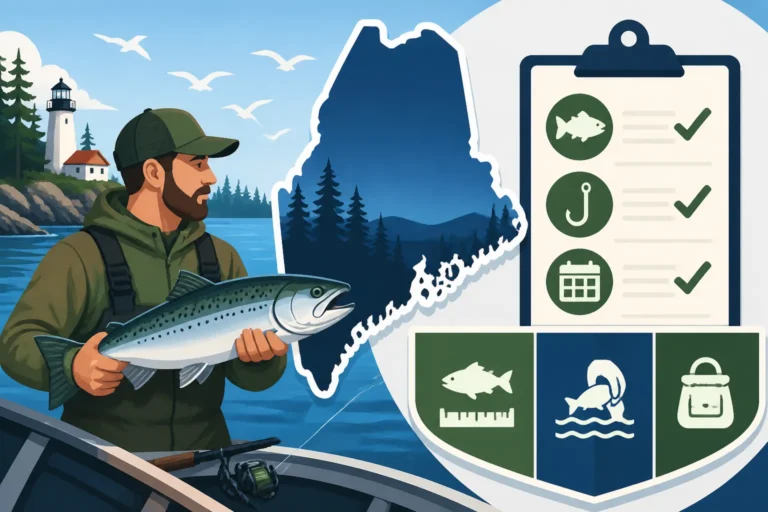
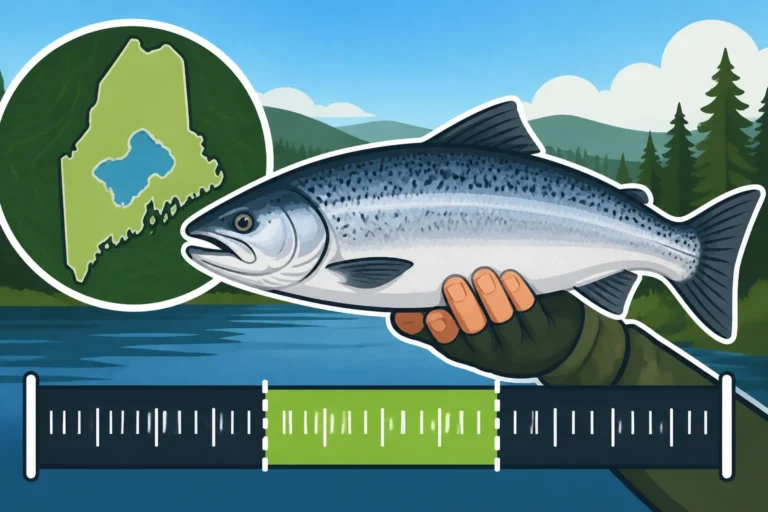
One of the most important aspects of Maine fishing regulations that must still be followed during Free Fishing Days are the specific bag limits and size restrictions for each fish species. These rules are put in place to manage fish populations, allowing enough fish to survive and reproduce, ensuring sustainable fishing for years to come. For instance, if you're targeting brook trout, there will be a specific number you're allowed to keep in a day and a minimum length they must meet. You can find detailed information on these limits in our comprehensive guides like the Maine Fish Bag Limits Guide.
Imagine catching a beautiful landlocked salmon or a feisty smallmouth bass. It’s incredibly tempting to want to keep everything you catch, especially if it’s a memorable day. However, failing to measure your fish or count your catch against the daily limit can quickly land you in hot water with a warden. These limits vary significantly by species and even by specific water body, so it’s not a one-size-fits-all rule. For example, Brook Trout Daily Bag Limits can differ in the North and South Zones, and Maine Landlocked Salmon Bag Limits might have specific slot limits. Always carry a measuring tape or ruler, know your target species' regulations, and release any fish that don't meet the criteria promptly and carefully. You can even find waterproof regulation guides or quick-reference cards on platforms like Amazon that are handy to keep in your tackle box.
Gear and Technique Regulations
Beyond how many fish you can keep and their size, Maine also has strict rules about the gear and techniques you can use. These regulations are designed to prevent overfishing, protect habitat, and ensure fair chase. For example, there are limits on the number of lines an individual can fish simultaneously in open water, which is a common regulation across many states. Our guide on Maine Open Water Line Limits provides specific details on this.
Additionally, certain types of bait or tackle might be prohibited in specific waters to protect sensitive fish populations or prevent the spread of invasive species. A major regulation to be aware of, for instance, is the Maine Lead Jig Fishing Ban, which prohibits the use of lead fishing tackle in many waters to protect loons and other waterfowl from lead poisoning. Using prohibited gear, even inadvertently, can result in fines. It's not enough to simply have a rod and reel; you need to understand what you can attach to your line and how you can fish with it. Before heading out, especially to a new body of water, it's paramount to consult the latest MDIFW rulebook to ensure your tackle box is compliant.
Zone-Specific and Special Regulations
Maine is a large state with incredibly diverse aquatic ecosystems, and as such, fishing regulations are not uniform across all its waters. The state is divided into different fishing zones, primarily the North Zone and the South Zone, each with its own set of general laws. Beyond these zones, many individual lakes, ponds, and rivers have "special regulations" that supersede the general laws. You can learn more about these variations in our article, Maine North Zone vs South Zone Fishing Rules.
These special regulations might dictate unique bag limits, minimum or maximum lengths, specific fishing seasons, or even "catch and release only" rules for certain species or entire bodies of water. For example, a particular trout pond might be designated for fly-fishing only, or a specific river section might have a different bass limit than the general state law. Our guide on What Is a Maine Special Regulation Water? can help you understand this complexity. Failing to check for these localized rules is one of the most common ways even experienced anglers can accidentally violate regulations. Always check the MDIFW law book, which is available online or in print, for the specific body of water you plan to fish. It’s dense reading, but it’s your ultimate authority to avoid any unpleasant surprises during your Memorial Day outing.
Making the Most of Your Free Fishing Weekend
Memorial Day Weekend is a fantastic time to be in Maine, with the landscape bursting into full spring glory and the waters teeming with active fish. Making the most of your free fishing days means more than just avoiding a license fee; it's about creating an enjoyable, educational, and safe experience for everyone involved. With a little bit of planning, you can turn this license-free opportunity into an unforgettable adventure.
Think about what kind of experience you're hoping for. Are you trying to get a child hooked on fishing? Then focusing on quantity over trophy size might be the goal. Are you an experienced angler introducing a friend? Perhaps a scenic, quieter spot where you can teach basic techniques is ideal. The beauty of Maine's diverse waters means there's truly something for every preference, especially when you leverage the freedom of a license-free weekend.
Planning Your Trip and What to Bring
A successful fishing trip, especially with newcomers, hinges on good planning. First, decide where you want to go. For beginners and families, focus on easily accessible ponds or smaller lakes known for panfish like perch and sunfish, or even smaller bass. These spots often offer plenty of action, which is key to keeping new anglers engaged. Large, deep lakes like Moosehead or Sebago can be fantastic, but they might require more specialized gear or knowledge that could overwhelm a novice. Consider spots with public access points, picnic areas, or even small docks for ease of use. Our article on Best Fishing Lakes in Maine might give you some ideas.
As for what to bring, beyond your rods and reels, think comfort and convenience. A small tackle box with a variety of basic hooks, bobbers, sinkers, and simple baits (like worms or corn) is essential. For those just starting out, you can find a wide array of beginner fishing kits and tackle box organizers on Amazon, making it easy to get set up without breaking the bank. Don't forget essentials like bug spray (the black flies can be active in late May!), sunscreen, hats, polarized sunglasses, and plenty of water. A cooler with snacks and drinks is always a good idea, and a small first-aid kit is prudent for any outdoor adventure. Finally, bring a camera to capture those priceless moments and maybe a net to help land fish safely.
Focus on Family-Friendly Species
When introducing someone to fishing, particularly during a free weekend, the goal should be to maximize the chances of catching something. This often means targeting species that are abundant, relatively easy to catch, and don't require highly specialized techniques. Forget about chasing trophy-sized landlocked salmon or elusive brown trout initially; focus on the fun of consistent bites.
Good options for beginners and families include yellow perch, white perch, sunfish, and smaller bass. These species are found in many of Maine's lakes and ponds, are often willing biters, and can be caught using simple bait-and-bobber setups. White perch, in particular, are often schooling fish, meaning if you catch one, there are likely many more nearby. This provides continuous action, which is fantastic for keeping kids interested. Our guide on the Best Fish to Catch in Maine offers more ideas. While you'll still need to adhere to Maine Bass Fishing Limits by Zone if you target bass, the sheer enjoyment of a tug on the line is often more important than the size of the fish when you’re just starting out. Embrace the experience of simply being out on the water and the joy of a bending rod, regardless of the species.
Safety First on the Water
Even on a casual fishing trip, safety should always be your top priority. Memorial Day Weekend marks the unofficial start of summer, and while the weather can be beautiful, conditions on the water can change rapidly, and water temperatures in Maine are still quite cold in late May. Always wear appropriate clothing for the weather, and dress in layers, as mornings can be chilly and afternoons surprisingly warm.
If you're fishing from a boat, canoe, or kayak, ensure everyone wears a properly fitted U.S. Coast Guard-approved personal flotation device (PFD). This is not just a recommendation; it's the law for certain age groups and highly advisable for everyone. Even if you're a strong swimmer, a PFD can be a lifesaver if you unexpectedly enter cold water. Be aware of your surroundings, know how to identify poison ivy or ticks, and understand basic sun protection. Inform someone of your plans, including where you're going and when you expect to return. Lastly, be mindful of local weather forecasts and consider purchasing a marine-specific weather radio or app, many of which can be found on Amazon, to stay updated on any sudden changes while you’re out on the water.
Where to Go for a Great Memorial Day Fishing Experience
Maine offers an incredible array of fishing locations, each with its own charm and target species. For a Memorial Day Free Fishing Weekend, especially if you're introducing new anglers, choosing the right spot can significantly enhance the experience. You'll want places that are relatively easy to access, have a good chance of yielding some bites, and offer a pleasant environment for a relaxing day outdoors.
While Maine has vast wilderness areas perfect for remote angling, for this specific weekend, accessible spots are often the best bet. These locations minimize travel time and logistical challenges, allowing more time for actual fishing and enjoyment. Consider places with good parking, public facilities, and perhaps even designated fishing docks or shore access points.
Easy-Access Ponds and Lakes
For beginners and families, focus on Maine's countless smaller ponds and easily accessible sections of larger lakes. These waters are often teeming with panfish like yellow perch, white perch, and various sunfish, which are eager to bite on simple baits like worms or small artificial lures. The consistent action keeps spirits high and builds confidence for new anglers. Many state parks and local town parks in Maine feature ponds or lake access points that are perfect for this type of casual fishing.
Consider waters like China Lake near Augusta or Cobbosseecontee Lake, which are known for their healthy populations of bass and perch, offering varied opportunities. Even a short drive from major population centers like Portland or Bangor can reveal excellent beginner-friendly spots. Look for locations with clear shorelines where casting is easy, or public boat launches if you have a small craft. Our guide on Best Fishing Ponds for Beginners Near Bangor can provide some specific recommendations, or you might look into Great Pond Belgrade Fishing Access for a central Maine option. These places often have amenities like picnic tables and restrooms, making it a comfortable day out for the whole family.
River and Stream Opportunities
While lakes and ponds are fantastic, Maine's rivers and streams also offer excellent opportunities, particularly for those interested in moving water fishing. Many sections of larger rivers, like the Kennebec River or the Penobscot River, have accessible banks and public access points that can be great for shore fishing. Depending on the section, you might find smallmouth bass, perch, or even brook trout in cooler, smaller tributaries. Our guide on the Best Maine Rivers for Fishing provides a comprehensive overview.
For river fishing, pay attention to current and structure. Look for slower eddies, areas around submerged logs, or deeper pools where fish might hold. Using a simple worm on a hook with a sinker is often very effective. If you’re feeling a bit more adventurous, some of Maine's smaller streams, particularly in the northern and western parts of the state, hold native brook trout. However, these often require more stealth and delicate presentation. Remember, even in rivers, all local regulations apply, including potential bait restrictions or catch-and-release only sections.
| Regulation Category | Still Applies During Free Fishing Days? | Key Examples |
|---|---|---|
| Fishing License | NO | This is the only exception. No state fishing license is required. |
| Bag Limits | YES | You must adhere to daily catch limits for all species (e.g., 2 salmon, 5 brook trout). |
| Size Limits | YES | You must release fish below minimum length or above maximum slot limits (e.g., 6-inch brook trout minimum). |
| Season Dates | YES | You can only fish for species that are in season in that specific water body. |
| Gear Restrictions | YES | Limits on number of lines, bait types (e.g., no live bait in certain waters), or tackle (e.g., no lead jigs). |
| Zone Regulations | YES | Rules differ between Maine's North Zone and South Zone, and for specific waters. |
| Access Rules | YES | Respect private property, follow rules at public access points, boat launch regulations. |
| Boating Safety | YES | All state and federal boating laws (e.g., PFD requirements, registration) still apply. |
Disclaimer
The information provided in this guide is for general informational purposes only and is not intended as legal advice. Fishing regulations in Maine can be complex and are subject to change. Always consult the most current official Maine Department of Inland Fisheries and Wildlife (MDIFW) open water fishing law book or their official website before heading out to fish to ensure compliance with all applicable rules and regulations.