Great Pond Belgrade Fishing Access
Navigating the myriad lakes and ponds in Maine to find the perfect fishing spot with reliable access can feel like a daunting task, especially when you're visiting a new region. Many anglers arrive eager to cast a line only to discover limited public entry or conflicting information. This comprehensive guide aims to demystify fishing Great Pond in the Belgrade Lakes region, providing detailed insights into its access points, target species, and optimal fishing strategies so you can spend less time searching and more time enjoying.
Getting to Know Great Pond in the Belgrade Lakes
Great Pond isn't just a name; it's truly a magnificent body of water that lives up to its designation, sitting proudly as the largest in the famous Belgrade Lakes chain. For many, the Belgrade Lakes represent the quintessential Maine experience – clear waters, towering pines, and a quiet solitude that invites relaxation and, of course, some fantastic fishing. But before you even think about bait and tackle, understanding the characteristics of this particular lake is key to a successful outing.
Location and General Characteristics
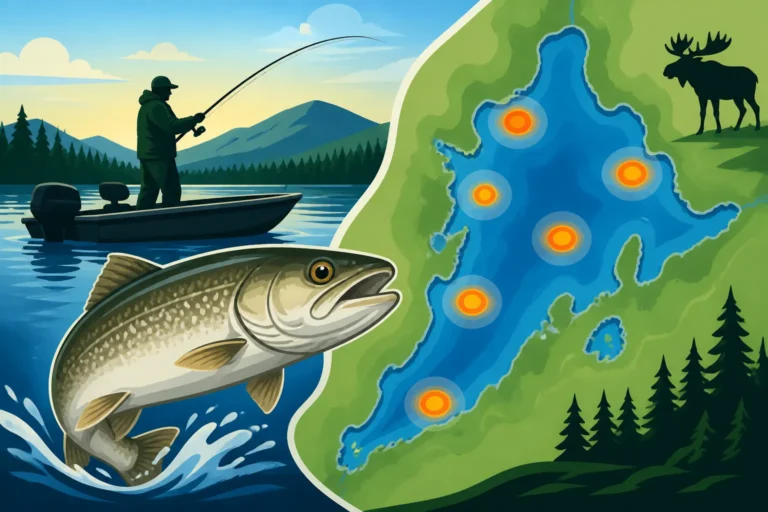
Great Pond spans an impressive 8,239 acres, making it a significant fishery in central Maine. It's primarily located in the towns of Belgrade, Rome, and Oakland. What makes Great Pond particularly appealing is its diverse underwater topography. You'll find a mix of shallow, weedy coves, rocky points, and deeper basin areas, all contributing to a rich habitat for various fish species. The average depth hovers around 21 feet, but don't let that fool you; there are spots plunging over 69 feet deep. This varied structure means anglers can employ a wide array of techniques, from targeting bass in the shallows to seeking out salmon and trout in the cooler, deeper waters.
The water clarity is generally good, allowing for sight fishing in certain areas, especially during the calmer parts of the day. The shoreline is a mix of private residences, undeveloped woodlands, and public access points, offering a picturesque backdrop for your fishing adventures. The sheer size of Great Pond means you could spend days exploring its different sections and still discover new hot spots.
Understanding the Belgrade Lakes Chain
Great Pond is not an isolated entity; it's a vital part of the interconnected Belgrade Lakes chain. This chain includes several other notable lakes like Long Pond, Messalonskee Lake, and Salmon Lake, all connected by streams and thoroughfares. This connectivity means that fish populations can sometimes move between these bodies of water, influenced by spawning cycles, water temperatures, and forage availability. The health of Great Pond is intrinsically linked to the entire ecosystem of the Belgrade Lakes, a fact that Maine Inland Fisheries and Wildlife actively manages to preserve.
For an angler, understanding this chain can open up even more opportunities. While this guide focuses specifically on Great Pond, being aware of its neighbors means you might consider a multi-day trip to explore more of what the region has to offer. The entire chain is renowned for its diverse fishing, and each lake offers slightly different characteristics and target species. For a broader look at the region, you might explore our guide on Belgrade Lakes Bass Fishing in Maine or even a general overview of the Best Fishing Lakes in Maine.
Public Access Points and Boat Launches
One of the biggest hurdles for any angler unfamiliar with a new lake is finding reliable, public access. Great Pond, thankfully, offers several options for getting your boat in the water or simply casting from shore. Knowing where these access points are located and what facilities they offer can save you valuable fishing time.
Key Public Boat Ramps
For those with a boat, whether it's a bass boat, a small tiller, or even a kayak, public boat ramps are your gateway to Great Pond's vast waters. The primary and most well-known public boat launch is located in Belgrade Lakes Village itself. This ramp provides easy access to the main body of the lake and is suitable for most trailerable boats. You'll find ample parking, which is a huge plus, especially during peak season.
Another excellent public option is the boat launch located off Route 27 in Rome, on the eastern side of Great Pond. This access point tends to be a bit less crowded than the village ramp, particularly on busy summer weekends, offering a quieter launch experience. It's a fantastic spot if you're looking to explore the northern and eastern sections of the lake.
For smaller boats, canoes, or kayaks, there are additional, less formal access points around the pond, often found near town landings or specific public easements. Always look for signage indicating public access, and be respectful of private property. Remember, proper boat launching etiquette is crucial to keeping these access points open for everyone. Be sure to prepare your boat before backing down the ramp to minimize delays.
Shoreline Fishing Opportunities
While Great Pond is best explored by boat due to its expansive nature, there are still options for shore anglers, especially if you're just looking to spend a relaxed afternoon casting from dry land. The public areas around Belgrade Lakes Village offer some limited shoreline access, particularly near the public docks and parks. You might find a spot or two where you can cast a line for perch or panfish, and sometimes even a bass patrolling the shallows.
Another area that might offer some shore fishing is around the causeways and bridges that cross the narrower sections of the lake, connecting different landmasses. These areas can often be productive, as fish tend to congregate around structure. However, always exercise caution when fishing near roads and be mindful of traffic.
For a more secluded experience, exploring some of the smaller public easements or trails that lead to the water's edge could yield results. Local bait and tackle shops are often excellent resources for pinpointing these less-advertised shore fishing spots. They can also advise on the best local baits and rigs. If you're planning a trip and need a guide to help navigate these waters, platforms like FishingBooker can connect you with local experts who know the nuances of Great Pond's shoreline and boat access.
What Fish You'll Find Here
Great Pond is celebrated for its diverse fishery, boasting a healthy population of both warmwater and coldwater species. This variety means that no matter your angling preference, you're likely to find a challenging and rewarding experience here. Understanding the primary species will help you tailor your gear and tactics for maximum success.
Targeting Smallmouth and Largemouth Bass
The bass fishing on Great Pond is truly phenomenal, attracting anglers from all over New England. Both smallmouth and largemouth bass thrive in its waters, offering exciting action throughout the open water season.
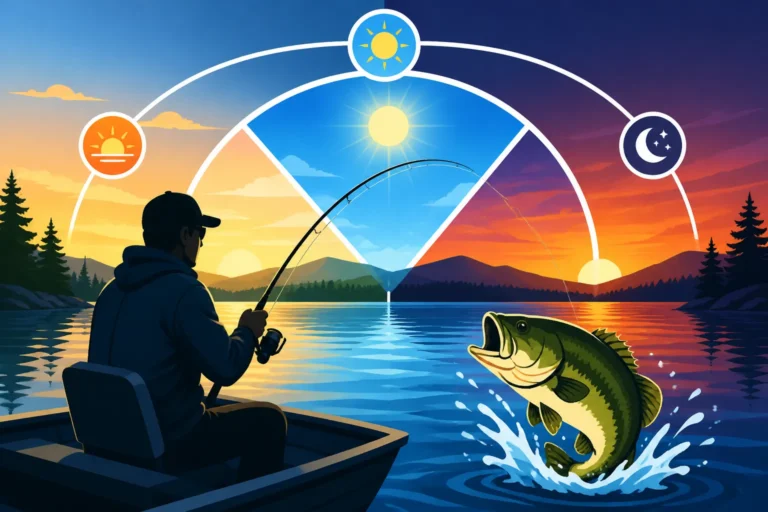
Smallmouth Bass: These hard-fighting bronzebacks prefer rocky areas, humps, and points, especially those with deeper water nearby. You'll often find them lurking around the numerous islands and underwater ledges scattered across the pond. During the spring, after the ice-out, smallmouth will move into shallower, rocky flats to spawn, making them more accessible. As summer progresses, they'll often retreat to deeper, cooler waters, particularly during the heat of the day, but will still feed actively around dawn and dusk. Jigs, crankbaits, tubes, and topwater lures can all be incredibly effective for smallmouth. Their aggressive strikes and acrobatic jumps make them a favorite target for many.
Largemouth Bass: In contrast, largemouth bass prefer the more vegetated areas, weedy coves, and shallow stumps. The northern and southern ends of Great Pond, with their extensive lily pad fields and submerged grass beds, are prime largemouth territory. Flipping and pitching jigs or soft plastics into heavy cover, working spinnerbaits along weed lines, or throwing a frog over the pads can yield some truly impressive bucketmouths. Like smallmouths, largemouths are aggressive feeders, especially during low-light conditions. Many anglers enjoy the challenge of extracting a big largemouth from dense cover. For specific limits and rules, be sure to check the Maine Bass Fishing Limits by Zone as these can vary.
Pursuing Chain Pickerel and Perch
Beyond the bass, Great Pond is also home to abundant populations of chain pickerel and both white and yellow perch, providing excellent action, especially for beginners or those looking for consistent bites.
Chain Pickerel: These slender, toothy predators are widespread in Great Pond, inhabiting the same weedy areas as largemouth bass. They are incredibly aggressive and will strike at almost anything that moves, making them a fun target. While not typically sought for their table fare (though some do enjoy them), their willingness to bite makes them a great species for keeping the action going. Small spoons, inline spinners, and plastic worms are all effective. Just be sure to use a leader to prevent them from biting through your line! They can be a thrilling catch on lighter tackle.
White and Yellow Perch: Both species of perch are plentiful in Great Pond and are excellent eating. Yellow perch tend to school in deeper water over gravel bottoms, while white perch can be found almost anywhere, often in large schools near drop-offs or structure. They are perfect for family fishing trips, as they are relatively easy to catch and provide consistent action. Small jigs tipped with worms, minnows, or even just bare hooks with a bit of bait under a bobber can lead to a cooler full of delicious fillets. During the ice fishing season, perch are a primary target. For more on year-round fishing, consider consulting our Maine Fishing Season Dates Guide.
Occasional Trout and Salmon Stocking
While Great Pond is predominantly known for its warmwater species, the Maine Department of Inland Fisheries and Wildlife (MDIFW) does periodically stock the lake with coldwater species, most notably brown trout and landlocked salmon. These stockings aim to provide a diverse angling experience and take advantage of the deeper, cooler sections of the pond that can support these species, particularly during the spring and fall.
Anglers targeting these coldwater fish will typically focus on the deeper basins and thermal refuge areas, especially as summer temperatures rise. Trolling with spoons, stickbaits, or baitfish imitations on lead core or downriggers is a popular and effective method. During the spring and fall, when water temperatures are cooler throughout the water column, these trout and salmon may venture into shallower areas, making them accessible to casting from shore or from small boats. Fly anglers can also find success, particularly near stream inlets or outlets during colder months. Keep an eye on local stocking reports from the MDIFW for the most up-to-date information on what's been released into Great Pond.
Here's a quick overview of primary target species and their preferred habitats:
| Species | Primary Habitat | Preferred Baits/Lures | Best Seasons |
|---|---|---|---|
| Smallmouth Bass | Rocky points, humps, ledges, deep structure | Jigs, crankbaits, tubes, topwater | Spring, Summer, Fall |
| Largemouth Bass | Weedy coves, lily pads, submerged timber | Soft plastics, spinnerbaits, frogs, jigs | Spring, Summer, Fall |
| Chain Pickerel | Weedy flats, shallow cover, lily pads | Spoons, inline spinners, plastic worms, shiners | Year-round |
| Yellow & White Perch | Deep gravel bottoms (Yellow), varied (White) | Worms, minnows, small jigs, bobber rigs | Year-round |
| Brown Trout | Deep, cool basins, spring-fed areas | Trolled spoons, stickbaits, live bait | Spring, Fall, Winter |
| Landlocked Salmon | Deep, cool basins, open water | Trolled spoons, flies, smelt imitations | Spring, Fall, Winter |
Seasonal Fishing Strategies for Great Pond
The beauty of fishing Great Pond lies in its year-round opportunities. Each season presents unique challenges and rewards, requiring anglers to adapt their strategies to changing fish behavior and environmental conditions. Understanding these seasonal shifts is crucial for consistent success.
Spring and Early Summer Tactics
Spring on Great Pond, from ice-out through late June, is a period of transition and high activity. As the ice melts (typically in late April to early May, though it varies year to year), the water begins to warm, triggering fish to move into shallower areas.
Post Ice-Out to Spawn: Immediately after ice-out, coldwater species like brown trout and landlocked salmon become incredibly active. They'll be found higher in the water column and closer to shore, feeding aggressively on baitfish that are also moving into warmer shallows. Trolling very slowly with smelt imitations or small spoons close to the surface, especially near stream inlets, can be highly effective. Simultaneously, bass will start to become active, feeding up after a long winter. Look for them in sunny, protected coves where the water warms fastest. Jerkbaits, spinnerbaits, and even slow-rolled swimbaits can entice early spring bass.
The Spawn Period: As water temperatures climb into the mid-50s to low 60s Fahrenheit, both smallmouth and largemouth bass will begin their spawning rituals. Smallmouths will seek out rocky flats and points, while largemouths prefer weedy bays. During this time, they are often aggressive in protecting their nests. While sight fishing for bedding bass can be tempting, practicing Catch and Release Best Practices in Maine is especially important during the spawn to ensure the future health of the population. Jigs and soft plastics fished slowly can be very effective if you're targeting pre-spawn or post-spawn fish that are still in shallow water but not actively on beds.
Mid-Summer Challenges and Solutions
Mid-summer, from July through August, brings warmer water temperatures and often brighter, sunnier days. This can make fishing more challenging, as many species retreat to deeper, cooler water.
Deepwater Tactics for Coldwater Fish: For brown trout and landlocked salmon, this is the time to go deep. Look for thermoclines using your fish finder, which will indicate the depth where the water temperature changes abruptly. Salmon and trout will often hold just above, within, or just below this layer. Downriggers and lead core line become essential for presenting lures at precise depths. Trolling spoons like Mooselook Wobblers or live smelt can be highly productive. Focus on the deepest basins of the pond, particularly during the middle of the day.
Warmwater Species in the Heat: Bass also adjust their behavior in summer. Largemouths will bury themselves deeper into thick weed beds or seek shade under lily pads and docks. Flipping jigs, pitching Texas-rigged worms, or throwing frogs over heavy cover during early morning or late evening hours will be most effective. Smallmouths will move to deeper rock piles, humps, and submerged timber. Drop-shot rigs, deep-diving crankbaits, or vertically jigging tubes can connect you with these fish. Night fishing can also be surprisingly productive for bass during the summer, as they move shallower to feed under the cover of darkness. Remember that the Maine Open Water Line Limits typically allow for two lines per person, so you can diversify your presentation.
Fall Fishing for Active Predators
As autumn arrives, bringing cooler air and water temperatures, Great Pond undergoes another transformation. The dropping temperatures invigorate many species, leading to some of the year's most exciting fishing.
Aggressive Feeding: Fall is an excellent time for targeting all predator species as they feed heavily in preparation for winter. Bass, both smallmouth and largemouth, will move back into shallower areas, especially rocky points and weed edges, ambushing baitfish. Crankbaits, spinnerbaits, and jerkbaits worked aggressively can trigger vicious strikes. The fish are often more grouped up, meaning if you find one, you'll likely find more.
Trout and Salmon Resurgence: Brown trout and landlocked salmon also become very active. With cooler water throughout the lake, they are less restricted to deep zones and will often patrol baitfish schools near the surface, especially during low light. Trolling faster with larger spoons or stickbaits, or casting spoons and streamers from shore or boat into shallow areas, can be incredibly effective. The vibrant fall foliage surrounding Great Pond adds an extra layer of enjoyment to these productive fishing trips. For a comprehensive overview of when to plan your trip, check out Best Time of Year to Fish in Maine.
Winter Ice Fishing Prospects
When Great Pond freezes over, typically from late December through March, a whole new world of angling opportunities opens up for ice fishermen. Ice fishing is a cherished tradition in Maine, and Great Pond is a popular destination.
Targeting Multiple Species: During the winter, anglers on Great Pond often target white perch, yellow perch, chain pickerel, and often brown trout and landlocked salmon. Perch and pickerel are abundant and can provide consistent action throughout the ice season. Small jigs tipped with worms, minnows, or grubs are fantastic for perch. For pickerel, larger shiners fished under tip-ups are incredibly effective.
Ice Fishing for Trout and Salmon: For brown trout and landlocked salmon, the colder water conditions allow them to roam more freely. Tip-ups rigged with live smelt or shiners are a classic and highly successful method. Position your traps over deeper basins, along drop-offs, or near known feeding flats. Jigging with Swedish Pimples or similar lures can also entice these coldwater predators. Always prioritize safety on the ice. Understanding Maine Ice Fishing Rules Guide is crucial for a safe and legal trip. And remember, platforms like FishingBooker can help you find local guides experienced in ice fishing Great Pond, ensuring a safe and productive outing, especially for beginners.
Regulations and Licenses for Great Pond
Fishing in Maine, including on Great Pond, is governed by a set of regulations designed to protect fish populations and ensure sustainable angling for future generations. It's not just about what you catch, but how you catch it, and ensuring you have the proper legal authorization.
General Maine Fishing Laws Specific to Belgrade Lakes
Before you even think about putting a line in the water, every angler 16 years of age and older needs a valid Maine fishing license. This is non-negotiable, whether you're a resident or a visitor. You can easily purchase a Maine Fishing License Guide online through the Maine Department of Inland Fisheries & Wildlife (MDIFW) website, or in person at various vendors throughout the state. It's a straightforward process, but it's often the first thing people forget! Our guide on How to Get a Maine Fishing License provides all the necessary steps.
Beyond the license, Great Pond, as part of the Belgrade Lakes chain, falls under the general law regulations for inland waters, unless specifically noted otherwise. It’s always critical to consult the most current MDIFW fishing law book, available online or at license agents. This book details season dates, general bag and length limits, and any special regulations that might apply to Great Pond or specific sections of it.
For instance, while the general law may permit fishing year-round for certain species, there might be specific closed seasons for others, particularly during spawning periods, to protect vulnerable populations. Always double-check the "Special Fishing Laws" section of the MDIFW law book, usually listed by county or specific water body, to ensure you are compliant with any unique rules for Great Pond.
Bag and Length Limits
Bag and length limits are put in place to manage fish populations and prevent overfishing. These limits dictate how many fish of a particular species you can keep in a single day (bag limit) and the minimum or maximum size a fish must be to be legally harvested (length limit).
For Great Pond, these limits will primarily follow the general law for inland waters but can have specific nuances. For example:
- Bass: While there are general bass limits, some zones in Maine have specific slot limits or daily bag limits that may vary. It’s essential to confirm the current regulations for the Belgrade Lakes region. You can find detailed information in the Maine Fish Bag Limits Guide.
- Trout and Salmon: Stocked brown trout and landlocked salmon often have specific length and bag limits. These limits are frequently designed to protect larger, older fish that contribute significantly to reproduction.
- Panfish and Pickerel: Species like perch and pickerel often have more generous bag limits, reflecting their abundance, but it’s still wise to confirm.
It's your responsibility as an angler to know and adhere to these regulations. Misinformation or assuming general rules apply everywhere can lead to fines and penalties. Always carry a copy of your license and the current law book (or have the digital version accessible on your phone) when fishing. Observing these rules helps maintain Great Pond as a healthy and productive fishery for all to enjoy. If you're unsure about any specific rule, contact the MDIFW directly; they are a fantastic resource for anglers.
Planning Your Trip and Local Amenities
A successful fishing trip to Great Pond involves more than just knowing where to cast a line. It also means planning for your needs once you're off the water. The Belgrade Lakes region is well-equipped to support visiting anglers, offering a range of services from bait shops to accommodations.
Local Bait and Tackle Shops
No fishing trip is complete without the right bait and tackle, and knowing where to find it locally can make all the difference. In and around Belgrade Lakes Village, you'll find several establishments that cater to anglers. These local shops are invaluable resources, offering not only a wide selection of live bait (worms, shiners, minnows) and artificial lures tailored to Great Pond's species but also up-to-date local fishing reports.
Belgrade Lakes Village itself hosts a few general stores and small businesses that carry fishing essentials. These shops often have the freshest information on what's biting, where, and what specific baits or lure colors are performing best on a given day. Don't underestimate the power of local knowledge! Beyond the immediate village, you might find larger sporting goods stores in nearby towns like Oakland or Waterville, which offer a broader selection of gear. Always check their operating hours, especially during the off-season.
Accommodation Options
For those planning to make a multi-day trip out of their Great Pond fishing adventure, there are plenty of accommodation options to suit various preferences and budgets.
Sporting Camps and Lodges: The Belgrade Lakes region is famous for its traditional Maine sporting camps and lodges, many of which have been operating for generations. These often provide rustic yet comfortable cabins, some with meal plans, and direct access to the water. They offer an immersive experience that really connects you with the natural beauty of Maine. Many also offer their own boat rentals or can connect you with local guides.
Inns and B&Bs: For a more refined experience, there are charming inns and bed & breakfasts scattered throughout Belgrade Lakes Village and surrounding communities. These often provide a more personalized touch, delicious breakfasts, and a comfortable base from which to explore the pond.
Vacation Rentals: If you prefer the privacy and flexibility of a home away from home, numerous cottages, cabins, and houses are available for rent on or near Great Pond. Websites like Airbnb and VRBO are popular platforms for finding these private rentals, many of which come with their own docks or boat access, making your fishing trip even more convenient.
Campgrounds: For budget-conscious travelers or those who enjoy roughing it, there are also campgrounds in the broader region. While none may be directly on Great Pond, they offer a good base for day trips to the lake. Just be sure to check facilities and reservation requirements in advance, especially during the busy summer months. Regardless of your choice, booking in advance, particularly for peak summer weekends, is highly recommended to secure your preferred lodging.
Disclaimer
Please note that fishing regulations, conditions, and access points can change. Always consult the most current Maine Department of Inland Fisheries & Wildlife (MDIFW) regulations book or website before heading out on the water. This guide provides general information and should not be considered a substitute for official legal documentation. Exercise caution and practice safe boating and ice fishing techniques at all times.