Best Kayak Fishing Spots in Maine
There’s a unique kind of quiet that settles over you when you launch a kayak onto Maine’s vast waters, a sense of anticipation mixed with the gentle rocking of the boat. It’s an incredible way to access those secluded coves, narrow river bends, and shallow coastal flats that bigger boats can’t reach, but knowing where to go can feel like searching for a needle in a haystack. This guide is here to cut through that confusion, revealing the best kayak fishing spots across the Pine Tree State, ensuring your next paddle-and-cast adventure is nothing short of legendary.
Why Kayak Fishing in Maine is an Unforgettable Experience
Maine is a state defined by its diverse waterways, from its sprawling, ancient lakes carved by glaciers to its wild, untamed rivers and its rugged, intricate coastline. For anglers who embrace the simplicity and stealth of a kayak, these waters open up in a way that traditional boat fishing often can't match. It’s more than just catching fish; it’s about the journey, the intimate connection with nature, and the pure, unadulterated peace that comes with paddling through some of the most beautiful landscapes on earth.
The Unique Advantages of Kayak Angling in Maine
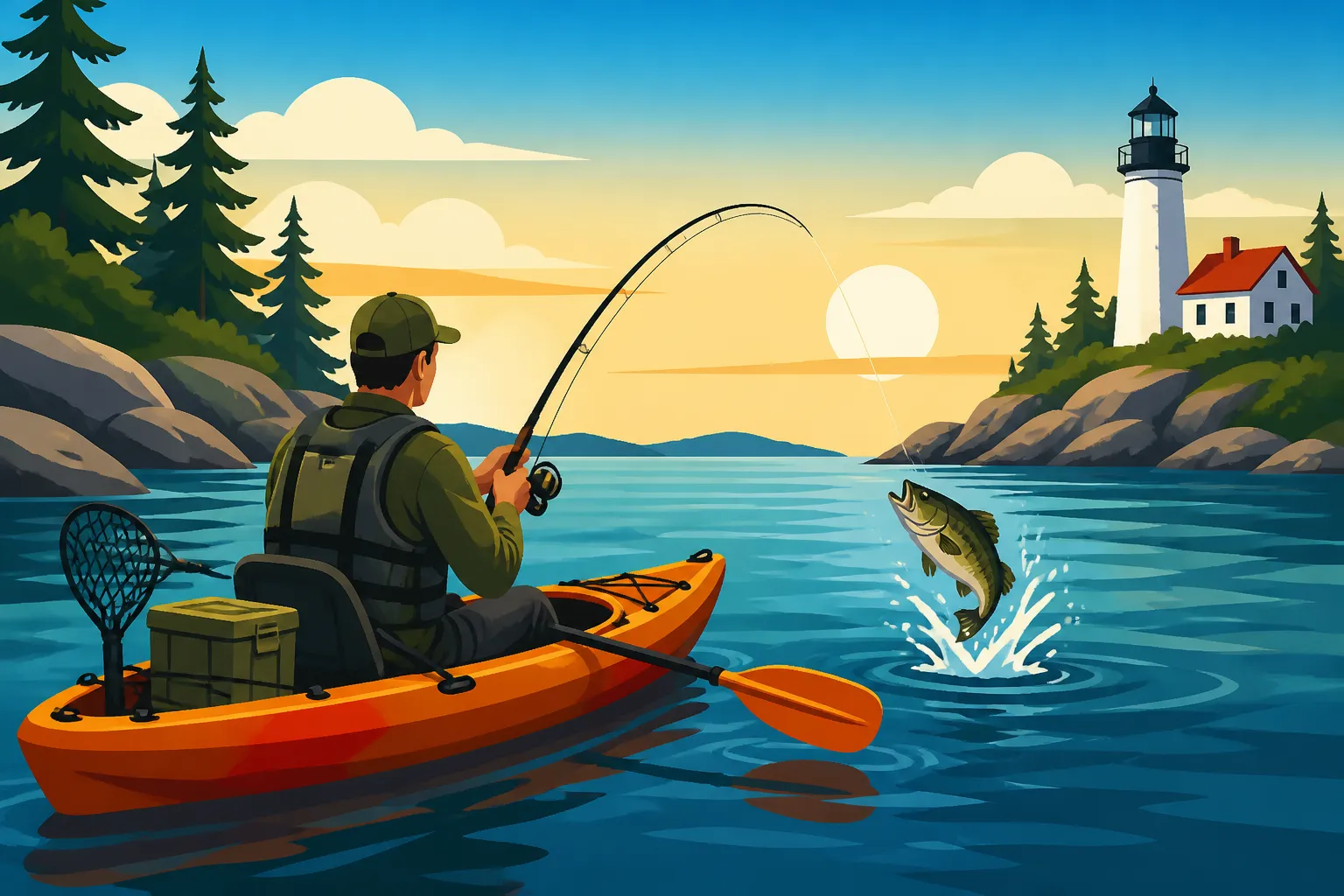
Kayak fishing offers a truly unparalleled experience, particularly in a state like Maine where remote beauty abounds. One of the most significant advantages is the stealth. A kayak glides through the water with minimal disturbance, allowing you to approach wary fish in shallow areas or tight cover without spooking them. Imagine paddling silently along a rocky shoreline on a serene lake, casting into pockets where a big smallmouth bass might be lurking, completely unaware of your presence. This quiet approach is invaluable when targeting species sensitive to boat noise or engine vibrations.
Beyond stealth, kayaks provide incredible accessibility. Many of Maine's most productive fishing spots are tucked away in areas inaccessible to larger motorboats. Think about those hidden coves in our larger lakes, the winding channels of tidal rivers, or the countless small ponds dotting the landscape. A kayak allows you to launch from almost any shoreline, slip through narrow passages, and explore areas that remain largely untouched. This not only increases your chances of finding unpressured fish but also offers a profound sense of discovery and solitude that is hard to come by on more popular waters. You're not just fishing; you're exploring, feeling the rhythm of the water, and often finding yourself completely alone with nature.
Navigating Maine's Diverse Waters with a Kayak
Maine's aquatic landscape is a patchwork of environments, each presenting its own unique set of opportunities and challenges for the kayak angler. From the vast, deep freshwater lakes of the interior to the swift-flowing rivers and the intricate, tide-swept saltwater coast, adapting your approach is key. On large lakes like Sebago Lake or Moosehead Lake, you'll need to be mindful of wind and open water, perhaps sticking to protected coves and shorelines on breezier days. These expansive waters can hold everything from feisty smallmouth bass to deep-dwelling togue and powerful landlocked salmon. Understanding the structure of these lakes, like drop-offs and submerged points, becomes easier when you can quietly probe them from your kayak.
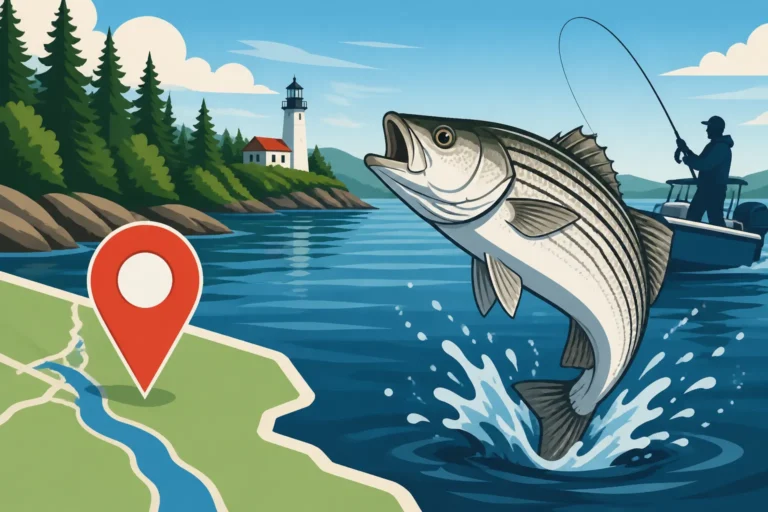
Rivers, on the other hand, demand a different kind of finesse. The Kennebec River or the Androscoggin River offer fantastic opportunities for both coldwater species like trout and salmon, and warmwater species like smallmouth bass, depending on the section. Paddling upstream and drifting back down, or carefully navigating rapids in a river-specific kayak, allows you to target specific eddies, riffles, and pools. The constantly changing currents and structure make for an engaging and dynamic fishing experience. Along the coast, the tidal flats, rocky shorelines, and countless islands present an exciting challenge for striped bass and other saltwater species. Understanding the tides and currents is paramount here, as they dictate not only where the fish will be feeding but also the safest and most efficient paddling routes. Kayaking provides a low-impact way to experience the raw beauty of the Maine coast, silently approaching ledges where striped bass might be ambushing baitfish.
Top Freshwater Kayak Fishing Destinations in Maine
Maine's freshwater offerings for kayak anglers are truly exceptional, boasting a variety of environments from massive, deep lakes to intimate, wild ponds and winding rivers. Each offers a distinct experience and target species, promising an adventure for every preference.
Exploring Maine's Iconic Lakes and Ponds
Maine is renowned for its magnificent lakes, many of which are perfect for kayak fishing due to their intricate shorelines, numerous islands, and abundant fish populations.
- Sebago Lake: Just outside Portland, Sebago Lake is not only one of Maine's largest and most famous lakes but also a prime destination for kayak anglers. While larger boats dominate the main basin, kayaks shine in the quieter coves and along the extensive shoreline. Here, you can target hard-fighting Landlocked Salmon Fishing in Maine, especially during the spring and fall when they cruise shallower waters. Early mornings or late evenings are often the best times to find them closer to shore. Smallmouth bass are also prolific, holding near rocky points, submerged ledges, and transition areas where different bottom types meet. Kayakers can easily access many of the lake's islands and rocky structures, quietly casting topwater lures or soft plastics for aggressive bass. If you're looking for an unforgettable salmon fight from a kayak, Sebago Lake is a fantastic choice.
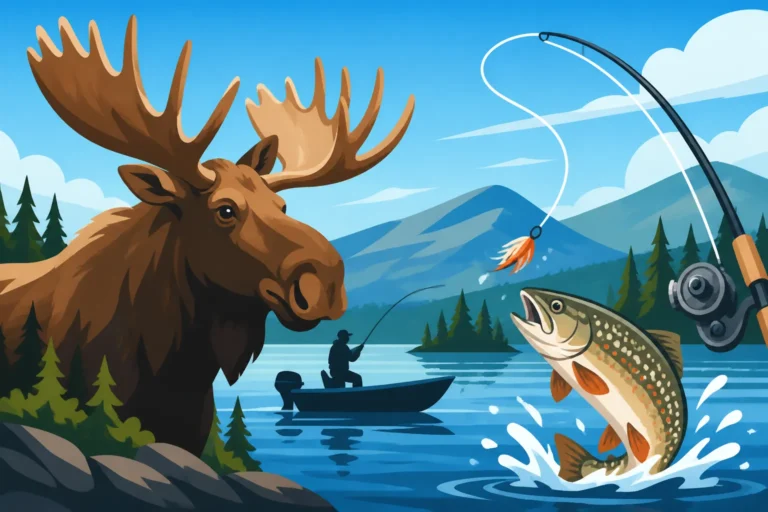
- Moosehead Lake: As Maine's largest lake, Moosehead Lake offers an immense wilderness experience. It's a vast body of water, so choosing your launch point carefully and being mindful of weather is crucial. Kayakers can explore the numerous coves, islands, and river inlets where Brook Trout Fishing in Maine and Lake Trout and Togue Fishing in Maine thrive. The quieter, northern arms of the lake or sheltered bays near Greenville provide excellent opportunities. For togue (lake trout), you might need to employ some deeper trolling techniques from your kayak using lead core or downriggers, or focus on jigging over deep structure. Brook trout can be found in the cooler waters around feeder streams and rocky outcrops, especially in spring and fall. The sheer size and wild character of Moosehead make it a bucket-list destination for kayak anglers seeking solitude and trophy fish. For deeper insights into this magnificent fishery, check out our guide on Moosehead Lake Fishing Guide.
- Belgrade Lakes: This chain of seven interconnected lakes—Great Pond, Long Pond, Messalonskee Lake, Salmon Lake, McGrath Pond, North Pond, and East Pond—is a bass angler's paradise, though they hold other species too. The Belgrade Lakes offer an ideal environment for kayak fishing due to their numerous shallow coves, lily pad fields, and extensive woody cover. You can spend days exploring these lakes, targeting both Smallmouth Bass Fishing in Maine and Largemouth Bass Fishing in Maine. The interconnected nature means you can paddle from one lake to another in many areas, creating a diverse trip. Topwater frogs and poppers are incredibly effective in the lily pads and emergent vegetation for largemouth, while smallmouth will hit jigs and crankbaits near rocky banks and offshore humps. Each lake has its own charm and subtle differences, making the Belgrade Lakes a fantastic multi-day kayak fishing adventure.
For those seeking truly remote experiences, Maine's thousands of smaller ponds, many of which are stocked with brook trout and are paddle-access only, offer incredible solitude. These "pond fishing" gems often require a bit more effort to reach but reward anglers with pristine waters and feisty native trout.
Kayaking the Serene Rivers for Trout and Salmon
Maine's rivers provide dynamic and rewarding kayak fishing experiences, offering a different challenge than the lakes with their currents and ever-changing flow.
- Kennebec River: The Kennebec River, particularly its upper and middle sections, provides fantastic opportunities for coldwater species. While some areas are best fished with drift boats, many stretches are perfect for a stable fishing kayak. You can target Landlocked Salmon Fishing in Maine and brook trout, especially in the swift, oxygenated waters below dams or in prime riffle and pool sections. Kayaking allows you to quietly navigate these stretches, presenting flies or small spinners to holding fish. The river's character changes dramatically along its length, so researching specific put-in and take-out points is crucial. Further downstream, especially in the tidal sections, the Kennebec becomes a premier Striped Bass Fishing in Maine destination, offering incredible action as stripers push upriver.
- Androscoggin River: Once heavily polluted, the Androscoggin River has undergone a remarkable recovery and now offers excellent fishing, particularly for smallmouth bass. Kayak anglers can explore miles of river, casting to rocky shorelines, submerged timber, and current seams. The river's varied flow and structure make it an exciting place to target aggressive smallmouth. Beyond bass, some sections also hold brown trout and rainbow trout. Access points are becoming more numerous, making it easier to plan float trips. Always consult the Maine Fishing Regulations Explained for specific sections, as rules can vary.
- Saco River: Flowing from New Hampshire into Maine, the Saco River offers a mix of warmwater species and stunning scenery. Kayak fishing on the Saco is popular for its calm sections, making it accessible for anglers of all skill levels. You’ll primarily find smallmouth and largemouth bass, along with pickerel and perch. The tree-lined banks, sandbars, and slow-moving pools provide ample habitat. It’s an ideal river for a leisurely paddle-and-cast trip, often combining fishing with a relaxing day on the water.
When approaching river fishing by kayak, remember that current and access points are your main considerations. Always have a plan for upstream and downstream travel and know where you’ll put in and take out.
Prime Saltwater Kayak Fishing Havens Along Maine's Coast
Maine's rugged coastline, with its dramatic cliffs, countless islands, and intricate estuaries, offers some of the most exciting saltwater kayak fishing experiences in the Northeast. The focus here is largely on the prized striped bass, but other species also provide thrilling action.
Chasing Striped Bass in Estuaries and Bays
The elusive striped bass is king along the Maine coast, and kayak anglers have a distinct advantage in accessing their favorite haunts.
- Casco Bay: Stretching from Cape Elizabeth to Brunswick, Casco Bay is a mosaic of islands, rocky shorelines, and tidal estuaries that serve as a prime hunting ground for striped bass. Kayakers can explore countless protected coves, river mouths, and island passages that larger boats simply can't navigate. The quiet approach of a kayak allows you to sneak up on stripers feeding in skinny water or ambushing baitfish along rocky ledges. Focus your efforts around river outflows (like the Presumpscot and Royal Rivers), tidal rips, and areas with submerged structure. Topwater plugs, soft plastic swimbaits, and bucktail jigs are all highly effective. For a truly productive outing, consider booking a trip through platforms like FishingBooker to find a local guide who can put you on the fish in less-known spots.
- Kennebec River Estuary: The lower Kennebec River and its estuary, particularly around Bath and Phippsburg, is legendary for its strong runs of striped bass. As the stripers migrate north, they push into this productive river system to feed on abundant baitfish. Kayakers can launch from numerous public access points and explore the many coves, flats, and smaller tributaries that feed into the main river. The currents here can be strong, so planning your trip around the tides is absolutely critical for both safety and fishing success. The turn of the tide, especially an outgoing tide that flushes bait from the marsh, can provide explosive topwater action. Fly fishing from a kayak in these areas is also incredibly rewarding, allowing for precise presentations to actively feeding fish.
- Midcoast Bays (Boothbay Harbor, Muscongus Bay): Moving further east, the midcoast region offers an abundance of smaller bays and inlets that are perfect for kayak fishing. Areas around Boothbay Harbor, Damariscotta, and Muscongus Bay are crisscrossed with islands, ledges, and protected coves. These spots offer fantastic opportunities to target striped bass, especially during the peak summer months. The intricate geography means you can almost always find sheltered water to fish, even on breezier days. Keep an eye out for bird activity, which often signals baitfish schools being pushed to the surface by feeding stripers. These areas are also great for catching mackerel, which make excellent bait or a tasty dinner. Always be sure to check the Maine Saltwater Fishing Registry Guide requirements before you head out.
Discovering Coastal Island and Nearshore Opportunities
Beyond the major bays, Maine's vast archipelago offers endless possibilities for adventurous kayak anglers.
- Island Hopping: Maine is dotted with thousands of coastal islands, many of which hold excellent fishing around their rocky shores and kelp beds. From the numerous islands of Casco Bay to those near Mount Desert Island, a kayak gives you the freedom to explore these isolated fishing grounds. You might encounter striped bass, pollack, or even cod in deeper spots around offshore ledges. Always be mindful of local boating traffic, especially ferry routes, and changing weather conditions when venturing further offshore. The feeling of casting to a remote island shoreline, with only the sounds of gulls and waves, is truly special.
- Coastal Shorelines and Reefs: Many stretches of Maine's mainland coast, from Ogunquit to Acadia National Park, offer fantastic shore-based fishing opportunities that kayaks can extend. Launching from a beach or small boat ramp, you can paddle out to nearshore reefs, rock piles, and points that hold fish. These areas often feature strong currents and wave action, so a stable, ocean-specific fishing kayak and advanced paddling skills are recommended. Targeting areas where currents create rips or eddies can be incredibly productive for stripers. Remember that Maine's water can be very cold, even in summer, so proper cold-water paddling gear is essential.
Essential Gear and Safety Tips for Maine Kayak Anglers
Kayak fishing in Maine, whether on vast lakes, rushing rivers, or the open coast, requires a blend of proper equipment and a strong commitment to safety. Being prepared is not just a recommendation; it's a necessity.
Must-Have Kayak Fishing Equipment
Going beyond just the kayak itself, there's a host of gear that will make your Maine kayak fishing trip more comfortable, productive, and most importantly, safer.
- The Right Kayak: While any kayak can be used for fishing, a dedicated fishing kayak offers distinct advantages. Look for models that prioritize stability (often wider and with flatter hulls), offer ample storage for gear, and have features like rod holders, gear tracks, and comfortable seats. Sit-on-top kayaks are generally preferred for fishing due to their ease of entry/exit and self-bailing nature. Brands like Hobie, Old Town, and Native Watercraft are popular choices and offer various propulsion systems (paddle, pedal, motor) to suit different needs and fishing styles. Consider the type of water you'll be on most: a shorter, more maneuverable kayak for rivers, or a longer, more efficient one for open lakes and coastal waters.
- Paddling and Safety Gear: This is non-negotiable. A properly fitted Personal Flotation Device (PFD) is paramount; wear it at all times. A quality paddle that matches your height and kayak width is crucial for efficient propulsion. Other essential safety items include a whistle, a signaling mirror, a headlamp or light for low-light conditions, and a bright flag for visibility, especially on busy waters or in fog. A small anchor system, like a grappling anchor or a drag chain, can be invaluable for holding your position in current or wind.
- Fishing Specifics: Beyond your rods and reels (consider robust setups for saltwater or larger freshwater species), think about how you'll manage your tackle. Waterproof tackle boxes, a good landing net that won't tangle, and a fish gripper or BogaGrip are highly recommended. A cooler or fish bag is essential for keeping your catch fresh. Many kayak anglers also invest in a small, waterproof fish finder with GPS capabilities, which can be immensely helpful for identifying structure and marking waypoints on unfamiliar waters. Devices like those from Humminbird or Lowrance are popular among kayak anglers.
- Navigation and Communication: Given the remote nature of many Maine fishing spots, having reliable navigation and communication tools is critical. A waterproof map, a compass, or a handheld GPS device (many fish finders integrate this) are vital. Always carry a fully charged cell phone in a waterproof case, but also consider a VHF radio for coastal trips, as cell service can be spotty in remote areas. Even better, you can often find a local guide or charter for specific regions through services like FishingBooker, ensuring you have expert knowledge and safety measures in place.
Navigating Maine's Waters Safely
Maine's waters can be beautiful but also unforgiving. Prioritizing safety is the mark of a responsible angler.
- Check the Weather Religiously: This cannot be stressed enough. Maine's weather can change rapidly, especially on large lakes and the coast. A calm morning can quickly turn into a windy, choppy afternoon. Always check the marine forecast (for saltwater) or local weather forecast (for freshwater) before and during your trip. Know your limits and be willing to reschedule if conditions are unfavorable. High winds can make paddling exhausting and dangerous, and sudden thunderstorms can be perilous.
- File a Float Plan: Always tell someone your plans: where you're launching, where you intend to go, and when you expect to return. This simple step can be life-saving if you encounter an emergency. Provide specific details about your kayak, any distinguishing gear, and a contact number for emergencies.
- Dress for the Water Temperature, Not the Air Temperature: This is a golden rule in cold-water states like Maine. Even on a warm summer day, Maine's waters can be surprisingly cold. If you unexpectedly capsize, hypothermia can set in quickly. Dress in layers of synthetic or wool clothing (avoid cotton), and for colder seasons or open water, a dry suit or wet suit is highly recommended. Always carry a dry bag with spare clothes, a first-aid kit, and emergency supplies.
- Know the Rules and Your Limitations: Familiarize yourself with the Maine Fishing Regulations Explained, including specific rules for the water body you're on, such as bag limits and season dates. Understand your personal paddling and fishing abilities, and don't push yourself beyond your comfort zone, especially when currents, tides, or wind are involved. If you're new to kayak fishing or unfamiliar with a particular area, consider starting on smaller, calmer waters or hiring a Maine Fishing Guides to learn the ropes.
Planning Your Maine Kayak Fishing Adventure
A successful kayak fishing trip in Maine isn't just about showing up with a paddle and a pole; it requires thoughtful planning, understanding local nuances, and respecting the environment.
Choosing the Right Time and Location
The beauty of Maine fishing lies in its distinct seasons, each offering unique opportunities for kayak anglers.
- Spring (Ice-Out to June): This is a fantastic time for coldwater species. As the ice recedes from Maine's lakes, trout and salmon become very active and often feed in shallower waters near the surface. The Maine Spring Fishing Guide highlights this period as prime for landlocked salmon in Sebago and Moosehead, and brook trout in countless ponds and rivers. Bass, while still a bit sluggish in early spring, become more active as water temperatures rise, heading towards their spawning grounds. Coastal striped bass typically arrive in Maine in late May to early June, offering the first shots at these migratory fish. However, be prepared for unpredictable weather and often very cold water temperatures.
- Summer (July to August): Maine summers are glorious, but fishing can be more challenging for some species. Coldwater fish like salmon and togue retreat to deeper, cooler waters, making them harder to reach from a kayak unless you're equipped for deep jigging or trolling. Smallmouth and largemouth bass, however, are in full swing, offering explosive topwater action in the mornings and evenings, and moving to deeper structure during the heat of the day. Striped bass fishing along the coast is excellent throughout the summer, with opportunities for both larger, resident fish and new schools moving in. Early mornings and late evenings are almost always the most productive times during summer. Our Maine Summer Fishing Guide can provide even more tailored advice.
- Fall (September to November): Many consider fall to be the absolute best time for kayak fishing in Maine. The foliage is spectacular, the crowds thin out, and many fish species become incredibly aggressive as they prepare for winter or spawning. Maine Fall Fishing Guide aficionados know this is prime time for brook trout, landlocked salmon, and lake trout. Salmon and brook trout will often move into tributary rivers and streams to spawn, presenting unique angling opportunities. Smallmouth bass also go on a feeding frenzy, bulking up for winter, and coastal striped bass make their southward migration, offering some of the year's best action.
- Winter (December to March): While most open-water kayak fishing ceases when the lakes freeze over, adventurous souls can explore Maine Ice Fishing Techniques Guide. Some specialized ice-kayaks exist, but most kayak anglers transition to traditional ice fishing methods during these months.
When choosing a location, consider your skill level, the target species, and the prevailing weather. If you're a beginner, start with smaller, protected lakes or calm river sections. For multi-day trips or exploring vast areas, consider camping options or booking lodging in nearby towns. Always verify launch access; some spots may require fees or have restrictions.
Regulations and Responsible Angling
Maine has a comprehensive set of fishing regulations designed to protect its precious aquatic resources. Being a responsible kayak angler means knowing and adhering to these rules.
- Licensing: Almost everyone over the age of 16 needs a Maine fishing license to fish in freshwater. Non-residents have various options, including season, 15-day, 7-day, 3-day, and 1-day licenses. For saltwater fishing, while Maine does not currently have a state saltwater license, anglers are required to register with the Maine Saltwater Fishing Registry Guide (which is free for residents and non-residents who hold a valid federal saltwater license). If you're a visitor and don't have a federal license, you'll need to purchase Maine's state saltwater registry, which typically costs around $1. This system helps monitor fishing effort and populations.
- Bag Limits and Seasons: Regulations vary significantly by water body and species. For example, Brook Trout Daily Bag Limits can differ between the North and South zones, and Maine Landlocked Salmon Bag Limits might have specific size restrictions. Always consult the Maine Department of Inland Fisheries and Wildlife (MDIFW) open water fishing law book or their online resources for the most up-to-date information. Ignorance of the law is not an excuse, and wardens are out there to enforce these rules.
- Catch and Release Practices: Kayak fishing often involves catch-and-release, especially for sensitive species or in waters with special regulations. Learn proper fish handling techniques to ensure the fish's survival. Wet your hands before handling, support the fish horizontally, minimize air exposure, and use de-barbed hooks. These practices are crucial for maintaining healthy fish populations.
- Leave No Trace: Practice Leave No Trace principles. Pack out everything you pack in, and perhaps even more. Avoid disturbing wildlife or sensitive habitats. Use designated access points and respect private property. By being a thoughtful steward of Maine's natural resources, you help ensure these incredible kayak fishing opportunities remain for generations to come.
When in doubt about regulations or locations, don't hesitate to reach out to local tackle shops or even contact the MDIFW directly. They are a fantastic resource for anglers.
Disclaimer
Please note that fishing conditions, regulations, and access points in Maine can change. Always consult the latest Maine Department of Inland Fisheries and Wildlife (MDIFW) regulations and local advisories before planning your trip. Practice safe boating and fishing techniques, and respect private property and the environment.