Maine Fall Fishing Guide
As the vibrant greens of summer begin to surrender to a spectacular riot of reds, oranges, and golds, many anglers feel a familiar pang of sadness, thinking the best fishing is behind them. But for those of us who truly know Maine, the crisp air and brilliant foliage of autumn signal not an end, but arguably the very best time to wet a line. This comprehensive guide will walk you through everything you need to know to experience the magic of fall fishing in Maine, from the species that thrive to the techniques that land them, ensuring your autumn days are filled with unforgettable catches.
The Magic of Maine Fall Fishing: Why Autumn Reigns Supreme
There's something truly special about being on the water in Maine during the fall. The oppressive heat of summer has faded, replaced by cool, invigorating breezes, and the landscape transforms into a breathtaking masterpiece. This isn't just a treat for the eyes; it's a game-changer for fishing. The fish, like us, feel the shift, and their behavior changes in ways that often lead to some of the most productive angling of the entire year.
Unpacking the Autumnal Transformation
As the days shorten and water temperatures gradually cool, the entire aquatic ecosystem undergoes a profound transformation. Fish, which might have been lethargic and hiding in deep, cool pockets during the dog days of summer, suddenly become far more active. They're driven by an instinct to feed aggressively, packing on weight in preparation for the long, lean months of winter. This "feeding frenzy" isn't just about survival; for many species, it's also tied to their spawning cycles, which kick into high gear in the fall. You'll find fish, particularly the cold-water species like trout and salmon, moving into shallower areas and more accessible parts of lakes and rivers, making them more vulnerable to a well-presented bait or lure. The cooling water also oxygenates more efficiently, revitalizing the fish and making them strong, spirited fighters.
The Allure of Fewer Crowds
Let's be honest, summer in Maine, while beautiful, can get busy. Popular fishing spots, boat launches, and even hiking trails can be teeming with people. One of the unsung heroes of fall fishing in Maine is the significant drop in angling pressure. Once Labor Day passes, the vacationers and fair-weather anglers pack up and head home, leaving the serene waters and vibrant landscapes to those in the know. You'll often find yourself with entire stretches of river or vast expanses of lake all to yourself, allowing for a truly peaceful and contemplative fishing experience. This lack of competition means less disturbed water, more natural fish behavior, and ultimately, better opportunities to find and hook those trophy fish without dozens of other boats or waders around. It’s a chance to truly connect with nature, often in solitude, which for many of us, is a huge part of why we fish in the first place.
The Best Weather for Anglers
While summer can bring beautiful, warm days, it also delivers sweltering humidity, pesky biting insects, and sudden, intense thunderstorms. Fall, however, offers a much more comfortable and predictable fishing environment. Days are often crisp and sunny, with low humidity. The notorious Maine black flies and mosquitoes largely disappear with the first hard frosts, leaving you free to focus on your fishing without constant swatting. Yes, you might encounter some brisk mornings, and the weather can certainly turn on a dime in Maine, but generally, the conditions are far more pleasant for a full day on the water. Layering up is key, allowing you to shed or add clothing as the day warms and cools. This comfortable weather contributes significantly to the overall enjoyment of the trip, making those long hours of casting feel invigorating rather than exhausting. For more details on the year-round angling calendar, check out our guide on the Best Time of Year to Fish in Maine.
Prime Species to Target in Maine's Fall Waters
Maine's diverse aquatic ecosystems offer a treasure trove of fishing opportunities, and fall is a particularly exciting time as many species become exceptionally active. Understanding which fish are most prevalent and aggressive in autumn can dramatically increase your success rate.
Landlocked Salmon's Autumnal Frenzy
Oh, those landlocked salmon! If there's one fish that truly embodies the spirit of fall fishing in Maine, it's the landlocked salmon. As the water cools, these magnificent fish start to stage for their fall spawning runs, moving from the deeper, cooler parts of lakes into tributary rivers and streams, or congregating near lake inlets and outlets. Their bodies are shimmering, their fins often tipped with striking orange or red, and their fighting spirit is legendary. You'll find them actively feeding, trying to build up energy for the arduous journey ahead. This means they are often less picky than they might be in other seasons, aggressively striking at streamers, spoons, and even certain topwater plugs, especially during low light conditions. Catching a bright, acrobatic landlocked salmon in the vibrant fall colors is an experience every angler dreams of. To delve deeper into these incredible fish, read our Landlocked Salmon Fishing in Maine guide.
Brook Trout's Vibrant Colors and Voracious Appetite
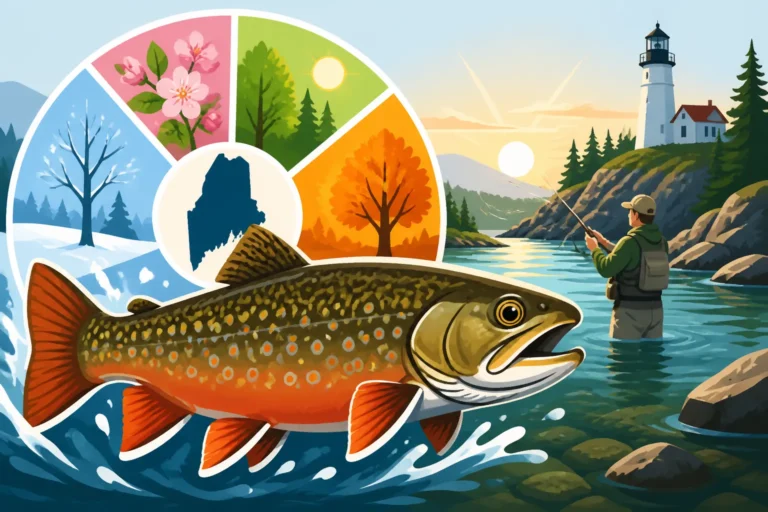
Our native brook trout, already a stunning fish, take on an even more incredible hue in the fall, often displaying brilliant reds, oranges, and deep greens, a true testament to their spawning colors. Just like the salmon, brook trout become incredibly active and aggressive as fall progresses. They move into shallower riffles, runs, and the mouths of feeder streams, seeking out prime spawning grounds. This is an ideal time for fly fishing, as they'll readily take nymphs, dry flies (especially during a hatch), and small streamers. Spin anglers will find success with small spinners and worms. Whether you're targeting wild brook trout in a remote pond or larger, stocked fish in a popular stream, autumn offers some of the best opportunities to hook into these beautiful and feisty fish. For comprehensive tips on pursuing them, explore our Brook Trout Fishing in Maine guide.
Togue (Lake Trout) Preparing for Winter
While landlocked salmon and brook trout get a lot of the fall glory, don't overlook the togue, as we Mainers lovingly call lake trout. These deepwater denizens also become more active in the fall, albeit often remaining in slightly deeper water than salmon and brook trout. As water temperatures drop, togue will move up in the water column and often cruise shallower structures like rocky points, humps, and ledges. They are bulking up for winter, and their predatory instincts are in full swing. This is a fantastic time for trolling large spoons, stickbaits, or baitfish imitations, especially at dawn and dusk. You might also find success jigging in those shallower transition zones. While they may not offer the aerial acrobatics of a salmon, togue are powerful fighters, and landing a big one on a crisp fall day is immensely satisfying. Learn more about these fascinating fish with our Lake Trout and Togue Fishing in Maine guide.
Fall Bass Fishing: A Surprise Season
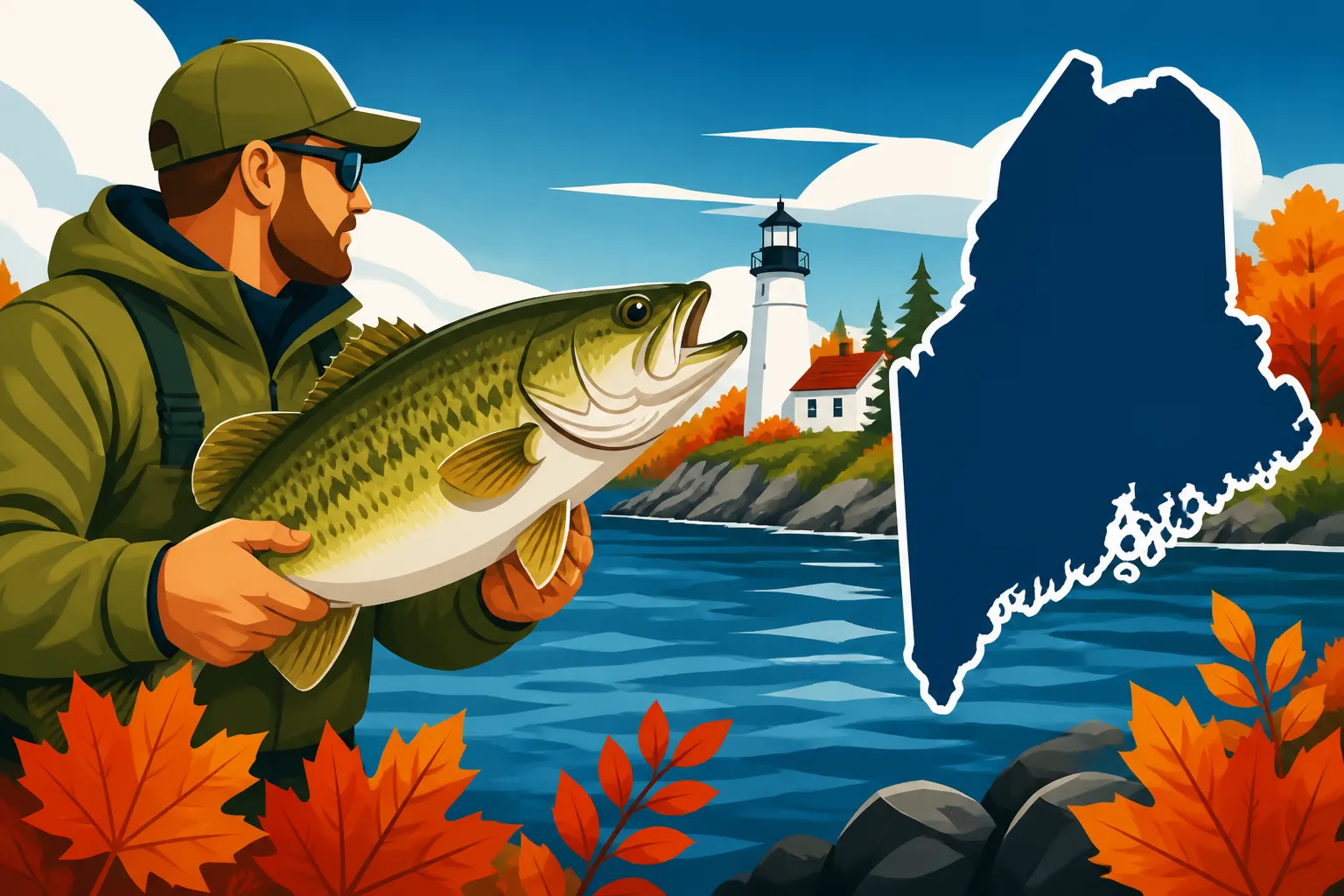
Many people think of bass fishing as a summer pursuit, but fall can actually offer some of the most exciting bass fishing of the year in Maine. Both smallmouth and largemouth bass, sensing the impending winter, go on a serious feeding binge. They'll often move out of their deep summer haunts and congregate in shallower, warmer bays, around rocky points, and along weed lines, aggressively chasing baitfish. This can lead to incredible topwater action on warm, sunny afternoons, or fantastic success with crankbaits, spinnerbaits, and jigs. Don't be surprised to find larger bass in these shallower areas, as they're trying to pack on calories. The fall transition can be a bit tricky to pinpoint, but once you find where the bass are holding and feeding, the action can be non-stop. Be sure to check Maine's Maine Bass Fishing Limits by Zone before heading out.
Essential Fall Fishing Techniques for Maine's Lakes and Rivers
Fishing in the fall requires a slight adjustment in tactics compared to summer or spring. Cooler water temperatures and changing fish behavior mean that certain techniques become more effective. Adapting your approach will lead to greater success and more fish in your net.
Trolling Strategies for Deepwater Fish
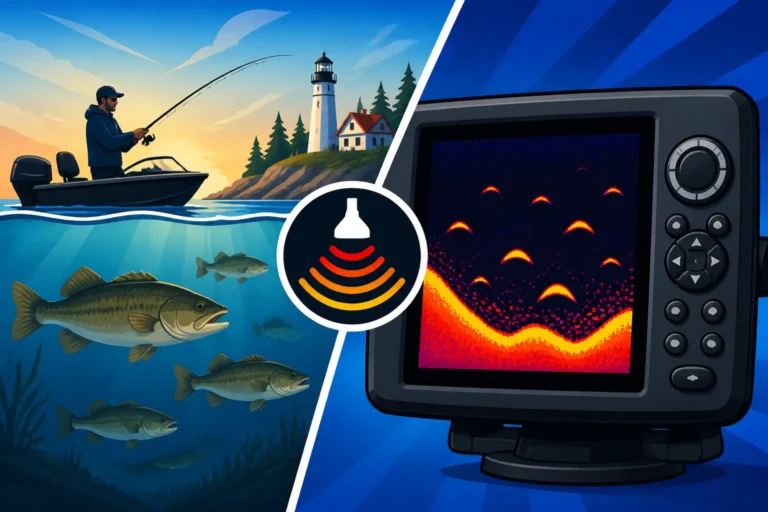
Trolling is a cornerstone technique for fall fishing, especially when targeting larger, deeper-dwelling fish like landlocked salmon and togue in Maine's expansive lakes. As the surface waters cool, these fish often still hold at specific depths where the water temperature is ideal, or they're actively chasing baitfish schools that have moved. You'll want to employ a variety of trolling methods, adjusting your speed, depth, and lure selection until you find what's working. Downriggers are invaluable for precision depth control, but lead-core line, sinking fly lines, or even weighted monofilament can also get your lures down. Experiment with different speeds; sometimes a slow, methodical pull is best, while other times a faster retrieve can trigger a strike. Large spoons, stickbaits, and sewn baitfish are perennial favorites. Remember to keep an eye on your fish finder for bait balls or fish arches, which can indicate prime trolling lanes. Understanding Trolling Techniques for Maine Lakes is essential for maximizing your autumn harvest.
Fly Fishing the Riffles and Runs
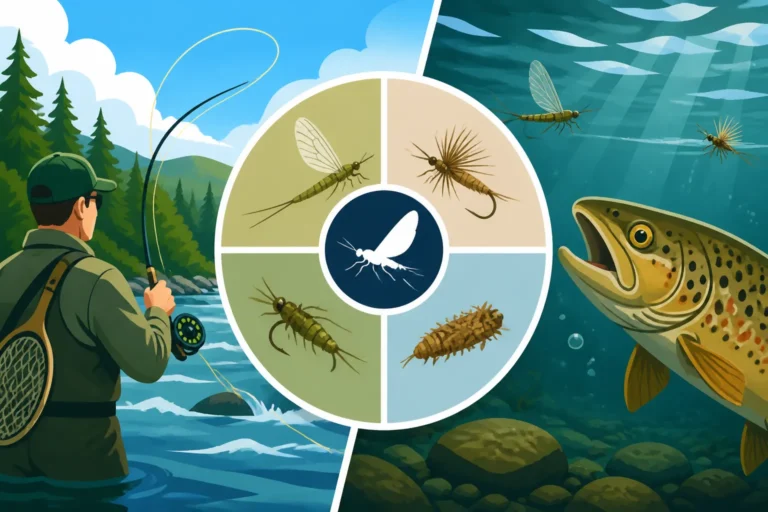
For the fly angler, fall offers some of the most rewarding and visually stunning experiences. As salmon and brook trout prepare for spawning, they move into the shallower, oxygen-rich riffles, runs, and pocket water of rivers and streams. This makes them highly accessible to wade fishermen. Matching the hatch is always important, but in fall, larger streamers mimicking baitfish or even smaller terrestrial patterns can be incredibly effective, especially as fish become more opportunistic feeders. Dead-drifting nymphs through deeper pools and runs can also produce excellent results. Don't be afraid to experiment with brighter, more aggressive patterns, as the fish are often more willing to chase. Early mornings and late afternoons, when the light is low and the air is crisp, are often prime times. The vibrant foliage reflecting on the water as you cast is simply incomparable. For those new to the sport, our guide to Fly Fishing Techniques for Maine Rivers can provide a great starting point.
Shore and Wade Fishing for Active Feeders
While boats and canoes are fantastic for covering water, don't underestimate the power of good old-fashioned shore or wade fishing in the fall. Many of the fish we target—especially brook trout and staging salmon—move into areas that are accessible from the bank or by wading. Look for river bends, rock outcroppings, the mouths of feeder streams, and even shallow lake coves that are rich in structure and hold baitfish. Casting spinners, spoons, or even live bait like worms or shiners from shore can be incredibly effective. For those willing to don waders, moving through a river system allows you to actively seek out prime holding water. Just remember to move slowly and deliberately, disturbing the water as little as possible. Safety is paramount when wading in cold fall waters, so always wear appropriate waders and a wading belt. Even simple gear, easily acquired from retailers like Amazon, can make a huge difference in comfort and success when shore fishing.
Navigating Maine's Fall Fishing Regulations and Seasons
Maine prides itself on its carefully managed fisheries, which is why understanding the specific regulations for fall fishing is absolutely crucial. Failing to know the rules can quickly turn a fantastic day into a frustrating or even costly experience. Maine's fishing regulations can sometimes feel complex, but they are designed to protect our precious resources.
Understanding General Law vs. Special Regulations
One of the biggest hurdles for any angler in Maine is distinguishing between "General Law" and "Special Regulations." While General Law provides a baseline set of rules for most waters, many specific lakes, ponds, and sections of rivers have their own unique, "special" regulations. These might dictate different season dates, bag limits, length limits, or even tackle restrictions (e.g., fly-fishing only, artificial lures only). In the fall, especially as fish gather for spawning, some waters might close entirely to fishing, or switch to catch-and-release only for certain species to protect vulnerable spawning populations. It's imperative to consult the Maine Department of Inland Fisheries and Wildlife (MDIFW) open water fishing guide every year before you go, as regulations can and do change. A quick search on Amazon for a waterproof map of your target fishing area can also help you identify specific water bodies and their associated rules. Our comprehensive Maine Fishing Regulations Explained guide offers a deeper dive into these nuances.
Key Dates and Season Closures to Watch For
Fall in Maine sees a dynamic shift in fishing season dates. While many waters remain open through September and October, some popular salmon and trout rivers and streams will close to all fishing, or transition to strict catch-and-release, on specific dates, often at the end of September or mid-October. This is primarily to protect spawning fish. For example, the headwaters of some rivers and brooks where wild brook trout spawn may have earlier closures. It's not uncommon for certain lakes to have different season dates for different species within the same water body. Always double-check the exact dates for the specific body of water and species you intend to target. Missing a closure date can result in fines and the loss of your fishing privileges. Planning your trips around these critical dates, which are detailed in our Maine Fishing Season Dates Guide, is key to legal and ethical angling.
Bag and Length Limits: Staying Legal
Even when waters are open, fall regulations often include specific bag and length limits that are critical to follow. These limits can vary wildly from one lake to another, or even between different sections of the same river, often based on the health of the local fish population and specific management goals. For instance, you might find a brook trout limit of one fish over 12 inches on one pond, while a nearby stream has a five-fish general law limit with no minimum length. For landlocked salmon, there might be a "slot limit" where only fish within a certain size range can be kept. Always measure your fish carefully and release anything that falls outside the legal harvest window. If you're unsure, it's always best to err on the side of caution and release the fish. Carrying a measuring tape and familiarizing yourself with Maine Fish Bag Limits Guide before you leave home will prevent any unintended violations.
Gear Up for Success: Fall Fishing Essentials
Fishing in Maine during the fall means being prepared for anything. The weather can be glorious one moment and brisk the next, and the fish are often more active, requiring gear that can handle the fight. Having the right equipment isn't just about comfort; it's about maximizing your chances of success and staying safe.
Rods, Reels, and Lines for Autumnal Angling
Your choice of rod and reel will largely depend on the species you're targeting and the techniques you plan to employ. For general lake fishing for salmon and togue, a medium-action spinning rod (6'6" to 7'6") paired with a reliable 2000-3000 series reel spooled with 6-10 lb test monofilament or fluorocarbon is a great all-around choice. If you're trolling, consider a dedicated trolling rod with a baitcasting reel spooled with lead-core or braided line for better depth control. Fly anglers will find a 5- or 6-weight fly rod suitable for most brook trout and smaller salmon in rivers, while a 7- or 8-weight might be better for larger lake-run salmon or windy conditions.
Line choice is critical in the clearer, cooler fall waters. Fluorocarbon leaders are excellent for their invisibility and abrasion resistance. Remember that fish are often fighting harder in the colder water, so ensure your drag is set properly and your knots are strong. Keeping your reels clean and well-lubricated is also paramount, especially if you get caught in a sudden rain shower. You can find excellent quality and affordable options for all these components on Amazon, often with detailed reviews to guide your purchase.
Lures and Baits That Shine in Cooler Waters
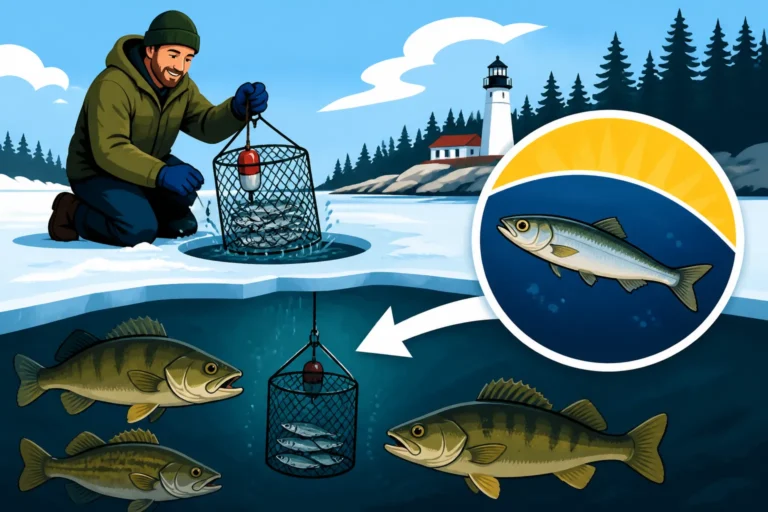
Fall fish are generally aggressive, but they can also be particular. Baitfish imitations are almost always a solid choice. For salmon and togue, consider classic trolling spoons like Mooselook Wobblers, Flash Kings, or various stickbaits in natural baitfish patterns (smelt, shiner). Live smelt or shiners can also be incredibly effective, especially when dead-drifting or slow-trolling. For brook trout, small spinners (like Mepps or Panther Martin) in silver, gold, or black are excellent, as are small jigs tipped with a worm. Fly anglers should have a good selection of streamers (Muddler Minnows, Grey Ghosts), nymphs (Hare's Ear, Pheasant Tail), and attractor dry flies. Bass anglers will find success with crankbaits, spinnerbaits, and soft plastic jerkin' baits mimicking struggling baitfish. Don't be afraid to experiment with brighter colors early in the fall or on cloudy days, as the fish's vision in cooler, often clearer water can be quite sharp.
Dressing for the Maine Fall Weather
Layering is not just a suggestion; it's a necessity for fall fishing in Maine. Mornings can be frosty, afternoons surprisingly warm, and evenings can bring a chilling dampness. Start with a moisture-wicking base layer to keep sweat away from your skin. Add an insulating middle layer, such as fleece or wool, which retains warmth even when wet. Your outer layer should be waterproof and windproof—a good quality rain jacket and pants are essential, even if rain isn't in the forecast, as they provide critical protection against wind chill.
Don't forget accessories: a warm hat (many of us lose most of our heat through our heads), insulated gloves, and warm, waterproof footwear are non-negotiable. If you're wading, invest in good quality waders that fit well and don't leak. A good pair of polarized sunglasses will help you spot fish and protect your eyes from glare. Being comfortable and dry will significantly extend your time on the water and make the experience much more enjoyable.
| Species Targeted | Best Fall Technique(s) | Recommended Lures/Bait | Best Time of Day |
|---|---|---|---|
| Landlocked Salmon | Trolling, Fly Fishing (streams) | Spoons, Stickbaits, Smelt, Streamers | Dawn/Dusk, Overcast |
| Brook Trout | Fly Fishing, Spin Casting | Small Spinners, Worms, Nymphs, Dry Flies, Streamers | Mornings, Late Afternoon |
| Togue (Lake Trout) | Trolling, Jigging | Large Spoons, Stickbaits, Smelt | Dawn/Dusk, Midday (deep) |
| Smallmouth Bass | Spin Casting, Topwater | Crankbaits, Spinnerbaits, Jigs, Jerkbaits | Midday, Late Afternoon |
| Largemouth Bass | Spin Casting, Flipping | Jigs, Soft Plastics, Frogs (early fall) | Midday, Overcast |
Top Maine Destinations for Autumn Angling
Maine is dotted with countless lakes, ponds, and rivers, each offering unique fall fishing opportunities. Knowing where to go can make all the difference in planning a successful and memorable trip. From iconic sprawling lakes to tucked-away streams, there's a perfect fall fishing spot for every angler.
Iconic Lakes: Sebago, Moosehead, and Rangeley
When we talk about Maine's premier fishing destinations, names like Sebago, Moosehead, and Rangeley Lakes inevitably come up, and for good reason. These massive bodies of water truly shine in the fall.
- Sebago Lake: Famous for its landlocked salmon, Sebago in the fall sees these fish moving into shallower areas and congregating near tributary mouths. Trolling with spoons or live bait near the mouths of rivers like the Songo or Crooked River can be incredibly productive. You might also find large smallmouth bass moving shallow as they chase baitfish. The sheer size of Sebago means you can often find solitude, even on a popular lake. Looking for specific spots on Sebago? Our guide on Where to Catch Landlocked Salmon on Sebago Lake might be helpful.
- Moosehead Lake: As Maine's largest lake, Moosehead offers incredible opportunities for togue (lake trout), brook trout, and landlocked salmon. In the fall, togue will move up in the water column and can be found cruising rocky points and ledges. Salmon will be staging near rivers like the Roach River, making for excellent fly fishing or casting opportunities. The vastness of Moosehead means careful navigation, but the rewards are often immense, with chances at truly trophy-sized fish. You can find more targeted advice on Moosehead Lake Togue Fishing Spots in Maine.
- Rangeley Lakes: This region is legendary for its wild brook trout and landlocked salmon fisheries. The interconnected lakes—Mooselookmeguntic, Richardson, and Rangeley Lake itself—offer incredible fall action. Salmon will be congregating around spawning areas, and the brook trout in the smaller tributaries and remote ponds will be vibrant and aggressive. Fly fishing these waters in the fall is a quintessential Maine experience. If you're interested in the Rangeley Lakes, be sure to check out our Rangeley Lakes Landlocked Salmon Fishing in Maine article. These major lakes often have good public boat launches, making access straightforward.
Productive Rivers and Streams
Beyond the great lakes, Maine's rivers and streams truly come alive in the fall. The cooling waters invigorate the fish, and many species begin their spawning migrations.
- Kennebec River: The Kennebec, particularly its upper reaches, is renowned for its fall landlocked salmon and brook trout fishing. As the days shorten, salmon begin their upstream journey, making them accessible to wade and drift anglers. Below certain dams or rapids, you'll find prime holding water. Check out Kennebec River Fishing Access Points in Maine for specific locations.
- Penobscot River: Another major river system, the Penobscot offers fantastic fall opportunities, particularly for smallmouth bass and even some late-season striped bass in its tidal reaches. The upper sections can hold some impressive trout and salmon as well. You can find excellent information on Penobscot River Striped Bass Run in Maine for targeting that species in the fall.
- Androscoggin River: This river has seen a remarkable ecological recovery and now offers excellent fall fishing for smallmouth bass, trout, and even some muskie in certain stretches. Wade fishing and kayak fishing are popular ways to explore its diverse waters. Read our Androscoggin River Fishing Spots guide for more details.
Many smaller, unnamed brooks and streams also offer incredible, secluded brook trout fishing experiences, especially for those willing to hike a bit. These often hold wild, native fish that are eager to strike a well-placed fly or spinner in the autumn chill.
Lesser-Known Gems for Solitude
While the big names draw the crowds, Maine is also home to countless smaller lakes and ponds, often nestled in remote wilderness, that offer exceptional fall fishing and, perhaps more importantly, profound solitude. These "backcountry" waters often require a bit more effort to reach, perhaps a hike in, or a paddle across a smaller pond, but the rewards are often worth it. They are typically teeming with healthy populations of brook trout, and sometimes smallmouth bass.
The key to finding these gems is research: consult detailed maps, talk to local bait shops (they're a goldmine of information), or consider Hiring a Maine Fishing Guide who specializes in remote trips. These guides often know secret spots that aren't widely publicized. The experience of casting a fly into a pristine pond surrounded by untouched fall foliage, with no one else in sight, is something truly unforgettable. It's in these quiet corners that you often find the truest essence of Maine fall fishing, away from the hustle and bustle, where the only sounds are the rustle of leaves and the splash of a rising trout.
Beyond the Catch: Embracing the Maine Fall Experience
While landing a trophy fish is certainly a highlight of any fishing trip, the true magic of fall fishing in Maine extends far beyond the strike. It’s an immersive experience that engages all your senses and offers a unique connection to the natural world.
The Scenery and Wildlife Encounters
There's no denying that Maine in the fall is simply breathtaking. The forests explode into a symphony of reds, oranges, and yellows, making every cast a postcard-worthy moment. The crisp air carries the scent of pine and damp earth, and the sun, lower in the sky, casts long, dramatic shadows over the landscape. This time of year also means increased wildlife activity. Deer are often more visible, preparing for the rut. Moose, too, are more active, and spotting one along the shore or crossing a river is a truly awe-inspiring experience. Bald eagles soar overhead, looking for their next meal, and various waterfowl gather on the lakes before their long migrations south. Sometimes, the fish might not bite, but the sheer beauty of your surroundings and the incredible wildlife encounters will still make it a profoundly enriching day. It’s a holistic experience that reminds us why we cherish these wild places.
Planning Your Fall Fishing Getaway
A successful fall fishing trip in Maine isn't just about showing up with a rod. It requires a bit of thoughtful planning. First, decide what kind of experience you're after: remote wilderness solitude, or easier access to popular waters? Next, pinpoint your target species, as this will dictate your location and techniques. Consider accommodations, from cozy lakeside cabins to remote sporting camps or even pitching a tent in a state park. Remember, while crowds thin out, popular lodges can still book up, especially during peak foliage season.
Always check the local weather forecast and pack accordingly; Maine weather is notoriously fickle. Inform someone of your itinerary, especially if you're heading into remote areas. Having a good map, a compass, and possibly a GPS device is always a good idea. Consider purchasing your Maine Fishing License Guide in advance, either online or from a local agent, to avoid any last-minute hassles. And don't forget to research local dining options—a warm meal after a cool day on the water is one of life's simple pleasures.
Preserving the Resource: Catch and Release Ethos
While Maine allows for the harvest of fish within specified limits, embracing a strong catch-and-release ethic, especially in the fall, is vital for the long-term health of our fisheries. Many of the fish you're targeting in autumn, particularly salmon and trout, are preparing to spawn. Releasing these fish, especially the larger, healthier ones, ensures future generations of strong, wild populations.
When practicing catch and release, handle fish gently: wet your hands before touching them, minimize their time out of water, use de-barbed hooks, and revive them carefully before letting them go. Avoid dragging fish onto dry ground or rocks. If you plan to take a photo, do so quickly and efficiently, keeping the fish as low to the water as possible. The goal is to send them back into the water strong and ready to contribute to the next generation. By doing our part, we ensure that the magic of fall fishing in Maine can be enjoyed for many years to come by everyone, making it a sustainable and ethical pursuit.
Disclaimer
Please note that fishing regulations in Maine are subject to change. Always consult the most current Maine Department of Inland Fisheries and Wildlife (MDIFW) open water fishing law book or their official website before heading out on any fishing trip. This guide is for informational purposes only and should not be considered a substitute for official regulations.