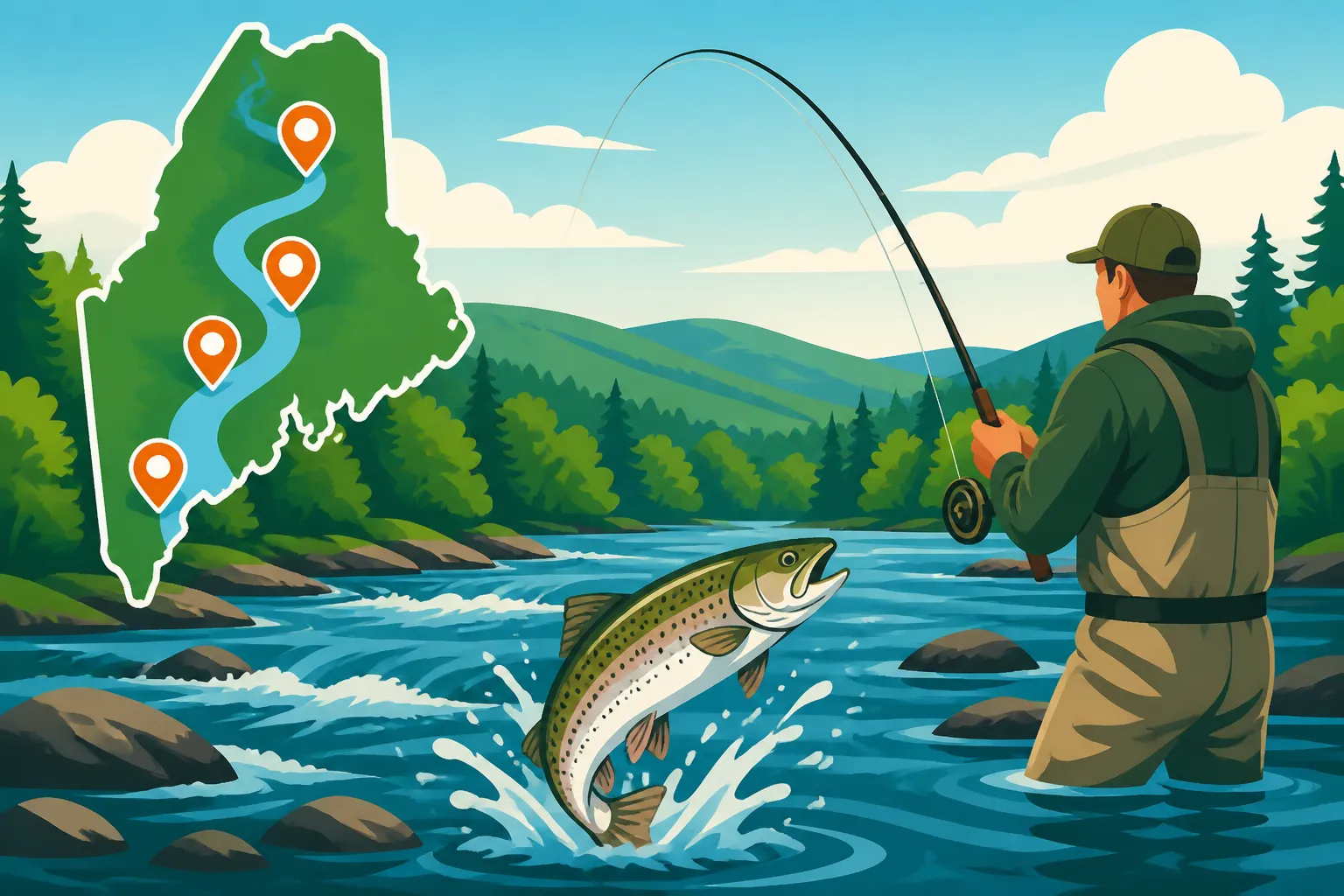
Androscoggin River Fishing Spots
Navigating a river as long and historically significant as the Androscoggin can feel like trying to solve a puzzle, especially when you’re looking for those prime fishing spots. Many anglers, myself included, have stood on its banks wondering where to even begin, given its incredible recovery and diverse stretches. This comprehensive guide aims to demystify the Androscoggin, breaking down its varied fishing opportunities from its headwaters to its tidal reaches, helping you pinpoint exactly where to cast your line for a memorable Maine fishing experience.
Understanding the Androscoggin River's Unique Character
The Androscoggin River is truly a survivor, a testament to what dedicated conservation efforts can achieve. For decades, it bore the brunt of industrial activity, making it less than ideal for fishing, let alone swimming. But oh, how things have changed! Today, it's a vibrant waterway teeming with life, a success story that inspires anglers and environmentalists alike. It flows over 170 miles, starting in the mountains of New Hampshire and making its way through western and central Maine before emptying into Merrymeeting Bay, eventually reaching the Atlantic Ocean. This long journey means the river changes character dramatically along its course, offering a remarkable diversity of fishing experiences.
A River of Transformation: Upper vs. Lower Stretches
When you think about the Androscoggin, it's really like thinking about two, or even three, different rivers rolled into one. The upper stretches, particularly those closer to the New Hampshire border and through towns like Bethel, are quintessential coldwater fisheries. Here, the river is often shallower, faster-flowing, and punctuated by riffles, runs, and deep pools that provide ideal habitat for trout and salmon. The water is colder, clearer, and the surrounding landscape is more rugged, giving you that classic Maine wilderness feel.
As you move downstream, especially past Rumford and toward towns like Lewiston and Auburn, the river begins to widen and slow considerably. The terrain flattens out, and the influence of past industrial use becomes more apparent, though thankfully, the water quality has improved immensely. This middle section transitions into more of a warmwater fishery, where different species thrive. Further still, as the river approaches Brunswick and Topsham, it starts to feel the pulse of the ocean. This lower stretch is tidal, leading into the vast freshwater estuary of Merrymeeting Bay, a truly unique ecological area where freshwater fish mingle with anadromous species like striped bass. Understanding this natural progression is key to unlocking the river's full fishing potential.
Diverse Habitats and Ecosystems
The varied flow and geology of the Androscoggin River create an incredible array of habitats. In its upper reaches, you’ll find classic freestone river features – plenty of rocks, gravel beds, and oxygenated riffles that are perfect for wild and stocked brook trout, brown trout, and even some landlocked salmon. These areas often have undercut banks and submerged logs, offering excellent cover for fish. Think of places where the river braids around islands or drops over small ledges, creating foamy pockets and deeper seams where fish ambush prey.
Further downstream, as the river slows, you'll encounter broader, deeper pools and sections of calmer, almost lake-like water. Here, the substrate changes to more silt and mud, and aquatic vegetation becomes more prevalent. These conditions are ideal for warmwater species such as smallmouth bass, largemouth bass, and chain pickerel. You might also find significant numbers of white and yellow perch, which thrive in these slower, richer waters. Tributaries, large and small, continually feed into the Androscoggin, each bringing its own unique contribution of water temperature, flow, and nutrients, creating additional micro-habitats and often serving as critical spawning grounds or thermal refuges for fish. Knowing these subtle differences will guide your choice of gear and technique.
Prime Freshwater Fishing Locations on the Androscoggin
For those of us who love chasing coldwater species, the upper and middle sections of the Androscoggin offer some fantastic opportunities. The river's recovery means that stretches once thought barren are now vibrant and productive, rewarding those who know where to look.
Upriver Gems: Bethel to Rumford
This section of the Androscoggin River, roughly from Bethel through Hanover and on to Rumford, is widely regarded as its premier coldwater fishery. The river here is characterized by its lively, freestone nature, with numerous rapids, riffles, and deep, clear pools. It’s a true delight for fly anglers and spin fishermen alike, offering consistent action for trout and salmon.
One of the most popular and productive areas is right around Bethel. The river flows through town, and there are several public access points. You can often find fantastic brook trout and brown trout in the runs and pools just upstream and downstream of the Route 2 bridge. Local anglers often recommend targeting the seams where faster water meets slower water, or casting into the shaded areas under overhanging trees. Further downstream, past Hanover, towards Rumford, the river continues to offer excellent coldwater habitat. You'll find stretches that are designated as "fly fishing only" or "catch and release," which help maintain healthy fish populations. These special regulations, which you can always find detailed in the Maine Fishing Regulations Explained, often lead to larger, more feisty fish. Access near Rumford can be found via local roads and some designated boat launches, though many spots are best explored on foot for wade fishing. Don't be surprised to hook a landlocked salmon in these waters, especially during the spring and fall runs when they're more active.
The Middle Section: Rumford to Lewiston-Auburn
As the Androscoggin flows from Rumford towards the urban centers of Lewiston and Auburn, its character undergoes a gradual but distinct shift. While pockets of cold water still exist, especially near tributary mouths, this stretch increasingly caters to warmwater species. The river widens significantly, the current generally slows, and you'll find more impoundments and larger, deeper pools created by historical dams (many now removed or modified, further improving fish passage).
This middle section is a fantastic place to target smallmouth bass. They love the rocky bottom structure and current breaks found here. Look for them around submerged boulders, bridge pilings, and the edges of current seams. Early mornings and late evenings during the summer are prime times for topwater action, while jigs and soft plastics worked along the bottom can be incredibly effective during the heat of the day. Northern pike have also established a strong presence in the slower, weedier sections of this part of the river. These aggressive predators can offer some thrilling action, often found lurking in dense cover. Access points are available in various towns along this stretch. For instance, in Turner or Greene, you can often find public boat launches or shore fishing opportunities. Always remember to check the Maine Fishing License Guide to ensure you have the appropriate licensure before heading out.
Exploring the Tidal Influence: Lewiston-Auburn Downstream
The transition from freshwater to tidal influence fundamentally changes the fishing dynamics of the Androscoggin River. Once you pass the Lewiston-Auburn area, the river begins its journey towards Merrymeeting Bay and the ocean, and with it comes a whole new set of opportunities and challenges for anglers.
Lewiston-Auburn to Brunswick-Topsham
Below the falls in Lewiston, the Androscoggin broadens into a more sedate, almost lake-like waterway in places, before picking up speed again as it approaches the coastal plain. This stretch, particularly as you get closer to the towns of Lisbon, Durham, and finally Brunswick and Topsham, offers a unique blend of freshwater and increasingly brackish water species. While smallmouth bass remain a dominant force here, thriving in the slower, warmer waters, you’ll also find largemouth bass lurking in the weedier coves and backwaters. This section is also known for robust populations of white and yellow perch, chain pickerel, and various panfish, making it a great spot for family fishing outings or for those looking for consistent action.
The beauty of this area is that while it primarily fishes as a warmwater river, the occasional striped bass will push far upriver, especially during high tides and strong runs of baitfish. These anadromous visitors are a thrilling bonus to an already productive fishery. Access can be found at several public boat launches, such as those in Lisbon Falls or near Brunswick, which allow anglers to explore the extensive main channel and its many tributaries. The larger, deeper pools and river bends are often honey holes for bass, particularly when fishing jigs or crankbaits that mimic the river's abundant baitfish. Understanding the subtle shifts in current and depth here, perhaps with the help of a fish finder, can greatly enhance your success.
Lower River and Merrymeeting Bay
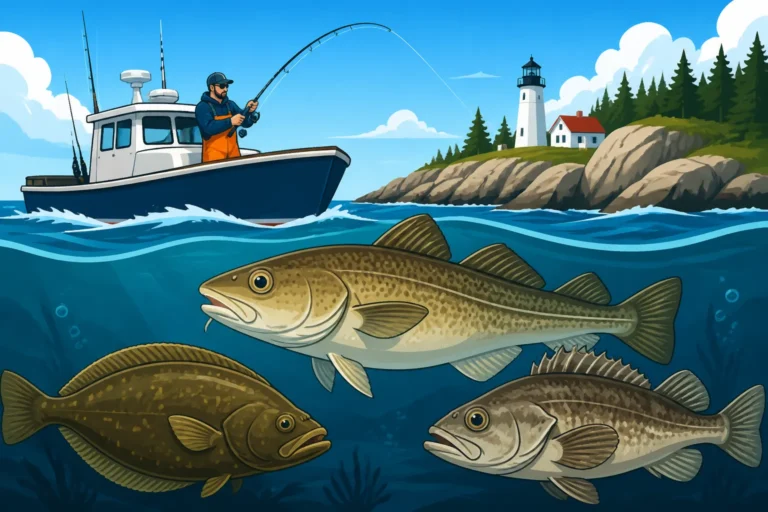
As the Androscoggin River flows into Merrymeeting Bay, it becomes part of one of North America's largest freshwater tidal estuaries, a truly remarkable ecological treasure. Here, it converges with the Kennebec, Cathance, Muddy, Abagadasset, and Eastern Rivers, creating a vast body of water that is fresh, yet experiences significant tidal fluctuations. This unique environment is an absolute magnet for fish, particularly striped bass, which migrate up from the ocean.
Merrymeeting Bay and the lower Androscoggin below Brunswick are prime territory for Striped Bass Fishing in Maine. Anglers flock here during the warmer months, especially from late spring through early fall, to chase these powerful game fish. The tidal currents concentrate baitfish, making it an ideal ambush point for stripers. You'll find stripers feeding aggressively around structure, current seams, and drop-offs. Popular access points include public launches in Bowdoinham and Brunswick, allowing direct access to the lower river and the bay. While chasing stripers, it’s not uncommon to encounter other fascinating species like Atlantic sturgeon (catch and release only, of course) and various schooling fish. Keep an eye on the tides, as they heavily influence where and when the fish will be feeding. Trolling tube-and-worm rigs or casting soft plastics are highly effective techniques here. For visitors, consulting a local guide found on platforms like FishingBooker can provide invaluable insight into the best tidal patterns and spots.
Target Species and Effective Techniques for the Androscoggin
The diverse habitats of the Androscoggin River mean you can literally target different species in different sections with vastly different techniques. It's what makes this river so captivating for anglers. Knowing what to pursue and how to pursue it effectively is half the battle.
Freshwater Fish: Trout, Salmon, and Bass
In the upper Androscoggin, trout and landlocked salmon are the stars of the show. For those chasing native brook trout and robust brown trout, fly fishing reigns supreme. Standard dry fly patterns like Adams, Caddis, and Hendrickson are often productive during hatches, especially in the evening. When the fish are holding deeper or not rising, nymphing with patterns like Prince Nymphs, Hare's Ears, and Pheasant Tails, or stripping small streamers such as Woolly Buggers and Grey Ghosts, can be incredibly effective. Spin fishermen will find success with small inline spinners (like Mepps or Panther Martin) or tiny spoons. Live worms or mealworms fished under a bobber can also yield excellent results. Always aim your casts into faster riffles, current seams, or the heads of deeper pools where these coldwater species prefer to hold. For specifics on size and bag limits, always check the Brook Trout Daily Bag Limits for the zones you're fishing.
Moving downstream into the middle sections, Smallmouth Bass Fishing in Maine becomes a major draw. These hard-fighting fish are plentiful and aggressive. For smallmouth, topwater lures like poppers, walking baits, and buzzbaits create explosive strikes, particularly in low light conditions. Crankbaits that dive to different depths, soft plastic jigs, and creature baits fished along the bottom or near rocky structure are also highly effective. Spinners and spoons, slightly larger than those used for trout, can also entice a bite. For those looking for the elusive landlocked salmon, early spring and late fall are often the best times. Trolling small spoons or streamers from a boat, or casting similar offerings from shore in the deeper pools, can be productive. Knowing the Landlocked Salmon Size Limit in Maine is crucial before you keep any fish.
Anadromous & Warmwater Species: Stripers, Pike, and Perch
As you enter the lower, tidal stretches and Merrymeeting Bay, your focus will likely shift to different species and techniques. Striped bass are without a doubt the most sought-after anadromous fish. For these powerful predators, a variety of techniques work well. Trolling with tube-and-worm rigs or large plugs is popular from boats, especially in the main channels. Casting artificial lures like soft plastic paddletails (e.g., Al Gag's Whip-It Fish or Zoom Super Fluke) on jig heads, large swimming plugs, or even traditional bucktail jigs can be incredibly effective when stripers are actively feeding on baitfish near structure or surface disturbances. Fly fishermen can also have a blast targeting stripers with large baitfish patterns like Lefty's Deceiver or Clouser Minnows. Live bait, such as mackerel, menhaden, or eels, can also be deadly, especially when fished on the bottom or under a float in strong currents.
For northern pike, which are ambush predators thriving in the slower, weedier sections of the middle and lower river, heavy gear is recommended. Large spinnerbaits, spoons, and swimbaits are excellent choices. They often lurk in thick vegetation, so weedless presentations can be key. Don’t forget to bring a steel leader to prevent bite-offs from their razor-sharp teeth. Meanwhile, for the abundant white and yellow perch, light tackle and simple setups are often all you need. Small jigs tipped with a piece of worm, tiny spinners, or even just a worm under a bobber will typically keep you busy. They are delicious panfish and make for a great meal after a day on the river. Many anglers find the Maine Open Water Fishing Techniques Guide a valuable resource for these species.
Here's a quick overview of some prime Androscoggin River fishing spots, target species, and recommended access:
| Section of River | Key Towns | Primary Target Species | Recommended Access Method | Notes |
|---|---|---|---|---|
| Upper River | Bethel, Hanover | Brook Trout, Brown Trout, Landlocked Salmon | Wade, Kayak, Small Boat | Freestone river, good for fly fishing. Check for special regulations (e.g., catch-and-release). |
| Middle River (Upper) | Rumford, Canton | Brook Trout, Brown Trout, Smallmouth Bass | Wade, Kayak, Small Boat | Transition zone, some coldwater species still present. Good mix of riffles and pools. |
| Middle River (Lower) | Turner, Lisbon Falls | Smallmouth Bass, Largemouth Bass, Northern Pike, Perch | Kayak, Canoe, Larger Boat | Wider, slower sections with more warmwater habitat. Look for submerged structures and weed beds. |
| Lower River & Merrymeeting Bay | Brunswick, Topsham, Bowdoinham | Striped Bass, Smallmouth Bass, Largemouth Bass, Perch | Larger Boat (Tidal), Shore | Significant tidal influence. Prime for striped bass during migrations. Abundant baitfish. Consider a Maine Saltwater Fishing Registry Guide for striped bass. |
Accessing the River and Essential Tips
Getting onto and navigating the Androscoggin River requires a bit of planning, but the rewards are well worth the effort. From finding suitable entry points to understanding the unique rules of the river, preparation is key to a successful trip.
Public Access Points and Boat Launches
Thankfully, there are numerous public access points scattered along the entire length of the Androscoggin, thanks to state and municipal efforts, as well as the generosity of private landowners. In the upper reaches, especially around Bethel and Rumford, many areas allow for wade fishing, provided you respect private property. Look for designated public access signs or parking areas off routes like Route 2. Small boat and kayak launches are available in many towns, making it easy to drift or paddle sections of the river that are too deep to wade.
As you move into the wider, slower middle sections, boat launches become more frequent and accessible for larger boats. Towns like Turner, Lisbon, and Lewiston-Auburn have municipal or state-managed boat ramps that cater to a variety of vessels. These are crucial for accessing the extensive stretches of river where bass and pike lurk. For the tidal lower river and Merrymeeting Bay, larger, deep-water boat launches are essential, such as those found in Bowdoinham or Brunswick. These launches often come with ample parking and can accommodate trailers, making it convenient for those bringing their own boats. Always make sure you're parking in designated areas and leaving no trace, ensuring these precious access points remain open for all.
Navigating Regulations and Hiring a Guide
One of the most crucial aspects of fishing the Androscoggin, or any Maine waterbody for that matter, is understanding and adhering to the fishing regulations. Maine has a comprehensive set of rules that vary not only by species but also by specific water body and time of year. For instance, the general law for Maine Fishing Season Dates Guide might apply, but certain sections of the Androscoggin River could have special regulations for minimum length, bag limits, or even tackle restrictions. It’s absolutely essential to consult the most current Maine Department of Inland Fisheries and Wildlife (MDIFW) open water fishing law book before you head out. This isn't just about avoiding a fine; it's about contributing to the conservation efforts that have made the Androscoggin the remarkable fishery it is today.
For those new to the river, or even seasoned anglers looking to maximize their time, hiring a local guide can be an invaluable investment. A Registered Maine Guide knows the river like the back of their hand – they understand the currents, the best spots for different species at different times of the year, and crucially, they know the specific regulations that apply to each stretch. They can also provide all the necessary gear and teach you the most effective techniques. Websites like FishingBooker are excellent resources for finding reputable, licensed guides who specialize in the Androscoggin River, whether you’re looking to fly fish for trout in the upper reaches or chase stripers in Merrymeeting Bay. A guided trip can shorten the learning curve immensely and significantly increase your chances of a successful and enjoyable day on the water.
Disclaimer
Please remember that fishing conditions, regulations, and access points can change. Always consult the latest official Maine Department of Inland Fisheries and Wildlife (MDIFW) regulations before planning your trip. This guide is for informational purposes only and should not replace official sources.