Kennebec River Fishing Access Points in Maine
Trying to figure out where to even begin fishing the mighty Kennebec River in Maine can feel like trying to find a needle in a haystack, especially with its vast length and ever-changing character. You’ve heard tales of incredible trout, landlocked salmon, and feisty striped bass, but actually pinpointing reliable, legal access points, whether you’re launching a boat, wading, or fishing from shore, can be a real headache. This comprehensive guide is here to cut through that confusion, breaking down the Kennebec into manageable sections and highlighting the best access points for different types of fishing and anglers, so you can spend less time guessing and more time casting.
Understanding the Kennebec River's Diverse Character
The Kennebec River isn't just one type of fishery; it's a tapestry of diverse environments stretching over 170 miles from Moosehead Lake all the way down to the Atlantic Ocean at Phippsburg. This means the kind of fishing you'll encounter, the species you'll target, and even the regulations that apply, will change dramatically as you move along its length. It's crucial to understand these distinctions before you even think about packing your gear.
Headwaters to Waterville: From Wild Trout to Hydro-Impounded Waters
Starting way up north, the Kennebec’s journey begins in the vast wilderness of Moosehead Lake, flowing south as a classic cold-water fishery. In its northernmost stretches, like the East Outlet of Moosehead Lake, you're looking at prime brook trout and landlocked salmon territory. These are often wild, wary fish that thrive in the fast-moving, oxygen-rich waters. As you move downstream, the river passes through various hydropower dams, such as those near Bingham and Madison, which significantly alter its flow and habitat.
These dammed sections create larger, slower-moving impoundments, often deeper and with different species compositions. While some stretches remain excellent for trout and salmon, you'll also start encountering smallmouth bass, especially in the warmer, wider areas. The river's character here can be a real mix, offering diverse opportunities but also requiring a bit more homework to understand specific water levels and regulations. It’s not uncommon to find yourself needing to consult specific flow data before heading out, as water releases from the dams can drastically affect fishing conditions and safety.
Waterville to Augusta: Transitioning to Tidal Influence
Below Waterville, the Kennebec undergoes a significant transformation. This is where the river starts to feel the undeniable pull of the ocean tides. Even though Augusta is still a fair distance from the actual ocean, the tidal influence is real, affecting water levels, currents, and fish movements. This transitional zone marks the shift from purely freshwater species to a mix that includes anadromous fish like striped bass, especially during their spring and summer runs.
The landscape also changes, becoming more developed, with larger towns and cities along its banks. This often means more public access points, like boat launches and riverside parks, but also more boat traffic and urban influence. Fishing here requires a different approach, often blending freshwater techniques with an understanding of saltwater tides and the unique behavior of fish that migrate between the two environments. Many anglers find this part of the river incredibly exciting because you truly never know what you might hook into!
Augusta to the Ocean: The Saltwater Playground
Once you get below Augusta and especially past Merrymeeting Bay, the Kennebec becomes a full-fledged tidal estuary, merging with other significant rivers like the Androscoggin, Cathance, and Muddy rivers before spilling into the Gulf of Maine. This is prime saltwater territory, famous for its abundant striped bass fishery. While you might still encounter some lingering freshwater species in the freshest parts of Merrymeeting Bay, the focus here is overwhelmingly on saltwater gamefish.
The lower Kennebec offers incredible opportunities for boaters, kayakers, and shore anglers alike. The vast expanses of Merrymeeting Bay and the intricate network of coves, islands, and rocky shores provide endless spots to explore. For those new to saltwater fishing, or even those new to the Kennebec specifically, navigating these tidal waters can be a challenge. Checking tide charts is non-negotiable, and understanding how currents affect bait presentation and fish holding patterns becomes paramount. This is also where you might consider hiring a local guide. If you're looking to book a guided trip for striped bass in this area, platforms like FishingBooker can connect you with experienced captains who know the best spots and techniques.
Northern Kennebec: Pristine Headwaters and Trout Havens
For those who cherish the wilder side of Maine fishing, the upper Kennebec offers incredible opportunities, especially for cold-water species. This is where you really feel like you’ve escaped into the woods.
The East Outlet of Moosehead Lake
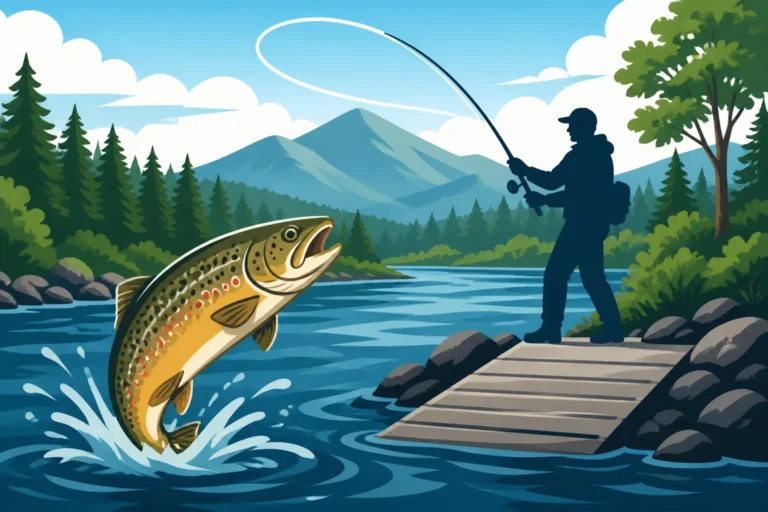
This short, but incredibly productive, stretch of river flowing directly out of Moosehead Lake near Rockwood is a legendary destination for fly anglers and spin fishermen alike. The water is consistently cold and oxygenated, making it ideal habitat for wild brook trout and robust landlocked salmon.
Access here is generally good, with several designated parking areas and walking trails along both sides of the river. The road to the East Outlet is mostly gravel, but well-maintained for general vehicle access. There are numerous pools, riffles, and runs that hold fish, and wading can be excellent in many spots, though always exercise caution with current and slippery rocks. A popular access point is near the dam itself, where you'll often find anglers lining the banks, particularly during prime morning and evening hours. Further downstream, past the initial rush, the river spreads out a bit, offering more tranquil wading opportunities. Remember that this is a special regulation water, so always check the latest Maine Fishing Regulations Explained or the annual law book for specific rules regarding flies, lures, and catch limits. Often, much of this section is catch-and-release only or has very restrictive harvest rules to protect the wild populations.
Indian Pond and Wyman Lake Impoundments
As the Kennebec flows further south from the East Outlet, it encounters a series of hydropower dams, creating large impoundments like Indian Pond (above the Harris Station Dam) and Wyman Lake (above the Wyman Dam). These are vast bodies of water, often quite deep, and offer a different fishing experience compared to the swift-flowing river segments.
For Indian Pond, access can be found in areas around The Forks, with boat launches available for those looking to explore the deeper waters. Here, you might find landlocked salmon and brook trout, particularly in the cooler, deeper sections, but also some decent smallmouth bass fishing around rocky structures and submerged timber. Wyman Lake, further downstream near Bingham, also has boat launch facilities. These impoundments can be challenging to fish without a boat due to their size, but they can yield impressive catches for those willing to put in the effort. Trolling techniques for Maine lakes can be very effective in these expansive waters, especially for salmon and lake trout (togue) if present. It’s a good idea to consult local bait shops in towns like Bingham or Moscow for up-to-date information on hot spots and current conditions before venturing out.
Middle Kennebec: Hydropower Dams and Dynamic Fisheries
The middle section of the Kennebec, broadly from Bingham down to Waterville, is characterized by its working dams and the unique fisheries they create. This part of the river demands a flexible approach due to fluctuating water levels.
The Caratunk and Solon Area
Between the large impoundments and the more developed towns, you'll find stretches of the Kennebec that offer a mix of opportunities. Around Caratunk and Solon, the river still retains a relatively wild feel in some areas, with good potential for smallmouth bass and even some holdover trout.
Access points might be less formal here, often involving smaller boat launches or wade-in spots found by exploring local roads that parallel the river. Public lands or easements can sometimes provide access. For instance, in Solon, some town-managed areas or state boat launches might be available. This is often where you'll find anglers looking for a less crowded experience, focusing on eddies and currents for bass, or probing deeper pools for lingering salmon. It’s always best to check with the Maine Department of Inland Fisheries and Wildlife (MDIFW) or local bait shops for precise locations and current conditions, as many of these spots are known by local anglers and not always widely advertised.
Skowhegan and Norridgewock: Accessible Riverfront Fishing
As you approach Skowhegan and Norridgewock, the Kennebec becomes more accessible, with a greater presence of towns and associated amenities. These areas offer a blend of shore fishing and boat launching opportunities, making them good choices for a general family outing or a quick fishing trip.
In Skowhegan, the river flows through the heart of town, providing various points of access. The public boat launch near the Skowhegan River Walk allows for easy access to the river by boat, opening up possibilities for smallmouth bass and even occasional landlocked salmon, especially in the cooler months. The banks along the River Walk itself can offer shore fishing opportunities. Similarly, Norridgewock has public access points and boat launches. The waters here are generally wider and slower than the upstream sections but still provide good current breaks and structure that hold fish. These towns are also great places to find local tackle shops where you can get the latest intel on what’s biting and where. Remember to inquire about specific Maine Bass Fishing Limits by Zone, as regulations can vary.
Lower Kennebec: Tidal Zones, Stripers, and Saltwater Access
The lower Kennebec is where the freshwater truly gives way to the tidal pulse of the ocean, creating a dynamic environment that’s a magnet for striped bass and other saltwater species.
Augusta and Hallowell: Gateway to the Estuary
Even as far north as Augusta, the Kennebec feels the tide. This section, particularly from the Cushnoc Bridge downstream, offers some fantastic opportunities for striped bass, especially during their spring and summer runs. It’s a unique spot where you can still feel the river's freshwater origins but are undeniably in a tidal zone.
In Augusta, the public boat launch at Mill Park is a popular spot, providing easy access to the river. From here, you can motor downstream to explore various channels, coves, and current breaks that hold stripers. Shore fishing is also possible from various public parks and riverfront areas in Augusta and the charming town of Hallowell, just south. These spots are excellent for casting bait or lures, particularly around the changing tides. Remember, for those targeting stripers, a Maine Saltwater Fishing Registry Guide is required, even if you’re fishing far upriver in a seemingly freshwater environment. It's often the last stop for many freshwater species, but the first taste of the ocean for others.
Merrymeeting Bay: The Inland Delta
Merrymeeting Bay is a truly unique ecological wonder and a prime fishing destination. It’s not a bay in the traditional sense, but rather a vast freshwater tidal estuary where six rivers converge (the Kennebec, Androscoggin, Cathance, Muddy, Eastern, and Abagadasset) before flowing through a narrow passage, The Chops, and continuing downstream to the ocean. This creates an incredibly rich and diverse ecosystem.
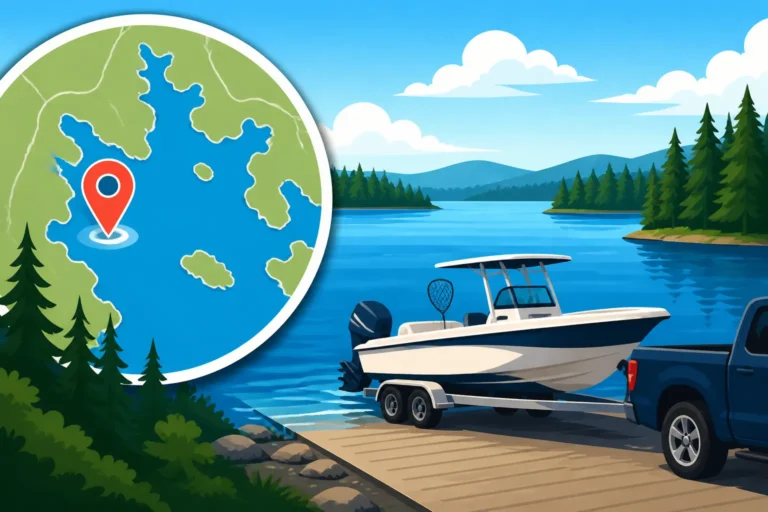
Access to Merrymeeting Bay is plentiful. Public boat launches can be found in towns like Richmond, Bowdoinham (at the Cathance River launch), and Phippsburg (at Chop’s Point, accessing the lower bay). These launches provide access to the expansive waters, which are fantastic for striped bass, especially during certain tides and seasons. The Bay is shallow in many areas, so boaters need to be mindful of navigation channels and mudflats, particularly at low tide. For kayak anglers, Merrymeeting Bay offers incredible exploration opportunities, allowing access to shallower coves and feeder creeks that larger boats can’t reach. If you're looking for an excellent local guide who specializes in this unique area for striped bass, a quick search on FishingBooker could yield some fantastic options. The combination of varied bottom structure, numerous feeder creeks, and strong tidal currents makes it a very productive but sometimes challenging fishery. Always consult a tide chart when planning your trip here.
Bath and Phippsburg: Open Water and Ocean Influence
As the Kennebec flows from Merrymeeting Bay past Bath Iron Works and out towards Phippsburg, it becomes a wide, deep tidal river, truly embodying its connection to the Atlantic. This is quintessential saltwater fishing territory, famous for its trophy striped bass and potential for other species like bluefish.
Numerous public boat launches are available in the Bath area, including the popular Phippsburg Town Dock and various smaller ramps in Georgetown and Arrowsic, which allow access to the main river channel and its many tributaries and coves. Shore access for fishing is also available at places like Popham Beach State Park (though check specific regulations for fishing within the park) and along public easements. The main channel of the lower Kennebec offers deep water for trolling or jigging for large stripers, while the numerous coves and islands provide excellent light tackle opportunities. The strong tidal currents here demand heavy tackle at times, especially when fishing deeper holes. This is a highly popular area during the Maine Striped Bass Season and Limits, and you’ll often see many boats out, particularly in the early morning and late evening.
Essential Considerations for Kennebec River Anglers
Fishing the Kennebec River is an experience, but it comes with responsibilities and practical considerations that can make or break your trip. Don't overlook these crucial details.
Understanding Maine Fishing Regulations
Maine has specific and sometimes complex fishing regulations, and the Kennebec River, with its diverse sections, is no exception. Regulations can vary significantly depending on which part of the river you're fishing, the species you're targeting, and even the time of year.
For instance, the upper river's wild trout and salmon waters often have special gear restrictions (e.g., artificial lures only, single-hook only) and catch-and-release mandates. The middle and lower river might have different length and bag limits for bass or specific slots for striped bass. Always, and I mean always, consult the most current Maine Fishing Regulations Explained or the annual MDIFW fishing law book before you head out. These are available online through the MDIFW website or at most bait and tackle shops. Failing to do so can result in hefty fines and a ruined day. It’s also important to know the difference between Maine North Zone vs South Zone Fishing Rules, as these can affect daily limits and open seasons for some species even within the broader Kennebec watershed.
Tides, Currents, and Water Levels
If you're fishing the middle or lower Kennebec, understanding tides and currents is paramount. The tidal influence extends far upriver, affecting water depth, fish behavior, and even boat navigation. For saltwater species like striped bass, fishing the right stage of the tide can be the difference between a slow day and non-stop action.
The period around slack tide (high or low) can sometimes offer a brief window of calmer water, but the moving tides often bring the most activity, as baitfish are swept along, and predators become active. Strong currents in the lower river can make anchoring difficult and require heavier weights to get your bait or lure down. Similarly, in the upper river, water releases from hydropower dams can dramatically change water levels and current speeds, impacting wading safety and fish locations. Always check tide charts for coastal sections and dam release schedules for the impounded stretches before you go. This diligence will significantly improve your chances of success and safety.
Safety First on the Water
The Kennebec River, while beautiful, can be a powerful and dangerous body of water, especially its lower tidal sections and the swift currents of the upper river. Safety should always be your top priority.
If you’re boating, ensure your vessel is properly equipped with all required safety gear, including life jackets for everyone on board. Pay attention to weather forecasts, as conditions on the water can change rapidly. Fog can roll in quickly on the lower river, and sudden squalls can create rough chop. For those wading, especially in the swift upper river, always wear a wading belt, use a wading staff, and go with a buddy. The rocks can be incredibly slippery, and a fall in strong current can be dangerous. Be aware of submerged hazards and rapidly changing water levels, particularly below dams. For open water sections, be sure to understand Maine Open Water Line Limits. Even on a pleasant day, an unexpected slip or a sudden gust of wind can turn an enjoyable trip into a serious situation.
Planning Your Kennebec Fishing Trip
So, you’ve got the intel on the Kennebec. Now it's time to put that knowledge into action and plan a memorable fishing trip.
Choosing Your Target Species and Location
With the Kennebec offering everything from wild brook trout to trophy striped bass, your first step in planning is to decide what you want to catch. This will directly dictate where on the river you should focus your efforts.
- For Trout and Salmon: Head to the upper Kennebec, especially the East Outlet. Look for cold, clear water with good current and structure. Fly fishing is particularly popular here.
- For Smallmouth Bass: The middle Kennebec, particularly the impoundments and river sections between Skowhegan and Waterville, offers excellent smallmouth fishing. Target rocky areas, current breaks, and submerged timber.
- For Striped Bass: The lower Kennebec, from Augusta downstream through Merrymeeting Bay to the ocean, is your prime striper territory. Focus on tidal movements, structure, and areas where baitfish congregate. Remember to research Maine Striped Bass Season and Limits before you go.
Once you know your target, you can narrow down the specific access points discussed earlier. Consider what kind of experience you want – remote wilderness or more accessible town-based fishing – and choose accordingly.
Gear and Tackle Recommendations
The vast diversity of the Kennebec means there’s no one-size-fits-all gear list. Your tackle should match your target species and chosen location.
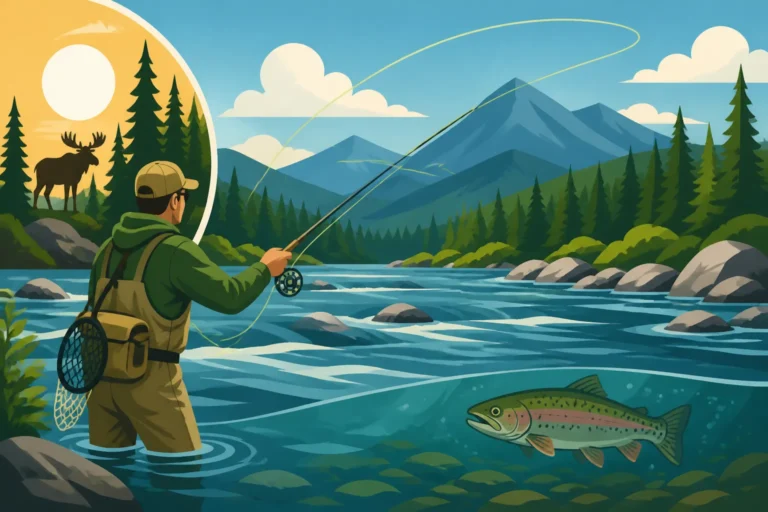
- Upper River (Trout/Salmon): For fly fishing, a 5- or 6-weight rod with a floating or sink-tip line is versatile. Bring a selection of streamers, nymphs, and dry flies appropriate for the season and local hatches. Spin fishermen should opt for light or ultralight gear, with small spinners, spoons, or soft plastics.
- Middle River (Bass/General Freshwater): A medium-light to medium-action spinning or baitcasting rod (6-7 feet) is ideal for smallmouth bass. Bring an assortment of jigs, crankbaits, soft plastics, and topwater lures. Consider a slightly heavier setup if you're targeting larger landlocked salmon in the impoundments.
- Lower River (Striped Bass): Medium-heavy to heavy-action spinning or conventional rods (7-9 feet) are often necessary for casting larger lures or handling strong currents. You'll want a reel capable of holding 20-50 lb braid, depending on the size of fish and current you anticipate. Popular lures include soft plastic paddle tails, topwater plugs, and bucktail jigs. Live bait (mackerel, eels, herring when legal) can also be highly effective.
Regardless of where you go, always carry basic tools like pliers, line clippers, a measuring tape, and a net suitable for the size of fish you expect to catch. And of course, your valid How to Get a Maine Fishing License is non-negotiable!
Hiring a Local Guide or Charter
For many anglers, especially those visiting Maine for the first time or looking to maximize their chances with a specific species, hiring a local guide or charter captain can be an invaluable investment.
A Registered Maine Guide specializing in the Kennebec will have intimate knowledge of the river, its various access points, current conditions, and fish movements. They can provide all the necessary gear, bait, and most importantly, their expertise, saving you hours of trial and error. This is especially true for the more remote upper sections or the complex tidal fisheries of the lower river. For instance, if you're keen on chasing trophy striped bass in Merrymeeting Bay, a seasoned guide can navigate the tricky channels and put you on fish when others are struggling. Platforms like FishingBooker are excellent resources for finding and booking reputable Maine Fishing Charters Guide or Hiring a Maine Fishing Guide in specific areas of the Kennebec. They provide listings with reviews, specialties, and contact information, making it easy to connect with the right professional for your trip. A guide can also ensure you're compliant with all Maine Fishing Regulations Explained, taking the guesswork out of the legalities.
Disclaimer
Please be aware that fishing regulations, access points, and conditions on the Kennebec River can change. Always consult the latest Maine Department of Inland Fisheries and Wildlife (MDIFW) regulations and local advisories before planning your trip. The information provided here is for general guidance and educational purposes only.