Maine Fishing Charters Guide
The dream of casting a line into Maine's pristine waters is a powerful draw for so many, but for newcomers or even seasoned anglers in unfamiliar territory, the sheer vastness and unique characteristics of Maine's fishing landscape can feel overwhelming. You might be wondering, "Where do I even start? What fish are biting? Do I have the right gear?" Instead of wading through endless online forums or guessing on your own, a fishing charter or guided trip can transform a potentially frustrating experience into an unforgettable adventure. This comprehensive guide will walk you through everything you need to know about Maine fishing charters, helping you navigate your options and book the perfect trip.
Why Consider a Maine Fishing Charter?
Let's be honest, planning a fishing trip can be a headache. Between figuring out where to go, what fish are in season, what bait and tackle you need, and all the local rules, it's enough to make you just stay home. That's where a Maine fishing charter truly shines. It takes all that guesswork and grunt work off your plate, letting you focus on the sheer joy of being out on the water.
Beyond Just Catching Fish
A charter isn't just about reeling in a trophy; it's about the entire experience. When you step aboard a reputable charter boat, you're not just a passenger, you're an honorary crew member for the day, immersed in the local fishing culture. These trips offer an unparalleled opportunity to learn about Maine's diverse ecosystems, from the rugged coastline to the serene inland lakes. Your captain or guide isn't just steering the boat; they're sharing generations of local knowledge, pointing out wildlife, explaining tidal patterns, or teaching you about the unique geology of a particular cove. It’s an educational adventure disguised as a fishing trip, providing context and appreciation for the stunning natural beauty that surrounds you.
Beyond the scenery and the learning, there's a certain camaraderie that develops on a charter. Whether you're with family, friends, or even joining a group of strangers, the shared goal of finding fish creates a bond. Many charters offer delicious shore lunches or onboard meals, adding another layer to the experience. Imagine pulling up to a secluded beach, the smell of fresh fish cooking over an open fire, sharing stories and laughter. It’s these moments, as much as the fish you catch, that stick with you long after the trip is over, creating cherished memories that beckon you back to Maine's waters year after year.
Common Frustrations Solved
Have you ever spent hours driving to a new spot, only to find it's either barren or completely inaccessible? Or perhaps you’ve invested in a fancy new fishing rod, only to realize it's all wrong for the local species? These frustrations are incredibly common, and they can quickly sour an otherwise exciting outing. Navigating unknown waters, especially the vastness of Maine's coast or its sprawling inland lakes, requires local expertise that a casual visitor simply doesn't have. What looks like a promising cove on a map might be too shallow, too windy, or completely devoid of fish during a particular season. Without that insider knowledge, you're essentially fishing blind.
Furthermore, acquiring the right gear for Maine’s diverse fishing can be a significant investment and a logistical nightmare. Different species, depths, and fishing methods (like deep-sea trolling versus fly fishing for trout) require specialized rods, reels, lines, and an array of baits or lures. A charter eliminates this barrier entirely. Your guide comes equipped with all the necessary, high-quality gear, meticulously maintained and perfectly suited for the target species and conditions of the day. They’ll even have backup equipment ready to go. This means you don't have to worry about packing cumbersome rods, buying expensive tackle you might only use once, or guessing which lure is "the one." You simply show up, ready to fish, and let the experts handle the rest, ensuring you have the best possible chance at success.
The Guided Advantage
The real magic of a fishing charter lies in the "guided advantage." These captains and guides aren't just boat operators; they are highly skilled professionals who spend countless hours on the water, meticulously tracking fish movements, understanding weather patterns, and knowing the secret honey holes that aren't on any public map. They understand the nuances of the local ecosystem, from subtle current shifts that indicate feeding opportunities to specific depths where a certain species might be holding. This intimate knowledge is invaluable, instantly putting you in the best position to catch fish, rather than relying on luck or trial-and-error.
Moreover, a good guide acts as a mentor, patiently teaching you effective techniques, helping you perfect your cast, or showing you how to properly fight a strong fish. For beginners, this guidance is transformative, building confidence and skills far beyond what you could learn on your own. For experienced anglers, it offers a chance to refine existing techniques or learn new ones tailored to Maine’s unique challenges. They'll even help you identify your catch, explain local regulations, and share stories that bring the fishing experience to life. This personalized instruction and expert insight are what truly elevate a charter trip from a simple boat ride to a profound and rewarding fishing education.
Types of Maine Fishing Charters Available
Maine is a massive state with an incredible variety of aquatic environments, from the wild Atlantic Ocean to thousands of inland lakes and rivers. This means there's a fishing charter tailored to almost every type of angler and every kind of fish you could imagine. Knowing the different types available is the first step in finding your perfect adventure.
Coastal Charters: Deep Sea and Inshore
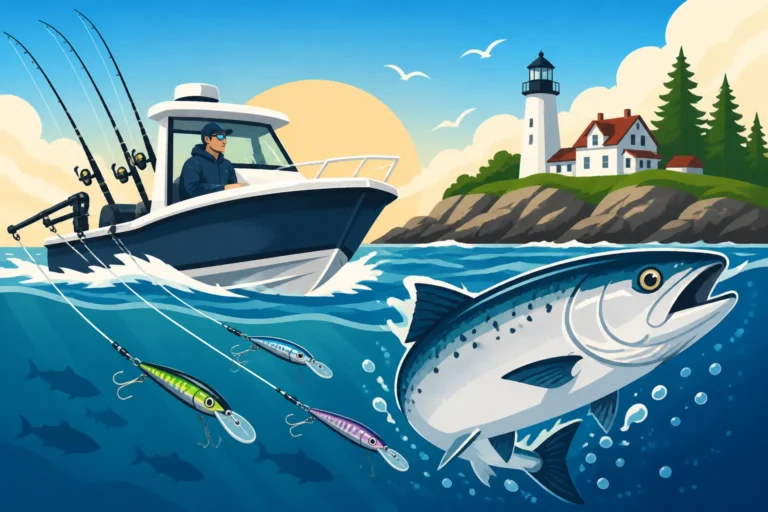
When most people think of Maine fishing charters, their minds often drift to the rugged coastline and the vast Atlantic. Coastal charters are broadly divided into two main categories: deep sea and inshore. Deep sea charters venture miles offshore, targeting larger, more elusive species that inhabit the deeper, colder waters. Here, you might find yourself battling formidable groundfish like cod, haddock, or pollock. For the ultimate thrill, some specialized deep-sea charters offer trips for pelagic giants like bluefin tuna or sharks, often requiring heavy-duty gear and a serious commitment from the angler. These trips are typically longer, often full-day excursions, and can be quite an adventure, especially when you're far from land and navigating the open ocean swells.
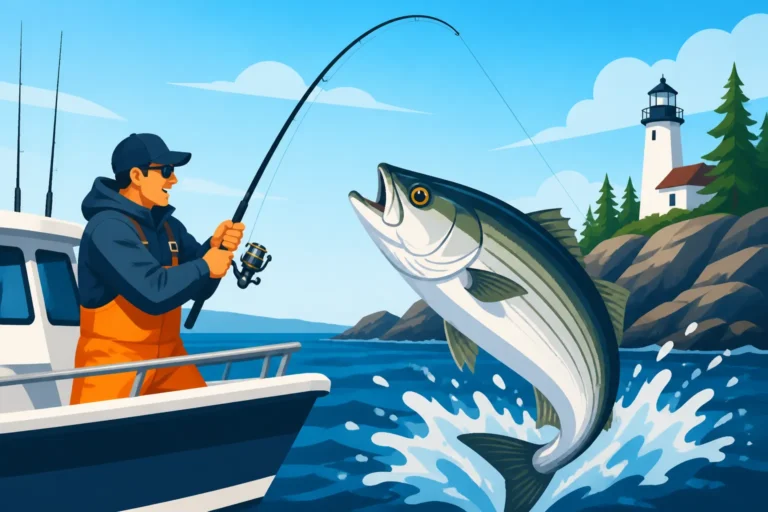
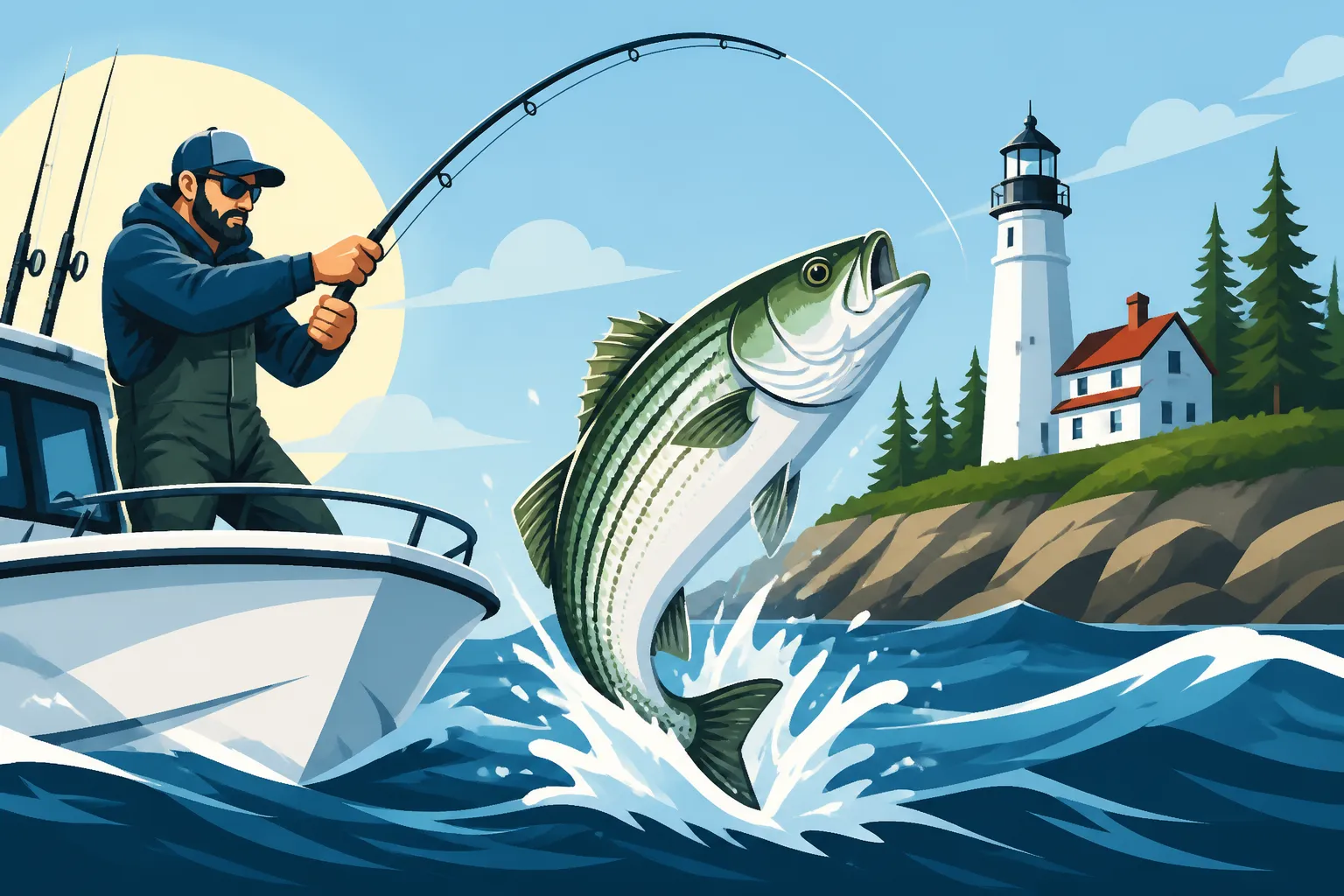
In contrast, inshore charters stick closer to the coast, exploring bays, estuaries, tidal rivers, and nearshore islands. These trips are often favored for their calmer waters and the abundance of species like the iconic striped bass, a powerful and highly sought-after game fish. You might also encounter mackerel, bluefish, or various types of flounder. Inshore charters are usually a bit shorter, sometimes half-day trips, making them a fantastic option for families, beginners, or those prone to seasickness. The tactics for inshore fishing vary widely, from casting artificial lures along rocky shorelines to drifting with live bait in deeper channels. Many of these trips launch from popular coastal towns like Portland, Kennebunkport, or Boothbay Harbor, offering convenient access to fantastic fishing grounds. You can find specific services for Maine Deep Sea Fishing Charters or Maine Striped Bass Charters depending on your target.
Freshwater Charters: Lake and River Guides
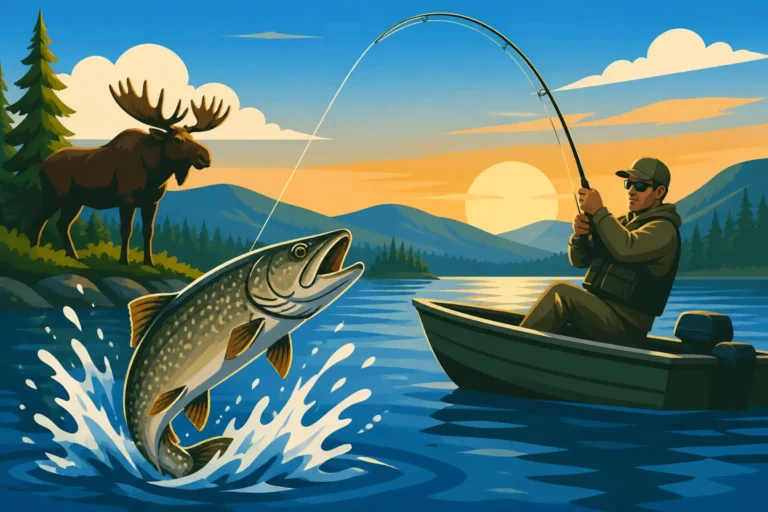
While the coast gets a lot of attention, Maine’s inland waters offer some of the most spectacular freshwater fishing opportunities in the Northeast. Lakes, ponds, and rivers teem with a diverse array of species, and dedicated freshwater charters or guides can lead you to them. If you dream of battling a powerful landlocked salmon or a feisty brook trout, a guide on one of Maine's renowned lakes like Moosehead Lake, Sebago Lake, or the Rangeley Lakes region is an absolute must. These guides specialize in techniques like trolling with downriggers or flatlining to target fish holding at specific depths, or they might take you casting in prime feeding areas. The sheer size of many of these lakes can be intimidating, but a guide knows exactly where the thermoclines are, where the baitfish gather, and where the big ones are lurking.
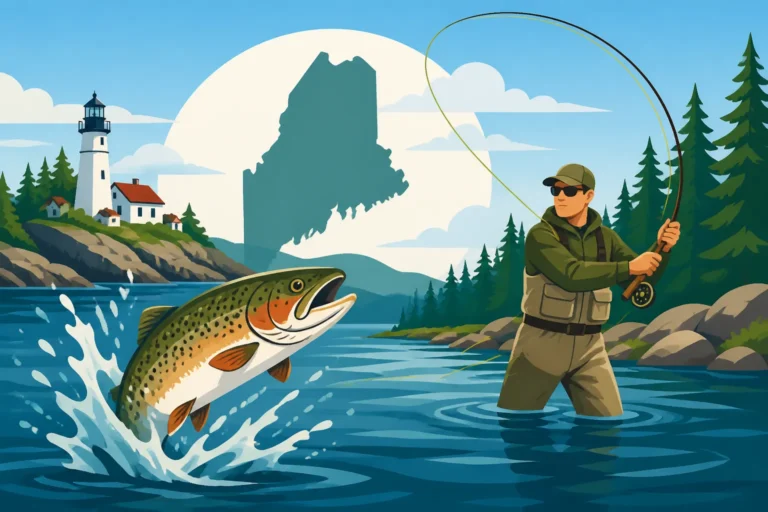
River guides, particularly fly fishing specialists, offer a different kind of freshwater experience. Rivers like the Kennebec, Androscoggin, or the remote Allagash Wilderness Waterway are world-famous for their trout and salmon fisheries. A fly fishing guide will not only put you on fish but will also provide expert instruction on casting techniques, fly selection, and reading the water. They know exactly when and where the hatches are occurring, ensuring you’re presenting the right fly at the right time. Whether you're a seasoned fly angler looking for a new challenge or a complete novice eager to learn, a river guide offers an immersive and deeply rewarding connection with nature. For those interested, exploring options for Maine Lake Fishing Guides can open up a world of freshwater possibilities.
Specialty Charters: Ice Fishing and More
Maine's fishing opportunities don't stop when the cold weather rolls in; they simply transform. Specialty charters cater to these unique seasonal or niche experiences, with ice fishing guides being a prime example. When the lakes and ponds freeze solid, these guides provide all the necessary equipment—from insulated shacks and heaters to augers, tip-ups, and jigging rods—ensuring you stay warm and have the best chance at catching fish like lake trout (togue), brook trout, or even salmon through the ice. They know the safe ice conditions, the prime spots where fish congregate in winter, and the specific baits or lures that tempt them in cold water. An ice fishing guide can turn a potentially daunting and uncomfortable outing into a cozy, productive, and truly memorable winter adventure. You can look into Maine Ice Fishing Guides for a unique winter experience.
Beyond ice fishing, some guides offer highly specialized trips like multi-day wilderness expeditions into the remote North Woods, often involving canoe or float plane access to untouched ponds and rivers for trophy brook trout. Others might focus on specific species during a very particular time of year, such as the spring smelt run, where different techniques and locations are required. These specialty charters are perfect for adventurous anglers seeking something truly off the beaten path or those looking to master a specific fishing discipline. They showcase the incredible diversity of Maine's fishing landscape and the deep expertise of its guiding community.
Choosing the Right Maine Fishing Charter for You
With so many incredible options, deciding on the right Maine fishing charter can feel like a big decision. It’s not just about picking a date; it’s about aligning the trip with your personal fishing goals, your group's needs, and your expectations for the overall experience. A little thought beforehand goes a long way in ensuring a memorable outing.
Matching Your Angling Goals
Before you even start looking, take a moment to consider what you really want out of this trip. Are you aiming for a trophy-sized fish, something to brag about and photograph, or are you hoping to fill a cooler with fresh fillets for a delicious seafood dinner? Your target species often dictates the type of charter. If landing a massive bluefin tuna is your dream, you'll need a specialized deep-sea charter equipped for big game. If you're after the subtle beauty of a native brook trout on a fly, a river guide focusing on catch-and-release is likely your best bet. Different fish inhabit different environments and require different techniques, so clarity on your primary target will narrow down your choices considerably.
Beyond the catch, think about your preferred fishing style. Do you love the active, fast-paced rhythm of casting and retrieving lures? Or do you prefer the more relaxed approach of soaking bait while drifting? Perhaps you're keen to learn the art of fly fishing, which demands more finesse and technique. Some charters specialize in trolling, others in jigging, and many offer a combination. If you're interested in refining a particular skill or trying a new method, make sure to communicate that with potential guides. A good guide will be thrilled to teach and tailor the experience to your learning goals, ensuring that your time on the water is not only productive but also personally fulfilling.
Considering Group Size and Experience Level
Who are you bringing along on this adventure? The size and composition of your group are crucial factors. Are you planning a solo trip to truly immerse yourself, a romantic outing for two, a family adventure with young children, or a larger gathering of fishing buddies? Charter boats and guided trips have varying capacities, and a guide specializing in intimate, one-on-one instruction might not be the best fit for a rambunctious group of eight. Many larger charter boats can accommodate bigger parties, making them ideal for corporate outings or multi-family trips. Always confirm the maximum passenger capacity and whether there are any age restrictions, especially for very young children on offshore trips.
Equally important is the collective experience level of your group. Are you all seasoned anglers, or is this everyone's first time? Some guides cater specifically to beginners, offering patient instruction and a focus on fundamental skills. They understand that the goal might be less about catching a record fish and more about simply getting a bite and enjoying the process. Other guides might be geared towards experienced anglers seeking challenging conditions or specific trophy fish, where the expectation is a higher level of existing skill. Be upfront about your group's experience. A good guide will adjust their approach, teaching methods, and even their chosen fishing spots to ensure everyone feels comfortable, engaged, and has a genuinely enjoyable and successful trip, regardless of their prior fishing background.
Location, Duration, and Budget
Maine is a vast state, and where you plan to stay often dictates your best charter options. If you're vacationing in Acadia National Park, a deep-sea charter out of Bar Harbor will be far more convenient than one from Portland. Similarly, if your cabin is nestled on Moosehead Lake, you'll want to look for Moosehead Lake Fishing Guides rather than coastal options. Consider the travel time to the departure point. Many people underestimate how long it can take to get from one part of Maine to another, especially in the busy summer months. Picking a charter close to your accommodations reduces stress and maximizes your time on the water.
Next, think about how much time you want to dedicate to fishing. Charters typically offer half-day (4-5 hours), full-day (8 hours), or sometimes extended trips. Half-day trips are fantastic for families with small children, beginners, or those who want to combine fishing with other activities. Full-day trips offer more time to explore different fishing grounds, target a wider variety of species, and generally increase your chances of a significant catch. Extended trips, often overnight or multi-day excursions, are for the truly dedicated angler seeking remote locations and an immersive experience.
Finally, and realistically, budget is a significant factor. Charter costs vary widely based on the type of fishing, duration, boat size, and the guide's experience. You'll find a detailed breakdown in our Maine Charter Fishing Cost Guide. Be sure to clarify what is included in the price (e.g., bait, tackle, licenses, snacks, drinks) and what might be an additional cost. Knowing your budget beforehand will help you refine your choices and discuss options with potential guides, ensuring you find a trip that offers great value without any unexpected surprises.
What to Expect on a Maine Fishing Charter
Booking a charter is just the first step! To truly maximize your experience, it helps to know what to expect before, during, and after your trip. Preparation can make all the difference between a good day and a truly unforgettable one.
Before Your Trip: Preparation is Key
Once you’ve booked your charter, don't just show up on the day of the trip. A little preparation will go a long way. First and foremost, pay close attention to any instructions or recommendations your captain or guide provides. They are the experts on their vessel and the local conditions. This might include specific meeting times, parking instructions, or what personal items you should bring. Confirming these details a day or two before your trip is always a good idea, as plans can sometimes change due to weather or unforeseen circumstances.
Next, prepare for Maine's unpredictable weather. Even on a sunny summer day, the ocean breeze can be cool, and sudden showers aren't uncommon. Layering is your best friend. Think moisture-wicking base layers, a warm fleece or sweater, and a waterproof, windproof outer shell. Even in summer, a hat and sunglasses are essential for sun protection. Don't forget sunscreen! Comfortable, non-marking shoes with good grip are crucial for safety on a wet deck. As for what to bring, check out our guide on What to Bring on a Maine Fishing Charter. You'll typically need to bring your own food and drinks, though some charters might offer light refreshments. A cooler to take your catch home is also a good idea. Lastly, and very importantly, inquire about fishing licenses. While many charter boats have a blanket license that covers their passengers for certain types of fishing, this isn't always the case, especially for freshwater guides. Always clarify if you need to purchase your own Maine Fishing License Guide in advance.
On the Water: The Fishing Experience
The moment you step onto the boat or meet your guide at the launch, the adventure truly begins. Your captain will typically start with a brief but important safety orientation, pointing out life jackets, emergency equipment, and basic rules of the boat. Pay attention, as this information is for your safety. They’ll also cover the day’s plan, what species you’ll be targeting, and the techniques you'll be using. This is a great opportunity to ask any last-minute questions you might have.
Once underway, the real fun begins. Depending on the type of charter, you might spend time cruising to prime fishing grounds or immediately start casting near shore. Your guide will provide all the necessary fishing gear, already rigged and ready. They’ll demonstrate how to use it, explain the bait or lure being used, and offer tips on casting, retrieving, or jigging. For beginners, they'll offer patient, hands-on instruction. For experienced anglers, they'll often fine-tune techniques or suggest new approaches. When a fish bites, the guide will be there to help you land it, offering advice on how to fight the fish effectively and ensuring it's handled properly for release or retention. It's an active, engaging experience where you're constantly learning and participating, soaking in the local knowledge and the thrill of the catch.
After the Trip: Catch Care and Memories
As your charter draws to a close, the experience isn't quite over. If you've been fortunate enough to land some keepers, your captain or guide will usually handle the cleaning and filleting of your fish. This is a valuable service, ensuring your catch is properly prepared for transport and cooking. Feel free to ask questions about how they do it; it's another opportunity to learn! They’ll carefully package your fillets, making them ready for your cooler. Be sure to have that cooler packed with ice to keep your catch fresh for the journey home.
This is also the time for photo opportunities. Don't be shy about asking your guide to snap some pictures of you with your catch; they're usually happy to oblige and know how to get the best shots. These photos will be cherished memories for years to come. Before you depart, consider expressing your gratitude to your captain and crew. As discussed in Tipping Etiquette for Maine Fishing Guides, tipping is customary and a reflection of a job well done. Finally, take a moment to reflect on your trip. What did you enjoy most? What did you learn? A good charter should leave you with not just fish, but with stories, new skills, and a deeper appreciation for Maine's incredible outdoors, perhaps even inspiring you to book another trip next season!
Understanding Maine Charter Costs and Tipping Etiquette
Let's talk brass tacks: what's this amazing experience going to cost you, and what's the deal with tipping? It's essential to understand the financial aspects upfront so there are no surprises and you can fully appreciate the value of the service you're receiving.
Decoding Charter Pricing Structures
The cost of a Maine fishing charter can vary quite a bit, much like any specialized service. Generally, prices are influenced by several key factors: the duration of the trip (half-day, full-day, or multi-day), the type of fishing (inshore is often less expensive than deep-sea or specialized big-game trips), the size and amenities of the boat, and the experience and reputation of the captain or guide. For instance, a basic half-day inshore trip might be significantly less than a full-day offshore tuna expedition. It’s also common for prices to be structured either per person (for "open boat" or shared trips) or as a flat rate for the entire boat (for private charters). Most people opt for a private charter, especially when traveling with family or a group of friends, as it allows for more personalized attention and flexibility.
When you're looking at prices, always clarify what's included. Typically, the quoted price will cover the boat, the captain/guide, fuel, all necessary fishing gear (rods, reels, tackle), and bait. Some charters might also include bottled water, light snacks, or even a basic lunch on longer trips. What might not be included, and important to ask about, are items like fishing licenses (though many larger boats operate under a blanket license that covers passengers for saltwater fishing, freshwater guides often require you to obtain your own), fish cleaning services (sometimes an extra charge, though often included), and gratuity for the crew. Always ask for a clear breakdown before booking to avoid any unexpected costs on the day of your trip. Our Maine Charter Fishing Cost Guide can provide more detailed information on typical price ranges.
Guide vs. Charter Captain: What's the Difference?
While often used interchangeably by the public, there's a distinct difference between a Registered Maine Guide and a US Coast Guard licensed Charter Captain, and understanding this can help clarify the scope of services. A Registered Maine Guide is licensed by the State of Maine Department of Inland Fisheries & Wildlife (MDIFW) to lead people on various outdoor activities, including fishing, hunting, and canoeing. They are experts in wilderness safety, navigation, and local ecology, often specializing in specific freshwater fisheries or remote wilderness trips. They might operate from smaller boats, canoes, kayaks, or lead shore-based fishing excursions. A Registered Maine Guide is highly knowledgeable about Maine Fishing Regulations Explained and is your expert for navigating the state's intricate inland waters. You can learn more about How to Become a Registered Maine Guide if you're curious about their rigorous training.
A US Coast Guard (USCG) licensed Charter Captain, on the other hand, is licensed by the federal government to operate a vessel carrying paying passengers on navigable waters, typically the ocean or larger bays and estuaries. Their focus is on maritime safety, navigation, and operating a vessel for hire, often a larger, more complex boat. While many USCG licensed captains are also excellent fishing guides, their primary qualification revolves around vessel operation and safety at sea. Many operate saltwater fishing charters targeting species like striped bass or offshore groundfish. Some individuals hold both certifications, offering a broader range of services. The key takeaway is that both are highly qualified professionals, but their primary licensing focuses on different aspects of outdoor guiding, reflecting the environment and activities they specialize in. This distinction might affect whether Do You Need a License to Fish on a Maine Charter? is relevant for your specific trip.
Tipping Your Crew: A Gesture of Appreciation
Tipping is a common practice in the service industry, and fishing charters are no exception. It’s a way to show your appreciation for the hard work, expertise, and dedication of your captain and crew. These professionals spend long hours preparing for your trip, maintaining expensive equipment, and working tirelessly on the water to ensure you have a safe and successful day. They rely on tips as a significant part of their income. A typical gratuity for a fishing charter or guided trip is usually 15-20% of the total trip cost. If you felt your guide went above and beyond, provided exceptional instruction, or truly put you on the fish, a tip at the higher end of that scale, or even more, is always appreciated.
It's usually best to give the tip directly to the captain, who will then typically share it with any deckhands or crew members. While it's certainly not mandatory, most anglers budget for a tip as part of their overall trip cost. If, for some reason, you had a truly unsatisfactory experience, communicating your concerns directly to the captain is more constructive than withholding a tip entirely, although ultimately the decision is yours. However, overwhelmingly, people find their Maine fishing guides to be incredibly dedicated and deserving of this customary show of thanks. It’s a small gesture that goes a long way in acknowledging the effort and skill that goes into making your fishing day a success.
Popular Maine Fishing Charter Destinations
Maine's diverse geography means a wealth of fishing opportunities. From the rocky coast to the vast inland forests dotted with lakes, certain areas have become hotspots for various types of charters, each offering a unique angling experience.
Coastal Hotspots for Saltwater Action
Maine's coastline is iconic, and it's also a powerhouse for saltwater fishing. Several coastal towns serve as prime launching points for charters, each with its own flavor of fishing. Portland is a bustling city with a historic working waterfront, offering easy access to both inshore and offshore grounds in Casco Bay. Charters out of Portland can target striped bass, mackerel, and bluefish closer to shore, or venture further out for cod, haddock, and even the occasional tuna. The variety here is fantastic, making it a great choice for mixed groups or those looking for diverse opportunities.
Further south, charming towns like Kennebunkport and Boothbay Harbor are renowned for their picturesque settings and excellent fishing. Kennebunkport, with its beautiful beaches and tidal rivers, is a favorite for striped bass, especially in the estuaries and around rocky ledges. Boothbay Harbor, often called the "Boating Capital of Maine," provides access to rich offshore fishing for groundfish, as well as opportunities for bluefin tuna and shark further out. The Boothbay Harbor Fishing Charters offer a classic Maine maritime experience. Moving eastward, Casco Bay itself is a huge draw for striped bass, with numerous islands, coves, and rocky structure providing ideal habitat. The Casco Bay Striped Bass Fishing in Maine is a vibrant scene. Finally, Penobscot Bay offers not only great inshore striper fishing but also deeper waters for groundfish and a chance at some larger pelagics further offshore. These coastal hubs are vibrant with fishing culture, and booking a charter from one of them often means you're close to amenities, restaurants, and other attractions.
Inland Gems for Freshwater Adventures
Beyond the crashing waves, Maine's interior is a freshwater angler's paradise, home to some of the most famous lakes and rivers in New England. Moosehead Lake, the largest lake in Maine, is legendary for its landlocked salmon and lake trout (togue). Its vast, deep waters require skilled navigation and specialized techniques, making Moosehead Lake Fishing Guides highly sought after. Anglers here can experience world-class trolling for salmon and togue, or find wild brook trout in its tributary streams.
The Sebago Lake region, just outside Portland, is another jewel, famous for its trophy landlocked salmon and smallmouth bass. Sebago's unique ecosystem and deep glacial waters support a robust fishery. Sebago Lake Landlocked Salmon Run is a sight to behold in the fall, and its ice fishing season is also incredibly popular. Guides on Sebago often specialize in trolling for salmon and smallmouth bass. Over in Western Maine, the Rangeley Lakes region is a historic and pristine area, a mecca for fly fishing enthusiasts. The interconnected lakes and rivers are known for their spectacular brook trout and landlocked salmon. Rangeley Lakes Landlocked Salmon Fishing in Maine is a classic experience, with guides often utilizing traditional trolling methods or guiding fly anglers on the clear, cold rivers.
The Belgrade Lakes region, centrally located, is a hotspot for bass fishing, particularly smallmouth and largemouth bass, making it a favorite for bass tournaments. Guides in this chain of lakes know the underwater structure and weed lines where bass congregate. Finally, the Kennebec River system offers incredibly diverse fishing, from spring salmon runs to excellent smallmouth bass fishing and, downstream, even striped bass in its tidal sections. Each of these inland destinations offers a distinct fishing experience, promising serene beauty and the thrill of the catch.
Seasonal Specifics for Target Species
One of the great joys and challenges of fishing in Maine is its strong seasonality. The "best" place to fish often depends entirely on the time of year and what species you're hoping to catch. For striped bass, the prime season typically runs from late spring through fall. The fish migrate up the coast as waters warm, and charters will target them in bays, estuaries, and along rocky shorelines. June through September are often peak months for these powerful fighters.
For tuna, especially bluefin, the season usually heats up in the summer and extends into the fall. These offshore trips are weather-dependent and require patience and serious gear, but the reward of landing a giant bluefin is unparalleled. Groundfish like cod and haddock can often be caught year-round, though specific regulations and depths change with the seasons. Charters might target them on offshore banks when weather permits.
For landlocked salmon, lake trout (togue), and brook trout, the fishing really kicks off at "ice-out" in the spring when the lakes shed their winter cover. This period offers fantastic opportunities as fish are often near the surface. As summer progresses and surface waters warm, these cold-water species go deeper, requiring trolling with downriggers or lead core line. Fall is another prime time, particularly for brook trout in streams as they prepare for spawning, and for aggressive salmon and togue. Maine Fishing Season Dates Guide and Best Time of Year to Fish in Maine provide comprehensive details, but a good charter captain will always know the current patterns and where to find your desired species, adapting their strategies to the ever-changing conditions.
How to Book Your Maine Fishing Charter
You're excited, you know what you want to catch, and you have a destination in mind. Now it’s time to make it happen! Booking your Maine fishing charter requires a bit of research and communication to ensure a smooth, enjoyable experience.
Finding Reputable Services
The first step in booking is finding a trustworthy and reputable charter or guide service. Start by asking for recommendations from friends, family, or fellow anglers who have fished in Maine. Personal referrals are often the best way to find a guide who consistently delivers a great experience. Beyond personal connections, local bait and tackle shops in your chosen destination are invaluable resources. The people working there are often local anglers themselves and can point you toward the most respected captains in the area. They know who's catching fish and, just as importantly, who prioritizes safety and customer satisfaction.
Online resources are also powerful tools. Websites dedicated to Maine tourism or fishing forums can offer a wealth of information and reviews. When browsing online, look for guides with professional websites, clear contact information, and plenty of positive testimonials or client photos. Be wary of services that lack transparency or have consistently negative feedback. It's also a good idea to check if the guide is a member of any professional associations, such as the Maine Professional Guides Association, which can indicate a commitment to ethical practices and ongoing training. A reputable service will be eager to answer your questions and provide references if requested.
Utilizing Online Booking Platforms
In today’s digital age, online booking platforms have revolutionized how many anglers find and reserve fishing charters. Websites like FishingBooker, for example, act as a centralized marketplace where you can browse a wide array of Maine fishing charters and guides, compare prices, read reviews from past clients, and check availability all in one place. These platforms often provide detailed profiles for each captain, including their specialties, boat specifications, what’s included in the trip, and photos of their past catches. This makes it incredibly convenient to filter options based on your target species, location, group size, and budget.
The main advantage of using such a platform is the ease of comparison and the transparency of customer reviews. You can see what other anglers thought of a particular captain or boat, which helps in making an informed decision. The booking process is often streamlined, allowing you to secure your trip with a few clicks. While some prefer to book directly with a captain, these platforms offer a valuable tool for initial research and can sometimes even highlight special deals or last-minute availability. Just remember that even when using a platform, it’s always a good idea to follow up with the captain directly via phone or email to confirm details and ask any specific questions you might have.
Key Questions to Ask Before Booking
Once you've narrowed down your choices, picking up the phone and having a conversation with the captain or guide is crucial. This not only allows you to get a feel for their personality and communication style but also ensures you have all the information you need. Here are some key questions to ask:
- Availability and Specific Dates: Confirm the dates you want are open and if there's any flexibility.
- Target Species and Techniques: Reiterate what you hope to catch and how they typically target those fish. Ask about current fishing conditions for those species.
- What's Included (and Not Included): Get a clear breakdown of everything covered by the price. Specifically ask about bait, tackle, and Do You Need a License to Fish on a Maine Charter?.
- Boat Amenities and Safety Equipment: Inquire about the boat's size, restroom facilities, and safety gear.
- Cancellation Policy: Understand their policy regarding weather, mechanical issues, or if you need to cancel. This is incredibly important for Maine's unpredictable weather!
- What to Bring: Double-check their recommendations for clothing, food, drinks, and a cooler for your catch.
- Number of Passengers: Confirm the maximum number of people they can accommodate comfortably.
- Experience Level: Ask if they cater to beginners, families, or more experienced anglers.
A good captain or guide will be happy to answer all your questions thoroughly. If you feel rushed or find them vague, it might be a red flag. Clear communication upfront ensures that both parties have the same expectations for the trip, setting the stage for a fantastic fishing adventure.
Safety and Regulations on Maine Fishing Charters
Fishing in Maine is an incredibly rewarding experience, but it's essential to approach it with a strong understanding of safety and regulations. When you book a charter, you're placing your trust in the captain and crew, and they, in turn, have a responsibility to keep you safe and ensure compliance with all fishing laws.
Captain Credentials and Vessel Safety
One of the biggest advantages of booking a legitimate fishing charter, especially for saltwater excursions, is the assurance of safety. All reputable saltwater charter captains operating in U.S. waters must hold a valid U.S. Coast Guard (USCG) Captain's License. This isn't just a piece of paper; it signifies that the captain has undergone rigorous training, passed demanding exams, and accumulated thousands of hours of documented experience on the water. They are experts in navigation, marine first aid, emergency procedures, fire fighting, and vessel operation. Don't hesitate to ask to see a captain's credentials, though most proudly display them.
Beyond the captain's qualifications, the vessel itself is subject to strict safety regulations. USCG-inspected charter boats are regularly checked to ensure they meet stringent safety standards, including the availability of sufficient life jackets for every passenger (often child sizes too), proper fire extinguishers, flares, first-aid kits, communication equipment (VHF radio), and navigation tools. On a charter, you are generally much safer than if you were to venture out on your own in an unfamiliar boat or unfamiliar waters. Your captain prioritizes your well-being, and a good one will always conduct a safety briefing at the start of your trip, pointing out key safety features and emergency procedures. These safety measures, combined with the captain's expertise in predicting weather and sea conditions, significantly reduce risks, allowing you to relax and focus on the fishing.
Fishing Licenses and Regulations
Navigating fishing licenses and regulations can be one of the most confusing aspects of planning a trip to Maine. The rules vary depending on whether you're fishing in freshwater or saltwater, your residency status, and even your age. This is where a charter or guide can be a huge asset. For saltwater fishing charters, it's very common for the vessel to operate under a federal or state blanket license that covers all passengers on board. This means you, as a client, typically do not need to purchase your own separate Maine saltwater fishing license or register for the Maine Saltwater Fishing Registry. It’s always wise to confirm this with your captain when booking, but for most saltwater trips, you'll be covered.
However, the situation is often different for freshwater fishing guides, especially those operating on lakes, rivers, or ponds. For these trips, you will almost certainly need to purchase a valid Maine freshwater fishing license yourself before the trip begins. Options vary from one-day to annual licenses, and prices differ for residents and non-residents. Children under a certain age are typically exempt, but check current regulations for specifics. Your guide will be well-versed in Maine Fishing Regulations Explained and will advise you on what's required. It's your responsibility to obtain the correct license, as fishing without one can result in fines. Make sure to understand the rules around Maine Fishing Laws for Beginners before your trip.
Conservation and Catch Limits
Maine is deeply committed to the conservation of its fish populations, and this is reflected in its carefully crafted fishing regulations. These rules are designed to ensure sustainable fisheries for future generations of anglers. When you're on a charter, your captain or guide is not only responsible for your safety but also for ensuring that all fishing activities comply with state and federal regulations regarding species, size limits, and bag limits. For example, there are specific slot limits for Maine Striped Bass Season and Limits, minimum lengths for Brook Trout Daily Bag Limits, and daily bag limits for species like Maine Landlocked Salmon Bag Limits and Maine Togue and Lake Trout Limits. These regulations can also vary depending on the specific body of water or fishing zone.
Many charters also actively promote and practice catch-and-release, especially for certain species or when targeting trophy fish. Your guide will demonstrate proper fish handling techniques to minimize stress and maximize the survival rate of released fish. They'll also explain why these regulations are in place, fostering a deeper understanding and appreciation for conservation efforts. By fishing with a licensed charter, you're not just getting access to great fishing; you're also participating in responsible angling practices, contributing to the health and longevity of Maine’s incredible aquatic resources. It’s an integral part of the experience and something every angler should be proud to uphold.
Disclaimer
This article is for general informational purposes only and does not constitute professional advice. Laws, prices and regulations vary by location and change over time. Consult a qualified professional for guidance on your specific situation.