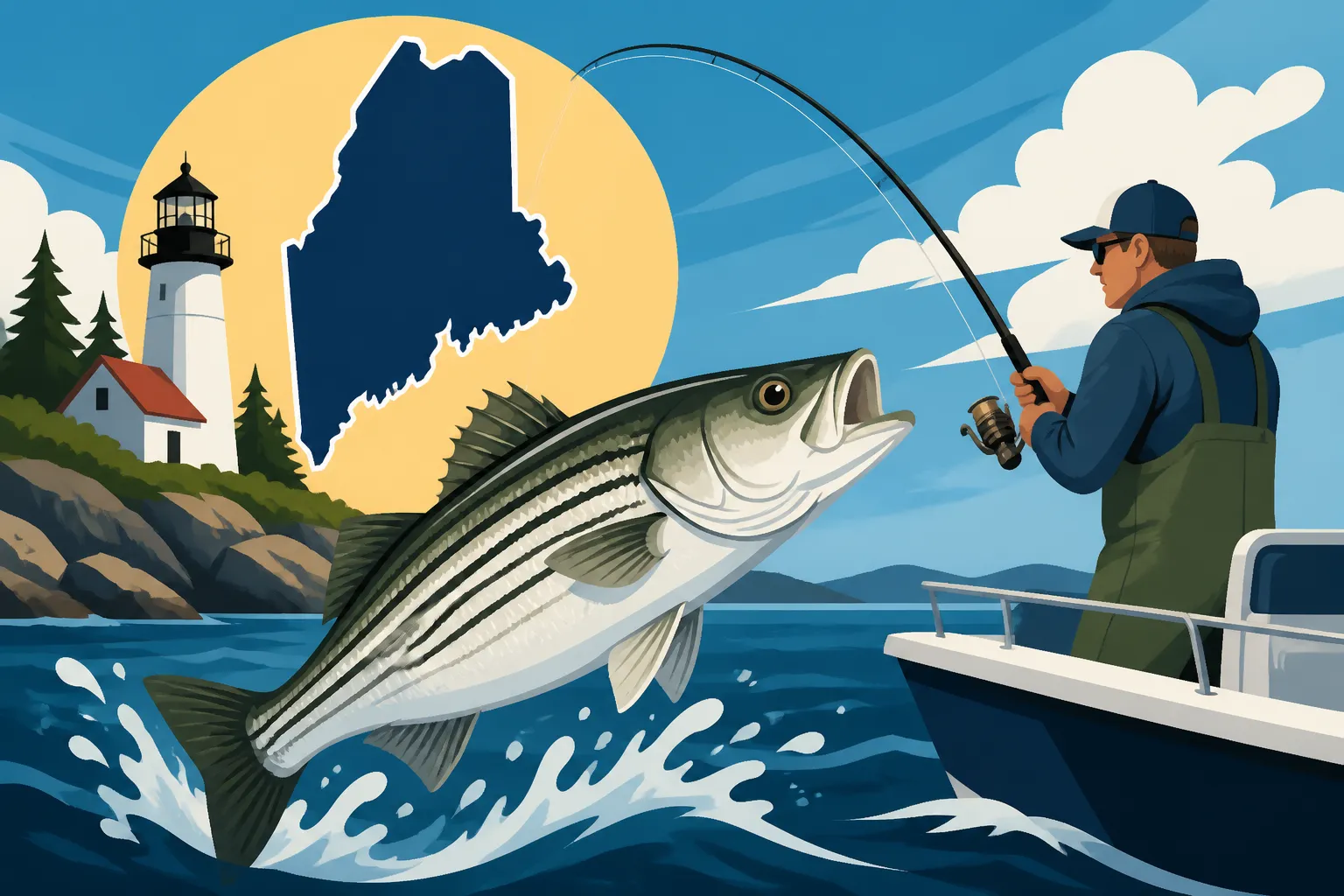
Maine Striped Bass Season and Limits
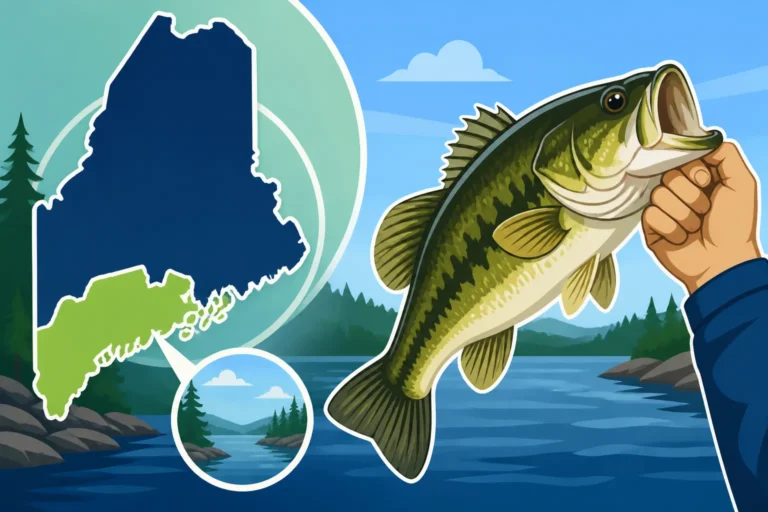
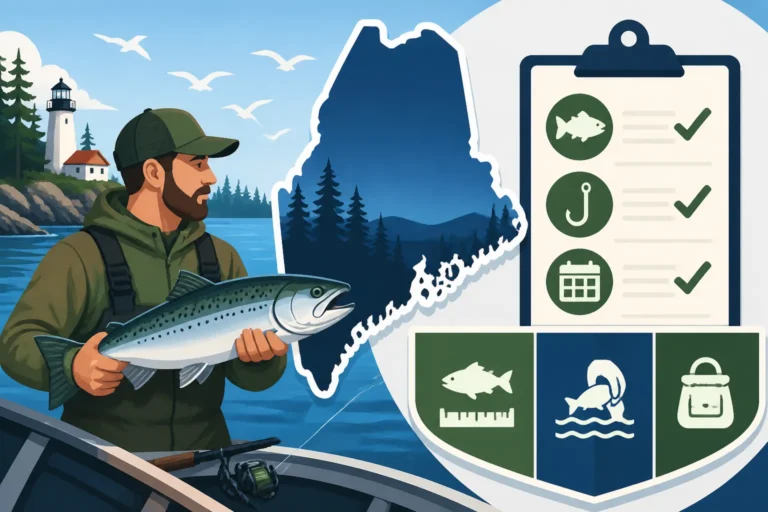
There's nothing quite like the thrill of chasing striped bass along Maine's rugged coastline or within its bustling estuaries. The powerful tug on your line, the silver flash of a fish fighting against the current – it’s an experience that draws anglers back year after year. But let's be honest, trying to keep up with all the regulations can sometimes feel like trying to untangle a particularly stubborn fishing knot, especially when it comes to the highly sought-after striped bass. It can be incredibly frustrating to hit the water, only to realize you're unsure about the local rules. This comprehensive guide is here to untangle that knot for you, breaking down everything you need to know about the Maine Striped Bass Season and Limits so you can fish confidently and responsibly.
Understanding Maine's Striped Bass Fishery
Maine's coastal waters are a haven for striped bass, often referred to affectionately as "stripers." These migratory powerhouses spend their summers feasting in our cool, nutrient-rich waters before heading south for the winter. Their presence creates an incredible fishing opportunity, but it also means we, as anglers, have a crucial role to play in their conservation.
The Allure of Maine Stripers
For many, the striped bass is the quintessential coastal game fish. They're strong, aggressive, and can grow to impressive sizes, offering a truly memorable fight on light tackle. Imagine casting a topwater plug at dawn along a rocky cove, and suddenly, a massive striper explodes on your lure, sending spray everywhere. Or perhaps you're quietly soaking a chunk of mackerel in an estuary, and your rod tip violently doubles over. These are the moments that define Maine striper fishing.
What makes them even more appealing is their accessibility. You can catch them from rocky shorelines, sandy beaches, piers, or from a boat. They're often found in relatively shallow water, making them a prime target for fly anglers, surf casters, and light tackle enthusiasts alike. From the mouth of the Kennebec River up to the numerous coves and inlets in Down East Maine, these fish offer diverse fishing experiences. It's no wonder so many anglers dedicate their summer months to pursuing them; they're truly a magnificent species to target.
Conservation Efforts and Management
The striped bass fishery has seen its ups and downs over the decades, leading to the necessity of stringent regulations to ensure their long-term health and abundance. These fish are a shared resource across the Atlantic coast, and their management involves cooperation between many states, all overseen by the Atlantic States Marine Fisheries Commission (ASMFC). The goal is always to strike a balance: allowing anglers to enjoy the fishery while protecting the spawning stock and ensuring future generations have healthy populations to pursue.
Maine, like other states, implements specific rules regarding season, size, and bag limits based on scientific assessments of the stock's health. These regulations are not arbitrary; they are carefully crafted to reduce fishing pressure, particularly on the larger, more reproductively important fish, and to allow enough fish to reach spawning age. We want to avoid overfishing scenarios that have plagued this species in the past. It's a continuous process of monitoring, adjusting, and educating, and as anglers, our compliance is key to the success of these vital conservation efforts.
Decoding the Maine Striped Bass Season
Knowing when you can fish for striped bass in Maine is just as important as knowing how. The season dictates the windows of opportunity when you can legally target and retain these magnificent fish.
General Season Dates
The striped bass season in Maine typically follows a fairly predictable pattern, aligning with their migratory movements. Generally, the season is open from May 8th through October 31st each year. This timeframe captures the peak period when stripers are present in Maine's coastal waters, having migrated north from their wintering grounds, primarily in the Mid-Atlantic region.
As spring warms the coastal waters, usually starting in mid-to-late May, the first vanguard of striped bass begins to arrive, following schools of baitfish into our estuaries and along the shoreline. This early season can offer some fantastic opportunities as hungry fish are often more willing to strike. The fishing typically remains strong through the summer, with varying patterns depending on water temperature, bait availability, and moon phases. By late October, as water temperatures begin to drop significantly, the vast majority of striped bass will have commenced their southward migration, making late-season catches less common but sometimes rewarding for those hardy enough to brave the cooler weather. Always remember that regulations can change, so it's a good practice to consult the current Maine Fishing Regulations Explained before heading out.
Exceptions and Special Waters
For the most part, Maine's striped bass season and limits are fairly uniform across the state's coastal zone. Unlike freshwater fishing, where specific lakes or rivers might have vastly different rules, the migratory nature of striped bass lends itself to a more consistent set of statewide regulations within the tidal waters.
However, it's always prudent to be aware that local nuances can sometimes exist, though they are less common for migratory species like stripers. For instance, specific conservation zones or protected areas, even within tidal waters, might have additional restrictions or even prohibit fishing for certain species. While Maine's Department of Inland Fisheries and Wildlife (MDIFW) primarily manages freshwater, the Department of Marine Resources (DMR) oversees saltwater species, including striped bass. Their regulations are the ultimate authority. Always check the latest DMR regulations, often available online or in a physical pamphlet from local bait shops. If you're planning a trip to a specific area, perhaps a lesser-known estuary or a unique coastal marsh, a quick check of the regulations for that particular spot is a smart move. It saves you from potential fines and ensures you're fishing ethically.
Navigating Striped Bass Size and Bag Limits
This is where things can get a little tricky, and it’s arguably the most important aspect of responsible striper fishing. The "slot limit" is a crucial conservation tool designed to protect the most vital members of the striped bass population.
The "Slot Limit" Explained
Maine, along with other Atlantic states, utilizes a "slot limit" for striped bass. What does this mean in plain English? It means there's a specific size range, or "slot," within which you are allowed to keep a fish. Fish that are too small or too large must be immediately released.
Currently, the Maine striped bass slot limit is 28 inches to 31 inches total length. This means any striped bass you catch must measure at least 28 inches from the tip of its nose to the tip of its tail, but it cannot exceed 31 inches. If a fish is shorter than 28 inches, it's a "short," and you must release it. If it's longer than 31 inches, it's an "oversize" fish, and you must also release it.
Why this specific slot? The rationale behind a slot limit, as opposed to a simple minimum size limit, is conservation-driven. The fish that are too small are immature and need to grow and contribute to the spawning stock. The fish that are too large (over 31 inches) are typically the most prolific spawners, the "broodstock" that produce the most eggs. By protecting these large breeders, we help ensure the future health and abundance of the entire population. It's a clever way to allow recreational harvest while prioritizing the reproductive core of the species. It really boils down to science-based management for long-term sustainability, and it’s an effective component of the Maine Striped Bass Season and Limits.
Daily Bag Limits
In addition to the slot limit, there's also a daily bag limit, which dictates how many fish you can keep per person per day. For striped bass in Maine, the current daily bag limit is one fish per person per day.
This means that even if you catch ten fish within the 28-31 inch slot, you are only legally allowed to retain one of them. Once you've kept your one fish, any additional striped bass you catch, regardless of its size, must be immediately released. This rule is designed to manage the overall harvest pressure on the stock. It ensures that while anglers can still enjoy the reward of taking a fish home for dinner, the total number of fish removed from the population remains within sustainable levels.
It’s crucial to understand both the slot limit and the bag limit together. You need a fish that fits perfectly into the slot, and you can only keep one such fish per day. Always measure your fish carefully and accurately before deciding to keep it. Many anglers carry a reliable measuring device, perhaps a tape measure or a bump board, easily found on sites like Amazon, to ensure they're compliant. Being off by even half an inch could lead to a violation.
Catch and Release Practices
Given the slot and bag limits, it's clear that many, if not most, of the striped bass you catch will be released. Therefore, practicing proper catch and release techniques is paramount to minimizing stress and maximizing the survival rate of those released fish. We all want those released fish to swim away healthy and grow larger or contribute to future spawning.
Here are some best practices:
- Use appropriate tackle: Avoid excessively light tackle that prolongs the fight, exhausting the fish. Match your gear to the size of fish you expect.
- Barbless hooks: Consider using barbless hooks or pinching down the barbs on your lures. This makes hook removal much easier and less damaging.
- Minimize handling: Try to keep the fish in the water as much as possible. If you must lift it, support its entire body weight horizontally, especially larger fish. Avoid holding fish vertically by the jaw, as this can damage their internal organs and spine.
- Quick release: Have your camera ready if you want a photo, but make it quick. Get the hook out gently and release the fish promptly.
- Revive if necessary: If a fish seems lethargic, hold it gently in the water, facing into a mild current, until it regains its strength and can swim away on its own.
These practices are not just good sportsmanship; they are a vital part of conservation, ensuring that our efforts to protect the Maine Landlocked Salmon Bag Limits and other species extend beyond just adherence to legal limits.
Where and How These Rules Apply
Understanding where these rules are in effect can sometimes be confusing, especially if you're new to saltwater fishing or visiting from out of state. Maine's regulations on striped bass are designed to cover the entire coastal region where these fish typically reside.
Coastal Waters vs. Estuaries
Maine’s striped bass regulations primarily apply to all of the state’s coastal waters and estuaries. This means from the moment you cast a line into tidal waters—whether it's the open ocean, a protected bay, a tidal river, or an inlet—the striped bass season and limits are in full effect.
Estuaries, in particular, are vital habitats for striped bass. These are the transitional zones where freshwater rivers meet the salty ocean, creating a rich, brackish environment. Young stripers often spend significant time in these areas, and larger fish move in and out with the tides, feeding on abundant baitfish. The Kennebec River, Penobscot River, and various smaller tidal rivers are prime examples of estuaries that offer incredible striper fishing, and the state's regulations cover every inch of them. So, whether you're anchored in Casco Bay or casting from the shores of the Penobscot River Striped Bass Run in Maine, the slot limit and bag limit apply equally. There's no separate "estuary rule" for stripers; it's all considered part of the broader coastal fishery.
Shore Fishing vs. Boat Fishing
Happily, there's no distinction in the striped bass regulations between fishing from shore and fishing from a boat. The rules apply to the angler, not the platform they're fishing from. Whether you're a surf caster pounding the beaches of Ogunquit, a kayak angler paddling the tidal creeks of the Saco River, or a charter boat captain taking clients out of Portland, the slot limit of 28-31 inches and the one-fish-per-day bag limit remain the same.
This consistency simplifies things for everyone, ensuring that all anglers are playing by the same rules, regardless of their preferred method of access. It reinforces the idea that the resource is shared, and conservation responsibilities are universal. So, grab your waders or fire up your outboard, but always remember that the regulations on the fish itself are constant.
Federal Waters Consideration
This is an interesting point that sometimes causes confusion for offshore anglers. For striped bass, the state of Maine's regulations generally extend three nautical miles from shore. This area is considered state waters. Beyond that, you enter federal waters.
However, striped bass are primarily an inshore species. While some might venture slightly further offshore, particularly during migration, the vast majority of recreational striped bass fishing takes place within state waters, where Maine's regulations unequivocally apply. It is highly unlikely you would encounter a scenario where you are targeting striped bass in federal waters off Maine. If you were fishing for other species further offshore, like tuna or groundfish, then federal regulations would certainly come into play, and you would need to be aware of those specific rules. But for striped bass, stick to Maine's rules, and you'll be compliant. It’s important to clarify that this is different from other species where federal limits might apply in certain areas, but for stripers, Maine's rules are your guiding light.
Essential Gear and Best Practices for Responsible Striper Fishing
Having the right gear and employing sound fishing practices not only enhances your success but also ensures you're a responsible steward of the fishery.
Recommended Tackle for Maine Stripers
When it comes to striped bass, versatility is key. They can be found in a variety of environments, from shallow rocky coves to deep river channels.
- Rods and Reels: A good all-around setup would be a 7-9 foot medium-heavy spinning rod paired with a 4000-5000 series reel. This offers enough backbone to fight a large striper, yet is sensitive enough to cast lighter lures. For those who prefer baitcasting, similar power ratings apply. Many anglers find excellent rod and reel combos for saltwater fishing on Amazon.
- Line: Braided line in the 20-40 lb test range is a popular choice due to its strength, sensitivity, and casting distance. A fluorocarbon or monofilament leader (20-50 lb test, 2-4 feet long) is often tied to the braid to provide abrasion resistance and make your lure less visible to the fish.
- Lures: Stripers feed on a wide variety of baitfish, so having a selection of lures is wise. Topwater plugs (like poppers and walk-the-dog lures) are thrilling for surface strikes. Soft plastics rigged on jig heads are incredibly versatile for probing different depths. Minnow plugs and pencil poppers are also highly effective.
- Bait: If you prefer bait fishing, fresh chunk mackerel, seaworms, or clams can be deadly. Always ensure your bait collection methods are legal and sustainable.
Having a variety of options allows you to adapt to changing conditions, whether it's the Best Time of Day to Fish in Maine or a sudden shift in baitfish presence.
Handling and Releasing Stripers
We've touched on this, but it bears repeating: responsible handling is critical for the survival of released fish. Striped bass are tough, but they're not indestructible.
- Landing the fish: If possible, land the fish quickly to minimize exhaustion. Use a large, knotless rubberized net if you plan on netting. Avoid gaffing any fish you intend to release.
- Hook removal: Carry long-nosed pliers or a de-hooking tool. These tools are invaluable for quickly and safely removing hooks, especially if the fish has swallowed the hook deeply. If a fish is deeply hooked in the gills or esophagus and the hook can't be removed easily, cut the line as close to the hook as possible. Studies show that hooks left in often dissolve or fall out, and this can be less traumatic than prolonged attempts at removal.
- Minimize air exposure: The longer a fish is out of water, the higher its stress levels and the lower its chance of survival. If you want a photo, be ready, take it quickly, and get the fish back in the water as fast as possible.
- Support the fish: When holding a fish for a photo, always support its belly. For larger stripers, use two hands, one supporting the head and the other under the tail or belly. Avoid holding them by the gill plate or jaw alone, especially for extended periods.
By following these guidelines, you're not just adhering to Maine Catch and Release Best Practices in Maine, you're actively contributing to a healthier fishery.
Knowing Your Warden and Reporting Violations
Maine's marine resources are protected by Maine Marine Patrol officers. These dedicated individuals enforce fishing regulations, ensuring everyone plays by the rules to protect our shared resources. They are approachable and knowledgeable, and their presence helps maintain the integrity of the fishery.
It's important to know that fishing regulations are serious. Violations can result in significant fines, confiscation of gear, and even loss of fishing privileges. Ignorance of the law is generally not considered a valid defense. So, take the time to read the annual Maine saltwater fishing regulations carefully.
If you ever witness what you believe to be a violation, such as someone keeping undersized or oversized fish, or exceeding the bag limit, you have a responsibility to report it. You can contact the Maine Marine Patrol directly. Most states have a dedicated number or online portal for reporting violations. These reports are often crucial for law enforcement to investigate and protect the resource. Responsible anglers are part of the solution, helping to ensure that the rules designed to protect our stripers are respected by all.
Common Questions and Misconceptions About Striped Bass Rules
Even with the best intentions, certain aspects of striped bass regulations can lead to common questions or misunderstandings. Let's clear some of these up.
Can You Fish for Striped Bass in Maine in December?
This is a straightforward one: no, you generally cannot legally fish for striped bass in Maine in December if you intend to keep them, because the season closes on October 31st. The regulated season for striped bass in Maine runs from May 8th through October 31st.
While a stray striper might still be present in Maine waters in early November or even early December as they complete their migration, actively targeting them with the intent to keep is outside the legal season. Any striped bass caught outside the open season must be immediately released, and doing so often requires careful handling to ensure its survival in colder water. However, many dedicated anglers pack away their striper gear after October, turning their attention to other pursuits like ice fishing or freshwater species once the Maine Fishing Season Dates Guide indicates the shift. It's best to respect the season closure to support conservation efforts.
Is Striped Bass Fishing Legal in Federal Waters Off Maine?
As discussed earlier, while you can technically fish in federal waters (beyond 3 nautical miles from shore), targeting striped bass there isn't typically practical or common. Striped bass are primarily an inshore species, and their management is largely delegated to the individual states and coordinated through the ASMFC within state waters.
Therefore, for all practical purposes, when you're fishing for striped bass off the coast of Maine, you are operating under Maine's state regulations, which include the 28-31 inch slot limit and the one-fish-per-day bag limit. There aren't separate federal regulations that would apply to striped bass that you'd likely encounter in a typical Maine striper fishing scenario. This makes it simpler for anglers: stick to Maine's rules when you're after stripers. If you venture far offshore for other species, like offshore tuna or cod, then yes, federal regulations would definitely apply to those species, but not typically to stripers. This clarifies the "Is Striped Bass Fishing Legal in Federal Waters Off Maine?" question many anglers have.
Maine Striped Bass Slot Limit Explained (Revisited)
Let's quickly reiterate the importance of the slot limit, as it's the cornerstone of current striped bass management. The 28-inch to 31-inch total length slot limit, with a daily bag limit of one fish per person, is critically important.
This means:
- Too Small (<28 inches): Must be released immediately. These are juvenile fish that need to grow.
- Just Right (28-31 inches): You can keep one of these per day. This size range allows for recreational harvest without impacting the most vital parts of the population.
- Too Big (>31 inches): Must be released immediately. These large fish are the prime breeders, contributing significantly to future generations of striped bass.
Understanding and adhering to this slot limit is probably the single most impactful thing an individual angler can do to support the striped bass fishery. It's a pragmatic approach to ensure both current enjoyment and future abundance of this incredible species. It truly answers the question: What Is a Slot Limit and Why Does Maine Use One for Stripers?.
| Regulation Type | Details |
|---|---|
| Season Dates | May 8th to October 31st (inclusive) |
| Size Limit | 28 inches to 31 inches total length (fork length is not used for striped bass, always total length from snout to tail tip) |
| Bag Limit | One (1) fish per person per day |
| Gear Notes | No more than two lines per angler; circle hooks recommended when bait fishing |
Disclaimer
Please be aware that fishing regulations are subject to change. While this guide provides the most up-to-date information at the time of writing, it is always your responsibility to consult the latest official regulations from the Maine Department of Marine Resources (DMR) before you go fishing. You can usually find these online or pick up a physical copy at bait and tackle shops throughout Maine.