Penobscot River Striped Bass Run in Maine
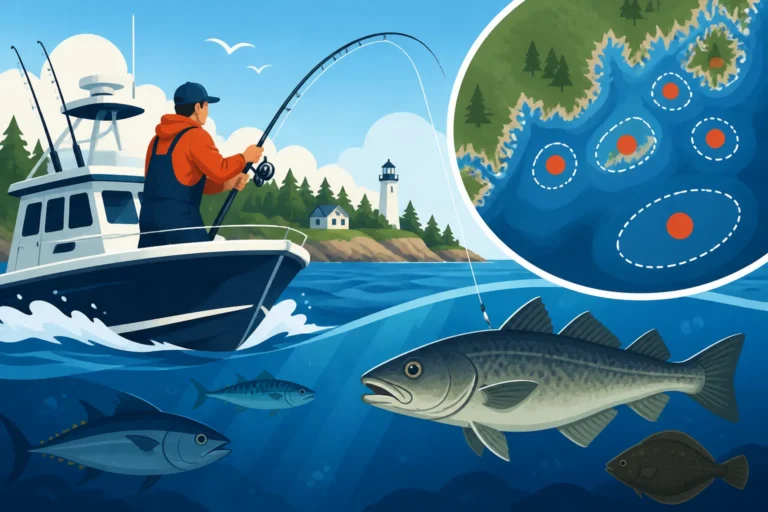
Trying to navigate the best spots and times to intercept those feisty striped bass as they push up Maine's magnificent Penobscot River can feel like a real puzzle. It's frustrating to head out without a solid plan, only to miss the action. This comprehensive guide will arm you with everything you need to know, from understanding the annual run to pinpointing prime fishing locations and mastering the techniques that put those silver bullets in your hands.
Understanding the Penobscot River Striper Run
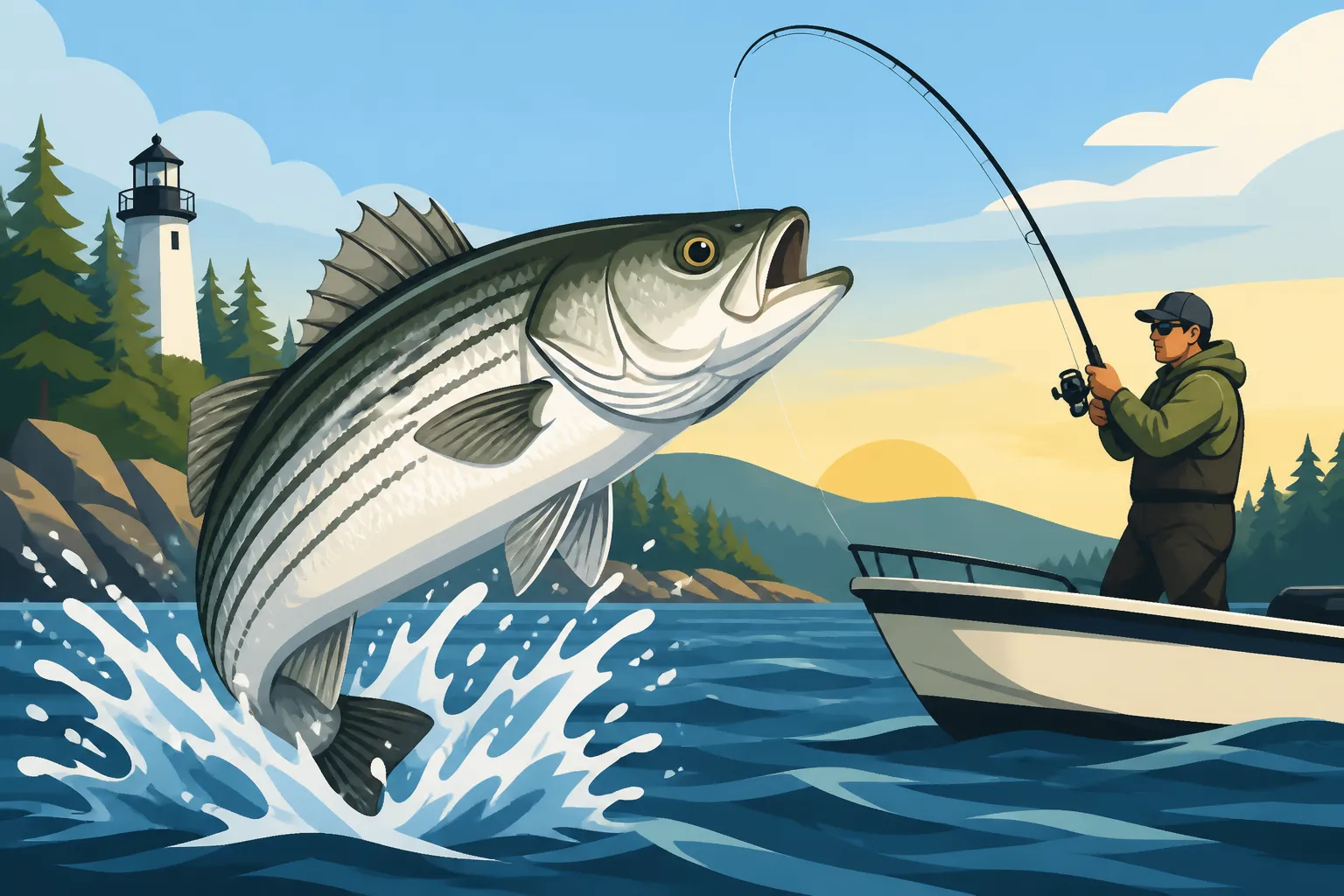
The Penobscot River, a true gem of Maine, becomes a highway for striped bass each year as these powerful fish leave the ocean and migrate upstream. This annual event is a highlight for many anglers, offering incredible opportunities to hook into one of the most exciting sport fish on the East Coast. It's not just about the fish, though; it's about connecting with nature in one of Maine's most iconic waterways.
The Annual Migration: Timing and Triggers
The timing of the Penobscot River striped bass run is heavily dependent on water temperature, much like many other anadromous (or semi-anadromous, in the case of stripers) migrations. Typically, you'll start to see the first waves of fish entering the lower river in late May or early June, as the ocean waters begin to warm into the high 50s and low 60s Fahrenheit. This initial push is often driven by the availability of baitfish, such as river herring (alewives and blueback herring) and mackerel, which are also making their way into the river systems to spawn. The peak of the run usually settles in around June and July, with strong numbers of fish remaining well into August.
By late summer and early fall, as water temperatures begin to drop, the stripers gradually start their journey back to the ocean, heading south for their wintering grounds. However, don't write off fall fishing entirely! Some of the largest resident fish, having fattened up over the summer, can still be found in the lower river and estuary, offering fantastic opportunities for those willing to brave the cooler weather. Understanding these patterns, and keeping an eye on local conditions and fishing reports, is crucial for timing your trip just right.
Why the Penobscot is a Striper Magnet
The Penobscot River boasts several characteristics that make it particularly attractive to migrating striped bass. Its sheer size and vast tidal estuary create a rich, diverse habitat that supports an abundance of baitfish, which is the primary draw for stripers. From its broad mouth near Penobscot Bay, the river stretches inland, offering a significant pathway for fish to explore. The confluence of freshwater from upstream and the brackish influence of the ocean creates a dynamic environment that provides varied feeding opportunities and cooler, oxygen-rich waters during the warmer months.
Historically, the Penobscot also holds significance in terms of fish passage and restoration efforts. While its Atlantic salmon populations are still under recovery, ongoing initiatives to improve fish passage have created a healthier ecosystem overall, benefiting all migratory species, including striped bass. This makes the Penobscot not just a great fishing spot, but also a testament to successful conservation work, ensuring a vibrant fishery for generations to come.
Life Cycle and Behavior of Penobscot Stripers
Striped bass are fascinating fish, known for their powerful fights and schooling behavior. While the Penobscot River itself isn't a primary spawning ground for striped bass (their main spawning grounds are further south in rivers like the Chesapeake Bay or Hudson River), the river provides critical feeding and nursery habitats. The fish that enter the Penobscot are primarily adult and juvenile "migratory" stripers, ranging from schoolie-sized fish (18-24 inches) up to impressive trophy fish exceeding 40 inches.
Their behavior in the river is largely dictated by tides, baitfish movements, and water temperature. They are ambush predators, often holding in structure like submerged rocks, ledges, or channel edges, waiting for bait to pass by. During an incoming tide, they will push upstream with the current, actively feeding in shallower areas. As the tide turns and begins to go out, they often retreat to deeper channels, concentrating in certain bottlenecks where bait is funneled. Understanding these tidal influences is paramount for successful fishing. They also tend to feed most actively during low light conditions, meaning dawn and dusk are often the best times to be on the water.
Prime Fishing Spots Along the Penobscot for Striped Bass
The Penobscot River offers a vast array of fishing opportunities, from its wide, tidal estuary to narrower upriver sections. Each area presents its own challenges and rewards, catering to different fishing styles and preferences. Knowing where to focus your efforts can dramatically increase your chances of success.
Lower River Hotspots: Estuary to Bucksport
The lower Penobscot River, stretching from Penobscot Bay upstream through areas like Castine, Bucksport, and the waters around Verona Island, is undeniably the heart of the striper action. This section is characterized by wide channels, strong tidal currents, and extensive mudflats and rocky shorelines that hold abundant bait. Places like the waters surrounding Fort Knox and the Penobscot Narrows Bridge are notorious hotspots, where current funnels baitfish, creating ideal ambush points for stripers.
Anglers often target these areas from boats, drifting or trolling along channel edges, around bridge pilings, and over submerged rock piles. For shore anglers, public access points in towns like Bucksport and Orland offer opportunities to cast from docks, rocky outcroppings, or public parks. Pay close attention to tidal charts, as the strong currents here can be challenging but also incredibly productive. The incoming tide often brings fish into shallower feeding zones, while the outgoing tide can concentrate them in deeper channels as they wait for the next feeding cycle. Many anglers find the period just before and after a tide change to be particularly fruitful in these areas.
Upriver Challenges and Rewards: Beyond Bangor
While the lower river gets the most attention, adventurous anglers can find striped bass further upstream, sometimes as far as Old Town or even Milford, especially during the peak of the run in summer. Once you get beyond the Bangor area, the river narrows, and the freshwater influence becomes more pronounced, but stripers will follow baitfish upstream, particularly during periods of higher water or strong tides.
Fishing these upper sections often requires a different approach. The currents can be swifter, and the habitat changes to more riverine features like rapids, deeper pools, and submerged timber. Shore access might be more limited, often requiring anglers to explore less-traveled paths or use smaller, nimble boats like kayaks or canoes. While the numbers of fish might be lower compared to the estuary, the size of the stripers caught here can be impressive, as often only the larger, more aggressive fish make such a sustained journey upstream. Targeting these areas with live bait or larger, durable lures can be particularly effective. Remember to consult local maps and access points, as private land can limit river access in some areas.
Shore Access vs. Boat Fishing: Getting on the Water
The Penobscot River offers options for both shore and boat anglers, each with its own advantages. Shore fishing is accessible and budget-friendly, allowing you to target specific areas like piers, jetties, and rocky points. Popular shore fishing locations can be found in Bucksport, near the Fort Knox bridge, and along certain stretches in Bangor. However, shore access can be limited by private property and the sheer size of the river, meaning you're restricted to specific spots. Anglers looking to explore How to Fish for Striped Bass From Shore should focus on casting distance and understanding the local structure from land.
Boat fishing, on the other hand, provides unparalleled flexibility. You can cover vast stretches of water, target offshore structure, and follow baitfish schools more effectively. Public boat launches are available in various towns along the river, including Bucksport, Winterport, and Bangor. Using a boat allows you to troll or drift through prime channels and reach areas inaccessible from shore. If you're considering hiring a professional, platforms like FishingBooker can help you find local guides or charters that specialize in navigating the Penobscot and finding the fish. Before heading out on the water, ensure you're familiar with Maine's boating regulations and have all necessary safety equipment on board, as the currents and tides can be strong.
| Location Type | Best for | Pros | Cons |
|---|---|---|---|
| Lower River Estuary (e.g., Bucksport) | Boat, Shore | High fish concentrations, diverse habitat, strong currents | Strong currents can be challenging, popular spots can be crowded |
| Upriver Sections (e.g., North of Bangor) | Boat (Kayak/Canoe), Limited Shore | Opportunity for larger fish, less crowded | Fewer fish, more limited access, freshwater influence |
| Bridge Pilings & Structures | Boat, Shore | Excellent ambush points for stripers | Strong currents, potential for snags |
| Mudflats & Channel Edges | Boat, Shore | Prime feeding zones, often hold baitfish | Can be tide-dependent, require boat access |
Techniques and Tackle for Penobscot River Stripers
Catching striped bass on the Penobscot River requires a blend of appropriate gear and effective techniques. These fish are powerful fighters, and the dynamic environment of the river calls for versatility in your approach. Whether you prefer casting lures, drifting bait, or trolling, having the right setup is key to success.
Top Baits and Lures for Penobscot Stripers
When it comes to enticing Penobscot River stripers, versatility is your friend. Live bait, especially mackerel, pogies (menhaden), or river herring (where legal and available), is often the most effective. These natural offerings perfectly mimic the stripers' preferred forage and can lead to aggressive strikes, particularly from larger fish. For those who prefer artificials, a variety of lures prove deadly. Soft plastic paddle tail swimbaits, like the popular Storm Wildeye Swim Shad or similar offerings from Bass Assassin, rigged on a weighted jig head, are incredibly versatile. They can be cast and retrieved, bounced along the bottom, or trolled.
Hard plastic swimming plugs, such as those from Rapala or Bomber, are also excellent choices, especially when retrieved to imitate a wounded baitfish. Topwater plugs, like poppers and walk-the-dog style lures, provide exhilarating visual strikes, particularly during low-light conditions at dawn or dusk, or when stripers are actively busting on bait schools. If you’re into fly fishing, large baitfish patterns, deceivers, and clousers in natural baitfish colors (silver, white, blue, green) can be highly effective, especially when fished around structure or during bait migrations. For a deeper dive into choices, you might want to read our guide on Best Lures for Striped Bass in Maine.
Essential Gear: Rods, Reels, and Lines
For Penobscot River striped bass, you'll want a rod and reel setup that can handle strong fish and potentially heavy currents. A medium-heavy spinning rod, 7 to 8 feet in length, paired with a reliable spinning reel in the 4000-6000 size range, is a solid choice for most applications. This combination provides enough backbone for casting larger lures and fighting powerful fish, while still being comfortable to cast all day. For heavier applications or trolling, a conventional rod and reel setup might be preferred, offering greater cranking power and line capacity.
Line choice is critical. Braided line, with its superior strength-to-diameter ratio and lack of stretch, is highly recommended. A 20-30 lb test braided line is common, allowing for long casts and excellent sensitivity. Always tie on a fluorocarbon leader of 30-50 lb test. Fluorocarbon is nearly invisible underwater, more abrasion-resistant, and helps prevent fish from seeing your main line, which can be particularly important in clearer water. Ensure your knots are strong and reliable, as a trophy striper will test every component of your tackle.
Effective Fishing Methods: Trolling, Casting, Fly Fishing
There are several effective methods for targeting striped bass in the Penobscot River, each suited to different conditions and angler preferences.
Trolling: This is a popular and often highly effective technique, especially for covering large areas and finding concentrations of fish. Trolling involves dragging lures or rigged baits behind a moving boat. Deep-diving plugs, umbrella rigs, or tube and worm rigs are excellent choices for trolling. Varying your speed, depth, and lure presentation until you find what the fish are responding to is key. Trolling along channel edges, over submerged humps, or near bait schools can be incredibly productive. For specific advice, our article on Trolling Tube and Worm Rigs for Striped Bass can provide useful insights.
Casting: Whether from shore or a boat, casting is a dynamic and engaging way to fish for stripers. Target areas with structure, current seams, or visible baitfish activity. Soft plastics, topwater lures, and swimming plugs are all excellent for casting. A fan-casting approach, covering a wide area, often yields results. Pay attention to the retrieve speed and action; sometimes a slow, steady retrieve is best, while other times erratic jerks and pauses will trigger a strike.
Fly Fishing: For the purists, fly fishing for Penobscot stripers offers an exciting challenge. This method is best employed when fish are actively feeding on the surface or in shallower waters. Large streamers mimicking baitfish, like Lefty's Deceivers or Clouser Minnows, are the go-to patterns. A fast-action 9 or 10-weight fly rod with a matching reel and a weight-forward floating or intermediate line is ideal. Accuracy in casting and a quick, lively retrieve are crucial for success. These diverse methods allow anglers to adapt to various river conditions and striper behaviors, ensuring a rewarding experience on the Penobscot. For a broader overview of tactics, check out Maine Striped Bass Fishing Techniques.
Navigating Regulations and Conservation for Striped Bass
Fishing for striped bass in Maine, and specifically on the Penobscot River, comes with a responsibility to understand and adhere to current regulations. These rules are put in place to ensure the long-term health and sustainability of this incredible fishery. Staying informed and practicing responsible angling are paramount for every serious angler.
Maine's Striped Bass Slot Limit and Bag Rules
Maine, like other states along the Atlantic coast, manages its striped bass fishery through strict regulations, most notably a slot limit. A slot limit means that only fish within a specific size range can be legally harvested, while fish outside that range (too small or too large) must be immediately released. This is a critical conservation measure designed to protect juvenile fish, allowing them to grow and reach spawning age, and also to protect the large, mature breeding females, which are essential for future generations.
The current regulation for striped bass in Maine generally allows for one fish per person per day, within a specific slot size (e.g., 28 to 31 inches). However, these regulations are subject to change annually based on stock assessments and management decisions by the Atlantic States Marine Fisheries Commission (ASMFC). It is absolutely vital that you check the most up-to-date Maine Striped Bass Season and Limits information from the Maine Department of Marine Resources (DMR) before you head out. Ignorance of the law is no excuse, and wardens rigorously enforce these rules to protect the fishery. Carry a tape measure, know your local regulations, and measure carefully!
Understanding Catch and Release Practices
Given the slot limit and the importance of conservation, practicing proper catch and release techniques is more critical than ever, especially for any fish outside the legal slot. When you catch a striper that needs to be released, minimizing stress and injury is key to its survival. Here are some best practices:
- Handle with Care: Avoid touching the fish with dry hands, as this can remove their protective slime layer. If possible, keep the fish in the water while unhooking it.
- Use Barbless Hooks: Crushing the barb on your hooks or using barbless hooks makes removal much easier and quicker, reducing injury.
- De-hooking Tools: Have a good pair of pliers or a de-hooking tool readily available. Avoid excessive handling or trying to dig the hook out with your fingers.
- Support the Fish: If you must lift the fish for a photo, support its belly. Never hold a large striper vertically by its jaw, as this can damage its internal organs.
- Revive if Necessary: If a fish seems sluggish before release, hold it gently in the current, allowing water to flow over its gills, until it regains its strength and swims away on its own.
By following these simple steps, you significantly increase the chances of the released fish surviving to fight another day, contributing to a healthier fishery for everyone. For more in-depth guidance, consider reviewing Catch and Release Best Practices in Maine.
Protecting the Future of the Penobscot Fishery
Beyond individual actions, the broader health of the Penobscot River striped bass fishery relies on ongoing conservation efforts. The Penobscot River Restoration Project, which removed dams on the mainstem river, has significantly improved fish passage for species like alewives and Atlantic salmon, which indirectly benefits stripers by enhancing the overall ecosystem and baitfish availability. Protecting water quality and advocating for responsible fishing policies are also crucial.
Anglers play a vital role in this by purchasing fishing licenses, which fund conservation efforts, reporting violations to Maine's Inland Fisheries and Wildlife Wardens, and participating in angler surveys. Every time you buy a Maine Fishing License Guide, you're contributing to these efforts. Remember, the Penobscot River is a shared resource, and its future health depends on collective stewardship. Being knowledgeable about broader Maine Fishing Regulations Explained ensures you're a responsible participant in this vibrant natural resource.
Planning Your Penobscot River Striper Trip
A successful Penobscot River striped bass fishing trip is often the result of careful planning. From understanding the best times to hit the water to considering professional guidance, thinking ahead can make all the difference between a frustrating outing and a memorable day on the river.
Best Times and Tides for Success
As we touched on earlier, timing is everything when it comes to striped bass on the Penobscot. While the season generally runs from late May through early October, the peak months of June, July, and August offer the most consistent action. Within that broader season, knowing the best time of day and understanding tidal influences are critical.
Striped bass are often most active during low-light conditions, making dawn and dusk prime fishing hours. The outgoing and incoming tides are also crucial periods. An incoming tide often pushes baitfish upstream and brings stripers into shallower feeding areas. Conversely, an outgoing tide can concentrate baitfish and stripers in deeper channels, especially around structure or current breaks. Consulting a local tide chart for the specific section of the Penobscot you plan to fish is non-negotiable. Aim to be on the water at least an hour before the tide change and fish through the peak of the movement. For more detailed seasonal breakdowns, consider our guide on the Best Season to Catch Striped Bass in Maine.
Hiring a Local Guide or Charter
For many anglers, especially those new to the Penobscot River or targeting trophy stripers, hiring a local Registered Maine Guide or a charter captain can be an invaluable investment. These professionals have years of experience navigating the river's unique currents, understanding local fish patterns, and knowing exactly where the hot spots are. They also typically provide all the necessary gear, bait, and often even handle the fish cleaning, allowing you to simply focus on fishing.
When choosing a guide or charter, look for one that specializes in striped bass on the Penobscot River. You can find reputable services through word-of-mouth, local tackle shops, or online booking platforms. Services like FishingBooker, for example, often list experienced captains with customer reviews, making it easier to find someone who fits your needs, whether you're looking for a half-day trip or a full-day adventure. Asking about their experience, what kind of gear they use, and their approach to catch and release is always a good idea. Understand that Maine Striper Charter Cost can vary significantly based on duration, boat size, and services included, so discuss all costs upfront. Also, remember that Do Maine Charter Passengers Need Their Own Fishing License? is a common question, and generally, yes, you will need your own Maine fishing license even on a charter.
Making the Most of Your Visit: Beyond the Fishing
A trip to the Penobscot River for striped bass isn't just about the fishing; it's an opportunity to experience a beautiful part of Maine. Consider making it a multi-day adventure. The towns along the Penobscot, like Bucksport and Bangor, offer charming accommodations, excellent dining options, and plenty of other attractions. You could explore historic sites like Fort Knox, take a scenic drive along the coast, or enjoy some of Maine's famous seafood.
Packing appropriately is also important. Even in summer, Maine weather can be unpredictable, so layers are always a good idea. Bring rain gear, sunscreen, bug spray, and plenty of water. A cooler with ice for any legal fish you plan to keep is also essential. Remember that fishing is often about the entire experience, not just the catch. Take time to appreciate the stunning scenery, the wildlife, and the unique character of the Penobscot River. Whether you're a seasoned angler or a beginner, preparing thoroughly will help ensure a safe, enjoyable, and successful outing.
Disclaimer
Please note that fishing regulations in Maine are subject to change. Always consult the latest official regulations from the Maine Department of Inland Fisheries and Wildlife and the Maine Department of Marine Resources before engaging in any fishing activities. This guide is for informational purposes only and should not be considered a substitute for official legal advice or regulations.