Penobscot River Atlantic Salmon Restoration
It’s a truly sad reality to look at a majestic river like the Penobscot and know that for generations, one of its most iconic inhabitants, the Atlantic salmon, was all but gone. The vibrant runs that once sustained communities and enriched the ecosystem were choked off, silent. This guide delves into the monumental effort to bring these magnificent fish back, exploring the Penobscot River Restoration Project and what its success means for the future of fishing in Maine.
The Heartbreaking Decline: Why Atlantic Salmon Vanished from the Penobscot
For centuries, the Penobscot River was synonymous with Atlantic salmon. These powerful, ocean-going fish were not just a food source but a vital part of the cultural fabric of indigenous peoples and early European settlers alike. Their annual migrations were a spectacle, an undeniable sign of a healthy, thriving ecosystem. But progress, as it often does, came at a steep cost, severing these ancient ties.
Historical Abundance and Cultural Significance
Imagine a time when the waters of the Penobscot literally teemed with Atlantic salmon, so numerous that old accounts speak of being able to walk across their backs in certain narrow sections. This wasn't just folklore; it was reality. These weren't merely fish; they were a cornerstone of the diet and economy for the Penobscot Nation and early colonial settlements. They shaped the riverscape and provided an unparalleled recreational opportunity for those who knew how to pursue them. The Penobscot River was truly an epicenter for this incredible species, nurturing vast populations that journeyed from the freshwater spawning grounds to the vast ocean and back again.
The cultural significance extended beyond sustenance. The annual salmon runs were a celebration, a time of plenty, and a spiritual connection to the land and water. The Wabanaki people, for example, have always held a deep reverence for the salmon, recognizing its critical role in the natural cycle and their own survival. This historical context underscores the profound loss felt when these runs dwindled and disappeared, leaving a void far larger than just the absence of a fish.
Impact of Industrialization and Dams
The 19th and 20th centuries brought an era of rapid industrialization to Maine, and the Penobscot River, with its powerful flow, became a prime target for development. Mills, factories, and towns sprang up along its banks, all eager to harness the river's energy. The solution? Dams. Lots of them. These structures, built to power sawmills, textile factories, and later, hydroelectric plants, were effective at generating power and facilitating commerce, but they were devastating for migratory fish. Each dam became an insurmountable barrier, blocking the salmon's crucial journey upstream to their spawning grounds.
Consider the sheer scale: by the mid-20th century, the Penobscot River system had numerous dams, creating a stair-step obstruction to any fish attempting to navigate its length. While some dams had rudimentary fish ladders, they were largely ineffective for Atlantic salmon, a species that requires a clear, unobstructed path to their ancestral spawning sites. Compounding the problem was the pollution from these industries – industrial waste, sewage, and runoff drastically degraded water quality, making survival even harder for the few fish that managed to make it past the physical barriers. These combined pressures drove the once-abundant Atlantic salmon population to the brink of extirpation in the Penobscot.
Ecological Consequences of Extirpation
The disappearance of Atlantic salmon from the Penobscot River had ripple effects throughout the entire ecosystem. It wasn't just one species lost; it was a foundational component of the river's ecological health. Salmon are anadromous, meaning they live in both fresh and saltwater, acting as a crucial link between marine and freshwater environments. They transport vital nutrients from the ocean deep into the heart of the forest when they return to spawn and eventually die. These nutrients enrich the soil, feed terrestrial wildlife like eagles, bears, and other predators, and support the entire food web.
Without the salmon, this natural nutrient cycle was broken. Predator populations that relied on the seasonal abundance of salmon were impacted, either dwindling or shifting their diets, often to the detriment of other species. The river's biodiversity suffered, as did the overall resilience of the ecosystem. The absence of a keystone species like the Atlantic salmon painted a stark picture of what happens when human development disregards the delicate balance of nature, turning a once-vibrant river into a mere conduit for industrial needs.
The Grand Vision: What is the Penobscot River Restoration Project?
Recognizing the dire situation and the immense value of restoring the Penobscot to its former glory, an unprecedented coalition formed. The goal was ambitious: to reverse centuries of environmental damage and bring back the iconic Atlantic salmon, along with other sea-run fish. This wasn't just about fish; it was about restoring an entire watershed, from the mountain headwaters to the Gulf of Maine.
A Multi-Stakeholder Effort
The Penobscot River Restoration Project wasn't a unilateral effort by a single government agency; it was a true collaboration. It brought together a diverse and powerful alliance, including the Penobscot Nation, state and federal agencies like the Maine Department of Marine Resources (DMR) and the U.S. Fish and Wildlife Service, environmental advocacy groups such as the Penobscot River Restoration Trust, and even private dam owners. This unique partnership was crucial, as it addressed complex issues of land ownership, regulatory hurdles, and economic interests.
Each stakeholder brought a unique perspective and essential resources to the table. The Penobscot Nation provided invaluable historical knowledge and a spiritual connection to the river, advocating tirelessly for its restoration. Conservation groups rallied public support and secured funding. Government agencies provided scientific expertise and regulatory oversight. And perhaps most significantly, the dam owners were brought into an agreement that allowed for the removal or bypassing of key dams, which was central to the project's success. This kind of broad consensus and cooperation is rare in large-scale environmental projects and stands as a testament to the shared vision for a healthier Penobscot.
Dam Removal and Fish Passage Solutions
At the heart of the Penobscot River Restoration Project was the strategic removal of old, inefficient dams and the improvement of fish passage at others. The logic was simple: if fish can't get upstream, they can't spawn. The two most significant dams targeted for removal were the Veazie Dam and the Great Works Dam, both located on the main stem of the river and acting as complete blockages. The removal of these dams, completed in 2012 and 2013 respectively, immediately opened up thousands of miles of historical habitat.
Beyond outright removal, other dams, such as the Howland Dam, received state-of-the-art fish bypasses. These innovative structures, sometimes involving nature-like fishways or advanced fish lifts, allow migratory species to navigate around obstacles safely and efficiently. The engineering involved in these solutions was complex, requiring careful planning to ensure ecological effectiveness while maintaining hydroelectric power generation at other sites. This balanced approach allowed for significant environmental gains without sacrificing renewable energy production entirely, showcasing a path forward for river restoration projects globally. You can find more details on these efforts and how they impact fish movement in guides like the Maine Fishing Regulations Explained.
Goals Beyond Salmon: Ecosystem-Wide Benefits
While Atlantic salmon are often the poster child for the Penobscot River Restoration Project, the vision extended far beyond a single species. The project aimed to restore the health and biodiversity of the entire river system, benefiting a whole host of other migratory fish. Species like alewives, blueback herring, American shad, sea lamprey, and even endangered shortnose and Atlantic sturgeon rely on open river passages to reach their spawning grounds.
And the benefits cascade further. The return of these forage fish provides a crucial food source for larger predators, both in the river and in the ocean. This includes striped bass, a popular sport fish that now has better access to food sources, as well as marine mammals and seabirds. The improved water quality, habitat connectivity, and increased biodiversity contribute to a more resilient and robust ecosystem overall. This holistic approach ensures that the Penobscot River isn't just a place for salmon to swim, but a vibrant, functioning artery of Maine's natural heritage, supporting life at every level.
The Mechanics of Revival: How Salmon are Being Helped Back Home
Bringing back a species that has been absent for so long isn't as simple as just removing dams. It requires a sustained, scientific approach, combining direct intervention with meticulous monitoring and habitat work. The journey of Penobscot Atlantic salmon from the brink of collapse to hopeful recovery is a testament to dedicated conservation efforts.
Hatchery Support and Stocking Programs
Given the critically low numbers of wild Atlantic salmon remaining in the Penobscot, relying solely on natural recolonization would have been too slow, if not impossible. That's where hatchery programs come in. The Craig Brook National Fish Hatchery in East Orland, for example, has played a vital role, raising young Atlantic salmon from eggs collected from returning adults (or sometimes from genetically similar strains from other rivers) in a controlled environment. These smolts, typically 1 to 2 years old, are then released into the Penobscot system, giving them a head start and significantly boosting their chances of survival.
This isn't a simple "dump and hope" approach. The stocking programs are carefully managed, considering the optimal release locations, timing, and water conditions to maximize the smolts' chances of migrating to the ocean and eventually returning as adults. The goal isn't to create a perpetually hatchery-dependent population, but to jumpstart natural spawning until wild populations become self-sustaining. It’s a bridge to recovery, providing the numbers needed to establish a viable breeding population that can eventually thrive on its own. For more on the bigger picture, check out our guide on Maine Atlantic Salmon Restoration Efforts.
Monitoring and Scientific Research
A project of this scale requires constant vigilance and adaptation, which is why extensive monitoring and scientific research are ongoing. Biologists meticulously track the number of returning adult salmon using various methods, including fish traps at fishways and electrofishing surveys in spawning areas. They collect data on fish health, size, age, and genetic makeup, which provides critical insights into the success of the restoration efforts and helps identify potential challenges.
For example, tracking devices are sometimes implanted in fish to monitor their movements through the river system and past fish passage structures, providing real-time data on the effectiveness of dam bypasses. This scientific feedback loop is essential. If certain areas aren't seeing expected returns, or if fish health declines, researchers can investigate the causes, whether it's water quality, predation, or ocean conditions, and adjust management strategies accordingly. This commitment to data-driven decision-making is what allows the project to learn and evolve.
Habitat Improvement and Protection
Opening up miles of river is a huge step, but the newly accessible habitat needs to be healthy and productive for salmon to thrive. That’s where habitat improvement and protection come into play. This includes efforts to reduce sedimentation in spawning streams, which can smother salmon eggs, and to restore riparian buffers – the vegetated areas along riverbanks. These buffers help stabilize banks, filter runoff, and provide shade, keeping water temperatures cool, which is crucial for cold-water species like salmon and brook trout.
Furthermore, protecting the newly accessible spawning and rearing habitats from human disturbance is paramount. This involves educating landowners and river users, enforcing regulations, and sometimes acquiring conservation easements to prevent harmful development. The goal is to create a pristine environment where wild salmon can successfully reproduce and their offspring can grow strong before their journey to the sea. The success of salmon ultimately depends not just on passage, but on the quality of the water and habitat they find at every stage of their life cycle.
Challenges and Triumphs: The Road to Recovery is Never Easy
Restoring a species as complex and wide-ranging as Atlantic salmon is a marathon, not a sprint. The Penobscot River Restoration Project has seen incredible successes, but it also faces persistent challenges, reminding everyone involved that nature's recovery is a long-term commitment.
Overcoming Environmental Obstacles
Even with dams removed and fishways installed, Atlantic salmon face a gauntlet of environmental challenges. Ocean conditions, for instance, play a massive role. Salmon spend a significant portion of their lives in the North Atlantic, where factors like water temperature, food availability, and predation rates can fluctuate dramatically year to year. A banner year for smolt survival in the river can be undermined by poor ocean survival, leading to lower adult returns. Climate change adds another layer of complexity, potentially altering ocean currents, temperatures, and food webs in ways that are still being understood.
Within the river itself, water quality remains a concern, particularly in tributaries that might still be affected by agricultural runoff or older industrial legacies. Persistent pollutants can accumulate, affecting fish health and reproductive success. Furthermore, invasive species, both aquatic and terrestrial, can disrupt the delicate balance of the ecosystem, outcompeting native fish for resources or preying on salmon smolts. Each of these obstacles requires ongoing monitoring, research, and adaptive management strategies to ensure the salmon have the best possible chance at survival.
Measuring Success and Setbacks
How do you truly measure the success of such a monumental project? It's not just about counting fish, though that is a critical metric. The return of adult Atlantic salmon to the Penobscot has seen encouraging upticks since the dam removals. While still far from historical numbers, the trend is positive, with hundreds, and sometimes over a thousand, returning adults detected annually in recent years, a stark contrast to the mere handfuls seen before the project. This is a clear triumph.
However, setbacks are inevitable. Some years see lower returns due to factors mentioned above, like ocean survival. These fluctuations can be disheartening, but they serve as reminders of the long-term nature of conservation. True success will be marked by the establishment of a self-sustaining, genetically diverse population of wild Atlantic salmon that no longer requires hatchery support, able to weather natural variations in environmental conditions. It's a goal that may take decades to fully realize, demanding patience and unwavering commitment.
Community Engagement and Future Stewardship
The success of the Penobscot River Restoration Project hinges not just on scientific expertise and engineering feats, but on the enduring commitment of the people of Maine. Community engagement has been a vital component, from educating local residents about the importance of the project to encouraging responsible fishing practices and stewardship of the river. When locals feel a sense of ownership and pride in the river's recovery, they become its most effective guardians.
Future stewardship means continuing to advocate for strong environmental protections, supporting research efforts, and participating in volunteer opportunities. It means teaching the next generation about the value of healthy rivers and the incredible journey of the Atlantic salmon. The project has inspired a new generation of conservationists and outdoor enthusiasts, fostering a deeper connection to Maine's natural resources. It’s a legacy that extends beyond the fish themselves, shaping a community committed to environmental health.
What This Means for Anglers and the Future of Maine Fishing
For many anglers, the Penobscot River was once a dream destination for Atlantic salmon. While those days are not yet fully returned, the restoration efforts hold immense promise for the future, not just for salmon, but for the entire Penobscot fishery.
Current Fishing Restrictions and Conservation Ethics
It's crucial for anglers to understand that Atlantic salmon remain a federally endangered species in the Penobscot River, and as such, there is no open season for retaining wild Atlantic salmon. Fishing for them is strictly catch-and-release, and in many areas, specific tackle restrictions apply to minimize harm to any salmon caught accidentally. These stringent rules are in place for a very good reason: to give the recovering population every possible chance to rebound. Fishing without a license or violating these conservation rules can lead to significant penalties, as highlighted in guides like Fishing Without a License in Maine.
The emphasis for anglers in the Penobscot is on conservation ethics. This means practicing careful catch-and-release techniques, minimizing handling time, keeping fish in the water as much as possible, and using appropriate gear that reduces harm. It's a privilege to be able to fish in these waters while salmon are making their comeback, and responsible angling plays a direct role in their recovery. It’s about respecting the process and the fish, ensuring future generations can experience truly vibrant salmon runs.
The Hope for Future Recreational Opportunities
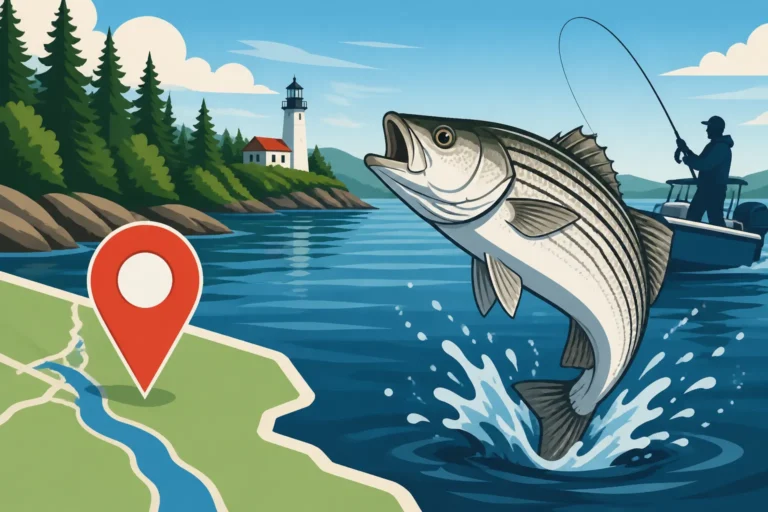
While direct harvest of Atlantic salmon is off the table for the foreseeable future, the restoration has already brought positive changes for other species and holds great promise. The return of vast numbers of alewives and herring means an explosion of food for species like striped bass, which are already seeing improved runs in the lower Penobscot. You can find excellent opportunities for Penobscot River Striped Bass Run in Maine, enjoying a vibrant fishery that benefits from the broader ecosystem health.
Imagine a future where Atlantic salmon populations are robust enough to support limited, carefully managed recreational fishing. This isn't a pipe dream; it's the ultimate goal. While it will take many more years of successful returns, habitat improvement, and ocean survival, the Penobscot River Restoration Project has laid the groundwork. When (and if) that day comes, it will be a testament to what's possible when conservation triumphs, offering unparalleled opportunities for anglers to connect with one of nature's most magnificent game fish. For those planning future trips, and looking to explore the full breadth of fishing opportunities across Maine, platforms exist that connect anglers with local guides who are experts in different fisheries.
Supporting the Recovery: How You Can Help
Even if you're not directly involved in scientific research or dam removal, there are many ways anglers and outdoor enthusiasts can contribute to the ongoing recovery of Atlantic salmon and the health of the Penobscot River. The simplest is to learn and abide by all Maine Fishing Season Dates Guide and Maine Fish Bag Limits Guide and special regulations for the Penobscot, especially those related to bait and tackle. Education is key. Understand the fragile state of Atlantic salmon and help spread awareness among your fellow anglers about the importance of catch-and-release and conservation.
Consider volunteering with local conservation groups or joining organizations dedicated to river protection. Participating in river cleanups, supporting policies that protect water quality, and even simply reporting illegal fishing activities (see How to Report a Poacher in Maine) are all vital contributions. Every action, no matter how small, helps solidify the gains made by the Penobscot River Restoration Project, ensuring that the dream of a truly wild Penobscot, teeming with Atlantic salmon once more, becomes a lasting reality for generations to come.
Key Milestones in Penobscot River Atlantic Salmon Restoration
To truly appreciate the scope of this ambitious undertaking, it's helpful to visualize some of the key dates and events that shaped the Penobscot River Restoration Project. This timeline highlights the legislative, structural, and ecological achievements that have brought the Atlantic salmon closer to recovery.
| Year | Milestone Event | Impact on Salmon Restoration |
|---|---|---|
| 1998 | Penobscot Nation v. Maine Court Case Decision | Affirmed Penobscot Nation's inherent rights to the river, fostering collaborative restoration efforts. |
| 2004 | Penobscot River Restoration Project Agreement | Formalized the collaboration between stakeholders, setting the stage for dam removals and fish passage improvements. |
| 2010 | Legislative Approval & Funding Secured | Critical state and federal approvals and funding were secured to move forward with physical removal. |
| 2012 | Great Works Dam Removal | First major dam on the main stem removed, opening significant habitat immediately. |
| 2013 | Veazie Dam Removal | Second major dam on the main stem removed, opening additional crucial spawning grounds. |
| 2016 | Howland Dam Bypass Completion | State-of-the-art fish bypass constructed, allowing migratory fish to navigate around the dam. |
| Ongoing | Increased Fish Returns & Monitoring | Documented increases in returning Atlantic salmon and other migratory fish, ongoing scientific assessment. |
| Ongoing | Habitat Improvement Initiatives | Continuous efforts to restore riparian zones, improve water quality, and protect critical spawning areas. |
Disclaimer
The information provided in this guide is for general informational purposes only and does not constitute legal advice. Fishing regulations, license requirements, and conservation guidelines for Maine's waters, especially regarding endangered species like Atlantic salmon, are subject to change. Always consult the official Maine Department of Inland Fisheries and Wildlife (MDIFW) regulations book or website for the most current and accurate information before planning any fishing trip. Adherence to all local, state, and federal laws is the responsibility of each individual angler.