Best Ice Fishing Ponds Near Bangor, Maine
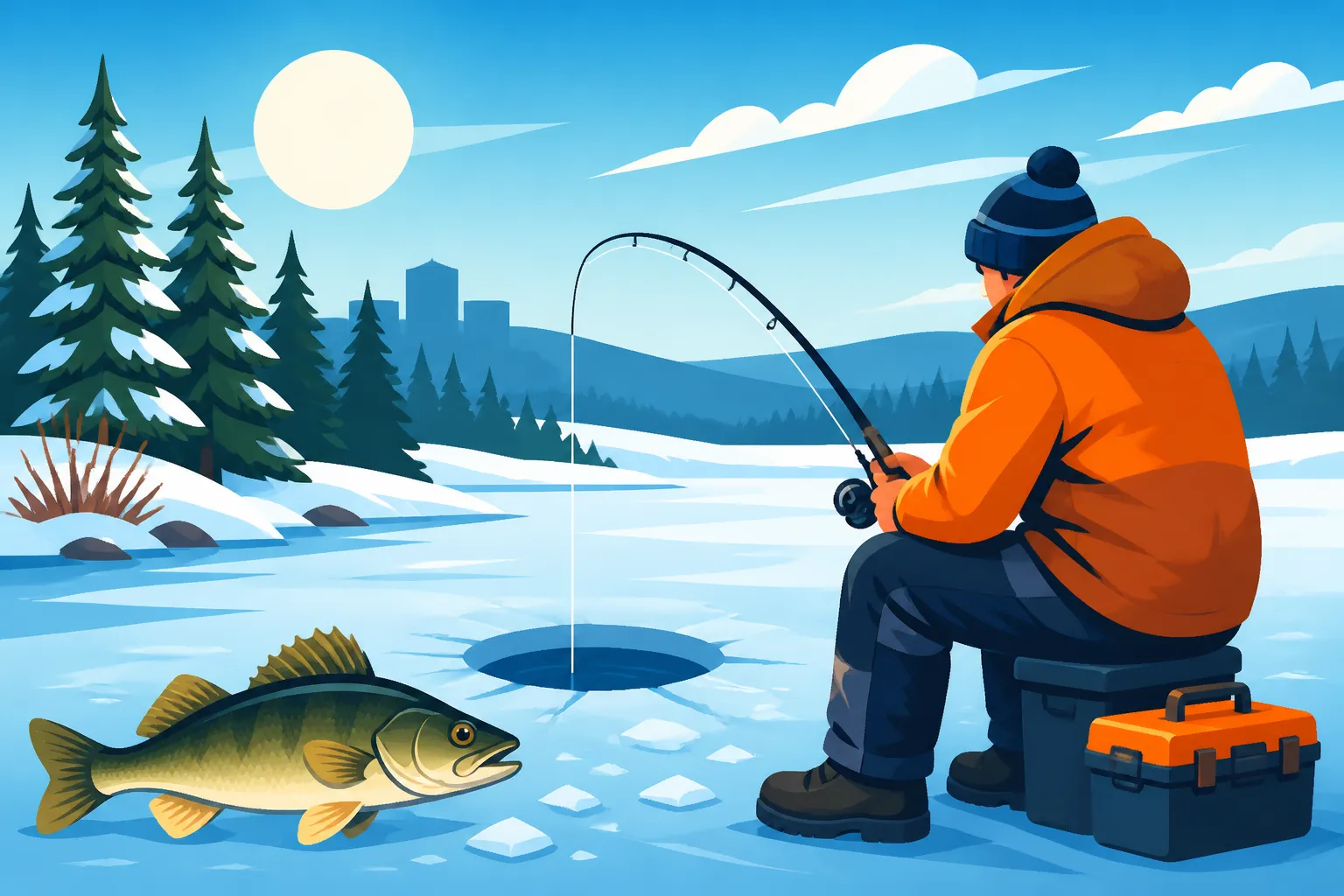
There’s nothing quite like the crisp air, the vast expanse of white, and the thrill of pulling a feisty fish through a hole in the ice. But let’s be honest, for many of us living in or visiting the Bangor area, the thought of a long, complicated drive to a remote ice fishing destination can be a real deterrent. We want the peace, the quiet, and the action without the epic journey. This guide is all about simplifying that for you, shining a spotlight on some fantastic, accessible ice fishing ponds and lakes right in the greater Bangor region, helping you plan a successful and enjoyable day on the hardwater without the hassle.
The Allure of Ice Fishing Near Bangor, Maine
Bangor sits in a fantastic sweet spot, surrounded by a multitude of diverse waterways that transform into prime ice fishing grounds once the temperatures drop. You don't always need to venture deep into the North Woods to find incredible opportunities. The charm of ice fishing here isn't just about the fish; it's about the convenience, the variety, and the true Maine experience right on your doorstep.
Accessibility and Convenience for Anglers
One of the biggest frustrations for any angler, especially those with busy schedules or families in tow, is the sheer travel time often associated with a quality fishing trip. That's where the Bangor area truly shines for ice fishing. Instead of planning an overnight expedition, you can often reach a productive pond within a 30-to-60-minute drive, making it perfectly feasible for a morning outing or even an afternoon escape.
Imagine waking up, grabbing your gear, and being out on the ice, tip-ups set, with a hot coffee in hand before the sun is fully over the trees. This kind of accessibility means less time driving and more time doing what you love. It’s perfect for spur-of-the-moment trips when the weather looks just right, or for introducing new folks to the sport without overwhelming them with travel fatigue. Plus, being relatively close to town means easy access to bait shops for last-minute supplies, or even a quick dash back to civilization if you forget something crucial (we've all been there!). This localized fishing minimizes the logistical headaches and maximizes your enjoyment.
Diverse Fisheries and Species Opportunities
The beauty of the waters around Bangor is their incredible diversity, which translates directly to a wide range of ice fishing experiences. Whether you're chasing the spirited fight of a brook trout, hoping for a trophy landlocked salmon or togue, or simply want to fill a bucket with tasty white perch, there’s a pond or lake nearby that caters to your preference.
You'll find everything from shallower, warmer waters teeming with chain pickerel and panfish, perfect for an active day of jigging, to deeper, colder lakes that hold impressive populations of cold-water species. This variety means you're not stuck targeting the same fish every time you go out. One weekend you might be jigging for plump yellow perch on a small pond, and the next you could be setting out heavy tip-ups for a lurking lake trout in a larger, deep basin. This diverse fishery keeps things exciting and offers ample opportunities for anglers of all skill levels to find success and enjoyment throughout the winter season.
Top Ice Fishing Ponds and Lakes in the Greater Bangor Area
When the ice gets safe, the Bangor region truly comes alive with ice fishing action. While there are countless small ponds and hidden gems, some locations consistently stand out for their accessibility and fishing quality. These spots offer a great starting point for both seasoned ice anglers and those looking to get their feet wet for the first time.
Green Lake (Ellsworth/Dedham Area)
Just a short, scenic drive from Bangor, Green Lake is a gem for coldwater species, making it a prime destination for serious ice anglers. This deep, clear lake, straddling the towns of Ellsworth and Dedham, is renowned for its populations of landlocked salmon, togue (lake trout), and some beautiful brook trout. It's not uncommon for anglers to pull out truly impressive fish here.
When ice fishing Green Lake, you'll often find anglers targeting the deeper basins, sometimes dropping lines to 50 feet or more, especially for togue. Live bait, particularly shiners, presented on tip-ups, is a tried and true method, often suspended at various depths until you find where the fish are holding. Jigging with Swedish Pimples or other flashy spoons can also be very effective, especially for enticing salmon or active togue. Because of its depth and the variety of coldwater species, it's a lake that demands a bit more strategy and often rewards persistence. Make sure to check the specific Maine Fishing Regulations Explained for Green Lake, as special rules can apply to protect its valuable fishery.
Pushaw Lake (Old Town/Glenburn)
Pushaw Lake, located conveniently between Old Town and Glenburn, is a local favorite and a fantastic option for a more relaxed, family-friendly ice fishing experience. It's a large, relatively shallow lake that really shines for warmwater species. Here, you can expect to find abundant chain pickerel, white perch, and smallmouth bass, offering plenty of action throughout the day.
The shallower nature of Pushaw makes it less intimidating for beginners, and it's easy to drill a good number of holes without needing specialized deep-water gear. Tip-ups are king on Pushaw, usually baited with live shiners, which are irresistible to the aggressive pickerel and hungry bass. The white perch can be caught in good numbers by jigging with small spoons or even tiny lead-head jigs tipped with a piece of worm or grub. The lake also has several easy access points, making it convenient to get gear onto the ice. It’s a great spot to set up a few tip-ups, keep warm in a portable shanty, and enjoy the winter day with consistent bites. Remember to be mindful of specific Maine Fish Bag Limits Guide for different species you might encounter here.
Phillips Lake (Dedham)
Another excellent choice just outside of Bangor is Phillips Lake, nestled in Dedham. This lake offers a fantastic blend of coldwater and warmwater species, providing a diverse fishing experience. Anglers frequently target brook trout, landlocked salmon, and smallmouth bass through the ice here.
Phillips Lake has varying depths, allowing for different strategies. For trout and salmon, you’ll typically want to focus on areas where the lake bottom drops off into deeper water, often setting tip-ups with live shiners or even small dead smelt. Jigging spoons can also be effective, especially for drawing curious salmon closer. For smallmouth bass, look for rocky points, humps, and submerged structure, which they often relate to even under the ice. These areas can be productive for both tip-ups and active jigging with tube jigs or blade baits. The ice conditions on Phillips Lake are usually reliable once winter sets in, and its proximity to Bangor makes it a popular choice for local anglers. Before you head out, confirm the Maine Fishing Season Dates Guide and any specific regulations for Phillips Lake, as they can sometimes differ from general law.
China Lake (Vassalboro/Winslow)
While a little further south, roughly an hour's drive from Bangor, China Lake is absolutely worth mentioning for its exceptional ice fishing, especially if you're targeting quality bass and white perch. This large lake near Vassalboro and Winslow is famous among anglers for its robust populations and is a regular host for ice fishing derbies.
China Lake offers incredible opportunities for both smallmouth and largemouth bass, which remain active under the ice. Anglers often find success by setting tip-ups with large shiners near submerged structure, rocky reefs, or along contour lines where depth changes significantly. The lake's white perch fishery is also phenomenal, with anglers often catching large numbers of plump fish by jigging with small flashy spoons or tungsten jigs tipped with bait. Its extensive size means there's plenty of room to spread out, though popular hotspots can draw a crowd. If you're willing to make the slightly longer drive, China Lake consistently delivers a memorable ice fishing experience, making it a great destination for a full day on the ice. When planning your visit, platforms like FishingBooker might list local guides familiar with China Lake's hotspots and techniques, which can be invaluable for maximizing your success.
Here's a quick comparison of some of these fantastic ice fishing spots:
| Lake/Pond | Primary Target Species | Key Characteristics | Common Techniques | Driving Time from Bangor (approx.) |
|---|---|---|---|---|
| Green Lake | Landlocked Salmon, Togue, Brook Trout | Deep, clear, coldwater fishery | Deep tip-ups (shiners), Jigging spoons | 35-45 minutes |
| Pushaw Lake | Chain Pickerel, White Perch, Smallmouth Bass | Large, shallower, warmwater fishery | Tip-ups (shiners), Jigging (small spoons) | 15-25 minutes |
| Phillips Lake | Brook Trout, Salmon, Smallmouth Bass | Mixed depths, diverse fishery | Tip-ups (shiners/smelt), Jigging (spoons/tubes) | 25-35 minutes |
| China Lake | Smallmouth Bass, Largemouth Bass, White Perch | Large, shallower (but varied), popular for derbies | Tip-ups (large shiners), Jigging (spoons/tungsten) | 50-65 minutes |
Essential Gear for a Successful Bangor Ice Fishing Trip
Heading out onto the ice in Maine means being prepared. The right gear not only makes your trip more comfortable and enjoyable but also significantly increases your chances of success and, most importantly, ensures your safety. Don't let a forgotten item cut your day short or put you in a bind.
Core Equipment: Auger, Shelter, and Safety Gear
First and foremost, you need a way to get through the ice! An auger is your primary tool. For most of the season in the Bangor area, a hand auger might suffice, especially on smaller ponds. However, if you plan to hit larger lakes like Green Lake or Pushaw, or if you just prefer less effort, a power auger (gas, propane, or electric) will be your best friend, especially when drilling many holes or when the ice is exceptionally thick. Brands like Eskimo and Jiffy are popular for power augers, while Mora and Nils Master make excellent hand augers.
Next, consider a shelter. Maine winters can be brutal, and staying warm is crucial. A portable ice shanty (flip-over or pop-up style) offers protection from the wind, snow, and extreme cold. These can be quickly deployed and moved, allowing you to stay mobile and follow the fish. For those who frequent the same spots, a more permanent ice shack offers greater comfort and amenities. Just remember to adhere to Ice Fishing Shack Removal Rules at the end of the season.
Finally, and perhaps most critically, safety gear is non-negotiable. Always carry a set of ice picks around your neck, allowing you to pull yourself out if you break through. A throw rope is vital for helping others. Many experienced anglers wear a personal flotation device (PFD) or a specialized float suit, especially during early or late ice conditions. A first-aid kit, a fully charged cell phone, and a buddy system should always be part of your ice fishing plan.
Rods, Reels, and Terminal Tackle
The specific rods and reels you choose will depend on your target species. For panfish like perch, an ultra-light action ice rod with a small spinning reel spooled with 4-6 lb test monofilament or fluorocarbon is perfect. This setup allows you to feel subtle bites. For brook trout, salmon, or bass, a medium-light to medium action rod with a slightly larger reel and 6-10 lb test is more appropriate to handle stronger fish. You can find excellent ice fishing combos from brands like Clam, Fenwick, and Ugly Stik that are designed for the unique challenges of ice fishing.
Terminal tackle is where the magic happens.
- Live Bait: Live shiners are the undisputed king of ice fishing baits in Maine, especially for salmon, trout, bass, and pickerel. Keep them lively in a bait bucket with an aerator. Worms and grubs can also be very effective for panfish.
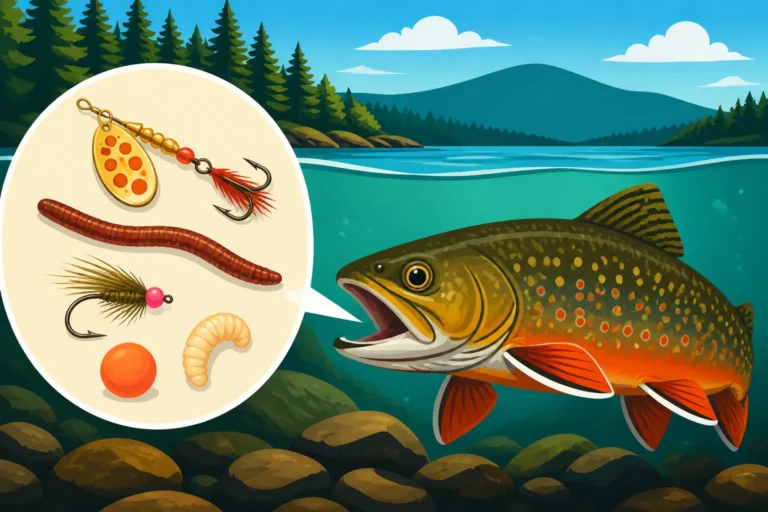
- Artificial Lures: Small jigs (like tungsten jigs) tipped with a grub or worm, flashy spoons (Swedish Pimple, Kastmaster), and blade baits are all excellent for active jigging. Match the size and color to the species and water conditions.
- Tip-ups: These ingenious devices allow you to fish multiple lines simultaneously (within legal limits, of course, usually five lines per person in Maine). Rig them with heavy leaders (fluorocarbon or even wire for pickerel), a hook suitable for your bait, and a weight to keep your bait at the desired depth. Setting up your tip-ups correctly is crucial for success. For more details on line limits, check out the Maine Ice Fishing Line Limits guide.
Navigating Regulations and Prioritizing Safety on the Ice
Ice fishing in Maine is an incredibly rewarding experience, but it’s paramount to approach it with respect for the environment, the fish, and, most importantly, your own safety. Ignoring regulations or safety guidelines can lead to dangerous situations, fines, or damage to our precious fisheries.
Understanding Maine Ice Fishing Regulations
Maine has a comprehensive set of fishing regulations designed to protect fish populations and ensure fair angling opportunities. Before you ever drill a hole, you must have a valid Maine Fishing License Guide. This is non-negotiable for anyone aged 16 and over. You can purchase these online, at many local town offices, or at most sporting goods stores and bait shops.
Beyond the license, it’s critical to obtain and read the current year’s open water and ice fishing law book, provided by the Maine Department of Inland Fisheries and Wildlife (MDIFW). This book outlines general law, but critically, it details special regulations for specific waters. A lake like Green Lake might have different bag limits or length restrictions for salmon and togue than a general law pond. Pay close attention to:
- Bag Limits: How many fish of each species you can keep per day. For instance, Brook Trout Daily Bag Limits can vary significantly by zone.
- Length Limits: Minimum or maximum sizes for keeping certain fish.
- Season Dates: While ice fishing typically runs through the winter, specific waters may have different opening or closing dates.
- Line Limits: The total number of lines (including tip-ups) you can have in the water at one time. In general law waters, this is usually five lines per person, but it’s always best to verify. You can find more specific details in the Maine Fishing Regulations Explained.
Additionally, if you use an ice fishing shack, be aware of the Ice Fishing Shack Removal Rules. Shacks generally need to be removed by a certain date after "ice out" or risk being considered abandoned property. Always clearly mark your shack with your name and address.
Ice Safety: Don't Take Chances
This is perhaps the most important aspect of ice fishing. Ice is never 100% safe, and conditions can change rapidly. The age-old adage, "no ice is safe ice," rings true. Always exercise extreme caution, especially early and late in the season.
Here are critical safety guidelines:
- Ice Thickness: As a general rule, aim for a minimum of 4 inches of clear, solid ice for walking, 8-12 inches for snowmobiles and ATVs, and 12-15 inches for light vehicles. Never assume ice is safe just because others are on it.
- Check Conditions: Before heading out, check local reports, bait shops, or online forums for recent ice conditions on your chosen pond. Conditions can vary wildly from one body of water to another, or even within different parts of the same lake.
- Go with a Buddy: Always ice fish with at least one other person. If someone goes through, having help nearby can be life-saving.
- Test as You Go: Use an auger or spud bar to test ice thickness as you move across the ice, especially in unfamiliar areas.
- Beware of Hazards: Stay clear of inlets, outlets, pressure ridges (cracks where ice plates meet and buckle), and areas with currents or springs, as these spots often have thinner, weaker ice. Discolored or slushy ice is also a red flag.
- Dress Appropriately: Layer your clothing to stay warm and dry. Wear waterproof outer layers. A float suit or PFD is highly recommended.
- Bring Safety Gear: Always carry ice picks, a throw rope, and a fully charged cell phone.
Remember, ice fishing is supposed to be fun and relaxing. Taking the necessary precautions ensures everyone has a safe and enjoyable day on the hardwater. Don’t hesitate to turn back if conditions feel unsafe; no fish is worth the risk.
Tips for a Rewarding Ice Fishing Experience in the Bangor Region
Alright, you've got your gear, you know the regulations, and you're committed to safety. Now, let's talk about how to actually catch some fish and make your day on the ice truly memorable and comfortable. Ice fishing isn't just about waiting; it's about strategy and preparedness.
Finding the Fish and Maximizing Your Bites
The biggest challenge in ice fishing is, of course, finding the fish under a sheet of ice. Unlike open water, you can't simply troll around. This is where a little knowledge and technology come in handy.
- Use Electronics: A fish finder or flasher unit is an invaluable tool for ice fishing. It allows you to see the depth, the bottom structure, and, most importantly, fish directly under your hole. Brands like Humminbird and Vexilar are popular choices. Learning to read your flasher will dramatically increase your success, showing you how fish react to your bait and at what depths they are holding.
- Understand Structure: Fish don't just swim randomly; they relate to structure. Look for underwater points, humps, drop-offs, weed lines, or even old stream beds. These are common ambush points or feeding areas. Maps (paper or digital on your phone/GPS) that show lake contours are incredibly helpful. For instance, on Pushaw Lake, targeting areas near weed edges will often yield pickerel and bass. On Green Lake, you’ll focus on deeper breaks for salmon and togue.
- Drill Multiple Holes (Legally!): Don't be afraid to move around. If you're not getting bites in one spot, pack up and try another area. Drilling a pattern of holes across a likely structure can help you locate active fish. Just remember your line limits!
- Vary Your Presentation: Don't stick to just one bait or jigging style. If fish aren't responding to a still shiner on a tip-up, try jigging aggressively, then subtly. Change up your lure color or size. Sometimes, a slight modification is all it takes to trigger a bite.
- Target Time of Day: While ice fishing can be good all day, dawn and dusk often provide the most active feeding windows for many species, particularly trout and salmon. Plan your arrival and departure to hit these prime times.
Staying Warm and Comfortable
An uncomfortable ice angler is usually an unsuccessful ice angler. If you're cold, wet, or miserable, you'll be packing up early, regardless of the fish. Staying warm and comfortable is key to extending your time on the ice and enjoying the experience.
- Layer, Layer, Layer: This can't be stressed enough. Start with a moisture-wicking base layer, add insulating middle layers (fleece, down), and finish with a waterproof and windproof outer shell. You can always shed layers if you get too warm.
- Head, Hands, and Feet: These are your most vulnerable areas for heat loss. Invest in a good winter hat, waterproof gloves or mittens (and a spare pair!), and insulated, waterproof boots. Wool socks or synthetic thermal socks are a must.
- Portable Heater: A small propane heater in your ice shanty can make a world of difference, especially on bitterly cold or windy days. Always ensure proper ventilation to prevent carbon monoxide buildup.
- Food and Drink: Pack plenty of hot beverages in a thermos (coffee, tea, hot chocolate) and easy-to-eat snacks. Staying hydrated and fueled helps your body regulate temperature.
- Comfortable Seating: A portable fishing chair or a bucket with a padded lid will make sitting for hours much more tolerable.
By focusing on these tips, you'll not only increase your chances of catching fish but also ensure you have an enjoyable, safe, and comfortable day out on the frozen waters near Bangor.
Planning Your Ice Fishing Adventure
Successfully planning an ice fishing trip, especially if you're exploring new waters around Bangor, involves more than just checking the weather. It means leveraging available resources and considering whether a little local expertise might just make all the difference.
Resources for Trip Planning
Before you head out, gather as much information as you can. The more you know, the better prepared you'll be, and the higher your chances of success.
- MDIFW Website and Law Book: This is your official source for all regulations, special rules, and general information about Maine's fisheries. Always consult the Maine Department of Inland Fisheries and Wildlife website for the most current information, including any emergency closures or advisories. They also offer a fantastic resource with their official law book, which you should have a physical or digital copy of every time you go fishing. This is crucial for understanding specific rules like Maine Togue and Lake Trout Limits or Maine Landlocked Salmon Bag Limits that might apply to the lakes around Bangor.
- Local Bait Shops: These are goldmines of real-time, hyper-local information. Shops like Van Raymond’s Sporting Goods in Brewer or local mom-and-pop bait and tackle stores near your chosen lake will have the latest on ice conditions, recent catches, and what bait or lures are working best. They often get daily reports from anglers.
- Online Forums and Social Media Groups: Local Maine fishing groups on Facebook or online forums are excellent places to ask questions, get advice from experienced locals, and find out about current conditions. Just remember to take some online advice with a grain of salt and always verify regulations with official sources.
- Ice Conditions Reports: Several sources provide ice condition updates, including local news outlets, outdoor recreation groups, and sometimes even the MDIFW website. Remember, conditions can change rapidly, so always verify yourself.
- FishingBooker and Similar Platforms: If you're new to the area or looking to explore beyond the common spots, platforms like FishingBooker can be an invaluable tool. These sites list local guides and charters, often with reviews and details on the species they target and the locations they fish. While the core intent here is informational, if you do decide to hire a guide, a service like FishingBooker can streamline the process of finding and booking a reputable expert who knows the Bangor-area waters inside and out.
Guided Trips and Local Expertise
For many, especially those new to ice fishing or visiting Maine, hiring a Registered Maine Guide can elevate your experience from good to extraordinary. A guide provides more than just a ride to the fishing spot; they offer a wealth of local knowledge, expertise, and often, all the necessary gear.
- Benefits for Beginners: If you've never ice fished before, or you're unsure about safety and techniques, a guide is an excellent investment. They’ll teach you how to drill holes, set tip-ups, jig effectively, and identify prime fishing locations. They can also provide insights into specific ponds near Bangor, ensuring your first trip is both safe and productive.
- Targeting Specific Species: Want to catch a trophy landlocked salmon or a monster togue? A specialized guide will know the nuances of these specific fisheries, including the best depths, baits, and presentation techniques for your desired catch. They'll know the best spots on Moosehead Lake or Sebago Lake, even if those are a bit further, or even the hidden gems closer to Bangor.
- Convenience: Guides typically supply all the necessary gear, from augers and shanties to rods, reels, and bait. This means less equipment you have to buy, transport, or worry about. It allows you to focus purely on the fishing and the experience.
- Safety: Experienced guides are intimately familiar with ice conditions and safety protocols. They can navigate pressure ridges, identify weak spots, and ensure everyone in the group stays safe, especially on larger, more complex bodies of water.
- Time-Saving: Instead of spending hours scouting, drilling unproductive holes, or struggling with unfamiliar gear, a guide puts you directly on the fish, maximizing your precious time on the ice. If you’re visiting the area, this is particularly valuable. When you're ready to explore this option, checking out reputable platforms like FishingBooker can provide a solid starting point for finding qualified guides in the Bangor area, making your planning even smoother.
Whether you choose a DIY adventure using the resources available or opt for the seasoned wisdom of a local guide, taking the time to plan your ice fishing trip near Bangor will undoubtedly lead to a more successful, enjoyable, and safer experience.
Disclaimer
Please remember that fishing regulations, ice conditions, and fish populations can change. Always consult the official Maine Department of Inland Fisheries and Wildlife (MDIFW) website and their most current law book before heading out. This guide is for informational purposes only and does not supersede official regulations or local advisories. Always prioritize safety on the ice.