Best Bait for Moosehead Lake Brook Trout
Trying to figure out the best bait for Moosehead Lake brook trout can feel like a real puzzle. This massive, deep lake presents unique challenges, and what works on a small pond just won't cut it here. This guide will dive deep into proven bait strategies, both live and artificial, to help you consistently hook those beautiful Moosehead brookies.
Understanding Moosehead Lake Brook Trout Behavior
Before you even think about what bait to tie on, it's crucial to understand the fish you're targeting. Moosehead Lake isn't your average trout stream; it's a vast, dynamic ecosystem where brook trout behave a little differently than their smaller counterparts. Knowing their habits will dramatically improve your success.
Habitat and Preferred Depths
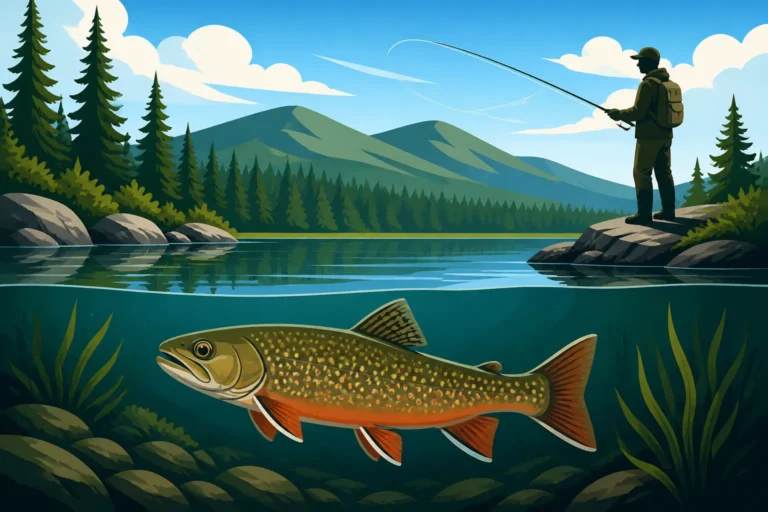
Moosehead Lake's brook trout, often referred to as "brookies," are primarily found in colder, oxygen-rich waters. While they will cruise shallower areas, especially during cooler periods like spring and fall, their core habitat is often tied to tributary mouths, deeper humps, rocky ledges, and areas with underwater springs that provide a consistent source of cold water. In summer, as the surface waters warm, these trout retreat to much deeper, cooler sections of the lake, sometimes holding at depths of 20 to 40 feet or more. Understanding these thermal preferences is key to presenting your bait in the right strike zone. For a broader overview of this magnificent fishery, check out our comprehensive Moosehead Lake Fishing Guide.
Diet and Foraging Habits
Moosehead Lake brook trout have a diverse diet, which is great news for anglers because it means they aren't overly picky about a single type of food. Their menu includes a variety of aquatic insects like mayfly nymphs, caddis larvae, and stoneflies, especially in areas near streams and rivers that feed into the lake. They also feast on smaller baitfish such as smelt, sculpins, and various minnow species. Crayfish are another significant food source, particularly in rocky areas. Knowing what they're naturally eating helps you "match the hatch" or, more accurately, "match the forage" with your bait choice. When they're focused on a particular food source, like a smelt run, using a bait that imitates that food will yield far better results.
Reading the Water for Trout Sign
One of the most valuable skills you can develop, especially on a lake as large as Moosehead, is learning to "read the water." This isn't just about looking for rising fish, although that's certainly a strong indicator. It involves observing environmental cues like water temperature, wind patterns, and current. Pay attention to where baitfish are congregating or where birds are diving, as these can signal the presence of an active feeding zone for trout. Look for changes in bottom structure using your fish finder, identifying drop-offs, underwater points, and submerged timber. These are all potential hiding and ambush spots for brook trout. When you see surface activity, don't just blindly cast; try to determine what they're feeding on by observing the size and shape of the disturbance.
Top Live Baits for Moosehead Lake Brook Trout
When it comes to tempting a wary brook trout, especially a larger one, nothing quite beats the natural appeal of live bait. The movement, scent, and texture are incredibly hard for a fish to resist.
Maine-Legal Live Worms and Minnows
Live bait is a traditional and highly effective method for targeting brook trout in Moosehead Lake, but it's vital to know the specific regulations regarding their use. Always consult the Maine Fishing Regulations Explained before heading out.
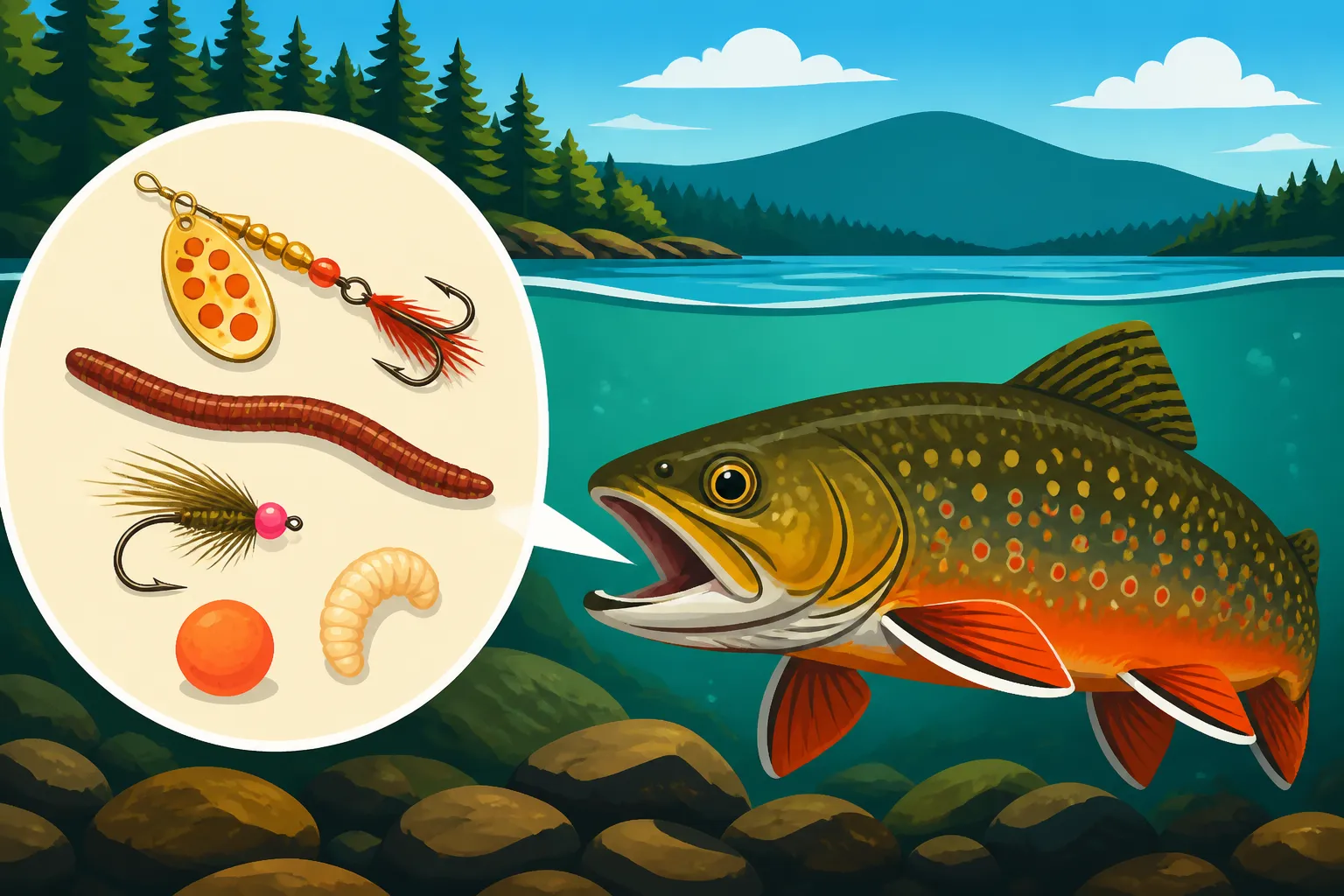
- Nightcrawlers and Earthworms: These are universal trout magnets. Their wiggling action and natural scent are irresistible. For Moosehead's larger brookies, a full nightcrawler threaded on a hook, or even two smaller worms, can be very effective. They work well fished on the bottom with a small weight, under a bobber, or slowly trolled. A classic setup involves a small hook (size 8 or 10), a split shot or two, and a swivel to prevent line twist. This allows the worm to tumble naturally in the water, mimicking a creature dislodged from the lakebed.
- Shiners and Smelt: Live baitfish, particularly golden shiners or locally sourced smelt, are phenomenal for attracting larger brook trout, especially during times when trout are actively preying on baitfish. These are best fished on a plain hook (size 6 or 4) through the lips or dorsal fin, allowing them to swim freely. You can suspend them under a float or slowly troll them. Be mindful of regulations regarding baitfish species and sourcing; in Maine, it's often illegal to use baitfish from one body of water in another to prevent the spread of invasive species. Using an experienced guide, perhaps booked through a service like FishingBooker, can ensure you're using legal and effective baitfish.
Other Natural Offerings
Beyond the common worms and minnows, there are other natural baits that can be incredibly effective, especially if you're trying to replicate what the trout are actively feeding on in a particular area.
- Crayfish: If you're fishing rocky areas or near structure, crayfish can be a game-changer. Brook trout absolutely love them. You can catch small crayfish locally or buy them where legal. Hook them lightly through the tail so they can still move. Present them slowly near the bottom, mimicking their natural scuttling movements. A small jig head or a weedless hook with a small weight can be very effective.
- Hellgrammites and Grubs: These larval insects are common in many of Moosehead's tributary streams and are a natural food source for brook trout. Hellgrammites have a tough exoskeleton and stay on the hook well, while various grubs (waxworms, mealworms) offer a softer, appealing meal. Fish them on a small hook, often with minimal weight, allowing them to drift naturally. These are particularly effective in spring and fall when trout are more likely to be foraging near stream mouths or in shallower rocky areas.
Presentation Techniques for Live Bait
Presenting live bait correctly is just as important as choosing the right bait itself. The goal is to make it look as natural and enticing as possible.
- Still Fishing/Bottom Fishing: This involves casting your bait out and letting it sit on or near the bottom, often with a bobber to indicate bites. This is excellent for targeting deeper holes or areas where trout are holding close to the bottom. Use just enough weight to get your bait down, but not so much that it restricts natural movement.
- Drifting: If you're fishing from a boat or canoe, letting your live bait drift naturally with the current or wind can be incredibly effective. This covers more water and presents the bait in a realistic, uninhibited manner. Keep your bail open or use a bait runner reel to allow fish to take the bait without feeling resistance.
- Slow Trolling: Many anglers find success by slow trolling live bait, especially shiners or worms, behind a boat. Use a small weight, like a split shot, to get your bait down to the desired depth. Trolling at speeds just fast enough to impart a natural swimming or wiggling action to the bait can cover large areas of Moosehead Lake and entice aggressive strikes. This technique is often used for targeting actively cruising trout.
Effective Artificial Lures for Moosehead Lake Brook Trout
While live bait has its undeniable charm, artificial lures offer versatility, durability, and the ability to cover vast amounts of water efficiently. For brook trout in a large lake like Moosehead, the right artificial lure can be incredibly productive.
Spinners and Spoons: The Classics
These are perhaps the most iconic and consistently effective lures for brook trout, and for good reason. Their flash and vibration mimic fleeing baitfish or injured prey, triggering a predatory response.
- Spinners: Brands like Mepps Aglia, Panther Martin, and Rooster Tail are staples for brook trout anglers. Their rotating blade creates flash and vibration that trout find irresistible. For Moosehead, consider sizes from #0 to #2, possibly even #3 for larger fish. Use natural colors like silver, gold, or copper, or try patterns with red or yellow accents. Cast spinners towards rocky points, along weed lines, or near stream inlets, and retrieve at a steady pace. The key is to retrieve fast enough to get the blade spinning but slow enough to allow the trout to strike. Spinners are particularly effective during cooler water periods in spring and fall.
- Spoons: Classic wobbling spoons like the Little Cleo or the Dardevle are fantastic for imitating baitfish. Their erratic action on the retrieve, especially when jigged or trolled, can trigger aggressive strikes. Silver, gold, or hammered finishes work well, as do two-tone patterns like red and white. For Moosehead's deeper waters, spoons can be effectively trolled, especially for the larger brookies that might be holding deeper. Vary your trolling speed and incorporate pauses to make the spoon dart and flutter, mimicking a struggling baitfish. For deep water applications, you might need to use a downrigger or lead core line to get your spoon into the strike zone where the fish are holding, as detailed in our guide on Trolling Techniques for Maine Lakes.
Soft Plastics and Jigs for Deeper Waters
As the water warms and brook trout retreat to cooler, deeper sections of Moosehead, soft plastics and jigs become invaluable tools. These allow you to effectively present bait at depth and mimic various forage.
- Small Tube Jigs and Grubs: These are incredibly versatile. A small 1/16 to 1/8 ounce tube jig, often in white, black, or natural baitfish colors, can be deadly when jigged near the bottom or around submerged structure. The soft plastic undulates subtly, mimicking a crayfish or a struggling minnow. Similarly, small grub tails on jig heads offer a similar appeal. Cast them out, let them sink to the desired depth, and retrieve with short, sharp twitches, allowing the lure to fall on a slack line—this is often when strikes occur.
- Soft Plastic Minnow Imitations: Brands like Berkley Gulp! Minnows or similar realistic soft plastic baits can be rigged on a jig head or a small weighted hook. These are excellent for mimicking smelt or shiners. They can be cast and retrieved, slowly trolled, or even fished vertically from a boat. The key is to match the size and color to the prevalent baitfish in Moosehead Lake. These work particularly well when trout are actively feeding on schools of baitfish.
Fly Fishing for Moosehead Brookies
While Moosehead Lake is known for its trolling and bait fishing, fly fishing can be incredibly rewarding, especially in the shallower areas, around inlets, and during specific hatches.
- Wet Flies and Nymphs: In early spring or late fall, or anytime trout are feeding subsurface, wet flies and nymphs are highly effective. Patterns like a Hare's Ear Nymph, Prince Nymph, or a Pheasant Tail Nymph can imitate a wide range of aquatic insects. Fish these on a sinking leader or with a small strike indicator, allowing them to drift naturally in the current or retrieve them with a slow, erratic strip. These are especially good near feeder streams. Our guide on Fly Selection for Brook Trout can provide more detailed recommendations.
- Streamers: For larger brook trout, especially those targeting baitfish, streamers are often the most productive fly patterns. Woolly Buggers (black, olive, brown), Grey Ghosts, or Black Ghosts are classic choices that imitate minnows or leeches. Fish them on a sinking line and retrieve with varying strip speeds and pauses, making the streamer dart and weave like a wounded baitfish. Streamers are particularly effective when cast towards rocky ledges or trolled slowly behind a boat on a fly rod. This can be a very active and exciting way to target trophy brookies.
- Dry Flies: While less common on the main lake, during specific insect hatches (e.g., mayflies, caddisflies) in calmer waters or near river mouths, brook trout will rise to take dry flies. Have a selection of classic dry fly patterns like Adams, Elk Hair Caddis, or Royal Wulff in various sizes. The thrill of a brook trout sipping your dry fly off the surface is unmatched! Keep an eye on the water for rising fish to indicate a hatch is occurring.
Seasonal Considerations and Advanced Baiting Tips
Moosehead Lake is a year-round fishery, but what works in July might not work in January. Adapting your bait and technique to the season is paramount for consistent success.
Spring and Fall Feeding Frenzies
These transitional seasons are often the most productive for brook trout in Moosehead Lake. The water temperatures are cooler, and brook trout are more active and willing to chase down a variety of offerings.
- Spring (Ice-Out to Early June): As the ice recedes, brook trout become highly active and often move into shallower areas, especially near stream inlets where food is plentiful and water is oxygenated. This is a prime time for both live bait (worms, small shiners) and artificials like small spinners, spoons, and flies (nymphs, streamers). Trolling a Grey Ghost streamer or a small gold Phoebe spoon near the surface can be deadly. Look for fish in the top 10-15 feet of water. If you're wondering about the timing, our Maine Fishing Season Dates Guide offers a good overview of typical fishing windows.
- Fall (September to Ice-On): Similar to spring, fall brings cooler water, which invigorates brook trout. They are actively feeding to pack on calories for winter. This is a fantastic time for larger streamers or spoons, imitating the baitfish they are gorging on. As the season progresses, they may move towards spawning areas in tributary streams, making them more accessible to fly anglers using egg patterns or aggressive streamers. This period offers some of the most vibrant fish and beautiful scenery.
Summer Deep-Water Tactics
Once summer truly sets in, Moosehead's surface waters warm up significantly, sending the brook trout down to the cooler, oxygenated depths. This is where your deep-water game needs to be strong.
- Vertical Jigging: This technique is incredibly effective for targeting brook trout holding in specific deep structures like humps, ledges, or channels. Use heavier spoons (1/4 to 1/2 ounce) or soft plastic jigs. Drop your lure to the bottom, then lift and drop it with varying motions, pausing frequently. Watch your fish finder for schools of baitfish or individual trout, and present your lure directly to them. This can be a highly visual and interactive way to fish.
- Deep Trolling with Downriggers or Lead Core: To consistently reach brook trout holding at 20-40 feet or more, you'll need specialized gear. Downriggers allow you to precisely control the depth of your lure, whether it's a spoon, a small minnow plug, or a live bait rig. Lead core line, on the other hand, is a multi-colored line that sinks at a predictable rate per color, allowing you to estimate your lure's depth based on how many colors you've let out. Both methods are essential for targeting fish in the thermal refuge zones during the heat of summer. Many experienced anglers utilize services found on platforms like FishingBooker to learn these advanced trolling techniques from local guides.
Ice Fishing Bait Strategies
Moosehead Lake transforms into an ice fishing paradise in winter, offering a unique opportunity to target brook trout through the hard water. The fundamentals of bait selection remain, but presentation shifts.
- Tip-Ups with Live Bait: This is a classic and highly effective ice fishing method. Set up multiple tip-ups (check Maine Ice Fishing Line Limits for specifics) with live bait, such as shiners or smelt, suspended at various depths. The larger, active baitfish will attract cruising brook trout from a distance. Ensure your bait is lively and positioned near known structures or drop-offs.
- Jigging with Small Lures: While you wait for a flag on your tip-up, actively jigging with a short rod can be very productive. Small Swedish Pimples, Kastmasters, or specialized ice jigs tipped with a grub (mealworm, waxworm) or a small piece of cut bait are excellent choices. Jig them with short, sharp lifts and drops, pausing between movements. Many anglers find success using a fish finder to locate schools of baitfish or individual trout and then dropping their jig directly to them. Our guide on Maine Ice Fishing Techniques Guide offers more in-depth advice.
Bait & Lure Effectiveness by Season for Moosehead Lake Brook Trout
Here's a quick overview of how different baits and lures perform throughout the year on Moosehead Lake:
| Bait/Lure Type | Spring | Summer | Fall | Winter (Ice Fishing) |
|---|---|---|---|---|
| Nightcrawlers/Worms | High | Medium | High | Medium (Tip-ups) |
| Live Minnows/Smelt | High | High | High | High (Tip-ups) |
| Crayfish/Hellgrammites | Medium | Medium | High | Low |
| Spinners | High | Medium | High | Low (Jigging) |
| Spoons | High | High | High | Medium (Jigging) |
| Soft Plastics/Jigs | Medium | High | Medium | High (Jigging) |
| Streamers (Fly) | High | Medium | High | Low |
| Nymphs (Fly) | Medium | Low | Medium | Low |
Remember, Moosehead Lake is a huge body of water with various micro-climates and fishing pressures. What works one day might not the next, so always be prepared to experiment and adapt your approach. Talking to local bait shops or guides, some of whom can be easily found and reviewed through FishingBooker, is always a smart move for up-to-the-minute reports. Don't forget to secure your Maine Fishing License Guide before you head out, and always be aware of the specific Brook Trout Daily Limit in Maine North Zone. Tight lines!
Disclaimer
Fishing conditions and regulations in Maine can change frequently. Always consult the latest Maine Department of Inland Fisheries and Wildlife (MDIFW) regulations before planning your fishing trip to ensure compliance. This guide is for informational purposes only.