Best Remote Ponds for Brook Trout in Northern Maine
There’s a special kind of angler who craves something more than just a quick trip to a stocked pond. You know the feeling: that deep yearning for solitude, for a fight with a truly wild, native brook trout that hasn't seen a dozen lures this season. It's tough to find those untouched gems in today's world, especially when you're just starting your research, but Northern Maine still holds some incredible secrets. This guide is all about helping you uncover those best remote ponds for brook trout, understand how to get there, and what it takes to experience fishing as it was meant to be.
Unlocking the Mystique of Northern Maine's Wild Brook Trout Ponds
For many, the idea of a "remote pond" conjures up images of untouched wilderness, crystal-clear water, and vibrant brook trout that shimmer with an almost supernatural beauty. In Northern Maine, this isn't just a dream; it's a tangible reality for those willing to put in the effort. These aren't your easily accessible, roadside fishing spots. We're talking about places that require a commitment, a sense of adventure, and a deep respect for nature. But trust me, the reward of hooking into a truly wild brook trout, far from the crowds, is an experience that stays with you forever.
Why Remote Ponds Offer a Unique Angling Experience
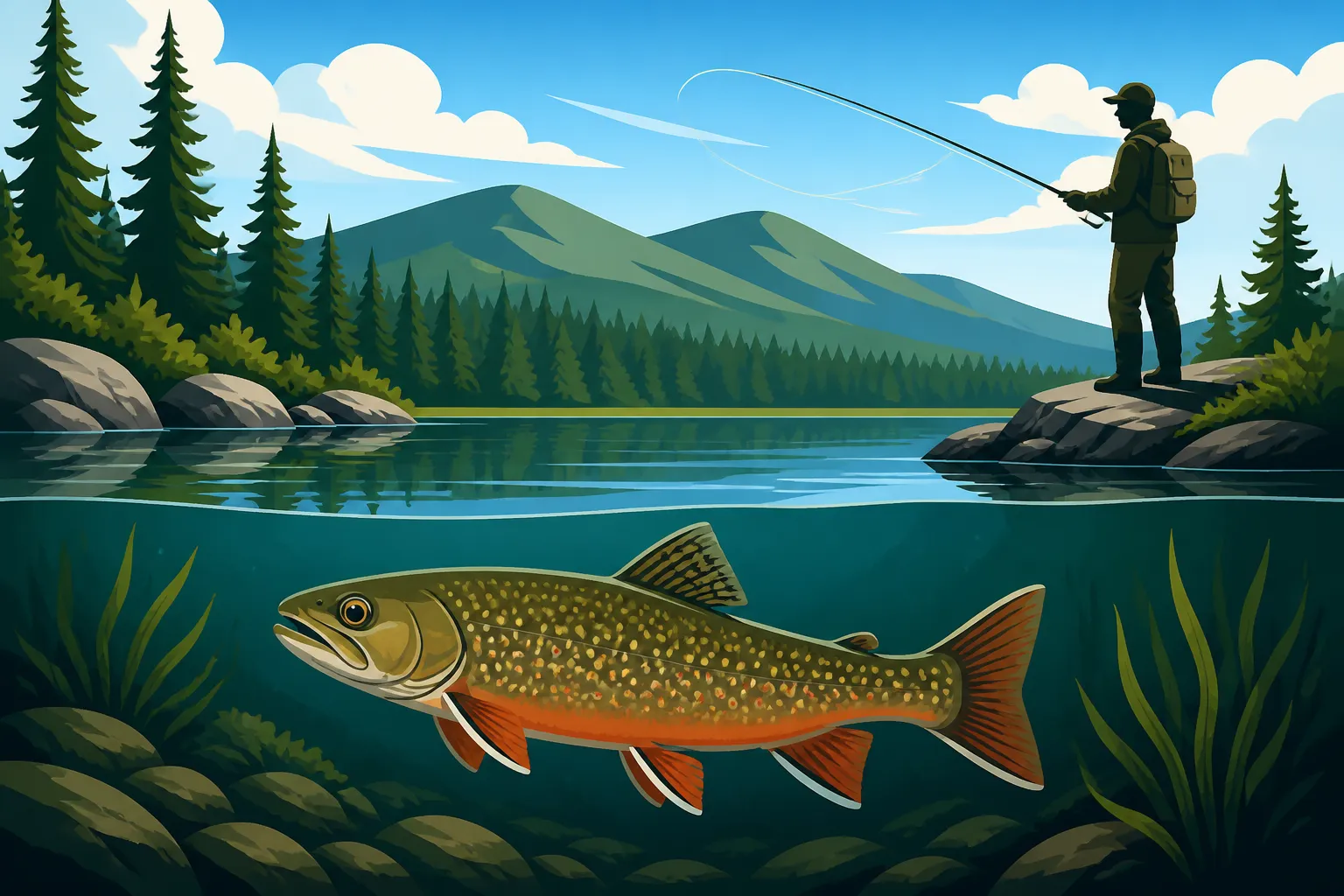
The difference between a heavily fished, stocked pond and a truly remote, wild brook trout pond is like night and day. In a remote pond, the fish are often more aggressive, less wary, and display stunning colors that reflect their natural, unadulterated environment. They've grown up surviving on their wits and the natural forage, making them strong, resilient fighters. You'll often find these brookies in prime condition, boasting bright red and orange bellies and vivid blue halos around their spots. It’s an authentic encounter with nature, a direct connection to the wildness that Maine is famous for.
Beyond the fish themselves, the entire experience is unique. You're surrounded by pristine forest, the only sounds being the rustle of leaves, the call of a loon, or perhaps the splash of a rising trout. There’s no cell service, no constant distractions, just you and the wilderness. This solitude isn't just about peace; it's about focus. It allows you to truly immerse yourself in the act of fishing, observing the water, the insects, and the subtle signs that betray the presence of your quarry. This is a chance to reconnect with the core reasons you fell in love with fishing in the first place, stripping away all the noise and focusing on the pure joy of the chase.
Understanding the Habitat of Wild Maine Brook Trout
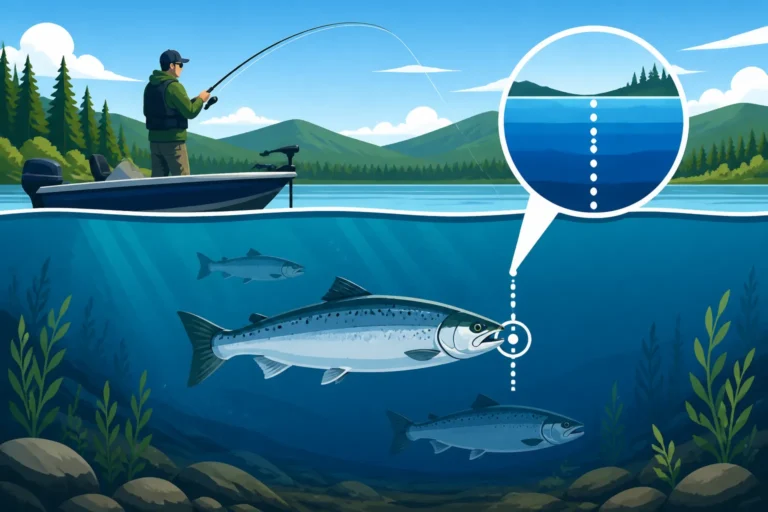
Wild brook trout thrive in cold, clear, oxygen-rich water. This is why remote ponds, often fed by springs or small, undeveloped tributaries, are their ideal sanctuary. These ponds typically have rocky bottoms, submerged logs, and overhanging vegetation that provide crucial cover from predators and harsh sunlight. The water temperatures remain consistently cool throughout the summer, which is vital for brook trout survival. Look for areas with deeper pockets, especially during warmer months, as these provide thermal refuge.
The ecosystem of these remote ponds is often delicate and self-sustaining. They rely on a healthy population of aquatic insects, small baitfish, and amphibians for sustenance. A truly remote pond means minimal human impact, preserving this delicate balance. Learning to "read the water" in these environments is key – understanding where a brook trout might ambush its prey or seek shelter can dramatically increase your success. These are often smaller bodies of water than some of Maine’s larger lakes, which means understanding the unique characteristics of a pond, rather than a vast lake, is critical to success. For a broader understanding of this species, you might find our guide to Brook Trout Fishing in Maine particularly helpful.
The Quest for Seclusion: Finding and Accessing Remote Waters
Okay, so you're sold on the idea of chasing wild brook trout in solitude. But how do you actually find these elusive ponds, especially when the internet is often flooded with information about the same popular spots? It takes a blend of old-school research, modern tools, and a healthy dose of common sense. The key is often looking beyond the obvious and being prepared for what lies ahead.
Planning Your Expedition: Research and Preparation
The journey to a remote pond often begins long before you even step foot in the woods. Start by consulting detailed topographical maps, like those from USGS or even modern mapping apps that overlay satellite imagery. Look for small, unnamed ponds or those with minimal road access. The Maine Department of Inland Fisheries and Wildlife (MDIFW) also publishes regional fishing guides and aerial photos that can be invaluable. These resources often highlight "walk-in" ponds or areas designated as remote fishing areas, which are specifically managed for wild trout. Pay close attention to contour lines; steep contours usually mean difficult access, but also potentially less fishing pressure.
Once you've identified a promising spot, it's time for deeper research. Check MDIFW regulations specific to that body of water, as many remote ponds have special rules regarding gear, bait, and bag limits designed to protect the wild trout populations. For instance, some ponds might be fly-fishing only, or have stricter Brook Trout Daily Limit in Maine North Zone. Don't assume general law applies everywhere; always check the specific regulations. Websites like FishingBooker can sometimes provide insights by listing guides who specialize in these remote trips, giving you clues about areas that might host such ponds, even if you plan to go unguided. Remember, understanding Maine Fishing Regulations Explained is paramount before any trip.
Essential Gear for Backcountry Pond Fishing
Packing smart is absolutely crucial for remote pond fishing. You'll likely be hiking in, possibly over rough terrain, so every ounce matters. Here's a quick rundown of what you'll need:
| Category | Essential Items | Notes |
|---|---|---|
| Navigation | Topographical Map, Compass, GPS Device (with extra batteries/power bank) | Cell service is rare; always have redundant navigation. Consider a Garmin InReach for satellite communication. |
| Safety | First-aid kit, Bear spray, Headlamp/flashlight, Fire starter, Whistle, Water filter/purifier, Emergency shelter | Expect the unexpected. Always carry enough water or a way to purify it. |
| Fishing Gear | Lightweight spinning rod/fly rod, Small tackle box (minimal lures/flies), Extra line, Pliers, Clippers, Net | Focus on versatile lures like small spinners, spoons, or classic brook trout flies. For tips on specific flies, see Fly Selection for Brook Trout. |
| Apparel | Layers (wicking base, insulating mid, waterproof outer), Hat, Sunscreen, Bug spray, Sturdy hiking boots | Maine weather can change quickly. Good boots are non-negotiable for comfort and safety. |
| Food & Water | High-energy, non-perishable food, Water bottles/bladder | Pack more than you think you'll need, especially water for the hike. |
| Miscellaneous | Small packable raft/kayak (if practical), Dry bags, Knife, Trash bag | Even a small float tube can greatly enhance pond access and fishing capability. |
You need to be self-sufficient. There won't be convenience stores or aid stations. Think about How to Reach Remote Trout Ponds in the North Woods safely and efficiently. Remember, for remote trips, the less gear you have to physically carry, the better. Consider what you truly need versus what would be nice to have.
The Role of a Registered Maine Guide in Remote Trips
For many, the idea of venturing into the deep Maine woods alone to find these ponds is daunting, and rightfully so. This is where a Registered Maine Guide becomes an invaluable asset. These professional guides possess an intimate knowledge of the land, local regulations, and the habits of wild fish. They can lead you safely to remote ponds, often by traversing old logging roads or navigating dense forest, sometimes even paddling canoes or small boats to access waters that are otherwise unreachable.
Hiring a guide isn't just about finding the fish; it's about learning the subtle nuances of backcountry angling in Maine, ensuring your safety, and making the most of your limited time. They handle the logistics, often providing gear, canoes, and even delicious shore lunches. If you're new to remote fishing, or simply want to maximize your chances of success and minimize the risks, consider looking into Hiring a Maine Fishing Guide. Reputable guide services can be found through resources like FishingBooker, where you can read reviews and find guides with specific expertise in remote brook trout trips in the North Woods. A guide will also ensure you understand all the specific rules and that you have your Maine Fishing License Guide in order.
Mastering the Art of Remote Pond Brook Trout Fishing
Once you've made the trek to a remote pond, the real fun begins. But don't just cast blindly; remote brook trout, while less pressured, still respond best to thoughtful techniques and presentations. Understanding their behavior in these unique environments will dramatically improve your chances of success.
Characteristics of Prime Remote Brook Trout Ponds
Not all remote ponds are created equal. The best ones often share common characteristics:
- Cold, Clean Water: As mentioned, this is non-negotiable for brook trout. Look for ponds fed by cold springs or small, undeveloped stream inlets.
- Abundant Structure: Submerged logs, rock piles, ledges, and overhanging trees provide cover and ambush points. Brook trout are ambush predators and love to hide.
- Limited Access: The harder a pond is to get to, the less fishing pressure it receives, leading to healthier and less wary fish. This often means a significant hike, paddle, or even ATV ride (where permitted) to reach them.
- Healthy Forage Base: Ponds with a diverse ecosystem, including aquatic insects (caddis, mayflies, stoneflies), small minnows, and even leeches, will support robust trout populations.
- North Zone Location: Generally, the further north you go in Maine, the more opportunities you'll find for truly wild, remote brook trout ponds due to the colder climate and vast undeveloped tracts of land. Understanding the differences between Maine North Zone vs South Zone Fishing Rules is key here.
It's these combinations of factors that create the perfect habitat for those vibrant, feisty brook trout everyone dreams of catching. Sometimes, the most promising spots are hidden deep within Wildlife Management Areas (WMAs) or large undeveloped townships where access is intentionally restricted.
Examples of Accessible-Yet-Remote Ponds in Northern Maine
While part of the allure of remote ponds is their "secret" nature, there are regions known for offering these opportunities, often managed by MDIFW to sustain wild fisheries. Specific pond names are often shared quietly among trusted anglers, but I can give you some areas where you might start your own research and exploration:
- Baxter State Park & Surrounding Areas: While Baxter itself has strict regulations, the vast wilderness surrounding it, especially to the west and north, contains countless ponds that fit the "remote" bill. These often require significant paddling and portaging to reach.
- The Debsconeag Lakes Wilderness Area: South of Baxter, this region is known for its pristine waters and wild fisheries. Many ponds here are accessible only via canoe or by long hikes.
- Unorganized Territories (UTs) in Aroostook County: Large sections of northern Aroostook County are unorganized townships with vast stretches of forest and numerous ponds. Researching these areas on topographical maps can reveal true hidden gems. Access might be via logging roads (be aware of active logging operations) or by foot.
- Certain Wildlife Management Areas (WMAs): MDIFW manages several WMAs, particularly in the northern half of the state, that include designated "walk-in" ponds. These are intentionally kept remote and often have special regulations to protect wild fish. A great place to start is by contacting regional MDIFW offices for advice on these specific programs.
Remember, the true "best" remote ponds are those you discover through your own efforts. The reward is in the journey and the sense of personal accomplishment. When you do find one, treat it with the utmost respect.
Seasonal Considerations for Remote Pond Fishing
Timing is everything when it comes to remote pond brook trout. The season dictates not only fish behavior but also access challenges and insect hatches.
- Spring (Ice-out to Early June): This is often considered prime time. As ice leaves the ponds, brook trout are hungry and can be found cruising the shallows, eager to feed after a long winter. Access can still be tricky with muddy roads and lingering snow, but the fishing can be incredible. They'll readily take small streamers, nymphs, or even a simple worm under a bobber. Check out Best Time of Year to Catch Brook Trout in Maine for more details on spring opportunities.
- Summer (Mid-June to August): As water temperatures rise, brook trout in remote ponds will seek deeper, cooler waters or areas with spring-fed inlets. Early mornings and late evenings become the most productive times. Terrestrial patterns (like ant or grasshopper imitations) can be very effective as insects fall from overhanging vegetation. If you’re using conventional gear, focus on small spinners or spoons fished deep. The benefit of remote ponds is they often stay cooler than larger, more accessible lakes.
- Fall (September to October): As temperatures drop and the leaves turn vibrant colors, brook trout become extremely active, feeding heavily in preparation for spawning. This is another fantastic time to fish, offering both aggressive fish and breathtaking scenery. They can be found in shallower areas again, often near tributary mouths or rocky ledges where they might spawn. Small streamers and dry flies imitating adult insects are often effective.
Regardless of the season, always be mindful of weather conditions. Northern Maine weather can be unpredictable, and a sudden storm in a remote area can quickly turn a pleasant trip into a dangerous one. Always share your plans with someone reliable before heading out.
Preserving the Pristine: Responsible Angling in Maine's Backcountry
The beauty and productivity of Northern Maine's remote brook trout ponds are a direct result of their isolation and minimal human impact. As anglers, we have a profound responsibility to protect these fragile ecosystems. This isn't just about following rules; it's about adopting an ethos of stewardship.
Practicing Leave No Trace Principles
The "Leave No Trace" philosophy is paramount when visiting remote areas. This means:
- Plan Ahead and Prepare: Research thoroughly, pack appropriately, and know the regulations.
- Travel and Camp on Durable Surfaces: Stick to existing trails, avoid trampling vegetation, and camp in designated areas or on durable ground like rock or dry soil.
- Dispose of Waste Properly: Pack it in, pack it out—everything. This includes all trash, food scraps, and even fish entrails (pack them out or bury them deep, far from water sources).
- Leave What You Find: Don't disturb historical sites, cultural artifacts, or natural features. Leave rocks, plants, and other natural objects as you find them.
- Minimize Campfire Impacts: Use established fire rings. Keep fires small, use only dead and down wood, and ensure the fire is completely out and cold to the touch before leaving.
- Respect Wildlife: Observe wildlife from a distance. Never feed animals. Store food and trash securely to prevent attracting animals.
- Be Considerate of Other Visitors: While you might not see many others, if you do, respect their solitude and experience.
By adhering to these principles, you ensure that the remote pond you enjoy today remains pristine for future generations of anglers. The goal is to leave the area exactly as you found it, or even better.
Understanding Maine's Specific Regulations for Remote Ponds
Maine's Department of Inland Fisheries and Wildlife is committed to preserving its wild brook trout populations, especially in remote waters. This often means specific regulations that differ from general law. It's not uncommon to find remote ponds designated as "catch-and-release only," "fly-fishing only," or with strict length and bag limits. For comprehensive information, always consult the official Maine Fishing Regulations Explained and look up the specific pond you plan to visit.
Many remote ponds, particularly those managed for wild trout, prohibit the use of live bait to prevent the introduction of invasive species or diseases. Always verify these rules. Additionally, understanding the overall Maine Fish Bag Limits Guide is important for any fish you do decide to keep from other, less restricted waters. The conservation of these precious resources relies on every angler being educated and compliant. It's a small price to pay for the privilege of fishing in such untouched beauty, ensuring that these best remote ponds for brook trout continue to thrive. You might also want to review Catch and Release Best Practices in Maine to ensure the survival of any fish you do release. And remember, no matter where you fish in Maine, there are rules about How Many Lines Can You Fish With in Maine?, so make sure you're always compliant!
Disclaimer
The information provided in this guide is for general informational purposes only and is not intended as legal advice. Fishing regulations in Maine can change, and specific rules apply to different bodies of water. Always consult the most current Maine Department of Inland Fisheries and Wildlife (MDIFW) regulations before planning any fishing trip. Safety in remote areas is paramount; always be prepared, inform others of your plans, and know your limits.