Hiring a Maine Fishing Guide
The vast and beautiful waters of Maine, from its majestic lakes to its rugged coastline and winding rivers, offer some truly incredible fishing experiences. But for many anglers, especially those new to the Pine Tree State or looking to tackle a specific species, the sheer scale and unique intricacies of these waters can feel overwhelming. It's easy to spend hours staring at a map, wondering where to even begin, or cast blindly for days without a bite, feeling frustrated and defeated. This comprehensive guide is here to unravel the mystery and show you how partnering with a local expert, a Registered Maine Guide, can transform your fishing trip from a hopeful outing into a successful, memorable, and deeply educational adventure.
Why Hire a Maine Fishing Guide?
You might be an experienced angler with years under your belt, or perhaps you're just starting out and feeling a little intimidated by the vastness of Maine's fishing opportunities. Either way, the decision to hire a Maine fishing guide isn't about admitting defeat; it's about making a strategic investment in your experience. Imagine arriving at a new destination, eager to fish, only to spend precious vacation time figuring out public access points, deciphering complex local regulations, or endlessly searching for fish that seem to be nowhere in sight. That's a common frustration, and it's exactly where a local guide shines. They cut through the guesswork, turning potential headaches into pure fishing enjoyment.
Navigating Maine's Unique Waters
Maine's landscape is incredibly diverse, offering everything from vast, deep glacial lakes like Sebago and Moosehead, to remote, wild ponds tucked away in the North Woods, to roaring rivers and miles of intricate saltwater coastline. Each of these environments presents its own set of challenges and secrets. Trying to navigate these on your own, without prior knowledge, can be daunting. What looks like a promising stretch of river on a map might be too shallow to hold fish or choked with snags in reality. A guide's intimate familiarity with these specific bodies of water means they know the contours of the bottom, the hidden channels, the best spots to avoid strong currents, and the subtle signs that indicate where fish are holding.
Think about a massive body of water like Moosehead Lake. It's immense, and trying to find the prime locations for landlocked salmon or trophy togue without local insight would be like looking for a needle in a haystack. A guide knows the specific coves, reefs, and drop-offs that consistently produce, saving you hours, if not days, of aimless searching. They can get you to those sweet spots efficiently and safely, maximizing your time on the water and your chances of success. This local expertise isn't something you can easily glean from an online map or a general fishing forum; it's honed over years of personal experience on that specific water.
Beyond just finding the fish, a guide ensures your safety. Many of Maine's most productive fishing spots are remote, involve challenging terrain, or require specific boating skills. A Registered Maine Guide is trained in wilderness first aid and navigation, and they understand the changing weather patterns that can quickly turn a calm day into a perilous one. They know how to handle their vessel safely, whether it's a drift boat on a swift river, a sturdy craft on a large lake, or navigating tidal currents in a saltwater bay. This peace of mind allows you to focus solely on the fishing, knowing you're in capable hands.
Accessing Local Knowledge & Hotspots
The biggest secret weapon a Maine fishing guide possesses is their unparalleled local knowledge. This isn't just about knowing where the fish generally are; it's about understanding their daily patterns, their preferred forage, and how external factors like weather, water temperature, and time of year influence their behavior. They've spent countless hours on the water, observing, experimenting, and refining their approach. This kind of nuanced understanding simply cannot be replicated by even the most diligent internet research.
Imagine you're targeting brook trout in a specific stream. A guide won't just take you to any part of the stream; they'll take you to the pools, riffles, and undercut banks where the biggest, most aggressive fish are likely to be hiding based on the current conditions. They know which flies are hatching, what bait the fish are keying in on, and how to present your offering to elicit a strike. This insight is gold, especially when trying to land elusive species or tackle challenging conditions. They’ve likely fished that spot hundreds of times and know exactly what to look for.
Moreover, guides often have access to private lands or know specific, less-pressured areas that aren't widely advertised. While public access in Maine is generally good, there are always those hidden gems that only locals know about. A guide can open up opportunities you wouldn't find on your own, offering a truly unique and often more productive fishing experience. They live and breathe fishing in their region, building up a lifetime of knowledge about the secret honey holes and the best times to hit them. Looking to book a trip and tap into this expertise? Platforms like FishingBooker can be a great place to start your search, offering a directory of guides with reviews and detailed trip descriptions.
Learning New Techniques & Species
One of the most rewarding aspects of hiring a Maine fishing guide is the educational opportunity. It's not just about catching fish; it's about becoming a better angler. Guides are natural teachers, passionate about their craft and eager to share their insights. Whether you're a complete novice or a seasoned pro looking to refine a specific skill, a guide can provide personalized instruction that's tailored to your learning style and goals.
If you've always wanted to try fly fishing on one of Maine's beautiful rivers but felt intimidated by the casting techniques or fly selection, a guide can break it down for you. They'll teach you the proper grip, the mechanics of the cast, how to read the water, and how to choose the right Fly Selection for Brook Trout or Best Streamer Patterns for Landlocked Salmon. They'll patiently correct your form and offer real-time feedback, something you just can't get from watching a video or reading a book. Many anglers find that just one day with a good guide can dramatically improve their skills.
Similarly, if you're interested in targeting a specific species you haven't fished for before, such as landlocked salmon on Sebago Lake or striped bass in Casco Bay, a guide can teach you the specific techniques required. They'll explain the tackle, the retrieves, and the subtle cues to look for. They know the feeding habits and preferred habitats of different fish, helping you understand why you're fishing a certain way, not just how. This deeper understanding enhances your appreciation for the sport and equips you with skills you can use on future trips, even when you're fishing on your own. It's an investment in your long-term fishing success.
Understanding Different Types of Maine Fishing Guides
Maine's diverse waters support a wide array of fish species and fishing styles, meaning there's no one-size-fits-all "fishing guide." To choose the right expert for your adventure, it's crucial to understand the different specialties that Registered Maine Guides often focus on. Each type of guide brings a specific skill set, knowledge base, and even specialized equipment to the table, ensuring they are perfectly suited for the environment and target species you're interested in.
Freshwater Lake & Pond Guides
When you picture fishing in Maine, often the image of vast, clear lakes and tranquil ponds comes to mind. These waters are home to iconic species like landlocked salmon, brook trout, lake trout (or "togue," as we call them up here), and both smallmouth and largemouth bass. A freshwater lake and pond guide specializes in navigating these often-large bodies of water, understanding their depths, structures, and seasonal fish movements.
These guides typically operate from comfortable, well-equipped boats, designed for trolling or casting on open water. They are masters of techniques like downrigging for deep-dwelling togue or salmon in the heat of summer, or slow-trolling streamer flies during the spring and fall. They'll know the specific ledges, humps, and thermoclines where fish congregate, and they'll come prepared with an array of baits and lures proven to work on these waters. For example, a guide on Moosehead Lake will be intimately familiar with where the Moosehead Lake Togue Fishing Spots in Maine are and how to best target them. They understand the nuances of weather systems on large lakes, ensuring your safety and comfort while still getting you on the fish.
Beyond just the big lakes, many guides also specialize in smaller, remote ponds, often requiring a short hike or even a canoe portage to reach. These are often cold-water gems, teeming with wild brook trout. A pond guide will know the secret access points, the best times of day to fish these tranquil waters, and the subtle tactics for tempting wary trout. They offer an immersive wilderness experience, combining the thrill of fishing with the serenity of Maine's untouched natural beauty. If you're looking for a peaceful escape and a chance at some beautiful native trout, this is the guide for you.
River & Stream Fly Fishing Guides
For those who dream of casting a line on a pristine river, watching a dry fly drift into a rising trout, or feeling the strong pull of a salmon in a swift current, a river and stream fly fishing guide is your ideal companion. Maine boasts an incredible network of rivers and streams, from the renowned Penobscot and Kennebec Rivers to countless smaller, crystal-clear trout brooks. These guides are often passionate fly anglers themselves, with an encyclopedic knowledge of entomology, fly patterns, and casting mechanics.
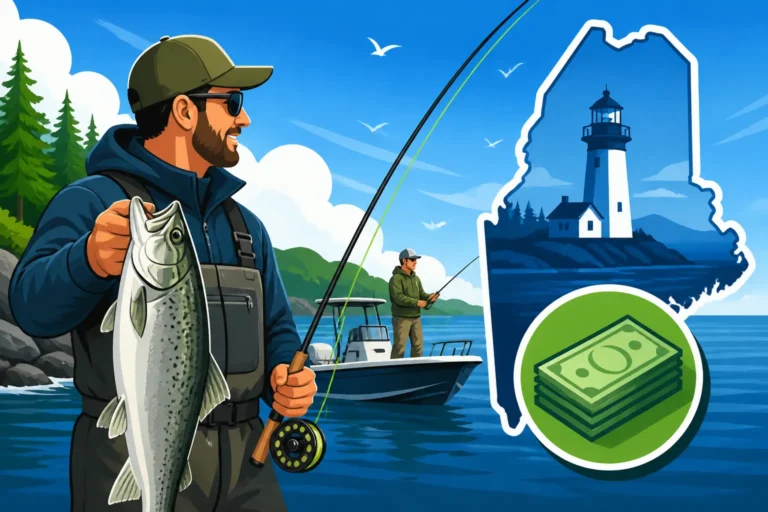
A good fly fishing guide will not only put you on fish but also teach you the art of fly casting, presentation, and reading the water. They know exactly where the fish are holding in different flows, how to approach them without spooking them, and which flies will imitate the natural insects (or baitfish) that the fish are feeding on. They'll teach you techniques like nymphing, dry fly presentation, or swinging streamers, adapting their instruction to your skill level. Whether you're a complete beginner eager to learn the basics or an experienced caster looking to refine specific techniques, a river guide provides invaluable, hands-on coaching.
These guides often use specialized drift boats or rafts to navigate rivers, providing a comfortable and safe platform for fishing while allowing them to cover more water than wade fishing alone. They understand river access points, current flows, and how seasonal changes affect fishing conditions. For instance, they'll know the best stretches of the Kennebec River for Maine Fall Brook Trout Fishing Techniques or where the Penobscot River Striped Bass Run in Maine is most productive. Their focus is often on the immersive experience of being on the river, the beauty of the surroundings, and the satisfaction of fooling a fish on a perfectly presented fly.
Coastal & Striper Fishing Guides
Maine's coastline is legendary for its rugged beauty and, increasingly, for its fantastic saltwater fishing opportunities, particularly for striped bass. If chasing "stripers" along rocky shores, tidal flats, or the mouths of estuaries is your passion, you'll want a coastal or striper fishing guide. These guides possess an intimate understanding of the ocean's tides, currents, and the migratory patterns of saltwater species.
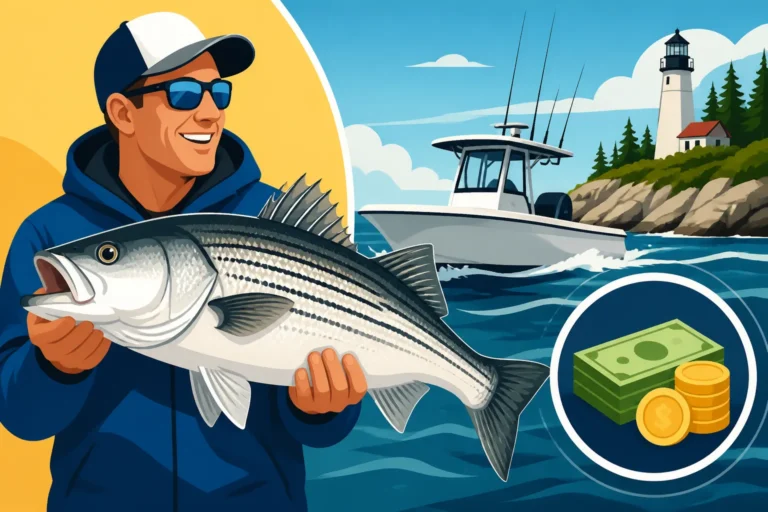
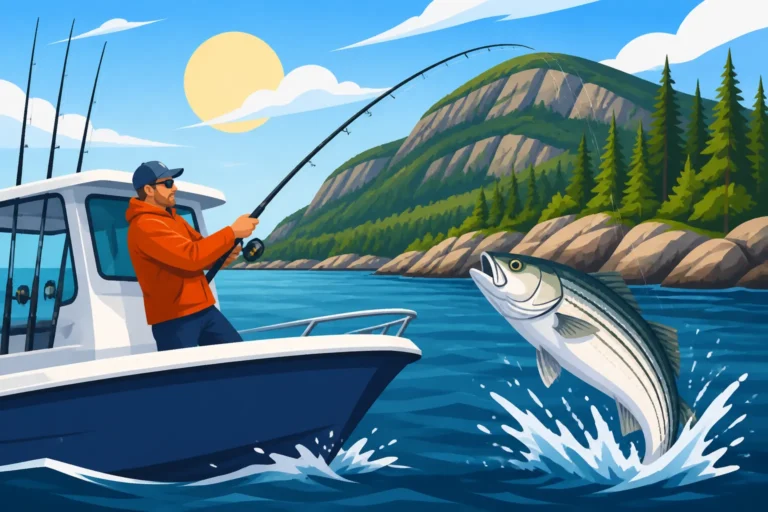
Coastal guides typically operate from robust center console boats or other vessels designed for navigating both inshore and nearshore waters. They are experts at reading marine charts, understanding baitfish movements, and locating the specific structures (like ledges, rips, and rock piles) where striped bass ambush their prey. They'll equip you with the right tackle – often spinning gear or conventional setups – and teach you effective techniques such as casting lures, chunking bait, or trolling tube-and-worm rigs. They know the ebb and flow of the tides in places like Casco Bay and the Kennebec River, crucial for successful striper fishing. You can find excellent options for Maine Striped Bass Charters through services like FishingBooker, which can connect you with reputable captains.
Beyond striped bass, some coastal guides may also offer trips for other species like mackerel, bluefish, or even offshore adventures for groundfish or tuna, depending on their vessel and licensing. However, the pursuit of striped bass, especially the larger "cow" stripers, remains a primary focus for many. They understand the Maine Striped Bass Season and Limits intimately and adhere strictly to conservation practices. Hiring a coastal guide means tapping into real-time knowledge of where the fish are biting along Maine's dynamic saltwater frontier, often providing an adrenaline-filled day on the water.
Ice Fishing Guides
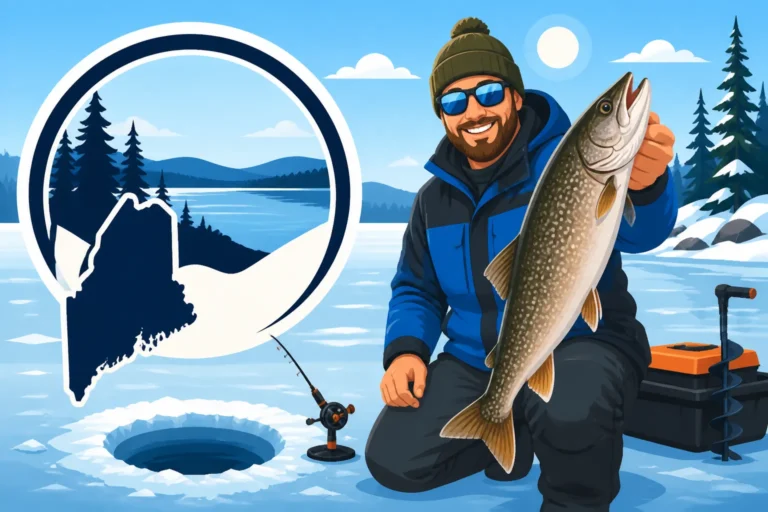
When winter blankets Maine in snow and transforms its lakes into vast, frozen playgrounds, a whole new world of fishing opens up: ice fishing. For those unfamiliar with the specialized gear, safety precautions, and unique techniques of hardwater angling, an ice fishing guide is an absolute game-changer. These guides are experts at navigating frozen landscapes, ensuring your safety, and putting you on winter-active fish.
An ice fishing guide comes fully equipped for the cold, providing everything from heated ice shacks (shanties), augers for drilling holes, tip-ups, jigging rods, and a plentiful supply of bait. They know where the safest ice is, how to assess ice thickness, and where the fish are holding beneath the frozen surface. They'll set up your fishing stations, teach you how to properly set a tip-up for a flag-raising strike, and demonstrate effective jigging techniques for species like togue, brook trout, perch, or even pickerel. They're well-versed in Maine Ice Fishing Line Limits and other local regulations.
Hiring an ice fishing guide isn't just about catching fish; it's about experiencing the unique camaraderie and tradition of Maine ice fishing in comfort and safety. They can provide hot drinks, warm shelter, and insights into why fish behave differently in colder water. Whether you're looking to target a trophy togue on Sebago Lake or simply enjoy a day out on the ice with friends and family, an ice fishing guide makes the experience accessible and enjoyable, even for those new to the sport. They handle all the logistics of cold-weather fishing, from safely traversing the ice to keeping your hands warm.
What to Look For in a Registered Maine Guide
Hiring a fishing guide in Maine isn't just about finding someone with a boat and a fishing rod. It's about entrusting your safety, your time, and your money to a professional who can deliver an exceptional experience. In Maine, this professionalism is often embodied by the "Registered Maine Guide" designation, a highly respected credential that signifies a certain level of skill, experience, and commitment to client safety. Knowing what to look for when selecting your guide can make all the difference between a good trip and a truly unforgettable one.
Credentials and Experience
The most important credential to look for is the "Registered Maine Guide" designation. This isn't just a fancy title; it's a state-issued license that requires guides to pass rigorous exams covering wilderness first aid, navigation, trip planning, Maine's fish and game laws, and general outdoor knowledge. A guide with this license has proven their competence and commitment to professional standards. You can even check out the requirements for obtaining this credential by looking up Maine Registered Guide License Requirements. It's a badge of honor that distinguishes legitimate professionals from casual operators.
Beyond the formal credential, consider the guide's specific experience related to your goals. If you want to catch landlocked salmon on Rangeley Lake, look for a guide who has spent years specifically targeting salmon on that particular lake, not just someone who generally guides in the region. Ask about their track record with your target species and preferred fishing method. While every day on the water is different, a guide with deep, specific experience will have a much higher likelihood of putting you on fish and adapting to changing conditions. Don't hesitate to inquire about their number of years guiding and their familiarity with the specific waters you're interested in exploring.
Furthermore, look for guides who demonstrate ongoing education and a commitment to their craft. Do they stay updated on the latest fishing techniques, tackle advancements, and conservation practices? A truly passionate guide is always learning and adapting, constantly seeking ways to improve their service and knowledge. This commitment translates into a more informed, productive, and ultimately more enjoyable experience for you, the client. Their expertise isn't stagnant; it evolves with the fish and the environment.
Safety First: Licenses and Insurance
Safety should always be your number one priority when venturing into the outdoors, and a professional fishing guide understands this implicitly. A Registered Maine Guide is required to meet specific safety standards and often carries additional certifications. Always confirm that your guide holds a current and valid Registered Maine Guide license. This license means they've passed state-mandated tests on topics like first aid, water safety, and emergency protocols. This isn't just a formality; it's a critical layer of protection for you and your group.
Beyond the state license, a reputable guide or charter operation will carry appropriate liability insurance. This protects both you and the guide in the unlikely event of an accident or unforeseen incident. While you hope you'll never need it, knowing that your guide is insured provides significant peace of mind. Don't be shy about asking if they are insured; a professional guide will have no issue providing this information. If you're going out on a larger boat in saltwater, the captain should also possess a valid Coast Guard license, which ensures they meet federal standards for operating a passenger vessel.
Finally, observe the guide's commitment to safety practices during your interactions. Do they provide clear safety briefings? Is their equipment well-maintained and in good working order (e.g., life jackets, fire extinguishers, first aid kits)? A guide who is meticulous about safety will inspire confidence and allow you to relax and fully enjoy your fishing trip. A true professional always prioritizes the well-being of their clients above all else, making sure every detail is covered, from boat maintenance to weather monitoring.
Personality and Communication Style
While skill and safety are paramount, don't underestimate the importance of a guide's personality and communication style. You'll be spending a significant amount of time with this person, often in close quarters, so finding someone whose demeanor aligns with your expectations is key to a truly enjoyable day. Do you prefer a quiet, reserved guide who lets you soak in the surroundings, or a more outgoing, talkative guide who shares stories and jokes?
A great guide is also an excellent communicator. They should clearly articulate expectations before, during, and after the trip. This includes explaining what kind of fishing you'll be doing, what you can realistically expect to catch, and how to best execute the techniques. They should be patient, especially if you're a beginner, and willing to answer your questions without making you feel foolish. A guide who can explain complex concepts in an easy-to-understand manner will enhance your learning and overall experience.
Consider looking for reviews or testimonials about potential guides, especially concerning their teaching style and client interaction. Online platforms like FishingBooker often include reviews from past clients that can give you a sense of a guide's personality. A guide who is passionate, encouraging, and has a good sense of humor can turn a challenging day of fishing into a fantastic memory. Ultimately, you want someone who not only knows how to find fish but also knows how to make your time on the water genuinely enjoyable and memorable, fostering a positive and relaxed atmosphere throughout the day.
Planning Your Guided Fishing Trip
So, you've decided to hire a Registered Maine Guide – fantastic choice! Now comes the exciting part: planning your actual trip. This stage involves a bit of preparation and clear communication to ensure that your guide can tailor the experience perfectly to your desires and that you arrive ready for a great day on the water. A well-planned trip minimizes surprises and maximizes your chances of success and enjoyment, making for a truly memorable Maine fishing adventure.
Defining Your Fishing Goals
Before you even pick up the phone or send an email, take a moment to clearly define what you want out of your guided fishing trip. Are you hoping to catch a trophy-sized landlocked salmon or togue? Are you primarily interested in learning fly fishing techniques for brook trout? Do you want a relaxed family outing where the kids can catch some easy-to-tempt perch? Or perhaps you're after the thrill of Striped Bass Fishing in Maine along the coast? Your goals will dictate the type of guide you need, the best time of year to book, and even the specific body of water.
Communicate these goals clearly to your prospective guide from the outset. Don't assume they'll know what you're looking for. A good guide will listen intently and offer realistic expectations based on the season, conditions, and their expertise. For example, if you say you want to catch a huge landlocked salmon, they might suggest specific dates in the spring or fall, or a particular lake like Sebago or Rangeley, and explain the techniques involved. If your goal is more about a peaceful day on the water and learning, they'll adjust their approach to focus more on instruction and scenic beauty. This upfront conversation is crucial for alignment.
It's also important to be flexible. While having specific goals is great, fishing is inherently unpredictable. The weather might change, or the fish might simply not cooperate on a given day. Acknowledge this with your guide and be open to their suggestions for alternative strategies or even different target species if conditions aren't favorable for your primary goal. A flexible attitude, combined with clear communication of your priorities, will lead to a more satisfying and less stressful experience, regardless of the exact number or size of fish caught.
Booking and Availability
Once you have your goals in mind, it's time to research and book your guide. Maine's best guides, especially during peak seasons like spring for salmon or summer for bass and stripers, can book up months in advance. Therefore, early booking is highly recommended, especially if you have specific dates or a particular guide in mind. Using online platforms like FishingBooker can streamline this process, allowing you to browse available guides, read reviews, and often book directly. You'll find many reputable Maine Fishing Charters Guide listings there.
When contacting guides, be prepared to discuss your preferred dates, the number of anglers in your party, your target species, and your general experience level. Most guides require a deposit to secure your booking, with the balance due on the day of the trip. Make sure you understand their cancellation policy, especially regarding weather-related cancellations. Maine weather can be unpredictable, and reputable guides will have a fair policy for rescheduling or refunds if conditions are unsafe or truly unfishable.
Consider what time of year is best for your target species. If you're hoping for prime Landlocked Salmon Fishing in Maine, spring or fall might be ideal. For Maine Striped Bass Season and Limits, summer is generally the time to be on the coast. Your guide will be the ultimate authority on this, so lean on their expertise to help you pick the perfect time. A comprehensive Maine Fishing Season Calendar can also provide a general overview, but your guide will have the hyper-local, real-time insights.
What to Expect and What to Bring
A common question for anyone hiring a guide for the first time is "What do I need to bring?" The beauty of a guided trip is that the guide typically provides the majority of the gear: rods, reels, tackle, bait, and often even life jackets. However, there are still essential items you'll need to pack for your personal comfort and safety. Your guide should provide you with a detailed list of recommendations, but generally, think layers of clothing, sun protection, and personal items.
Here's a quick rundown of what you might bring:
| Category | Recommended Items | Notes |
|---|---|---|
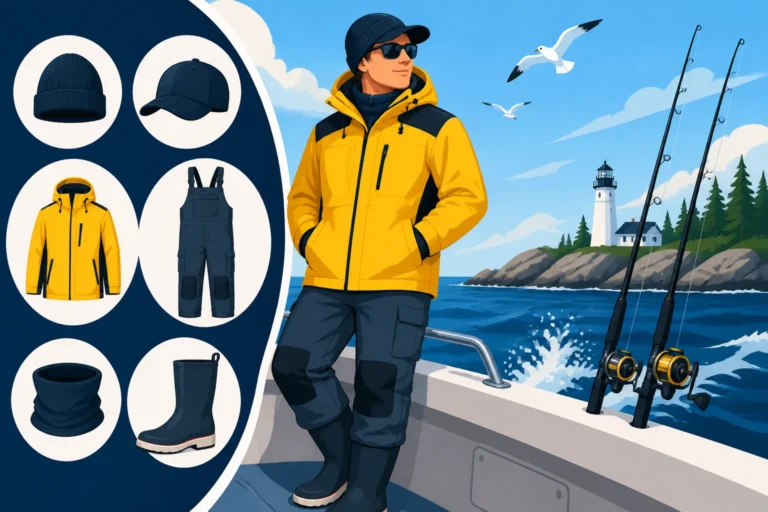
| Clothing | Layers of clothing (even in summer, Maine mornings can be cool), rain gear (jacket and pants, even if the forecast is clear), waterproof shoes or boots, hat, sunglasses. | Dressing in layers is key to adapting to changing Maine weather. Waterproof outerwear is essential. |
| Personal Gear | Sunscreen, insect repellent (especially in spring/early summer), camera, any personal medications, small backpack, snacks, drinks (water is often provided but bring extra), small towel. | Protect yourself from the elements. Staying hydrated and nourished is important for a full day of fishing. |
| Fishing Needs | Your valid Maine Fishing License Guide (absolutely crucial!), any specific personal tackle you prefer (though not usually necessary), small cooler for any fish you plan to keep. | Never forget your license! Confirm if the guide offers a cooler for fish if you plan to keep them. |
| Payment | Cash for remaining balance (if not paid in full), cash for gratuity/tip. | Many guides prefer cash for tips; confirm payment methods for the remaining balance ahead of time. |
Before your trip, your guide will typically contact you to confirm details, provide directions to the meeting spot, and go over any last-minute instructions. This is a great opportunity to ask any lingering questions you might have about What to Bring on a Maine Fishing Charter or what to expect. Remember, the guide is there to ensure you have a safe, fun, and productive day, so don't hesitate to lean on their expertise and guidance throughout the planning process.
Cost of Hiring a Maine Fishing Guide
Let's be real – one of the first questions on anyone's mind when considering a guided trip is, "How much does it cost?" It's a valid concern, and it's natural to want to understand where your money is going. While hiring a Maine fishing guide is an investment, it's an investment in an experience, education, and potentially, a lot of fish. The cost isn't just for the guide's time; it encompasses their expertise, equipment, insurance, and the logistical effort of putting you on the fish. Understanding the various factors that influence guide rates can help you budget appropriately and appreciate the value you're receiving.
Factors Influencing Guide Rates
The price of a guided fishing trip in Maine can vary quite a bit, and several key factors play into this. First and foremost is the duration of the trip. Most guides offer half-day (typically 4-5 hours) and full-day (typically 7-9 hours) options. Naturally, a full-day trip will cost more than a half-day, but often offers better value per hour and allows for more flexibility and time to find fish, especially on larger bodies of water. You might find a Maine Full-Day Charter Price Range is significantly higher than a half-day.
Secondly, the type of fishing and the location can influence the price. Highly specialized trips, like multi-day remote fly fishing excursions into the Allagash Wilderness Waterway, or offshore deep-sea charters targeting tuna, will almost always be more expensive than a standard day trip on a popular lake. The logistics involved in accessing remote areas, the specialized equipment required for certain species, and the increased fuel costs for larger boats all factor into the higher price point. For instance, a Maine Striper Charter Cost Per Day might differ from a freshwater lake trip.
Finally, the guide's experience, reputation, and the number of clients can affect the rate. Highly sought-after guides with years of proven success and a strong reputation may command higher prices, and rightly so – their expertise is invaluable. Some guides also charge per person, while others offer a flat rate for the boat, regardless of how many anglers are in the party (up to a certain legal limit). It’s always best to clarify the pricing structure when you book, confirming if the price is for the boat or per individual. You can find detailed breakdowns of these variables in guides like How Much Does It Cost to Hire a Registered Maine Guide?.
Understanding What's Included
It’s crucial to understand exactly what is included in the guide's quoted price to avoid any surprises. Generally, a guided trip includes the guide's professional services, the use of their boat (if applicable) and fuel, all necessary fishing tackle (rods, reels, lines, lures, flies, bait), and safety equipment like life jackets. Many guides will also provide water or other beverages, and some might even include snacks or a shore lunch, especially on full-day trips.
However, there are usually items that are not included. Your Maine Fishing License Guide is almost always your responsibility to purchase separately before the trip begins. Food beyond basic snacks or water is often an extra charge or something you're expected to bring yourself. Filleting and packaging fish for you to take home might be an included service for some, while others might charge a small fee or simply expect you to do it yourself. Always confirm these details upfront to manage your expectations.
When comparing guide services, don't just look at the bottom line. A slightly higher-priced guide who includes all high-quality tackle, provides a hearty lunch, and has a stellar reputation might offer better overall value than a cheaper option where you have to bring or rent everything yourself. Think about the total cost of the experience, not just the base price of the guide. This often comes down to personal preference and what level of service and convenience you prioritize. Detailed articles like What Is Included in a Maine Fishing Charter Price? can offer more insights.
Tipping Etiquette for Guides
Just like in other service industries, tipping your fishing guide is a customary and appreciated way to show your gratitude for their hard work, expertise, and effort. Guides work long hours, often starting well before dawn to prepare and staying late to clean up. Their income is highly dependent on bookings and gratuities, and a good tip reflects a positive experience. While tipping is always discretionary and based on your satisfaction, there are general guidelines to consider.
A standard tip for a fishing guide who provided an excellent experience typically ranges from 15% to 20% of the total trip cost. If the guide went above and beyond – perhaps putting in extra effort to find fish in tough conditions, being an exceptional teacher, or making the day particularly fun for your group – a tip on the higher end of that range, or even a bit more, is certainly warranted. For a half-day trip that cost, say, a certain amount, a good tip would be in the range of a percentage of that cost.
It’s best to give the tip directly to the guide in cash at the end of the trip. This ensures they receive it immediately and directly. If you booked through a service like FishingBooker or a sporting camp, confirm whether gratuities are handled separately or if they've been factored into the overall package (which is rare). Don't feel pressured to tip if you had a genuinely poor experience due to the guide's lack of effort or professionalism, but do consider a tip if factors outside the guide's control (like bad weather or slow fishing) impacted the day, as long as they worked hard and maintained a positive attitude. For more detailed advice, check out Tipping Etiquette for Maine Fishing Guides.
Making the Most of Your Guided Experience
You've planned your trip, chosen your guide, and now the day is here! To truly maximize the value of your guided fishing trip in Maine, it’s not enough to just show up. An active, engaged approach will not only enhance your personal enjoyment and learning but also help your guide provide you with the best possible experience. Think of it as a partnership where both parties are working towards a common goal: a successful and memorable day on the water.
Active Participation and Learning
One of the biggest advantages of hiring a guide is the opportunity to learn. Don't be a passive participant. Ask questions! If you don't understand why the guide is using a particular lure, or fishing a certain depth, or positioning the boat in a specific way, speak up. A good guide loves to share their knowledge and will be happy to explain their methods and the reasoning behind them. This is your chance to gain insights that would take years to acquire on your own.
Pay attention to how your guide sets up the tackle, ties knots, or presents bait. Observe how they read the water, identify potential fish-holding structures, or interpret their fish finder. These are valuable skills that you can carry over to your future solo fishing adventures. Take mental notes, or even ask if it's okay to jot down a few observations. Remember, you're not just paying for a ride to the fish; you're paying for an educational seminar on the water.
Practice the techniques your guide demonstrates. It might feel awkward at first, especially if you're trying a new casting style or a different retrieve, but persistence pays off. Your guide is there to offer real-time coaching and constructive feedback. Embrace the learning process, even if it means making a few mistakes. The more actively you engage with the instruction, the more you'll take away from the experience, leading to long-term improvements in your angling abilities.
Respecting the Guide and the Environment
A successful guided trip is built on mutual respect. Remember that your guide is a professional, and treating them with courtesy and respect will foster a positive atmosphere throughout the day. Listen to their instructions, especially regarding safety, boat rules, and fishing regulations. They are responsible for your well-being and for ensuring that all laws, such as Maine Fish Bag Limits Guide and Maine Fishing Regulations Explained, are followed. Their guidance is there to ensure a smooth, enjoyable, and lawful trip.
Respecting the environment is equally important. Maine's natural beauty is its treasure, and responsible angling practices are crucial for its preservation. This means not littering, handling fish gently for catch-and-release (if applicable), and following all conservation guidelines. If you are keeping fish, understand and adhere to all size and bag limits. Your guide will demonstrate proper catch-and-release techniques and sustainable harvesting practices, and it's important to follow their lead.
Additionally, be mindful of your guide's equipment. While they expect normal wear and tear, intentional misuse or carelessness with rods, reels, or other gear is disrespectful. If you accidentally damage something, inform your guide immediately. They invest heavily in their gear to provide you with the best tools for success. By respecting your guide and the environment, you contribute to a positive experience for everyone and help preserve Maine's fishing resources for generations to come.
Post-Trip Follow-Up and Gratitude
After your fantastic day on the water, there are a few things you can do to express your gratitude and solidify a good relationship with your guide. As mentioned earlier, tipping is a primary way to show appreciation for a job well done. Handing it to them directly with a sincere thank you at the end of the trip is always best.
Beyond the tip, consider leaving a positive review online. Platforms like FishingBooker thrive on honest feedback, and a glowing review detailing your positive experience can be incredibly valuable to a guide's business. Mention specific aspects you enjoyed – perhaps the guide's patience, their knowledge of local hotspots, or their ability to put you on a trophy fish. A few kind words can go a long way in helping other anglers find a great guide and rewarding the guide for their efforts.
Finally, if you truly enjoyed your experience, consider rebooking with the same guide for future trips or recommending them to friends and family. Building a long-term relationship with a guide can lead to even more personalized and successful trips down the road, as they get to know your preferences and skill level. A simple "thank you" email or phone call a few days later can also be a nice touch, reinforcing the positive connection and letting them know their hard work was appreciated.
Common Questions About Maine Fishing Guides
It's completely normal to have a few lingering questions when you're thinking about hiring a Maine fishing guide, especially if it's your first time or you're new to fishing in the state. People often worry about the legalities, whether they're "good enough" for a guide, or what happens if things don't go according to plan. Let's tackle some of these common concerns head-on, so you can book your trip with confidence and excitement.
Do You Need a License When Fishing with a Guide?
This is one of the most frequently asked questions, and the answer is a resounding yes! Every angler, regardless of whether they are fishing with a guide, from a charter boat, or on their own, must possess a valid Maine fishing license if they are required to have one by law. There are very few exceptions to this rule, such as Maine Free Fishing Days Guide (which are specific, announced weekends) or for very young children below the legal age requirement.
Your guide's license allows them to operate commercially and legally guide you, but it does not cover your individual angling privilege. Think of it like a driving instructor: they have a license to teach, but you still need your learner's permit or driver's license to operate the car. Before your trip, make sure you purchase the appropriate Maine Fishing License Guide for your residency status and duration of fishing. This can usually be done online, at local town offices, or at many sporting goods stores throughout the state.
If you're fishing in saltwater, you may also need to register with the Maine Saltwater Fishing Registry Guide, though this is typically free for recreational anglers. Your guide will clarify if this applies to your specific trip. The bottom line is: always assume you need a license, and purchase it well in advance to avoid any last-minute hassles or potential fines. Showing up without one could mean you won't be able to fish, and that's a disappointment no one wants on their fishing trip.
Can Beginners Benefit from a Guide?
Absolutely! In fact, beginners often have the most to gain from hiring a Maine fishing guide. If you've never fished before, or only have limited experience, a guide provides an unparalleled opportunity to learn the ropes in a safe, supportive, and hands-on environment. They'll teach you everything from how to properly hold a rod, cast a line, identify fish, and safely release your catch, without the pressure or frustration of trying to figure it all out on your own.
Imagine your first time trying to tie a fishing knot or figuring out how to set the drag on a reel. A guide can patiently walk you through these steps, offer immediate feedback, and correct common beginner mistakes before they become ingrained habits. They'll select appropriate gear and fishing spots that are conducive to learning and offer a higher chance of success for novice anglers, making the experience rewarding from the very first cast. For more detail, you can check Fishing License Age Requirements in Maine for kids and beginners.
Moreover, a guided trip removes all the logistical headaches that can deter new anglers. You don't need to buy expensive gear, figure out boat launches, or spend hours researching regulations. The guide handles all of that, allowing you to focus purely on the joy of fishing. Many guides genuinely enjoy introducing newcomers to the sport and seeing the excitement on their faces when they catch their first fish. It’s an investment in developing a lifelong hobby and creating fantastic memories.
What if the Weather is Bad?
Maine weather, as any local will tell you, can be famously unpredictable. It's not uncommon for a sunny forecast to turn to rain or for winds to pick up unexpectedly. So, what happens to your guided trip if the weather takes a turn for the worse? This is where a clear understanding of your guide's cancellation and rescheduling policy becomes essential.
Reputable Maine fishing guides prioritize client safety above all else. If weather conditions (such as high winds, thunderstorms, or dangerous ice conditions for ice fishing) make the trip unsafe or genuinely unfishable, your guide will typically contact you to discuss options. This usually means rescheduling the trip for another mutually agreeable date, or offering a full refund of your deposit if rescheduling isn't possible. Most guides will not operate in conditions they deem hazardous.
It's important to differentiate between genuinely dangerous weather and simply "unpleasant" weather. A light rain or a cloudy, cool day might not be ideal, but it doesn't necessarily mean the trip will be cancelled, and often these conditions can lead to great fishing! Trust your guide's judgment; they are experienced in assessing conditions on their local waters. If they feel it's safe to go out, and you're prepared with appropriate rain gear and layers (as covered in What to Wear Ice Fishing in Maine Winters or Best Layering Tips for Cold Weather Fishing), you might still have a fantastic day. Always discuss any concerns you have with your guide before the trip.
Disclaimer
This article is for general informational purposes only and does not constitute professional advice. Laws, prices and regulations vary by location and change over time. Consult a qualified professional for guidance on your specific situation.