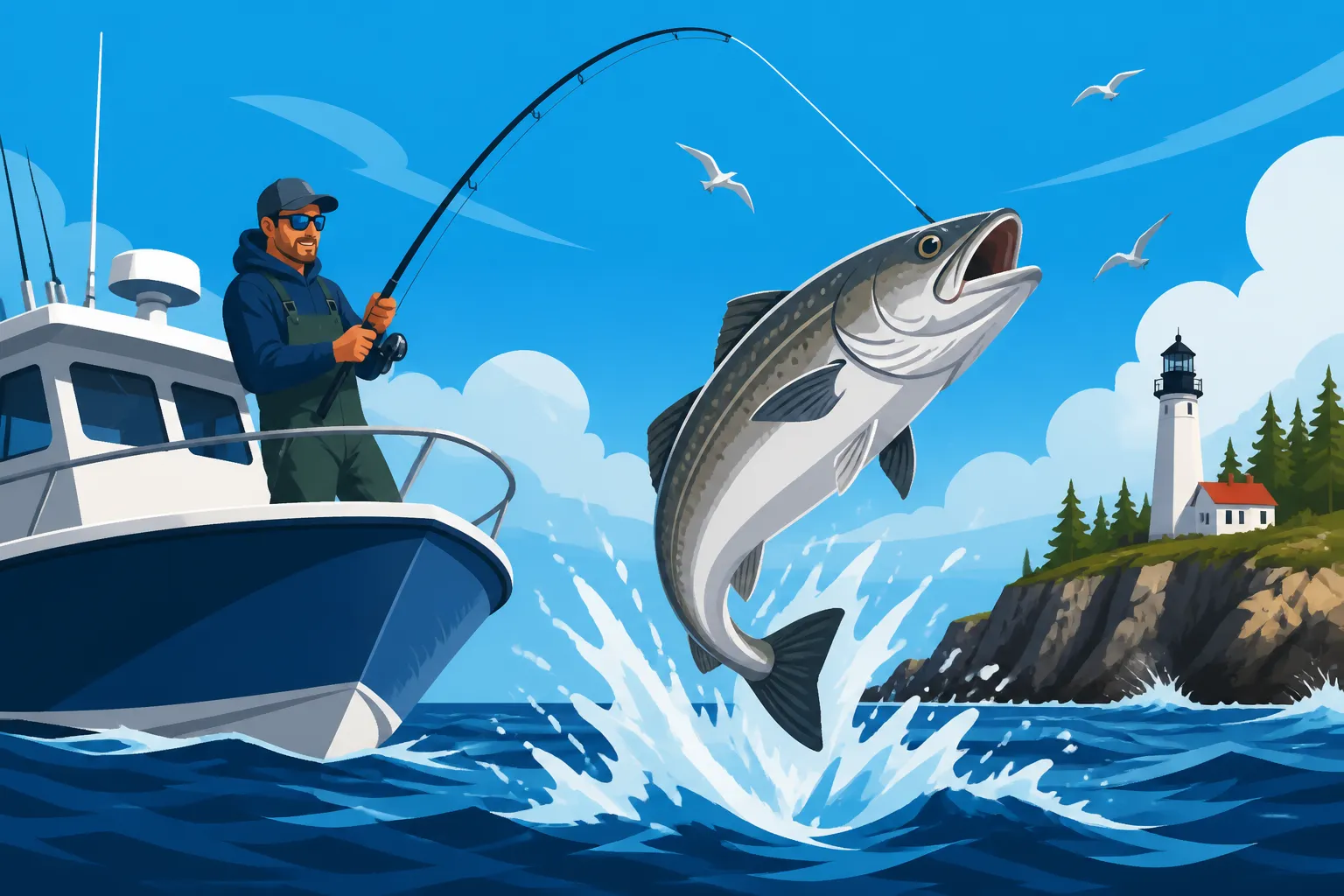
Maine Deep Sea Fishing Charters
For many anglers, the idea of deep sea fishing off the coast of Maine conjures images of epic battles with powerful fish, salty air, and vast, open waters. However, the logistics can feel overwhelming – where do you go, what do you need, and how do you even get started? This comprehensive guide is here to demystify the process and help you navigate the exciting world of Maine deep sea fishing charters, ensuring you're well-prepared for an unforgettable adventure.
What is Deep Sea Fishing in Maine?
Deep sea fishing, often referred to as offshore fishing, is a completely different beast than casting a line from a dock or paddling a canoe on a pond. It involves venturing far from the coastline, sometimes many miles out, into the vast expanse of the Atlantic Ocean where the depths plunge, and truly large pelagic and groundfish species roam. It's a commitment, an investment, and for many, the ultimate angling experience.
The Allure of the Open Ocean
There's something uniquely captivating about being out on the open ocean, the coastline a faint blur on the horizon. The air feels different, crisper, and the scale of nature truly sinks in. For serious anglers, this isn't just about catching fish; it's about the entire experience: the journey out, the anticipation of a bite from a truly massive creature, and the challenge of battling a strong fish in its natural, unforgiving element. It’s a chance to disconnect from the everyday and immerse yourself in the raw beauty and power of the sea.
Many seek the thrill of chasing fish that simply don't exist in shallower, inshore waters. The sheer size and fighting prowess of some offshore species can't be matched closer to shore. It's an opportunity to test your skills and strength against some of the ocean's most formidable inhabitants, creating memories and stories that last a lifetime.
Common Deep Sea Species You'll Encounter
Maine's offshore waters are rich with a variety of fish that make for exciting deep sea targets. While every trip is different, there are a few species that consistently draw anglers out into the Atlantic. Knowing what you might encounter helps you appreciate the biodiversity and prepare for the kind of fight you're in for.
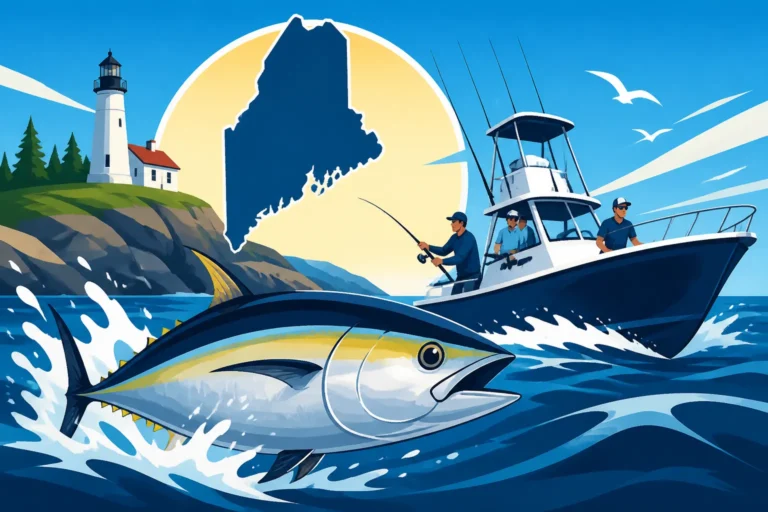
One of the most sought-after prizes is the bluefin tuna. These powerful fish are renowned for their incredible speed and stamina, offering a fight that can last for hours and test even the most experienced angler. Another popular category is groundfish, which includes species like cod, haddock, and pollock. While not as flashy as tuna, they provide consistent action and are excellent table fare. You'll often be jigging or bottom fishing for these. Maine Deep Sea Trolling Techniques can often be employed for these species.
Beyond these, you might also encounter sharks – often mako or thresher sharks – which provide an exhilarating challenge, though they are typically catch-and-release only. Sometimes, if you're lucky, you might even hook into a swordfish, though these trips are specialized and require a significant commitment. The variety ensures that every deep sea trip has the potential for something truly memorable.
Typical Deep Sea Fishing Grounds Off Maine
When we talk about "deep sea," we're not just talking about deep water; we're talking about specific areas far offshore. Maine's deep sea fishing grounds are typically found over underwater banks, ledges, and canyons that lie many miles off the coast. These structures create upwellings and provide habitat for baitfish, which in turn attract larger predatory species.
Some of the most famous areas include Jeffreys Ledge, Platts Bank, and the diverse underwater terrain known as the "Continental Shelf" edge, which can be 50 to 100 miles offshore. Each of these locations offers slightly different depths, currents, and therefore, different species. A skilled captain will know exactly where to go based on recent reports, time of year, and target species. These distant locations are precisely why a charter is so crucial; navigating and fishing these areas requires specialized vessels and extensive knowledge. Maine Deep Sea Fishing Grounds Offshore are truly vast and complex.
Why Choose a Maine Deep Sea Fishing Charter?
Attempting to tackle the open ocean on your own without specialized equipment or expertise is not only impractical but also incredibly dangerous. This is where deep sea fishing charters shine. They provide everything you need for a safe, productive, and enjoyable offshore experience, removing the guesswork and mitigating the risks.
Access to Offshore Grounds and Prime Spots
The biggest hurdle for most anglers wanting to go deep sea fishing is simply getting there. Offshore waters are often 20, 50, or even over 100 miles from shore. This requires a large, seaworthy vessel, capable of handling rough seas and carrying enough fuel for a long journey. Most recreational boats aren't equipped for this, nor are their owners typically experienced in navigating such distances in open ocean conditions.
Charter boats are specifically designed for offshore travel, often ranging from 30 to 60 feet or more, with powerful engines and robust navigation systems. They get you to the Maine Deep Sea Fishing Grounds Offshore efficiently and safely. Moreover, charter captains spend hundreds of days a year on these waters. They know the subtle nuances of tides, currents, and bottom structure. They have an intimate knowledge of where the fish are holding based on seasons, bait movements, and water temperature – insights that would take a private boat owner years, if not decades, to acquire. This insider knowledge dramatically increases your chances of a successful trip.
Expert Guidance and Local Knowledge
Even if you manage to get to the fishing grounds, knowing how to fish them effectively is another challenge entirely. Deep sea fishing involves specialized techniques, from intricate trolling patterns to deep-dropping jigs or baits. A good charter captain and crew are not just drivers; they are experienced guides who will instruct you on the proper techniques for the target species. They'll show you how to set the hook, how to fight a large fish effectively, and how to operate specialized gear.
Their local knowledge extends beyond just fishing spots; they understand the behavior of the fish in Maine's unique ecosystem. They can tell you why a certain lure works better on a particular day, or why fish might be holding at a specific depth. This hands-on guidance is invaluable, especially for those new to deep sea fishing, turning what could be a frustrating guessing game into a genuine learning experience. It's like having a seasoned mentor right there with you, sharing decades of hard-won wisdom.
Safety and Equipment Provided
Safety is paramount when venturing into the open ocean. Charter boats are meticulously maintained and equipped with advanced safety gear, including life rafts, EPIRBs (Emergency Position Indicating Radio Beacons), VHF radios, and first aid supplies. The captains are typically US Coast Guard licensed, meaning they have undergone rigorous training and certification to ensure passenger safety. This peace of mind allows you to focus solely on the fishing experience.
Furthermore, deep sea fishing requires heavy-duty tackle that most anglers don't own. Think specialized rods, reels, lines, lures, and baits designed to withstand the immense power of offshore species. Charters provide all this top-tier equipment, often valued at thousands of dollars. You simply show up, and everything is ready. This eliminates the significant upfront cost of buying specialized gear and ensures you're fishing with the right tools for the job. From live bait wells to fish finders and outriggers, charters are fully outfitted for success.
Types of Deep Sea Fishing Charters in Maine
Not all deep sea fishing trips are created equal. Charters come in various forms, tailored to different preferences, budgets, and angling goals. Understanding these options will help you choose the perfect fit for your Maine adventure.
Full-Day vs. Half-Day Adventures
The duration of your charter is one of the primary decisions you'll make. Half-day charters typically run for about 4-5 hours, while full-day charters usually last 8-10 hours, sometimes even longer for specialized trips like tuna fishing.
Half-day charters are a fantastic option for families with younger children, beginners, or those who simply want a taste of the offshore experience without committing to a full day on the water. They often focus on closer-to-shore deep water spots for groundfish or smaller pelagic species. While still offering exciting action, they are less intense and can be a good way to test your sea legs. They are also generally more affordable.
Full-day charters, on the other hand, allow for much greater flexibility. They provide ample time to travel to farther offshore grounds where the biggest fish reside, like Maine Deep Sea Fishing Grounds Offshore or where specific pelagic fish migrate. This extended time means more fishing opportunities, more chances to target elusive species like bluefin tuna, and a more immersive experience. For serious anglers looking for a truly memorable battle, a full-day trip is almost always the way to go. Just be prepared for a longer, potentially more physically demanding day.
Targeting Specific Species: Tuna, Groundfish, Sharks
Charters often specialize in certain types of fishing or target specific species, and it’s crucial to communicate your goals when booking.
Tuna Charters: These are often the most thrilling and expensive deep sea trips. Bluefin tuna fishing in Maine is a serious endeavor, requiring heavy tackle, specialized trolling techniques, and a lot of patience. These trips can involve long runs offshore and can be physically demanding, often resulting in just one or two hook-ups for the entire day, if any, but the reward of landing a giant bluefin is unparalleled. If your dream is to battle one of the ocean's most powerful fish, look for charters explicitly advertising tuna trips.
Groundfish Charters: These trips focus on species like cod, haddock, and pollock, which live near the ocean floor. Anglers typically use jigs or baited rigs dropped to the bottom. Groundfishing offers more consistent action and a high likelihood of bringing home a delicious catch for dinner. These are often great for groups or families who want to keep busy with frequent bites. Charters from Portland Maine Deep Sea Charters or Boothbay Harbor Fishing Charters frequently offer excellent groundfishing trips.
Shark Charters: For the adrenaline junkies, some charters specialize in shark fishing, targeting mako, thresher, or blue sharks. These are almost always catch-and-release, focusing on the thrill of the fight rather than the harvest. Specialized chumming techniques and heavy gear are employed. Always confirm the charter's policy on shark retention and conservation before booking.
Private Charters vs. Open Boat/Party Boats
This is a fundamental choice that impacts your experience, privacy, and cost.
Private Charters: When you book a private charter, you're reserving the entire boat and crew exclusively for your group, whether that's two people or six, depending on the boat's capacity. This offers maximum flexibility: you can often choose your target species, fishing method, and even departure times within reason. The crew's attention is solely on your group, providing personalized instruction and service. This is ideal for families, friends, or corporate outings seeking a customized, intimate experience. Naturally, private charters come at a higher cost, as you're covering the entire boat's operating expenses.
Open Boat or Party Boats: These charters sell individual spots to multiple unrelated anglers. You'll be sharing the boat with other fishing enthusiasts, often up to 20 or more people. Party boats are generally more affordable on a per-person basis, making deep sea fishing accessible to a wider audience. The focus is usually on common groundfish or mackerel, and the fishing techniques are standardized for the group. While you might not get the same personalized attention as on a private charter, it's a great way to meet fellow anglers, learn by watching others, and still enjoy a productive day on the water. These are excellent for solo anglers or small groups who don't mind sharing the experience.
Popular Departure Ports for Deep Sea Charters in Maine
Maine's extensive coastline offers several fantastic departure points for deep sea fishing charters, each with its own charm and access to different fishing grounds. The choice of port often depends on where you're staying and what kind of offshore adventure you're seeking.
Portland: The Hub of Southern Maine Fishing
Portland, Maine's largest city, is a vibrant maritime hub and an excellent starting point for deep sea charters. Its deep harbor provides easy access to the open ocean, and its proximity to major highways makes it convenient for many travelers. From Portland, captains can quickly reach productive groundfishing spots like Jeffreys Ledge or head further offshore for tuna.
The charter fleet in Portland is robust and diverse, offering everything from large party boats catering to dozens of anglers to smaller, fast private charters designed for serious tuna hunters. The city also boasts a fantastic food scene, so you can celebrate your catch with a delicious meal ashore after your trip. Many reputable charter companies operate out of the Old Port area. If you're looking for comprehensive options and convenience, Portland Maine Deep Sea Charters offer a great starting point.
Boothbay Harbor: Midcoast Charms and Offshore Opportunities
Further up the midcoast, Boothbay Harbor offers a picturesque and quintessential Maine experience. This charming working harbor is another popular base for deep sea fishing charters, especially for those vacationing in the midcoast region. While a bit farther north than Portland, Boothbay Harbor still provides excellent access to rich fishing grounds.
Charters from Boothbay often target groundfish like cod and haddock, and in season, they can also run offshore for tuna. The scenic beauty of the Boothbay region adds an extra layer of enjoyment to your trip, with stunning rocky coastlines and islands as you head out to sea. It's a slightly more relaxed pace than Portland, but no less serious about fishing. Boothbay Harbor Fishing Charters are well-regarded for their local expertise.
Downeast and Acadia Region: Bar Harbor and Beyond
For those venturing to the iconic Downeast and Acadia regions, ports like Bar Harbor also host deep sea fishing charters. While the primary focus here might sometimes lean towards inshore fishing or sightseeing given the unique island-dotted coastline, there are still options for offshore adventures. These charters might involve longer runs to deeper waters compared to ports further south, but they tap into unique fishing opportunities farther up the Gulf of Maine.
Fishing out of Bar Harbor or other Downeast ports offers a different kind of beauty and a sense of rugged wilderness. You might find a slightly smaller, more specialized fleet here, but the captains are often deeply entrenched in the local marine environment. It's an excellent choice if you're already exploring Acadia National Park and want to combine your sightseeing with an offshore angling experience. Always check with local charter operators for their specific deep sea offerings in this region.
What to Expect on a Maine Deep Sea Fishing Charter
Embarking on a deep sea fishing charter is an exciting prospect, but knowing what to expect can help you prepare and make the most of your adventure. From booking to the actual fishing, there are a few key stages and considerations.
Booking Your Charter and What to Ask
The booking process is your first step. It's essential to plan ahead, especially during peak season (summer and early fall), as popular charters can book up weeks or even months in advance. Many charters can be found online through platforms like FishingBooker, which allows you to compare boats, prices, and reviews. When you reach out to a charter, be prepared to discuss:
- Your group size: This determines the type of boat you'll need (private vs. party boat).
- Your target species: Do you want to try for tuna, or are you happy with groundfish? This impacts the type of trip and cost.
- Your preferred date and time: Be flexible if possible, as weather can sometimes necessitate rescheduling.
- Your experience level: Don't be shy about being a beginner! A good captain will tailor the experience.
Don't hesitate to ask questions:
- What's included in the price (bait, tackle, licenses, fish cleaning)?
- What's their cancellation policy for weather or other issues?
- Do they have a mate to assist with fishing?
- What species are they currently catching?
- What's the best time of day or tide for your chosen trip?
Getting these details sorted upfront ensures there are no surprises on the day of your trip. Consider using platforms like FishingBooker to streamline this process, as they often provide detailed listings and easy communication tools.
Preparing for Your Trip: Gear, Clothing, and Seasickness
Once booked, preparation is key for a comfortable and enjoyable day on the water.
Clothing: Even on a sunny summer day, it can be significantly cooler and windier offshore than on land. Dress in layers! Bring a waterproof and windproof jacket, even if rain isn't forecast. Wear non-skid shoes. Sunglasses, a hat, and sunscreen are absolute musts to protect against sun and glare. It's often better to overpack clothing than to be cold and miserable.
Food and Drink: Most charters do not provide meals. Bring plenty of water, soft drinks, and snacks. A sandwich, fruit, and some energy bars are always a good idea. Avoid excessively greasy or sugary foods, which can sometimes contribute to seasickness.
Seasickness: This is a common concern for offshore trips. If you're prone to motion sickness, or even if you're not sure, it's highly recommended to take preventative medication before you board the boat. Popular options include Dramamine or Bonine, but always consult with a doctor or pharmacist. Staying hydrated and avoiding alcohol the night before can also help. Position yourself in the middle of the boat (less motion) and focus on the horizon if you start to feel queasy. Don't let the fear of seasickness ruin your potential adventure.
Licenses: Typically, when fishing on a licensed for-hire charter boat, you do not need to purchase your own Maine Fishing License Guide or a specific saltwater recreational fishing registry. The boat's commercial license covers all passengers. However, it’s always a good idea to confirm this with your specific charter captain when booking, just to be absolutely certain. Do You Need a License to Fish on a Maine Charter? is a common question, and generally the answer is no for passengers.
Onboard Experience: Techniques, Catch, and Crew Interaction
The moment you step aboard, the adventure truly begins. The captain and crew will provide a safety briefing and explain the day's plan. As you head out, enjoy the scenic views and the anticipation building.
Fishing Techniques: Depending on your target species, you might be trolling with large lures for tuna, jigging for groundfish, or bottom fishing with bait. The crew will be there to assist with rigging, demonstrating techniques, and helping you whenever a fish bites. Don't be afraid to ask for help or clarification. Their goal is to help you catch fish and have a great time.
Catching Fish: When a fish hits, the crew will guide you through the process of reeling it in. For larger fish, this can be a real workout! They'll show you how to use the rod and reel effectively, offer encouragement, and help land the fish. Once caught, the crew will handle measuring and determining if the fish meets Maine Fishing Regulations Explained and bag limits. If you plan to keep your fish, they will often clean and bag it for you back at the dock, a service typically included in the charter price.
Crew Interaction: A good charter crew is not just skilled; they're also friendly and informative. They love to share their knowledge of the ocean, the fish, and local lore. Feel free to chat with them, ask about their experiences, and soak up their expertise. Remember, they work hard to make your trip a success, from preparing gear to helping you land fish and keeping the boat safe. Tipping Etiquette for Maine Fishing Guides is important to remember for these hard-working individuals at the end of the trip.
Cost and Value of Maine Deep Sea Fishing Charters
Deep sea fishing charters represent a significant investment, but understanding the factors that influence pricing and what's typically included can help you assess the value and budget accordingly. It's not just a boat ride; it's a specialized service.
Factors Influencing Charter Prices
The cost of a Maine deep sea fishing charter can vary widely, often ranging from hundreds to thousands of dollars, depending on several key factors.
Duration of Trip: As discussed, half-day trips are generally less expensive than full-day trips. A 4-hour trip might cost significantly less than an 8-10 hour excursion.
Type of Charter (Private vs. Party Boat): Private charters are always more costly on an absolute basis, as you're paying for the entire boat. Party boat spots are priced per person, making them a more budget-friendly option for individuals or small groups.
Target Species: Specialized trips, particularly those targeting giant bluefin tuna, command higher prices. These trips require more fuel, more expensive and heavier gear, and often more specialized knowledge and longer hours on the water. Groundfishing trips are usually more affordable.
Boat Size and Amenities: Larger, more luxurious boats with advanced electronics, comfortable cabins, and more extensive amenities will generally have higher charter rates.
Season and Demand: Peak summer season (July and August) often sees higher prices due to increased demand. You might find slightly better rates during the shoulder seasons (late spring, early fall).
A typical Maine Charter Fishing Cost Guide might show a wide range, reflecting these variables. For instance, a half-day shared party boat trip for groundfish might be on the lower end, while a full-day private tuna charter will be at the very top of the scale. When browsing options, FishingBooker can be helpful for comparing prices and features across different charters in one place.
Understanding What's Included in Your Rate
While the exact inclusions can vary from one charter to another, most reputable deep sea charters in Maine typically cover the essentials.
Fishing Gear: This almost always includes rods, reels, lines, bait, and lures specifically chosen for the target species and conditions. This is a huge cost saving for anglers, as offshore tackle is expensive.
Captain and Crew: The expertise of a licensed captain and often a helpful mate is a primary part of what you're paying for. Their knowledge, guidance, and hard work are invaluable.
Fuel: The cost of fuel for offshore runs is substantial, and this is built into the charter rate.
Safety Equipment: All necessary safety gear, from life jackets to emergency beacons, is provided.
Fish Cleaning: Many charters offer basic fish cleaning (filleting your catch) as part of the service back at the dock. Be sure to confirm this beforehand.
Licenses: As mentioned, the boat's commercial license usually covers all passengers, so you generally don't need a personal license.
What's usually not included are food and drinks, personal items (sunscreen, hat), and gratuities for the crew. Always clarify with the charter what precisely is covered when you book.
Tipping Etiquette and Other Considerations
Tipping your captain and especially the mate is customary and highly encouraged. The mate often does the lion's share of the work, from rigging lines, baiting hooks, and assisting with fights to cleaning fish and maintaining the boat.
Tipping: A standard tip for the crew is 15-20% of the total charter cost. If you had an exceptional experience, felt the crew went above and beyond, or if they worked incredibly hard despite challenging fishing, feel free to tip more. This gratuity is a significant portion of their income and a direct reflection of their hard work and service. Tipping Etiquette for Maine Fishing Guides is consistent with most service industries.
Cancellation Policies: Always be aware of the charter's cancellation policy. Weather conditions can change rapidly offshore, and reputable captains will prioritize safety. If the captain cancels due to unsafe weather, you should receive a full refund or the option to reschedule. If you need to cancel, there will typically be a deadline (e.g., 72 hours in advance) to avoid losing your deposit.
Fish Handling: Discuss with the captain your intentions regarding your catch. Are you looking to keep fish for dinner, or are you primarily interested in catch-and-release? For species with strict limits or those that are highly migratory (like tuna), decisions on what to keep will be made in accordance with regulations and often in consultation with the captain.
Regulations and Best Practices for Deep Sea Anglers
Fishing in Maine, especially offshore, is subject to specific regulations designed to protect fish populations and ensure sustainable recreational fishing. Being aware of these rules and adopting best practices is crucial for any responsible angler.
Do You Need a License for Charter Fishing?
This is one of the most frequently asked questions, and thankfully, for passengers on a licensed charter boat, the answer is generally straightforward. No, as a passenger on a Maine deep sea fishing charter, you typically do not need to purchase your own individual state fishing license or a Maine Saltwater Fishing Registry permit.
The reason for this is that the charter vessel itself operates under a commercial for-hire license or permit that covers all recreational anglers on board. This commercial license fulfills the regulatory requirement, allowing you to focus on the fishing without the added step of securing your own paperwork. However, it’s always a good practice to confirm this detail with your specific charter captain when you book your trip. They will be able to provide the most current and accurate information regarding their vessel's licensing and what it means for you as a passenger.
Understanding Catch Limits and Seasons
Just because you're out in the vast ocean doesn't mean it's a free-for-all. Deep sea fishing is subject to strict federal and state regulations regarding seasons, minimum sizes, and bag limits for various species. These rules are put in place by agencies like the National Marine Fisheries Service (NMFS) and the Maine Department of Marine Resources to ensure the health and sustainability of fish populations.
For highly managed species like bluefin tuna, regulations can be particularly complex and may change even within a season. There might be specific slot limits, retention limits per vessel, and seasonal closures. Groundfish like cod and haddock also have minimum size requirements and daily bag limits. Your charter captain is an expert on these regulations and is legally responsible for adhering to them. They will guide you on what can be kept, what must be released, and any size restrictions. It's the captain's job to ensure compliance, but it's good for you as an angler to be generally aware. For detailed current information, consulting the Maine Fishing Regulations Explained before your trip can be helpful.
Sustainable Fishing and Catch-and-Release
Beyond simply following regulations, adopting sustainable fishing practices is a vital part of being a responsible deep sea angler. Many species, especially those that are caught for sport like some sharks, are strictly catch-and-release. Even for species that can be kept, responsible handling is important if you choose to release them.
Best practices for catch-and-release include:
- Minimizing Fight Time: Bring the fish to the boat as quickly as possible to reduce stress.
- Careful Handling: Avoid touching the fish's gills or eyes. Use wet hands if you need to handle it.
- Proper De-hooking: Use de-hooking tools to remove hooks quickly and cleanly. The charter crew is skilled in this.
- Revival: For tired fish, especially large ones, cradle them in the water and move them back and forth to help water flow over their gills until they regain strength and can swim away on their own.
Many charters are staunch advocates for conservation and sustainable fishing, taking pride in releasing fish in good health. Discussing the charter's philosophy on catch-and-release or retention is a good question to ask when booking your trip. Supporting charters that prioritize sustainability helps ensure that Maine's incredible deep sea fishing opportunities remain vibrant for future generations.
Choosing the Right Deep Sea Charter for Your Trip
Selecting the perfect deep sea fishing charter can make all the difference between a good trip and an unforgettable one. With so many options available, it’s important to know how to research and choose a reputable operation that aligns with your fishing goals and expectations.
Researching Reputable Charter Companies
The first step in finding the right charter is doing your homework. You want to choose a company with a strong reputation for safety, professionalism, and, of course, catching fish.
- Online Presence: Start by looking at charter websites, social media pages, and online booking platforms. Platforms like FishingBooker are a great resource, as they aggregate multiple charters and provide detailed information in one place. Look for clear descriptions of their boats, services, and what types of trips they offer.
- Experience and Specialization: How long has the captain been operating in Maine waters? Do they specialize in the type of fishing you want to do (e.g., tuna, groundfish)? A captain with decades of local experience will likely have a much better understanding of the ever-changing fishing conditions.
- Boat and Equipment: While you might not be able to inspect the boat beforehand, look for photos that show a well-maintained vessel with appropriate safety gear and quality fishing tackle. A clean, organized boat usually indicates a professional operation.
- Licenses and Insurance: Reputable charters will always operate with the necessary US Coast Guard licenses and insurance. Don't be shy about asking about these credentials if you have any doubts.
Gathering this initial information will help you narrow down your choices and avoid any less-than-professional operations.
Communication is Key: Asking the Right Questions
Once you have a shortlist of potential charters, open a line of communication. A good charter company will be happy to answer all your questions thoroughly and professionally. This is your chance to clarify details and ensure there's a good fit.
Some essential questions to ask include:
- What is the specific target species for my desired trip type and time of year? What Fish Do You Catch on a Portland Maine Charter? is a good starting point to confirm.
- What is the maximum number of passengers on a private charter, or how many anglers will be on a party boat?
- What is the typical itinerary for the trip duration I'm interested in?
- What happens if the weather is bad? What's the rescheduling or refund policy?
- Is fish cleaning included? What about packaging or icing the fish?
- What is your policy on bringing alcohol or smoking on board?
- Can I bring my own snacks and drinks?
Clear communication upfront prevents misunderstandings and helps set realistic expectations for your deep sea adventure. If you have any specific physical limitations or needs, communicate those as well to ensure the charter can accommodate you safely.
Reading Reviews and Testimonials
In today's digital age, one of the most powerful tools for choosing a charter is accessing reviews and testimonials from past clients. Online platforms, again like FishingBooker, often host hundreds of reviews, giving you valuable insights into other anglers' experiences.
Look for consistent themes in reviews:
- Captain and Crew's Demeanor: Are they friendly, patient, and good with beginners or children?
- Fishing Success: Do people consistently catch fish, or at least have good opportunities?
- Boat Comfort and Safety: Are the boats well-maintained and comfortable? Do people feel safe?
- Overall Experience: Did people have a positive and memorable time?
While a single negative review might not be a deal-breaker, a pattern of complaints about safety, professionalism, or a lack of fish should be a red flag. Pay attention to how the charter responds to reviews, both positive and negative, as this can indicate their commitment to customer service. By combining thorough research, clear communication, and insights from previous anglers, you'll be well on your way to booking the perfect Maine deep sea fishing charter.
Disclaimer
This article is for general informational purposes only and does not constitute professional advice. Laws, prices and regulations vary by location and change over time. Consult a qualified professional for guidance on your specific situation.