Best Sporting Camps Near Moosehead Lake
Dreaming of casting lines in the pristine waters of Moosehead Lake, but feeling overwhelmed by where to stay for that authentic Maine fishing trip? Many anglers struggle to find lodging that offers both comfort and direct access to prime fishing, let alone genuine local expertise. This guide will walk you through finding the best sporting camps near Moosehead Lake, ensuring your next adventure is unforgettable and tailored to your angling dreams.
The Enduring Charm of Maine Sporting Camps Near Moosehead Lake
There's something truly magical about a classic Maine sporting camp, especially when it's tucked away in the sprawling wilderness surrounding Moosehead Lake. These aren't just hotels; they're institutions, steeped in history and tradition, offering a unique blend of rustic charm and direct access to some of the best fishing and outdoor experiences Maine has to offer. For generations, sporting camps have been the go-to for anglers seeking an immersive adventure, a place where the focus is on the outdoors, good company, and, of course, phenomenal fishing.
Imagine waking up to the call of a loon, the scent of pine and fresh coffee drifting from the main lodge, and the promise of a day spent on the water. That's the essence of a Moosehead Lake sporting camp. They typically consist of a main lodge, where meals are often served family-style, surrounded by a collection of individual cabins or cottages. Many of these camps are remote, offering a true escape from the hustle and bustle, a chance to reconnect with nature and simplify life for a few days or a week. The proprietors often have deep roots in the region, their families having run these camps for decades, passing down local fishing knowledge and hospitality traditions. This rich heritage contributes significantly to the unique character and warmth you'll find.
What Defines a Traditional Sporting Camp Experience
A traditional sporting camp experience is all about authenticity and immersion. It’s less about luxury and more about comfort in a wild setting. You'll often find cozy, sometimes rustic, cabins with wood stoves or propane heaters, screened-in porches, and simple furnishings. The emphasis is on disconnecting from modern distractions and engaging with your surroundings. Many camps operate on the American Plan, meaning your meals are included and often prepared by talented camp cooks who serve up hearty, delicious fare that fuels your fishing adventures. Think fresh-baked goods, full breakfasts, packed lunches for your day on the lake, and satisfying dinners shared with fellow anglers, swapping stories of the day's catches.
Beyond the lodging and meals, the core of the sporting camp experience is the connection to the outdoors. These camps are strategically located to provide immediate access to prime fishing waters, whether that's Moosehead Lake itself, a secluded pond, or a nearby stream. Many offer boat rentals, canoes, or kayaks, making it easy for you to explore. They often serve as bases for a variety of outdoor pursuits beyond fishing, including hiking, wildlife viewing, and even hunting in season. The camaraderie among guests and the welcoming atmosphere created by the camp owners are hallmarks of this traditional experience, fostering a sense of community among those who share a love for Maine's wild beauty.
Why Moosehead Lake is a Premier Destination
Moosehead Lake isn't just big; it's vast, wild, and incredibly diverse, making it one of Maine's premier fishing destinations. As the largest lake entirely within one state east of the Mississippi, its sheer size alone means endless opportunities for exploration. The lake is renowned for its cold-water fishery, particularly for landlocked salmon, brook trout, and togue (lake trout). These species thrive in its deep, oxygen-rich waters, offering thrilling challenges for anglers using various techniques, from trolling to fly fishing. You might be interested in our Moosehead Lake Togue Fishing Spots in Maine guide for specific locations.
The surrounding region is quintessential Maine wilderness, characterized by dense forests, towering mountains like Mount Kineo, and an abundance of wildlife. It's not uncommon to spot a moose (hence the name!), deer, or even a black bear while you're out on the water or exploring nearby trails. The lake's many islands, coves, and varying depths provide diverse habitats, ensuring there's always a new spot to discover or a different technique to try. Whether you're a seasoned angler chasing trophy fish or a family looking for a memorable outdoor vacation, Moosehead Lake offers an unparalleled backdrop for an authentic Maine adventure. For those seeking specific challenges, our Best Time of Year to Catch Togue in Maine article can provide valuable seasonal insights.
Key Features to Look for in a Moosehead Lake Sporting Camp
When you're sifting through the options for sporting camps near Moosehead Lake, it's easy to get lost in the details. However, focusing on a few key features can help you narrow down your choices and find the perfect fit for your angling style and overall vacation goals. From the type of lodging to the services offered, each camp has its unique flavor, and understanding what you truly need will make a big difference in your experience.
Accommodations and Amenities
The type of accommodations and amenities available can vary quite a bit from one sporting camp to another. Some camps embrace a truly rustic, off-grid feel, with generator power, outhouses, and hand-pump water, perfect for those who want to rough it a little. Others offer more modernized cabins with full baths, electricity, and even Wi-Fi, providing a comfortable blend of wilderness and convenience. Consider what level of "roughing it" you and your companions are comfortable with. Do you need a private bathroom, or is a shared facility acceptable? Is cell service or internet connectivity a must for you, or are you looking for a complete digital detox?
Beyond the basics, look at what other amenities might enhance your stay. Does the camp offer a screened-in porch for bug-free evenings? Is there a common area in the main lodge with a fireplace where you can relax, read, or share stories? For families, recreational amenities like swimming areas, canoe/kayak rentals, or even small playgrounds can be a huge bonus. Anglers will want to inquire about boat rentals (with or without motors), bait and tackle shops on-site, fish cleaning stations, and freezer space for your catch. Some camps even have small general stores where you can pick up essentials you might have forgotten.
Guiding Services and Fishing Expertise
One of the greatest advantages of staying at a sporting camp is the potential access to local guiding services and unparalleled fishing expertise. Many camps either employ Registered Maine Guides directly or have strong relationships with independent guides who know Moosehead Lake and its surrounding waters like the back of their hand. These guides can be invaluable, especially if you're new to the area or targeting specific species like landlocked salmon or togue. They know the current patterns, the best baits, the secret spots, and can significantly increase your chances of a successful and memorable day on the water.
When you're evaluating camps, ask about their guiding options. Do they offer full-day or half-day guided trips? Are they specialized in certain types of fishing, such as fly fishing for brook trout in remote ponds or trolling for salmon and togue on the main lake? Our guide on Hiring a Maine Fishing Guide offers more details on what to expect. Don't be shy about asking for references or checking reviews, especially on platforms like FishingBooker, where previous clients often share their experiences with guides and their catches. A good guide isn't just about finding fish; they also offer instruction, share local lore, and ensure your safety and enjoyment. For specific recommendations, check out Best Moosehead Lake Guide for Togue Fishing.
Location and Access to Fishing Grounds
The location of a sporting camp relative to your desired fishing grounds is paramount. Moosehead Lake is huge, and its character varies greatly from the southern basin near Greenville to the more remote northern reaches. Some camps are right on the main lake, offering direct boat access to popular areas. Others might be nestled on a quieter cove, a tributary stream, or even a smaller, nearby pond that's known for specific species like Moosehead Lake Brook Trout Fishing. Consider the type of fishing you want to do: do you prefer wide-open trolling waters, or do you dream of secluded stream fishing?
Think about accessibility as well. Are you driving in, and do you need a place with easy road access? Or are you looking for a truly fly-in or boat-in remote experience? While remote camps offer unmatched solitude, they can also require more logistical planning. Look at maps, read descriptions carefully, and don't hesitate to call the camp owners to discuss their exact location and what it means for your fishing plans. A camp positioned strategically for your target species and preferred fishing style can save you valuable time traveling and maximize your time with a line in the water.
Planning and Booking Your Moosehead Lake Sporting Camp Getaway
Deciding to embark on a Moosehead Lake sporting camp adventure is the first exciting step. The next is navigating the practicalities of planning and booking your trip. This involves everything from considering the best time of year to fish to understanding pricing structures and making sure you have all the necessary permits and gear. A little preparation goes a long way in ensuring your trip is as smooth and enjoyable as possible.
Best Time to Visit for Fishing
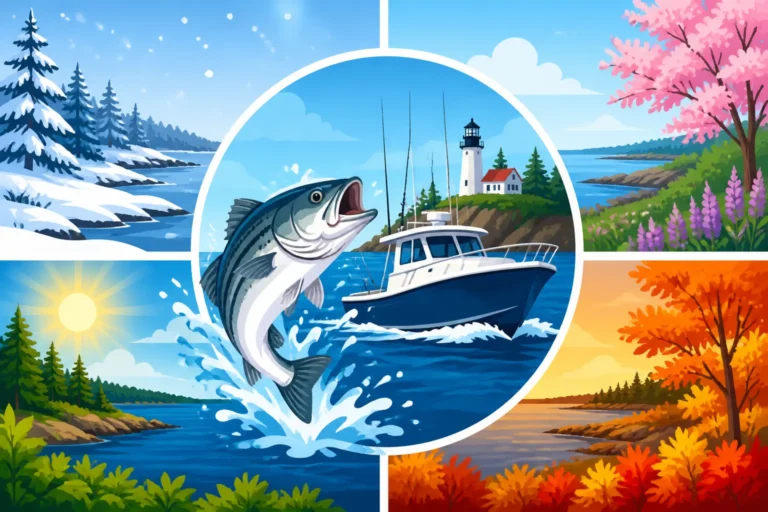
The "best" time to visit a Moosehead Lake sporting camp largely depends on what you want to catch and your preferred fishing conditions. Maine offers distinct seasons, each with its unique advantages for anglers.
- Spring (Ice-Out to Early June): This is often considered prime time for many cold-water species, especially landlocked salmon and brook trout, as they are actively feeding near the surface after ice-out. The water is cold and oxygen-rich, making for aggressive fish. Expect variable weather and potentially black flies, but the fishing can be exceptional. Our Maine Spring Fishing Guide details this season further.
- Summer (June to August): While cold-water fish retreat to deeper, cooler waters during the summer heat, early mornings and evenings can still yield great results. Smallmouth bass fishing can really pick up in warmer waters. This is also a popular time for families due as the weather is generally warmer and perfect for other activities like swimming and hiking. You'll need to adjust your techniques, perhaps focusing on trolling deeper or fishing cooler tributary mouths.
- Fall (September to October): Many consider fall to be another fantastic fishing season, especially for brook trout and landlocked salmon as they begin their spawning runs. The cooler temperatures make for more active fish, and the vibrant foliage creates a stunning backdrop. The crowds thin out, offering a more peaceful experience. For more on this, check out our Maine Fall Fishing Guide.
- Winter (Ice Fishing Season): For the adventurous, Moosehead Lake offers incredible ice fishing opportunities for togue, salmon, and brook trout. Sporting camps often cater to ice anglers, sometimes even providing heated shacks and guide services. You must be prepared for cold weather, but the rewards can be huge. Explore our Maine Ice Fishing Techniques Guide for more information.
Understanding Pricing and Packages
Sporting camp pricing structures can vary significantly, so it's crucial to understand what's included before you book. Many traditional camps operate on an "American Plan," which means your lodging, all meals (breakfast, packed lunch, and dinner), and often some basic camp amenities like boat use are included in one per-person daily or weekly rate. This simplifies budgeting and means you don't have to worry about cooking.
Other camps might offer "Housekeeping Plan" cabins, which provide lodging only, giving you the flexibility to cook your own meals. These are often a more budget-friendly option for groups or families who prefer to self-cater. Guide services are almost always an additional cost, whether they are in-house or independent. Boat rentals, bait, tackle, and other incidentals will also typically be extra.
When comparing camps, always get a clear breakdown of what's included in the price. Ask about any hidden fees, such as cleaning fees, taxes, or charges for firewood. Platforms like FishingBooker can sometimes offer detailed breakdowns of packages or allow you to compare multiple options side-by-side, making it easier to see what you're getting for your money. Remember that prices can fluctuate based on the season, cabin size, and duration of your stay.
Essential Gear and Permits
Before you head out, make sure you're legally prepared and properly equipped.
Fishing License and Regulations
First and foremost, you will need a valid Maine fishing license. This applies to almost everyone, with very few exceptions. You can purchase a license online through the Maine Department of Inland Fisheries and Wildlife (MDIFW) website, or in person at many local agents, including some sporting camps and general stores around Moosehead Lake. For detailed information, our Maine Fishing License Guide is an excellent resource. Always double-check the Maine Fishing Regulations Explained for Moosehead Lake specifically, as certain waters or species may have special rules regarding bag limits, length limits, or tackle restrictions. Moosehead Lake is primarily in the North Zone for fishing rules, which can impact certain species.
What to Pack
Beyond your fishing gear (rods, reels, tackle box, bait, waders if needed), here's a packing list to consider for a sporting camp stay:
- Layered Clothing: Maine weather can be unpredictable, so layers are key. Include waterproof outer layers, fleece or wool for warmth, and moisture-wicking base layers.
- Rain Gear: A good quality rain jacket and pants are non-negotiable.
- Footwear: Waterproof hiking boots, camp shoes, and perhaps water shoes.
- Insect Repellent: Especially important during spring and early summer.
- Sun Protection: Hat, sunglasses, and sunscreen.
- First Aid Kit: For minor scrapes and emergencies.
- Navigation: Map, compass, or GPS device (and know how to use them).
- Lighting: Headlamp or flashlight with extra batteries.
- Personal Items: Toiletries, medications, books, games, camera.
- Cooler: For transporting your catch home or keeping drinks cold.
Some camps may provide linens, but it's always good to confirm. If you're using a guide, they will often provide specialized tackle, but having your own familiar gear is usually preferred. Don't forget any specific gear for other activities you plan, like hiking boots for exploring nearby trails.
Beyond the Lodge: Activities and Experiences at Moosehead Lake Sporting Camps
While fishing is undoubtedly the main draw for many visiting Moosehead Lake sporting camps, these unique destinations offer a rich tapestry of experiences that extend far beyond simply casting a line. From wildlife observation to exploring the natural beauty of the region, a stay at a sporting camp provides a holistic wilderness immersion that caters to a variety of interests.
Wildlife Observation and Photography
The Moosehead Lake region is a haven for wildlife, and sporting camps are often nestled right in the heart of prime viewing territory. It’s no exaggeration that spotting a moose is a common occurrence, especially during the early morning or late evening hours, as they feed in marshy areas or along stream banks. Many camps even offer guided "moose safaris" or point you to local hotspots where sightings are frequent.
Beyond moose, you might encounter white-tailed deer, black bears (from a safe distance, of course!), coyotes, and a myriad of bird species. Loons are a constant presence on the lake, their haunting calls echoing across the water, providing a quintessential Maine soundtrack. Bald eagles are also frequently seen soaring overhead or perched in tall pines along the shoreline. For nature photographers, the opportunities are endless, from capturing the serene beauty of a sunrise over the lake to intimate shots of wildlife in their natural habitat. Even if you're not an avid photographer, simply taking the time to quietly observe the natural world around you can be incredibly rewarding and add another layer of enjoyment to your trip.
Hiking, Canoeing, and Kayaking Adventures
The vast wilderness surrounding Moosehead Lake is crisscrossed with trails and waterways just waiting to be explored. Many sporting camps offer direct access to hiking trails ranging from easy strolls to more challenging ascents up mountains like Little Kineo or Squaw Mountain, which offer panoramic views of the lake and surrounding forests. A popular adventure is hiking Mount Kineo, often accessed by a short boat ride across the lake, where you can climb to the fire tower for breathtaking vistas.
For those who prefer to explore by water, most sporting camps provide canoes or kayaks for guest use, or have them available for rent. Paddling the quiet coves and inlets of Moosehead Lake, or venturing onto a smaller, interconnected pond, offers a peaceful way to experience the scenery and get closer to wildlife. Imagine paddling silently around an island, a great blue heron taking flight as you approach, or discovering a secluded beach for a picnic lunch. It’s also an excellent way to access hard-to-reach fishing spots that larger boats might miss. For those looking for multi-day paddling expeditions, the nearby Allagash Wilderness Waterway offers an iconic experience, and our Allagash Wilderness Waterway Fishing Guide can help you plan.
Local Culture and Community Engagement
Staying at a sporting camp near Moosehead Lake also offers a unique window into Maine's rich outdoor culture and tight-knit community. Many camp owners and guides are long-time residents, often with generations of family history in the area. They are often keen to share stories, local legends, and insights into the way of life in the Maine woods. This isn't just a place to stay; it's an opportunity to connect with people who live and breathe the Maine outdoors.
Many camps host informal gatherings in the main lodge, where guests can socialize, share their day's adventures, and learn from one another. You might find yourself striking up a conversation with a seasoned angler from across the country, swapping tips and techniques, or listening to a guide recount a memorable encounter with a trophy fish. This sense of community and shared passion for the outdoors is a hallmark of the sporting camp experience, turning a simple fishing trip into a truly enriching cultural exchange. If you are interested in becoming part of this culture professionally, How to Become a Registered Maine Fishing Guide might be an inspiring read.
Comparing Moosehead Lake Sporting Camp Options
With the sheer number of sporting camps around Moosehead Lake, choosing the right one can feel like a daunting task. However, by understanding the general types of camps available and what to prioritize, you can effectively narrow down your options and find the perfect match for your next angling adventure.
Types of Sporting Camps Available
Sporting camps around Moosehead Lake aren't one-size-fits-all. They often fall into a few general categories, each catering to slightly different preferences and offering unique atmospheres.
- Rustic, Remote Camps: These are typically fly-in or boat-access only, offering the ultimate wilderness immersion. Think basic cabins, perhaps shared facilities, and a strong emphasis on disconnecting. They are ideal for serious anglers or those seeking deep solitude and a raw wilderness experience. These camps often have a long history and are run by families with generations of local knowledge. They might not have modern conveniences, but they make up for it with unparalleled access to untouched fishing grounds and true peace and quiet.
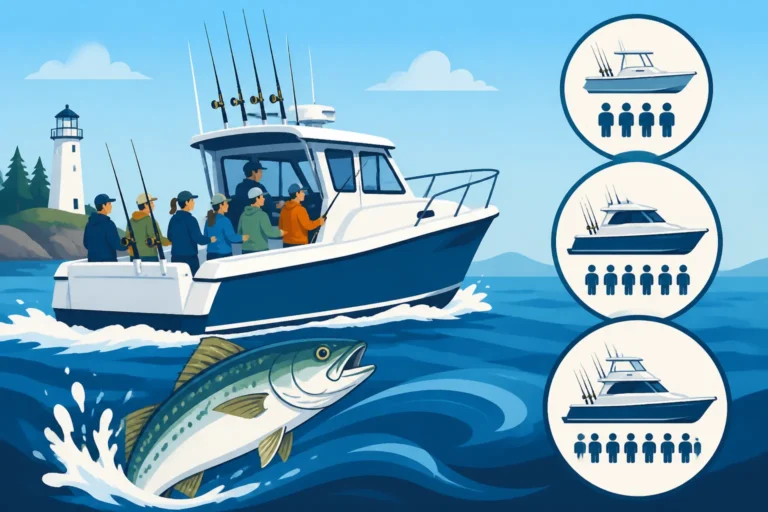
- Traditional Lakeside Camps: Many camps fall into this category, offering a blend of rustic charm with more creature comforts. They are usually accessible by road, located directly on Moosehead Lake or a nearby pond. Accommodations range from cozy cabins with private baths to larger cottages for families. They often feature a main lodge for dining and socializing. These camps strike a balance, offering comfort without sacrificing the authentic sporting camp feel. They are often perfect for families or groups who want good fishing but also appreciate amenities.
- Full-Service Lodges with Modern Amenities: While still retaining the "sporting camp" ethos, these lodges lean more towards comfort and convenience. They might offer more upscale cabins, gourmet dining, and a wider range of amenities like hot tubs, Wi-Fi, and even structured activities beyond fishing. These are excellent for those who want a wilderness experience but prefer a higher level of comfort and service. They often cater to a broader audience, including non-fishing companions or those looking for a luxurious escape with fishing as an option.
When comparing, consider which type aligns best with your ideal vacation. Are you chasing the wildest, most remote fishing, or do you prefer a comfortable base camp with easy access and good food?
Making Your Final Decision
Once you've considered the types of camps and your personal preferences, it's time to dig into the details to make your final decision.
- Read Reviews and Testimonials: This is probably the most valuable step. Look for recent reviews on independent travel sites, the camp's own website, and platforms like FishingBooker. Pay attention to comments about the fishing opportunities, the quality of accommodations, the food, and the friendliness and expertise of the staff and guides. Reviews can offer realistic expectations and highlight potential pros and cons that aren't apparent from brochures.
- Contact the Camp Directly: Don't hesitate to call or email the camp owners with specific questions. This is your chance to inquire about current fishing conditions, specific guides, availability of certain boats, or any special requests you might have. Their responsiveness and willingness to help can tell you a lot about the level of service you can expect. This personal connection is often a defining part of the sporting camp experience.
- Consider Your Group's Needs: If you're traveling with family or a group, make sure the camp can accommodate everyone comfortably. Are there activities for non-anglers? Are the cabins suitable for children? Do they have options for different dietary needs? The more everyone's needs are met, the more enjoyable the trip will be for all.
- Budget Alignment: Revisit your budget and make sure the chosen camp's pricing and packages align. Factor in not just the base rate, but also guide fees, boat rentals, bait, tackle, and transportation. Sometimes a slightly higher upfront cost for an American Plan can actually save you money and stress in the long run compared to a housekeeping cabin where you have to buy and prepare all your food.
By carefully weighing these factors, you'll be well-equipped to choose the perfect Moosehead Lake sporting camp, ensuring a memorable and rewarding Maine fishing adventure.
| Sporting Camp Type | Typical Features | Ideal Angler | Experience Level |
|---|---|---|---|
| Rustic, Remote Camps | Generator power, basic cabins, shared baths/outhouses, minimal connectivity, often boat/fly-in access, meal plans common. | Seeking solitude, hardcore fishing, wilderness immersion, minimal distractions. | Intermediate to Advanced |
| Traditional Lakeside Camps | Road access, private cabins (some with full baths), main lodge dining, boat rentals, some connectivity, guide services available. | Families, groups, those wanting comfort with authentic feel, balanced fishing/leisure. | Beginner to Intermediate |
| Full-Service Lodges | Modern cabins, full amenities (private baths, Wi-Fi), gourmet dining, wider range of activities, professional guide services. | Seeking comfort and convenience, luxury wilderness experience, non-fishing companions. | Beginner to Advanced |
Disclaimer
This article is for general informational purposes only and does not constitute professional advice. Laws, prices and regulations vary by location and change over time. Consult a qualified professional for guidance on your specific situation.