Best Guide Service for Beginners in Maine
Stepping into the vast and varied world of Maine fishing can feel like trying to navigate a dense fog – thrilling, yes, but also a bit overwhelming, especially when you're just starting out. You might be dreaming of reeling in a feisty landlocked salmon or a battling smallmouth bass, but the sheer number of lakes, rivers, and coastal waters, coupled with the ever-present question of where to even begin, can stop many aspiring anglers before they even cast a line. This guide is here to cut through that fog, helping you understand how a top-notch, beginner-friendly Maine fishing guide can turn those daunting dreams into a successful and truly enjoyable first fishing adventure.
Why a Fishing Guide is a Game-Changer for Beginners in Maine
Let's be honest, Maine isn't just any fishing destination. It's a place of incredible natural beauty, but also complex ecosystems and regulations that can feel like a secret language if you're not fluent. For a beginner, trying to figure it all out on your own can lead to frustration, wasted time, and perhaps worst of all, not catching any fish! That's where a knowledgeable guide steps in, acting as your personal translator and navigator.
Navigating Maine's Unique Waters and Regulations
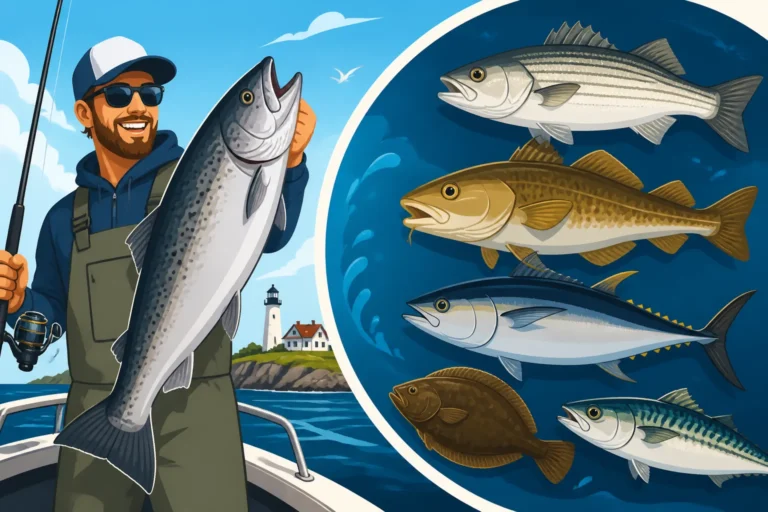
Maine boasts an astonishing variety of fishing environments. From the vast, deep freshwater lakes like Moosehead and Sebago, to the winding rivers and streams teeming with brook trout, to the rugged coastline alive with striped bass – each offers a different experience and, crucially, different challenges. Trying to pick a spot blindly can be a shot in the dark. You might end up on a lake that's too deep, a river that's too swift, or a coastal area that's simply not holding fish for the techniques you're trying.
Beyond the sheer geography, Maine has specific Maine Fishing Regulations Explained that can be incredibly nuanced. We're talking about varying Maine Fish Bag Limits Guide depending on the species and water body, different Maine Fishing Season Dates Guide for various fish, and even special rules for certain trophy waters. For instance, knowing if you're in the North Zone or South Zone can dramatically change what you can keep and when. A good guide lives and breathes these regulations, ensuring you're fishing legally and responsibly, so you can focus on the fun part without worrying about accidental infractions. They'll tell you straight up what's open, what's closed, and what you can legally take home.
Accelerating Your Learning Curve
Imagine trying to learn to play a musical instrument by just watching YouTube videos. You might pick up a few things, but having a patient instructor by your side, correcting your posture, explaining the theory, and showing you the nuances, will get you playing real tunes much faster. The same principle applies to fishing. A guide provides immediate, personalized feedback that you simply cannot get from a book or a quick online search.
They'll teach you fundamental skills like how to cast properly, ensuring your line goes where you intend it to, rather than getting tangled in a tree (we've all been there!). They'll show you Fishing Knots Every Maine Angler Should Know, demonstrating them slowly and clearly until you've got them down. Crucially, they'll also teach you how to "read the water" – understanding where fish might be hiding based on currents, structure, and depth, which is an invaluable skill that develops over years for solo anglers. Instead of trial and error, you're getting decades of experience condensed into a single outing, turning your learning curve into a super-highway.
Access to Gear and Local Hotspots
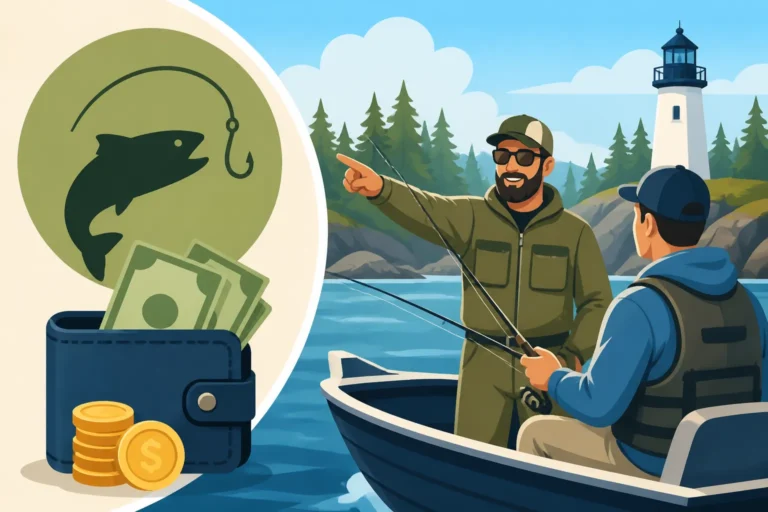
One of the biggest hurdles for new anglers is the equipment. Do you need a spinning rod or a fly rod? What kind of reel? What lures or bait should you use? The cost of outfitting yourself can be substantial, and making the wrong choices can be disheartening. A beginner-friendly guide completely removes this barrier. They come equipped with all the necessary rods, reels, lines, lures, and bait, often high-quality gear perfectly suited for the local conditions and target species. This means you don't have to invest a dime in equipment before you even know if fishing is your jam.
Furthermore, guides are literally paid to know where the fish are. They spend countless hours on the water, tracking movements, understanding seasonal patterns, and identifying the exact spots that are producing bites. This local knowledge is priceless. Instead of spending half your day driving from one potentially barren spot to another, hoping for a nibble, your guide will take you directly to proven Best Fishing Spots in Maine by Region or some of the Best Fishing Lakes in Maine where you have the best chance of success. They know the depths, the cover, and the subtle nuances of each body of water like the back of their hand, ensuring you're not just fishing, but actively engaging with the fish.
What Makes a Maine Guide Service "Beginner-Friendly"?
Not all guides are created equal, especially when it comes to catering to novices. While many guides are experts at catching fish, a beginner-friendly guide possesses a special set of skills that goes beyond just angling prowess. They understand that for a first-timer, the experience is less about landing a trophy and more about learning, having fun, and feeling comfortable on the water.
Patience and Instructional Approach
The hallmark of an excellent beginner's guide is their patience. They understand that you're going to make mistakes – knots will get tangled, casts will go awry, and fish will be missed. Instead of getting frustrated, a truly beginner-friendly guide will calmly explain what went wrong, demonstrate the correct technique, and offer encouragement. They aren't there to judge your skill level; they're there to elevate it.
Their instructional approach is key. They won't just hand you a rod and say "cast." They'll break down the mechanics of casting into simple, understandable steps, offering tips for Casting Techniques for Beginners. They’ll explain why you're using a certain lure or bait in a particular spot, fostering a deeper understanding rather than just rote execution. This teaching style transforms a fishing trip into an educational experience, empowering you to build confidence with every successful cast or retrieved lure. You'll finish the day not only with potential fish stories but also with a solid foundation of angling knowledge.
Focus on the Fundamentals and Hands-On Experience
A guide who specializes in beginners knows that you need to learn the ABCs before you can write a novel. They'll focus on the core fundamentals: proper rod holding, setting the drag, tying basic knots, identifying bites, and safely landing a fish. They won't overwhelm you with advanced techniques right away. Instead, they'll ensure you grasp each basic concept before moving on.
They also prioritize hands-on experience. This isn't a passive trip where the guide does all the work while you watch. A good beginner guide will involve you in every step, from baiting your hook (if you're comfortable) to feeling the bite, to reeling in your catch. They’ll likely have a "teaching moment" with every fish, explaining its species, its habitat, and why it might have struck your lure. This active participation makes the learning process much more engaging and memorable.
All-Inclusive Packages and Gear Provision
One of the biggest stresses for new anglers is figuring out what gear to buy and bring. A truly beginner-friendly guide service simplifies this by offering all-inclusive packages. This means that when you book your trip, everything you need for the actual fishing part of the day is provided. This often includes high-quality rods and reels, a variety of suitable lures or bait, tackle, and even necessary safety equipment like life vests.
Before you even step on the boat or shore, confirm what's included. Do they provide Do Maine Fishing Guides Provide Rods and Reels?? Is the bait covered? Are there any hidden costs for tackle? Knowing that all your What Gear Is Included on a Maine Charter is taken care of means you can literally show up with just your personal essentials, ready to learn and enjoy. Some guides even go the extra mile, providing snacks, drinks, and even shore lunches, making the entire experience completely hassle-free and focused on your enjoyment. Websites like FishingBooker often list these inclusions clearly, making it easier to compare services and find a package that truly suits a beginner's needs.
Finding and Booking the Right Beginner-Friendly Maine Guide
So, you're convinced a guide is the way to go. Fantastic! Now comes the critical step of finding the right guide for you. It's not just about finding someone who can catch fish; it's about finding an educator, a patient mentor, and a safe pair of hands to introduce you to the joys of angling.
Researching and Reading Reviews
Start your search online. The internet is a treasure trove of information, especially reviews from previous clients. When you're sifting through potential guides, don't just look for how many fish they caught with their clients. For a beginner, the content of the reviews is far more important. Look for keywords like "patient," "great with beginners," "excellent teacher," "family-friendly," or "explained everything clearly." These are the indicators that a guide genuinely enjoys introducing new people to the sport.
Websites that aggregate fishing charters and guides, such as FishingBooker, can be incredibly helpful for this. They often have detailed profiles for guides, including their specialties, photos, and most importantly, client reviews. Pay close attention to reviews left by other first-timers or families with kids, as their experiences will be most relevant to your needs. This is how you really find How to Find a Reputable Maine Fishing Guide that aligns with your specific learning style and expectations. Don't hesitate to look beyond just the top-rated "trophy hunter" guides; sometimes the guides with a slightly lower profile but glowing reviews for their teaching ability are the best fit for a beginner.
Asking the Right Questions Before Booking
Once you've narrowed down a few potential guides, pick up the phone or send an email. This direct communication is vital for ensuring a good match. Don't be shy about stating upfront that you are a beginner. Here are some key questions to ask:
- "Do you have experience guiding complete beginners, or even people who have never held a fishing rod before?" This sets expectations immediately.
- "What is your approach to teaching new anglers? Do you focus on hands-on instruction?" You want a guide who coaches, not just catches.
- "What type of fish will we be targeting, and what methods will we be using?" This helps you understand if the trip aligns with your interests (e.g., fly fishing for trout vs. trolling for salmon).
- "What exactly is included in the price? Rods, reels, bait, tackle, life vests, snacks, drinks, and licenses?" Clarifying What Gear Is Included on a Maine Charter beforehand avoids any surprises.
- "What should I bring on the trip, apart from my enthusiasm?" Get a clear list of personal items like clothing layers, sunscreen, and any food preferences.
- "What's your cancellation policy, especially for weather?" It's always good to know the contingencies.
A good guide will welcome these questions and answer them thoroughly, making you feel confident and excited about your upcoming trip.
Considering Different Types of Guided Trips
Maine offers diverse fishing opportunities, and a beginner-friendly guide can introduce you to several options. Think about what kind of experience excites you most:
- Lake Fishing: Often involves trolling for species like landlocked salmon or togue, or casting for bass. This can be a more relaxed experience, as the boat does a lot of the work. Many Maine Lake Fishing Guides are excellent for beginners.
- River or Stream Fly Fishing: If you're drawn to the art of fly casting and the beauty of flowing water, a Maine Fly Fishing Guides can provide one-on-one instruction. While it has a steeper learning curve, a dedicated fly-fishing guide can make it accessible. They'll teach you basic casts, how to "read" the water for trout lies, and essential fly patterns.
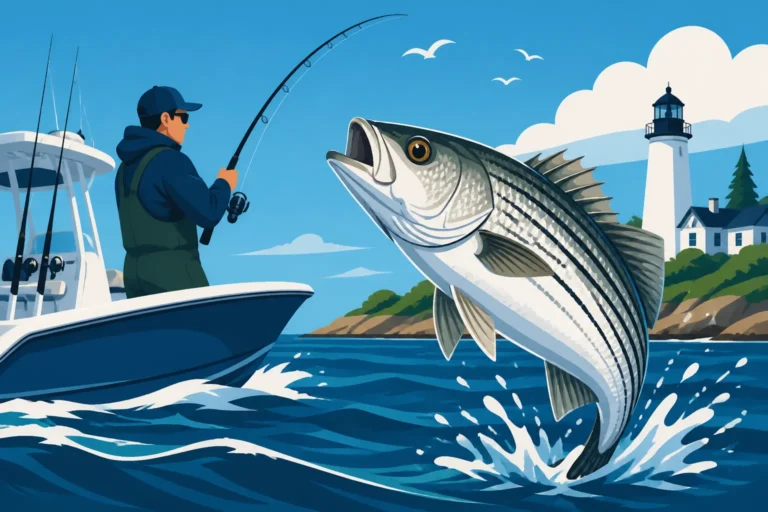
- Saltwater Fishing: For those near the coast, a guided trip for striped bass can be exhilarating. These trips often involve casting from shore, wading, or fishing from a boat in calmer bays, and can be very hands-on.
Each type of fishing offers a unique appeal, and a discussion with your potential guide can help you decide which is the best starting point for you. Some guides even specialize in multi-species trips, allowing you to try a bit of everything.
What to Expect from Your First Guided Maine Fishing Trip
You've booked your guide, done your research, and now the day has arrived! It's natural to feel a mix of excitement and maybe a tiny bit of nervousness. Knowing what to expect can help you relax and fully embrace the experience. Remember, this isn't just about catching fish; it's about connecting with nature, learning a new skill, and making memories in one of the most beautiful states in the country.
Preparation and What to Bring (Beyond Fishing Gear)
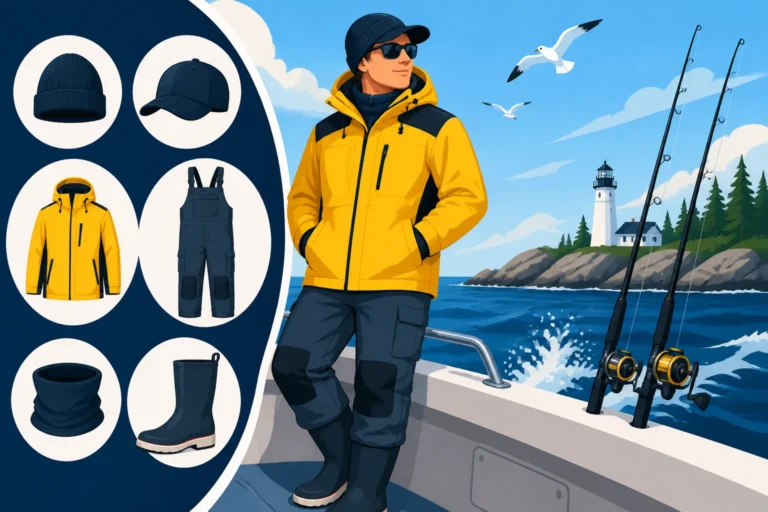
While your guide will handle the fishing gear, there are a few essential personal items you'll need to bring to ensure your comfort throughout the day. Maine weather, especially, can be notoriously unpredictable, changing from sunny and warm to cool and breezy in a matter of hours. Always dress in layers! Think moisture-wicking base layers, a fleece or sweater, and a waterproof/windproof outer shell. Even in summer, mornings can be chilly on the water.
Don't forget sun protection: a wide-brimmed hat, sunglasses (polarized ones are a bonus for seeing into the water), and plenty of sunscreen. Hydration is key, so bring a water bottle. Snacks are also a good idea, even if your guide provides lunch, to keep your energy up. A camera to capture those scenic Maine moments (and hopefully your first catch!) is also a must. Check out our detailed advice on What to Bring on a Maine Fishing Charter for a comprehensive list. Most importantly, bring an open mind and a willingness to learn!
A Focus on Enjoyment and Learning Over Just Catching
It's easy to get caught up in the idea of catching a huge fish on your first trip. While your guide will certainly do their best to put you on fish, try to shift your focus from "catching" to "learning and enjoying." A truly great beginner's trip isn't measured by the number of fish in the cooler, but by the quality of the experience. Did you learn how to cast? Did you understand why you were fishing a certain area? Did you have fun?
Your guide will explain techniques, point out wildlife, share stories about the local area, and answer any questions you have. They might talk about the history of the lake or the specific habits of the fish species you're targeting. Embrace these moments of education and connection. The feeling of making a good cast, feeling a bite, or even just successfully tying a new knot can be incredibly rewarding, regardless of the final count. The goal is to ignite a passion for fishing, not just to fill a cooler.
The Role of the Registered Maine Guide
It’s important to understand that a "Maine Guide" isn't just someone who likes to fish. They are professionals who have undergone rigorous training and certification. To become a How to Become a Registered Maine Fishing Guide, individuals must pass an extensive exam covering everything from navigation and first aid to Maine’s fish and game laws, wilderness survival, and outdoor ethics. This means when you hire a Registered Maine Guide, you're not just getting an expert angler; you're getting a licensed outdoor professional with a deep commitment to safety and responsible outdoor practices.
This certification provides an immense layer of reassurance, especially for beginners. Your guide will be well-versed in handling unexpected situations, equipped with proper safety gear, and knowledgeable about the specific hazards of the Maine wilderness. They are truly Are Maine Fishing Guides Licensed by the State?, holding themselves to a high standard of professionalism and care. You can trust that you're in capable hands, allowing you to relax and fully immerse yourself in the beauty and excitement of your first Maine fishing adventure.
Here's a quick comparison of what to look for in a beginner-friendly guide:
| Feature | Beginner-Friendly Guide | General Fishing Guide (Potentially Less Ideal for Beginners) |
|---|---|---|
| Teaching Style | Patient, instructional, breaks down concepts. | Focuses on getting clients on fish, less on teaching basics. |
| Gear Provided | All necessary rods, reels, tackle, bait included. | May expect clients to bring some or all of their own gear. |
| Focus | Learning, hands-on experience, enjoyment, basic skills. | Catching trophy fish, advanced techniques, maximizing harvest. |
| Interaction | Explains why and how, encourages participation. | May simply tell clients what to do, less interactive. |
| Patience Level | High tolerance for mistakes, calm and encouraging. | May get frustrated with novice errors or slow learning. |
| Safety | Prioritizes safety instruction, first aid certified. | Assumes some client experience with boating/fishing safety. |
| Trip Structure | Often flexible, adaptable to learning pace. | Structured around specific fishing patterns/spots. |
| Communication | Welcomes questions, clear pre-trip details. | Less emphasis on pre-trip consultation for basics. |
Ultimately, hiring a beginner-friendly Maine fishing guide is one of the smartest investments you can make for your first foray into the sport. It’s an opportunity to learn from the best, fish the most productive waters, and create lasting memories without the usual beginner frustrations. So, take the plunge, book that guide, and get ready to experience the incredible fishing that Maine has to offer!
Disclaimer
This article is for general informational purposes only and does not constitute professional advice. Laws, prices and regulations vary by location and change over time. Consult a qualified professional for guidance on your specific situation.