Are Maine Fishing Charters Good for Kids?
Bringing kids fishing in Maine can be one of the most memorable family adventures, but many parents worry if a formal fishing charter is the right choice. You might be wondering if your little ones will be bored, get seasick, or if it's even worth the investment compared to just dropping a line from a dock. This guide is here to tell you that, with a bit of planning and the right charter, a Maine fishing trip can be an absolutely fantastic, educational, and exciting experience for children of all ages, creating cherished memories that will last a lifetime.
The Unforgettable Appeal of Maine Fishing Charters for Young Anglers
Let's face it, getting kids excited about fishing isn't always easy. Sometimes, the patience required for a long day on the shore or a quiet river can test even the most enthusiastic young angler. That's where a well-chosen Maine fishing charter truly shines. It transforms a potentially slow day into an engaging, dynamic adventure with a much higher chance of success, which, for kids, often means the difference between a "boring" trip and the "best day ever!"
Why Charters Often Outperform Shore Fishing for Kids
Think about it: when you're fishing from shore with kids, you're often limited to easily accessible spots that might be overfished or only hold smaller, less exciting species. You're also juggling all the gear, baiting hooks, untangling lines, and trying to keep everyone entertained. It can feel like more work than relaxation.
A charter, on the other hand, puts you and your family in a specialized boat with a seasoned captain who knows exactly where the fish are hiding. They have all the right gear, often pre-rigged and ready to go, and they're experts at baiting and landing fish. This significantly increases the chances of your child hooking into something substantial, which is a massive confidence booster and fuels their excitement. The novelty of being on a boat, motoring out to open water, and using specialized equipment can be an adventure in itself, even before the first fish bites. Plus, the captain and crew are there to help, freeing you up to enjoy the experience with your kids rather than just managing it. It’s an invaluable service for a family looking to create a genuinely fun outing.
Species That Spark Excitement in Little Hands
Maine's waters are teeming with a variety of fish that are perfect for young anglers, offering everything from fast action to a thrilling fight. Knowing what you might encounter can help you choose the right charter experience.
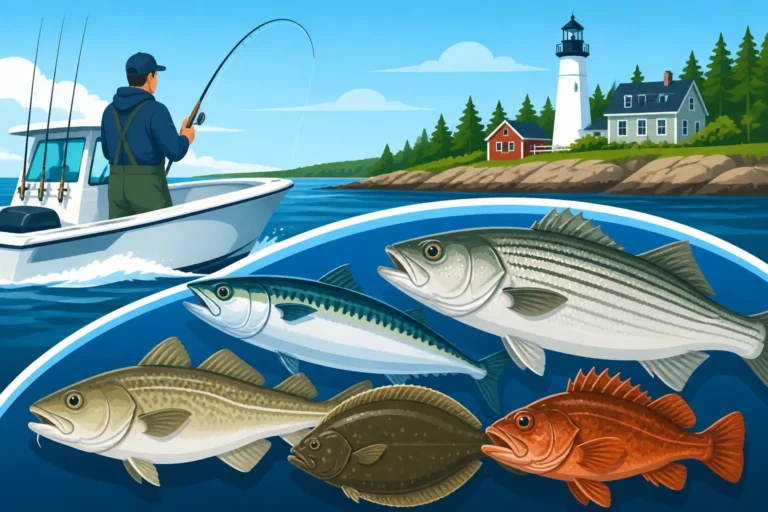
- Mackerel: These are often the "gateway fish" for kids on saltwater charters. They travel in large schools, hit aggressively, and can be caught in rapid succession. The sheer volume of catches often means kids are constantly reeling something in, which keeps their attention locked. It’s pure, unadulterated fun, and the perfect way to introduce them to the joy of fishing without long periods of waiting.
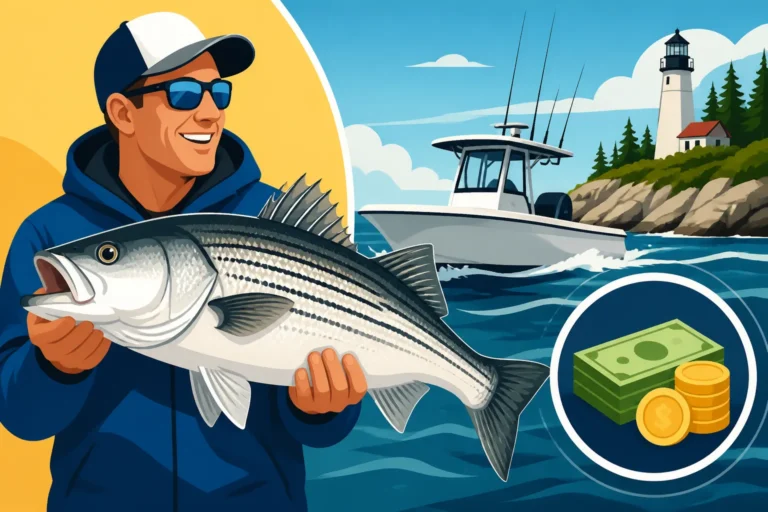
- Striped Bass: Ah, the mighty "striper"! These are a real prize along the Maine coast. While they require a bit more patience than mackerel, when a striped bass hits, it's a fight your child won't soon forget. They pull hard and put up an impressive battle, making for an incredibly rewarding experience. Catching a striper is often the highlight of many anglers' summer, and seeing a child successfully battle one in can be absolutely priceless. Charters specializing in Maine Striped Bass Charters are excellent for this.
- Groundfish (Cod, Haddock, Pollock): For kids who are a bit older and can handle deeper water, a deep sea groundfishing trip can be incredibly exciting. These fish are often found on the ocean floor, requiring a different technique but offering a strong, satisfying pull. There’s a thrill in hauling up a substantial fish from the depths, and the variety of species you might encounter adds to the adventure. These trips often mean a good amount of fresh fish to take home for dinner, which is another big win for the kids! You can learn more about these trips in our Maine Deep Sea Fishing Charters guide.
Choosing the Perfect Charter for a Family Adventure
Selecting the right fishing charter when kids are involved is a bit different than booking a trip for just adults. You're not just looking for a boat and a captain, you're looking for an experience that caters to the unique needs and shorter attention spans of younger passengers.
Captains Who Welcome Kids: What to Look For
The captain and crew make all the difference. You want a captain who genuinely enjoys having kids on board and has a knack for engaging them. Here’s what to prioritize:
- Patience is Key: Children, especially young ones, can be unpredictable. They might get restless, ask a million questions, need help constantly, or even get a little loud. A kid-friendly captain understands this and remains patient and encouraging.
- Safety First Mentality: This should go without saying, but ensure the charter has a strong safety record and makes safety a top priority. They should be clear about boat rules and ensure all necessary safety equipment is on board and easily accessible.
- Interactive and Educational: The best captains aren't just driving the boat; they're educating the kids. They'll explain how the gear works, teach them about the fish they're catching, point out marine wildlife like seals or seabirds, and share stories of the sea. This interaction turns a fishing trip into a mini-marine biology lesson.
- Positive Reviews: When looking for a charter, platforms like FishingBooker often allow you to filter by "kid-friendly" or read reviews specifically mentioning family experiences. Pay close attention to what other parents say about how the captain and crew interacted with their children. A captain who gets rave reviews from families is usually a great sign.
- Direct Communication: Don't hesitate to call the charter service directly and ask about their experience with children. Explain the ages of your kids and any specific concerns you might have. A good charter will be happy to answer all your questions and help you determine if their trip is a good fit.
Half-Day vs. Full-Day Trips: Matching Attention Spans
This is a crucial decision, especially with younger children. While a full-day trip might seem like more "value," it can quickly become too much for little ones.
- Half-Day Trips (4-6 hours): For most families with kids under 10-12, a half-day trip is often the sweet spot. It's long enough to get out to good fishing grounds, have plenty of action, and experience the thrill of the ocean, but short enough to avoid meltdowns or extreme fatigue. The excitement tends to last the entire trip, leaving them wanting more rather than being utterly exhausted or bored by the end. This is usually the best option for maximizing enjoyment.
- Full-Day Trips (8+ hours): These are generally better suited for older children, typically teenagers, who have longer attention spans, more endurance, and a deeper interest in fishing. Full-day trips allow access to more distant fishing grounds and target a wider variety of species, but the increased time on the water also increases the chances of seasickness or boredom if not properly managed. Consider your kids' individual personalities and past experiences before committing to a longer trip.
Inshore vs. Offshore Adventures: Choosing the Right Waters
The type of water you fish in can greatly impact the comfort and enjoyment of your family, especially if anyone is prone to motion sickness.
- Inshore Charters: These trips typically stay closer to the coastline, often fishing in protected bays, estuaries, or just a few miles offshore. The waters are generally calmer, which is a huge bonus for anyone worried about seasickness. Inshore trips frequently target species like mackerel, striped bass, and sometimes cod or pollock in shallower areas. The scenery is often beautiful, with views of the Maine coastline, lighthouses, and coastal towns. For a first-time family fishing adventure, especially with younger kids, inshore fishing is often the safest and most enjoyable bet. Many reputable captains list their services on sites like FishingBooker, providing details about their boat, trip types, and whether they cater to families, often specifying inshore options.
- Offshore Charters: These ventures head further out into the open ocean, sometimes 20-30 miles or more, targeting larger species like cod, haddock, pollock, or even tuna. The trade-off is often rougher seas, which can be challenging for those prone to motion sickness. Offshore trips are best reserved for older kids and teenagers who have proven their sea legs and are looking for a more intense, big-game fishing experience. While the rewards can be incredible, the journey itself is more demanding.
Here's a quick comparison to help you decide:
| Feature | Inshore Charters (Closer to Shore) | Offshore Charters (Further Out) |
|---|---|---|
| Water Conditions | Generally calmer, more protected | Can be significantly rougher, open ocean swells |
| Target Species | Mackerel, Striped Bass, Pollock, smaller Cod | Cod, Haddock, Pollock, Tuna, Sharks (for specialized trips) |
| Trip Duration | Often 4-6 hours (half-day) | Often 6-10+ hours (full-day to extended) |
| Kid-Friendliness | High, especially for younger kids and first-timers | Best for older kids/teens with good sea legs and patience |
| Scenery | Coastal views, lighthouses, islands | Open ocean, sometimes distant land, marine wildlife |
| Seasickness Risk | Lower | Higher |
| Success Rate | High for consistent action (e.g., mackerel, stripers) | High for larger, often fewer, fish |
Preparing Your Kids for a Memorable Charter Experience
A successful fishing charter with kids isn't just about booking the right boat; it's also about preparing your children for the adventure ahead. A little foresight can prevent discomfort and maximize fun.
What to Pack: Essentials for a Family Day on the Water
Even on a short trip, having the right gear can make all the difference. You'll want to pack a small bag with these essentials:
- Sun Protection: Maine sunshine, especially reflecting off the water, can be intense. Pack high-SPF sunscreen (and reapply it often!), wide-brimmed hats, and sunglasses for everyone.
- Layered Clothing: Maine weather is notoriously unpredictable. A calm, sunny morning can quickly turn cool and breezy. Bring layers – a long-sleeved shirt, a fleece or sweatshirt, and a light rain jacket are always good ideas, even on a clear day.
- Snacks and Drinks: Even if the charter provides some refreshments, having your kids' favorite snacks and plenty of water or juice is crucial. Fresh air and excitement can make kids surprisingly hungry and thirsty. Avoid anything that might make an upset stomach worse.
- Motion Sickness Remedies: If anyone in your family is prone to seasickness, consult your doctor about preventative medication. Administer it before you even leave the dock. Non-drowsy options are often available, and simple remedies like ginger candies can also help.
- Small Entertainment: While you hope for non-stop action, there might be lulls. A small, waterproof toy, a book, or a drawing pad can be helpful, but try to keep it minimal to avoid distractions from the main event.
- Camera: Capture those smiles and proud moments! Make sure it's secure or waterproof.
- Small Cooler: For any fish you catch and want to take home. Many charters will clean and bag your catch, but having your own cooler with ice ensures freshness on the ride home.
Setting Expectations: The Realities of Fishing
One of the most important things you can do is to manage your children's expectations. Fishing, even on a productive charter, isn't always instant gratification.
- It's Not Always a Non-Stop Catch: While charters increase your chances, there will still be periods of waiting. Explain that patience is part of the game. Frame it as an opportunity to enjoy the ocean, look for wildlife, or simply relax.
- Enjoy the Whole Experience: Emphasize that the adventure isn't just about catching fish. It's about being on the boat, seeing the coastline, feeling the fresh air, and spending time together. Point out passing lobster boats, seals, or diving seabirds. A captain who can share stories and facts about Maine's marine life can also make these lulls fascinating.
- Handling Fish: Talk about what to do when a fish is caught – how to reel it in, how the crew will handle it, and the decision to keep or release it. This helps them feel prepared and involved. Remember, many charters operate under Maine Fish Bag Limits Guide and Maine Fishing Regulations Explained, so some fish may need to be released.
Engaging Kids During Downtime
Even on the busiest of days, there will be moments when the bite slows down. This is where you can truly shine as a parent.
- Spotting Wildlife: Encourage your kids to look for seals, porpoises, or different types of birds. Make it a game!
- Learning About the Boat: Ask the captain to show the kids how some of the basic boat equipment works (from a safe distance, of course). They often love learning about the sonar or how the boat steers.
- Story Time: Bring a short book, or just tell stories about your own childhood adventures.
- Snack Breaks: Use downtime as an opportunity for those packed snacks and drinks. A little fuel can re-energize a restless child.
Booking your trip in advance, perhaps through a platform like FishingBooker, allows you to ask specific questions about gear, safety, and kid-friendliness, ensuring your chosen charter aligns with your family's needs.
Safety First: Ensuring a Smooth Trip for Everyone
Anytime you're on the water, safety is paramount, especially when children are involved. A good charter operation will prioritize safety, but it's important for parents to be aware and prepared too.
Life Jackets and Boat Safety Protocols
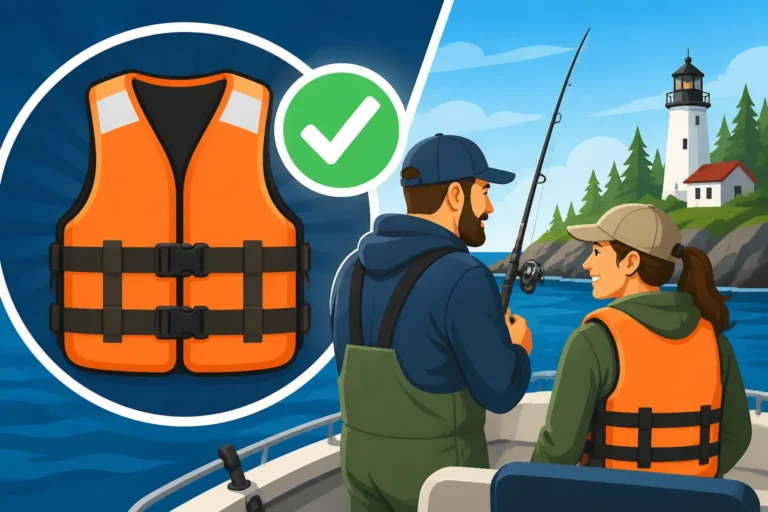
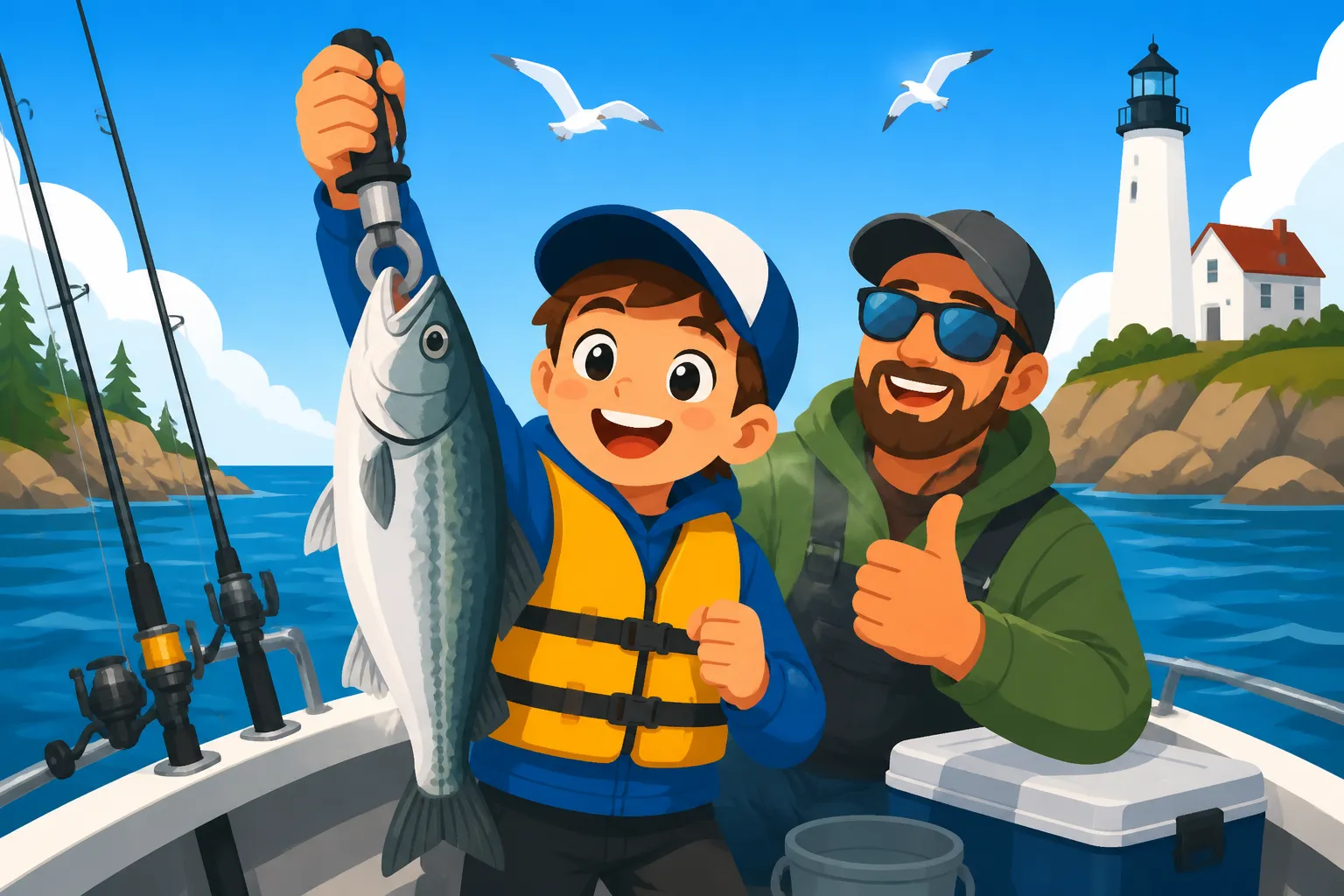
This is non-negotiable. Children should wear properly fitted life jackets whenever they are on deck, regardless of how calm the water seems.
- Provided by the Charter: Reputable charters will have life jackets in various sizes, including child sizes. Confirm this when booking. Are Life Jackets Provided on Maine Charters? is a great question to ask.
- Mandatory Wear: Make it clear to your children that wearing a life jacket is a rule for their safety and is not optional.
- Boat Rules: Discuss boat rules before boarding. This might include staying seated when the boat is moving, keeping hands and feet inside the boat, and always listening to the captain and crew. Explain why these rules are important for their safety.
- Emergency Procedures: While unlikely to be needed, a good captain will briefly go over emergency procedures at the start of the trip. Pay attention, and reassure your children.
Dealing with Seasickness: Prevention and Management
Seasickness can quickly ruin an otherwise perfect day. Being proactive is the best approach.
- Preventative Measures:
- Medication: If your child is susceptible, consult your pediatrician about over-the-counter seasickness medication. It's crucial to take it before leaving the dock, as it's less effective once symptoms start.
- Light Meal: Have your child eat a light, non-greasy meal before the trip. Avoid heavy, acidic, or fatty foods.
- Focus on the Horizon: Encourage them to look at the horizon, not down at the deck or a book. This helps stabilize their inner ear.
- Fresh Air: Staying on deck in the fresh air, away from engine fumes, can also help.
- Ginger: Ginger ale or ginger candies can sometimes help soothe an upset stomach.
- If Symptoms Occur: If your child does start to feel ill, get them fresh air, have them lie down if possible, and continue to have them look at the horizon. Most charter boats are equipped with sick bags, but bringing a few extra from home can't hurt. Reassure them and let the crew know. They are experienced and can often offer helpful suggestions or a calm spot on the boat.
Sun Exposure and Hydration: Essential for Comfort
These might seem like minor points, but neglecting them can lead to misery for kids and adults alike.
- Stay Hydrated: The combination of sun, wind, and excitement can quickly lead to dehydration. Ensure your kids are drinking water regularly throughout the trip, even if they don't feel thirsty.
- Reapply Sunscreen: Sunscreen wears off, especially with sweat and splashing water. Set a reminder to reapply every couple of hours.
- Seek Shade: If the boat has a shaded area, encourage breaks there, especially during the hottest parts of the day.
Taking a fishing charter with your kids in Maine is more than just a fishing trip; it's an immersive experience in nature, a lesson in patience, and an opportunity to connect with the sea. With the right preparation and the guidance of a kid-friendly captain, it’s an adventure your family will treasure. Don't hesitate to use resources like FishingBooker to read reviews from other families who have taken their kids on a particular charter, and always check specifics like Maine Fishing License Age Requirements in Maine and Do You Need a License to Fish on a Maine Charter? before you go.
Disclaimer
This article is for general informational purposes only and does not constitute professional advice. Laws, prices and regulations vary by location and change over time. Consult a qualified professional for guidance on your specific situation.