Is Seasickness Common on Maine Deep Sea Charters?
It's a totally valid question to wonder about seasickness when you're dreaming of a deep sea fishing adventure off the coast of Maine. Nobody wants to shell out for a fantastic day on the water only to spend it feeling green around the gills. This guide is all about helping you understand the realities of seasickness on Maine deep sea charters, how common it truly is, and most importantly, what you can do to prevent it from ruining your trip.
Understanding Seasickness on Maine Deep Sea Charters
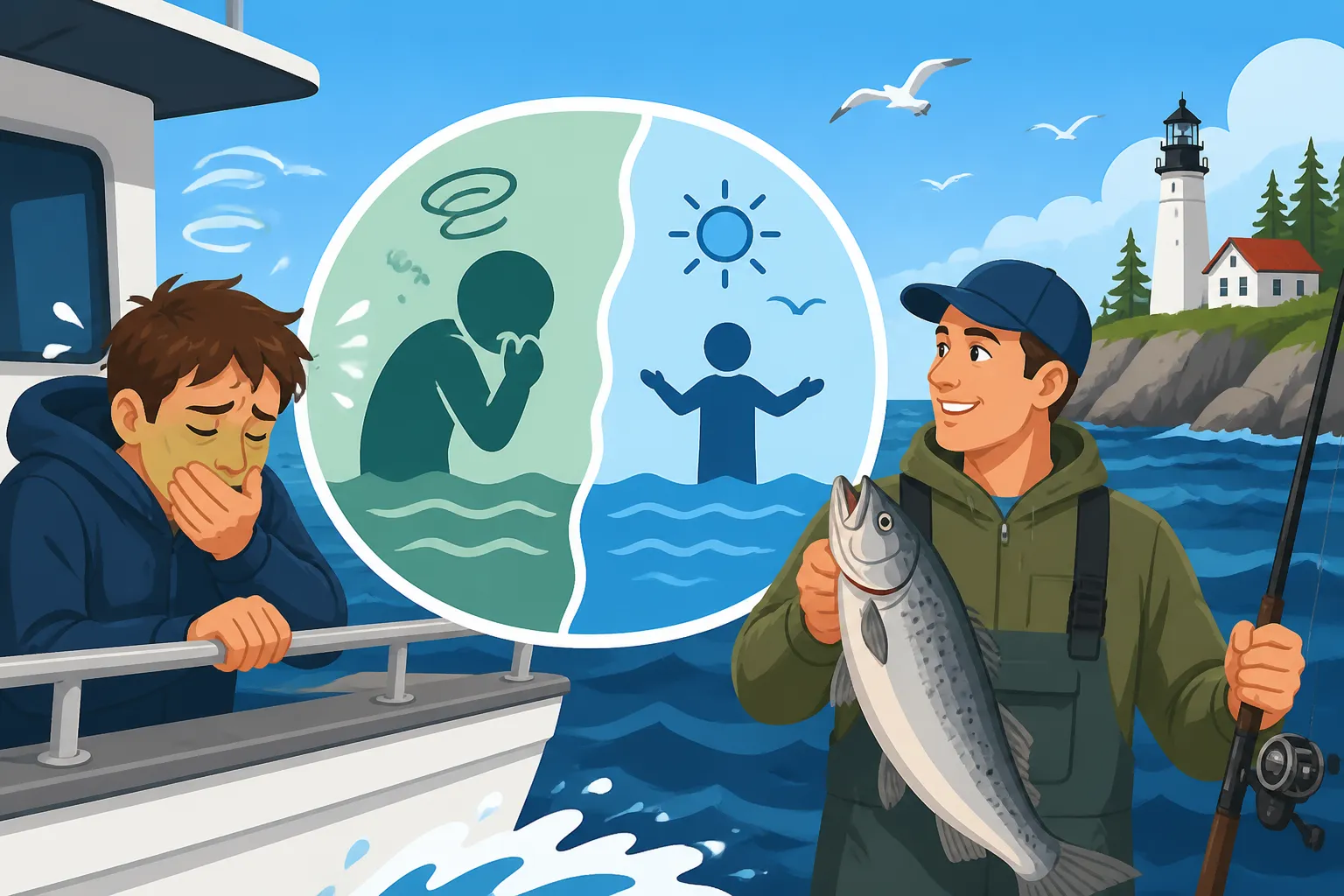
Seasickness, or motion sickness, is that miserable feeling that can hit you when your inner ear, eyes, and body send conflicting signals to your brain. On a boat, your inner ear might sense movement, but your eyes might see a relatively stable cabin, or vice-versa if you're looking at the horizon. This disconnect is what triggers that unsettling feeling, ranging from mild nausea to full-blown vomiting.
What Causes Seasickness?
Imagine your body as a finely tuned instrument. Your inner ear, specifically the vestibular system, is constantly telling your brain about your head's motion and position. Your eyes are providing visual cues about your surroundings, and the proprioceptors in your muscles and joints are sensing your body's movement. When you're on solid ground, all these signals usually align perfectly. However, out on the open ocean, especially on a deep sea charter, these signals can get crossed. Your inner ear might be detecting the pitching and rolling of the boat, but your eyes, if focused inside the cabin, might not register the same motion. Or perhaps you're reading a book, and your eyes are stationary while your body is constantly moving. This sensory mismatch confuses your brain, and its default response for confusion, for some unfortunate souls, is to initiate symptoms of nausea, dizziness, and fatigue. It's a primal response, and unfortunately, it doesn't care if you've paid good money for a day of fishing!
Factors Specific to Maine Deep Sea Fishing
Maine's coastline, while breathtaking, can present a variety of conditions that influence seasickness. Unlike calm lake fishing, deep sea charters take you miles offshore into the Atlantic Ocean, where waves can be significantly larger and more unpredictable. A charter out of Portland or Boothbay Harbor, heading for offshore fishing grounds, will expose you to true ocean swells. The size of the boat plays a role; generally, larger boats tend to ride more smoothly, but even they can be affected by substantial swells. The duration of the trip is another factor – a full-day charter means more hours on the water, increasing the potential exposure to motion. Wind conditions also contribute; a choppy sea whipped up by strong winds can create a far less stable platform than long, rolling swells on a calm day. For more on what to expect, check out our guide on Maine Deep Sea Fishing Charters.
Is It Really That Common? Setting Realistic Expectations
It’s easy to get caught up in horror stories of friends or family who spent their entire fishing trip hunched over the rail. While seasickness is a real concern for many, it's not a guaranteed outcome for everyone on a deep sea charter. A lot of it comes down to individual susceptibility and how well you prepare.
Dispelling Myths vs. Reality
Let's clear up a common misconception: not everyone gets seasick. It's far from universal. Many people can spend hours on the ocean without feeling so much as a wobble. The reality is that while the potential is there, especially on a longer trip with choppier conditions, it’s not an inevitability for every angler. Often, the anxiety about seasickness can even contribute to the symptoms. Thinking you will get sick can sometimes be a self-fulfilling prophecy. Most reputable charter captains in Maine are well-versed in handling seasickness and will do their best to keep everyone comfortable, often by choosing routes or fishing spots that are less exposed if conditions allow. Don't let fear keep you from experiencing the thrill of Maine Deep Sea Trolling Techniques or catching some impressive fish.
Who is Most Susceptible?
While anyone can experience seasickness, some individuals are more prone to it. Children between the ages of 2 and 12, pregnant women, and people who suffer from migraines are often more susceptible. Those who have a history of motion sickness, whether in cars, planes, or on amusement park rides, are also at a higher risk on a boat. Even your general state of health can play a part; being tired, stressed, or hungover can significantly increase your chances of feeling unwell. It's not a sign of weakness, just a physiological response that varies from person to person. Knowing if you fall into one of these categories can help you better prepare and take proactive steps.
Practical Strategies to Prevent Seasickness
The good news is that there are many effective ways to prevent seasickness from ruining your deep sea fishing adventure. It often starts well before you even step foot on the boat. Being proactive is your best defense!
Pre-Trip Preparations
Preparation is key when it comes to combating seasickness. Start thinking about it the day before your trip. Getting a good night's sleep is paramount; fatigue can significantly lower your threshold for motion sickness. Avoid heavy, greasy meals the night before and the morning of your trip. Instead, opt for bland, easily digestible foods like toast or crackers. Hydration is also important, but stick to water and avoid excessive alcohol or sugary drinks. Over-the-counter medications are often a lifesaver for many. Products like Dramamine or Bonine work best when taken an hour or two before you board the boat, giving them time to get into your system. If you wait until you feel sick, it's often too late for them to be truly effective. Always read the labels and consult with your doctor if you have any underlying health conditions or are taking other medications. For more advice on gearing up, you might find our guide on What to Bring on a Maine Fishing Charter helpful.
Onboard Tactics
Once you're on the boat, there are several things you can do to minimize the effects of motion. One of the most common and effective tips is to fix your gaze on the horizon. This helps synchronize the visual input with your inner ear's perception of motion, reducing the sensory conflict. Try to stay in the fresh air on deck rather than below in the cabin, where the lack of a stable visual reference can exacerbate feelings of nausea. If you need to go below, keep it brief. Positioning on the boat matters too; often, the middle of the boat, closer to the waterline, experiences less extreme pitching and rolling than the bow or stern. Avoid reading or looking at your phone for extended periods, as this can trigger symptoms. Some people find relief by munching on plain crackers or ginger snaps, or sipping ginger ale. Small, frequent sips of water can also help. Whatever you do, try to stay calm. Panic can worsen the feeling of nausea.
What to Do If Seasickness Hits You on the Water
Even with the best preparation, sometimes seasickness can still creep up on you. It's unpleasant, but knowing what to do in the moment can help you manage it and prevent it from spiraling out of control.
Immediate Actions to Take
If you start to feel that tell-tale queasiness, don't ignore it. The sooner you act, the better. First, get out into the fresh air if you're not already there, and again, focus on the distant horizon. Find a spot where you can sit or stand comfortably, facing forward, and try to minimize head movements. If you've taken medication, give it time to work. Take deep, slow breaths. If you feel the need to vomit, don't try to hold it in – it often just prolongs the misery. Discreetly make your way to the rail (usually the stern is preferred, away from the main fishing action and other passengers) and let it happen. Most charter boats have designated areas for this, and the crew is usually very understanding and will offer assistance. Communicate with your captain or a deckhand; they've seen it all and can often offer practical advice or even a quiet place to rest.
Recovery and When to Call It Quits
After an episode, you might feel exhausted but hopefully somewhat relieved. Continue to focus on the horizon, sip water, and eat bland crackers if you can. Sometimes, a short nap in the fresh air can do wonders. Don't push yourself too hard to join in the fishing immediately if you're still feeling delicate. Give your body time to adjust. While most cases of seasickness pass once your body adapts to the motion, or if you return to calmer waters, there are rare occasions when it's severe and persistent. If you're uncontrollably vomiting, severely dizzy, or experiencing other worrying symptoms, it's important to let the captain know immediately. They prioritize your safety and well-being and can make the decision to head back to shore if necessary. Most of the time, though, it's a temporary discomfort that can be managed.
Choosing a Charter with Seasickness in Mind
When planning your Maine deep sea fishing trip, you can actually make choices that can reduce your risk of seasickness even before you book.
Boat Size and Type Matters
The size and type of the charter boat can significantly impact how much motion you feel. Generally, larger vessels tend to be more stable in rougher seas. They have a greater displacement and a wider beam, which helps them cut through waves rather than bounce over them. If you know you're prone to seasickness, inquiring about the boat's size and design can be a wise move. Some charters operate catamaran-style boats, which often offer a very stable ride due to their twin hulls. While smaller, faster boats might get you to the fishing grounds quicker, they can also be more susceptible to pitching and rolling in choppy conditions. Consider this trade-off when looking at options for your Maine Fishing Charters Guide.
Communication with Your Captain
Don't be shy about discussing your concerns with the charter captain or booking agent before you commit to a trip. A good captain is a wealth of information about local conditions and their boat's performance. You can ask about the typical sea conditions for the time of year you plan to go, what routes they usually take, and if they have any specific recommendations for those prone to seasickness. Platforms like FishingBooker often allow you to read reviews and even message captains directly with your questions, which can be invaluable. They can sometimes advise on which days might offer calmer seas or recommend a slightly shorter trip if you're particularly worried. Being upfront about your concerns ensures everyone is on the same page and helps them better prepare to make your experience as enjoyable as possible.
Remember, a little preparation and awareness can go a long way in ensuring your Maine deep sea fishing trip is memorable for the exciting catches and beautiful scenery, not for a queasy stomach.
| Prevention Strategy | Before the Trip | Onboard | Why it Helps |
|---|---|---|---|
| Medication | Take anti-nausea meds 1-2 hours prior | Carry extras (if non-drowsy) | Prevents symptoms before they start |
| Food & Drink | Bland, light meal; avoid alcohol & greasy food | Snack on crackers, ginger; sip water/ginger ale | Stabilizes stomach; avoids digestive upset |
| Sleep | Get a full night's rest | Rest if possible | Fatigue increases susceptibility to motion sickness |
| Visual Focus | N/A | Look at the horizon | Synchronizes visual and inner ear signals |
| Positioning | N/A | Stay in fresh air, mid-boat | Reduces extreme motion; provides stable visual cues |
| Avoid Triggers | N/A | No reading/phones, strong odors | Prevents sensory conflict and nausea stimulation |
| Communication | Discuss concerns with captain | Inform crew if feeling unwell | Captain can offer advice or adjust plans; crew can assist |
Disclaimer
This article is for general informational purposes only and does not constitute professional advice. Laws, prices and regulations vary by location and change over time. Consult a qualified professional for guidance on your specific situation.