What to Bring on a Maine Fishing Charter
Heading out on a Maine fishing charter is an incredible experience, but the excitement can quickly turn to anxiety when you start wondering, "What exactly do I need to bring?" It’s a common frustration, especially if you’re new to charter fishing or visiting Maine for the first time. You don’t want to overpack and feel encumbered, but you certainly don’t want to forget something crucial that could make or break your day on the water. This comprehensive guide is designed to cut through that confusion, detailing everything you should consider packing for a comfortable, safe, and successful fishing adventure in the beautiful waters of Maine.
Understanding What Charters Typically Provide
Before you start filling a dry bag with every piece of gear you own, it's really helpful to understand what a reputable Maine fishing charter or guide service usually provides. Knowing this can save you from lugging unnecessary items and helps you focus on personal essentials. Charter captains want you to have a great time, and a big part of that is ensuring you have the right tools at hand.
Standard Inclusions: Rods, Reels, and Bait
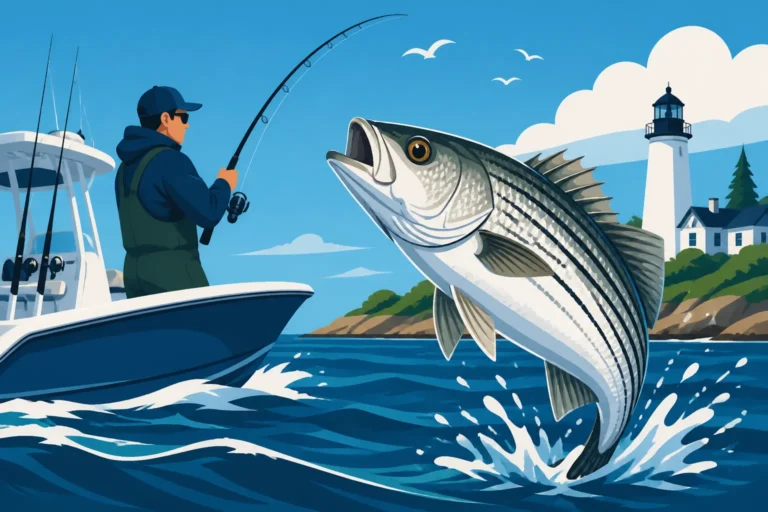
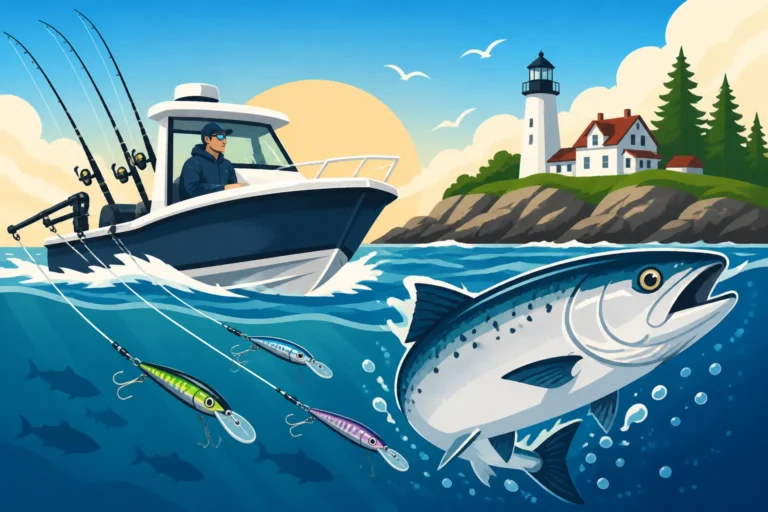
Almost all professional fishing charters in Maine will supply the core fishing equipment. We're talking about the rods, reels, and all the terminal tackle you'll need – hooks, sinkers, leaders, and usually a good supply of bait or lures specifically chosen for the target species and local conditions. Whether you're chasing striped bass along the coast or trolling for landlocked salmon on a vast inland lake, your captain will have rigged up appropriate gear. This is a huge relief for many anglers, especially those traveling from out of state or beginners who don't own specialized fishing equipment. It also means you don't have to worry about matching the hatch or knowing which jig is hot right now; your guide's expertise handles that for you. They often have top-of-the-line equipment that's well-maintained and perfectly suited for the challenging Maine environment. If you're looking for a charter, platforms like FishingBooker often list what equipment is included, making it easy to compare. For more on what to expect, check out our guide on What Gear Is Included on a Maine Charter.
What About Licenses and Regulations?
This is a big one, and it's where many people get tripped up. While the charter captain provides the boat, the gear, and the expertise, you are generally responsible for having your own valid Maine fishing license. This applies whether you're fishing freshwater lakes and rivers or saltwater along the coast. Don't assume that because you're on a commercial vessel, the license requirement is waived – it almost never is for individual anglers. Make sure to purchase your license before your trip, as it can be difficult to do so last minute, especially in remote areas. Depending on where and what you're fishing, you might need a freshwater license or a Maine Saltwater Fishing Registry enrollment. It's always best to clarify this with your captain when you book. Getting caught without one can result in fines and cut your trip short. We've got comprehensive guides like Maine Fishing License Guide and Maine Fishing Regulations Explained to help you navigate this, or specifically, Do You Need a License to Fish on a Maine Charter?.
Food, Drink, and Comfort Items on Board
Most charters will provide a cooler with ice, but the food and drinks inside are usually up to you. Don't expect a full meal service unless it's explicitly stated in your booking details, which is rare for standard half-day or full-day trips. This means planning your own snacks, lunch, and plenty of hydration is crucial. Think about how long you'll be on the water and what you typically need to sustain yourself. Beyond food, consider things that enhance your comfort. Some charters might have a small head (toilet) or limited seating, so managing your personal comfort is key. Sometimes, even simple things like a small pillow or a preferred blanket can make a long day more enjoyable, especially for those prone to motion sickness or with specific comfort needs.
Essential Personal Gear for Your Maine Fishing Charter
Maine weather can be famously unpredictable, even in the height of summer. You can start the day with clear, calm skies and end it battling a misty drizzle and a brisk breeze. Being prepared for anything is the angler's mantra here. Beyond the weather, personal comfort and safety are paramount for enjoying your time on the water.
Dressing for Maine's Variable Weather
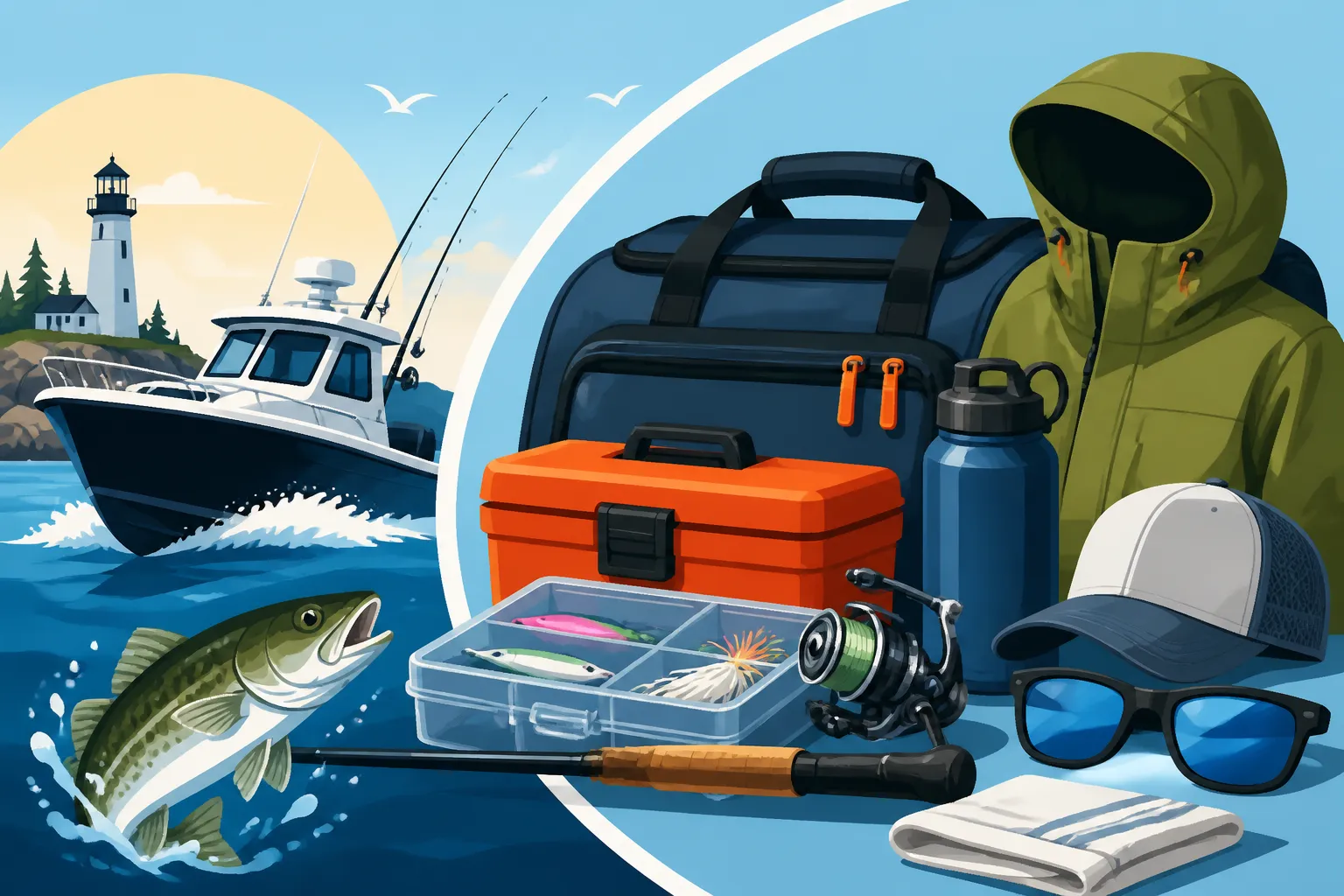
Layering is not just a suggestion in Maine; it's a necessity. Even on what seems like a warm summer day, the temperature can drop significantly on the water, especially if you're out early morning or late evening. Start with a moisture-wicking base layer, add a fleece or wool mid-layer for warmth, and top it off with a waterproof and windproof outer shell. This allows you to adjust your clothing as conditions change throughout the day. Don't forget a warm hat and gloves, even in summer, as the wind chill on a moving boat can be surprising. For footwear, choose comfortable, non-slip, waterproof shoes or boots. Think about quick-drying materials. There’s nothing worse than having wet feet for hours! Our detailed guide, What to Wear on a Maine Deep Sea Charter, offers even more specific advice on clothing choices.
Sun Protection and Eyewear
Even on cloudy days, the sun's UV rays can be intense, especially when reflecting off the water. Sunscreen is non-negotiable – apply a broad-spectrum, high-SPF sunscreen to all exposed skin, and reapply frequently, especially after handling fish or getting wet. A wide-brimmed hat or a baseball cap with a neck gaiter provides excellent protection for your face, ears, and neck. Polarized sunglasses are another absolute must. They don't just protect your eyes from harmful UV rays; they also cut the glare off the water, allowing you to see deeper into the water, spot structure, or even occasionally glimpse a fish. This can make a huge difference in your enjoyment and even your success, whether you're sight fishing in shallow areas or just admiring the aquatic world below.
Personal Comfort and Medications
Beyond clothing and sun protection, think about your personal well-being. If you take any prescription medications, make sure you have enough for the duration of your trip, stored in a waterproof bag. Over-the-counter pain relievers, allergy medication, or antacids can also be useful. And for many, motion sickness medication is a lifesaver. Maine's coastal waters can get choppy, and even calm lakes can have wakes. If you're prone to seasickness, take preventive measures before you board the boat. Ginger candies or acupressure wristbands can also offer some relief. It's always better to be prepared and not need it than to be miserable all day. Reading Is Seasickness Common on Maine Deep Sea Charters? might offer more peace of mind and tips.
Specialized Gear You Might Consider Bringing
While your charter provides the core fishing setup, there are some specialized items you might want to bring along. These items often cater to personal preferences, specific interests, or enhance the overall experience. Always check with your captain beforehand if you plan to bring your own fishing gear.
Photography Equipment
Maine offers some truly breathtaking scenery, from rugged coastlines to pristine inland lakes, and the fish you catch can be magnificent. If you're keen to capture these memories, consider bringing a waterproof camera or a smartphone in a waterproof case. Action cameras like GoPros are fantastic for fishing adventures, allowing you to get unique angles of the action. Just remember to secure your equipment so it doesn't accidentally end up overboard! A fully charged power bank can be a real game-changer too, ensuring your devices stay powered up for those trophy shot moments. Many anglers love to relive their adventures through photos and videos, and a charter trip provides ample opportunities for stunning shots.
Fish Handling and Storage
If you plan on keeping your catch, discuss the specifics with your captain. Most charters will have a cooler with ice for your fish, and many captains will even clean and fillet your fish for you at the end of the trip. However, if you have a specific cooler you prefer or specialized bags to keep fillets fresh for the journey home, you can bring them. For example, a soft-sided cooler that collapses easily once empty might be perfect. You might also bring a personal pair of fish grippers or a dehooker if you prefer your own, especially if you're practicing catch and release and want to ensure the fish's safety. Always clarify the charter's policy on Can You Keep the Fish You Catch on a Maine Charter? and how fish will be handled.
Personal Fishing Tackle When Permitted
This is where you absolutely must check with your charter captain beforehand. While most charters provide all the necessary gear, some experienced anglers prefer to use their own specialized rods, reels, or lucky lures. If you have a specific fly rod for trout or a preferred casting setup for bass that you feel comfortable with, ask if it's okay to bring it. Often, captains are open to it, especially if you're a seasoned angler, but they'll want to ensure it's appropriate for the target species and won't interfere with their operations or other clients. Bringing your own tackle could be particularly relevant on Maine Fly Fishing Guides trips, where personal rod and reel preferences are common. Don't just show up with a tackle box and expect to use it; communication is key here.
Food, Drink, and Sustenance on the Water
Being out on the water for several hours burns energy, and nothing saps the fun out of a fishing trip faster than being hungry, thirsty, or feeling unwell due to lack of sustenance. Proper planning for food and drink is crucial for maintaining energy and enjoyment.
Hydration is Key
It's easy to get dehydrated on a boat, especially with sun exposure and physical activity. Bring plenty of water – more than you think you’ll need. Insulated water bottles or a thermos can keep drinks cold (or hot, if it’s a chilly day). Sweetened beverages like juice or soda can be a nice treat, but water should be your primary hydration source. Electrolyte drinks can also be beneficial, especially on hot days or long trips. Remember, while most charters have ice, they won't typically provide bottled water for everyone. Make sure your drinks are in unbreakable containers to prevent spills on deck, which can become a slip hazard.
Snacks and Meals for Energy
A hangry angler is not a happy angler! Pack easy-to-eat snacks and a lunch that doesn't require refrigeration if possible, or pack it in an insulated bag with an ice pack. Sandwiches, wraps, granola bars, fruit, nuts, and trail mix are all excellent choices. Avoid anything too greasy or heavy, as it can contribute to seasickness. Think about things that provide sustained energy. If your trip is a full-day adventure, a heartier lunch will be welcome. Finger foods are often the best, as they are less messy and easier to eat while the boat might be rocking. Keep in mind that some charters, particularly those listed on platforms like FishingBooker, might mention nearby delis or stores where you can grab provisions before boarding.
Managing Waste and Storage
Whatever you bring on the boat, you're responsible for bringing it off. Pack a small trash bag to consolidate your wrappers, fruit peels, and other refuse. Most boats will have a trash receptacle, but it's always good to be prepared. For your personal items, a dry bag or a waterproof backpack is highly recommended. It will protect your phone, wallet, keys, and any extra layers from spray, rain, or accidental splashes. Ziploc bags are also your friend for smaller items that need to stay dry. A small cooler dedicated to your food and drinks, separate from the boat's fish cooler, is also a smart move to keep your snacks fresh and clean.
Important Documents and Contingency Items
Beyond the obvious fishing gear and personal comforts, there are a few practical and safety-oriented items that should always be on your checklist. These are the things you hope you won't need, but will be incredibly grateful to have if the unexpected happens.
Identification and Booking Confirmations
Always carry a valid form of identification, such as a driver's license or state ID. Not only is it necessary for your fishing license, but it's also a good idea for any unexpected situations. Keep your booking confirmation for the charter readily accessible, either printed or on your phone, along with your captain's contact information. This ensures a smooth check-in process and helps resolve any communication issues that might arise. If you used a service like FishingBooker, having the confirmation easily retrievable on your phone or printed out is a good habit.
First Aid and Emergency Preparedness
While your charter captain will have a comprehensive first-aid kit on board, it’s not a bad idea to carry a small, personal kit with basics like band-aids, antiseptic wipes, pain relievers, and any personal allergy medications or epi-pens you might need. A small roll of moleskin can be a lifesaver for blisters. Beyond a kit, think about preparation. Inform your captain of any medical conditions or allergies you have before departure. Knowing a general meeting point or dock name is also helpful in case you get separated from your group or need to direct someone. Safety is always a priority, and being transparent with your guide helps them keep everyone safe.
Cash for Gratuities and Incidentals
It’s customary to tip your fishing guide or charter crew if you had a good experience. Standard tipping etiquette often ranges from 15-20% of the charter fee, so having cash on hand for this is appreciated. Many guides prefer cash tips. Besides gratuity, you might encounter small incidentals, like buying a souvenir at the dock, a quick snack from a vendor before heading home, or an unexpected parking fee. Having some small bills handy can smooth these transitions. For a deeper dive into this topic, refer to Tipping Etiquette for Maine Fishing Guides. Planning ahead ensures you can show your appreciation without a last-minute scramble.
Here's a quick checklist to help you organize your packing:
| Category | Essential Items | Consider Bringing |
|---|---|---|
| Documents & Essentials | Maine Fishing License (valid for target species/water) | Booking confirmation, Photo ID |
| Clothing (Layered) | Moisture-wicking base layer | Warm mid-layer (fleece/wool), Waterproof & windproof outer shell |
| Non-slip, waterproof shoes/boots | Warm hat, Gloves | |
| Sun & Weather Protection | Sunscreen (high SPF, broad-spectrum) | Lip balm with SPF, Wide-brimmed hat or cap, Polarized sunglasses |
| Food & Drink | Plenty of water in unbreakable containers | Snacks (non-greasy, energy-boosting), Lunch (if full day), Electrolyte drinks |
| Personal Care & Safety | Personal medications (in waterproof bag) | Motion sickness medication (take beforehand!), Small personal first-aid kit |
| Hand sanitizer | ||
| Miscellaneous Gear | Waterproof bag/backpack for personal items | Camera/phone in waterproof case, Portable power bank, Small trash bag |
| Cash for gratuities/incidentals | Personal fishing tackle (with captain's permission), Fish grippers/dehooker |
Planning Your Maine Fishing Charter Trip
Booking a Maine fishing charter is often the start of an unforgettable adventure, whether you're targeting striped bass in the saltwater or chasing landlocked salmon on a vast lake. To maximize your chances of a great trip, beyond just packing, a little extra planning goes a long way.
Choosing the Right Charter and Asking Questions
Not all charters are created equal, and captains specialize in different types of fishing and target species. When you’re looking to book, whether through a platform like FishingBooker or directly, don’t hesitate to ask questions. Inquire about the type of fishing, the target species, what’s included (reconfirming rods, bait, tackle, and ice), and what you should bring. Confirming specifics about the boat, like if there’s a restroom (a "head") onboard, can make a difference in comfort for some. Also, ask about the expected duration of the trip and what happens in case of bad weather – most reputable charters have clear cancellation or rescheduling policies. This ensures you pick the best fit for your expectations, be it a fast-paced Maine Striped Bass Charters trip or a calmer day for Maine Lake Fishing Guides.
Understanding the Local Fishing Conditions and Seasons
Maine’s fishing opportunities vary wildly by season and location. For instance, the best time to chase striped bass along the coast is different from when you'd target brook trout in the northern rivers. Understanding the general Maine Fishing Season Calendar or Best Time of Year to Fish in Maine can help you plan your trip for optimal success. Your captain is a wealth of knowledge on current conditions, recent catches, and what fish are biting. Don't be shy about asking for their insights leading up to your trip; they want you to catch fish as much as you do! This knowledge will also help you visualize the kind of fishing experience you'll have and mentally prepare for it.
Communicating with Your Captain
Open communication is the cornerstone of a successful guided fishing trip. Share your goals for the day: are you hoping to catch a trophy fish, learn new techniques, or just enjoy a relaxing day on the water with friends and family? Do you have any physical limitations or special needs? The more your captain knows, the better they can tailor the experience to your preferences and ensure everyone has a safe and enjoyable time. Whether it's discussing preferred fishing methods or confirming accessibility, an informed captain is a better captain.
In the end, a little preparation goes a long way. By understanding what your charter provides and thoughtfully packing your personal essentials, you'll be set for a fantastic day reeling in memories on the beautiful waters of Maine.
Disclaimer
This article is for general informational purposes only and does not constitute professional advice. Laws, prices and regulations vary by location and change over time. Consult a qualified professional for guidance on your specific situation.