What to Wear on a Maine Deep Sea Charter
Oh, the allure of a deep sea charter off the coast of Maine! It's a dream for so many anglers, but nothing ruins a fantastic day on the water faster than being unprepared for the elements. Many folks imagine sunny skies and calm seas, but the ocean environment here can change in a blink, leaving you shivering, soaked, or sunburned if you haven't dressed appropriately. This guide is going to walk you through exactly what to wear, layer by layer, to ensure you're comfortable, safe, and ready to enjoy every moment of your Maine deep sea fishing adventure.
Understanding Maine's Coastal Weather Extremes
When you're heading out onto the open ocean, especially off the Maine coast, you're entering a realm where conditions can be wildly different from what you experience on land. That sunny, warm morning in port can quickly turn into a chilly, damp, and windy afternoon just a few miles offshore. It's not about being a pessimist; it's about being a realist and embracing the layering strategy that seasoned Mainers know so well. Don't let a beautiful forecast lull you into a false sense of security – the sea has its own agenda.
The Unexpected Chill on the Water
Even on a warm summer day, the temperature can drop significantly once you're out of the protected harbor and cruising at speed. The combination of wind chill and cooler ocean air can make it feel 10-20 degrees colder than on shore. This is particularly true in the mornings and evenings when the sun isn't at its peak. You might start your trip feeling perfectly fine in a t-shirt, only to be longing for a thick fleece an hour later. The vast expanse of the ocean offers no shelter from the wind, and that breeze, while refreshing at first, can quickly leach warmth from your body.
Think about standing on a sailboat on a breezy day versus standing on a protected deck. On a deep sea charter, you're constantly exposed. Many a first-timer has packed only for the "sunny day" depicted on their weather app, only to spend half the trip huddled and uncomfortable. Remember that the wind picks up more out on the open water and often stays there, regardless of what the trees are doing back on land.
Dealing with Ocean Spray and Rain
It's called "deep sea" for a reason – you're out there, exposed to whatever the Atlantic throws your way. Even on days without a cloud in the sky, you're likely to encounter some ocean spray, especially if there's a chop to the water or the boat is moving at a good clip. That spray might seem refreshing at first, but it can quickly make your clothes damp and heavy, accelerating heat loss. If rain does move in, as it often does unpredictably in coastal Maine, you'll be thankful for proper waterproof gear.
A sudden squall isn't uncommon, and it can bring not just rain, but also increased wind and a significant temperature drop. You don't want to be caught in soaking wet jeans and a cotton sweatshirt. Wet clothing offers virtually no insulation and can lead to hypothermia, even in relatively mild temperatures. Being truly waterproof, not just "water-resistant," is key. This protection is not just about comfort; it's a matter of safety. It's always better to shed a layer if you get too warm than to have nothing to put on when the wind and spray start biting.
Sun Protection is Non-Negotiable
While we've focused a lot on staying warm and dry, neglecting sun protection on a deep sea charter is a big mistake many people make. The sun's rays are intensified on the water because they reflect off the surface, essentially hitting you twice. Even on cloudy days, UV radiation can penetrate, leading to severe sunburns. And trust me, a bad sunburn makes holding a fishing rod or enjoying the scenery incredibly difficult.
Think about your face, neck, ears, and the tops of your hands – these are commonly exposed areas that catch a lot of sun. Long hours on the water under the intense glare can also lead to eye strain and headaches if you're not wearing proper eyewear. Just because the air might feel cool doesn't mean the sun isn't doing its work. You can be shivering and getting a sunburn at the same time, which is a truly miserable combination.
Essential Layers for Deep Sea Comfort
The golden rule for dressing for a Maine deep sea charter is layering. It's the only way to effectively manage your body temperature as conditions fluctuate throughout the day. You'll want a system that allows you to add or remove clothing easily, adapting to changes in wind, sun, spray, and your own activity level. Think of it like building an onion – many thin layers are better than one or two thick ones, giving you maximum flexibility. This approach also helps trap insulating air between layers, keeping you warmer without adding bulk.
The All-Important Base Layer
Your base layer is the foundation of your deep sea fishing outfit. Its primary job is to wick moisture away from your skin, keeping you dry even if you start to sweat while reeling in a big one or moving around the boat. Cotton is absolutely the enemy here. Once cotton gets wet, it stays wet, making you cold and uncomfortable.
Opt for materials like merino wool or synthetic performance fabrics (polyester, polypropylene). These fabrics are designed to pull sweat away from your body, allowing it to evaporate quickly and helping you regulate your temperature. For cooler days, a mid-weight merino wool base layer provides excellent warmth-to-weight ratio and is naturally odor-resistant. On warmer days, a lighter synthetic might be all you need, but still, prioritize moisture-wicking. This layer should fit snugly against your skin without being restrictive.
Insulating Mid-Layers for Warmth
After your base layer, you'll want one or two insulating mid-layers. These are your warmth providers, designed to trap air and keep your body heat from escaping. The number and thickness of these layers will depend entirely on the forecast and the time of year you're fishing. On a crisp spring or fall day, you might wear both a fleece vest and a heavier fleece jacket. In the heart of summer, a single, lighter fleece might suffice, or you might even skip this layer entirely, depending on how warm it feels.
Good options include fleece jackets, wool sweaters, or even down-alternative puff jackets (just be mindful that down loses its insulating properties when wet). These layers should be comfortable and allow for a full range of motion so you can cast, reel, and move about the boat without feeling restricted. Hoodies can be a good choice for added neck and head warmth, but ensure the hood doesn't interfere with your outer waterproof shell. Brands like Patagonia, Columbia, and North Face offer a variety of excellent mid-layer options that perform well in damp, chilly conditions.
Waterproof and Windproof Outerwear
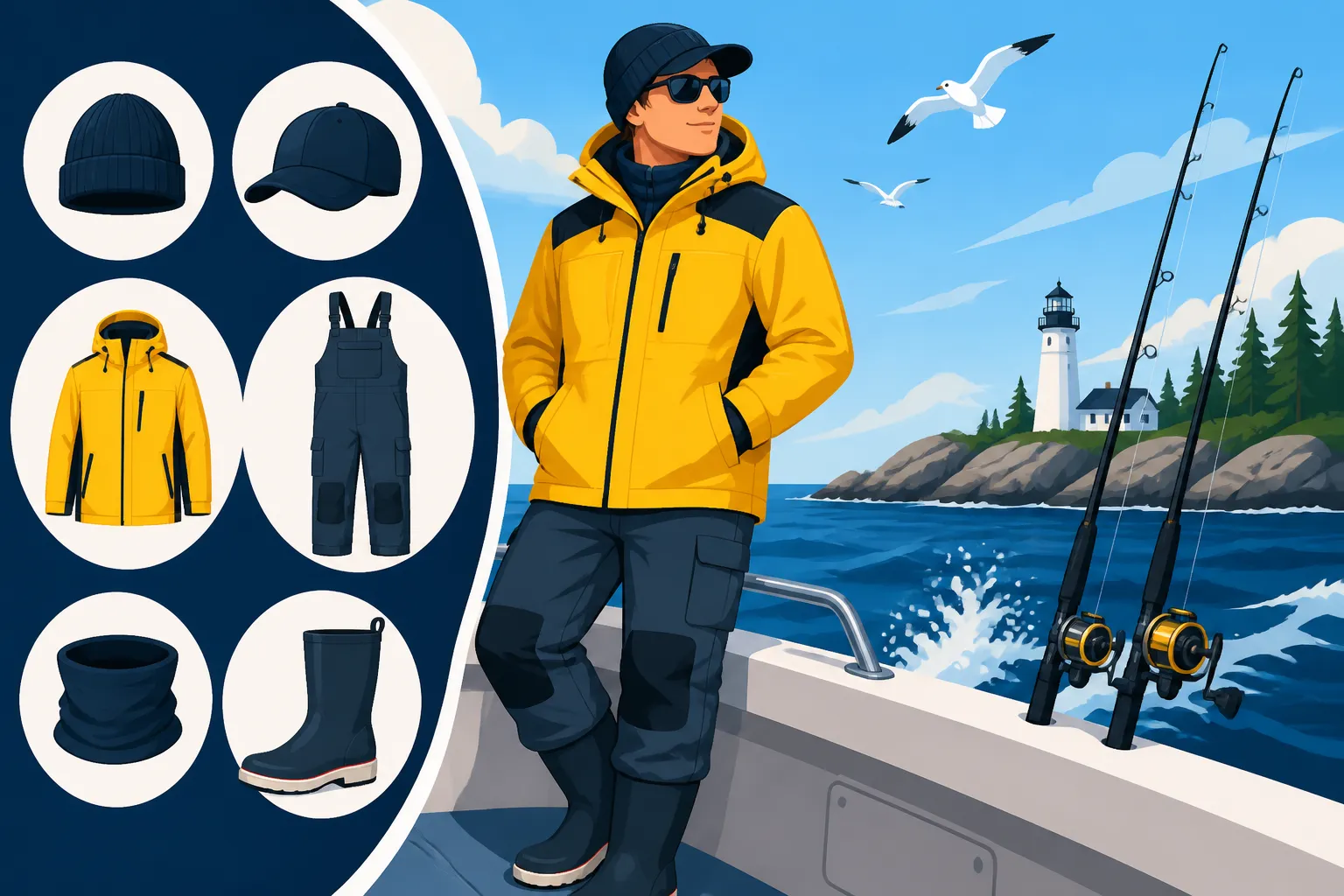
This is arguably the most critical component of your deep sea fishing attire. Your outer layer needs to be genuinely waterproof and windproof to protect you from ocean spray, rain, and the biting wind that's almost always present offshore. Don't skimp here; a cheap rain jacket just won't cut it. Look for jackets and pants made from materials like Gore-Tex, eVent, or other high-quality proprietary waterproof-breathable fabrics. These fabrics prevent water from getting in while still allowing some moisture (sweat) to escape, preventing that clammy feeling.
A good fishing-specific rain jacket will often have features like a durable water-repellent (DWR) finish, adjustable cuffs, a storm hood, and zippered pockets to keep your phone or wallet dry. Many experienced anglers prefer a full bib or rain pants that come up high on the chest, providing maximum protection from spray and splashes. These aren't just for rainy days; they're your primary defense against wind chill and continuous spray that would otherwise soak through other layers. When considering a charter, especially if you're looking at options on FishingBooker, check if any charters mention providing heavy-duty foul-weather gear as part of their package, as this can save you the investment.
Footwear, Headwear, and Accessories
It's easy to focus on your torso, but what you put on your feet, head, and hands can make or break your comfort on a deep sea charter. These often-overlooked items are vital for safety, warmth, and overall enjoyment, especially when you're spending hours on a moving deck with potential hazards. Don't underestimate the power of warm, dry feet or the frustration of a cold, sunburnt scalp.
Choosing the Right Footwear
Your feet need to be warm, dry, and secure. The deck of a fishing boat can be wet, slippery, and sometimes a bit chaotic, especially when fish are being landed. Sneakers are generally a no-go, as they offer poor grip when wet and soak through instantly. Think rubber boots or waterproof deck shoes with non-marking, non-slip soles. Brands like Xtratuf or Grundéns are popular among commercial fishermen for a reason – they excel in wet, slippery conditions.
Wool socks are a game-changer. Just like with your base layer, avoid cotton socks. Wool (especially merino) will keep your feet warm even if they get a little damp, and they're excellent at wicking moisture. Bring an extra pair or two of socks, just in case. There's nothing worse than cold, wet feet chafing inside your boots for hours on end. Good footwear isn't just about comfort; it's a significant safety consideration to prevent slips and falls on a rocking boat.
Protecting Your Head and Hands
A significant amount of body heat can be lost through your head, so a warm hat is essential for cooler days or early morning departures. A fleece beanie or a wool cap will do wonders. On sunny days, a wide-brimmed hat or a baseball cap offers crucial sun protection for your face, ears, and neck. Often, bringing both a warm hat and a sun hat is the smartest move, allowing you to switch as conditions dictate.
For your hands, lightweight, fingerless fishing gloves can provide grip and some warmth without hindering your dexterity, which is important for tying knots or baiting hooks. For colder weather or when handling fish, a pair of waterproof gloves (like neoprene fishing gloves or simple waterproof work gloves) can be a lifesaver. Your hands will be exposed to wind, cold water, and possibly fish slime, so keeping them protected will keep you comfortable and focused on the fishing.
Must-Have Accessories for the Day
Beyond clothing, a few key accessories will significantly enhance your deep sea charter experience. First, polarized sunglasses are an absolute must. They protect your eyes from harmful UV rays, reduce glare off the water (which helps with spotting structure or even fish!), and prevent eye fatigue. A retainer strap for your sunglasses is also a wise investment, as a rogue wave or sudden movement can send them overboard in a flash.
Next, bring a small, dry bag or waterproof backpack for your personal items like your phone, wallet, and extra layers. Keeping these items dry and secure is paramount. Sunscreen, with a high SPF, is non-negotiable for all exposed skin. Lip balm with SPF is also a good idea. Hydration is key, so bring a refillable water bottle, and consider some non-drowsy motion sickness medication if you're prone to seasickness. Even if you've never been seasick before, rougher seas can trigger it unexpectedly, so it's always better to be prepared. Many Maine Fishing Charters Guide pages will list these items.
Packing Smart: A Checklist and Considerations
Getting ready for a deep sea fishing trip doesn't have to be complicated, but it does require a bit of forethought. Having a clear checklist and understanding how different seasons impact your gear choices will ensure you're prepared for anything the Maine coast throws your way. Remember, flexibility and protection are your best friends out on the big water.
A Quick Packing Checklist
To make things easy, here’s a condensed checklist you can refer to when packing for your next deep sea adventure. Think of it as your go-to guide to ensure you don't forget the essentials.
| Item Type | Must-Haves | Recommended | Avoid |
|---|---|---|---|
| Base Layer | Moisture-wicking (synthetic or merino wool) | Long-sleeve for sun/cold protection | Cotton t-shirts or underwear |
| Mid-Layers | Fleece jacket, wool sweater | Vest, lighter fleece | Bulky, non-breathable sweaters |
| Outerwear | Waterproof & windproof jacket | Waterproof bib pants or rain pants | Water-resistant only jackets, denim |
| Footwear | Waterproof boots (non-slip soles) | Wool socks (extra pair) | Sneakers, open-toed shoes, cotton socks |
| Headwear | Warm beanie/wool cap, wide-brimmed hat | Neck gaiter/buff | |
| Hands | Fingerless fishing gloves | Waterproof gloves for colder temps | Heavy, non-waterproof winter gloves |
| Eyes | Polarized sunglasses | Sunglass retainer | |
| Storage | Dry bag / waterproof backpack | Small cooler for snacks/drinks | Non-waterproof bags |
| Sun/Safety | High SPF sunscreen, lip balm with SPF | Non-drowsy motion sickness meds, small first-aid kit |
This table should help you visualize the crucial items. When you're booking through platforms like FishingBooker, you might also find specific recommendations from the charter captains themselves, which can be invaluable. Don't forget, it's always better to overpack a little with layers than to be shivering uncontrollably or getting drenched.
Dressing for Different Seasons
Maine's deep sea fishing season runs roughly from late spring through fall, and the weather changes dramatically throughout these months. What you wear in June will be very different from what you need in September.
- Spring (May-June): These months are often the chilliest. You'll definitely need all your heavy-duty layers: warm base layers, multiple mid-layers (thick fleece or even a light puffy jacket), and absolutely robust waterproof-windproof outerwear. The water is still very cold, and air temperatures, especially offshore, can hover in the 40s and 50s, even on a sunny day. Bring a warm hat and gloves.
- Summer (July-August): This is when Maine gets its warmest weather, but don't be fooled. While you might start the day in shorts and a t-shirt at the dock, always have long pants, a long-sleeve base layer, and a good waterproof/windproof jacket handy. Mid-layers might be lighter (a thin fleece) or even optional for the middle of the day, but they are crucial for early mornings and late afternoons. Sun protection is paramount.
- Fall (September-October): Fall fishing in Maine can be absolutely stunning, but also rapidly changing. Expect cool to cold conditions similar to spring, if not colder by late October. Layering is critical once again, leaning towards heavier base and mid-layers. Waterproof-windproof gear is non-negotiable, and warm hats and gloves become essential. The fish are often very active, but so are the elements.
Always check the most localized marine forecast, not just the general town forecast, before your trip. Pay attention to wind speed and wave height, as these will directly impact how wet and cold you might get.
What Not to Wear (and Why!)
Just as important as knowing what to wear is understanding what to leave at home. Making the wrong clothing choices can lead to a truly miserable and potentially unsafe day on the water.
- Cotton Everything: I can't stress this enough: cotton kills comfort. Jeans, cotton sweatshirts, cotton t-shirts, and cotton socks are your worst enemies. When cotton gets wet (from spray, rain, or sweat), it loses all its insulating properties and takes forever to dry. You'll feel cold, clammy, and heavy. Stick to wool and synthetics.
- Open-Toed Shoes or Sneakers: Flip-flops or sandals offer zero protection from hooks, falling gear, or slippery decks. Sneakers will get soaked instantly and offer poor grip. Always opt for closed-toe, waterproof, non-slip footwear.
- Your Favorite Clothes: While you want to be comfortable, remember you're on a fishing boat. There will be fish slime, bait guts, saltwater, and possibly oil or grease. Wear clothes that you don't mind getting dirty, stained, or smelling a bit fishy.
- Anything Restrictive: You'll be casting, reeling, moving around, and potentially battling a big fish. Clothes that restrict your movement will make the experience frustrating and can even be a safety hazard. Choose layers that allow for full range of motion.
- Strong Scents/Colognes: While not a clothing item, this is worth mentioning. Strong perfumes, colognes, or even heavily scented deodorants can deter fish. Plus, your fellow anglers and crew might appreciate a scent-free environment on a close-quarters boat.
By avoiding these common mistakes and embracing the power of smart layering, you'll be well on your way to a comfortable and memorable deep sea fishing experience off the beautiful coast of Maine. Good luck out there, and tight lines!
Disclaimer
This article is for general informational purposes only and does not constitute professional advice. Laws, prices and regulations vary by location and change over time. Consult a qualified professional for guidance on your specific situation.