What to Bring on a Maine Ice Fishing Guide Trip
Heading out for an ice fishing adventure in Maine is incredibly exciting, but many folks get caught up wondering, "What on earth do I actually need to bring on a guided trip?" It's easy to overpack or, worse, forget something crucial when you're relying on a guide for much of the heavy lifting. This comprehensive guide will help you understand what your ice fishing guide typically provides and, more importantly, what personal essentials you absolutely should pack to ensure a safe, comfortable, and truly memorable day out on the frozen lakes of Maine.
Understanding What Your Guide Provides (and What You Still Need!)
When you book an ice fishing guide in Maine, you're not just paying for their expertise; you're also often securing access to a whole array of specialized gear that would be a significant investment for a casual trip. Guides want you to have a successful and comfortable day, which means they usually come prepared with the big-ticket items. However, relying solely on them can leave you feeling unprepared if you don't know where their provisions end and your personal responsibility begins. It's always best to clarify with your specific guide what they're supplying, but there are some general expectations you can have.
The Guide's Core Equipment Contribution
A good Maine ice fishing guide typically provides the heavy-duty, difficult-to-transport equipment that makes ice fishing possible and comfortable. This usually includes portable shelters or shanties, which are absolutely crucial for getting out of the biting wind and snow, offering a surprising amount of warmth. They'll also bring an ice auger, which is essential for drilling through feet of ice – a task you definitely don't want to undertake manually in freezing temperatures! Most guides will also supply tip-ups and jigging rods, often pre-rigged with appropriate lines and hooks for the target species, like the feisty brook trout or the deep-dwelling togue. Don't forget the bait; guides often have access to the freshest and most effective live bait, or a selection of proven artificial lures. They might also bring along a portable heater to keep the shanty toasty, and even a fish finder or sonar unit to help locate those elusive schools beneath the ice. This kind of comprehensive outfitting is one of the biggest advantages of hiring a guide through a service like FishingBooker, as it removes a huge logistical hurdle.
When you're comparing guides, it's a smart move to ask about their equipment list. Some guides might offer a more luxurious setup with larger, insulated shanties and powerful heaters, while others focus on a more mobile, run-and-gun approach with smaller, quicker-to-deploy shelters. Knowing what to expect allows you to plan your own packing more effectively. For instance, if you know they have a heater, you might not need as many heavy layers, allowing for more comfortable movement. Understanding the Maine Ice Fishing Line Limits is also something your guide will be well-versed in, ensuring you're always fishing legally and effectively with their supplied gear.
Your Personal Fishing Tackle and Baits: To Bring or Not to Bring?
This is where it gets a little nuanced. While guides generally provide the primary fishing gear, some anglers prefer to use their own specialized rods, reels, or even specific lures that they have confidence in. If you have a particular lightweight jigging rod you love, or a lucky lure that always seems to catch fish, by all means, bring it! Just make sure it's appropriate for the conditions and the fish you'll be targeting. However, if you're new to ice fishing or don't have suitable gear, rest assured that your guide will have everything you need. They are there to make your experience seamless, not to force you to buy new equipment.
For bait, it's generally best to rely on your guide. They know what's biting, what species are most active, and often have local sources for the freshest, liveliest bait. Transporting live bait can also have specific regulations, and your guide will ensure compliance. If you have a particular artificial lure or fly you'd like to try, discuss it with your guide beforehand. They might even have some local wisdom to share about its effectiveness on Maine's frozen waters. Remember, the goal is to enhance your experience, not complicate it, so if in doubt, leave it at home and trust your guide's expertise. When looking for guides, check platforms like FishingBooker, as many guides list exactly what they provide regarding tackle.
Layering Up: Your Non-Negotiable Clothing Essentials
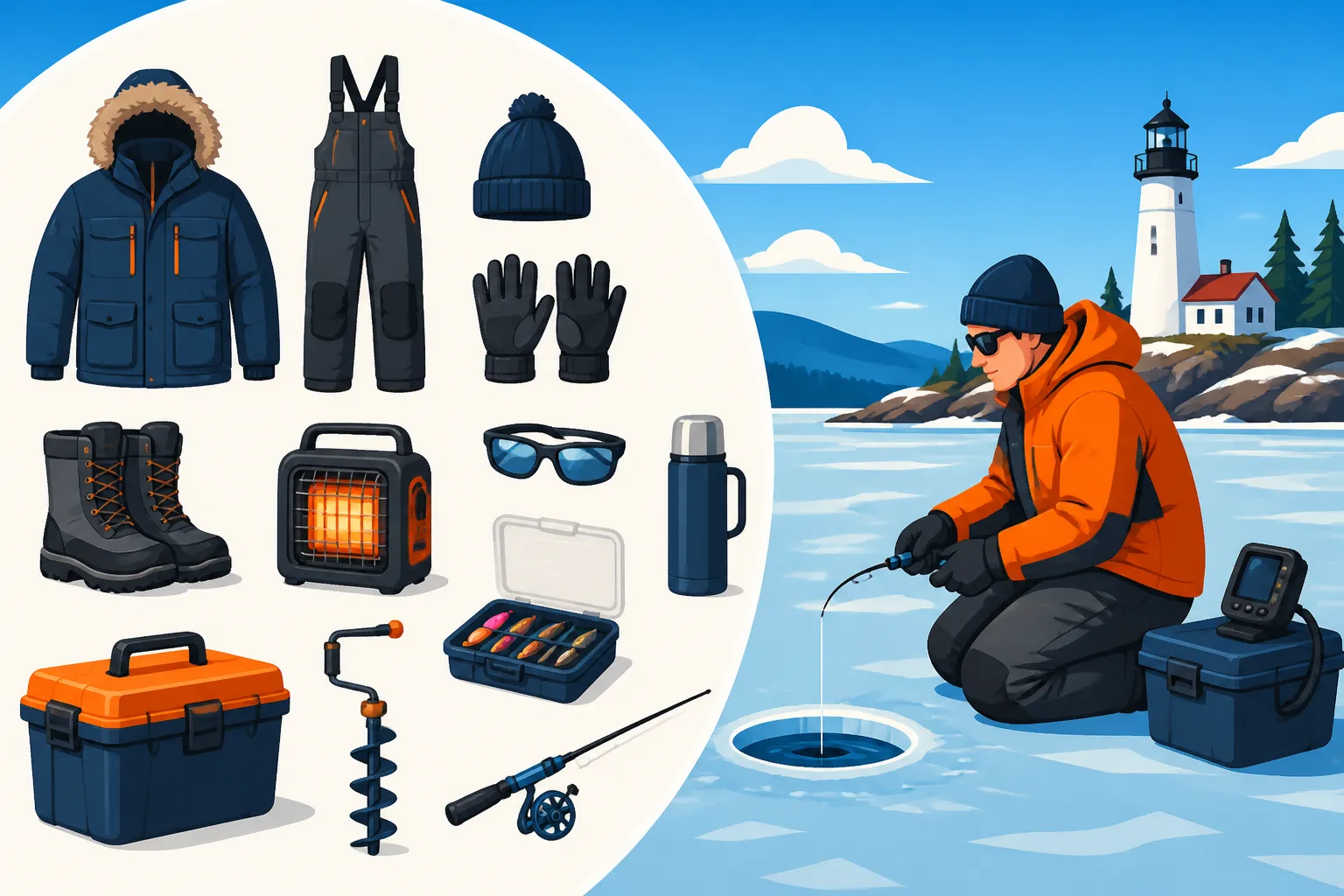
Regardless of what your guide provides in terms of shelters and heaters, you are responsible for dressing appropriately for the extreme cold of a Maine winter. This isn't just about comfort; it's about safety. Hypothermia is a real risk. The key is layering, and I can't stress this enough. Start with a moisture-wicking base layer – think wool or synthetic, never cotton, as cotton loses its insulating properties when wet. Over that, add a warm mid-layer like fleece or down. Your outer layer should be waterproof and windproof. A good quality ice fishing suit, if you have one, is ideal, as it's designed for these exact conditions and often has built-in flotation for added safety.
Even with a heated shanty, you'll be exposed to the elements when moving between holes, checking Setting Up Tip-Ups for Ice Fishing, or just enjoying the vast, quiet expanse of a frozen lake. Think about What to Wear Ice Fishing in Maine Winters and how each layer works together. It’s better to have too many layers and shed them than to be shivering all day. Your guide can provide shelter, but they can't provide your personal warmth. Planning for diverse weather, from bright sunshine to sudden snow squalls, is part of a smart angler's preparation for Maine.
Prioritizing Personal Comfort and Safety on the Ice
Maine winters are beautiful, but they demand respect. The elements can be unforgiving, and even on a guided trip, your personal comfort and safety are paramount. While your guide is there to ensure a safe outing, being personally prepared with the right gear can make all the difference between a memorable day and a miserable one.
Keeping Extremities Warm: Footwear and Hand Protection
Your feet and hands are often the first parts of your body to get cold, and once they're cold, it's incredibly hard to warm them back up. For footwear, invest in high-quality, insulated, waterproof boots. Think "Sorel" or similar brands, rated for extreme cold. Wool socks are a must, and often two pairs are better than one: a thin wicking pair closest to your skin, and a thicker, warmer pair over top. Avoid tight boots, as they restrict blood flow. Your guide might have extra hand warmers, but don't count on it.
For hands, a system of layers works best here too. Start with a thin pair of liner gloves, which you can wear when baiting hooks or handling fish. Over these, wear a warmer, waterproof pair of mittens or gloves. Mittens are generally warmer than gloves because they allow your fingers to share warmth. Look for options that allow you to easily free your fingers for delicate tasks without having to take off the entire hand covering. Trust me, fumbling with frozen fingers is no fun, especially when you're trying to land a fish or re-bait a hook. These small details contribute immensely to How to Stay Warm While Ice Fishing.
Battling the Elements: Sun Protection and Eye Care
It might seem counterintuitive to think about sun protection in the middle of winter, but on a vast, snow-covered lake, the sun's reflection off the snow and ice can be incredibly intense. This glare can cause eye strain, headaches, and even temporary "snow blindness" in extreme cases. A good pair of polarized sunglasses is essential. They'll protect your eyes from harmful UV rays and help you see better by reducing glare, which can sometimes even aid in seeing subtle cues on the ice or in the water.
Don't forget your face! A good beanie or insulated hat is non-negotiable, covering your ears and much of your head. A neck gaiter or balaclava can protect exposed skin on your face, neck, and chin from windburn and frostbite. While your guide is focused on getting you to the fish, you are responsible for your own skin and eyes. Even on cloudy days, UV rays penetrate, and the wind can still be brutal. Consider a small tube of lip balm and sunscreen for any exposed skin, especially if you have sensitive skin.
Staying Connected and Prepared: Communication and Basic Safety Gear
Even with a professional guide, having your own means of communication and a few basic safety items is a smart practice. A fully charged cell phone is a given, but be aware that battery life can diminish quickly in cold temperatures. Keep it in an inside pocket to stay warm. Consider a portable power bank, especially if you plan on taking photos or relying on your phone for extended periods. While your guide will have first aid supplies, a small personal kit with any specific medications you need (e.g., inhalers, EpiPens) and basic pain relievers or blister treatment is prudent.
Always inform someone back home of your general plans and expected return time. While your guide is skilled in ice safety and navigation, unexpected situations can arise. Knowing the Early Ice Safety Tips for Maine Anglers is important for everyone, even on a guided trip. Your guide will have a deeper understanding of the ice conditions, but a little personal preparedness goes a long way. This also includes carrying your valid Maine Fishing License Guide, as wardens do check licenses even on guided trips.
Food, Drink, and "Nice-to-Haves" for an Elevated Experience
Ice fishing is more than just catching fish; it's an experience, a chance to connect with nature and enjoy the tranquility of a Maine winter landscape. While your guide handles the fishing logistics, you can significantly enhance your day by bringing a few personal comforts and provisions.
Fueling Your Adventure: Staying Hydrated and Energized
Spending hours out on the ice, even in a heated shanty, burns a surprising amount of calories as your body works to stay warm. Dehydration can also creep up on you, especially when you're bundled up and not feeling hot. Pack plenty of water, but consider bringing it in an insulated bottle to prevent it from freezing. A thermos of hot coffee, tea, or cocoa is an absolute game-changer – it provides warmth from the inside out and is a wonderful comfort on a chilly day.
For food, think easy-to-eat, high-energy snacks that don't require refrigeration and won't freeze solid. Trail mix, granola bars, protein bars, fruit snacks, and sandwiches are all great options. If your guide is offering a shore lunch or hot meal, that's fantastic, but having your own backup snacks is always a good idea. You might even want to pack a small bag of chips or some cookies for a little morale boost. Remember, a well-fed angler is a happy angler! When planning a trip, you can often discuss meal options with your guide through booking platforms like FishingBooker.
Enhancing Your Shanty Experience: Comfort Items
Your guide's shanty will provide essential shelter, but you can make it feel a bit more like home with a few small additions. A comfortable, foldable camp chair or even a small cushion can make a long day of sitting much more pleasant than a hard plastic bucket. If you're a keen reader, a small book or e-reader can be great during lulls in the fishing action, although many prefer to simply soak in the peaceful surroundings. Some folks even bring a small, portable speaker (with headphones, or played at a very low, respectful volume) for some background music, though always be mindful of your guide and fellow anglers.
A small, packable towel can also be useful for wiping hands, drying off a fish, or cleaning up any drips. While the guide will have their own essentials, having a personal touch can elevate your comfort. Think about what little things make you feel at ease and consider if they're practical to bring along without adding unnecessary bulk.
Capturing Memories: Photography and Documentation
Maine's winter landscapes are stunning, and an ice fishing trip offers unique photo opportunities. Don't forget your camera! Whether it's your phone or a dedicated waterproof, cold-resistant camera, ensure it's fully charged and protected from the cold. As mentioned before, cold temperatures can drain batteries rapidly, so keeping it in an inside pocket or bringing a power bank is wise. You'll want to capture those trophy shots of the Landlocked Salmon Size Limit in Maine, or perhaps the beautiful Brook Trout Daily Limit in Maine South Zone you catch.
Beyond photos, consider a small notebook and pencil to jot down observations – what bait was working, the depth you were fishing, weather conditions, or just memorable moments. This personal journal can become a treasured souvenir of your adventure and help you learn for future trips. Don't forget to ask your guide if they mind being in some photos; most are happy to share in the memory-making.
Preparing for the Unexpected: Being a Responsible Angler
Even the best-planned trips can encounter unexpected twists. Being a responsible angler means being prepared, not just for the fish, but for anything else Mother Nature or the day might throw your way. This level of preparedness not only benefits you but also supports your guide's efforts to ensure a smooth, enjoyable, and safe outing.
Weathering the Storm: Adapting to Maine's Unpredictable Conditions
Maine weather can change on a dime, especially in winter. A sunny, calm morning can quickly turn into a blustery, snowy afternoon. While your guide monitors forecasts closely, having extra layers packed away, even if you don't anticipate needing them, is crucial. A spare hat, an extra pair of dry gloves, or even an emergency space blanket can be a lifesaver if conditions worsen or you find yourself unexpectedly exposed for an extended period. Your guide is an expert, but even experts can't control the weather.
It's also wise to understand the general Maine Fishing Season Calendar and how different weather patterns might affect fish behavior. Your guide will interpret these conditions for you, but knowing a little bit yourself can enhance your appreciation of their expertise. Discussing potential weather changes with your guide at the start of the day allows you to prepare mentally and physically, ensuring you're ready for anything from a sudden whiteout to a glorious, clear winter sunset. Always prioritize safety, and if your guide decides to pack up early due to deteriorating conditions, respect their call.
Personal Health and Readiness: Medications and Minor First Aid
Beyond your basic personal first aid kit, it's critical to consider any pre-existing health conditions. If you have allergies, asthma, diabetes, or any other medical concern, inform your guide before the trip. This isn't about being intrusive; it's about your safety. Guides are trained in basic first aid, but they are not medical professionals and need to be aware of any specific needs you might have in an emergency. Ensure you have any necessary prescription medications with you, clearly labeled, and easily accessible. Keeping them warm (in an inside pocket) is important for their efficacy.
Even minor issues like blisters, headaches, or upset stomachs can significantly detract from your enjoyment. A small supply of band-aids, antiseptic wipes, pain relievers, and anti-nausea medication can be invaluable. It's all about proactive thinking. While your guide focuses on the fishing, your personal health is your responsibility, and being open about it ensures everyone can respond effectively if an issue arises.
Leaving No Trace: Waste Management and Environmental Respect
As outdoor enthusiasts, we all share a responsibility to protect Maine's beautiful natural resources. This is especially true on the ice, where litter can be easily overlooked until the spring thaw. Bring a small trash bag for all your waste – wrappers, empty bottles, discarded fishing line, and any other refuse. Pack it in, pack it out, simple as that. This also extends to live bait containers and any other materials you might bring.
Adhering to Maine Ice Fishing Rules Guide and being mindful of catch and release best practices, if applicable, demonstrates respect for the fish and the environment. Your guide will certainly practice and enforce these principles, but it helps if you're also on board. Responsible angling ensures that these pristine waters remain healthy and productive for generations to come. This ethos is key to why many anglers choose to connect with reputable guides, often found on platforms like FishingBooker, who are passionate about conservation and sustainable fishing practices.
What to Bring on a Maine Ice Fishing Guide Trip Checklist
To help you organize your packing, here's a handy checklist. Remember, always confirm with your specific guide what they provide.
| Category | Essential Items (Your Responsibility) | Optional/Comfort Items |
|---|---|---|
| Clothing | Warm, insulated, waterproof winter coat and pants (or ice fishing suit) | Extra base layers, heated socks (battery-operated) |
| Moisture-wicking base layers (top & bottom) | ||
| Mid-layers (fleece, wool sweater) | ||
| Insulated, waterproof boots (rated for extreme cold) | Portable foot warmers | |
| Wool socks (2-3 pairs) | ||
| Insulated hat/beanie | Neck gaiter/balaclava, scarf | |
| Insulated, waterproof mittens/gloves | Thin liner gloves | |
| Personal Gear | Valid Maine fishing license | Personal ice fishing rod/lures (discuss with guide) |
| Polarized sunglasses | Small folding camp chair/cushion | |
| Sunscreen & lip balm | Book/e-reader | |
| Fully charged cell phone (keep warm!) | Portable speaker (use respectfully) | |
| Portable power bank (for phone/camera) | Small towel | |
| Camera (optional, protect from cold) | Notebook & pen/pencil | |
| Food & Drink | Insulated water bottle with water | Thermos with hot beverage (coffee, tea, cocoa) |
| High-energy, easy-to-eat snacks (nuts, granola bars, sandwiches) | ||
| Safety & Health | Any personal prescription medications | Basic pain relievers, blister care |
| Small personal first aid kit | Hand warmers/toe warmers | |
| Small trash bag |
This list should give you a fantastic start to preparing for your ice fishing adventure. Have a truly wonderful time out on Maine's beautiful frozen waters!
Disclaimer
This article is for general informational purposes only and does not constitute professional advice. Laws, prices and regulations vary by location and change over time. Consult a qualified professional for guidance on your specific situation.