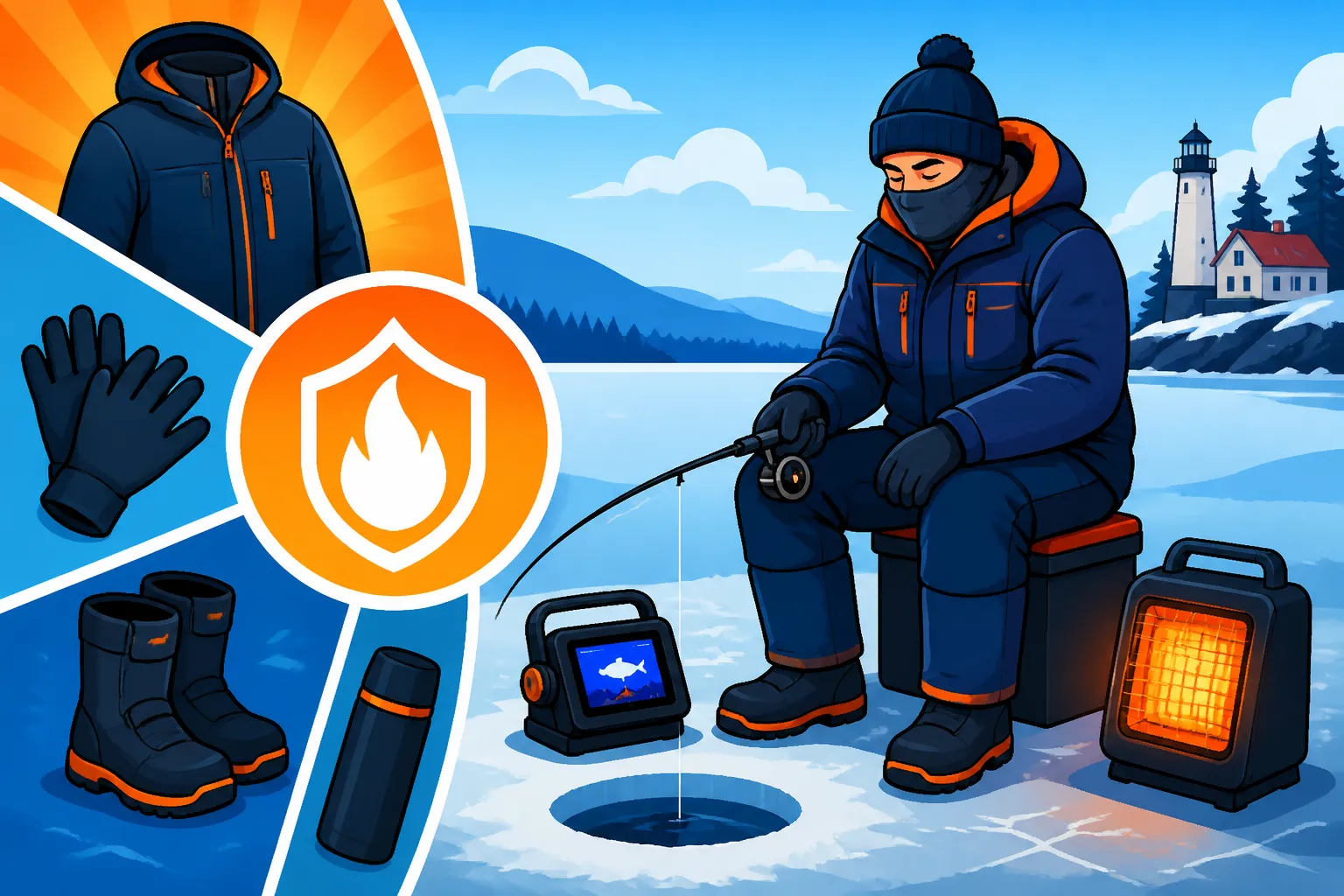
How to Stay Warm While Ice Fishing
There’s nothing quite like the crisp air and serene quiet of a Maine winter day out on the ice, waiting for that flag to fly. But let’s be real – the cold can be absolutely brutal, turning a potentially magical day into a miserable, shivering endurance test if you’re not prepared. No one wants to cut their fishing trip short because their toes are numb or their fingers can’t tie a knot. This guide is all about giving you the practical, real-world strategies and gear advice you need to stay toasty warm, comfortable, and safe, ensuring you can enjoy every minute of your ice fishing adventure in Maine, even when the mercury plummets.
Understanding the Unique Challenges of Maine Ice Fishing Cold
Ice fishing in Maine isn't just "cold weather fishing"; it's a whole different beast. The conditions on a frozen lake or pond can amplify the feeling of cold in ways that even seasoned winter outdoor enthusiasts might underestimate. It's not enough to just throw on an extra sweatshirt.
The Bone-Chilling Reality of Maine Winters
Maine winters, especially on open ice, bring a combination of factors that can quickly lead to discomfort and even danger. You’re often sitting relatively still for long periods, exposed to relentless wind that whips across vast, flat expanses of ice, driving temperatures even lower than the thermometer reads. Factor in the dampness that can permeate from melting snow or slush on the ice surface, and you’ve got a recipe for feeling absolutely frozen to the core. One minute the sun is out, and the next, a squall blows through, dropping visibility and temperature in an instant. This variability makes preparedness, not just for warmth, but for changing conditions, absolutely crucial. Understanding these specific challenges is the first step toward conquering them. You can read more about Maine Winter Ice Fishing Guide for a broader perspective on the season.
Why Standard Winter Gear Isn't Always Enough
Many folks heading out for their first or even tenth ice fishing trip in Maine make the mistake of relying on their everyday winter jacket and boots. While these might be perfectly adequate for shoveling the driveway or running errands, they often fall short on the ice. Why? Because most daily winter wear isn't designed for sustained, static exposure to extreme cold and wind. A regular winter coat might be warm enough if you're actively moving, generating body heat, but sitting motionless on a bucket, your body isn't working as hard to keep warm. Furthermore, typical "winter" boots might offer some insulation but lack the robust waterproofing and extreme cold ratings needed when standing in slush or near an open ice hole for hours. The unique demands of ice fishing require gear specifically engineered to retain heat, block wind, and repel moisture when you're largely stationary in an unforgiving environment.
The Foundation: Layering Like a Pro
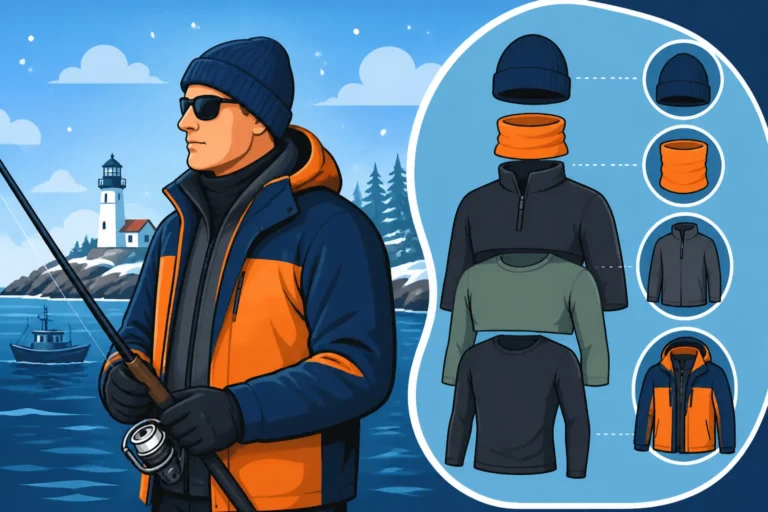
If there's one golden rule for staying warm while ice fishing, it's layering. Think of your clothing system not as individual pieces, but as a team working together to insulate you and manage moisture. This isn't just about putting on more clothes; it's about putting on the right clothes in the right order.
Base Layers: The Moisture-Wicking Marvels
Your base layer is the first line of defense, sitting directly against your skin. Its primary job isn't necessarily warmth, but moisture management. When you walk out to your spot, set up your shack, or drill a few holes, you're going to sweat, even in frigid temperatures. If that sweat stays on your skin, it cools rapidly, chilling you from the inside out. This is why cotton is an absolute no-go for base layers. Cotton absorbs moisture and holds it, acting like a cold, wet rag against your skin.
Instead, opt for synthetic materials like polyester or natural fibers like merino wool. These fabrics are "wicking," meaning they pull moisture away from your skin and move it to the outer surface of the fabric where it can evaporate. Merino wool has the added benefit of being naturally odor-resistant and still providing warmth even when slightly damp. Choose a weight appropriate for the expected conditions: light for more active days or milder cold, and heavier for extreme cold and less activity. A good base layer lets your body regulate its temperature more effectively, preventing that clammy chill that signals the beginning of real discomfort.
Mid-Layers: Insulate and Trap Warmth
Once your sweat is wicked away by the base layer, your mid-layers step in to provide the bulk of your insulation. Their purpose is to trap warm air close to your body, creating a thermal barrier against the cold. The key here is air pockets. Materials like fleece, down, or synthetic puffies excel at this.
Fleece, often made from polyester, is a popular choice because it's lightweight, breathable, and provides excellent warmth-to-weight ratio. You can layer multiple thinner fleece jackets or wear one heavier fleece, depending on the temperature. Down jackets, filled with goose or duck feathers, offer incredible warmth for their weight but lose their insulating properties drastically if they get wet. Synthetic puffies, on the other hand, use man-made fibers that mimic down's loft but retain warmth even when damp, making them a more practical choice for potentially wet or slushy ice fishing conditions. The beauty of mid-layers is their versatility; you can easily add or shed them as your activity level or the ambient temperature changes throughout the day, ensuring you're always comfortable without overheating.
Outer Layers: The Wind and Waterproof Shield
Your outermost layer is the protector, the shield against the elements. Its crucial role is twofold: to block out wind and to keep you dry from any external moisture like snow, sleet, or slush. Even if your inner layers are super warm, a biting wind can cut right through them, stealing your body heat. Similarly, getting wet from precipitation or splashing can quickly lead to hypothermia.
Look for outer layers that are explicitly windproof and highly water-resistant or waterproof. Specialized ice fishing suits often come in two pieces – an insulated jacket and insulated bibs or pants. Bibs are fantastic because they cover your torso, eliminating any gaps where cold air might sneak in between your jacket and pants. Many quality ice fishing suits also feature flotation assistance, a critical safety feature that provides buoyancy if you accidentally go through the ice. Maine Ice Fishing Rules Guide also touches upon important safety regulations. When selecting, pay attention to features like durable zippers that are easy to operate with gloved hands, adjustable cuffs to seal out drafts, and reinforced knees and seats for durability.
Protecting Your Extremities: Hands, Feet, and Head are Key
It’s often said that if your hands, feet, and head are warm, the rest of you will follow. This rings especially true when ice fishing in Maine, where these areas are most susceptible to rapid heat loss and painful chilling.
Keeping Hands Functional and Warm
The paradox of ice fishing is needing warm hands for comfort, but also needing dexterity for tying knots, jigging, and handling fish. This often leads to a tricky balance. The best approach is a layered one for your hands too. Start with a thin pair of moisture-wicking glove liners. These provide a bit of warmth and make it easier to slip your hands in and out of heavier outer gloves. Over these, wear a pair of well-insulated, waterproof gloves or mittens. Mittens are generally warmer than gloves because your fingers share warmth, but they sacrifice some dexterity. Some anglers opt for fingerless gloves with a mitten flap that can be pulled back for tasks requiring fine motor skills.
No matter your choice, make sure they are waterproof; wet gloves are cold gloves. To really boost warmth, consider disposable hand warmers. You can often find multipacks on Amazon that can be activated and tucked into your gloves or pockets for hours of supplemental heat. Having an extra pair of dry gloves or mittens in your gear bag is also a smart move, just in case your primary pair gets wet.
The Battle Against Frozen Toes
Frozen toes can end a promising ice fishing day faster than almost anything else. The key to warm feet starts with proper boot selection. You need insulated, waterproof boots specifically rated for sub-zero temperatures. Look for ratings like -40°F or even colder if you plan to be out in extreme conditions. Your boots should be slightly larger than your regular shoe size to allow for thick socks and ample air circulation, which is crucial for insulation.
Similar to hands, a layered approach to socks works wonders: a thin, moisture-wicking liner sock (again, avoid cotton!) underneath a thick pair of wool or synthetic thermal socks. Ensure your boots aren't laced too tightly, as this can restrict blood flow and lead to cold feet. Many anglers also swear by disposable toe warmers, which you can stick to the top or bottom of your socks for an extra boost of heat. These are readily available, including from online retailers like Amazon, and can make a huge difference in comfort. For more specific advice on what to wear, check out What to Wear Ice Fishing in Maine Winters.
Don't Forget Your Head and Face
You lose a significant amount of body heat through your head, which is why a good hat is non-negotiable. A warm wool or fleece beanie that covers your ears is essential. On particularly blustery days, or when the temperatures are truly plunging, you might want to consider a balaclava or a neck gaiter that can be pulled up over your nose and mouth. This protects your face from frostbite and the stinging wind, while also warming the air you breathe before it hits your lungs.
Don't forget eye protection either; glare off the snow and ice can be intense, and wind can dry out your eyes quickly. Sunglasses or even clear safety glasses can help. Keeping your head and face protected not only makes you feel warmer but also helps prevent discomfort and potential cold-related injuries.
Strategic Gear and Comfort Enhancements
Beyond personal apparel, certain pieces of gear can dramatically enhance your warmth and overall comfort on the ice, turning a stark frozen landscape into a cozy fishing retreat.
Portable Shelters and Heaters
For many ice anglers, a portable ice fishing shack is an absolute game-changer. These shelters, ranging from simple one-person flip-overs to larger hub-style shacks that can accommodate multiple people, offer incredible protection from the wind and elements. Even an unheated shack will feel significantly warmer than being exposed on the open ice because it blocks the wind chill and traps some body heat.
However, add a portable propane heater, and suddenly you're fishing in shirt sleeves while it's below zero outside. Heaters like those from the Mr. Heater line are incredibly popular and effective for warming shacks. When using a heater, ventilation is paramount to prevent carbon monoxide buildup. Always ensure your shack has adequate vents, and consider a battery-powered carbon monoxide detector for absolute peace of mind. A warm shelter transforms the ice fishing experience, allowing you to focus on the fish, not on shivering. For more on setting up, check out Setting Up Tip-Ups for Ice Fishing.
Insulated Seating and Ground Protection
It might seem like a minor detail, but what you sit on, and what you stand on inside your shack, makes a big difference. Sitting directly on a cold bucket or bench on the ice will quickly drain heat from your body. An insulated bucket seat or a thick, closed-cell foam cushion can create a thermal break, keeping your backside much warmer. Folding chairs designed for ice fishing often have insulated seats.
Inside a shack, laying down a simple piece of old carpet, a rubber mat, or even puzzle-piece foam mats can further insulate your feet from the frozen ground, preventing cold from seeping up through your boots. This small investment in ground protection contributes significantly to overall warmth and comfort, especially during long stints on the ice.
Fueling Your Inner Furnace
Staying warm isn't just about external layers; it's also about what you put into your body. Your body needs energy to generate heat, and certain foods and drinks can help you maintain that internal furnace.
Bring a thermos (or two!) filled with hot beverages like coffee, tea, hot chocolate, or even a hearty soup. Sipping on something warm periodically provides an immediate sense of comfort and helps warm your core. Avoid alcohol, as it actually dilates blood vessels, making you feel warm temporarily but ultimately causing you to lose heat faster. Pack plenty of energy-rich snacks too: granola bars, nuts, dried fruit, jerky, and sandwiches. These provide the fuel your metabolism needs to keep your internal heater running. And don’t forget water! Even in cold weather, it's easy to become dehydrated, which can impair your body’s ability to regulate temperature. Staying hydrated is a simple yet often overlooked aspect of staying warm and healthy on the ice.
Safety Considerations Beyond Warmth
While staying warm is crucial for comfort and enjoyment, it's intrinsically linked to safety. The harsh environment of a Maine winter lake demands respect and preparedness, not just for a good catch, but for your well-being.
Ice Safety and Emergency Preparedness
Before you even step foot on the ice, always check ice thickness and conditions. Early Ice Safety Tips for Maine Anglers and How Thick Should Ice Be Before Fishing on It? are excellent resources for this. No amount of warm gear will save you if you go through thin ice. Carry ice safety picks around your neck, a throw rope, and know how to self-rescue.
Even with the best gear, accidents happen. Always fish with a buddy, or at least let someone know where you're going and when you expect to return. It's also incredibly smart to pack a dry bag with a complete change of clothes, including extra socks and gloves. Should you get wet, having dry items readily available can prevent a minor mishap from turning into a life-threatening situation. Many reliable dry bags are available for purchase from retailers like Amazon, offering peace of mind. Keeping a fully charged cell phone (perhaps in a waterproof case) and a portable power bank is also a good idea in case of emergencies.
Avoiding Hypothermia and Frostbite
Hypothermia and frostbite are real risks when ice fishing in Maine, and they can creep up on you without you realizing it. Hypothermia occurs when your body loses heat faster than it can produce it, leading to a dangerously low core body temperature. Symptoms can include shivering, confusion, slurred speech, drowsiness, and loss of coordination. Frostbite is the freezing of body tissue, most commonly affecting fingers, toes, ears, and the nose. Initial signs include numbness, tingling, and pale or waxy skin.
The best defense is prevention: dress warmly, stay dry, and keep well-fed and hydrated. If you or a fishing partner start exhibiting any symptoms, it’s time to pack up and get to a warm, dry place immediately. Don't push your limits; a fish is never worth risking your health or life. Knowing when to call it a day, even if the fish are biting, is a sign of a truly experienced and responsible ice angler.
Summary of Essential Warmth Gear for Maine Ice Fishing
To wrap things up and make it easy to remember, here's a quick look at the core components of staying warm on the ice.
| Category | Essential Items | Key Features / Materials | Why It's Important |
|---|---|---|---|
| Base Layers | Long underwear (top & bottom) | Merino wool or synthetic (polyester) | Wicks moisture away from skin, prevents chilling. |
| Mid-Layers | Fleece jacket, down/synthetic puffy vest/jacket | Fleece, down, or synthetic insulation | Traps warm air, provides core insulation. |
| Outer Layers | Insulated ice fishing suit (jacket & bibs) | Windproof, waterproof/resistant, insulated, often flotation-assisted | Blocks wind, repels moisture, primary thermal barrier. |
| Head & Neck | Warm hat, balaclava/neck gaiter, sunglasses | Wool, fleece | Prevents significant heat loss from the head/face, protects from wind/glare. |
| Hands | Layered gloves/mittens, hand warmers | Waterproof, insulated outer layer; wicking liner | Keeps hands warm and functional for tasks. |
| Feet | Insulated, waterproof boots, layered socks, toe warmers | Rated for extreme cold; wool/synthetic socks | Prevents frostbite, keeps feet dry and warm. |
| Shelter/Misc. | Portable ice shack, propane heater, insulated seat, thermos | Wind-blocking fabric, safe heating source, foam/cushion | Offers ultimate protection from elements, internal warmth. |
Remember, a little preparation goes a long way in ensuring your Maine ice fishing trips are memorable for the great catches and good company, not for how cold you were. Stay safe out there!
Disclaimer
This article is for general informational purposes only and does not constitute professional advice. Laws, prices and regulations vary by location and change over time. Consult a qualified professional for guidance on your specific situation.