Maine Winter Ice Fishing Guide
There’s nothing quite like the crisp, biting air of a Maine winter, when the lakes and ponds transform into a vast, silent playground for a different kind of angler. But let's be honest, staring down a hole in the ice in sub-zero temperatures can feel a little intimidating, especially if you're new to the game. This guide is here to cut through the chill and give you everything you need to know to confidently and safely embrace the magic of ice fishing in Maine, from the gear to the tactics to the regulations.
The Allure and Challenges of Maine Ice Fishing
When the landscape turns stark and quiet under a blanket of snow, many anglers pack away their open-water gear and dream of spring. But for those of us who truly love the solitude and unique challenge of the outdoors, winter brings a whole new adventure: ice fishing. There’s a special peace that comes with being out on the hardwater, surrounded by vast white expanses, the only sounds often being the distant caw of a crow or the gentle hum of an auger.
Why We Love the Hardwater Season
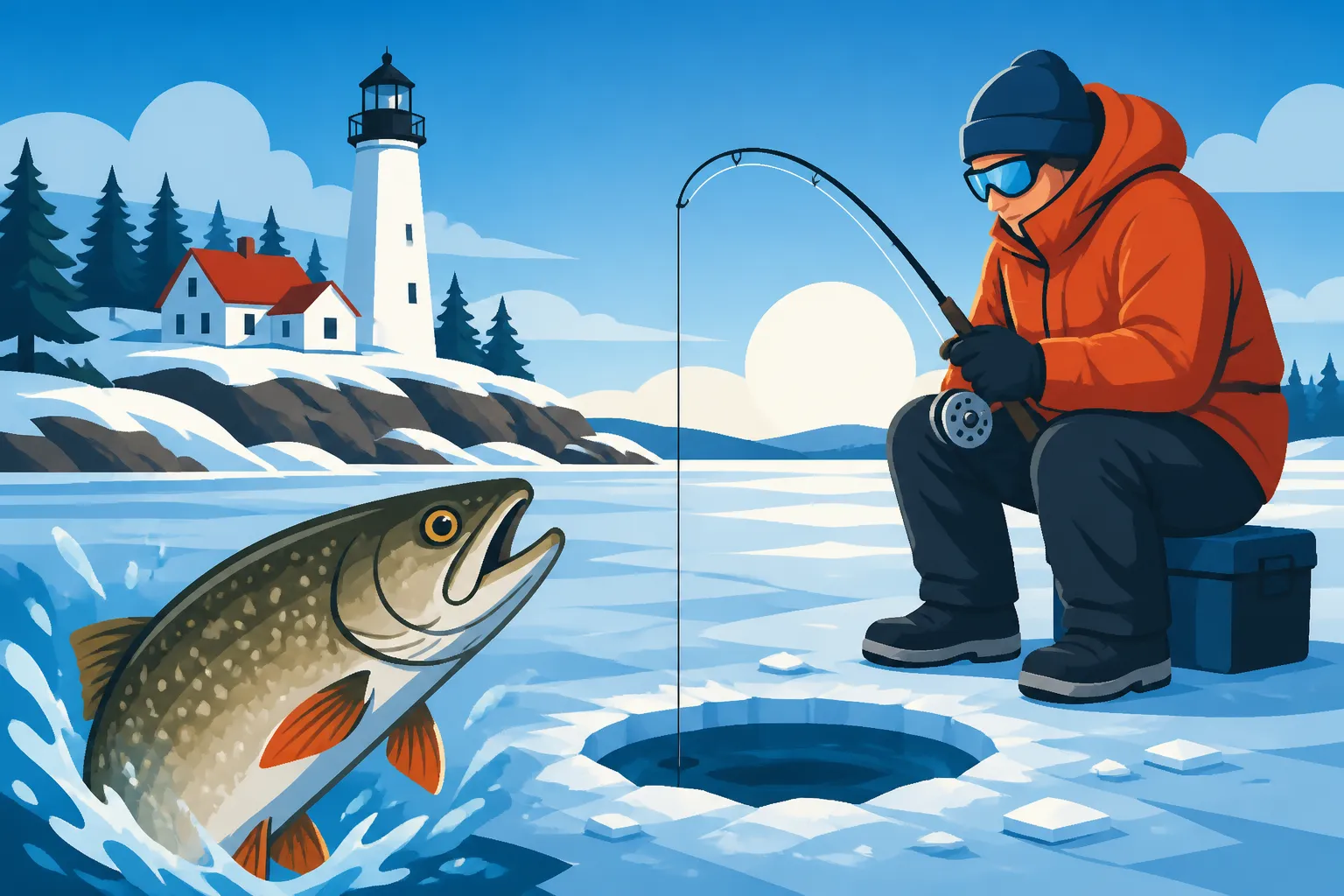
There's a reason so many Mainers eagerly anticipate the freeze-up each year. First off, it's a social affair. Unlike the often solitary nature of open-water fishing, ice fishing often brings people together. You'll see families huddled around a portable heater in a shanty, friends sharing stories over tip-ups, and kids laughing as they pull up their first perch. The camaraderie is truly special. It's also an opportunity to access parts of lakes and ponds that are unreachable by boat or shore during other seasons, opening up new fishing grounds for those elusive trophy fish. Plus, the fish, particularly species like landlocked salmon and togue, are often at their prime in terms of health and fighting spirit after a summer of feasting. It’s an incredibly rewarding experience to pull a vibrant, hard-fighting fish through a small hole in the ice.
Common Frustrations for New Ice Anglers
However, it’s not all rosy. For newcomers, ice fishing can present a steep learning curve and several frustrations. The sheer amount of specialized gear can be daunting – what do you really need? How do you know if the ice is safe? Where do you even begin to find fish under a solid layer of ice? Many new anglers get discouraged after a cold, fishless day because they haven’t quite grasped the subtle nuances of technique or safety. There's also the constant battle against the elements, from frigid temperatures to strong winds, which can quickly turn a fun outing into a miserable one if you're not properly prepared. The quiet stillness can feel isolating if you don't know what you're doing, and the thought of breaking through thin ice is a very real, and valid, fear.
Essential Gear for a Maine Ice Fishing Trip
Just like any specialized outdoor activity, ice fishing requires specific gear to ensure both your safety and your success. You wouldn't hike Mount Katahdin in flip-flops, and you shouldn't venture onto Maine's frozen lakes without the right equipment. Investing in quality gear upfront can make all the difference between a memorable day on the ice and a cold, uncomfortable one.
Staying Warm and Safe
The most important gear you’ll need doesn’t even touch the water; it’s what keeps you warm and safe. Layering is paramount. Start with a good moisture-wicking base layer (think synthetics or wool, never cotton). Add insulating mid-layers like fleece or down, and top it off with a waterproof and windproof outer shell, like a good ice fishing suit from brands like Striker or Eskimo. These suits often have built-in flotation, which is a critical safety feature. Don't forget insulated, waterproof boots that are rated for extreme cold, like those from Muck Boot Company or Baffin. Warm hats, gloves, or mittens are non-negotiable – your extremities are the first to get cold. Many anglers also bring a portable ice fishing shelter, often called a shanty or a hub-style shelter. These provide a critical barrier against the wind and allow you to use a small portable heater, transforming a frigid day into a surprisingly comfortable experience. You can find many reliable options for these shelters, as well as insulated clothing, by browsing "ice fishing gear" on Amazon.
Choosing Your Ice Fishing Tools
Once you’re dressed for success, you’ll need the tools to get to the fish. A good ice auger is at the top of the list. You have a few options: manual hand augers for lighter use or smaller holes, propane-powered augers (like those from Eskimo or Jiffy) for more power and speed, or electric augers (such as those from ION or StrikeMaster) which are quiet and environmentally friendly. For depth finding and fish detection, a flasher or a portable fish finder is invaluable. Brands like Vexilar, Marcum, and Humminbird offer excellent models that help you see fish, bait, and your lure in real-time beneath the ice. This dramatically increases your chances of success, especially when targeting deeper species like togue or landlocked salmon. For rods, specialized ice fishing rods are short and sensitive, designed for jigging in a confined space. Pair these with small spinning reels spooled with low-stretch monofilament or fluorocarbon line, typically in 4-8 pound test.
The Lifeline: Tip-Ups and Hand-Held Rigs
Maine regulations allow for a generous number of lines when ice fishing, which is typically five per person, and knowing how to use both tip-ups and handheld rigs effectively is key. Tip-ups are arguably the most iconic piece of Maine ice fishing equipment. They are essentially passive fishing devices that consist of a spool of line submerged in the water, and a flag that pops up when a fish takes the bait, signaling a bite. They allow you to cover a wider area, setting up multiple chances for a fish to swim by. Understanding how to properly set a tip-up for different species, from the bait depth to the drag on the spool, is crucial. For active fishing, handheld ice fishing rods are used for jigging. Jigging involves rhythmically raising and lowering your lure to entice fish. This is particularly effective for active fish or when trying to "call in" fish using your flasher. Some anglers prefer to stay mobile, moving from hole to hole with just a jig rod and a small bucket, while others set up a comfortable shanty with several tip-ups and a jigging hole inside. Learning how many lines are legal for Maine ice fishing is an important aspect of preparing your spread for a day on the ice.
| Ice Fishing Gear Category | Essential Items | Purpose | Average Cost Range |
|---|---|---|---|
| Safety & Comfort | Insulated Suit/Layers | Stay warm, dry, and provide flotation. | $200 – $700 |
| Insulated, Waterproof Boots | Keep feet warm and dry in extreme cold. | $100 – $250 | |
| Warm Hat, Gloves/Mitts | Protect extremities from frostbite. | $30 – $100 | |
| Ice Picks (worn around neck) | Self-rescue device in case of ice break-through. | $15 – $30 | |
| Spud Bar | Test ice thickness ahead of you. | $50 – $100 | |
| Portable Ice Shelter (Shanty) | Wind/cold protection, allows for heating. | $150 – $600 | |
| Portable Heater (Propane) | Warmth inside shanty. | $50 – $150 | |
| Fishing Tools | Ice Auger (Manual, Propane, Electric) | Drill holes through the ice. | $50 – $700+ |
| Flasher/Fish Finder | Locate fish, monitor bait depth, understand underwater structure. | $200 – $700 | |
| Ice Fishing Rods & Reels | Specialized short rods for jigging, small reels. | $30 – $150 per combo | |
| Tip-Ups (5 per person) | Passive fishing, covers more area, flags indicate bites. | $20 – $50 per tip-up | |
| Bait Bucket & Aerator | Keep live bait fresh. | $20 – $60 | |
| Scoop/Skimmer | Clear ice shavings from holes. | $5 – $20 | |
| Terminal Tackle | Assorted Jigs & Lures | Entice different fish species (e.g., tungsten jigs, Swedish Pimples). | $20 – $100 |
| Hooks, Swivels, Leaders | Necessary for rigging bait and lures. | $10 – $30 | |
| Sinkers/Weights | Get bait/lures to depth. | $5 – $20 |
Mastering Maine Ice Fishing Techniques
Ice fishing isn't just about drilling a hole and dropping a line; it's a nuanced dance between understanding fish behavior, water dynamics, and effective presentation. The stillness of the hardwater provides a unique advantage – you can often be directly over the fish, making precise presentations incredibly effective.
Jigging for Deepwater Species
When you're targeting species like the elusive togue (Maine's name for lake trout) or robust landlocked salmon, jigging is your go-to technique. These fish often hold in deeper water, sometimes 30 feet or more, and a good fish finder is absolutely essential here. You'll use heavier, more brightly colored jigs, often tipped with a piece of cut bait like a smelt or shiner. The technique involves dropping your jig to the desired depth, then making short, sharp lifts of your rod tip, followed by a pause. This action mimics a struggling baitfish, drawing in predators. The key is to watch your flasher intently. When a fish appears, adjust your jigging action – sometimes faster, sometimes slower, sometimes just holding it still – to trigger a strike. Togue are notorious for subtle bites, so a sensitive rod tip is crucial, allowing you to detect even the slightest tap. You can often find a wide variety of effective jigs and spoons, often at great prices, by searching "ice fishing jigs" on Amazon.
Setting Up Your Tip-Ups for Success
While jigging offers active engagement, tip-ups are all about covering water and waiting for that exhilarating flag to fly. The strategy here is typically to spread your five allowed tip-ups across different depths or structures to ascertain where the fish are most active. For instance, you might set one shallow near a drop-off for brook trout, one over a submerged hump for salmon, and a couple deeper for togue. Live bait, like shiners or smelt, is often the most effective offering on a tip-up, as their natural movement attracts fish. Ensure your bait is hooked properly to stay lively and avoid spinning. When the flag pops, resist the urge to immediately snatch the line! Often, the fish needs a moment to fully take the bait. Give a short count (3-5 seconds for salmon/trout, maybe longer for pike), then gently lift the line, feel for the weight of the fish, and set the hook with a firm sweep of your arm. For a deeper dive into this, check out our guide on Setting Up Tip-Ups for Ice Fishing.
Understanding Bait and Lure Selection
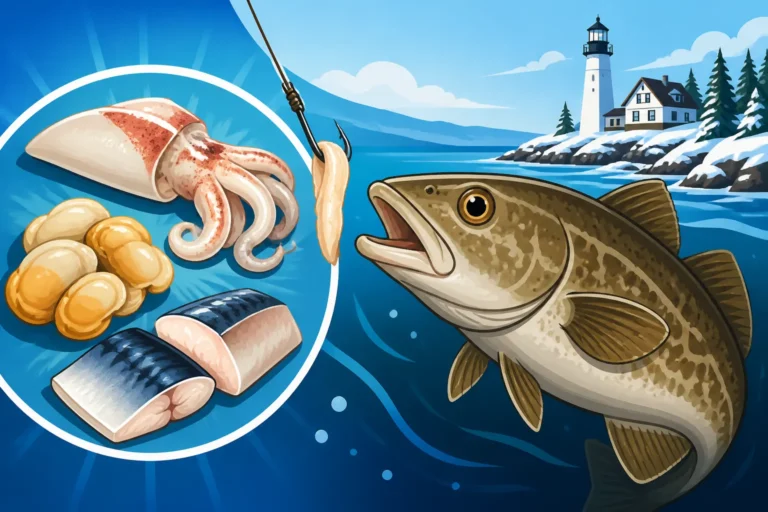
Choosing the right bait and lures can make or break your ice fishing day. For tip-ups, live bait is king for many species. Smelt, shiners, or even golden shiners are popular choices, often readily available at local bait shops in Maine. The livelier the bait, the better. For jigging, artificial lures come in a vast array of shapes, sizes, and colors. Spoon-style lures like the Swedish Pimple, Kastmaster, or Acme Little Cleo are highly effective for salmon and togue, especially when tipped with a piece of cut bait. Small tungsten jigs tipped with wax worms, spikes, or even soft plastic baits are fantastic for panfish like perch and crappie, and can also tempt brook trout. The color of your lure can sometimes be critical, with brighter colors working well in stained water or on overcast days, while more natural colors excel in clear water or bright conditions. Knowing the best bait for Maine ice fishing can significantly increase your success rate. Experimentation is often key – if one lure isn't working, don't be afraid to try something different.
Navigating Maine's Ice Fishing Regulations
Maine is truly a treasure trove for anglers, but enjoying its waters means playing by the rules. The Maine Department of Inland Fisheries and Wildlife (MDIFW) has specific regulations that are designed to protect fish populations and ensure sustainable fishing for generations to come. Ignoring these rules can lead to hefty fines and a spoiled trip, so it's always best to be informed.
Licenses and General Rules
First and foremost, you'll need a valid Maine Fishing License Guide. This is non-negotiable for most anglers over the age of 16 (or under 16 if you're targeting certain species or aren't accompanied by a licensed adult). While kids might not always need a license, it’s always best to check the current year’s regulations. You can easily purchase a license online through the MDIFW website or in person at many local agents throughout the state. Beyond the license, general rules like the number of lines you can fish with are crucial. In Maine, you're generally allowed to fish with up to five lines when ice fishing, whether they are tip-ups or handheld rods. However, it's vital to remember that individual waters can have specific regulations, known as "special regulations," that supersede the general law. Always check the MDIFW rule book for the specific lake or pond you plan to fish. You can find out more about the overall framework in our Maine Fishing Regulations Explained.
Fish Species Specific Limits
The MDIFW sets specific bag and length limits for different fish species, which can also vary by body of water and even by zone (North Zone vs. South Zone for some species). For popular ice fishing targets:
- Togue (Lake Trout): Limits often depend on the specific lake, but there are usually minimum and sometimes maximum length limits, along with a daily bag limit (e.g., 2 fish, 18-23 inches, or one over 26 inches). Always confirm the specific regulations for your chosen water body. Our Maine Togue and Lake Trout Limits guide has more details.
- Landlocked Salmon: Similar to togue, these often have specific length and bag limits, which might include a slot limit (e.g., one fish under 16 inches and one over 25 inches, or similar variations). Be precise in your measurement. Consult the Maine Landlocked Salmon Bag Limits for current information.
- Brook Trout: Maine is famous for its brook trout fishing. Limits can vary widely, particularly between stocked waters, wild trout ponds, and different zones. Some waters are catch-and-release only, while others have generous bag limits. It’s crucial to know the specific rules for the water you're fishing. Check out our Brook Trout Daily Bag Limits for more specifics.
- Bass (Smallmouth and Largemouth): While not always primary ice fishing targets, bass can be caught through the ice. Regulations often include specific length and bag limits, which can be different for the North and South Fishing Zones. For current information, see Maine Bass Fishing Limits by Zone.
It is your responsibility to know these limits before you go out. Carry a measuring tape and be prepared to release fish that don't meet the legal requirements.
Ice Shanties and Safety Rules
Ice shanties, or ice fishing shelters, are a quintessential part of the Maine ice fishing experience, providing much-needed warmth and protection from the elements. However, there are rules regarding their use and removal. All ice fishing shacks must be marked with the owner's name and address. More critically, there are strict deadlines for when shacks must be removed from the ice, typically coinciding with "ice out" dates in different regions, often by March 15th for inland waters. Failing to remove your shack can result in fines and charges for removal costs. These rules are in place to prevent environmental pollution and hazards to navigation once the ice melts. For detailed information on specific dates and regulations, it’s best to refer to the official Ice Fishing Shack Removal Rules from the MDIFW. Always prioritize safety, especially when setting up or taking down your shanty, and be aware of changing ice conditions as the season progresses.
Top Ice Fishing Destinations in Maine
Maine's vast network of lakes and ponds offers an incredible variety of ice fishing opportunities, from remote wilderness experiences to easily accessible family-friendly spots. Each body of water has its own charm and target species, making Maine a truly diverse ice fishing destination.
Moosehead Lake: A Togue and Salmon Paradise
Moosehead Lake, Maine's largest lake, is a legendary ice fishing destination. Known for its trophy togue (lake trout) and hard-fighting landlocked salmon, it draws anglers from all over. The sheer size of Moosehead means there are countless spots to explore, from the deep waters near Rockwood to the shallower coves around Greenville. Early ice often sees anglers targeting salmon closer to shore or around structure, while mid-winter often means venturing out to deeper basins for togue. Popular areas include the coves around Lily Bay, the expansive main lake near Mount Kineo, and the areas surrounding various islands. The lake is generally open to ice fishing from January 1st through March 31st, though conditions can vary. For those seeking a guided experience or more local knowledge, there are numerous experienced Moosehead Lake Fishing Guides who can put you on the fish. Expect cold, windy conditions on this large lake, so proper gear is an absolute must.
Sebago Lake: Trophy Salmon and Bass Through the Ice
Sebago Lake, another of Maine's largest and deepest lakes, offers exceptional ice fishing, particularly for trophy landlocked salmon. This lake is famous for producing some of the largest salmon in the state, and ice anglers flock to its waters in hopes of catching a true specimen. Beyond salmon, Sebago also provides excellent opportunities for lake trout (togue), particularly in its deeper sections, and even some surprisingly active smallmouth and largemouth bass around shallower rocky structures or weed lines through the ice. The lake's proximity to Portland makes it a popular choice for many, but its vastness means there's plenty of room for everyone. Early ice fishing on Sebago often focuses on the shallower coves before venturing to the main basin. Be mindful of the large expanses of clear, black ice that can form, and always check conditions thoroughly. Our comprehensive Sebago Lake Fishing Guide offers more in-depth information.
Belgrade Lakes and Smaller Ponds: Accessible and Productive Spots
While Moosehead and Sebago grab the headlines, Maine's numerous smaller lakes and ponds, particularly within the Belgrade Lakes region, offer fantastic and often more accessible ice fishing. Lakes like Great Pond, Long Pond, and Messalonskee Lake in the Belgrade chain are renowned for their healthy populations of smallmouth bass, northern pike, and a variety of panfish, along with some quality salmon and brook trout in certain areas. These waters often freeze earlier and offer safer, more predictable ice conditions for beginners or families. Many smaller ponds throughout the state, especially those managed for brook trout, offer excellent opportunities for native and stocked brookies. These smaller, more intimate settings can be incredibly rewarding, offering a peaceful experience away from the crowds of the larger lakes. Always consult the MDIFW regulations for specific local rules, as smaller ponds often have unique seasons or limits. Whether it's a family outing for perch or a focused effort for brook trout, these smaller bodies of water are truly gems of Maine's ice fishing scene.
Ice Safety First: Staying Alive on the Hardwater
No matter how excited you are to get out on the ice, safety must always be your absolute top priority. The beauty of Maine's frozen lakes can be deceptive, and ice conditions can change rapidly. A responsible angler is a safe angler, and understanding ice dynamics is critical for a successful and worry-free trip.
Reading the Ice: Thickness, Color, and Warning Signs
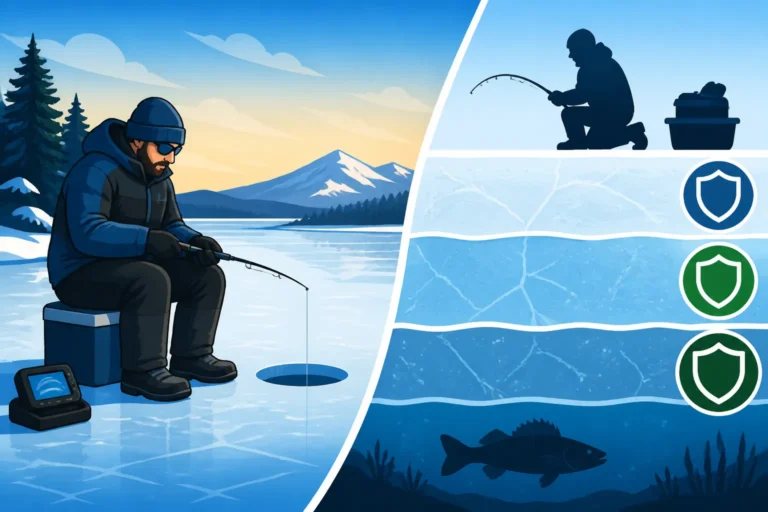
Never assume ice is safe just because others are on it, or because it's been cold for a few days. Always check ice thickness yourself. A general rule of thumb:
- 2 inches or less: STAY OFF! Extremely dangerous.
- 4 inches: Suitable for ice fishing on foot.
- 5-7 inches: Good for snowmobiles or ATVs.
- 8-12 inches: Safe for small cars.
- 12-15 inches: Supports medium trucks.
However, thickness isn't the only factor. The type of ice matters. Clear, black ice is generally stronger than white or opaque ice, which often contains air bubbles or frozen snow, making it weaker. Be wary of ice near inlets, outlets, bridges, or springs, where currents can create thinner spots. Cracks, pressure ridges, and slushy areas are also significant warning signs. Always use a spud bar to test the ice ahead of you as you walk, especially in unfamiliar territory. Pounding the spud bar every few steps will reveal thin spots before you step on them. For more specific guidelines, our How Thick Should Ice Be Before Fishing on It? guide offers critical advice.
Essential Safety Gear for Every Angler
Beyond checking the ice, carrying essential safety gear is non-negotiable. Every ice angler should wear or carry:
- Ice Picks: These are small, sharp picks carried around your neck. If you break through, they can be used to pull yourself back onto the ice. They are inexpensive and can be found on Amazon or at any sporting goods store.
- Throw Rope: A floating rope, at least 50 feet long, that can be thrown to someone who has fallen through.
- Whistle: To signal for help if you're in trouble.
- Flotation Suit or PFD (Personal Flotation Device): An ice fishing suit with built-in flotation is highly recommended. Otherwise, wear a life vest.
- Navigation Device: A GPS or smartphone with mapping capabilities is crucial on large, featureless lakes, especially if snow covers tracks.
Never underestimate the importance of these items. They are not just for emergencies; they provide peace of mind and allow you to fish with greater confidence.
Group Fishing and Emergency Preparedness
While solo ice fishing offers unparalleled solitude, fishing with a buddy or in a group significantly increases safety. Always tell someone where you're going and when you expect to return. If an emergency occurs, having another person there to assist can be life-saving. If someone does break through the ice:
- Don't panic.
- Don't rush directly to them. The ice that broke for them might break for you.
- Reach, throw, row, go: Extend a pole, throw a rope, push a boat/sled, or as a last resort, crawl on your stomach to distribute your weight.
- Once out, get warm immediately. Remove wet clothing and get into dry layers, ideally in a heated shelter. Hypothermia sets in quickly.
Being prepared for the worst-case scenario, even if it never happens, is the mark of a truly responsible ice angler. Reviewing Early Ice Safety Tips for Maine Anglers can help you prepare for the season.
Planning Your Ultimate Maine Ice Fishing Adventure
Embarking on an ice fishing trip in Maine isn't just about the gear and the fish; it's about the entire experience. Thoughtful planning can transform a good trip into an unforgettable adventure, whether you're a seasoned pro or trying it for the first time.
Best Time for Early vs. Late Ice Fishing
The ice fishing season in Maine typically kicks off in late December or early January, as lakes and ponds develop safe ice, and runs through late March or early April, depending on weather and location. Each part of the season offers unique opportunities and challenges.
- Early Ice (December-January): This is often considered prime time by many hardcore anglers. Fish are usually more active and closer to shore because oxygen levels are good and they haven't been pressured much. The ice is often clearer, allowing you to easily read conditions. However, "early ice" also means "new ice," so safety is paramount. The ice might be thinner in some areas, and conditions can change rapidly. This is when a spud bar is your best friend.
- Mid-Season (February): This is typically the most stable ice period. You can often venture onto larger bodies of water with confidence, and the deepwater species like togue are very accessible. However, fish can sometimes become more lethargic as oxygen levels drop and pressure increases. This is when electronics become even more important for finding active fish. Many ice fishing derbies and events also take place in February.
- Late Ice (March-April): As the days lengthen and temperatures rise, fish become incredibly active as they prepare for spawning or feed aggressively before ice-out. This can lead to some of the best fishing of the year, particularly for brook trout and salmon. However, "late ice" is also the most dangerous. Shorelines melt first, and ice can become honeycombed and unstable rapidly. Always exercise extreme caution, stick to areas you know are safe, and be ready to pull your shanty by the Ice Fishing Shack Removal Rules deadline.
Hiring a Guide or Going Solo
For many, part of the appeal of ice fishing is the self-sufficiency and the challenge of finding fish on your own. There's a deep satisfaction in reading the ice, drilling holes, setting up your gear, and ultimately catching fish through your own effort. However, if you're new to the sport, new to Maine, or simply want to maximize your chances of success and safety, hiring a registered Maine fishing guide can be an invaluable investment.
A good guide not only knows where the fish are but also understands local regulations, ice conditions, and proper techniques. They can provide all the necessary gear, set up a comfortable heated shanty, and teach you the ropes. This can be especially beneficial for targeting specific species like trophy togue on Moosehead Lake or landlocked salmon on Sebago, where local knowledge is key. It's a fantastic way to learn without the initial investment in specialized gear and with an added layer of safety. You can find many experienced Maine Ice Fishing Guides who cater to all skill levels.
Packing for Success: Food, Drink, and Comfort Items
Beyond your fishing gear and safety equipment, what you bring to sustain yourself on the ice can make a huge difference in your enjoyment. Hot drinks are essential – a thermos full of coffee, tea, or hot chocolate will be a welcome comfort in the cold. Pack plenty of high-energy snacks like granola bars, nuts, sandwiches, and fruit. You'll burn a surprising amount of calories just staying warm. Many anglers even bring a small grill or propane stove to cook hot dogs or soup right on the ice, turning a meal into a social event.
Don't forget comfort items like a comfortable chair or bucket to sit on, extra dry gloves or socks, and hand/foot warmers. A small first-aid kit is always a good idea. Even a portable power bank for your phone can be a lifesaver, as cold temperatures drain battery life quickly. Remember, ice fishing is an endurance sport against the elements, and being well-fed and comfortable will keep your spirits high, even if the fish aren't biting right away.
Disclaimer
Please remember that fishing regulations, ice conditions, and safety recommendations can change. Always consult the most current Maine Department of Inland Fisheries and Wildlife (MDIFW) regulations before heading out on the ice. Ice thickness and safety should be independently verified by each individual angler. This guide is for informational purposes only and does not supersede official regulations or local advisories. Stay safe and enjoy your time on Maine's beautiful frozen waters!