Best Bait for Winter Togue Fishing in Maine
The biting cold of a Maine winter might make you want to stay bundled up inside, but for many of us, it calls us out onto the frozen lakes. However, if you're targeting those elusive togue – Maine's robust lake trout – under the ice, you know it can be a real challenge to get them to bite. They're often deep, picky, and downright stubborn, leaving you staring at a still tip-up flag for hours. This guide is dedicated to helping you crack the code, revealing the best baits and techniques to entice those winter togue from their icy haunts.
Understanding Winter Togue Behavior
Before we even talk about bait, it's crucial to understand what makes togue tick when the lakes are locked up tight. Unlike some other species that might get more active under the ice, togue, or lake trout as they're known elsewhere, tend to conserve energy and often hold to specific depths where food and comfortable temperatures are found. They’re cold-water fish by nature, so the frigid conditions of winter don't deter them, but their feeding patterns do shift.
During the hardwater season, togue often relate closely to structure like drop-offs, underwater humps, and deep points. They’re less likely to chase a frantically moving bait across a wide flat. Instead, they prefer a more subtle, appealing presentation that mimics the natural forage they're accustomed to. Think of it from their perspective: they’re trying to conserve energy in cold water, so a meal that requires minimal effort to catch is often preferred. This means your bait needs to be enticing enough to pull them off their lazy winter routine. It's not about speed; it's about presentation and the right scent.
The Undisputed Champion: Live Smelt
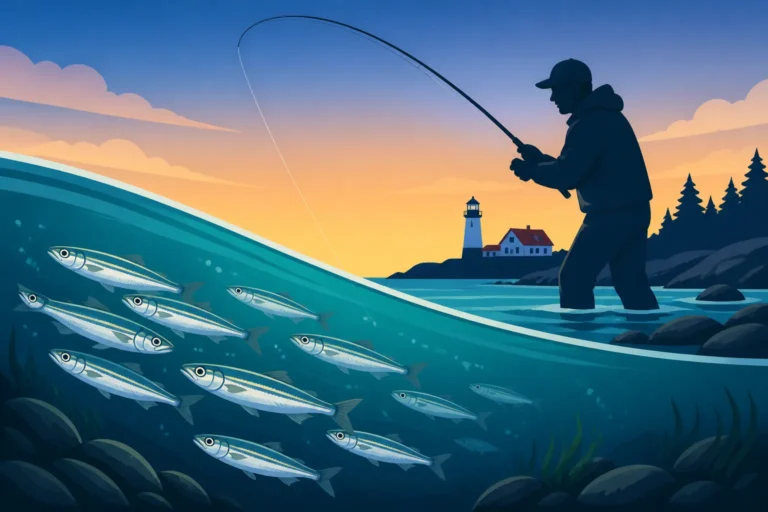
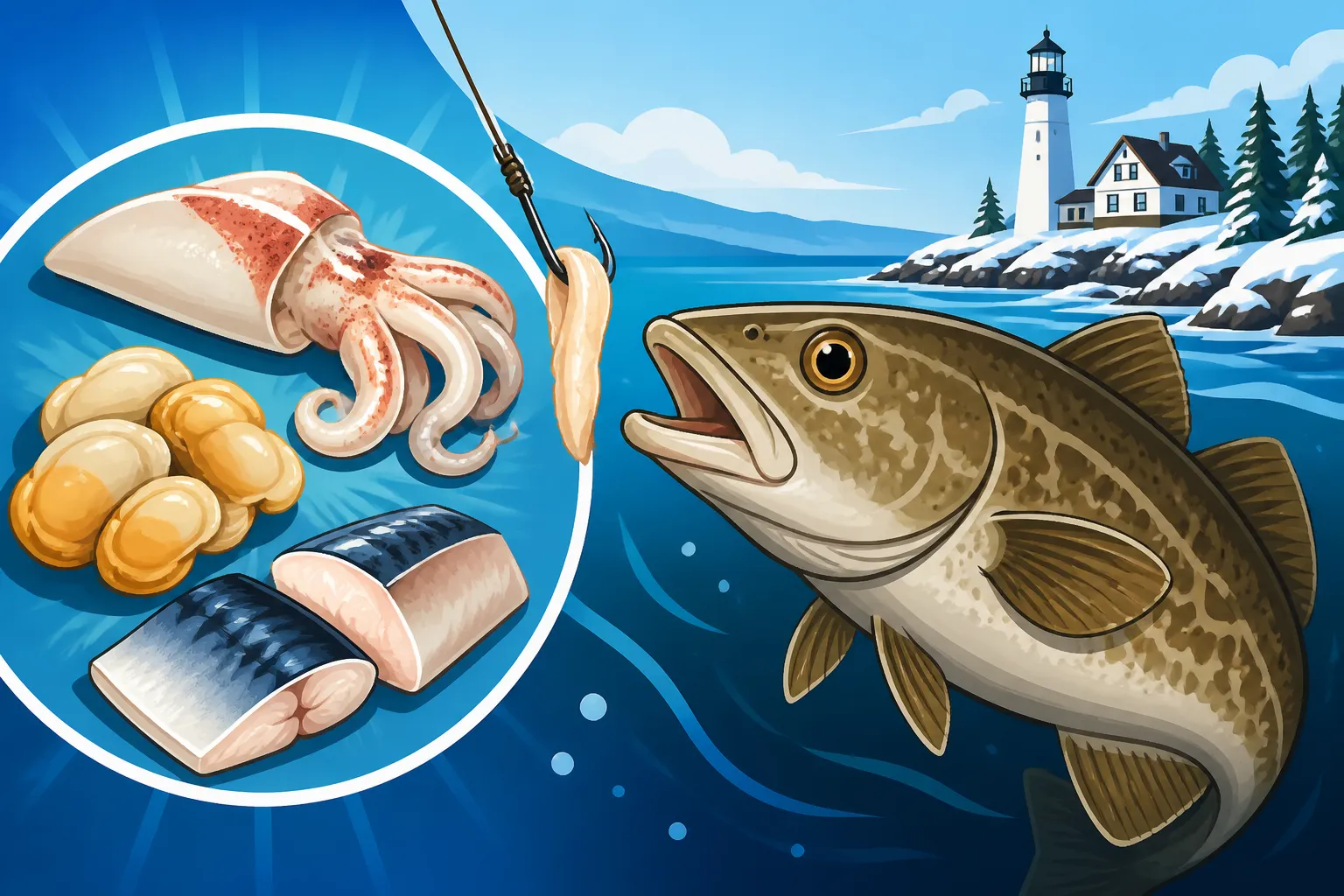
When it comes to winter togue fishing in Maine, ask any seasoned angler, and they'll likely tell you that live smelt are king. Togue absolutely key in on these silvery, oily baitfish, and for good reason. Smelt are a natural and abundant food source in many of Maine's premier togue lakes, making them an irresistible offering.
Why Smelt Are So Effective
The effectiveness of smelt lies in their natural allure. They're shiny, they have a distinct oily scent, and when rigged correctly, their subtle movements under the ice are incredibly lifelike. Togue are opportunistic predators, and a wounded or disoriented smelt struggling on your line is often too tempting to pass up. The flash and vibration mimic exactly what togue are hunting for in the deep, dark water beneath the ice. Using a local baitfish is always a smart move, and smelt are often the primary forage base for larger lake trout in many of Maine's deep, cold lakes.
When selecting smelt, look for lively ones between 3 to 5 inches. Smaller smelt can work, but larger ones tend to attract bigger togue. You can often find smelt at local bait shops across Maine, especially those near popular fishing destinations like Moosehead Lake or Sebago Lake. Keeping them alive requires a good aerator and a cool, dark environment. A portable bait bucket with an aerator, readily available on platforms like Amazon, is a must-have for preserving your precious bait on the ice. Make sure your bait bucket is insulated to prevent the water from freezing, which can quickly kill your supply.
Rigging Live Smelt for Success
Rigging smelt for tip-ups is a delicate art. The goal is to keep the smelt alive and active, but also presented in a way that maximizes hook-ups. A popular method is to use a single, sharp treble hook or a large J-hook, size 2 to 4/0, depending on the size of your smelt and the size of the togue you're targeting. Lightly hook the smelt just behind the dorsal fin, being careful not to hit its spine. This allows the smelt to swim naturally and present an appealing, slightly vulnerable profile to cruising togue.
Your leader should be fluorocarbon, which is nearly invisible underwater, and ideally 8-12 lb test. Connect it to your main line with a small swivel to prevent line twist. Position your weight (usually a split shot or small egg sinker) about 12-18 inches above the hook. This setup allows the smelt to swim relatively freely but keeps it in the desired strike zone. When setting your tip-ups, consider the depth; togue often cruise just off the bottom or suspend over deeper channels. For more on specific ice fishing rules, check out our guide on Maine Ice Fishing Line Limits.
Alternative Live Bait Options
While smelt are undeniably effective, they're not always available or might not be the preferred forage in every lake. Thankfully, other live bait options can also produce excellent results for winter togue.
Shiners and Other Baitfish
Golden shiners, emerald shiners, and even suckers (when legal and appropriately sized) are viable alternatives. Shiners offer good flash and scent, and like smelt, their natural movement is a huge draw for togue. They tend to be a bit hardier than smelt, making them easier to keep alive for longer periods on the ice. You'll often find them readily available at bait shops, or you can even catch your own in certain areas with a valid baitfish license.
When rigging shiners, similar principles apply. Hook them lightly through the back or lips to keep them active. A slightly larger shiner might be best hooked through both lips to prevent it from tearing off the hook prematurely. Pay attention to local regulations; some waters might have restrictions on the type or size of baitfish you can use. Understanding the specific Maine Fishing Regulations Explained is always a good idea before heading out.
Pros and Cons of Alternative Live Baits
The main "pro" of using shiners is their availability and hardiness. They can withstand colder temperatures and rougher handling better than smelt. However, they might not have the same "wow" factor as a lively smelt in terms of attracting togue from a distance. The oil content and unique scent of smelt are often what puts them at the top of the list for many anglers.
Another "con" can be their size. While some shiners can be quite large, many are smaller than ideal for trophy togue. It's always best to match the hatch, meaning use bait that is similar in size and appearance to the primary food source in the lake you're fishing. If you're fishing a lake known for a strong smelt population, stick with smelt if you can. If not, a robust, lively shiner is an excellent second choice.
Artificial Lures That Get the Job Done
Not every angler relies solely on live bait, and frankly, sometimes the action on a jigging rod can be just as exciting, if not more so! Artificial lures, particularly jigging spoons and swimbaits, can be incredibly effective for enticing winter togue.
Jigging Spoons and Swimbaits
Jigging spoons are a staple for ice fishing for a reason. Their flash and flutter imitate a dying baitfish, which, as we discussed, is exactly what a sluggish winter togue is looking for. Popular choices include the Swedish Pimple, Acme Kastmaster, and Northland Forage Minnow Spoon. These come in various sizes and colors, and it's smart to have a selection on hand. For example, a 1/2 to 1-ounce spoon in silver, gold, or a perch-pattern can be deadly. You can find a wide array of these spoons on Amazon, often in multi-packs, making it easy to stock up.
Soft plastic swimbaits, especially those with a paddle tail, can also be highly effective. Rigged on a jig head, they offer a lifelike swimming action with minimal effort. Brands like Keitech or Berkeley offer realistic baitfish profiles and colors. The key here is to find a swimbait that is 3-5 inches long and can be fished relatively slow with a subtle tail kick.
Color Selection and Jigging Cadence
Color choice often depends on water clarity and light conditions. In clear water and bright sun, natural colors like silver, gold, or white work well. On cloudy days or in stained water, brighter colors like chartreuse, orange, or even glow-in-the-dark options can stand out. Experimentation is key; what works one day might not the next.
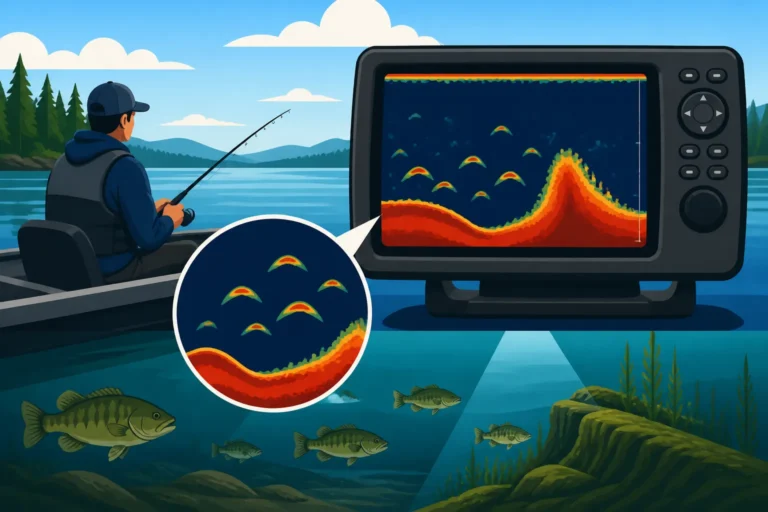
Your jigging cadence is just as important as your bait choice. Remember, winter togue are often lethargic. A sharp, aggressive jig might scare them off. Instead, focus on subtle lifts and drops. Lift your rod tip a foot or so, then let the spoon or swimbait flutter back down on a semi-slack line. Let it sit motionless for 5-10 seconds before repeating. Sometimes, a series of short, quick snaps followed by a long pause is what triggers a strike. Many strikes happen on the pause, so be ready to set the hook! Using a flasher or fish finder is invaluable for identifying these subtle strikes and understanding how fish are reacting to your presentation. You can learn more about specific techniques in our Maine Ice Fishing Techniques Guide.
Setting Up Your Gear for Winter Togue Success
Having the right bait is only half the battle; knowing how to present it effectively with the right gear completes the picture. Both tip-ups and jigging rods have their place in a successful winter togue strategy.
Rigging Strategies for Tip-Ups
For tip-ups, your main line should be a strong, low-stretch braided line, often 30-50 lb test, spooled onto your tip-up spool. This heavier line is durable in cold conditions and provides the backbone needed for bigger togue. As mentioned, a fluorocarbon leader of 8-12 lb test, about 4-6 feet long, is tied to the braid with a swivel. The swivel not only prevents line twist but also acts as a convenient attachment point for your leader.
Depth setting is crucial. Togue often cruise near the bottom, but can also suspend. A good starting point is to set your bait 1-3 feet off the bottom. If you have a flasher, use it to pinpoint where the fish are holding or where the most promising structure is. On some Maine lakes, togue might be found as deep as 60-100 feet, so be prepared to fish deep. Having multiple tip-ups set at varying depths and locations is often the best strategy to cover different zones. For specific regulations regarding how many lines you can use, refer to the Maine Ice Fishing Line Limits article.
Jigging Rod Selection and Techniques
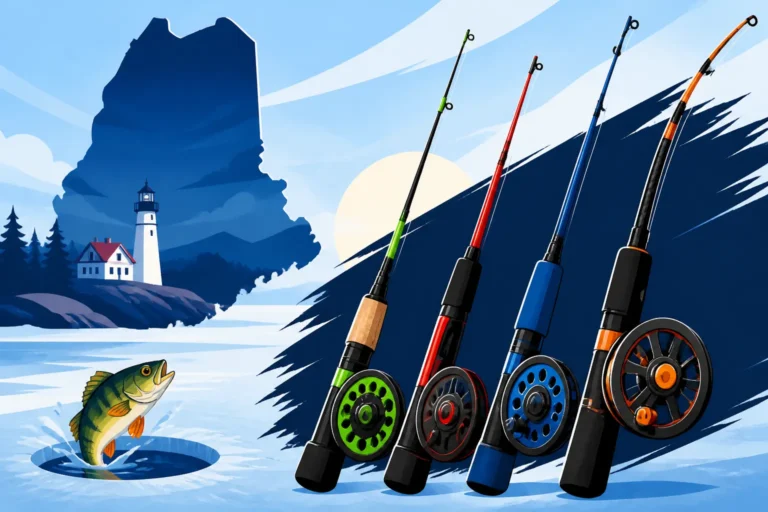
For jigging, a medium-heavy ice fishing rod (28-36 inches long) paired with a reliable spinning reel spooled with 6-10 lb fluorocarbon or braided line with a fluorocarbon leader is ideal. The rod needs enough backbone to handle a strong fish but a sensitive tip to detect subtle bites. Your reel should have a smooth drag system, as togue can make powerful runs.
When jigging, use your flasher to locate fish and monitor your bait's depth. Lower your lure to the desired depth and begin your jigging cadence. Keep your rod tip close to the water, using your wrist to impart action. Watch the flasher for "marks" that approach your bait. If a fish appears but doesn't strike, try changing your cadence, offering a longer pause, or subtly lifting and dropping the bait just a few inches. Sometimes, just holding the bait perfectly still for an extended period can trigger a bite from a curious togue. The feeling of a togue hitting your jigging rod is exhilarating, a strong tug that signals a solid fight is about to begin.
| Bait Type | Pros | Cons | Best Use Case | Rigging Recommendation |
|---|---|---|---|---|
| Live Smelt | Highly effective, natural prey, oily scent | Fragile, can be harder to source | Primary choice for active tip-ups | Single treble/J-hook behind dorsal fin, 1-3 ft off bottom |
| Live Shiners | Readily available, hardy | Less natural attraction than smelt | Good alternative if smelt unavailable, more durable | Single J-hook through lips or dorsal, 1-3 ft off bottom |
| Jigging Spoons | Active presentation, versatile colors | Requires angler interaction, less scent | When actively jigging, searching for fish | Tied directly to fluorocarbon leader |
| Soft Plastic Swimbaits | Lifelike action, subtle movement | Less scent, can be torn by small fish | When actively jigging, mimicking natural forage | Jig head with appropriate hook size |
Local Wisdom and Winter Togue Fishing Tips
Maine is blessed with incredible togue fisheries, but local knowledge can significantly boost your success. Always factor in specific lake characteristics and seasonal nuances.
Importance of Scouting and Local Knowledge
Before you even step on the ice, do your homework. Look at bathymetric maps to identify deep water, humps, and drop-offs. Talk to local bait shop owners – they're often a wealth of current information on hot spots and effective baits. Forums and local fishing groups can also offer valuable insights. What works on Moosehead Lake might be slightly different than what works on Sebago Lake, even for the same species. Understanding What Zone Is Moosehead Lake In for Maine Fishing Rules can influence your approach.
If possible, scout the area before you drill your first hole. Look for old holes (if safe to approach) or areas where other anglers are congregating, though remember to always give them ample space. Don't be afraid to move if you're not getting bites. Togue are often nomadic, especially smaller ones, and covering ground (or ice!) can be the difference between a slow day and a successful one.
Timing Your Trips for Peak Activity
While togue can be caught all day, certain times tend to be more productive. Early morning, just after first light, and late afternoon, leading up to dusk, are often prime feeding windows. During these times, light penetration through the ice changes, often triggering a feeding response. Overcast days can also be excellent, as the subdued light often encourages fish to be more active at various depths.
Keep an eye on weather patterns. Stable weather conditions for a few days can mean consistent fishing. Sharp cold fronts, on the other hand, can shut down the bite, making fish incredibly finicky. Learning to adapt your presentation and bait choice to these conditions is a mark of a skilled ice angler. For broader understanding of the seasons, our Maine Winter Ice Fishing Guide provides more comprehensive advice. Don't forget that even in winter, there are opportunities for events like the Maine Free Fishing Weekend Rules.
Safety on the Ice
This goes without saying, but always prioritize safety when venturing onto the ice. Never assume the ice is safe. Check ice thickness frequently with an auger or spud bar. A minimum of 4 inches of clear, solid ice is generally recommended for foot travel, and significantly more for snowmobiles or vehicles. Always fish with a buddy, carry ice picks around your neck, and let someone know your plans. Hypothermia is a serious risk in Maine's winter, so dress in layers and carry extra warm clothing. It's not worth risking your safety for a fish. For more on ice safety, consult resources like Early Ice Safety Tips for Maine Anglers and Late Ice Safety Tips Before Ice-Out.
When you do hook into a togue, enjoy the fight! These are powerful fish, and a large one can provide an unforgettable experience on the ice. Remember to handle them gently if you plan to release them, especially in freezing temperatures. Keep them in the water as much as possible, use a de-hooker if needed, and revive them gently before letting them go.
Fishing for togue in the Maine winter is a fantastic way to experience the state's natural beauty and challenge your angling skills. With the right bait, proper rigging, and a good understanding of togue behavior under the ice, you'll be well on your way to a successful and memorable day.
Disclaimer
Please remember that fishing regulations, including those for baitfish, bag limits, and seasons, can change. Always consult the latest rules and regulations published by the Maine Department of Inland Fisheries & Wildlife (MDIFW) before heading out. This guide is for informational purposes only and does not supersede official regulations.