How to Fish the Smelt Run in Maine
The chill finally starts to ease, and for a dedicated angler in Maine, that can only mean one thing: the smelt run is almost upon us. It's a fleeting, almost magical window where these small, silvery fish surge upstream, creating an incredible opportunity that many seasoned fishermen eagerly await, but which can be incredibly baffling for newcomers. This comprehensive guide will walk you through everything you need to know about understanding, locating, and successfully fishing the exciting smelt run here in the great state of Maine, ensuring you're ready when the time comes.
Understanding the Maine Smelt Run Phenomenon
The smelt run is more than just a fishing opportunity; it's a vital natural event that kicks off the spring season for many anglers and signifies a crucial link in the aquatic food web. These small, migratory fish play a much larger role than their size might suggest, both ecologically and culturally in Maine.
What Exactly is a Smelt Run?
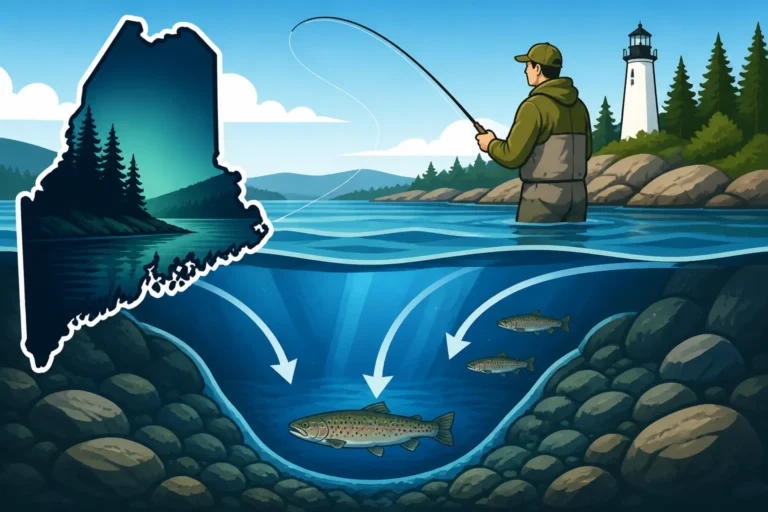
In simplest terms, a smelt run is the annual migration of rainbow smelt (Osmerus mordax) from larger bodies of water, like oceans, lakes, and estuaries, into smaller freshwater streams and rivers to spawn. Driven by instinct and the warming waters of spring, thousands upon thousands of these small, silvery fish push upstream to lay their eggs. This mass movement concentrates them in accessible areas, making them a prime target for anglers. It's a truly spectacular sight if you're there at the right moment, with the water seemingly alive with flashing silver bodies. The whole event often happens under the cover of darkness, adding to its mystique and challenge. You'll often hear veteran anglers describe the distinctive "cucumber" smell of fresh smelt, a unique aroma that signals their presence.
Why is the Smelt Run Important in Maine?
The smelt run holds immense importance in Maine, touching on both ecological balance and fishing heritage. Ecologically, smelt are a critical forage fish. They are a primary food source for many larger, predatory fish that Maine anglers love to target, including prized species like landlocked salmon, brook trout, and lake trout (or togue, as we often call them here). A healthy smelt population means healthier populations of these game fish, directly impacting the quality of our fishing. You can learn more about what fish prey on smelt in Maine lakes by checking out our dedicated resource.
Culturally, the smelt run is a cherished tradition for many Maine families. For generations, it has been a rite of spring, often involving nighttime outings, portable shelters, and the camaraderie of friends and family gathered along riverbanks or over tidal flats. It's a social event as much as a fishing one, providing fresh, delicious fish for the table after a long winter and connecting people to the rhythm of nature. It’s a chance to get outside, breathe in the crisp spring air, and feel the anticipation of the season.
Timing and Locating the Elusive Smelt Run
One of the biggest challenges, and part of the thrill, of smelt fishing is figuring out exactly when and where these runs will occur. Smelt are notoriously sensitive to environmental conditions, making precise predictions difficult. However, by understanding the key factors, you can significantly increase your chances of being in the right place at the right time.
When Does the Smelt Run Happen in Maine?
The timing of the smelt run in Maine is largely dictated by water temperature and the melting of ice and snow. Generally, you can expect the smelt run to kick off anytime from late March through April, and sometimes even into early May, depending on the specific location and the year's weather patterns. Southern Maine usually sees the first runs, with the activity progressing northward as temperatures rise. The ideal water temperature for smelt spawning is typically between 38°F and 45°F. A sudden warm spell that causes snowmelt and raises water levels can trigger a run almost overnight. Conversely, a prolonged cold snap can delay it significantly.
It's crucial to pay close attention to local conditions. Keep an eye on weather forecasts, river flows, and water temperatures. Talk to local bait shops, wardens, and other anglers – they are often the best sources of real-time information. Many local communities or social media groups dedicated to Maine fishing will share updates as the runs begin. Remember, the window for a strong run can be surprisingly short, sometimes only a few days or a week in a particular location, so being ready is key. For more general timing, you can check our guide on the Maine Fishing Season Calendar.
Where Do Smelt Run Into Maine Lakes and Rivers?
Smelt are anadromous or potamodromous, meaning they either migrate from saltwater to freshwater to spawn (anadromous) or move within freshwater systems (potamodromous). This means you'll find them running into countless small streams, brooks, and tidal rivers that feed into larger lakes, estuaries, and the ocean. Identifying specific locations often involves a bit of detective work and local knowledge.
Key areas to look for a smelt run:
- Tributaries of larger lakes: Lakes like Sebago Lake, Moosehead Lake, and the Belgrade Lakes are known for strong smelt populations, and their feeder streams will be prime locations. Look for small inlets where flowing water enters the main lake.
- Coastal rivers and estuaries: Many tidal rivers along the Maine coast, from the Piscataqua River in the south to the Penobscot River further north, see robust smelt runs. The smelt will push as far upstream as they can before hitting obstacles like dams or impassable rapids. Estuaries where freshwater meets saltwater are especially productive.
- Under bridges and culverts: These structures often create natural bottlenecks and areas of current that smelt prefer for spawning. They also offer easy access points for shore anglers.
- Small, dark-bottomed streams: These streams tend to warm up faster in the spring, which can attract smelt earlier in the season.
Access is also a significant factor. Public access points, especially those with shore fishing opportunities, are often popular spots. Always be mindful of private property and respect landowner rights. A little scouting before the run begins can go a long way in identifying promising locations. Check out resources on Maine Shore Fishing Techniques to maximize your chances from land.
Essential Gear and Techniques for Smelt Fishing
Smelt fishing doesn't require a huge investment in specialized equipment, which makes it accessible to almost anyone. However, having the right setup and knowing the most effective techniques can dramatically improve your catch rate.
The Right Gear for Success
When it comes to smelt fishing, simplicity is often the key. You don't need heavy rods or complex tackle.
- Rods and Reels: A light-action spinning rod, typically 5-7 feet long, paired with a small spinning reel spooled with 4-6 lb test monofilament or fluorocarbon line, is perfect. The light tackle allows you to feel the subtle bites of smelt and provides a fun fight. You're often dealing with small fish, so finesse matters. For those who prefer a more traditional approach, a simple handline can also work effectively, especially in very tight quarters or for ice fishing.
- Tackle:
- Smelt Rigs: These are the backbone of smelt fishing. A standard smelt rig consists of a main line with several droppers (small leaders) spaced out, each with a tiny hook. You can buy these pre-tied at most tackle shops or online at places like Amazon. Look for rigs with size 8 to 12 hooks. These smaller hooks are crucial for the relatively small mouths of smelt.
- Sinkers: You'll need enough weight to get your rig down to the fish and hold it in the current. Pencil weights, bell sinkers, or even heavy jig heads can work. The size will depend on the strength of the current; start with a 1/4 oz to 1 oz and adjust as needed.
- Bait: While some anglers use bare hooks, bait significantly increases your success. Small pieces of cut fish (like clam worms, shrimp, or even other smelt if legal), or tiny bits of gulp worms, are excellent choices. Many swear by a combination of a small piece of red or chartreuse plastic worm tipped with a tiny morsel of real bait. The artificial bait provides visual appeal, while the natural bait offers scent.
- Other Essentials:
- Bucket or Cooler: For keeping your catch fresh.
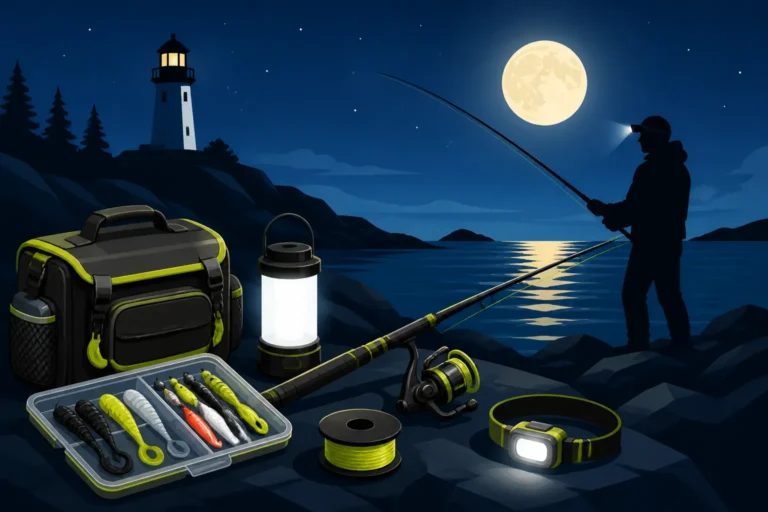
- Headlamp or Lantern: Smelt often run at night, so good illumination is essential. A hands-free headlamp is invaluable.
- Waders or Waterproof Boots: You'll often be standing in or near cold water.
- Warm Clothing: Even in spring, nights can be chilly in Maine. Layering is always a good idea.
- Small Net: A dip net can be useful for scooping up multiple fish once they are schooled up or for landing a good haul quickly.
- Pliers/Forceps: For easy hook removal.
- Chum (Optional but Recommended): A bag of crushed clams, oats, or even finely ground fish meal can attract smelt to your fishing area.
Tried-and-True Smelt Fishing Techniques
Smelt fishing is generally straightforward, but a few techniques stand out for their effectiveness.
- Jigging with Smelt Rigs: This is perhaps the most common and effective method. Cast your smelt rig into the current, let it sink to the bottom, and then retrieve it slowly with a series of gentle lifts and drops (jigging). The idea is to make the baits appear lively and enticing to the smelt. Pay close attention to any subtle taps or resistance, as smelt bites can be very light. If you feel anything, set the hook with a quick, upward flick of the wrist. Sometimes, just holding the rig still in the current is all it takes, especially if you've drawn a school in with chum.
- Dip Netting: In certain conditions, particularly when smelt are running incredibly thick in a small stream or shallow area, dip netting can be highly productive. This involves using a fine-mesh net to scoop the fish directly from the water as they swim upstream. It's exhilarating and often yields a large quantity quickly, but check local regulations for specific rules on dip netting for smelt, as they can vary.
- Fishing Under Lights: As smelt are often nocturnal spawners, setting up a light source over the water can be a game-changer. The light attracts zooplankton and insects, which in turn attracts the smelt. Battery-powered submersible lights or even bright lanterns shining down from above the water can concentrate fish directly into your fishing zone. This technique is often used in conjunction with jigging or small baited hooks.
- Chumming: As mentioned earlier, chumming can be incredibly effective. By releasing a steady stream of attractive scent and small food particles into the water upstream from your fishing spot, you can draw schools of smelt closer and keep them interested. Just be mindful of how much chum you use to avoid polluting the water or attracting unwanted species.
Remember that patience and persistence are key. Smelt runs can be sporadic; you might have a flurry of activity followed by a lull. Keep trying different depths and slight variations in your retrieve until you find what works. Also, it’s a good idea to understand Maine Open Water Line Limits, as even with smelt, rules apply to how many lines you can legally fish.
Responsible Smelt Fishing and Regulations
Enjoying the bounty of the smelt run comes with the responsibility of ensuring these populations remain healthy for future generations of anglers. Understanding and adhering to regulations, practicing ethical fishing, and being respectful of the environment are paramount.
Respecting the Resource and Other Anglers
Smelt are a valuable forage species, and maintaining healthy populations is crucial for the overall health of Maine's fisheries. This means practicing responsible fishing habits:
- Take only what you need: While smelt runs can sometimes yield massive quantities, consider taking only what you and your family can reasonably consume. It's easy to get caught up in the excitement, but overharvesting can put pressure on local populations.
- Minimize disturbance: When fishing in small streams, try to walk lightly and avoid stirring up the bottom too much. Excessive wading can disrupt spawning beds and spook fish.
- Clean up your area: Pack out everything you pack in, and then some. Leave no trace of your presence behind – no discarded lines, bait containers, or food wrappers. This shows respect for nature and for other anglers who will follow.
- Be courteous: Smelt runs can attract a crowd, especially at popular spots. Be mindful of other anglers, give them space, and keep noise levels down, especially at night. It's all about sharing the experience responsibly.
By being a considerate and ethical angler, you contribute to the sustainability of Maine's natural resources and ensure that the tradition of smelt fishing can continue for years to come.
Maine's Smelt Fishing Regulations
Like all fishing activities in the state, smelt fishing is governed by specific regulations set forth by the Maine Department of Inland Fisheries and Wildlife (MDIFW). These rules are in place to manage fish populations and ensure sustainable harvesting. It is absolutely essential that every angler, regardless of experience, understands and follows these guidelines. Ignorance of the law is not an excuse, and violating regulations can lead to fines and other penalties. You should always consult the official Maine Fishing Regulations Explained handbook, available online or at licensed agents, before heading out.
Key aspects of Maine's smelt fishing regulations to be aware of often include:
- Licensing: Generally, a valid Maine Fishing License is required to fish for smelt, just as it is for other freshwater species. There are exemptions for certain age groups, such as children, or specific circumstances like Maine Free Fishing Days, but it's vital to confirm your requirements. Our guide on the Maine Fishing License Guide can provide more details.
- Bag Limits: There are typically daily bag limits for smelt, specifying the maximum number of fish you can legally keep in a single day. These limits can vary by region or even by specific water body, so always check the regulations for your chosen fishing spot. You can get more information on our Maine Fish Bag Limits Guide.
- Methods of Take: While jigging and dip netting are common, there may be restrictions on the type of gear (e.g., net size, hook limits) or methods allowed in certain areas. For example, some locations might restrict the use of traps or seines.
- Time of Day/Night Restrictions: Some regulations may restrict fishing for smelt during specific hours, especially during the peak of the run or in sensitive spawning areas.
- Seasonal Restrictions: Although the smelt run is inherently seasonal, there might be specific open and closed dates for certain waters. These are often covered under the general law or special regulations for particular lakes and streams. Understanding the Maine General Fishing Law Definition Explained is crucial here.
It is your responsibility to know the current rules. Regulations can change from year to year, so always check the latest MDIFW rulebook before you plan your trip. Being prepared means not only having the right gear but also having the right knowledge to fish legally and responsibly.
Disclaimer
Please be aware that fishing regulations in Maine can change. Always consult the most current official regulations published by the Maine Department of Inland Fisheries and Wildlife (MDIFW) before engaging in any fishing activities. This guide is for informational purposes only and does not supersede state laws or regulations.