Best Gear for Night Fishing
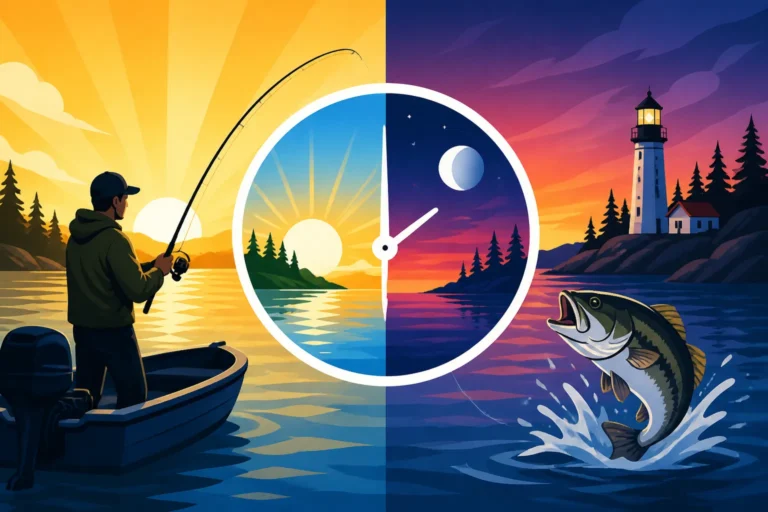
There's something truly magical about fishing under the cloak of night in Maine. The air is cooler, the sounds are different, and the solitude can be incredibly peaceful. But let's be honest, it also presents a whole new set of challenges: suddenly, everything you took for granted during the day – seeing your line, tying a knot, even just walking to your spot – becomes a struggle. Fumbling in the dark can turn a relaxing evening into a frustrating, even dangerous, ordeal. This guide is all about equipping you with the right gear to conquer those nocturnal challenges, ensuring your Maine night fishing adventures are both successful and safe.
Shedding Light on the Darkness: Essential Illumination Gear
When the sun dips below the horizon, your most critical pieces of equipment become those that help you see. This isn't just about spotting your bobber; it's about navigating uneven terrain, tying intricate knots, unhooking a feisty fish, and ensuring you don't step on something you shouldn't. Proper lighting transforms your night fishing experience from a stressful guessing game into a focused, enjoyable pursuit.
The Indispensable Headlamp: Hands-Free Vision
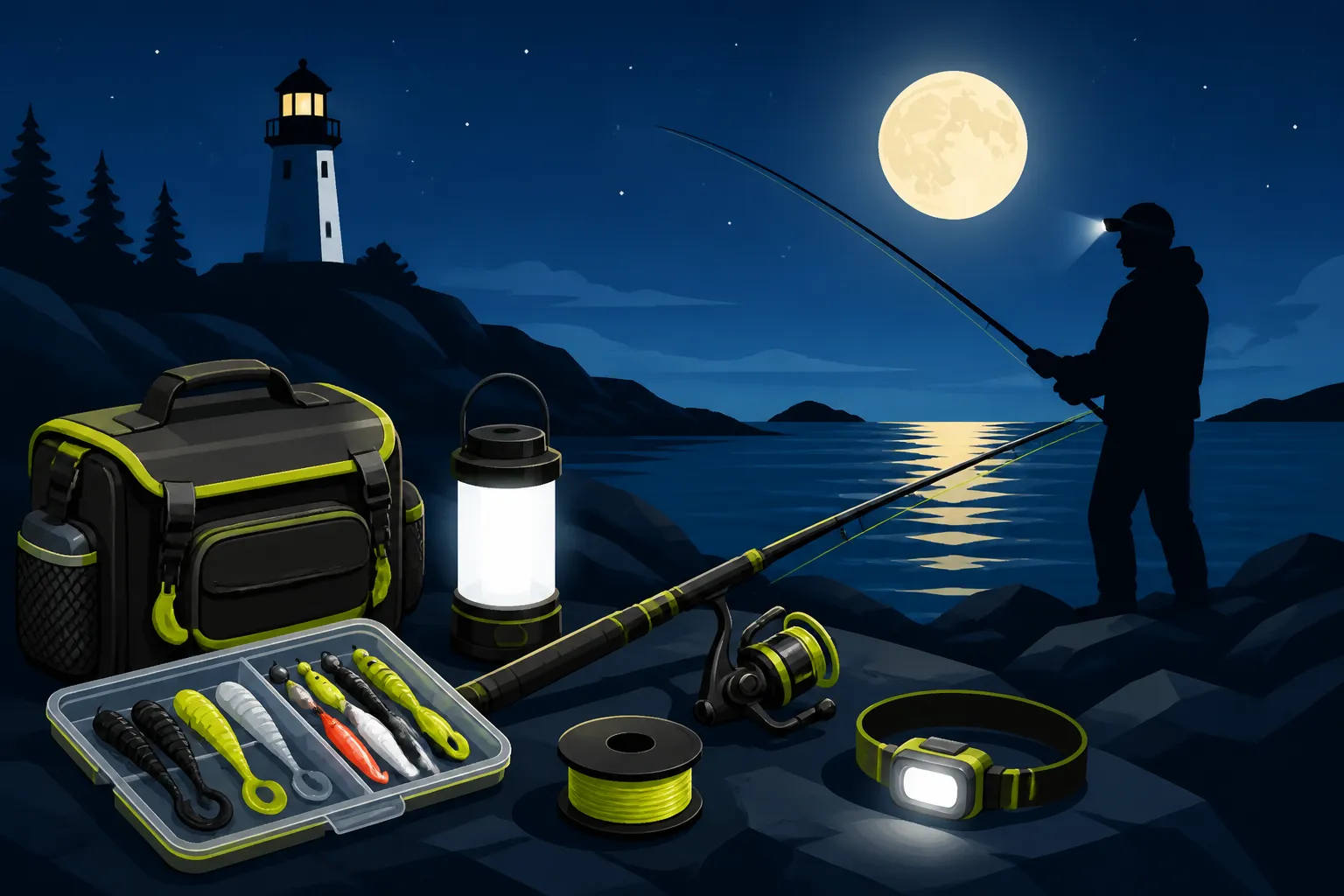
Forget fumbling with a flashlight clutched in your teeth or under your arm—a headlamp is non-negotiable for night fishing. It provides illumination exactly where you're looking, keeping your hands free for critical tasks like baiting a hook, re-tying a leader, or handling a lively fish. This hands-free operation is paramount, especially when working with sharp hooks or squirming bait.
When choosing a headlamp, consider a few key features. Look for one with adjustable brightness settings, so you can switch from a low glow for subtle tasks to a powerful beam for navigating back to shore. A red-light mode is incredibly useful; it preserves your night vision, which is crucial when you need to switch between looking at your tackle and scanning the dark water. White light, especially bright white light, can temporarily impair your ability to see in the dark once it's turned off, making it harder to spot subtle bites or hazards. Rechargeable batteries are a huge plus, but if you opt for disposable, always carry spares. You can find a wide selection of durable, waterproof headlamps with red-light features on Amazon, perfect for a long night on the water.
Area Lighting Solutions: Lanterns and Boat Lights
While your headlamp is your personal spotlight, sometimes you need broader illumination for your immediate area. This is where lanterns and boat lights come into play. A small, portable LED lantern can be a game-changer when you're setting up camp on shore, preparing a snack, or just want to see your immediate surroundings without constantly turning your head. Many modern lanterns are rechargeable and offer various brightness levels, even color-changing options. Some even double as power banks for charging other devices.
If you're fishing from a boat, proper lighting isn't just convenient; it's often a legal requirement and a critical safety measure. Navigation lights (red and green on the bow, white on the stern) are essential for avoiding collisions, particularly on larger lakes like Sebago Lake or Moosehead Lake where other boaters might be out. Beyond navigation, consider adding a small deck light or a flexible LED strip to illuminate your working area without blinding you or your fishing partners. These extra lights can make all the difference when you're trying to locate a specific lure or untangle a mess of line under the stars. Remember to always consult the Maine Fishing Regulations Explained for specific rules on boat lighting, especially if you plan to venture out after dark.
Specialty Lights: Enhancing Your Setup
Beyond general illumination, there are a few specialty lights that can genuinely enhance your night fishing experience. One popular option is a light-up bobber. These tiny wonders allow you to easily track your bait even in pitch black conditions. They come in various styles, from those that glow steadily to others that flicker when a fish bites, giving you an unmistakable visual cue that it's time to set the hook.
Another clever piece of gear is a black light (UV light). Many soft plastics and some hard lures are designed to react under UV light, making them glow vibrantly. Shining a black light on your lure before casting can significantly increase its visibility and appeal to fish in murky or dark waters. It's a subtle trick that can sometimes make a big difference, especially when you're targeting species that rely heavily on visual cues. Some anglers even use small LED lights that clip onto their rod tips, providing an immediate, subtle alert to a bite.
Tackle Box Overhaul: Gear Built for the Night
Night fishing isn't just about seeing; it's also about feeling and attracting. The subtle nuances of presenting bait, detecting a soft bite, and managing your tackle become amplified in the dark. Your standard daytime gear might work, but optimizing your tackle for low-light conditions can give you a significant edge.
Rods, Reels, and Line: Sensing the Subtle Bites
When you can't see your line twitch, you rely even more heavily on your sense of feel. This means selecting rods with sensitive tips that can transmit the slightest tap directly to your hands. Graphite rods are often preferred for their sensitivity. For reels, smooth operation is key; you don't want any grinding or sticking when you're trying to feel for a bite or fight a fish in the dark.
Your fishing line also plays a crucial role. While visibility isn't an issue for you in the dark, line memory and stretch can affect how well you feel those subtle takes. Many anglers opt for braided line, known for its minimal stretch and excellent sensitivity, allowing them to feel even the most tentative nibbles. If you prefer monofilament or fluorocarbon, consider lines designed for low memory to reduce coiling and tangles, which are extra frustrating when you can't see them clearly. Some lines even come with UV properties that glow faintly under a black light, which can be helpful if you want to quickly locate your line in the dark when you're shining your headlamp on it. This combination of sensitive gear and responsive line allows you to connect with more fish, even when they're biting shyly. For details on how many lines you can fish with, check out Maine Open Water Line Limits.
Baits and Lures That Shine After Dark
This is where night fishing gets really fun and creative. While scent and vibration are always important, visual attraction can still play a big part after sunset. Many companies make specialized baits and lures designed to be effective in low light.
- Glow-in-the-Dark Lures: These are perhaps the most obvious choice. Soft plastics, spoons, jigs, and even some crankbaits are available in glow-in-the-dark versions. The key is to "charge" them with a bright light (your headlamp or a dedicated UV flashlight) before casting. The glow can last anywhere from a few minutes to an hour, depending on the lure. This can be particularly effective for species like landlocked salmon or togue that might be hunting in deeper, darker water even during the day, let alone at night.
- Scented Baits and Attractants: When visual cues are limited, scent becomes even more paramount. Live bait like shiners or worms are always a strong choice. For artificials, consider using scented soft plastics or adding liquid attractants to your lures. Fish have an incredible sense of smell, and a strong scent trail can draw them in from a distance, compensating for the lack of visual appeal. Learning about Best Bait for Maine Ice Fishing can give you some great ideas for general low-light conditions, even in open water.
- Lures with Rattle or Vibration: Sound and vibration are huge in dark water. Lures with internal rattles, spinner blades, or unique swimming actions that create strong vibrations can be incredibly effective. These create a "dinner bell" effect, alerting fish to their presence even when they can't see them. Crankbaits, chatterbaits, and some jigs fall into this category.
Experimentation is key here. What works on one lake or river might not work on another, or for a different target species. Don't be afraid to try different combinations of glow, scent, and sound.
Tackle Management: Staying Organized in the Gloom
One of the biggest frustrations of night fishing is fumbling through a disorganized tackle box. Imagine trying to find a specific jig or re-tie a leader when you can barely see what you're doing. A well-organized tackle system becomes even more important after dark.
Consider tackle boxes with clear lids or compartments, so you can quickly identify contents with a quick glance from your headlamp. Even better, some tackle storage solutions feature built-in LED lights, making it incredibly easy to find what you need. Before you head out, pre-rig some leaders, tie on a few common lures, and organize your most-used items in easily accessible trays or pockets. Use small, labeled containers for hooks, weights, and swivels. Magnetic trays can be a lifesaver for keeping small metal components from scattering into the abyss. Every minute you spend fumbling is a minute you're not fishing, or worse, a minute you're losing precious gear in the dark.
Prioritizing Safety and Comfort on Your Night Excursion
Fishing at night in Maine can be an incredible experience, but it also carries inherent risks that daytime excursions don't. From navigating unfamiliar terrain to dealing with rapidly changing weather, safety and comfort should always be at the forefront of your planning.
Navigating the Night: GPS and Communication
Disorientation can happen quickly in the dark, even in familiar surroundings. What looks like a clear path by day can become a maze of obstacles at night. A reliable GPS device or a mapping app on your smartphone is an absolute must. Mark your entry and exit points, as well as any known hazards like submerged rocks, shallow areas, or steep banks. It’s also wise to study your route during daylight hours, making mental notes of landmarks that might still be visible under moonlight or with a strong headlamp beam.
Beyond navigation, a fully charged cell phone is crucial for communication, but don't rely solely on it. Consider carrying a small, waterproof VHF radio, especially if you're on a larger body of water or in a remote area where cell service might be spotty. Let someone know where you're going and when you expect to return. This "float plan" is a simple but vital safety precaution. If you're fishing alone, these communication tools become even more critical for your Safety Tips for Fishing Alone in Maine. Also, remember to review the Maine Fishing Laws for Beginners as some specific waters might have unique nighttime restrictions.
Staying Warm and Dry: Layering for Maine Nights
Even on a warm summer day, Maine nights can get surprisingly chilly, especially by the water. Add a breeze or some dampness, and you'll be shivering in no time. Proper layering is essential to maintain your comfort and prevent hypothermia, which is a serious risk.
Start with a moisture-wicking base layer to draw sweat away from your skin. Next, add an insulating layer like fleece or wool to trap body heat. Finally, an outer shell that is both waterproof and windproof will protect you from the elements. Look for gear specifically designed for outdoor activities, as it tends to be more breathable and durable. A good pair of waterproof boots and warm socks are also crucial, as cold, wet feet can quickly ruin any outing. Don't forget a warm hat and gloves; a significant amount of body heat is lost through your head and extremities. Even if you think it's warm enough, always pack an extra layer – it's far better to have it and not need it than to need it and not have it. This philosophy is especially true when thinking about What to Wear Ice Fishing in Maine Winters, which shares many layering principles with cool-weather night fishing.
First Aid and Emergency Preparedness
Accidents happen, and they're always more challenging to deal with in the dark. A comprehensive first-aid kit is non-negotiable. It should include basics like bandages, antiseptic wipes, pain relievers, and any personal medications. Beyond that, consider items specific to fishing injuries: tools for removing hooks (pliers, clippers), something to staunch bleeding, and even super glue for minor cuts.
Beyond cuts and scrapes, be prepared for more serious situations. Carry a whistle to signal for help. A small fire-starting kit (waterproof matches, lighter, fire starter) could be vital in a survival situation. A multi-tool with pliers and a knife will be invaluable for a variety of tasks. And never underestimate the power of a fully charged power bank for your phone or other electronic devices. Remember that planning your trip by understanding the Maine Fishing Season Dates Guide can help you anticipate weather patterns and prepare accordingly.
Beyond the Basics: Clever Additions for Night Anglers
While illumination, specific tackle, and safety gear form the backbone of a successful night fishing trip, a few additional items can significantly enhance your convenience and overall enjoyment. These are the "nice-to-haves" that quickly become "can't-do-withouts."
Handling Your Catch in the Dark
Landing a fish in the dark can be a tricky proposition. Without clear visibility, it's easy to spook the fish at the last moment or, worse, to miss with your net and lose your prize. A landing net with a dark, rubberized mesh is ideal; the dark color is less likely to spook fish than bright colors, and the rubberized mesh is gentler on the fish's slime coat, making for healthier releases if you're practicing catch and release. Plus, hooks rarely get tangled in rubber, which is a huge bonus when visibility is low.
Once you've landed your fish, you'll need a way to unhook it safely and efficiently. Long-nose pliers or a dedicated hook remover are essential, as they allow you to safely extract hooks without getting your fingers too close to sharp teeth or gill rakers. For quick measurements, consider a measuring board with glow-in-the-dark markings or one that’s easy to illuminate with your headlamp. A small, portable scale can also be handy if you're keen on weighing your catches, but make sure it has a backlight display. Quick and efficient handling minimizes stress on the fish and gets you back to fishing faster.
Securing Your Gear and Valuables
It's easy to misplace items in the dark, especially small tools or personal valuables. Consider using lanyards or retractable tethers for essential tools like pliers, clippers, and your headlamp. This keeps them readily accessible and prevents them from falling into the water or getting lost in the underbrush.
For your phone, keys, wallet, and any other items you can't afford to get wet or lost, a small, waterproof dry bag or a secure, waterproof tackle box compartment is a smart investment. These can be easily stashed in a backpack or clipped to your vest. If you're using a kayak for night fishing, a waterproof hatch or a stern storage area with a bungee cord is vital. Ensuring your valuables are secure and dry gives you one less thing to worry about, allowing you to focus on the fishing. For tips on how to prepare for this type of adventure, consider reading How to Fish From a Kayak Safely.
Portable Power and Charging Solutions
Modern fishing often involves a host of electronic devices: headlamps, fish finders, phones, lanterns, and even electric reels. All of these require power, and the last thing you want is to run out of juice in the middle of a productive night bite. A robust portable power bank is an invaluable piece of gear. Look for one with a high capacity (measured in mAh) and multiple USB ports so you can charge several devices simultaneously.
Some power banks also feature built-in flashlights, adding another layer of utility. Make sure your power bank is fully charged before you leave home, and consider carrying the appropriate charging cables for all your devices. For longer trips, a solar charger might even be a consideration, though their effectiveness at night is, of course, limited to daylight charging. Having a reliable power source ensures your essential electronics remain operational throughout your night fishing adventure.
Summary of Night Fishing Gear
To help you get organized for your next nocturnal angling adventure in Maine, here's a quick overview of the essential gear categories and key items to consider. This table breaks down the core needs, the specific items that meet those needs, and a brief note on their importance.
| Category | Essential Gear Items | Why It's Crucial for Night Fishing |
|---|---|---|
| Illumination | Headlamp (with red light mode) | Hands-free, preserves night vision, critical for all tasks |
| Area Lantern / Boat Lights | Broad visibility for campsite/deck, safety on water | |
| Specialty lights (bobbers, UV flashlight) | Enhances lure visibility, bite detection | |
| Tackle & Detection | Sensitive Rod (graphite), Smooth Reel | Better feel for subtle bites in low visibility |
| Low-stretch/Sensitive Line (braid) | Maximizes bite transmission to angler | |
| Glow-in-the-dark lures, Scented Baits, Rattles | Attracts fish when visual cues are limited | |
| Organized Tackle Box (clear/lit compartments) | Prevents fumbling, quick access to gear | |
| Safety & Comfort | GPS/Mapping App, Charged Phone, VHF Radio | Navigation, emergency contact, communication in remote areas |
| Layered Clothing (wicking, insulation, waterproof shell) | Protects against cold, dampness, wind; prevents hypothermia | |
| Waterproof Boots, Warm Hat & Gloves | Keeps extremities warm and dry | |
| Comprehensive First-Aid Kit | Addresses injuries efficiently in low light | |
| Multi-tool, Whistle, Fire Starter | Emergency preparedness, general utility | |
| Accessories | Landing Net (dark, rubberized mesh) | Safe, gentle fish handling; prevents snags |
| Long-nose pliers / Hook Remover | Safe hook extraction | |
| Measuring Board (glow-in-dark/easy-read) | Accurate fish measurement in dark | |
| Dry Bag / Waterproof Container for Valuables | Protects phone, keys, wallet from water and loss | |
| Portable Power Bank & Cables | Ensures electronic devices remain charged | |
| Lanyards/Tethers for Tools | Prevents loss of small, essential items |
Investing in the right gear for night fishing isn't just about catching more fish; it's about making your experience safer, more comfortable, and ultimately, more enjoyable. The peace and quiet of a Maine night on the water, with the stars overhead and the anticipation of a bite, is truly something special. With this gear in your arsenal, you'll be well-prepared to embrace the darkness and make some unforgettable memories. Remember to always have your Maine Fishing License Guide handy and be aware of any specific regulations that might apply to night fishing in your chosen body of water.
Disclaimer
This article is for general informational purposes only and does not constitute professional advice. Laws, prices and regulations vary by location and change over time. Consult a qualified professional for guidance on your specific situation.