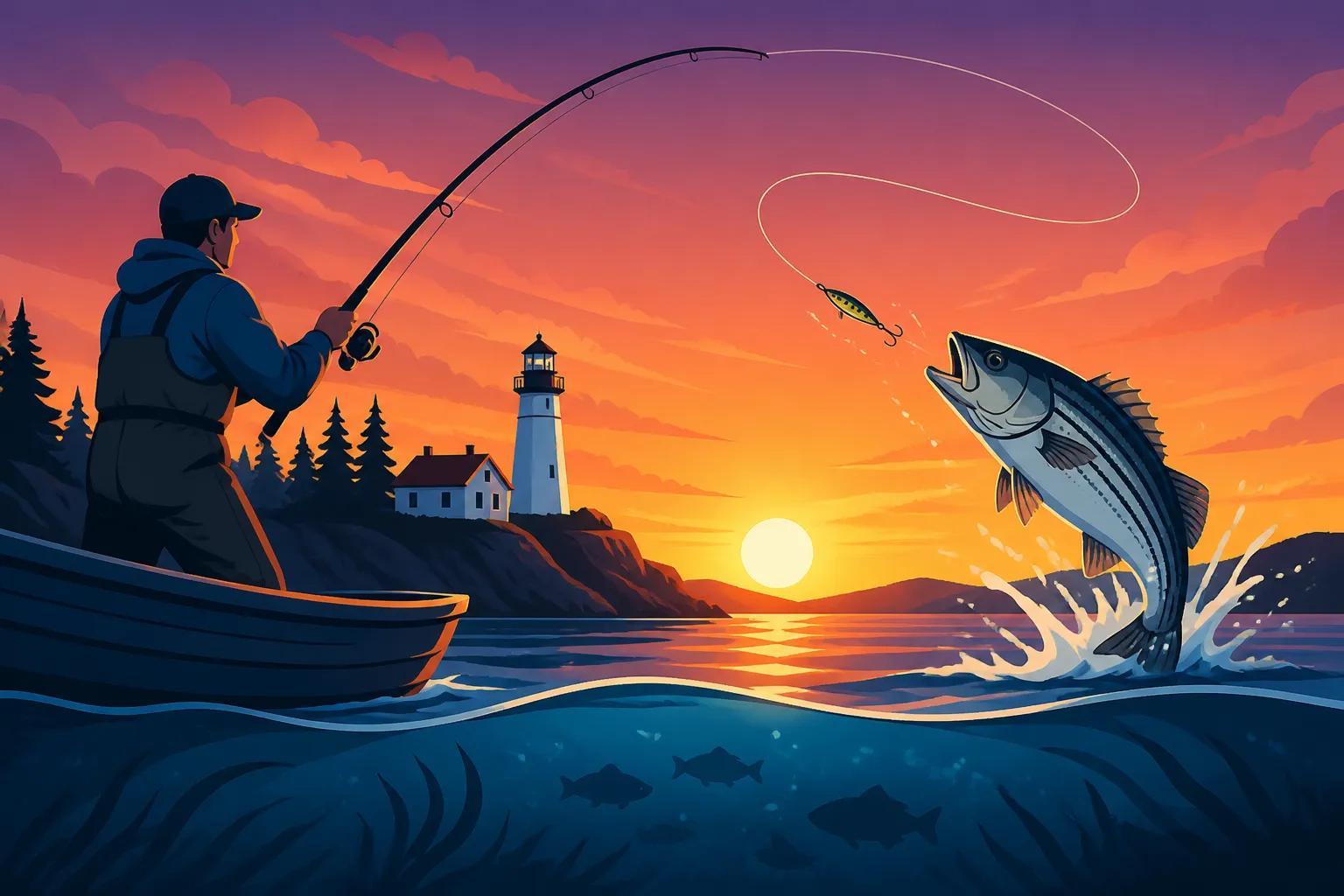
Best Evening Fishing Techniques
Feeling like your daytime fishing trips in Maine aren't quite hitting the mark? Maybe the sun's too high, the crowds are too thick, or the fish just aren't biting when everyone else is out. If you're tired of those slow, mid-day lulls and yearn for a more peaceful, often more productive angling experience, then stepping out as the day winds down could be your secret weapon. This guide will dive deep into the best evening fishing techniques, helping you unlock the twilight bite and truly enjoy the serene beauty of Maine's waters after dark.
Why Evening Fishing is a Game Changer
There's a certain magic that descends upon Maine's lakes, rivers, and coastal waters as the sun dips below the horizon. It's not just the stunning colors painting the sky; it's a fundamental shift in the environment that can turn a challenging day of fishing into an unforgettable evening. Many anglers shy away from the twilight hours, intimidated by the darkness, but they're missing out on some of the most consistent action of the day.
The Shifting Behavior of Fish at Dusk
Think about it: during the bright, often warm daylight hours, many fish species, especially the bigger, smarter ones, tend to retreat to deeper, cooler water or seek heavy cover. They're trying to avoid predators (including us anglers!) and escape the harsh sunlight. But as evening approaches, everything changes. The light fades, making them feel safer and more confident venturing into shallower feeding grounds. The water temperature might drop slightly, stimulating their metabolism, and the overall ambient light reduction makes their eyes more effective, giving them an advantage over their prey, which might be less accustomed to the low light.
This is when the hunting really begins. Species like bass, trout, and salmon, which might have been sluggish during the day, suddenly become incredibly active. They'll cruise the edges, submerged weed lines, and rocky structures, looking for a meal. For striped bass along the coast, the falling tide and receding light often trigger aggressive feeding frenzies as they ambush baitfish. Understanding this shift in behavior is the first step to truly mastering evening fishing. It's about being there when the fish decide it's time to eat, and often, that's precisely when the day anglers are packing up.
Escape the Crowds, Embrace the Calm
One of the often-overlooked benefits of evening fishing is the profound sense of peace and solitude it offers. During peak daylight hours, especially on popular lakes and coastal spots, you can find yourself competing with dozens of other boats, kayaks, and shore anglers. Ramps are busy, favorite spots are taken, and the constant hum of motors or splashing of other lines can easily spook fish. It can feel less like a relaxing escape and more like a crowded amusement park ride.
When you venture out in the evening, that all changes. The pleasure boats head in, the swimmers leave the beaches, and the general hustle and bustle fade away. What you're left with is the gentle lapping of water, the calls of evening birds, and the occasional splash of a feeding fish. This tranquility isn't just good for the soul; it's fantastic for fishing. Less noise and fewer disturbances mean fish are often less wary and more likely to strike. It allows you to focus, observe, and connect with the environment in a way that's often impossible during the day. This calm atmosphere also means you can often have prime fishing grounds all to yourself, allowing you to thoroughly work an area without interruption.
Essential Gear and Preparation for Low-Light Conditions
Stepping out onto the water as darkness falls requires a bit more thought and preparation than a midday jaunt. The key is to anticipate the challenges of reduced visibility and ensure you have the right tools and safety measures in place. Skimping on these essentials isn't just uncomfortable; it can be genuinely dangerous. Nobody wants to be fumbling around in the dark, tying knots by feel, or worse, navigating unfamiliar waters without proper lighting.
Essential Lighting and Visibility Tools
Your most important piece of gear for evening fishing, beyond your rod and reel, is reliable lighting. A quality headlamp is absolutely non-negotiable. Look for one with a red light setting; red light preserves your night vision and is much less likely to spook fish than a bright white beam. Many anglers find great options for these on Amazon, offering different brightness levels and battery life. It allows you to keep both hands free for tying knots, unhooking fish, or baiting your line, which is invaluable when you can't see a thing. Always carry extra batteries, or better yet, a fully charged spare headlamp.
Beyond your personal lighting, if you're fishing from a boat, proper navigation lights are a legal requirement and a critical safety feature. Ensure your bow and stern lights are working perfectly before you even consider launching. A small, powerful spotlight or floodlight can also be incredibly useful for spotting hazards, navigating back to the ramp, or locating a buoy in the dark. For shore anglers, a lantern can provide ambient light for your immediate area, making it easier to organize tackle, but keep it low and out of the water if you're trying to avoid spooking fish. Consider wearing light-colored clothing or even reflective patches so you're more visible to others, especially if fishing near boat traffic.
Line, Lures, and Baits for Dim Light
When fishing in low light, visibility for you is poor, but it's also often poor for the fish. This means your lure and bait choices need to be optimized for their senses beyond just sight.
- Lures:
- Dark Silhouettes: Darker colors like black, blue, or purple often create a more distinct silhouette against the dimmer sky or water, making them easier for fish to detect.
- Vibration and Sound: Lures that create a lot of vibration or sound are incredibly effective. Think about spinnerbaits with large blades, crankbaits with internal rattles, or topwater lures that make a commotion. These appeal to a fish's lateral line, which is highly sensitive to vibrations.
- Glow-in-the-Dark/UV: For very deep or very dark conditions, lures with glow-in-the-dark paint or UV-reactive properties can be excellent. While fish may not see "color" in the traditional sense in the dark, the unique light emission can attract attention. You can find specialized jigs and soft plastics designed for this on Amazon.
- Baits:
- Scent is Key: Live baits like nightcrawlers, shiners, or cut bait become even more effective in the evening because their natural scent trail is a powerful attractant. Many artificial baits are also infused with strong scents now.
- Larger Profiles: Sometimes, a slightly larger bait or lure can present a more substantial target that fish are less likely to miss in the dark.
For your fishing line, while color might be less critical than in bright daylight, durability and casting performance remain paramount. You might consider a slightly heavier monofilament or fluorocarbon leader for abrasion resistance, especially if fishing around submerged structure that's hard to see. Maine Open Water Line Limits or Maine Ice Fishing Line Limits will offer more insights on specific rules.
Safety First: Preparing for the Dark
Safety is paramount when fishing after dark. The serene beauty can quickly turn into a dangerous situation if you're not prepared.
- Floatation Devices: Always wear a PFD (Personal Flotation Device), even if you're a strong swimmer. Accidents happen fast, and in the dark, help might be harder to find. If you're in a boat, make sure everyone on board has a properly fitting PFD.
- Communication: Carry a fully charged cell phone in a waterproof case. For more remote areas, consider a satellite messenger device. Let someone know where you're going and when you expect to return. This is crucial whether you're alone or with a group, as discussed in Safety Tips for Fishing Alone in Maine.
- Navigation: If boating, ensure you have reliable GPS or a chart plotter, and know how to use it in the dark. Mark your launch point and any potential hazards. Even for shore fishing, knowing your surroundings during the day can prevent a nasty fall or getting lost on unfamiliar terrain.
- First Aid: A basic first-aid kit is always a good idea, complete with bandages, antiseptic wipes, pain relievers, and any personal medications. In the dark, small cuts or scrapes are harder to see and treat.
- Warmth and Hydration: Even on warm summer days, evenings in Maine can get surprisingly chilly, especially on the water. Bring extra layers of clothing, a waterproof jacket, and plenty of water or a warm drink in a thermos. Hypothermia is a real risk.
By taking these precautions, you ensure that your evening fishing adventure remains enjoyable and safe for everyone involved.
Targeting Maine's Prized Species at Twilight
Maine boasts an incredible diversity of fish, and many of our most sought-after species become particularly active and accessible during the evening hours. Understanding their specific twilight tendencies can significantly boost your success rate. From the elusive landlocked salmon to the feisty smallmouth bass, each offers a unique challenge and reward under the fading light.
Brook Trout and Landlocked Salmon After Hours
For many anglers, the thought of Maine fishing immediately brings to mind brook trout and landlocked salmon. These cold-water species, often shy during bright daylight, frequently move into shallower feeding lanes as the evening progresses.
- Brook Trout: In streams and rivers, brook trout will often emerge from under rocks, undercut banks, and deep pools to feed on insects hatching near the surface or small baitfish in the riffles. Fly fishing with dark-patterned dry flies or small streamers can be incredibly effective right at dusk and into the early night. For those using spinning gear, small spinners with dark blades or tiny stickbaits mimicking minnows can draw aggressive strikes. In ponds and lakes, brook trout will push into shallower weed lines and near shore structures, especially if there's a good insect hatch or baitfish schooling. Brook Trout Daily Bag Limits details specific regulations you'll need to know.
- Landlocked Salmon: These magnificent fish are often found deeper during the day, but as twilight approaches, they too will ascend in the water column, frequently chasing baitfish like smelt. Trolling with smelt-imitating lures (like Rapalas or spoons in dark or natural patterns) at shallower depths than you might during the day can be highly productive. For shore anglers or those in smaller boats, casting these lures towards points, drop-offs, or areas where tributaries enter the lake can yield fantastic results. Pay close attention to current seams and areas where baitfish might congregate, as salmon will be actively hunting. For deeper dives into their habits, you can learn about Landlocked Salmon Size and Bag Limits in Maine and Best Time of Year to Catch Landlocked Salmon in Maine.
Bass Bonanza in the Twilight
Both smallmouth and largemouth bass are notorious for their evening feeding sprees. If you've ever struggled to catch them during the sun's peak, the evening might just be your golden hour.
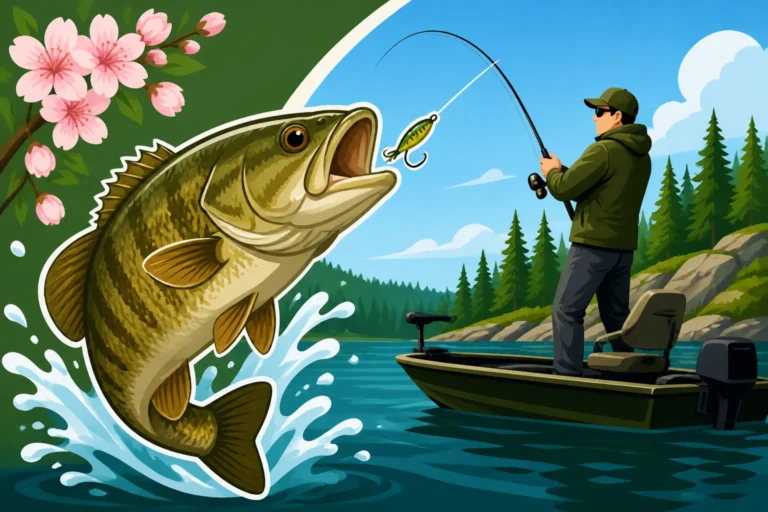
- Smallmouth Bass: These hard-fighting fish are true opportunists and often become incredibly aggressive as the light fades. They'll move from deeper rock piles and ledges onto shallower flats, rocky points, and submerged timber. Topwater lures like poppers, walking baits, and buzzbaits become phenomenal at dusk. The distinct "bloop," "walk," or "buzz" across the surface is irresistible to a hungry smallmouth in low light. If topwater isn't getting strikes, try suspending jerkbaits or spinnerbaits worked slowly over structure. They rely heavily on vibration and silhouette, making these lures perfectly suited. Check out Maine Bass Fishing Limits by Zone before you head out.
- Largemouth Bass: Largemouth bass in Maine's weedy ponds and shallow lakes absolutely thrive in the low-light conditions of evening. They'll ambush prey from dense cover. Frogs, soft plastic worms, and jigs fished slowly around lily pads, heavy weed beds, and fallen trees are prime targets. The key is to present your lure quietly and accurately, letting it land softly near cover. As with smallmouth, topwater lures can be explosive, particularly over open water pockets within weed beds. They become less wary and more willing to chase a meal that they might have ignored during the bright parts of the day. For more on their summer habits, see How to Fish for Smallmouth Bass in Summer Heat.
Striped Bass Under the Stars
For those who venture to Maine's coastline, evening and night fishing for striped bass is a tradition for good reason. Stripers are famously nocturnal, often feeding much more actively after sunset than during the day.
- Coastal Action: As the sun dips, striped bass move into shallow estuaries, tidal rivers, and along rocky coastlines, preying on baitfish, crabs, and eels. This is when they become incredibly accessible to shore anglers and those in smaller boats.
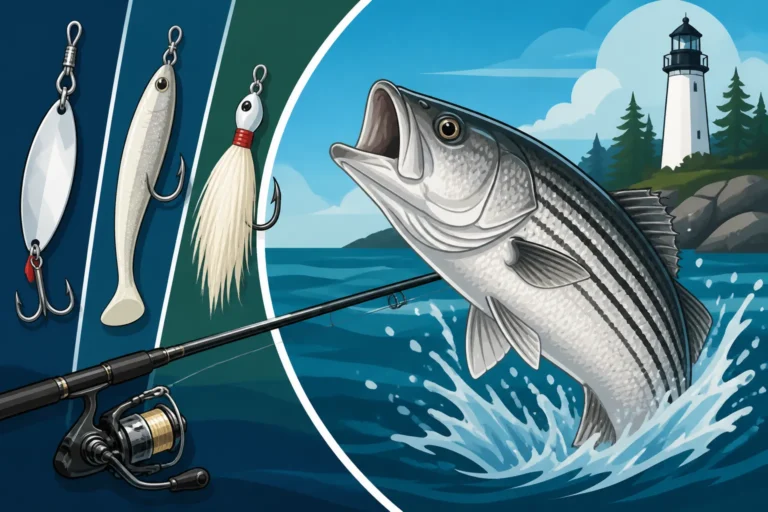
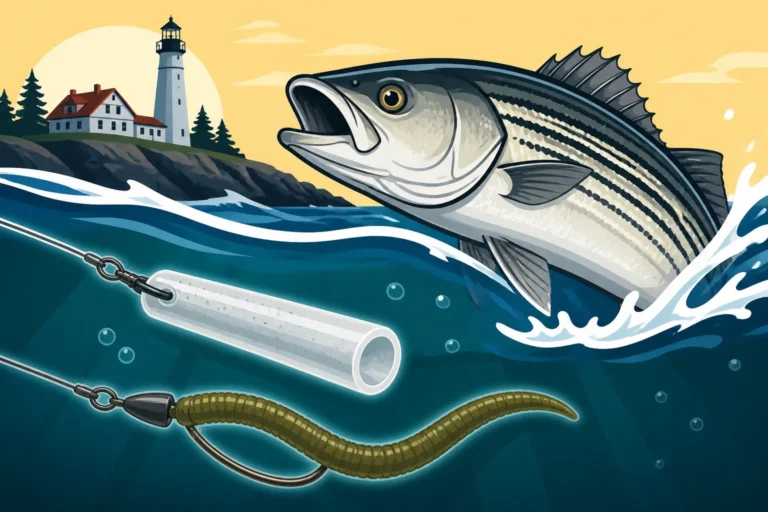
- Lure Selection: Large soft plastic paddle tails, swimming plugs (especially darker colors), and bucktail jigs are mainstays. The key is to mimic the local bait. Many anglers swear by casting eel imitations or large, dark soft plastics that create a strong silhouette and vibration in the water. Topwater plugs can also be incredibly exciting, as a large striper blowing up on a surface lure in the dark is an unforgettable experience.
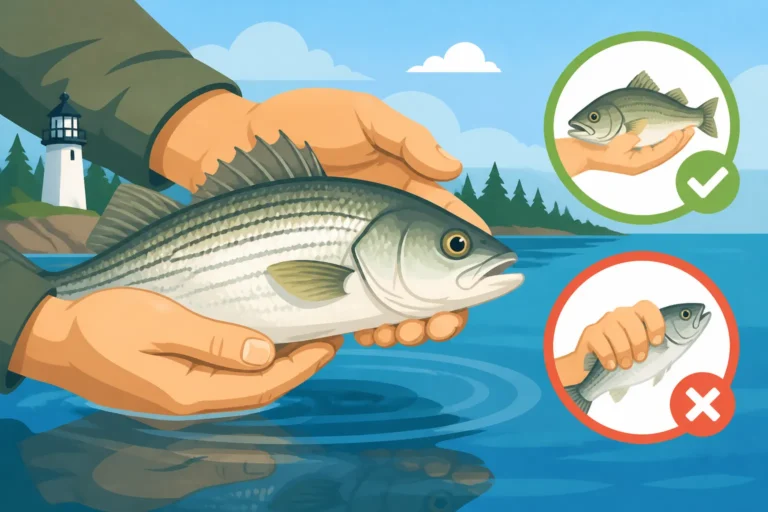
- Tidal Influence: Pay close attention to the tides. Often, the incoming or outgoing tide around dusk or dawn can create strong currents that funnel baitfish and concentrate stripers. Fishing around rocky points, jetties, and bridge pilings where current creates eddies or ambush points can be incredibly productive. For detailed regulations, consult Maine Striped Bass Season and Limits and Maine Striped Bass Slot Limit Explained. Fishing at night requires even more caution, especially around slippery rocks or strong currents, so always prioritize safety and consider fishing with a buddy.
Practical Tips for a Successful Evening Out
Beyond the right gear and knowing your target species, there are several practical considerations that can turn a good evening fishing trip into a truly great one. Many of these tips revolve around preparedness and respect for the environment and other anglers. Even in the quiet of the evening, being mindful can make all the difference.
Scouting During Daylight Hours
One of the best pieces of advice for evening fishing is to do your homework during the day. If you're going to a new spot, or even a familiar one you haven't fished at night, take some time while it's still light to observe and plan.
- Identify Key Structures: Look for submerged rocks, weed lines, fallen trees, drop-offs, and points that fish might relate to. These are the areas where fish will likely move to feed as the light fades. Note their exact locations relative to landmarks on shore.
- Observe Baitfish Activity: Are minnows schooling near the surface? Are there any signs of insect hatches? Knowing what the natural food sources are doing will inform your lure and bait choices.
- Check Access and Hazards: Identify your entry and exit points clearly. Are there any slippery banks, hidden stumps, or shallow spots you need to be aware of? This reconnaissance is vital for safe navigation in the dark. Mentally (or physically, if safe) map out your path to and from the water. It’s much easier to avoid tripping over roots or stepping into a soft patch of mud when you’ve already seen it.
- Study the Water: Understanding Reading Lake Structure for Maine Bass or how specific currents work in a river can provide immense advantages once the visibility drops.
Noise and Light Discipline
While the quiet of evening fishing is one of its biggest draws, it also means any unnatural disturbances you create will stand out even more. Fish are highly sensitive to sudden sounds and lights, especially in calm, clear water.
- Keep it Quiet: Avoid slamming tackle box lids, dropping oars, or talking loudly. Move stealthily, especially if you're wading or in a kayak. Even the sound of a boat motor starting or stopping can send fish scattering if you're too close.
- Minimize Artificial Light: This is where that red light setting on your headlamp becomes crucial. Use white light only when absolutely necessary (e.g., untangling a severe backlash or cleaning a fish, far from your fishing spot). Avoid shining bright lights directly into the water you're fishing. Fish will be able to see the beam and will likely vacate the area quickly. If you're fishing from shore, position your lantern away from the water's edge if possible, creating a softer ambient light for your station without polluting the water.
- Gentle Presentations: When casting, aim for soft, accurate presentations. A loud splash from a heavy lure can be just as alarming as a shout. The calmer the environment, the more sensitive the fish become, so make your presence known as little as possible.
Weather Watch and Adaptability
Evenings in Maine can be unpredictable, and weather conditions can change quickly. Being prepared for shifting elements is part of being a responsible angler.
- Monitor Forecasts: Always check the weather forecast before heading out. Pay attention to wind speed and direction, potential for rain or thunderstorms, and temperature drops. A calm evening can turn windy and choppy very quickly on a large lake or off the coast.
- Dress in Layers: As mentioned earlier, layering is key. Even if it's warm at sunset, the temperature can plummet after dark. Bring waterproof outerwear in case of unexpected showers. You'll thank yourself for having that extra fleece when the evening chill sets in.
- Be Flexible: If the wind picks up, or an unexpected storm rolls in, don't be afraid to change your plans or cut your trip short. No fish is worth risking your safety. Sometimes, a change in weather can even change fish behavior – a slight drizzle might increase feeding activity, while a sudden cold front can shut it down. Being able to adapt your techniques, or even your location, based on these changes is a mark of an experienced evening angler. For more on how weather affects fishing, consult How Wind Affects Lake Fishing or How Barometric Pressure Affects Fish Behavior.
By incorporating these evening fishing techniques into your routine, you'll not only enhance your chances of catching more fish but also experience the stunning beauty and tranquility that Maine's waters offer after the crowds have gone home.
| Species | Prime Evening Time | Recommended Lures/Baits | Key Feature to Target |
|---|---|---|---|
| Brook Trout | Dusk to Early Night | Dark Dry Flies, Small Spinners, Worms | Stream Riffles, Weed Lines |
| Landlocked Salmon | Dusk, Before Moonrise | Smelt-imitating Plugs, Spoons (dark/natural) | Drop-offs, Tributary Mouths |
| Smallmouth Bass | Dusk, Early Evening | Poppers, Walking Baits, Dark Spinnerbaits | Rocky Points, Shallow Flats |
| Largemouth Bass | Dusk to Mid-Evening | Frogs, Soft Plastic Worms, Jigs | Lily Pads, Heavy Weed Beds |
| Striped Bass | Dusk, All Night | Large Soft Plastics, Swimming Plugs, Eels | Estuaries, Jetties, Rocky Shores |
This article is for general informational purposes only and does not constitute professional advice. Laws, prices and regulations vary by location and change over time. Consult a qualified professional for guidance on your specific situation.