Best Early Morning Fishing Techniques
It’s a frustrating feeling, isn't it? You head out to your favorite Maine fishing spot in the middle of the day, excited for a relaxing few hours, only to find the fish seemingly have lockjaw. The sun is high, the water is calm, and yet, nothing. Many anglers experience this, and it often comes down to timing. Fish, like many wild creatures, have prime feeding windows, and in Maine, the early morning often unlocks some of the most incredible action you can imagine. This guide is all about helping you understand and master the art of early morning fishing, ensuring your efforts at first light lead to more bending rods and memorable catches.
Why Early Morning Fishing is a Game-Changer in Maine
There’s a reason dedicated anglers are willing to set their alarms for ungodly hours, pulling on their waders or launching their boats before the sun even thinks about peaking over the horizon. Early morning fishing isn't just a tradition; it's rooted in the biological rhythms of fish and the environmental conditions that prevail at dawn. Understanding these factors can give you a significant edge, turning a slow day into a stellar one.
The Golden Hour: Light and Temperature Advantages
As the sun begins its ascent, casting those soft, golden hues across the water, a magical transformation occurs. This "golden hour" isn't just beautiful; it's biologically significant for fish. For many species, especially our beloved trout, salmon, and bass, low light conditions provide a natural advantage. Their eyes are often more adapted to dimmer light than their prey's, making them more effective hunters. Imagine stalking through a dimly lit forest – you'd feel much more confident if your vision was superior to whatever you were hunting. It’s the same for fish.
Beyond visibility, water temperature plays a crucial role. Overnight, the water cools, especially during the warmer months of late spring, summer, and early fall. As the first rays of sun hit the surface, the water is at its coolest point, or just beginning to warm up. This temperature shift stimulates fish metabolism, prompting them to feed more actively after a cooler night. Cold-blooded creatures like fish are directly influenced by water temperature, and that slight rise or optimal coolness at dawn can trigger a feeding frenzy. This is particularly true for cold-water species like Landlocked Salmon Fishing in Maine and Brook Trout Fishing in Maine which become lethargic in hot, mid-day waters.
Reduced Pressure and Active Prey
Another massive benefit of being out before the crowd is, quite simply, fewer people. Many anglers prefer a leisurely start to their day, meaning that in those crucial pre-dawn and post-dawn hours, you often have the water to yourself, or at least share it with a select few dedicated souls. This reduced fishing pressure makes a huge difference. Fish, especially larger, more wary ones, learn quickly to associate boat noise, shadows, and repetitive casts with danger. In the quiet calm of the early morning, they feel safer, less exposed, and more willing to venture out from cover to feed. This means they're less spooky and more likely to strike your offerings.
Furthermore, the early morning is when many of the fish's natural prey items are most active. Insects like mayflies, caddisflies, and midges hatch and emerge, providing a bounty of food. Baitfish, too, are often more concentrated and vulnerable in the low light, moving into shallower waters to feed or seek shelter before the predators become fully active. Observing these natural movements can give you clues as to what the fish are keying in on. If you see a flurry of insect activity, consider a fly pattern that "matches the hatch." If you see baitfish scattering, chances are larger game fish are nearby, looking for an easy meal. This combination of prime environmental conditions, less human interference, and active prey creates a perfect storm for successful fishing.
Essential Gear and Preparations for Dawn Patrol
Venturing out before the sun rises requires a bit more foresight than a casual afternoon trip. You're dealing with low light, potentially cooler temperatures, and the need for efficiency when time is of the essence. Having the right gear and a smart plan can make all the difference between a productive morning and a fumbling, frustrating experience.
Navigating the Low Light: Lighting and Safety
The most obvious challenge of pre-dawn fishing is the lack of light. You'll be rigging lines, tying knots, navigating to your spot, and potentially even launching a boat in near darkness. A reliable headlamp is absolutely non-negotiable. Look for one that offers multiple settings, including a red light option. Red light preserves your night vision better than white light, which means you won't blind yourself or your fishing buddies when you glance up, and it's less likely to spook fish. Many great options can be found on Amazon, making it easy to grab a quality headlamp with long battery life. Always pack spare batteries or ensure your rechargeable unit is fully charged.
Beyond lighting, safety should be paramount. If you're on the water, whether in a boat or kayak, ensure your navigation lights are working and on. Wear your personal flotation device (PFD) – don't just have it in the boat. The water can be surprisingly cold in the early hours, even in summer, and an unexpected dip could quickly become dangerous. Dress in layers, as temperatures can rise quickly once the sun is up, but you'll appreciate the warmth in the dark. A thermos of coffee or tea can also be a real lifesaver for staying alert and warm during those chilly pre-dawn moments. Remember to inform someone of your plans and expected return time, especially if you're fishing a remote area.
Tackle Box Essentials for Early Birds
When it comes to your tackle, early morning often calls for specific considerations. Since fish are often more aggressive and less wary in low light, this can be an excellent time to throw larger, more attention-grabbing lures. Topwater baits, for instance, are incredibly effective for bass and even some trout and salmon in certain conditions, creating commotion on the surface that mimics struggling prey. Early morning light also means less visibility for the fish, so sometimes bolder colors or lures with more flash and vibration can be more easily detected.
For Maine's diverse fisheries, consider having a selection of minnow imitations, spoons, and soft plastics ready. If you're chasing Landlocked Salmon Fishing in Maine or Togue Size and Bag Limits in Maine in a big lake like Sebago or Moosehead, your trolling spread should be ready to deploy quickly. For river anglers targeting brook trout, a well-stocked fly box with dark patterns or streamers might be the ticket. Have your rods pre-rigged with your go-to lures or flies, so you're not fumbling with knots in the dark. Consider a small tackle bag or box that's easy to access and navigate in low light, rather than a sprawling, disorganized mess. Organization is key when every minute of that golden hour counts.
Top Techniques for Different Maine Species at First Light
Maine offers an incredible variety of fishing experiences, and the early morning bite can be fantastic across many different species. However, the exact techniques you employ will vary depending on what you're targeting and where you're fishing. Being adaptable and knowing the habits of your quarry is crucial.
Chasing Trout and Salmon in Lakes and Rivers
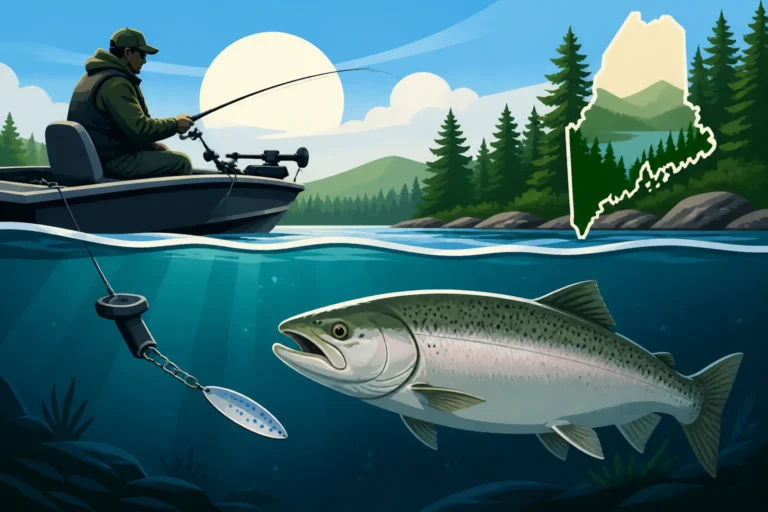
For many, Maine fishing conjures images of pristine waters holding wild brook trout and powerful landlocked salmon. Early morning is arguably the best time to pursue these cold-water favorites. In larger lakes like the Rangeley chain or Moosehead, landlocked salmon and togue (lake trout) often cruise the shallower water columns at dawn, before retreating to deeper, cooler depths as the sun climbs. Trolling with spoons, stickbaits, or baitfish imitations like a shiner or smelt is highly effective. Start your troll at varying depths, perhaps just below the surface for salmon or a bit deeper for togue, until you find where the fish are holding. Trolling Techniques for Maine Lakes can give you a lot more detail on how to approach this effectively.
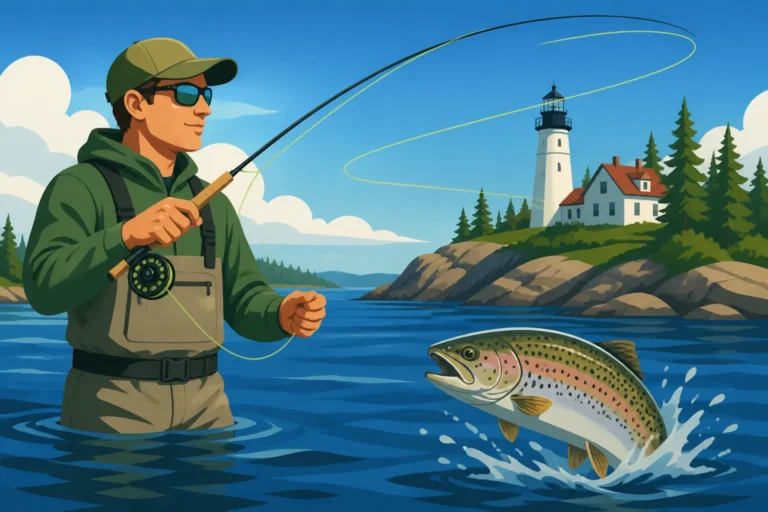
For river and stream anglers, particularly those chasing native brook trout, the early morning bite can be phenomenal. As insects begin to hatch and drift downstream, trout will often rise to the surface, creating visible feeding lanes. Fly Fishing Techniques for Maine Rivers are particularly effective here. Try dark-colored dry flies that imitate emerging insects, or small nymphs and wet flies drifted through deeper pools and riffles. Even spin anglers can find success with small spinners, minnow imitations, or worms fished naturally. Focus on current breaks, undercut banks, and around fallen timber where trout often lie in ambush, waiting for an easy meal. The quiet approach of fly fishing or stealthy casting with light tackle is key to not spooking these wary fish in clear, cold waters.
Targeting Bass in Shallows
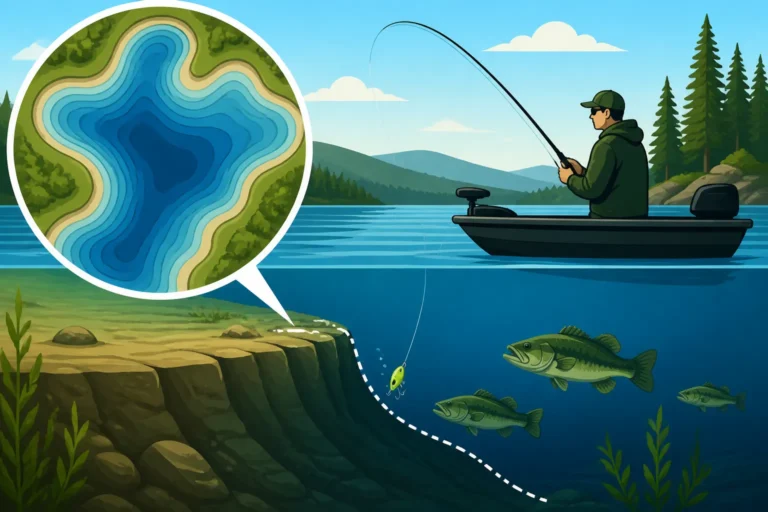
Both smallmouth and largemouth bass become incredibly active in the early morning, especially during the warmer months. These aggressive predators often move into shallower water as the light is low, seeking out baitfish, frogs, and insects that are also most vulnerable at this time. For largemouth, target weed beds, lily pads, and fallen trees in lakes like the Belgrade Lakes or Cobbosseecontee. Topwater lures – poppers, walk-the-dogs, and hollow-bodied frogs – are absolutely thrilling to fish at dawn, as strikes are often explosive. The low light masks your presence and allows the bass to commit to the surface disturbance without hesitation.
Smallmouth bass, found in rocky lakes and rivers like Sebago or the Penobscot, will also push into shallower rocky points, ledges, and shoals. While topwater can still be effective, consider using jerkbaits, spinnerbaits, or even soft plastic tubes and grubs fished on light jig heads. These baits mimic baitfish or crawfish trying to hide in the rocky structure. Early morning often sees smallmouth feeding aggressively, so don't be afraid to fish with confidence and cover water until you find them. Maine Bass Fishing Techniques by Season will provide additional tips for adapting your approach throughout the year, but generally, early morning in spring through fall is prime time for shallow water bass.
Coastal Stripers in the Morning Surf
If your passion lies in saltwater, Maine's coast offers incredible opportunities for striped bass at first light. Stripers are notoriously crepuscular, meaning they are most active during dawn and dusk. As the sun begins to lighten the sky, these powerful fish move into the shallow estuaries, rocky coastlines, and sandy beaches of places like Casco Bay or the Kennebec River mouth to ambush baitfish. Fishing the incoming or outgoing tide around dawn can be incredibly productive. Maine Striped Bass Season and Limits will give you important regulatory information, but from a technique standpoint, this is prime time.
For surf casters, casting large plugs, soft plastic swimbaits, or live mackerel if available, can draw explosive strikes. Poppers and walk-the-dog lures are particularly exciting as you can literally watch the stripers erupt on your presentation in the low light. If you're fishing from a boat or kayak in an estuary, casting bucktail jigs, soft plastics, or even fly fishing with large baitfish patterns can be highly effective. The key is to be present when the stripers are actively hunting. They use the low light to their advantage, ambushing schools of herring, mackerel, or sand eels, so mimicking these forage fish with your lures is paramount. Many surf fishing essentials, like specific lures and lines, can be found readily on Amazon.
Making the Most of Your Early Morning Expedition
Just showing up at dawn isn't always enough. To truly capitalize on the early morning advantage, you need a strategic approach that maximizes your time and effort. It’s about more than just casting; it's about preparation, observation, and adaptability.
Timing Your Attack: Pre-Dawn Arrival and Scout Work
The phrase "early bird gets the worm" couldn't be more true for fishing. For optimal results, you need to be set up and ready to make your first cast before the sun actually breaks the horizon. This means arriving at your chosen spot while it's still dark, usually 30-45 minutes before official sunrise. This pre-dawn arrival allows you to navigate safely to your fishing location, quietly prepare your gear, and survey the water before the first light appears.
Use this time for some quiet scout work. Listen for fish breaking the surface, identify any baitfish activity, or observe the water for subtle current changes or structure that might hold fish. If you're on a lake, identify shallow feeding flats or rocky points. If you're in a river, pinpoint current seams or eddies. For coastal fishing, note where the waves are breaking and where any rips or current lines are forming. Being ready to fish as the light changes from pitch black to twilight, and then to the golden hour, is when you'll hit the prime feeding window. Don't waste precious minutes fumbling with knots or setting up gear when the fish are most active. This is also why having your Best Lures for Maine Open Water Fishing already tied on or easily accessible is crucial.
Adapting to Changing Conditions as the Sun Rises
While the first hour or two of daylight can be incredible, the bite often changes as the sun gets higher in the sky. Fish that were aggressively feeding in the low light may start to become more wary, retreating to deeper water or denser cover. This doesn't mean the fishing stops, but your tactics may need to evolve. For trout and salmon, you might need to drop your lures deeper if you're trolling, or switch from topwater flies to nymphs or streamers fished closer to the bottom in rivers. On lakes, fish might move from shallow points to offshore humps or structure.
For bass, the explosive topwater bite might slow down, requiring you to switch to slower presentations like Texas-rigged worms, jigs, or even drop-shotting around structure. Stripers along the coast might move out of the very shallow water into deeper channels or around structure where they can hold in stronger currents. Pay attention to how the fish are reacting. If strikes become less frequent or fish are just nipping at your bait, it's a sign to change something – your lure, your retrieve speed, your depth, or even your location. Sometimes, a subtle change in color or size can make all the difference. Remember, fishing is all about adapting, and the early morning bite is a dynamic window that rewards those who can quickly adjust. Checking the Maine Fishing Season Dates Guide will help you know what species are open and what general conditions to expect for your target timeframe.
| Species | Preferred Early Morning Technique | Recommended Lure/Bait | Best Maine Location Examples |
|---|---|---|---|
| Landlocked Salmon | Trolling shallow to mid-depths | Spoons, stickbaits (smelt/shiner patterns) | Sebago Lake, Rangeley Lake, Moosehead Lake |
| Brook Trout | Fly fishing/Spinning | Dry flies, nymphs, small spinners, worms | Allagash Wilderness Waterway, Kennebec River tributaries |
| Lake Trout (Togue) | Deep trolling/Jigging | Large spoons, jigging spoons, dead bait (smelt) | Moosehead Lake, Sebec Lake, Togue Minimum Length Limit in Maine |
| Smallmouth Bass | Topwater, casting | Poppers, walk-the-dogs, jerkbaits, tubes | Sebago Lake, Belgrade Lakes, Penobscot River |
| Largemouth Bass | Topwater, flipping/pitching | Hollow-body frogs, soft plastics, spinnerbaits | Cobbosseecontee Lake, China Lake, shallow ponds |
| Striped Bass | Topwater, casting | Poppers, walk-the-dogs, soft plastic swimbaits, bucktails | Casco Bay, Kennebec River estuary, rocky coastlines |
Disclaimer
This article is for general informational purposes only and does not constitute professional advice. Laws, prices and regulations vary by location and change over time. Consult a qualified professional for guidance on your specific situation.