How Hot Weather Affects Fishing on Maine Lakes
There's nothing quite like a beautiful summer day on a Maine lake, boat idling, sun shining… until you realize the fish aren't biting. It’s a frustrating scenario many anglers face: the warm weather that draws us to the water can also make fishing incredibly tough. This guide is all about peeling back the layers of how hot weather impacts Maine's beloved lake fish and arming you with practical strategies to turn those slow days into successful ones.
The Science Behind the Summer Slump: How Heat Changes Lake Dynamics
When summer really hits Maine, those long, sunny days and warm nights start to work their magic on our lakes, and not always in a way that helps our fishing success. Understanding what’s going on beneath the surface is key to figuring out where the fish have gone and how to catch them.
Water Temperature and Oxygen Levels
One of the most significant changes in a lake during hot weather is what we call thermal stratification. Imagine the lake water forming layers, much like a cake. The sun warms the surface water, making it less dense, so it floats on top of the colder, denser water below. This creates distinct layers:
- Epilimnion: The warm, upper layer that’s full of sunlight and often has plenty of oxygen from the surface.
- Metalimnion (Thermocline): A transitional zone where the temperature drops rapidly. This is often where fish seek comfort, finding cooler water with enough oxygen.
- Hypolimnion: The cold, deep bottom layer. While it’s consistently cold, it can become severely oxygen-depleted throughout the summer as decaying organic matter consumes oxygen without replenishment from the surface.
You might find yourself casting into what looks like perfect water, only to come up empty, and it's frustrating! That's often because the fish have moved to this thermocline, or even deeper if the oxygen levels allow. They’re looking for that sweet spot where the water is cool enough to be comfortable but still has enough dissolved oxygen to breathe easily. Learning How to Read a Fish Finder on Maine Lakes becomes critical during these times to pinpoint that comfort zone.
Fish Metabolism and Activity
Just like us, fish react to changes in temperature. As the water warms, a fish's metabolism speeds up. Think of it like a car engine running hotter – it needs more fuel, but it also might overheat if pushed too hard. For cold-blooded fish, this means their bodies are working harder.
While a faster metabolism might sound like it would make them more active, it can actually have the opposite effect during peak heat. Fish can become lethargic and less inclined to chase down prey. They’re trying to conserve energy and avoid stress. This is particularly true for cold-water species like brook trout and landlocked salmon. They'll seek out the coolest water available, reducing their feeding activity to brief windows when conditions are more favorable. Meanwhile, warmer water species like bass are more tolerant, but even they will move to deeper water or dense cover to escape the scorching midday sun.
Understanding Fish Behavior in Hot Maine Lakes
Knowing how the lake changes is one thing, but understanding where the fish go and what they do when the mercury rises is where you start to crack the code for summer success. It requires a shift in your mindset from fishing "everywhere" to fishing "smart."
Where Do Fish Go When It's Hot? Seeking Thermal Refuges
When the lake’s surface feels like bathwater, fish aren't lounging there; they're actively searching for cooler, more comfortable zones. These areas are their "thermal refuges," and knowing how to spot them is half the battle.
- Drop-offs and Deep Channels: This is perhaps the most obvious place. As lakes stratify, deeper water remains cooler. Fish will congregate along steep drop-offs or in the deepest channels where they can find relief. In big lakes like Sebago Lake or Moosehead Lake, these deep structures can hold significant numbers of fish. You'll need to focus your efforts vertically, rather than horizontally across vast flats.
- Springs and Inflow Areas: Subsurface springs or the mouths of cold rivers and streams dumping into a lake can create localized pockets of cooler water. These spots are goldmines, especially for trout and salmon who crave that chill. Keep an eye out for areas where a small feeder stream enters a larger lake – even a subtle temperature difference can attract fish.
- Dense Cover: For species like bass, thick weeds, submerged timber, or even the shade cast by overhanging trees and docks provide not only cooler water but also a sense of security and ambush points. Bass might not go as deep as trout, but they'll absolutely use this cover to escape direct sunlight. Consider flipping jigs or soft plastics into these shaded pockets.
- Wind-Blown Sides: On particularly windy days, the wind can push warmer surface water to one side of the lake, causing cooler, deeper water to "upwell" on the opposite side. While not a constant refuge, it's a temporary haven worth exploring if the conditions are right.
Finding these spots is critical. Investing in a good quality fish finder or sonar unit, easily found on Amazon, can make a huge difference in locating these underwater structures and the fish holding tight to them.
Adjusting Feeding Patterns: Early Mornings and Late Evenings
Just as we might avoid strenuous activity during the hottest part of the day, fish often become more active and willing to feed during the cooler hours.
- Dawn Patrol: The period right at sunrise and for a few hours afterward is often the most productive time for summer fishing. The overnight hours have allowed the surface water to cool slightly, and light levels are still low, making fish feel more secure and prompting them to move out from their deep retreats to forage. This is when you'll often see active feeding closer to the surface, especially for species like landlocked salmon chasing baitfish.
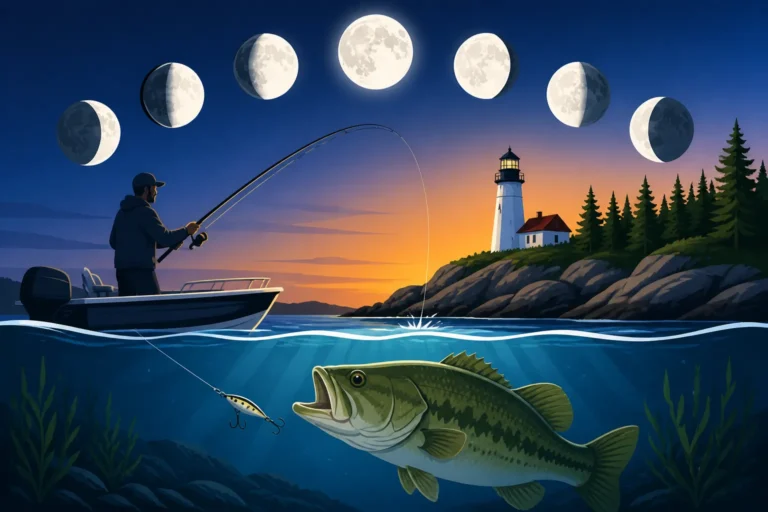
- Dusk and Twilight: As the sun dips below the horizon and the heat of the day fades, fish activity can pick up again. The cooling water and diminishing light create another prime feeding window. This can extend into the night, particularly for bass and some predatory fish that use the cover of darkness to hunt. Maine Night Fishing Techniques can be incredibly productive if you're prepared.
Focusing your efforts during these limited, prime windows will significantly increase your chances of success, validating the effort you put into getting on the water when others might be sleeping or eating dinner.
Species-Specific Responses to Heat
Not all fish react to heat in the same way. Understanding these differences helps tailor your approach.
- Salmon and Trout (Cold-Water Specialists): These species, including landlocked salmon, brook trout, and togue (lake trout), are highly sensitive to warm water. Their optimal temperature range is quite narrow, and prolonged exposure to water above their comfort zone can stress them, making them lethargic or even deadly.
- Where they go: They'll dive deep, often right on or just below the thermocline, or seek out cold spring inflows. On smaller, shallower ponds, they might be incredibly difficult to catch in summer, as there's simply no deep, cold water for them to escape to.
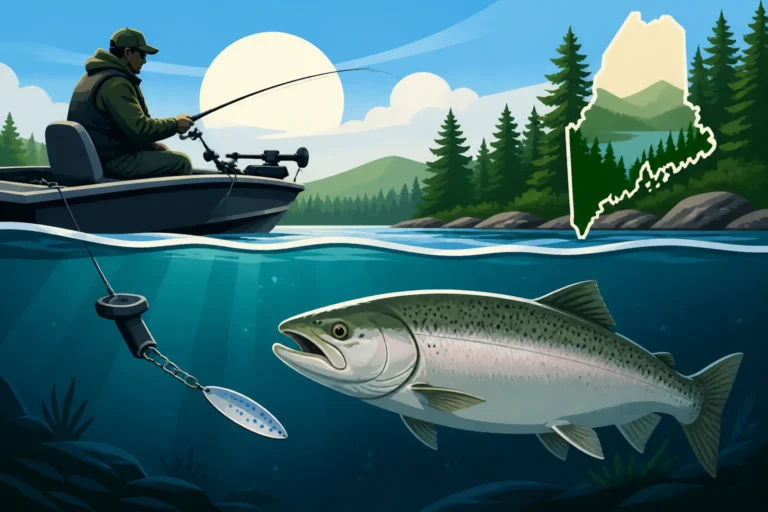
- Tactics: When targeting these fish in hot weather, focus on deep-water trolling with downriggers or lead core line, fishing jigging spoons or bait vertically, or fishing early and late in the day near cold water sources. Remember, How Deep Should You Troll for Salmon in Summer? will depend entirely on the specific lake's thermocline.
- Bass (Warm-Water Tolerators): Smallmouth and largemouth bass are much more tolerant of warmer water, but they're not immune to its effects. While they won't necessarily go to the extreme depths salmon and trout do, they'll still seek refuge from direct sun and excessively warm surface temperatures.
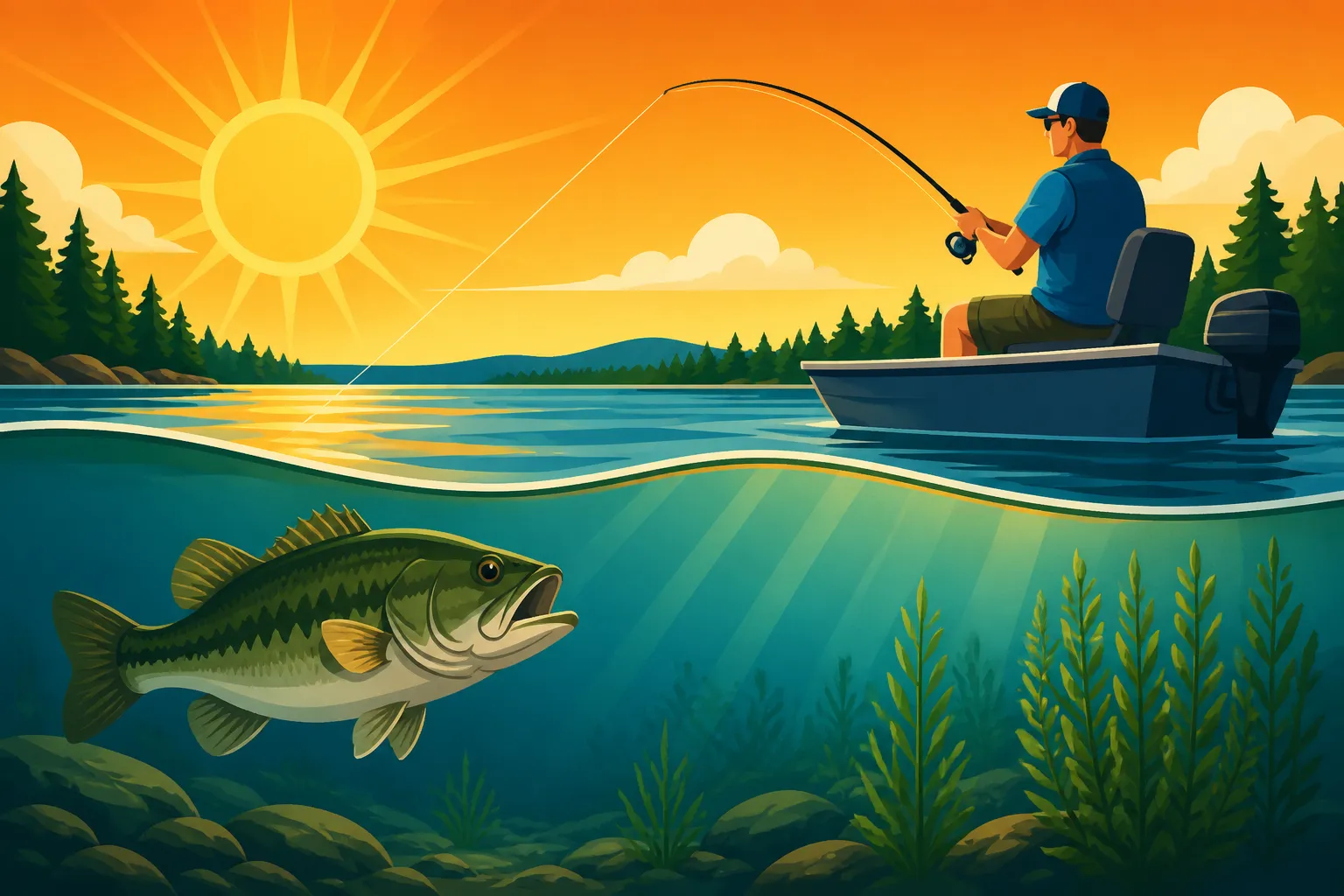
- Where they go: Look for them in dense cover like lily pads, submerged timber, thick weed beds, under docks, or along shady shorelines. They’ll also drop down along steep banks and rocky points to find slightly cooler water.
- Tactics: Slow presentations are often key. Pitching jigs, Texas-rigged worms, or topwater lures in low light conditions can be very effective. During the day, focus on fishing shady areas and deep structure. Understanding Maine Bass Fishing Limits by Zone is also crucial, as regulations can vary.
Strategies for Successful Hot Weather Fishing on Maine Lakes
Alright, now that we know why fish react to the heat and where they tend to hide, let's talk about the practical steps you can take to make your summer fishing trips more rewarding. It's all about adapting your approach.
Timing is Everything: Early Birds and Night Owls
This cannot be stressed enough: your fishing schedule needs to align with the fish’s comfort schedule, not necessarily your own.
- Embrace the Dawn Patrol: Seriously, set that alarm! Getting on the water before the sun fully clears the horizon offers several advantages. The water temperature is at its coolest point, and fish are often at their most active, having rested and processed food overnight. The low light conditions also make them feel safer to feed in shallower water before retreating to deeper areas. This early window might only last a couple of hours, so make the most of it with your most effective techniques right away.
- Twilight and Beyond: As the sun begins to set, the lake starts to cool again, and fish activity can surge for a second time. This is a fantastic time for topwater action for bass, or even some shallow-water feeding for salmon and trout as they briefly move up from the depths. Extending your trip into the dark, for Maine Night Fishing Techniques, can be incredibly effective, especially for bass, which become much bolder under the cover of night. Just be sure to prioritize safety with proper lighting and navigation, as night fishing presents its own unique challenges.
Location, Location, Location: Targeting Deep Water and Structure
Since fish are seeking thermal refuges, your mission is to find those refuges. This requires more than just casting randomly; it means actively looking for specific features.
- Utilize Your Electronics: A quality fish finder isn't just a gadget; it's your underwater eyes. Learn to interpret its readings to find the thermocline (that distinct temperature break where fish will often hold), as well as submerged humps, rock piles, ledges, and deep channels. These structural elements provide cover, ambush points, and direct access to cooler water. Many reliable units can be found on Amazon, offering features like side imaging or down imaging that reveal detailed underwater landscapes.
- Focus on Depth: For cold-water species, don't be afraid to go deep. This might mean using heavier jigs, employing lead core line, or even investing in downriggers for trolling. If you're targeting landlocked salmon, for instance, they might be holding 30 to 60 feet down during the peak of summer. Remember that Trolling Depths for Landlocked Salmon will fluctuate not just by season, but also by time of day and specific lake conditions.
- Seek Out Inflows and Springs: Always investigate areas where smaller streams, rivers, or even large culverts enter the lake. These inflows often carry cooler, oxygenated water, creating an irresistible draw for fish. Pay attention to changes in current or water clarity around these spots.
- Look for Shade: For bass and panfish, shade is a powerful attractant. Pitch your lures under docks, along shorelines with overhanging trees, or into the densest lily pad fields. Even a small patch of shade can hold a surprising number of fish.
Lure and Bait Adjustments
The "meat and potatoes" of fishing also needs an update when the weather gets hot. Fish are often less aggressive, meaning you need to tempt them differently.
- Slow Down Your Presentation: Fast-moving baits might work in cooler water when fish are actively chasing, but in hot water, a slow, deliberate retrieve is often more effective. Think about jigging spoons, slowly dragging plastic worms along the bottom, or letting a fly sink deep. The fish might not want to expend a lot of energy, so bring the meal right to them.
- Natural and Live Baits: Sometimes, nothing beats the real thing. Shiners, worms, or even cut bait can be irresistible to sluggish fish when artificial lures are ignored. Just be sure to check Maine Fishing Regulations Explained for any rules on live bait use in specific waters.
- Color and Profile: While not a hard and fast rule, brighter, more visible colors can sometimes attract attention in deeper, darker water. Conversely, very natural or translucent colors might be better in clear, shallow water where fish have more time to inspect. Experimentation is key. You might find a wide variety of soft plastics and deep-diving crankbaits to try on Amazon.
Gear Considerations and Staying Hydrated
Don’t forget about yourself and your equipment! Hot weather fishing also demands practical considerations for the angler.
- Personal Comfort: Dress in light, breathable clothing, wear a wide-brimmed hat, and use plenty of sunscreen. Stay hydrated by bringing ample water or sports drinks. A good cooler, easily found on Amazon, is essential for keeping your beverages and any kept fish chilled.
- Maintain Your Bait: If using live bait, keep it cool and aerated. A warm bait bucket is a dead bait bucket, and dead bait is usually useless.
- Handle Fish with Care: Fish are already stressed by warm water. If you're planning on catch and release, minimize handling, keep them in the water as much as possible, and use barbless hooks to reduce injury. Learn Catch and Release Best Practices in Maine to ensure the fish have the best chance of survival.
| Factor | Cool/Normal Water Conditions | Hot Water Conditions |
|---|---|---|
| Fish Location | Varied depths, often shallower | Deeper water, thermal refuges, dense cover |
| Fish Activity | More active, willing to chase | Less active, lethargic, reduced feeding windows |
| Best Fishing Times | All day, with peaks at dawn/dusk | Dawn, dusk, night fishing |
| Presentation Speed | Moderate to fast | Slow, deliberate, pausing |
| Lure/Bait Type | Wide range, reaction baits | Natural baits, soft plastics, deep diving crankbaits |
| Target Depths | Mixed | Focus on deep structure, thermocline |
| Angler Comfort | Less critical | Hydration, sun protection, light clothing crucial |
Fishing in Maine lakes during hot weather can certainly be challenging, but it's far from impossible. By understanding how the heat affects water dynamics and fish behavior, and then adjusting your tactics to match, you can still enjoy productive days on the water. It’s all about being flexible, patient, and knowing where to look!
Disclaimer
This article is for general informational purposes only and does not constitute professional advice. Laws, prices and regulations vary by location and change over time. Consult a qualified professional for guidance on your specific situation.