Maine Bass Fishing Limits by Zone
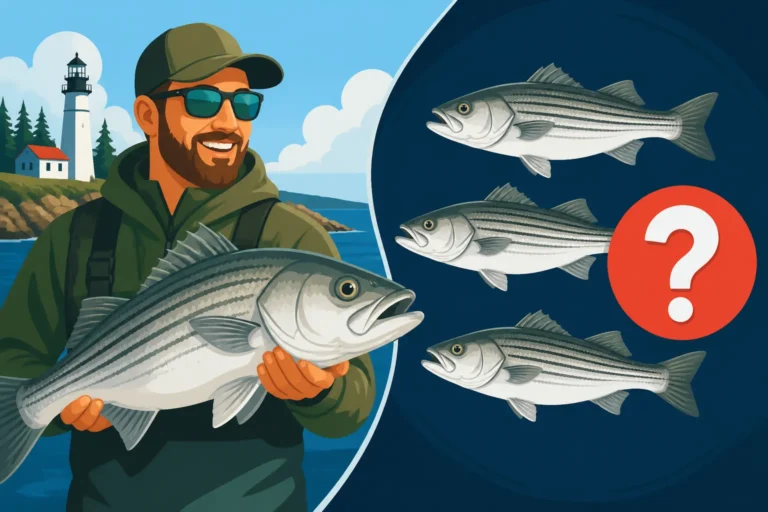
Oh, the age-old question that can make even the most seasoned angler scratch their head: "What are the actual bass fishing limits in Maine, and why do they seem to change depending on where I drop my line?" It’s a completely valid frustration, believe me. You're out there, enjoying the stunning beauty of a Maine lake or river, focused on the thrill of the chase, only to have that nagging doubt about whether your hard-earned catch falls within the legal limits. Navigating Maine's bass fishing regulations can feel like trying to untangle a particularly stubborn bird's nest of fishing line, especially with the North and South Zone distinctions. This guide is here to untangle that mess for you, breaking down everything you need to know about Maine bass fishing limits by zone, so you can fish with confidence and peace of mind.
Understanding Maine's Fishing Zones for Bass
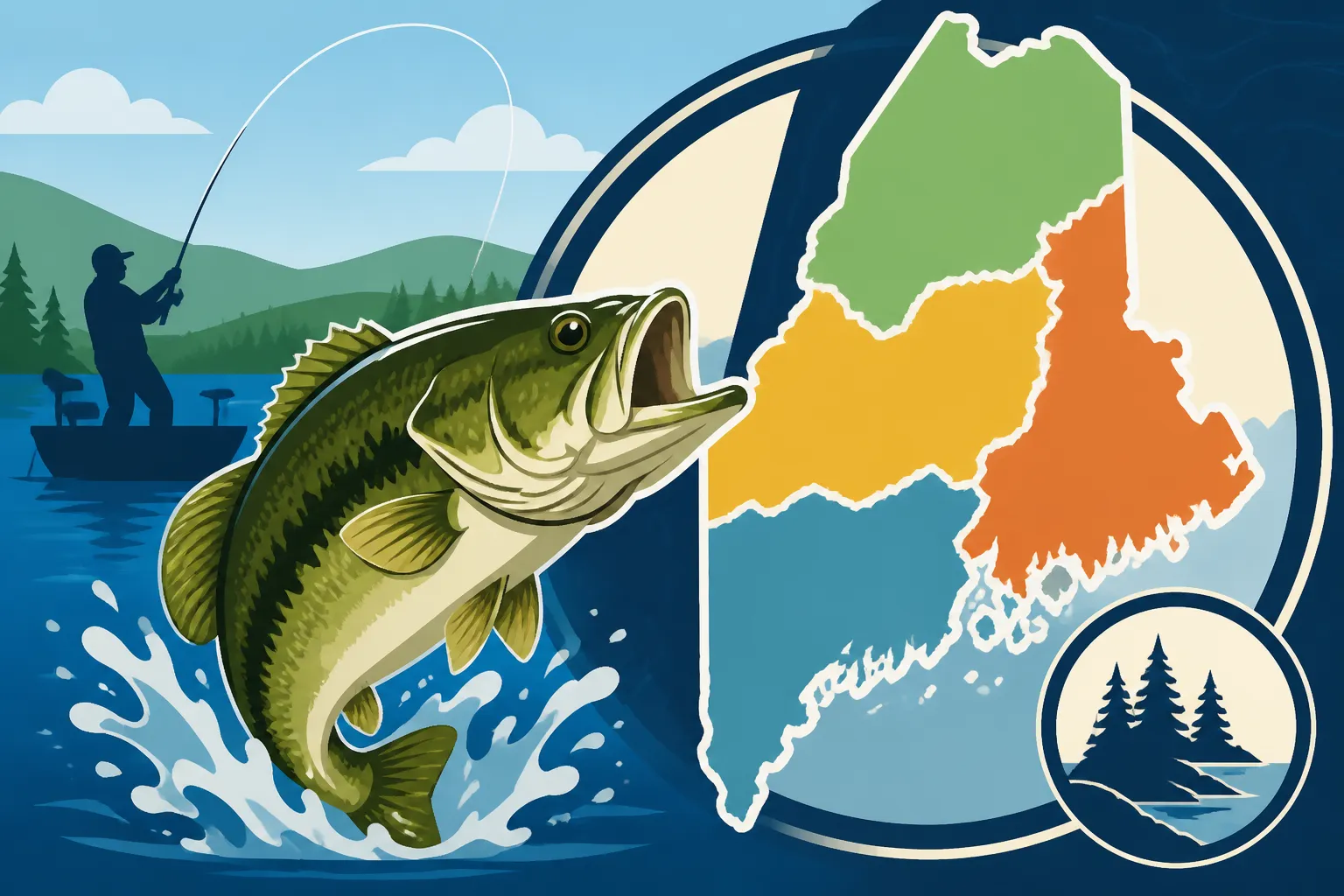
Maine is a vast state, stretching from the temperate southern coast to the rugged, remote wilderness of the north. It’s no surprise, then, that the fish populations and their management needs vary significantly across these different regions. To effectively manage its diverse fisheries, the Maine Department of Inland Fisheries and Wildlife (MDIFW) has established two primary fishing zones: the North Zone and the South Zone. These zones are not just arbitrary lines on a map; they represent crucial ecological differences that impact how bass and other species are managed.
The Fundamental Difference Between North and South Zones
At its core, the division into North and South Zones is about protecting and managing Maine's diverse aquatic ecosystems. The North Zone, generally encompassing the more remote, colder, and less developed areas, is primarily managed to protect native coldwater fish species like brook trout and landlocked salmon. Historically, bass were not native to many of these northern waters, and their introduction (whether accidental or intentional) could sometimes negatively impact the delicate balance of native fisheries. Therefore, regulations in the North Zone tend to be more restrictive for bass, aiming to limit their proliferation in areas where they might compete with or prey upon native species.
Conversely, the South Zone, which includes the more populated, warmer, and often larger lakes and river systems, has a much longer history of established bass populations. Many of these waters are excellent bass fisheries, drawing anglers from all over. The management goals here often shift to sustaining robust bass populations while still protecting other valued species. This means that bass regulations in the South Zone tend to be a bit more liberal, acknowledging the species' strong presence and popularity among anglers. This fundamental difference in ecological priorities is what drives the varying bag and length limits you'll encounter. It's not just about geography; it's about the unique aquatic character of each region.
Identifying Key Lakes and Rivers in Each Zone
Knowing which zone your chosen fishing spot falls into is the first critical step. The dividing line between the North and South Zones is generally defined by specific routes and geographical features. It can be a bit tricky to remember, but the MDIFW provides detailed maps and descriptions in their annual rulebook, which you can usually pick up at most sporting goods stores or download from their website.
Roughly speaking, the dividing line typically runs across the state. For instance, if you're fishing waters north of Route 2, or north of a line drawn from Gilead, east through Skowhegan, and then up towards Lincoln, you're likely in the North Zone. Popular northern waters include parts of the Allagash Wilderness Waterway, Moosehead Lake, and the vast network of remote ponds that dot Aroostook County. These are places where you might find more stringent bass rules, reflecting the focus on preserving wild trout and salmon habitat.
The South Zone generally covers the area south of this line. This includes many of Maine’s most popular and well-known bass fishing destinations. Think of places like Sebago Lake, the Belgrade Lakes chain (including Great Pond and Long Pond), Cobbosseecontee Lake, and many of the rivers in southern and central Maine, like the Kennebec River and the Saco River. These waters are often teeming with both smallmouth and largemouth bass, making them prime targets for bass enthusiasts. Always, and I mean always, double-check the specific body of water you intend to fish, because local "special regulations" can, and often do, supersede the general zone rules. It's a quick check that can save you a heap of trouble! If you're ever unsure about which zone a particular body of water falls into, the Maine Fishing Law Book Where to Get One is an invaluable resource.
Deep Dive into the Maine North Zone Bass Limits
Alright, let’s get down to the brass tacks for our northern anglers. If you're planning a trip to the vast, wild expanses of Maine's North Zone, bass fishing can be fantastic, but the regulations are designed with a very specific purpose in mind: protecting those iconic coldwater species. It’s about balance, giving bass anglers a chance to enjoy the fight while ensuring the long-term health of Maine’s native fisheries.
Daily Bag and Possession Limits for Bass in the North Zone
For both smallmouth and largemouth bass in the North Zone, the general law is more restrictive than in the south. Under general law, the daily bag limit for bass (smallmouth or largemouth combined) is one (1) fish. This means you can only keep one bass per day. The minimum length requirement is 10 inches. So, any bass you keep must be at least 10 inches long.
This might seem tough if you’re used to more liberal limits elsewhere, but it's a critical part of Maine's conservation strategy. The idea here isn't to eliminate bass, but to manage their numbers, especially in lakes and ponds where they might compete with or predate on brook trout or landlocked salmon, which are often the primary management focus in these northern waters. It also encourages a strong catch-and-release ethic, allowing anglers to enjoy the sport without putting undue pressure on bass populations in sensitive coldwater habitats. Remember, this is the general law; many specific waters in the North Zone will have their own unique regulations, so always consult the MDIFW rulebook for the exact spot you're fishing. You can find more details about these specific regulations in the Maine Bass Limit in the North Zone guide.
Minimum Length Requirements and Slot Limits
As mentioned, the general minimum length for bass in the North Zone is 10 inches. What about slot limits? Generally, under the broad North Zone general law, there is no specific slot limit for bass. The rule is simply one fish at least 10 inches long.
However, this is where the importance of checking individual water bodies becomes paramount. While the general law is straightforward, many lakes and ponds in the North Zone are designated as "special regulation waters." For example, some may be entirely "catch and release only" for bass, or they might have different minimum or maximum lengths, or even a true slot limit. A slot limit, for those unfamiliar, means you can keep fish within a certain size range, but not below a minimum size or above a maximum size. This is a common management tool used to protect larger, spawning fish while allowing harvest of medium-sized fish, or vice-versa. You’ll need to have a reliable way to measure your catch. A sturdy measuring board, perhaps one you picked up from a retailer like Amazon, is an absolute must-have. Don't eyeball it; accuracy is key to staying within the law and ensuring compliance.
Specific Considerations for Northern Pike and Chain Pickerel
While we're talking about bass, it's worth a quick mention of other predatory species often found in Maine waters, particularly in some North Zone areas: Northern Pike and Chain Pickerel. These fish are significant predators and can have a substantial impact on bass populations, as well as native coldwater species.
In many Maine waters, particularly those where they are considered invasive or non-native, there are no bag or length limits on Northern Pike and Chain Pickerel. Anglers are often encouraged to harvest these species without limit, especially in waters where their presence is detrimental to trout and salmon. If you hook into a pike or pickerel while bass fishing in the North Zone, be aware of these relaxed regulations. This isn't just about managing competition for food; it's about controlling predator populations that can upset the ecological balance. Always verify the rules for pike and pickerel in your specific fishing location, as they too can vary. Understanding these broader ecological dynamics helps you grasp why bass limits are what they are in the North Zone.
Decoding the Maine South Zone Bass Regulations
Now, let's shift our focus to the South Zone, where bass fishing often takes center stage. The waters in this part of Maine are renowned for their robust bass populations, providing fantastic angling opportunities for both smallmouth and largemouth. While the regulations here are generally more liberal than in the North Zone, they are still carefully crafted to ensure sustainable fishing for years to come.
Daily Bag and Possession Limits for Bass in the South Zone
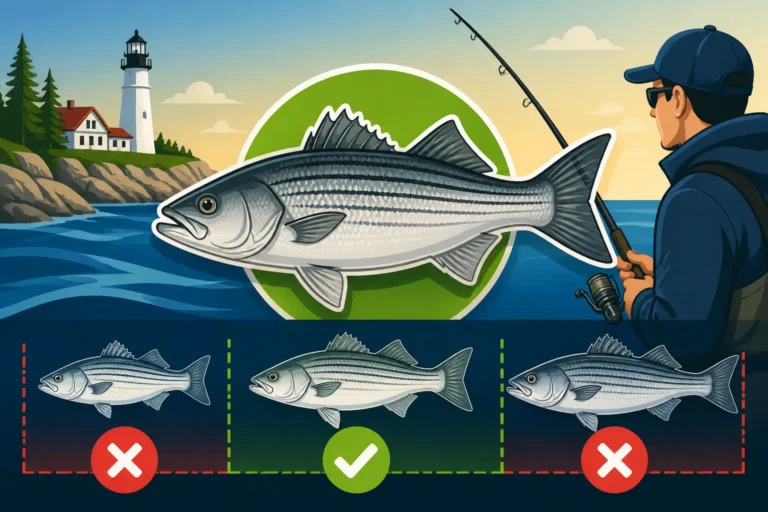
For the general law in Maine's South Zone, the daily bag limit for smallmouth and largemouth bass combined is two (2) fish. This offers a bit more flexibility for anglers who enjoy keeping a couple of fish for the dinner table. However, there's a crucial additional stipulation: only one (1) of those two fish may exceed 14 inches in length. The minimum length for keeping a bass is still 10 inches.
So, in summary for the South Zone general law:
- Daily Bag Limit: 2 bass (smallmouth or largemouth combined).
- Minimum Length: 10 inches.
- Slot Limit Variation: Only 1 fish out of your 2-fish limit can be over 14 inches.
This rule set is a classic example of a "reverse slot limit" or simply a "one over" rule. It's designed to protect the larger, older, and often more reproductively valuable bass in the population. By limiting anglers to only one trophy-sized fish, the MDIFW aims to ensure that a healthy population of larger bass remains in the water to continue spawning and contribute to future generations. This is a common strategy in waters with strong bass populations where the goal is to maintain a healthy age structure. It's a great approach that allows for some harvest while still prioritizing conservation of the biggest fish. You can delve deeper into these nuances with the Maine Bass Limit in the South Zone article.
Minimum Length Requirements and Slot Limits Explained
The 10-inch minimum length in the South Zone is pretty standard across Maine for bass. It ensures that smaller, juvenile fish have a chance to grow and mature before they become part of the harvest. The "only one over 14 inches" rule is the key difference and often the source of questions from anglers.
Let's break down that "one over 14 inches" rule with a couple of scenarios:
- Scenario 1: You catch a 12-inch bass and a 16-inch bass. You can legally keep both of them because you have two fish, and only one is over 14 inches.
- Scenario 2: You catch a 12-inch bass, a 13-inch bass, and a 15-inch bass. You can only keep two fish total. If you wanted to keep the 15-inch fish, you would also be allowed to keep one of the smaller bass (the 12-inch or 13-inch one). You cannot keep two fish over 14 inches.
- Scenario 3: You catch two 16-inch bass. You can only keep one of them. The other must be released.
This system encourages anglers to keep smaller to medium-sized fish (between 10 and 14 inches), which are often abundant and can provide excellent table fare, while releasing the real lunkers that are crucial for breeding. It’s a smart way to manage the fishery and allows for a fun, productive day on the water. For more clarity on specific scenarios, check out the Can You Keep Two Bass Over 14 Inches in Maine? guide. And seriously, having a reliable measuring tape or a rigid measuring board is not just good practice, it’s essential to avoid any fines. Many anglers even carry a small, portable digital scale they might have purchased on Amazon to get a quick weight before release.
Impact of General Law vs. Special Regulations
Just like in the North Zone, the "general law" for the South Zone is a starting point, but it's not the final word. Many of the most popular bass fishing lakes and ponds in the South Zone operate under their own specific "special regulations." These special rules are often more tailored to the unique characteristics and management needs of that particular water body.
For example, a lake known for exceptionally large bass might have a "catch and release only" rule for bass, or perhaps an even more restrictive slot limit to protect its trophy potential. Another lake might have a different bag limit or length requirement. These special regulations are developed by the MDIFW based on scientific surveys, angler input, and specific conservation goals for that fishery.
It cannot be stressed enough: before you head out, make sure you consult the most recent MDIFW fishing law book or their online regulations for the specific lake, pond, or river section you plan to fish. Relying solely on the general zone law is a common mistake and can lead to violations. The regulations are usually listed alphabetically by water body, making them relatively easy to look up. This extra step ensures you're always fishing legally and responsibly.
Why These Different Zones and Rules Exist
It’s easy to look at a complex set of regulations and feel a bit overwhelmed or even frustrated, wondering why things can’t just be simpler. But Maine's fishing regulations, particularly for bass, are a product of careful scientific study, ecological understanding, and a deep commitment to preserving the state's incredible angling heritage. There’s a method to the madness, I promise!
Ecological Factors Driving Zone Delineations
The primary reason for the North and South Zone delineation boils down to ecology, specifically water temperature and the historical distribution of fish species. Maine is at the southern edge of the native range for many coldwater species like brook trout, and at the northern edge for warmer water species like bass.
- North Zone: Characterized by colder, often deeper, oligotrophic (low nutrient) waters that are ideal for native salmonids. These environments are sensitive, and introducing or encouraging warm-water fish like bass can disrupt the food web, increase predation pressure on juvenile trout and salmon, and compete for limited resources. The goal in the North Zone is often to protect or restore these fragile coldwater ecosystems.
- South Zone: Features warmer, more eutrophic (nutrient-rich) waters, particularly in the central and southern regions. Bass thrive in these conditions and have become well-established over many decades, if not longer. In these waters, bass are often a dominant predator and a highly valued sport fish. The ecological goal here is to manage for a healthy, robust bass fishery that provides ample opportunity for anglers, while still monitoring for impacts on other species.
The dividing line itself, often following major east-west transportation corridors like Route 2, roughly corresponds to these climatic and ecological shifts, making it a practical boundary for applying different management strategies.
Conservation Goals and Management Strategies
The specific bag and length limits within each zone are direct reflections of these broader conservation goals and management strategies.
-
North Zone – Restrictive Bass Limits: By limiting harvest to one bass at 10 inches, and often encouraging catch-and-release, the MDIFW aims to:
- Reduce Bass Pressure: Less harvest helps to keep bass populations from expanding too rapidly in areas where they are not historically native and could outcompete native species.
- Protect Coldwater Fisheries: This approach prioritizes the health and stability of Maine's prized brook trout and landlocked salmon populations, ensuring they have the best chance to thrive.
- Promote Native Species: It subtly guides angler effort towards pursuing native coldwater fish in these areas, aligning with broader ecological restoration efforts.
-
South Zone – Balanced Bass Limits: The two-fish limit with only one over 14 inches serves to:
- Sustain Harvest: Allows anglers to keep a reasonable number of bass for consumption, recognizing their abundance.
- Protect Spawners: The "one over 14 inches" rule protects the larger, older, and most successful breeding bass, ensuring a strong reproductive stock for the future. These big bass are also highly valued by catch-and-release anglers.
- Manage Population Structure: It encourages the harvest of smaller to medium-sized bass, which can help prevent overpopulation of smaller fish and promote growth rates for the remaining population.
These strategies are constantly reviewed and adjusted based on scientific data, population surveys, and environmental changes, reflecting a dynamic approach to fishery management.
Angler Feedback and Historical Context
It’s not just science that shapes these rules; angler feedback and historical context play a significant role. Maine has a rich history of fishing, and local communities and long-time anglers often have valuable insights into the health of specific waters. Public hearings, surveys, and direct communication with wardens and biologists contribute to the regulatory process.
For instance, the relatively recent rise in popularity of bass fishing tournaments has also influenced how regulations are developed, particularly in the South Zone, where competitive bass fishing is common. The MDIFW works to balance the needs of competitive anglers, recreational anglers who want to harvest fish, and conservationists who prioritize ecological health. The rules are a compromise, a balance struck between allowing recreational enjoyment and ensuring the long-term sustainability of the resource. This holistic approach, considering ecological, social, and historical factors, is why Maine's bass fishing limits are structured the way they are. Understanding this background can help you appreciate the thoughtful effort that goes into managing these invaluable resources.
Practical Tips for Navigating Maine Bass Limits
Okay, so you understand the zones and the why behind the rules. Now, let’s talk about the how to make sure you’re always on the right side of the law and making the most of your Maine bass fishing adventure. Staying compliant is easier than you think with a few practical habits.
How to Confirm the Zone for Your Fishing Spot
This is arguably the most crucial step before you even cast a line. Never assume you know the zone, especially if you're exploring new waters or haven't fished a particular area in a while. Maine's regulations can, and sometimes do, change annually.
- Consult the MDIFW Law Book: The annual Maine Open Water and Ice Fishing Regulations book is your bible. It's available for free at most town offices, sporting goods stores, bait shops, and online on the MDIFW website. This book clearly lists all general law changes and, most importantly, provides an alphabetical listing of thousands of individual water bodies with their specific rules. This is where you'll find if a lake has "special regulations" that override the general North or South Zone laws.
- Use Online Resources: The MDIFW website is a fantastic digital resource. Many states, including Maine, now offer interactive maps or searchable databases where you can input a water body name and instantly see its specific regulations. This is incredibly convenient if you're planning a trip on the fly.
- Ask a Local: Bait shop owners, fishing guides (especially Registered Maine Guides), and other local anglers are often a wealth of information. They fish these waters daily and know the nuances. Just remember, while local knowledge is invaluable, always cross-reference with the official regulations to be absolutely certain.
- Know Your License: Before anything else, make sure you have your Maine Fishing License Guide in order. It's the first step to legally fishing in Maine.
Remember, ignorance of the law is not an excuse. Taking five minutes to check the regulations can save you from a potential fine or, more importantly, from inadvertently harming the fishery.
Essential Gear for Measuring and Releasing Bass
Being prepared with the right tools isn't just for catching fish; it's also for handling them responsibly and legally.
-
Accurate Measuring Device:
- Rigid Measuring Board: This is by far the best option. A plastic or aluminum board with a built-in end stop ensures accurate measurements every time. You can find excellent options on Amazon, designed specifically for bass fishing, often marked with half-inch increments. Just place the fish with its mouth against the stop and read the length to the tip of its tail.
- Soft Measuring Tape: While less precise, a soft tape can work in a pinch, but ensure it's laid flat and the fish isn't flexing. It's better for larger, longer fish or if you're also measuring girth.
- Pro Tip: Mark your measuring board with the 10-inch and 14-inch lines (or whatever the specific water's slot limits are) to make quick decisions.
-
Fish Grippers/Lip Grippers: These are excellent for safely handling bass without putting your fingers in their mouths (which can damage their jaw or get you bit by hooks). They also make it easier to hold the fish still for a quick measure and photo. Look for models that float, just in case!
-
Needle-Nose Pliers or Hook Remover: Essential for quickly and safely removing hooks, especially if they’re deeply set or if you’re using treble hooks. The faster you can unhook and release a fish, the better its chances of survival.
-
Net (Rubber Coated): A rubber-coated net is far gentler on fish scales and slime coat than traditional nylon nets, reducing stress and injury during landing. This is especially important if you plan on releasing your catch.
Having these tools readily available means you can measure your bass quickly, make an informed decision about keeping or releasing, and do so in a way that minimizes stress and injury to the fish, aligning with Catch and Release Best Practices in Maine.
Planning Your Trip Based on Zone Regulations
Once you’ve got your gear and know how to check the rules, you can strategically plan your Maine fishing trips.
- Target Species and Goals: If your primary goal is to keep a few bass for dinner, and you're within the legal limits, the South Zone might offer more liberal opportunities. If you're after trophy-sized bass to photograph and release, both zones can offer fantastic action, but you'll need to be hyper-aware of specific catch-and-release rules in designated waters.
- Time of Year: Bass behavior and accessibility can vary significantly between zones and seasons. Understanding Maine Fishing Season Dates Guide will also influence your planning.
- North Zone Trips: Expect more emphasis on catch-and-release for bass, especially in waters managed primarily for trout and salmon. This is a great opportunity to hone your skills in pristine, quieter environments. Be prepared for potentially longer drives and more remote access.
- South Zone Trips: These waters often offer diverse opportunities. You might find excellent action for both smallmouth and largemouth, and the regulations allow for some harvest. These areas tend to be more accessible with more amenities.
- Always Have a Backup Plan: If your chosen lake has unexpected special regulations that don't align with your goals, have a nearby alternative in mind. Maine has countless lakes and ponds, so there's always another great spot to try.
- Consult a Guide: If you're new to a specific area or want to maximize your chances, consider hiring a local Hiring a Maine Fishing Guide. They know the waters, the fish, and the regulations like the back of their hand, providing an invaluable experience.
By combining your knowledge of the zones, regulations, and proper gear, you'll be well-equipped for a successful and legal bass fishing adventure in Maine.
Common Misconceptions and FAQs About Bass Limits
Even with all the information out there, misunderstandings about Maine's bass fishing limits still crop up. It's completely understandable – fishing regulations can be complex, and a lot of the language might seem a bit like legal jargon. Let's clear up some of the most common points of confusion to ensure you're fishing confidently and legally.
Addressing Confusion Around "General Law" and "Special Waters"
This is perhaps the biggest sticking point for many anglers, and for good reason. Maine's fishing regulations operate on a tiered system, and not fully understanding it can lead to unintentional violations.
- General Law: This is the baseline. It's the set of rules that applies statewide to all waters, unless a specific water body is listed with "special regulations." Think of it as the default setting. So, if a lake or pond isn't explicitly mentioned in the special regulations section of the law book, then the general law for its zone (North or South) applies.
- Special Regulations Waters: These are individual lakes, ponds, or stretches of river that have unique rules that override the general law. These special regulations are created for specific management reasons for that particular water body. For example, a lake that is part of the South Zone (general law: 2 bass, only 1 over 14") might be designated as "catch-and-release only" for bass in its special regulation listing. In this case, the catch-and-release rule trumps the general law.
The confusion often arises when anglers know the general zone law but fail to check if their specific fishing spot is a "special regulation water." It's imperative to check the alphabetical listing of water bodies in the MDIFW regulation book every time you visit a new spot or one you haven't fished in a while. The phrase "check the book" isn't just a suggestion; it's a golden rule for Maine anglers. You can also learn more about these nuances in the Maine Fishing Regulations Explained guide.
What Happens if You Accidentally Keep an Illegal Bass?
We've all been there – maybe a measurement was rushed, or a rule was misunderstood in the excitement of the moment. Mistakes happen, but the consequences of keeping an illegal fish (whether it's undersized, oversized, or over the bag limit) can be significant.
- Fines and Penalties: Fishing without a license or violating bag/length limits can result in substantial fines. These fines are often significant enough to make you wish you'd taken that extra minute to measure properly or check the rule book. The exact penalty can depend on the severity of the violation and whether it's a repeat offense.
- Loss of Equipment: In some egregious cases, especially for repeat offenders or serious violations, wardens may even confiscate fishing gear.
- Reputation and Ethics: Beyond the legal ramifications, keeping an illegal fish goes against the ethical principles of responsible angling. It undermines conservation efforts and can tarnish the image of the fishing community.
What to do if it happens: If you realize you've accidentally kept a fish that is illegal while still on the water and before you leave the fishing area, the best course of action is often to immediately release it (if the fish is still viable) and learn from the mistake. If you've already left the water, or if you're truly unsure, it's best to contact the Maine Inland Fisheries and Wildlife Wardens Service. Being proactive and honest, even if it means admitting a mistake, is always better than being caught in violation. Most wardens appreciate honesty and an effort to comply. Understanding the consequences should reinforce the importance of being diligent with regulations.
The Role of Catch and Release in Bass Management
Catch and release has become a cornerstone of modern bass fishing, particularly in Maine, and it plays a vital role in management, even in waters where harvest is allowed.
- Conservation Tool: Releasing bass, especially larger, healthy spawners, directly contributes to maintaining robust fish populations. In many cases, tournament fishing (which typically practices 100% live release) has shown that intense fishing pressure can be sustained without long-term population declines, thanks to effective catch and release practices.
- Promoting Growth: By releasing fish, you allow them to grow larger, contributing to trophy fisheries and a healthier age structure within the population. This is especially important for bass, which can live for many years.
- Angler Choice: Even in areas with a harvest limit, many anglers choose to release all or most of their bass. This is a personal choice that further aids conservation and allows other anglers to enjoy the same fish. This practice is often encouraged by the state, and you can learn more about it with our Catch and Release Best Practices in Maine guide.
- Special Regulation Waters: Many waters are specifically designated as "catch and release only" for bass (or other species), often to protect unique genetic strains, rapidly growing populations, or to recover stressed fisheries. In these waters, catch and release is not just encouraged, it's mandatory.
Regardless of specific regulations, practicing proper catch and release techniques – minimizing handling time, using wet hands, using appropriate tackle to avoid deep hooking, and ensuring the fish is revived before release – is always the best approach for the health of the fish. Responsible anglers understand that conservation is a shared responsibility, and every released fish contributes to the future of Maine's incredible bass fishing.
Maine Bass Fishing Limits by Zone Comparison
To help you quickly grasp the key differences between the North and South Zones under general law, here’s a handy comparison table. Remember, always verify for special regulations on your specific fishing spot!
| Regulation Category | Maine North Zone (General Law) | Maine South Zone (General Law) |
|---|---|---|
| Daily Bag Limit | 1 bass | 2 bass |
| Minimum Length | 10 inches | 10 inches |
| Fish Over 14 Inches | No specific rule (any fish kept must be 10+ inches) | Only 1 fish out of your 2-fish limit may exceed 14 inches |
| Management Focus | Prioritizing native coldwater species (trout, salmon); bass management is more restrictive. | Sustaining robust bass populations; balancing harvest with protecting larger spawners. |
| Key Takeaway | Expect more emphasis on catch and release for bass in most situations. | Allows for some harvest, but protects large bass critical for breeding. |
This table should serve as a quick reference, but I can't stress enough the importance of consulting the official Maine Fishing Regulations Explained for any specific water body you plan to fish. You wouldn't want to find yourself in hot water (pun intended!) over a simple oversight. Many anglers purchase a physical copy of the regulation book and keep it in their tackle box or boat, and it's also easily accessible online via the Maine Department of Inland Fisheries and Wildlife website. Knowing these limits will help you immensely as you explore all the wonderful bass fishing opportunities Maine has to offer.
Disclaimer
The information provided in this guide is intended for general informational purposes only and is based on current understanding of Maine fishing regulations. Fishing laws and regulations are subject to change, and specific rules for individual water bodies ("special regulations") often supersede general zone laws. It is the angler's sole responsibility to consult the most current official Maine Department of Inland Fisheries and Wildlife (MDIFW) fishing law book or their official website prior to fishing to ensure full compliance with all applicable rules and regulations. This guide does not constitute legal advice.