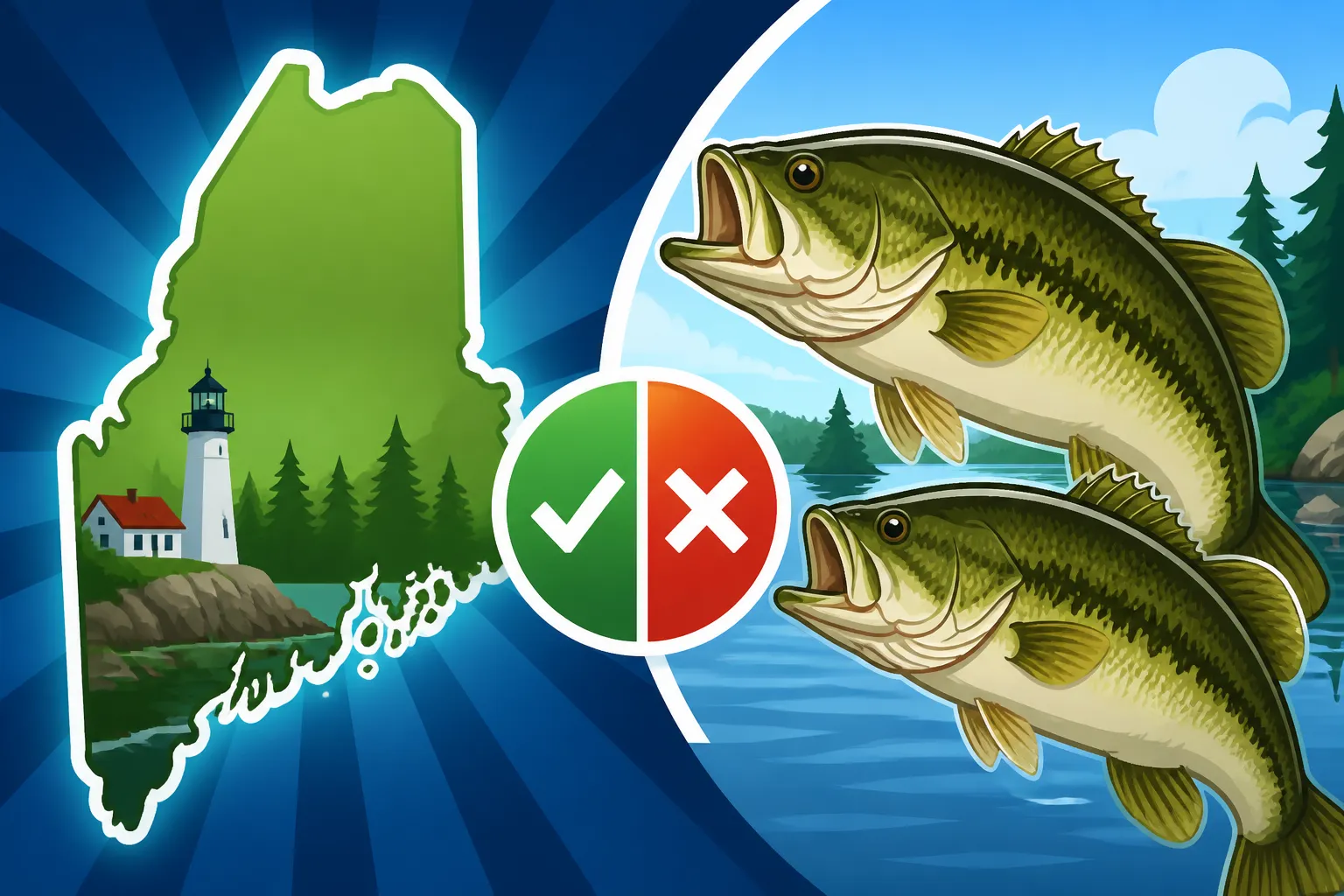
Can You Keep Two Bass Over 14 Inches in Maine?
It’s easy to get tangled up in the specific fishing regulations here in Maine, especially when you hear snippets of rules like "two bass over 14 inches." Many anglers, both residents and visitors, arrive at the lake or river wondering if this particular rule applies to them, or if they’re risking a fine by keeping fish that seem perfectly legal elsewhere. The truth is, Maine’s bass regulations are a bit nuanced, changing depending on where you cast your line. This guide will untangle that specific "two over 14 inches" question and help you understand the larger picture of bass limits in the Pine Tree State.
Understanding Maine's Bass Fishing Zones and General Law
Maine is a vast state with incredibly diverse fishing habitats, from its sprawling northern wilderness to its more densely populated southern regions. To manage fish populations effectively and provide varied angling experiences, the state has implemented different regulations across these areas, particularly when it comes to species like bass. It’s not a one-size-fits-all approach, and knowing your zone is the first step to understanding the rules.
The North Zone vs. South Zone Divide
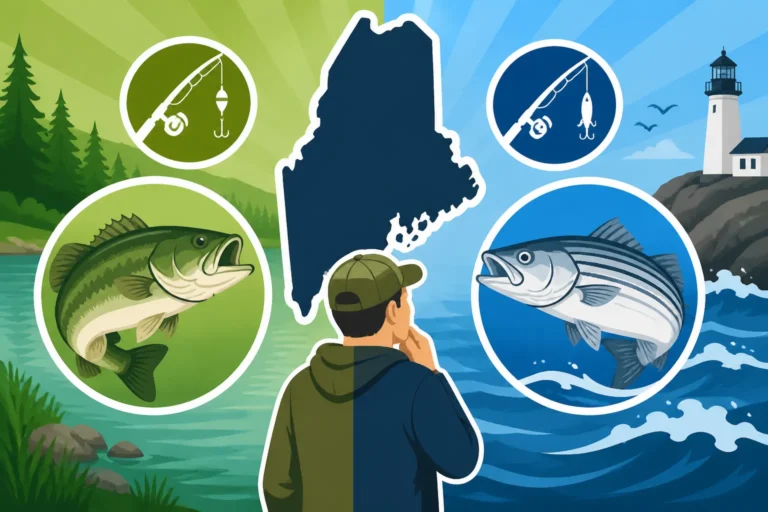
The Maine Department of Inland Fisheries and Wildlife (MDIFW) has clearly defined two primary fishing zones: the North Zone and the South Zone. This geographical split dictates many general law regulations, including those for bass. The dividing line isn't always intuitive, but generally, the North Zone encompasses the wilder, more remote parts of the state, roughly north of Bangor and the major east-west highways. The South Zone covers everything south of that line, which includes the majority of Maine’s population centers and many popular fishing destinations.
Why the distinction? It comes down to fish ecology, fishing pressure, and conservation goals. Northern lakes and ponds often experience less fishing pressure and have different growth rates for fish, while southern waters can see heavier traffic and might require more restrictive limits to protect breeding populations. For a more detailed breakdown, you can always refer to the official Maine North Zone vs South Zone Fishing Rules guide provided by MDIFW. When you’re planning a trip to a spot like Moosehead Lake, you’ll be in the North Zone, but if you’re heading to Sebago Lake, you'll be firmly in the South Zone, and the rules will reflect that difference.
General Law vs. Special Regulations
Beyond the North and South Zone, there's another critical layer to Maine's fishing regulations: general law versus special regulations. The general law provides the baseline rules that apply to most waters within a given zone. However, many specific lakes, ponds, and rivers have "special regulations" that override or modify the general law for that particular body of water. These special regulations are crucial because they're designed to manage fisheries at a hyper-local level, addressing unique ecological conditions or conservation needs for specific species.
For example, a lake might have a special regulation that is "catch and release only" for bass, regardless of whether it's in the North or South Zone. This is why simply knowing your zone isn't enough; you must check the specific regulations for the water body you plan to fish. The MDIFW compiles all these rules in their annual law book and on their website. Understanding the Maine General Fishing Law Definition Explained can help clarify this distinction further, ensuring you don't inadvertently break a rule that's specific to your chosen fishing spot. Always assume there might be a special regulation in place and verify before you cast.
Deciphering the "Two Bass Over 14 Inches" Rule
Now, let's get down to the nitty-gritty of that specific query: "Can you keep two bass over 14 inches in Maine?" This rule isn't universal across the state but is a key component of the general law in a particular zone, designed to protect certain size classes of bass while allowing anglers to harvest some larger fish.
Specific Application in the South Zone
The rule permitting the keeping of two bass over 14 inches primarily applies to the South Zone under its general law. In the South Zone, the general law for both smallmouth and largemouth bass is typically a daily bag limit of five fish, with a minimum length limit of 10 inches. However, here's where the specific nuance comes in: no more than two of those five bass can be longer than 14 inches. This is often referred to as a "slot limit" where specific sizes of fish are protected.
So, if you're fishing a South Zone lake under general law, your daily creel could look something like this:
- Five bass, all between 10 and 14 inches in length.
- Three bass between 10 and 14 inches, and two bass over 14 inches.
- Five bass, with no more than two being over 14 inches.
What you cannot do is keep five bass that are all over 14 inches. This regulation is a critical part of Maine Bass Fishing Limits by Zone, particularly for the South Zone, aiming to promote a healthy population structure by encouraging the release of larger, potentially more prolific breeding fish beyond the protected slot. This balance allows for angler harvest while sustaining the bass population.
What Does the Slot Limit Mean for Anglers?
The "no more than two over 14 inches" rule essentially creates a protected slot for bass between 10 and 14 inches, and then allows for the harvest of a limited number of larger fish. The primary goal behind such a regulation is to manage the size structure of the bass population. By limiting the number of larger fish that can be kept, the MDIFW aims to:
- Protect larger breeding stock: Larger bass, particularly females, are often the most prolific spawners, contributing significantly to the next generation of fish.
- Prevent "fishing out" the big ones: Without this limit, anglers might disproportionately harvest the biggest bass, leading to a population skewed towards smaller, less desirable sizes.
- Maintain a diverse fishery: It helps ensure a mix of small, medium, and large bass are present in the ecosystem, benefiting both the fish and the anglers seeking various sizes.
For you, the angler, this means being mindful of the length of every bass you catch. If you land a lunker over 14 inches early in your day while fishing in the South Zone, and you decide to keep it, remember you only have one more slot for another big one. Any other bass between 10 and 14 inches are fair game up to your total bag limit of five, but anything between those sizes must be released immediately. This is particularly important for Smallmouth Bass Limits by Zone in Maine and Largemouth Bass Fishing in Maine as both species fall under these rules.
Here’s a simplified table to illustrate the general law bass regulations in Maine’s two zones:
| Feature/Zone | North Zone General Law (Bass) | South Zone General Law (Bass) |
|---|---|---|
| Daily Bag Limit | 5 fish | 5 fish |
| Minimum Length Limit | 10 inches | 10 inches |
| Maximum Length Limit | None (within bag limit) | No more than 2 fish can be over 14 inches in total bag |
| Protected Slot | None (10" minimum applies) | Fish between 10" and 14" can be kept (up to 5 total, with 2 over 14" max) |
| Application Note | Applies unless special regs exist | Applies unless special regs exist |
Always check specific lake/pond regulations, as these general laws are overridden by special regulations for many waters.
Practical Implications and Tips for Bass Anglers
Navigating Maine's fishing regulations doesn't have to be a headache. With a bit of preparation and diligence, you can enjoy your time on the water confident that you're fishing legally and responsibly. It’s about being informed and having the right tools at your disposal.
Identifying Smallmouth vs. Largemouth Bass
Before you even start thinking about length limits, it’s crucial to know what kind of bass you've hooked. While the general law for bass in Maine often applies to both smallmouth and largemouth bass collectively, there can sometimes be special regulations that differentiate between the two species on certain waters. Knowing How to Identify Smallmouth vs Largemouth Bass is a fundamental skill for any bass angler.
The easiest way to tell them apart is by looking at the jawline:
- Smallmouth Bass: The jaw extends to roughly the middle of the eye. They typically have vertical bands or blotches on their sides.
- Largemouth Bass: The jaw extends beyond the back of the eye. They usually have a prominent horizontal stripe or series of blotches along their sides.
Also, largemouths tend to have a deeper notch in their dorsal fin, almost creating two separate fins, while a smallmouth's dorsal fin is more continuous. While you might be able to find good visual guides online, having a waterproof fish identification card in your tackle box, or even downloading a reliable app, can be a lifesaver when you're on the water.
Essential Resources for Up-to-Date Regulations
The absolute best advice for any angler in Maine is to always check the most current regulations before you head out. Don't rely on old memories or what your buddy told you last year. Regulations can change annually.
Here are your go-to resources:
- MDIFW Website: The Maine Department of Inland Fisheries and Wildlife website is the official source for all regulations. They typically publish the new fishing law book digitally around late winter or early spring each year. You can search for specific bodies of water and see all special regulations that apply.
- MDIFW Law Book: You can download a PDF copy of the annual Maine Fishing Law Book Where to Get One directly from the MDIFW website, or pick up a physical copy at most sporting goods stores, town offices, or license agents. I always recommend having a physical copy in your vehicle or boat; cell service isn't always reliable in remote Maine. Even if you prefer digital, having a printout of the pages for your target waters can be really helpful.
- Local License Agents: When you purchase your Maine Fishing License Guide from a local agent, they often have copies of the law book and can sometimes answer basic questions about local regulations. They're a great resource, particularly if you're in an unfamiliar area.
Always remember that special regulations supersede general law. So, even if you know the South Zone general law, if you're on a lake like China Lake (which is in the South Zone), you still need to check its specific entries in the law book to ensure there aren't additional rules for bass, or other species, that you need to be aware of. The more specific you are in checking, the less likely you are to run into issues.
Consequences of Non-Compliance
No one wants to find themselves on the wrong side of the law, especially when you're out enjoying a peaceful day of fishing. Understanding the potential consequences of violating fishing regulations, including bag and length limits, is a strong motivator to always check those rules thoroughly. Maine's wardens are dedicated to protecting the state's natural resources, and they take these regulations seriously.
Penalties for Violating Bass Limits
Fishing without a valid license or keeping fish that are outside the legal limits (whether it's too many fish, too small, or too large for a slot limit) can result in significant penalties. While specific fines can vary based on the severity of the violation, the number of fish involved, and whether it's a first offense, you could be looking at:
- Monetary Fines: Expect fines that can range from hundreds to potentially thousands of dollars. These aren't just slaps on the wrist; they are designed to be a deterrent. For a detailed look at potential fines, it's worth reviewing the Penalty for Keeping an Undersized Fish in Maine or other related infractions in the law book.
- Loss of Equipment: In some cases, wardens have the authority to confiscate fishing equipment, including rods, reels, and even boats or vehicles, especially for repeat offenders or egregious violations.
- License Suspension: Your Maine fishing license, and potentially your hunting license, could be suspended for a period of time, meaning you won't be able to legally fish in the state. This can also impact your ability to purchase licenses in other states due to interstate compacts.
- Restitution: You might be required to pay restitution for the market value of any illegally harvested fish.
- Criminal Charges: For very serious violations, especially those involving commercial poaching or repeat offenses, criminal charges can be filed, leading to much more severe legal repercussions.
It’s just not worth the risk. A few extra bass, or one that’s outside the legal slot, isn't worth a hefty fine or losing your privilege to fish in Maine.
Responsible Angling and Conservation
Beyond the legal ramifications, adhering to bag and length limits is a fundamental aspect of responsible angling and conservation. These regulations are not arbitrary; they are the result of extensive biological research and data collection by the MDIFW to ensure the long-term health and sustainability of Maine’s fish populations.
When you follow the rules, you are:
- Supporting Sustainable Fisheries: You're contributing to the efforts to maintain healthy fish stocks for future generations of anglers. This is particularly vital for popular species like bass, which face considerable fishing pressure.
- Protecting Ecosystem Balance: Each species plays a role in the aquatic ecosystem. Overharvesting can disrupt that balance, potentially impacting other fish or aquatic life.
- Maintaining Maine's Reputation: Maine prides itself on its pristine wilderness and robust outdoor recreation opportunities. Responsible angling helps preserve that image and the resources that draw people here.
Practicing catch and release, especially for fish outside the legal harvest slot or those you don't intend to eat, is also a highly recommended conservation practice. Handle fish gently, minimize their time out of water, and use appropriate tools (like rubber nets) to reduce stress. You can even find specialized fishing gear, like release tools, on platforms like Amazon that help ensure the fish you release have the best chance of survival. Ultimately, every angler has a role to play in protecting Maine's incredible aquatic resources. Being informed and responsible ensures that the joy of fishing in Maine will continue for years to come.
Disclaimer
The information provided in this guide is for general informational purposes only and does not constitute legal advice. Fishing regulations in Maine are subject to change, and specific rules may vary by water body. It is the angler's responsibility to consult the most current official Maine Department of Inland Fisheries and Wildlife (MDIFW) regulations before fishing.