Largemouth Bass Fishing in Maine
Few freshwater fish in Maine offer the explosive fight and satisfying challenge quite like the largemouth bass, yet many anglers feel intimidated, unsure where to begin their pursuit in our northern waters. This comprehensive guide is here to demystify largemouth bass fishing in Maine, offering seasoned advice on where to find them, what gear works best, effective techniques, and how to enjoy this exciting fishery responsibly.
Understanding Maine's Largemouth Bass
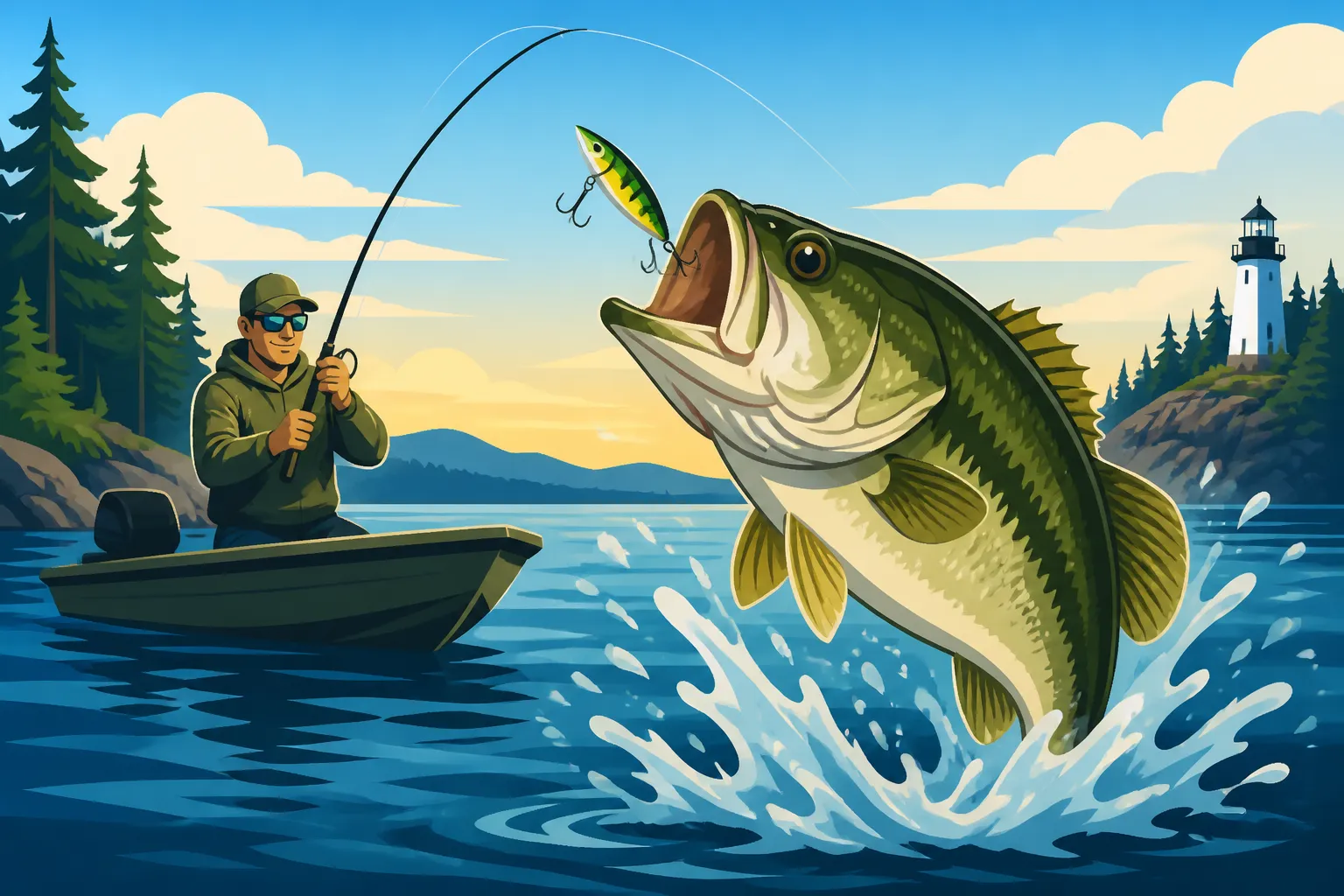
Largemouth bass, with their distinctive deep green bodies, dark lateral lines, and mouths that extend past their eyes, are truly exciting fish to pursue. While Maine is often celebrated for its cold-water species like trout and salmon, our warmer, shallower lakes and ponds are teeming with healthy populations of largemouth bass, providing an incredible sportfishing opportunity that's sometimes overlooked. They've found a comfortable home in many of our waters, thriving where conditions are just right, and growing to impressive sizes.
Characteristics and Habitat Preferences
Maine's largemouth bass are typically robust, aggressive predators, known for their powerful strikes and acrobatic jumps when hooked. They prefer warmer water temperatures than their smallmouth cousins and are often found in water ranging from 65 to 80 degrees Fahrenheit. This means you'll typically find them in shallower, vegetated areas of lakes, ponds, and slow-moving rivers. Think about places where the sun can really heat things up, where there's plenty of cover, and where baitfish and insects can thrive. They're ambush predators, so they love to hide and wait for their prey to swim by.
Their preferred habitat includes shallow flats, coves, and bays that boast abundant aquatic vegetation like lily pads, submerged grass beds, and cattails. They also gravitate towards structural elements such as fallen trees, submerged timber, docks, rock piles, and points that drop off into deeper water. These features provide not only cover from predators (and anglers!) but also prime ambush points for hunting their next meal. Understanding these preferences is key to figuring out Largemouth Bass Habitat in Maine Lakes. If you find yourself on a new lake, start by looking for these telltale signs of bass haven.
Largemouth vs. Smallmouth Bass in Maine
It’s easy to confuse the two species, especially if you’re new to bass fishing, but there are distinct differences that influence how and where you fish for them. The easiest way to tell them apart is by their mouths: a largemouth's jaw extends beyond its eye, while a smallmouth's jaw typically ends before or directly under its eye. Largemouth bass generally have a more stout, football-like body with a pronounced dark lateral line, whereas smallmouths are often bronze or brown with vertical bars and a sleeker build.
| Feature | Largemouth Bass | Smallmouth Bass |
|---|---|---|
| Primary Habitat | Warmer, shallower, heavily vegetated lakes, ponds, slow rivers. | Cooler, rocky lakes, clear rivers, often deeper. |
| Mouth Size | Jaw extends past the eye. | Jaw ends at or before the eye. |
| Body Shape/Color | Green, dark lateral line, stockier. | Bronze/brown, vertical bars, sleeker. |
| Fight Style | Powerful, often jump, "bulldog" in cover. | Hard-fighting, long runs, frequent leaps. |
| Preferred Cover | Weeds, lily pads, submerged wood, docks. | Rocks, boulders, ledges, current breaks. |
While both are thrilling to catch, your approach to targeting one over the other will differ significantly. Largemouth bass are often found hidden deep within cover, requiring more precise casting and weedless presentations, whereas smallmouths might be cruising open flats or holding tight to rocky structures. Knowing How to Identify Smallmouth vs Largemouth Bass will definitely help you refine your strategy.
Where to Find Largemouth Bass in Maine
Maine's diverse aquatic landscape, from its sprawling lakes to its countless ponds and winding rivers, offers a wealth of opportunities for largemouth bass anglers. You won't find them in every cold, crystal-clear trout pond, but in the warmer, nutrient-rich waters of central and southern Maine, they truly thrive.
Prime Lake and Pond Locations
The best largemouth bass fishing in Maine is typically found in the central and southern regions, where waters tend to be shallower and warm up more quickly throughout the season. These areas often have more fertile grounds for aquatic vegetation, which is absolutely crucial for largemouth habitat. Lakes in the Belgrade Lakes region like Great Pond, Long Pond, and Messalonskee Lake are legendary for their bass populations. Cobbosseecontee Lake, near Augusta, is another absolute gem, renowned for both its quantity and quality of largemouth, often producing fish in the 4-6 pound range. Even smaller, unnamed ponds can hold giants if they have the right mix of cover and forage.
When scouting a new body of water, look for these features:
- Shallow Coves and Bays: These areas warm up first in the spring and offer abundant food and cover.
- Lily Pad Fields: A classic largemouth hideout. Bass will hold underneath them, waiting to ambush prey.
- Submerged Grass Beds: These are underwater highways and feeding grounds for bass. A good fish finder can help you locate these.
- Fallen Trees and Brush Piles: Anywhere there's natural structure that provides shade and cover, bass will be nearby.
- Docks and Boathouses: Man-made structures offer shade and vertical cover, making them bass magnets, especially on sunny days.
If you're asking, Is Largemouth Bass Fishing Good in Southern Maine?, the answer is a resounding yes! The warmer climate and richer waters down south create perfect conditions for these incredible fish.
River and Flowage Hotspots
While lakes and ponds are the quintessential largemouth bass domains in Maine, don't overlook slow-moving rivers and their associated flowages. These areas can offer fantastic fishing, often with less pressure than some of the more popular lakes. Rivers like the Sebasticook, portions of the Androscoggin, and even sections of the Kennebec can hold impressive numbers of largemouth, particularly in their backwaters, oxbows, and slower stretches where current isn't a dominant factor.
In these riverine environments, look for:
- Oxbows and Stagnant Backwaters: These areas mimic pond-like conditions, with reduced current and often heavy vegetation.
- Log Jams and Brush Piles: Rivers are constantly changing, and fallen trees create prime ambush points.
- Undercut Banks: These provide overhead cover and often deeper water right along the edge.
- Pockets of Vegetation: Any area where current slows enough for lily pads or grass to take root will likely hold bass.
Fishing these river spots can be incredibly rewarding, offering a different kind of challenge and often a more secluded experience. Always be mindful of local regulations, as river systems can sometimes have specific rules, and remember that currents can be deceiving.
Best Times and Seasons for Largemouth Bass Fishing
Timing is everything when it comes to largemouth bass fishing in Maine. Their behavior is heavily influenced by water temperature and seasonal changes, which dictate where they'll be and what they'll be willing to bite. Understanding these patterns can dramatically improve your success rate.
Spring Largemouth Fishing
Spring is a season of transition and one of the most exciting times to target largemouth bass. As the ice recedes and water temperatures begin to climb into the 50s and low 60s Fahrenheit, bass move from their deeper wintering grounds to shallower areas to feed heavily and prepare for spawning. This is often referred to as the pre-spawn period. They're hungry and aggressive, making them highly susceptible to a variety of presentations. Look for them in shallow, sun-drenched coves, on northern banks that warm up fastest, and around emerging vegetation.
During the spawn itself, when water temperatures are typically in the mid-60s, bass will be on their beds, guarding eggs or fry. While they can be caught during this time, many anglers (myself included) advocate for leaving them alone to ensure a successful spawn and healthy future populations. However, the pre-spawn and post-spawn periods are prime. After the spawn, bass will still be in relatively shallow water, recovering and continuing to feed aggressively, often near the same areas they spawned.
Summer Largemouth Strategies
Ah, summer in Maine! The water is warm, the days are long, and the largemouth bass are active, but they can also be a bit trickier to pinpoint. As water temperatures climb into the 70s and 80s, bass will often seek refuge from the intense sun and heat, retreating to deeper cover or finding shade. This doesn't mean they stop biting; it just means you need to adjust your approach.
During the summer, focus on:
- Early Morning and Late Evening: These are prime low-light periods when bass are most actively feeding in shallower water. Topwater lures can be incredibly effective during these times.
- Deep Cover: During the heat of the day, bass will tuck themselves into dense lily pads, thick grass mats, submerged timber, or under docks. Punching through thick cover with heavy jigs or Texas-rigged plastics can be highly productive.
- Ledges and Drop-offs: Some bass will suspend or hold along deeper structure, especially if there's a thermocline that provides cooler, more oxygenated water.
- Night Fishing: For the adventurous, night fishing for largemouth can be phenomenal in summer. Bass move into the shallows under the cover of darkness, feeding aggressively.
Adapting to these summer patterns is crucial for consistent success. Knowing Best Season to Catch Largemouth Bass in Maine often involves understanding how their habits shift with the sun and temperature.
Fall Largemouth Fishing
As summer fades and the air takes on a crisp autumn feel, largemouth bass enter another fantastic feeding phase. As water temperatures start to drop into the 60s and 50s, bass know that winter is coming, and they need to pack on the pounds. This means they'll be feeding heavily, often schooling up and chasing baitfish. This can lead to some truly epic fishing days.
During the fall, look for largemouth in:
- Transition Areas: Bass will often be found moving between shallow feeding flats and deeper wintering holes. Target points, humps, and channel edges that offer access to both.
- Baitfish Schools: Locate schools of baitfish (perch, shiners, alewives), and you'll likely find bass nearby. Spinnerbaits, crankbaits, and jerkbaits that imitate these baitfish are excellent choices.
- Deeper Vegetation: As shallower weeds die off, bass will relate to the remaining deeper grass beds or submerged timber.
Fall fishing can be incredibly rewarding, offering a chance at some of the biggest, fattest bass of the year before they settle into their winter dormancy. Just remember to layer up, as those Maine autumn mornings can be chilly!
Essential Gear and Lures for Maine Largemouth
Getting properly outfitted for largemouth bass in Maine means having the right tools for the job. You don't need to break the bank, but a few key items will make all the difference in your success and enjoyment.
Rods, Reels, and Line Choices
When it comes to rods and reels, versatility is key, but having specific setups for different techniques will definitely up your game.
- Rods: For most largemouth fishing, a medium-heavy to heavy power rod, usually in the 6'6" to 7'6" range, is a great starting point.
- Medium-Heavy Action: Excellent for Texas rigs, jigs, spinnerbaits, and medium crankbaits. It offers enough backbone to set the hook and pull fish out of cover, yet enough tip sensitivity for accurate casting.
- Heavy Action: Ideal for pitching and flipping into dense cover, frogging, or fishing large swimbaits. You'll need this power to muscle fish out of thick lily pads or submerged timber.
- Reels:
- Baitcasting Reels: These are preferred by most experienced bass anglers for their casting accuracy, power, and line capacity, especially when using heavier lines and lures. A gear ratio around 7.1:1 is a good all-around choice.
- Spinning Reels: A good option for lighter presentations, finesse techniques, or for beginners. Pair a 2500-3000 size spinning reel with a medium-light to medium power rod for smaller plastics or lighter jigs.
- Line: Your choice of line depends heavily on the technique and cover you're fishing.
- Monofilament: Good stretch, good knot strength, floats. Useful for topwater lures.
- Fluorocarbon: Low stretch, virtually invisible underwater, sinks. Excellent for jigs, Texas rigs, and crankbaits.
- Braided Line: No stretch, incredible strength, highly abrasion-resistant, floats. Absolutely essential for fishing heavy cover, frogging, or punching through mats. You can often find great deals on these different line types on Amazon.
Having a few different setups, even if it's just one baitcaster and one spinning rod, will allow you to adapt to various conditions and presentations.
Top Lures and Baits for Largemouth
The world of largemouth bass lures is vast and exciting, but a few categories consistently produce in Maine waters. When considering Best Lures for Largemouth Bass in Maine, remember variety is your friend!
- Soft Plastics: These are arguably the most versatile and effective lures for largemouth.
- Plastic Worms: Texas-rigged, Carolina-rigged, or wacky-rigged, worms are deadly year-round. Colors like green pumpkin, junebug, and black/blue are staples.
- Creature Baits & Senkos: Mimic crawfish or baitfish, fantastic for pitching into cover or around docks.
- Swim Baits: Great for imitating baitfish, either rigged weedless or on an exposed hook jig head.
- Jigs: Bass jigs, especially skirted jigs with a soft plastic trailer (like a crawfish imitation), are phenomenal for targeting bass in cover or on bottom structure. Flipping and pitching jigs into dense brush is a tried-and-true method for big bass.
- Spinnerbaits & Chatterbaits: Excellent search baits, especially in murky water or windy conditions. The flash and vibration can draw bass from a distance.
- Crankbaits: Come in various shapes and sizes to imitate baitfish and dive to different depths. Square bill crankbaits are fantastic for bouncing off shallow cover like stumps and rocks.
- Topwater Lures: The most exciting way to catch a largemouth! Poppers, walking baits (e.g., Heddon Super Spook), and hollow-body frogs (especially for lily pads) provide explosive strikes.
- Live Bait: While most serious bass anglers prefer artificials, shiners or nightcrawlers can be incredibly effective, especially for beginners or in tougher conditions. However, be mindful of local bait regulations. If you're looking for Best Bait for Largemouth Bass in Maine, shiners are hard to beat in certain situations.
A well-stocked tackle box purchased on Amazon, with a variety of these lure types, will prepare you for almost any situation you encounter on a Maine bass lake.
Techniques for Landing Maine Largemouth Bass
Catching largemouth bass is often about technique and presentation. It’s not just about casting and reeling; it’s about understanding what triggers a bite and how to work your lure effectively in different environments.
Flipping and Pitching Heavy Cover
This is a quintessential largemouth bass technique, especially effective when bass are buried deep in thick cover. Flipping and pitching involve making short, accurate casts to specific targets like lily pads, submerged logs, docks, or thick grass mats. The idea is to drop your lure quietly and precisely into small openings where a bass might be waiting in ambush.
- Flipping: A pendulum-like swing using a long rod, keeping most of the line out of the water, for close-quarters accuracy.
- Pitching: A similar technique but with a slightly longer cast, involving a short rod swing and a thumb-controlled spool to guide the lure.
- Lures: Heavy jigs with plastic trailers, Texas-rigged creature baits, or heavily weighted plastic worms are perfect for punching through dense vegetation. Use heavy braided line (30-65lb test) to prevent break-offs.
- Presentation: Let the lure fall naturally, watch your line for any twitch, and make a few small hops or shakes before retrieving and trying a new spot. This is about patience and precision.
Mastering these techniques will open up a whole new world of bass fishing in those seemingly impenetrable areas where the big ones hide.
Topwater Excitement
Few things get an angler's heart racing like a largemouth bass exploding on a topwater lure. This technique is best used during low-light conditions (dawn, dusk, overcast days) or when bass are actively feeding in shallow water.
- Lures: Poppers, walking baits (like a Zara Spook), hollow-body frogs, and buzzbaits are excellent choices.
- Working the Lure:
- Poppers: Create a "bloop" or "pop" sound by twitching the rod tip, letting the lure sit motionless for a few seconds between pops.
- Walking Baits: Create a "walk-the-dog" action by rhythmically twitching the rod tip while retrieving slack, making the lure zigzag across the surface.
- Frogs: Work them slowly over lily pads and thick mats, pausing them in open pockets.
- Buzzbaits: Reel steadily to keep the blade churning on the surface, creating commotion.
- The Strike: Don't set the hook immediately! Wait until you feel the fish or see your line move, then set with a powerful sweep. This is incredibly hard to do when a big bass blows up on your lure, but it's crucial for hook sets.
Topwater fishing is not only productive but also incredibly visually thrilling, making it a favorite for many bass anglers.
Employing Finesse and Crankbait Tactics
Sometimes, bass are finicky, especially in clear water, after a cold front, or under high pressure. This is when finesse techniques shine.
-
Finesse Tactics:
- Wacky Rigging: A plastic worm hooked in the middle, allowing both ends to wiggle as it falls. Extremely subtle and effective.
- Drop Shot: A small soft plastic lure tied above a weight, keeping the bait suspended off the bottom. Great for deeper structure or vertical fishing.
- Ned Rig: A small mushroom-head jig with a short, buoyant soft plastic. Perfect for light bites and bottom presentations.
These require lighter line (fluorocarbon or braid with a fluorocarbon leader) and more sensitive rods, often spinning setups.
-
Crankbait Tactics: Crankbaits are reaction baits, designed to trigger aggressive strikes.
- Depth and Speed: Choose a crankbait that dives to the depth where the fish are holding. Vary your retrieve speed – slow-rolling, burning, or stop-and-go – until you find what triggers bites.
- Deflection: Bumping your crankbait off underwater structure (rocks, logs, stumps) is often when a bass will strike. This erratic movement mimics a fleeing or injured baitfish.
- Colors: Match the hatch if possible, but also experiment with bright, attention-grabbing colors in murky water.
Whether you're subtly enticing a finicky fish or aggressively searching for active bass, having a range of techniques in your arsenal will make you a more well-rounded and successful angler. Learning Reading Lake Structure for Maine Bass will certainly enhance these tactics.
Conservation and Regulations for Largemouth Bass
Maine is fortunate to have healthy and thriving largemouth bass populations, a testament to good fisheries management and the dedication of responsible anglers. To ensure these populations remain robust for generations to come, it's vital that we all understand and adhere to local regulations and practice ethical fishing.
Maine's Largemouth Bass Limits
Maine's fishing regulations are designed to manage fish populations sustainably. For largemouth bass, these regulations typically involve daily bag limits and length limits, which can sometimes vary by water body or fishing zone. It's crucial to consult the current Maine Fishing Regulations Explained booklet published by the Maine Department of Inland Fisheries and Wildlife (MDIFW) every year, as rules can change.
Generally, Maine divides its inland waters into fishing zones with different regulations. While specific numbers vary, common general law limits might allow for a certain number of bass per day, often with a minimum length requirement. For example, some waters might have a Maine Bass Limit in the South Zone allowing for two bass over 14 inches and a total of five bass, while others might be more restrictive or even catch-and-release only. Always verify the rules for the specific lake or pond you plan to fish before heading out.
The Importance of Catch and Release
While keeping a few bass for a fresh meal is perfectly fine where permitted, practicing catch and release, especially for larger breeding-size fish, is vital for the long-term health of the fishery. Largemouth bass are excellent sport fish, and releasing them ensures they can continue to grow, reproduce, and provide angling enjoyment for others.
When practicing catch and release:
- Minimize Handling: Touch the fish as little as possible. Use wet hands to protect their slime coat.
- Quick Release: Have your camera ready if you want a photo, but get the fish back in the water quickly.
- Proper De-hooking: Use needle-nose pliers or a de-hooking tool to remove hooks cleanly. If a fish is deeply hooked, cut the line as close to the hook as possible rather than tearing tissue.
- Revive the Fish: If the fish seems sluggish, hold it gently in the water, facing into the current, until it regains its strength and can swim away on its own.
These simple practices, detailed further in Catch and Release Best Practices in Maine, go a long way in ensuring future generations can experience the thrill of largemouth bass fishing. Remember, while bass are hardy, they still need our care and respect.
Common Challenges and Solutions in Maine Bass Fishing
Every angler, from novice to seasoned pro, faces challenges on the water. Largemouth bass in Maine can be particularly tricky dueating to changing weather, fishing pressure, or simply their unpredictable nature. Recognizing these common hurdles and knowing how to overcome them can turn a frustrating day into a successful one.
Dealing with Weather Changes and Cold Fronts
Maine weather can be notoriously fickle, and cold fronts are a bass angler's bane. A sudden drop in temperature, especially after a period of warm, stable weather, can shut down a bass bite almost completely. Fish become lethargic, move off their typical feeding grounds, and are less willing to chase lures.
- Solution: When a cold front hits, slow down your presentation. Bass will often move deeper or bury themselves in the densest cover available. Instead of aggressive reaction baits, opt for finesse techniques:
- Wacky-rigged worms: Let them slowly flutter down.
- Jigs: Dragged slowly along the bottom or pitched gently into cover.
- Ned rigs: Keep the bait small and subtle.
Fish very thoroughly, working every piece of cover meticulously. Bass might only bite out of annoyance, not hunger, so a subtle, in-your-face presentation is key. Focus on areas with good cover and slightly deeper water where temperature fluctuations are less severe.
Navigating Heavy Vegetation
Maine's fertile bass waters often come with a downside: incredibly dense aquatic vegetation. While bass love to hide in it, fishing through thick lily pads, coontail, or milfoil can be a nightmare for snagging lures and losing fish.
- Solution: Embrace the weeds! Heavy vegetation is where the biggest bass often live.
- Weedless Rigs: Texas-rigged plastics (worms, craws, creature baits) with the hook point buried are essential.
- Hollow-Body Frogs: These are designed to glide over mats of vegetation without snagging, offering explosive topwater action.
- Punching Rigs: For the thickest mats, use heavy tungsten weights (1 oz or more) with stout, straight-shank hooks and braided line to literally "punch" through the mat to reach the bass underneath.
- Stout Gear: Use heavy or extra-heavy power rods and strong braided line to horse fish out of the slop before they can tangle you up. Don't be afraid to get a little aggressive!
Overcoming High Fishing Pressure
Some of Maine's best largemouth lakes, especially those easily accessible, can experience significant fishing pressure. When bass see countless lures every day, they become "wise" and much harder to catch.
- Solution:
- Fish during off-peak times: Early mornings, late evenings, or even mid-day during the week can see less boat traffic.
- Target less obvious spots: Look for overlooked pockets of cover, smaller feeder creeks, or isolated structure away from the main boat lanes.
- Downsize and Finesse: When bass are pressured, they often shy away from large, flashy lures. Switch to smaller worms, Ned rigs, or subtle jig presentations.
- Natural Colors: Opt for more natural baitfish or crawfish patterns like green pumpkin, brown, or black/blue.
- Change your retrieve: A slightly different cadence or speed might be just enough to trigger a strike when others are failing. Consider changing your leader or line to a lighter, less visible fluorocarbon. You can find many specialized leader materials and finesse lures on Amazon that are great for pressured fish.
Advanced Tips for Trophy Largemouth
Chasing trophy largemouth bass in Maine is a quest that demands patience, knowledge, and a willingness to think outside the box. While general techniques will catch plenty of fish, consistently landing the biggest bass often requires a more specialized approach.
Targeting Bigger Baits and Deeper Water
Large bass typically prefer large meals. They're not going to expend a lot of energy chasing tiny minnows if they can ambush a substantial meal. This means upsizing your lures to appeal to their predatory instincts.
- Big Swimbaits: Soft or hard-bodied swimbaits that imitate larger baitfish (perch, shiners, even small pickerel) can entice the biggest bass. Work them slowly and methodically around known big-bass haunts.
- Large Jigs: Think 3/4 oz to 1 oz jigs with bulky creature bait trailers. These mimic substantial crawfish or baitfish and are excellent for targeting bass hiding in dense cover or along deeper breaks.
- Deep Crankbaits: In summer, when big bass retreat to cooler, deeper water, deep-diving crankbaits can be highly effective. Look for models that can reach 15-20 feet or more and grind them along deep structure.
- Seasonal Depth Changes: Remember that big bass, especially in the heat of summer or the cold of early spring/late fall, will often go deeper to find stable temperatures and larger forage. Don't be afraid to target main lake points, offshore humps, or deep-water bends in river channels. Your fish finder is your best friend here.
Specialized Techniques for Trophy Hunters
Beyond the standard techniques, a few specialized approaches can put you on the trail of a true Maine lunker.
- Flipping and Punching in Extreme Cover: We touched on this, but for trophy bass, it’s about taking it to the extreme. Find the thickest, nastiest, most impenetrable cover – the stuff other anglers avoid – and work it relentlessly. Use heavy braided line, a stout rod, and tungsten weights (often 1.5-2 oz) to crash through mats of vegetation. Big bass feel secure in these areas and are often willing to strike a lure that invades their sanctuary.
- Glide Baits and Jerkbaits: These lures require a specific cadence and retrieve but can be deadly for large, suspended bass. Glide baits move with a wide, S-shaped action, while jerkbaits are worked with sharp rod snaps to imitate dying baitfish. Both require patience and careful observation of how bass react to the lure.
- Night Fishing for Giants: As mentioned before, night fishing during the summer can produce some of the biggest bass. Under the cover of darkness, large bass move into the shallows to feed aggressively. Black spinnerbaits, large black worms, and noisy topwater lures (like Jitterbugs or Whopper Ploppers) can be incredibly effective. The stealth of night often makes bigger fish less wary.
These methods demand dedication and can sometimes mean fewer bites, but when a true Maine hog latches on, all that effort becomes incredibly worthwhile. Always be aware of Maine Fishing Season Dates Guide as night fishing can have specific regulations on certain waters.
Maine Largemouth Bass Fishing: A Summary Table
To help you quickly reference key aspects of largemouth bass fishing in Maine, here's a summary table combining some of the most important information:
| Aspect | Description | Key Considerations |
|---|---|---|
| Preferred Habitat | Warmer, shallower, vegetated waters: lily pads, grass beds, submerged timber, docks, coves, slow rivers. | Look for structure and cover; sun-warmed areas in spring, shaded/deep cover in summer. |
| Primary Seasons | Spring (Pre-spawn & Post-spawn), Summer, Fall. | Spring: Hungry, shallow. Summer: Early/late, deep/heavy cover. Fall: Feeding aggressively, transitioning to deeper. |
| Recommended Gear | Medium-heavy to heavy casting rods (6'6"-7'6"), baitcasting reels, 30-65lb braid (cover), 12-20lb fluorocarbon (open water). | Balance power for cover with sensitivity for bites. |
| Top Lure Categories | Soft plastics (worms, creature baits), Jigs, Spinnerbaits, Crankbaits, Topwater (frogs, poppers). | Match lure to cover, depth, and baitfish. Consider finesse for pressured fish. |
| Effective Techniques | Flipping & Pitching (heavy cover), Topwater (low light), Finesse (pressured fish), Crankbait (searching/reaction). | Precision in cover, patience for topwater, slow down for cold fronts, deflect crankbaits. |
| Conservation/Rules | Adhere to daily bag and length limits (check Maine Bass Limits by Zone in Maine), practice catch & release. | Consult MDIFW regulations annually. Handle fish gently, release quickly. |
| Trophy Hunting Tips | Upsize lures (swimbaits, large jigs), target deep structure, extreme cover, consider night fishing. | Patience, specialized gear, and understanding big fish behavior. |
This table provides a snapshot, but remember, the nuances of fishing always require hands-on experience and adaptation to daily conditions.
Disclaimer
This article is for general informational purposes only and does not constitute professional advice. Laws, prices and regulations vary by location and change over time. Consult a qualified professional for guidance on your specific situation.