What Is a Blueback Trout?
It can be incredibly confusing to keep track of all the different fish species in Maine, especially when you start delving into the less common or highly specialized ones. Many anglers hear whispers of species like the "Blueback Trout" and wonder if it's a real fish, a legend, or just another name for something else entirely. This guide is here to unravel that mystery, offering a comprehensive look at what a Blueback Trout truly is, its unique place in Maine's aquatic ecosystems, and why its survival is so vital.
Unraveling the Mystery: What Exactly is a Blueback Trout?
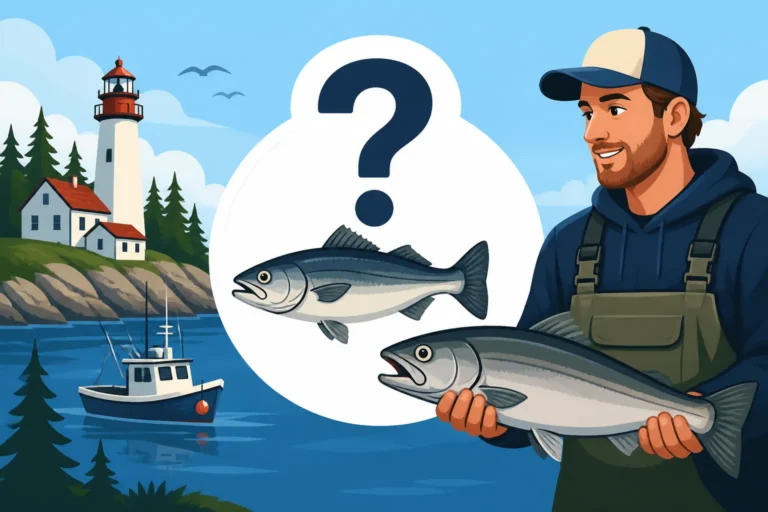
Let's cut right to the chase: when people talk about a "Blueback Trout" in Maine, they are referring to a specific, and incredibly rare, form of Arctic Char. This isn't just another color variant of a common trout; it's a distinct population of an ancient fish with a fascinating history tied deeply to Maine's glacial past. Understanding this distinction is key to appreciating this unique creature.
The Scientific Lineage: A Char, Not a "True" Trout
Despite its common name, the Blueback Trout isn't a "true trout" in the same biological family as brook trout, brown trout, or rainbow trout. Scientifically, it belongs to the genus Salvelinus, which makes it a char. Other members of this genus in Maine include the Togue, often called Lake Trout. This distinction is more than just academic; it speaks to the evolutionary history and unique characteristics of the Blueback. While trout and char are both salmonids, chars typically prefer colder, cleaner, and often more oxygenated waters, often thriving in glacial lakes and remote ponds. This preference for pristine, cold environments is a major reason why the Blueback Trout is so rare and sensitive. What Is the Difference Between a Char and a Trout? helps clarify these family ties, showing just how unique this blue-backed gem truly is.
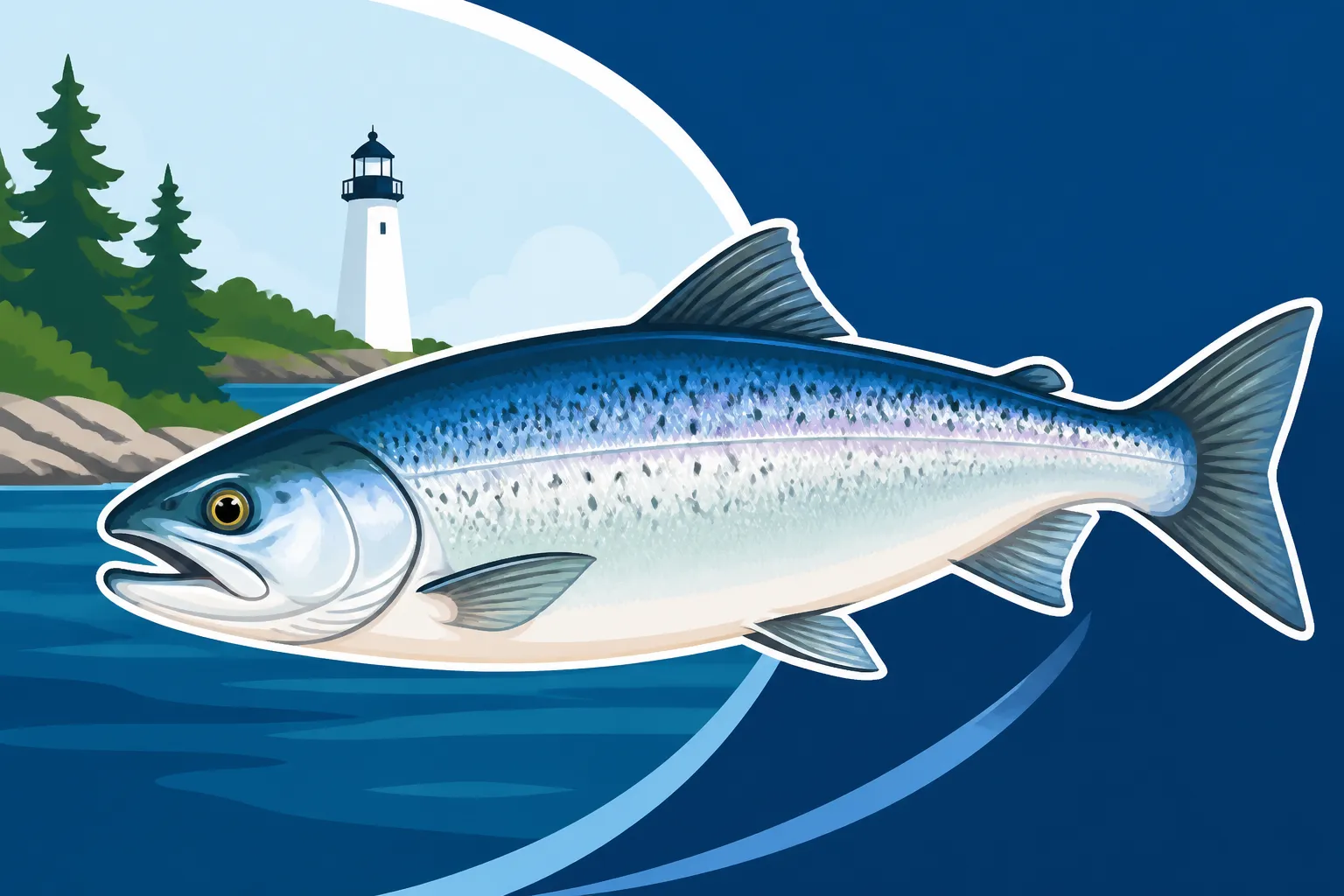
When you think about identification, a Blueback Trout is truly striking. Its back boasts a deep, almost iridescent blue or blue-green hue, fading to silvery sides and a white belly. During spawning season, males can take on vibrant orange and red colors on their fins and bellies, making them incredibly beautiful. They have light spots on a darker body, which is characteristic of char, differentiating them from trout which typically have darker spots on a lighter body. They are generally small, usually ranging from 8 to 14 inches, though historically some larger specimens were recorded. Their body shape is streamlined, perfectly adapted for cruising the cold depths of their secluded lake homes. If you're keen on learning more about identifying different fish, a good field guide, easily found on platforms like Amazon, can be an invaluable resource.
Historical Context and Nomenclature
The term "Blueback Trout" has deep roots in Maine's angling history. Early settlers and indigenous peoples certainly encountered these fish, and their striking coloration likely led to their descriptive common name. For generations, they were a prized catch in the remote ponds where they thrived. The scientific community later recognized them as a subspecies of Arctic Char, specifically Salvelinus alpinus oquassa. This name acknowledges their connection to the broader Arctic Char species found across northern latitudes while highlighting their unique status in Maine. Their existence here is a direct link to the last ice age, making them a living relic. Maine Fish Species Identification Guide can offer broader context on how various fish species are named and classified in our state.
The stories of Bluebacks often conjure images of old Maine sporting camps and remote expeditions. While many species are celebrated for their size or fighting prowess, the Blueback has always been admired for its beauty and the pristine nature of its habitat. It's a reminder of a time when Maine's waters were even wilder and more untouched. Sadly, it's also a testament to how quickly human activity can impact even the most resilient of species.
Maine's Hidden Gems: The Blueback Trout's Native Range and Current Status
The story of the Blueback Trout in Maine is one of both remarkable persistence and profound vulnerability. These fish are true survivors, having endured dramatic environmental changes over millennia, yet they now face an existential threat. Their native range tells a tale of specific, demanding habitat requirements, and their current status highlights the urgent need for conservation.
Glacial Relicts and Ideal Habitats
The Blueback Trout is considered a "glacial relict" species. This means that after the last ice age, as the glaciers receded, populations of Arctic Char became isolated in deep, cold, oligotrophic lakes in various parts of the northern hemisphere. In Maine, these populations evolved into the unique subspecies we call the Blueback Trout. Their preferred habitat is incredibly specific: very deep, crystal-clear, nutrient-poor (oligotrophic) lakes with consistently cold water, even in the deepest reaches during summer. These waters are often characterized by low dissolved solids, high oxygen levels, and typically lack significant populations of other fish species that could compete for food or prey on their young.
Historically, Blueback Trout were found in a handful of these pristine, deep-water lakes across northern and western Maine, particularly in the more mountainous and remote regions. Each lake essentially held its own isolated population, making them genetically unique but also highly susceptible to environmental changes. Think of these lakes as natural museums, preserving a piece of glacial history. Brook Trout Native Range in Maine provides a good point of comparison, as brook trout also thrive in cold, clean waters but have a broader habitat tolerance than the highly specialized Blueback. Remote ponds and lakes often host species that require very specific conditions, and the Blueback is at the extreme end of that spectrum.
The Precarious Present: Rarity and Conservation Status
Today, the Blueback Trout is one of Maine's most critically endangered fish species. Its populations have suffered devastating declines, and it is now believed to exist in only a handful of extremely remote, high-elevation ponds, primarily in Aroostook County and perhaps a few other isolated locations in northern Maine. Some of its historical populations are considered extinct. The reasons for this decline are multi-faceted, but primarily revolve around habitat degradation and the introduction of non-native fish species.
| Feature | Blueback Trout (Arctic Char) | Brook Trout | Togue (Lake Trout) |
|---|---|---|---|
| Genus | Salvelinus (Char) | Salvelinus (Char) | Salvelinus (Char) |
| Typical Size | 8-14 inches | 6-15 inches | 18-36+ inches |
| Coloration | Deep blue back, silver sides, light spots on dark body |
Olive to dark green back, vermiculations, red spots with blue halos |
Dark grey/green back, light spots on dark body |
| Habitat Pref. | Deep, very cold, oligotrophic lakes | Cold, clear streams/lakes, some ponds |
Deep, cold, large lakes |
| Conservation | Critically Endangered in Maine | Stable (some wild populations threatened by habitat) |
Stable (managed fishery) |
| Native to Maine | Yes | Yes | Yes |
The introduction of competing species like Rainbow Smelt, other trout (like Brown Trout), or even some aggressive bass species into Blueback waters has had a catastrophic effect. These introduced species compete for food, prey on young Bluebacks, or alter the delicate ecosystem balance. Bluebacks evolved in isolation and are simply not equipped to handle such competition. Furthermore, habitat changes like increased water temperatures due to climate change, shoreline development, and runoff can quickly push these cold-water specialists past their tolerance limits. The state of Maine and various conservation groups have recognized the extreme vulnerability of the Blueback Trout and have implemented strict protection measures. This includes managing specific ponds as "heritage fish waters" or "special regulation waters" to prevent further introductions of competing species and protect critical habitat. These efforts are often detailed within the Maine Fishing Regulations Explained guide.
Why the Blueback Trout is a Jewel of Maine's Waters: Ecology and Conservation
The Blueback Trout isn't just another fish; it's a critical part of Maine's natural heritage and an important indicator of the health of our most pristine coldwater ecosystems. Its continued existence, however tenuous, speaks volumes about the quality of some of Maine's most remote and untouched environments.
Ecological Significance: A Barometer of Purity
Because Blueback Trout require such specific, cold, and clean conditions, their presence (or absence) in a lake acts as a natural barometer for water quality and ecosystem health. They are sensitive to changes in temperature, oxygen levels, and the introduction of pollutants or non-native species. A thriving Blueback population would indicate an exceptionally healthy, undisturbed coldwater lake ecosystem. In environments where they historically existed but have since vanished, it's often a clear sign that something fundamental in that ecosystem has changed for the worse. Their unique genetics also represent thousands of years of adaptation to Maine's specific conditions, holding valuable biological information. Understanding the distinctiveness of char, as highlighted in Is a Togue Technically a Char?, further underscores their ecological value as a separate evolutionary lineage.
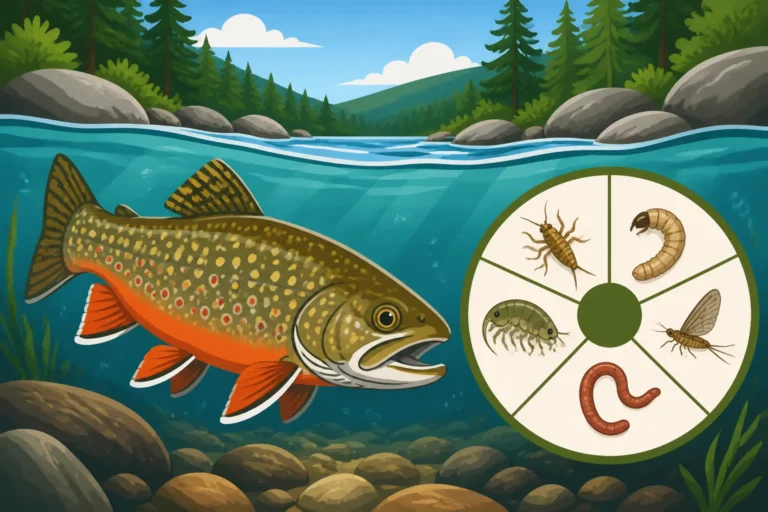
These fish are part of a delicate food web, typically preying on aquatic insects and small invertebrates, and in turn, serving as a food source for larger predators where they exist. Their long isolation in small, deep ponds has made them highly specialized, fitting perfectly into a niche that few other species can occupy. Losing them means losing a unique piece of Maine's biodiversity and a natural warning system for environmental decline.
Conservation Challenges and Efforts
The fight to save the Blueback Trout is an uphill battle, fraught with challenges. The primary issue is their extreme rarity and the difficulty in accessing and managing their remaining habitats without causing further disturbance. Introductions of non-native fish, as mentioned, are perhaps the most significant threat. Even seemingly harmless actions, like using live bait from one pond in another, can unintentionally introduce invasive species or diseases that could wipe out a fragile Blueback population. This is why strict regulations on bait and species introductions are so vital in Maine, particularly in sensitive "heritage waters."
Conservation efforts typically focus on:
- Habitat Protection: Safeguarding the remaining remote ponds from development, pollution, and activities that could raise water temperatures or introduce contaminants.
- Preventing Introductions: Strict enforcement and angler education to prevent the release of non-native species or baitfish into Blueback waters.
- Research and Monitoring: Ongoing scientific studies to better understand their biology, population dynamics, and specific habitat needs. This includes genetic analysis to preserve the unique characteristics of each remaining population.
- Public Awareness: Educating anglers and the public about the importance of these rare fish and how their actions can help or harm them.
Organizations like the Maine Department of Inland Fisheries and Wildlife (MDIFW) are at the forefront of these efforts, often managing these sensitive waters with special regulations. Anglers who venture into remote areas must always consult How to Find Maine Fishing Regulations for a Specific Lake or pond, as rules can be extremely stringent, sometimes even prohibiting specific gear like lead jigs which are also subject to broader bans to protect all fish populations. Maine Lead Jig Fishing Ban is one such important regulation that benefits these sensitive species.
Encountering the Elusive: Respect, Identification, and the Future of Blueback Trout
For most anglers, an encounter with a Blueback Trout is a dream, an incredibly rare stroke of luck, or something from the annals of history. Given their extreme rarity and protected status, fishing for them specifically is not a practice that is encouraged or, in most cases, even legal. Instead, the focus for responsible anglers should be on awareness, respectful interaction, and contributing to their conservation.
What If You Hook One?
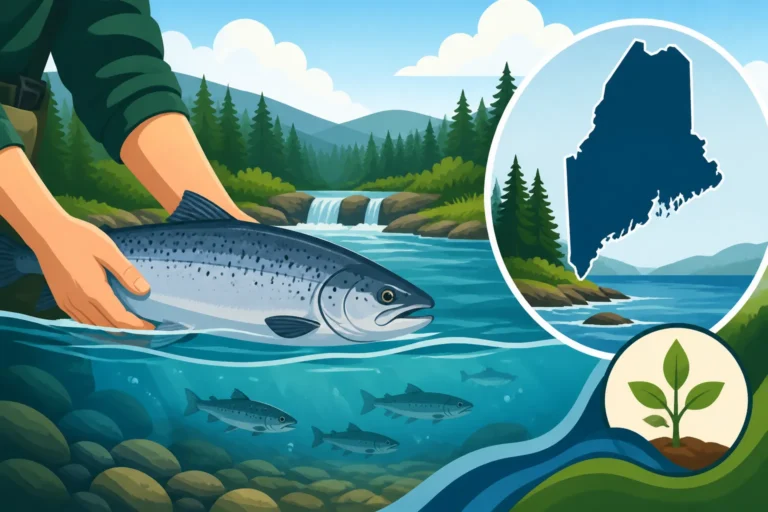
It's highly, highly unlikely you'll ever hook a Blueback Trout. Their populations are so small and their habitats so remote and protected that such an event would be extraordinary. However, if by some incredible chance you did catch a fish that matched the description – deep blue back, silvery sides, light spots on a dark body, small size, in a pristine, cold, deep pond – your immediate action should be to release it immediately and carefully.
- Handle with Care: Minimize handling time. Keep the fish in the water as much as possible. Use wet hands to avoid removing their protective slime layer.
- Barbless Hooks: If you are fishing in remote, sensitive waters, consider using barbless hooks to make release easier and reduce harm to any inadvertently caught fish, including rare species or general trout populations. You can find quality barbless hooks or tools to crimp barbs on regular hooks easily on Amazon.
- No Photos (for identification): While you might be tempted to photograph a rare catch, remember that even a few seconds out of water can stress a fish. If you truly believe you've caught a Blueback Trout, contact the MDIFW with your exact location after the fish has been safely released. They may want to collect data, but the fish's well-being comes first.
- Understand Local Regulations: Always, always check the specific regulations for any remote pond or lake you plan to fish. Many "heritage fish waters" or ponds known to harbor rare species will have special rules, sometimes even requiring Maine Catch and Release Only Waters List status. Fishing without a proper understanding of these rules can lead to significant penalties, especially when dealing with endangered species, as covered in Fishing Without a License in Maine.
Contributing to Their Future
Even if you never see a Blueback Trout in the wild, you can still contribute to their survival and the health of Maine's coldwater fisheries.
- Practice "Clean, Drain, Dry": This mantra is critical for preventing the spread of invasive species. Before moving your boat, kayak, or even waders from one body of water to another, thoroughly clean off all weeds, drain all water, and allow everything to dry completely. This is the single most effective way to prevent unknowingly transporting harmful organisms.
- Respect Remote Areas: When venturing into the backcountry, practice Leave No Trace principles. Pack out everything you pack in, minimize your impact, and respect the fragile ecosystems you are visiting. The habitats where Bluebacks might still exist are often exceptionally delicate. Even if you're targeting brook trout, knowledge from guides like Best Remote Ponds for Brook Trout in Northern Maine and How to Reach Remote Trout Ponds in the North Woods emphasizes responsible access and stewardship.
- Support Conservation Efforts: Consider donating to or volunteering with organizations dedicated to coldwater conservation in Maine. Your support helps fund research, habitat protection, and public education initiatives that directly benefit species like the Blueback Trout.
- Educate Others: Share your knowledge about the Blueback Trout with fellow anglers and outdoor enthusiasts. The more people who understand and appreciate these unique fish, the more likely they are to be protected for future generations.
The Blueback Trout is a rare and precious part of Maine's natural legacy. By understanding its unique story and practicing responsible angling and outdoor ethics, we can all play a part in ensuring this living relic continues to grace Maine's pristine waters for years to come.
Disclaimer
This article is for general informational purposes only and does not constitute professional advice. Laws, prices and regulations vary by location and change over time. Consult a qualified professional for guidance on your specific situation.