What Does Togue Mean in Maine?
If you've spent any time talking to local anglers in Maine, especially around some of our deeper, colder lakes, you've probably heard the word "togue" thrown around. It might sound a bit mysterious or even like a local secret handshake, leaving you wondering if it's some kind of mythical lake monster or just a quirky Mainer term for something common. Don't worry, you're not alone! This guide is here to unravel the mystery and explain exactly what "togue" means in Maine fishing circles, and why it's a name worth knowing.
The Mystery of the Maine "Togue" Unraveled
It's truly a unique aspect of Maine's fishing culture, this use of the word "togue." When you hear a seasoned angler talk about hooking into a big togue, they're not talking about a different species from what you might find elsewhere. They're actually referring to a fish that's well-known across North America, but here in Maine, we just like to call it by a different name.
More Than Just a Funny Name
When a Mainer talks about "togue," they're not pulling your leg or making up a fish. "Togue" is our beloved, traditional name for the Lake Trout (Salvelinus namaycush). That's right, the magnificent, deep-dwelling, cold-water predator known as a lake trout everywhere else, gets its special moniker here in the Pine Tree State. It's a deep-rooted tradition, much like calling certain types of sandwiches "grinders" or "hoagies" in other regions. It speaks to our independent spirit and how we've always had our own way of doing things, especially when it comes to our cherished fishing heritage.
The Scientific Name vs. The Local Name
So, while the rest of the world knows it as a Lake Trout, especially in scientific circles or national fishing guides, we proudly refer to it as "togue." This isn't just a casual nickname; it's practically official here. If you were to ask a local biologist or game warden about Salvelinus namaycush, they'd likely nod and then immediately use the word "togue" in their explanation. Understanding this distinction is key to navigating conversations with local anglers and interpreting Maine Fishing Regulations Explained. It's not about being exclusive; it's just how we've always done it.
Why Mainers Use "Togue"
The origin of the term "togue" is a bit shrouded in history, like many old regional dialect words. It's believed to have indigenous roots, possibly from the Abenaki language, which was spoken by the Native American tribes who originally inhabited this land. Many of our place names, and even some fish names, have been passed down through generations. Over time, as European settlers arrived and began to fish these waters, they adopted and adapted some of these local terms. "Togue" likely stuck because it was descriptive and easy to say, becoming ingrained in the fishing lexicon long before standardized common names became widespread. It's a living piece of history, connecting us to the very first people who fished these pristine waters. When you hear the word, it's a reminder of Maine's deep, rich outdoor heritage.
Identifying a Maine Togue: Key Characteristics
Now that you know "togue" means Lake Trout, let's talk about how to recognize one when you hook it, and what makes these fish such a prized catch in Maine. They're truly unique, and once you learn their tell-tale signs, you'll be able to spot them easily.
Appearance and Size
A Maine togue is a striking fish. They typically have a long, slender body, but can grow quite stout with age. Their coloration can vary, from a darker greenish-grey or brownish-grey on their backs, fading to lighter sides, and a white or cream-colored belly. What really sets them apart are the distinct, irregular light spots scattered across their back and sides, including on their dorsal and caudal (tail) fins. These spots are often worm-like or labyrinthine in pattern. Their mouth is large, extending back past the eye, and they have sharp, conical teeth.
Size-wise, togue can be quite impressive. While many anglers typically catch fish in the 2-5 pound range, trophy togue in Maine can easily push into the double digits. It's not uncommon to hear tales of 15-20 pounders, and even larger specimens have been pulled from our deep lakes. These giants are often older fish, survivors that have thrived in the cold, nutrient-rich waters. Catching one of these beasts is definitely a bucket-list item for many Maine anglers. You can learn more about how big these fish get in How Big Do Togue Get in Maine?.
Habitat and Behavior
Togue are true cold-water specialists. Unlike brook trout or bass, which prefer shallower, warmer waters during certain times of the year, togue thrive in the deepest, coldest parts of Maine's larger lakes. They are typically found in waters that maintain a temperature of 45-55 degrees Fahrenheit (7-13 degrees Celsius) year-round. This means during the summer, they retreat to significant depths, often 50 feet or more, where the water remains cool and oxygenated. In spring and fall, especially during the spawn, they might move into shallower rocky areas.
Their behavior is largely driven by their diet. Togue are voracious predators, primarily feeding on baitfish like smelt, cisco, and other smaller fish. This makes them apex predators in their aquatic ecosystems. They are also known to eat insects, crustaceans, and even smaller togue if food is scarce. Because they're always on the hunt, understanding their feeding patterns and preferred depths is crucial for successful fishing. You can delve deeper into their diet in What Do Togue Eat in Deep Maine Lakes?.
Spotting the Difference: Togue vs. Other Salmonids
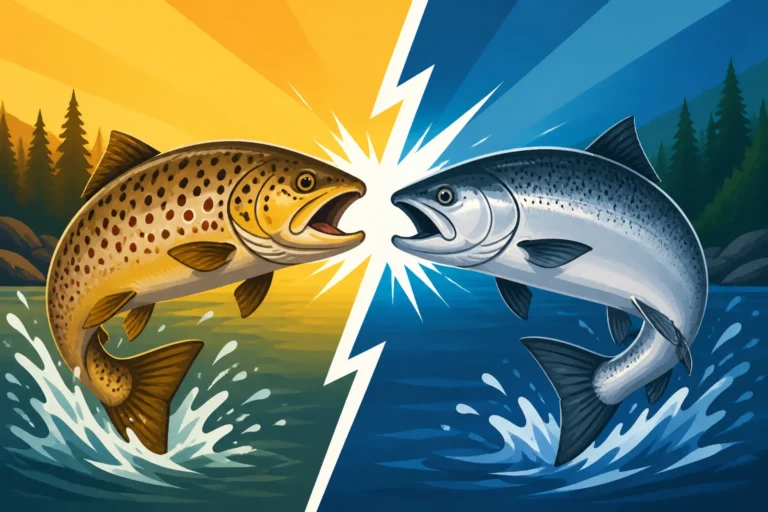
In Maine, you'll encounter a variety of salmonids, and it's easy to confuse them, especially if you're new to the game. Here's a quick rundown of how to distinguish a togue (Lake Trout) from its cousins, the landlocked salmon and brook trout:
- Togue (Lake Trout): Characterized by light, irregular, worm-like spots on a darker body. They have a deeply forked tail, much more so than a brook trout. Their overall body shape is generally more elongated and torpedo-like than a brook trout, but often thicker than a landlocked salmon.
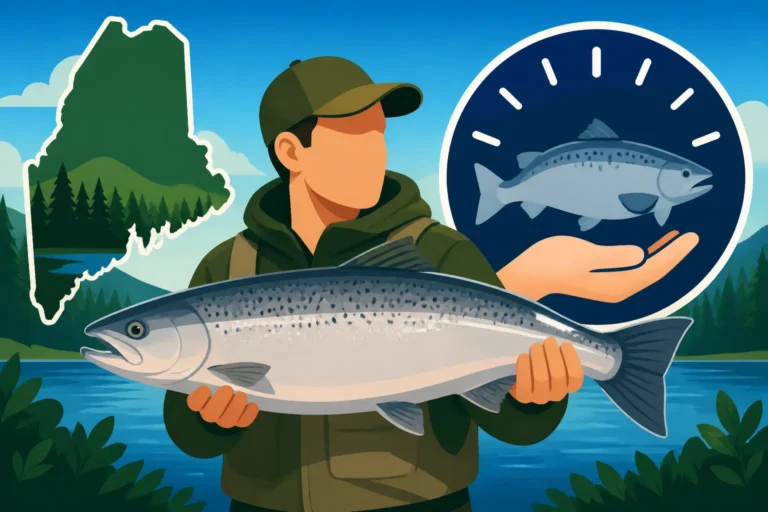
- Landlocked Salmon: These are typically silver-sided with dark X-shaped or irregular spots. They have a moderately forked tail, but not as deeply forked as a togue. Their body is generally more streamlined and sleeker than a togue.
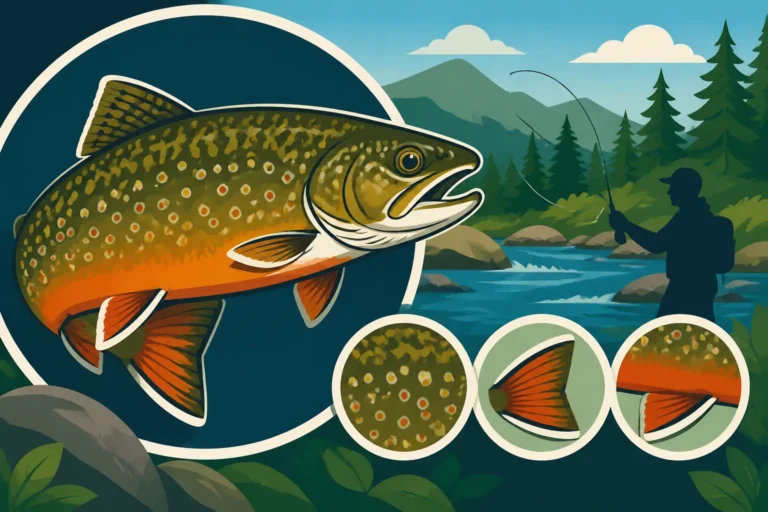
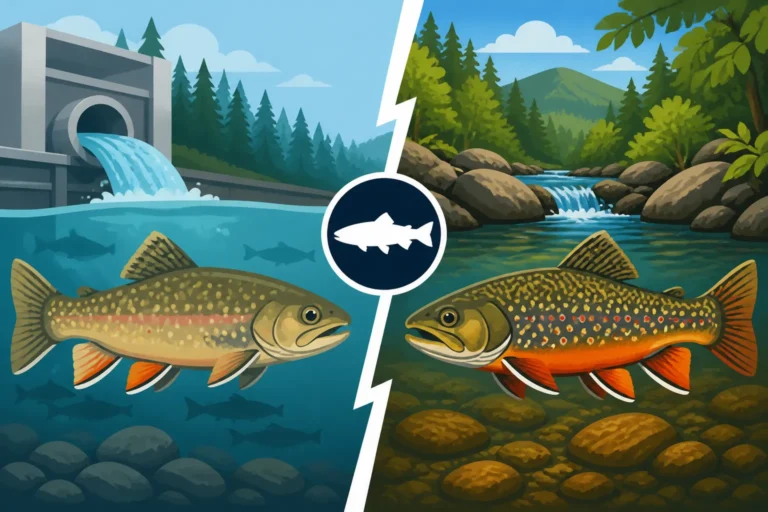
- Brook Trout: Maine's state fish! Brook trout have a distinctive dark, mottled (worm-like) pattern on their backs, fading to lighter sides with red spots surrounded by blue halos (often called "halos"). Their lower fins usually have a white leading edge, often followed by a black stripe, then orange or red. Their tail is square or only slightly forked. They are generally smaller and more colorful than togue or landlocked salmon.
Knowing these visual cues will not only help you identify your catch but also ensure you're adhering to the specific regulations for each species, as bag and length limits can vary significantly.
Fishing for Togue in Maine Waters
Now that you're well-versed in what a togue is and how to identify one, let's talk about the exciting part: catching them! Togue fishing in Maine offers a unique challenge and a rewarding experience, whether you're out on the open water or braving the ice in winter.
Best Lakes for Togue Fishing
Maine is blessed with numerous large, deep, cold-water lakes that provide ideal habitat for togue. If you're looking to target these magnificent fish, some names will come up time and again. Moosehead Lake Fishing Guide is absolutely legendary for its togue population. It's not just big, it's huge, offering vast areas of deep, cold water where togue thrive. Other fantastic options include Sebago Lake Fishing Guide, which also holds a reputation for large togue, and Rangeley Lakes Fishing Guide is another prime spot, particularly for those seeking a picturesque setting along with excellent fishing.
Beyond these giants, you'll find healthy populations in lakes like West Grand Lake, East Grand Lake, and numerous other large ponds throughout the northern and western parts of the state. The key is to look for deep, cold, oligotrophic (nutrient-poor, oxygen-rich) lakes with a good forage base of smelt or other baitfish. Each of these lakes has its own unique character, and local knowledge, or even a good chart, can be invaluable for finding the best togue haunts.
Effective Techniques and Tackle
Fishing for togue requires a bit of strategy, largely due to their preference for deep, cold water. Here are some common and effective techniques:
- Trolling: This is arguably the most popular and effective method for open-water togue fishing. Anglers use downriggers, lead core line, or heavy sinkers to get their lures or bait down to the depths where togue are holding. Popular lures include spoons (like Mooselook Wobblers, Suttons, or DB Smelt), stickbaits (such as Rapalas or ThunderSticks), and even live or dead smelt rigged on bait harnesses. Varying your speed, depth, and lure action is key to finding what the fish want on any given day. Check out Trolling Techniques for Maine Lakes for more in-depth advice.
- Jigging: While more commonly associated with ice fishing, jigging can also be effective in open water, especially if you're targeting specific humps, drop-offs, or underwater structures that show fish on your sonar. Heavy jigs tipped with cut bait or soft plastics can entice a strike.
- Ice Fishing: When the lakes freeze over, togue fishing becomes a whole new ball game. Anglers typically set up tip-ups with live bait (often smelt) fished near the bottom, or they actively jig with heavy spoons or flashy jigs. Locating deep water structure is still paramount. The winter season often brings out some of the biggest togue, as they are actively feeding under the ice. Our Maine Ice Fishing Techniques Guide covers this in detail.
Regardless of the technique, having a reliable fish finder is almost essential for togue fishing to locate depths, structure, and baitfish schools. For tackle, a medium-heavy rod with a good quality reel spooled with strong braided line and a fluorocarbon leader is a solid choice. Don't forget a net with a deep basket, as these fish can be long and powerful! You can find a good selection of specialized gear for deep-water fishing on sites like Amazon.
Togue Regulations and Conservation
Like all fish species in Maine, togue are managed with specific regulations to ensure healthy populations for future generations. It's absolutely crucial to familiarize yourself with the current Maine Fishing Regulations Explained, as rules can vary by lake and change periodically. Generally, these regulations include:
- Bag Limits: The number of togue you can keep in a single day.
- Length Limits: Minimum or sometimes maximum length restrictions to protect younger or large spawning fish.
- Special Regulations: Some waters may have unique rules, such as "catch and release only," specific tackle restrictions, or season closures.
These regulations are designed to protect the togue, especially the larger, older fish that are vital for reproduction. Practicing responsible catch and release, particularly with larger individuals, helps to ensure that these magnificent fish continue to thrive. Always carry a measuring device and be prepared to release fish safely.
Togue vs. Other Maine Game Fish
To help clarify the unique aspects of the togue (Lake Trout) compared to other popular game fish you might encounter in Maine, here's a handy comparison table:
| Feature | Togue (Lake Trout) | Landlocked Salmon | Brook Trout | Smallmouth Bass |
|---|---|---|---|---|
| Common Name | Togue (Maine), Lake Trout (everywhere else) | Landlocked Salmon | Brookie, Native Trout | Smallmouth, Bronzeback |
| Scientific Name | Salvelinus namaycush | Salmo salar (landlocked strain) | Salvelinus fontinalis | Micropterus dolomieu |
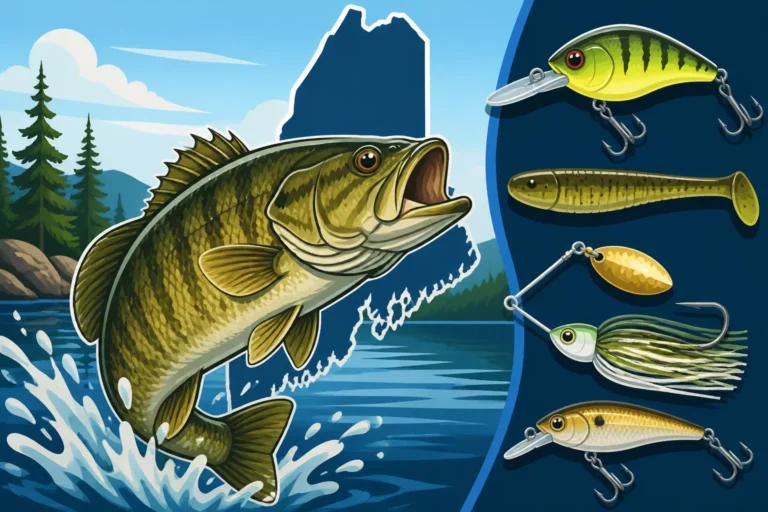
| Typical Habitat | Deep, cold, oxygenated lakes (50+ feet in summer) | Large, deep lakes; rivers, runs to spawn | Cold, clear streams, small ponds, river sections | Rocky lakeshores, rivers, structure (shallows to mid-depths) |
| Primary Diet | Smelt, cisco, other baitfish | Smelt, insects, crustaceans, small fish | Insects, small fish, aquatic invertebrates | Crayfish, minnows, insects, worms |
| Appearance | Dark with light, irregular (worm-like) spots; deeply forked tail | Silvery with dark X-shaped spots; moderately forked tail | Dark with light worm-like markings, red spots w/ blue halos; square/slightly forked tail | Bronze to green-brown, vertical bars/blotches; strong fighting |
| Fight Style | Powerful, deep runs, stubborn | Energetic, acrobatic jumps, strong runs | Quick, darting, often jump | Hard-fighting, jumps, bulldogging runs |
| Best Fishing Season | Year-round, excels in winter (ice fishing) & early spring | Early spring, fall (spawning runs) | Spring, early summer, fall (when water is cool) | Late spring, summer, early fall |
Understanding these differences not only enhances your fishing experience but also helps you better appreciate the incredible biodiversity of Maine's waters.
So, the next time you hear someone mention "togue" around a campfire or at the local tackle shop, you'll know exactly what they're talking about. You'll be in on the secret, a part of Maine's unique fishing vernacular, and ready to share a story or two about pursuing these magnificent Lake Trout in our legendary waters. Happy fishing!
Disclaimer
This article is for general informational purposes only and does not constitute professional advice. Laws, prices and regulations vary by location and change over time. Consult a qualified professional for guidance on your specific situation.