Best Lures for Smallmouth Bass in Maine
There’s nothing quite like the exhilarating fight of a smallmouth bass in Maine’s pristine waters, but sometimes it feels like they’re just not interested in anything you throw at them. It can be incredibly frustrating to hit a prime spot, armed with what you think are the right lures, only to come up empty-handed. This guide is all about cutting through that confusion, helping you understand what makes a Maine smallie tick, and equipping you with the best lures to consistently entice these feisty fish.
Understanding Maine Smallmouth Bass Behavior
Before we even talk about specific lures, it’s crucial to get inside the head of a smallmouth bass. These fish aren't just swimming around aimlessly; they're governed by instinct, searching for food, cover, and comfortable water conditions. The better you understand their habits, the more effectively you can present a lure that they simply can't resist. Maine's diverse waters, from expansive lakes to winding rivers, present unique challenges and opportunities for smallmouth anglers.
Seasonal Movements and Habitat Preferences
Smallmouth bass are incredibly dynamic throughout the year. In early spring, as ice retreats and water temperatures start to climb, they begin to move from deeper wintering grounds into shallower bays and rocky points where the sun warms the water more quickly. This pre-spawn period is a fantastic time to find them actively feeding. They’re looking to bulk up for the upcoming spawning season, which typically happens when water temperatures reach the high 50s to low 60s. During spawn, they’ll be guarding nests in shallower, protected areas, often near gravel or sand bottoms.
Once spawning is over and summer arrives, smallmouth often shift to deeper offshore structures, like humps, ledges, and transition areas, especially during the heat of the day. They'll still visit shallower areas during low light conditions or when baitfish are abundant. As fall approaches and water temperatures drop again, they’ll start another feeding frenzy, moving back to shallower rocky areas and points, gorging themselves in preparation for winter. Knowing these patterns helps you anticipate where they might be, and consequently, what kind of lure presentation will be most effective. Whether you're fishing a vast lake like Sebago Lake or a flowing river, understanding these seasonal shifts is paramount.
What Smallmouth Bass Eat in Maine Waters
Maine's smallmouth bass have a varied diet, and understanding their forage is key to "matching the hatch" with your lures. Their menu largely consists of baitfish like smelt, shiners, and juvenile perch. Crayfish are another huge favorite, especially in rocky habitats, providing a protein-rich meal. Insects, particularly during hatches in rivers and near shorelines, also make up a significant portion of their diet. Frogs, leeches, and even smaller panfish can also be on the menu.
The clarity of the water and the predominant forage in a particular body of water will heavily influence what lures work best. For instance, if you're fishing a lake known for its abundant crayfish population, a soft plastic creature bait or a jig that imitates a crayfish will likely be a hot ticket. In waters where smelt are plentiful, a long, slender jerkbait or a swimbait can be incredibly effective. Pay attention to what's in the water, and you'll often find clues about what the bass are feeding on. This understanding helps you make more informed choices when picking out your tackle, whether you're browsing at a local shop or online at Amazon.
Top Lure Categories for Maine Smallmouth Bass
When it comes to smallmouth bass fishing, there isn't one "magic" lure. Instead, there's a wide array of options, each designed for specific situations, depths, and presentations. Having a diverse tackle box that includes a few key categories will significantly increase your success rate. Let’s dive into the most effective types of lures you should consider for Maine's smallmouth.
Soft Plastics: Versatility for Finesse and Power
Soft plastics are, without a doubt, one of the most versatile and productive lure categories for smallmouth bass. Their ability to imitate a wide range of forage, combined with their lifelike action, makes them irresistible. You can rig them in countless ways, adapting to almost any fishing scenario. For finesse presentations, think about drop-shotting small worms or creature baits, which can be deadly when fish are finicky or holding tight to structure. These subtle baits are perfect for mimicking a small baitfish or an injured insect fluttering near the bottom.
When you need a bit more "power," soft plastic tubes are a classic smallmouth killer, especially when imitating crayfish or gobies (where present). Rigged on an internal jig head, they spiral and dart, driving smallmouth wild. Grubs, rigged on an open jig head, are also fantastic, offering a simple yet effective swimming action for covering water. Don't forget soft plastic jerkbaits or "flukes," which have an erratic, baitfish-like action when twitched, often drawing aggressive strikes from suspending bass. The sheer variety available, from tiny micro-baits to larger swimbaits, means there’s always a soft plastic for the job.
Hard Baits: Cranking, Jerking, and Topwater Thrills
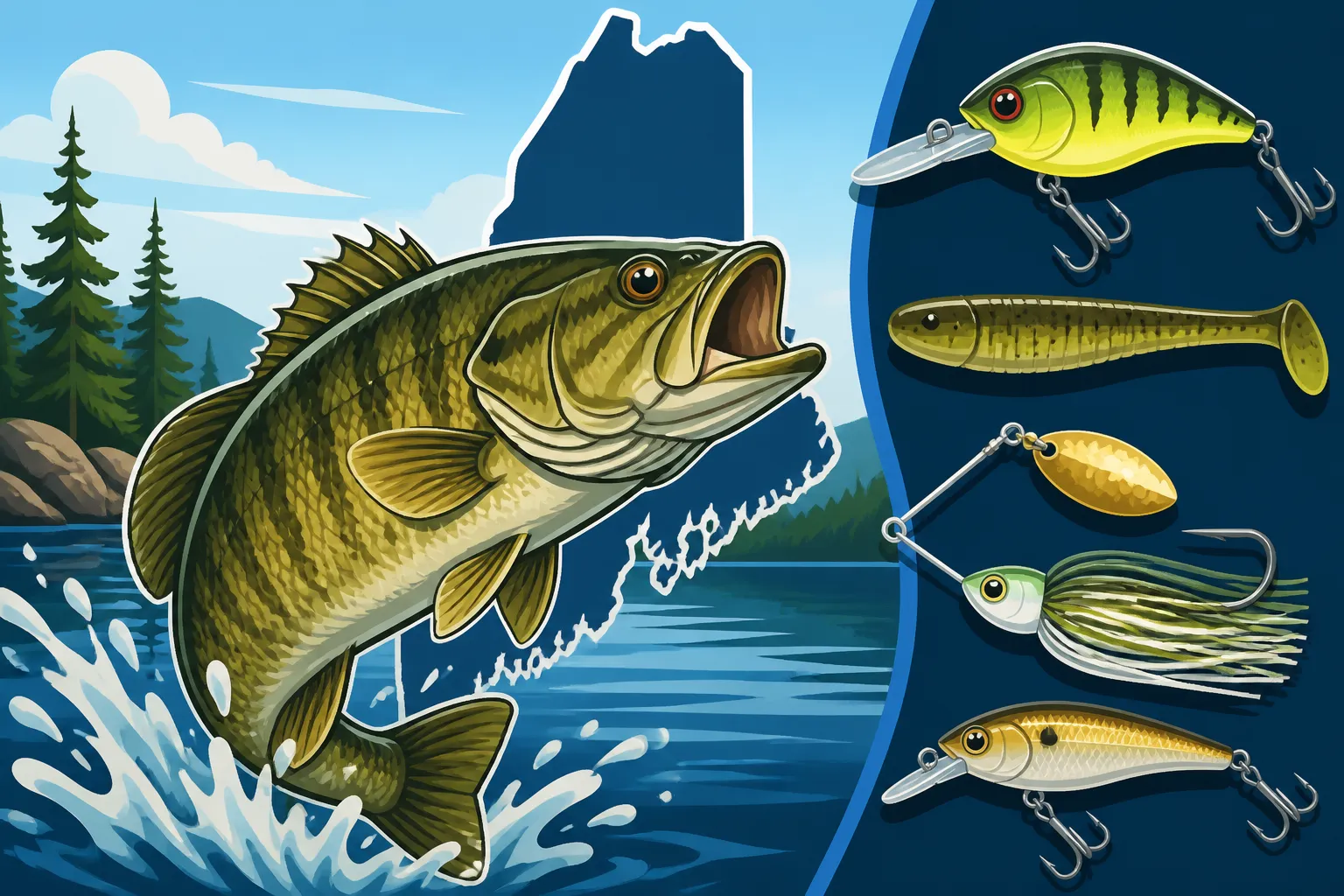
Hard baits bring a different kind of aggression to your smallmouth game. These lures are designed to create specific actions and vibrations that trigger reaction strikes. Crankbaits, with their diving lips, are excellent for covering water and targeting specific depths. Shallow-diving crankbaits are perfect for rocky points and flats in spring and fall, while deeper divers can probe ledges and humps during the summer. The deflective action of a crankbait bouncing off rocks often provokes an immediate strike.
Jerkbaits are another hard bait essential, especially for clear water and suspended fish. Their stop-and-go, darting motion perfectly mimics a wounded baitfish, and smallmouth will often inhale them on the pause. Whether you prefer a subtle twitch or a more aggressive rip, jerkbaits are incredibly effective throughout the open water season. And then there's topwater – the absolute thrill of watching a smallmouth explode on a surface lure. Poppers, walk-the-dog baits, and prop baits create commotion on the surface, drawing bass up from surprising depths, particularly during low light conditions or when they're actively feeding on insects near the shoreline. Few things beat that visual strike.
Spinnerbaits and Jigs: Tried and True Producers
No smallmouth tackle box is complete without a selection of spinnerbaits and jigs. Spinnerbaits are incredibly versatile, excelling in a variety of conditions, from clear to stained water. Their flashing blades (willow leaf, Colorado, or a combination) and vibrating skirt create an irresistible combination of sight and sound. They're excellent for covering water quickly, especially around submerged wood, rock piles, and weed edges. The flash and vibration can draw fish from a distance, making them a great search bait. When smallmouth are aggressive, a spinnerbait can be absolutely deadly.
Jigs, in their many forms, are also legendary for smallmouth. Casting jigs (like football or living rubber jigs) with a chunk or creature bait trailer can be fantastic for crawling along rocky bottoms, mimicking crayfish. Hair jigs, especially smaller ones, are exceptional for cold water or when fish are pressured and want a more subtle presentation, imitating small baitfish or leeches. Finally, finesse jigs or "Ned Rigs" are a relatively new but incredibly effective technique, especially for finicky smallmouth. They present a small, buoyant worm or creature bait that stands up off the bottom, an irresistible target for cautious bass. You can find a vast selection of all these jig types on platforms like Amazon.
Matching Your Lures to Conditions and Locations
Having a great collection of lures is one thing, but knowing which one to tie on in a given situation is where experience and insight really pay off. Maine's dynamic weather and diverse fishing environments demand adaptability. What works wonders on a sunny afternoon in a clear lake might completely flop in a murky river after a rainstorm. Let’s break down how to make smarter lure choices based on what Mother Nature throws your way.
Clear Water vs. Stained Water Considerations
Water clarity plays a huge role in lure selection. In Maine's famously clear lakes, like certain sections of Sebago Lake Fishing Guide or Moosehead Lake Fishing Guide, fish rely heavily on their eyesight. This means you often need more natural, subtle presentations. Transparent or natural baitfish colors (silver, perch patterns, greens, browns) tend to excel. Finesse techniques with soft plastics, light jigs, or natural-looking jerkbaits that mimic a minnow or crayfish are often the ticket. Line visibility is also a concern in clear water, so opting for fluorocarbon leaders can be beneficial.
Conversely, in stained or murky waters, like those you might encounter in some river systems after heavy rains, visibility is low. Here, smallmouth rely more on their lateral line to detect vibrations and scent. This is where brighter, more contrasting colors (chartreuse, orange, black-and-blue) shine. Lures that create more commotion and vibration, like spinnerbaits with large Colorado blades, noisy crankbaits, or jigs with bulky trailers, become more effective. Scented soft plastics or adding scent to your lures can also provide an extra edge in these conditions.
River vs. Lake Smallmouth Tactics
Fishing for smallmouth in a flowing river is a different ballgame than fishing a sprawling lake. In rivers, current is a major factor. Smallmouth often position themselves out of the main current, behind rocks, logs, or in eddies, waiting to ambush prey. Lures that can be cast upstream and allowed to drift naturally with the current, like small jigs, tubes, or spinnerbaits, often produce. You want lures that can be easily controlled in the current without getting hung up constantly. Penobscot River Fishing Guide or Kennebec River Fishing Access Points in Maine offer great river smallmouth opportunities where these tactics are key.
In lakes, smallmouth are more likely to relate to distinct structures like rock humps, ledges, deep points, and offshore reefs. Here, presentations that allow you to effectively probe these depths are crucial. Deep-diving crankbaits, Carolina-rigged soft plastics, football jigs, or drop-shot rigs are excellent for targeting these underwater features. Trolling can also be an effective strategy in larger lakes to cover vast areas and find active fish. Understanding the nuances of each environment will dramatically improve your catch rate.
Adapting to Weather and Time of Day
The weather and time of day also heavily influence smallmouth behavior. On bright, sunny days with clear skies, smallmouth often retreat to deeper, shadier areas or hold tight to cover. This is when finesse techniques, deep-diving lures, or presentations that get right into their hiding spots can be most effective. Overcast days, on the other hand, often encourage smallmouth to be more active and move into shallower water, making spinnerbaits, crankbaits, and even topwater lures productive throughout the day.
Early morning and late evening, the "golden hours," are almost always prime times for smallmouth, regardless of the weather. During these low-light periods, they're often more aggressive and willing to chase bait. This is when topwater lures can be explosive, but also excellent times for spinnerbaits, shallow crankbaits, and jerkbaits. Pay attention to how the light changes throughout the day and how it influences where the bass are holding. Sometimes, simply waiting an hour or two or switching from a deep presentation to a shallow one can make all the difference.
Essential Lure Tips for Maine Smallmouth Success
Beyond choosing the right type of lure, there are nuanced aspects of lure fishing that can elevate your game from occasionally catching fish to consistently finding success. These are the details that seasoned anglers pay attention to, and they make a real difference, especially when the fishing gets tough.
Color Selection Matters
It might seem like a minor detail, but lure color can be incredibly important for smallmouth bass. While natural patterns are often a safe bet, understanding when to deviate can unlock more bites. In clear water, translucent patterns, natural baitfish imitations (silver, shad, perch), and crayfish colors (greens, browns, oranges) are usually your best bet. The goal is to mimic what they're naturally eating.
However, when the water is stained or murky, or on overcast days, brighter colors become more visible. Chartreuse, bright orange, white, and black-and-blue combinations can provide the contrast needed for bass to locate your lure. Sometimes, even in clear water, a "reaction color" like a bright hot pink or firetiger can trigger an aggressive strike out of pure instinct, even if it doesn't perfectly match a natural forage. It's always a good idea to have a range of colors in your tackle box and be willing to experiment until you find what the fish are keying in on that particular day. Many anglers swear by specific color variations found on platforms like Amazon.
Presentation is Key
You can have the absolute best lure in the world, but if your presentation is off, you won't catch fish. Smallmouth bass are notorious for their keen eyesight and sensitivity to subtle movements. Your retrieve, how you work the lure, and even the angle of your cast can be crucial. For soft plastics, whether you're drop-shotting, Texas rigging, or wacky rigging, a natural, subtle movement that mimics an injured or foraging creature is usually best. This often means slow, deliberate twitches, pauses, and allowing the bait to settle naturally.
With hard baits, the retrieve needs to match the lure's intended action. Crankbaits are often best with a steady retrieve, allowing them to dive and wobble, perhaps hitting bottom occasionally. Jerkbaits, as their name implies, require a "rip, rip, pause" cadence that gives them their erratic, wounded baitfish look. Topwater lures demand patience and the right walk-the-dog or popping rhythm. Pay attention to how your lure is behaving in the water and adjust your technique until you find what elicits a strike. Often, a slight change in retrieve speed or the length of a pause can make all the difference.
The Importance of Varying Your Retrieve
One of the biggest mistakes anglers make is finding a retrieve that works and sticking to it rigidly. Smallmouth bass are not always consistent in their preferences, and what worked yesterday might not work today. This is why varying your retrieve is such a critical skill. Start with a standard retrieve for your chosen lure, but don't be afraid to experiment. Try speeding it up, slowing it down, adding longer pauses, shorter twitches, or more aggressive rips.
Think about the conditions: are the fish aggressive, or are they lethargic? Are they chasing, or are they looking for an easy meal? A rapid, erratic retrieve might be perfect for active, chasing fish, while a slow, methodical drag-and-pause might be better for less aggressive bass hunkered down on the bottom. Even during a single retrieve, mix it up. Sometimes a sudden change in speed or direction is what triggers a follow-up strike. Keeping a keen eye on your line for any subtle bumps or twitches, especially during the pause, can also tell you if fish are interested but not fully committing. Developing this sense of feel and willingness to adapt is what truly separates successful smallmouth anglers from the rest. For more on year-round tactics, check out our Maine Fishing Season Calendar.
Remember, smallmouth bass fishing in Maine is a journey of continuous learning. While these lures and techniques provide a strong foundation, the true art lies in adapting to the unique nuances of each body of water and every fishing day. Keep experimenting, keep observing, and most importantly, keep enjoying the beautiful waters Maine has to offer.
Disclaimer
This article is for general informational purposes only and does not constitute professional advice. Laws, prices and regulations vary by location and change over time. Consult a qualified professional for guidance on your specific situation.