Best Way to Cook Landlocked Salmon
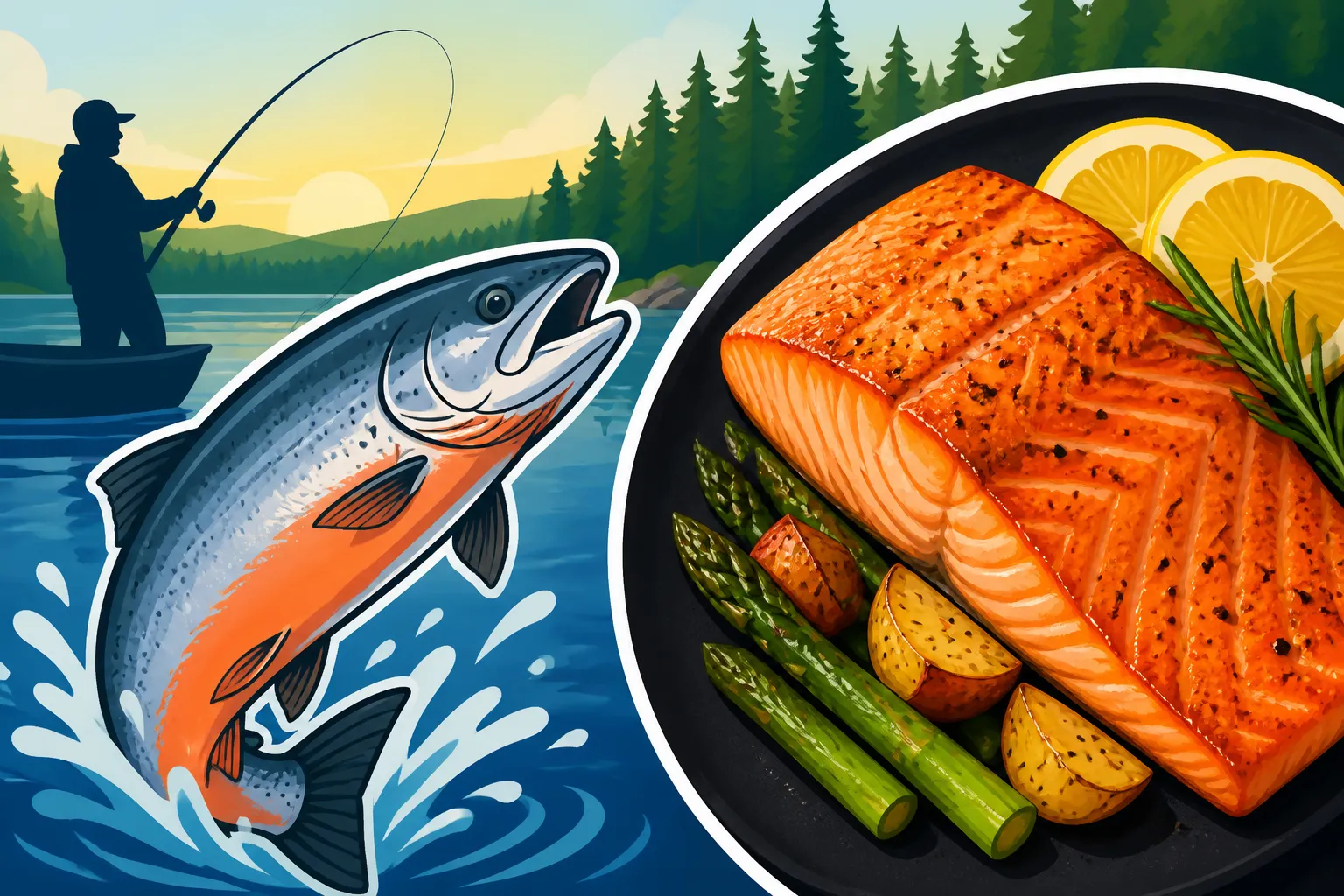
You’ve just spent a glorious day on a crystal-clear Maine lake, the crisp air in your lungs, the sun on your face, and then… thwack! You’ve landed a beautiful, feisty landlocked salmon. There’s an undeniable satisfaction in bringing home such a prize, but then the question hits you: how do you honor this magnificent fish with a meal that truly celebrates its unique flavor? Many anglers worry about drying out their delicate catch or overpowering its subtle taste, and rightfully so! This guide is here to walk you through the best ways to cook landlocked salmon, ensuring every flake is moist, flavorful, and a testament to your angling prowess.
Understanding Landlocked Salmon's Unique Qualities for Cooking
Before we even think about turning on the oven or heating a pan, it’s crucial to understand what makes Maine's landlocked salmon so special from a culinary perspective. This isn't just any salmon; it's a specific kind of treasure from our freshwater lakes.
Why Landlocked Salmon is Different from Atlantic or Pacific Salmon
First off, let's clear up a common misconception: while it shares the "salmon" name, a landlocked salmon caught in, say, Sebago Lake or Moosehead Lake, is quite different from the Atlantic or Pacific salmon you might find in your local grocery store. Ocean-going salmon, especially those that spend years fattening up in the salty vastness, tend to have a higher fat content and a richer, more pronounced "fishy" flavor. They can stand up to bolder seasonings and more aggressive cooking methods.
Our Maine landlocked salmon, however, is a different creature altogether. Its life spent in the colder, nutrient-rich freshwater lakes means it generally has a leaner, firmer flesh and a much more delicate, sweeter flavor. It’s almost buttery in its subtlety, without the intense oiliness some find in other salmon species. This unique flavor profile means you need to approach its cooking with a lighter hand, aiming to enhance, not overshadow, its natural taste. Think of it as a premium ingredient that demands respect and a gentle touch, much like a fine cut of venison or a choice mushroom. Its diet, which can vary by lake, often includes What Do Landlocked Salmon Eat?, further influencing its distinct, pure flavor.
The Importance of Freshness and Proper Handling
No matter how skilled a chef you are, you can't make a poorly handled fish taste good. The journey from the water to your plate is absolutely critical for landlocked salmon. When you catch one, especially a beautiful specimen that might contribute to your How Many Landlocked Salmon Can You Keep in Maine? for the day, the first step is always proper handling. This means bleeding the fish immediately upon landing. This helps to remove any residual blood from the flesh, which can impart a "gamey" or metallic taste.
After bleeding, gutting the fish quickly is paramount. The internal organs can rapidly spoil the flesh, especially in warmer weather. Once gutted, get that fish on ice, and I mean good ice, as quickly as possible. Don't just toss it in a cooler; bury it in ice to bring its core temperature down swiftly. This immediate chilling dramatically slows down enzymatic processes and bacterial growth, preserving that delicate texture and fresh flavor you worked so hard to catch. When you're dreaming of those Best Bait for Landlocked Salmon or Best Lures for Landlocked Salmon that led to your success, remember that the work isn't done until that fish is properly cared for. A truly fresh, well-handled salmon needs very little adornment to shine, and it will result in a flakier, more delicious meal every single time. This is where the true art of cooking begins, long before you step into the kitchen.
Top Cooking Methods to Preserve Flavor and Moisture
Given the delicate nature of Maine landlocked salmon, the key to successful cooking is choosing methods that respect its lean flesh and unique flavor. Overcooking is the cardinal sin, as it quickly turns this succulent fish into dry, disappointing fare.
Baking or Roasting: A Gentle Approach
Baking or roasting is, hands down, one of the most reliable methods for cooking landlocked salmon, especially if you're aiming for consistent moisture and even cooking. It's a forgiving technique that allows the natural flavors of the fish to truly shine. The ambient heat of the oven cooks the salmon through gently, reducing the risk of charring or drying out one side while the other remains undercooked.
To bake or roast, start by preheating your oven to around 375-400°F (190-200°C). Prepare your baking dish by lightly greasing it or lining it with parchment paper for easy cleanup. Place your salmon fillets, skin-side down, in the dish. Now, for seasoning, less is often more with landlocked salmon. A drizzle of good quality olive oil or melted butter, a squeeze of fresh lemon juice, a sprinkle of sea salt, and a generous scattering of fresh dill or parsley are usually all you need. You might also consider a few thin lemon slices placed on top of the fillets. For extra moisture retention, loosely tent the dish with aluminum foil for the first part of the cooking time, removing it for the last few minutes if you want a slightly crisper exterior. Cooking times will vary depending on the thickness of your fillet – a good rule of thumb is about 10-15 minutes per inch of thickness, but always check for doneness.
A fantastic variation on this is cooking on a cedar plank. Cedar planks impart a wonderful, subtle smoky flavor that perfectly complements the landlocked salmon. You can find these planks readily available, even on Amazon, making it an easy way to elevate your meal. Soak the plank in water for at least an hour (or even overnight) before use to prevent it from catching fire and to create that beautiful steam. Then, place the seasoned salmon directly on the plank and bake or grill it. The plank acts as a barrier, protecting the fish from direct, harsh heat while infusing it with an earthy aroma. This method truly encapsulates the spirit of cooking a fresh catch from a pristine Maine lake.
Pan-Searing for a Crispy Skin, Flaky Interior
If you love a little texture contrast – a delightfully crispy skin paired with a tender, flaky interior – then pan-searing is your go-to method. This technique requires a bit more hands-on attention than baking but delivers incredibly satisfying results when executed properly. It’s perfect for smaller fillets or individual portions, and the quick cooking time means you can have a gourmet meal on the table in minutes. When you've caught a really nice How Big Do Landlocked Salmon Get in Maine? and portioned it, searing can be excellent.
The secret to a perfect pan-seared salmon lies in a hot pan and starting skin-side down. Use a heavy-bottomed skillet, like cast iron or stainless steel, and heat it over medium-high heat with a high smoke point oil, such as avocado oil, grapeseed oil, or a touch of butter for flavor. Once the oil is shimmering (but not smoking), carefully place the salmon fillets, skin-side down, in the pan. Press down gently on the fillets for the first 30 seconds to ensure even contact with the hot surface and to prevent the skin from curling.
Resist the urge to move the fish around. Let it cook undisturbed for about 4-6 minutes, depending on the thickness. You’ll see the color of the salmon change, working its way up the fillet from the bottom. Once it's cooked about two-thirds of the way up, flip it gently. The skin should be beautifully golden-brown and crispy. Cook on the flesh side for just another 2-4 minutes, or until the salmon reaches your desired doneness. Remember, because landlocked salmon is leaner, it cooks faster than fattier fish, so keep a close eye on it. A simple sprinkle of salt and pepper before searing is often all the seasoning needed to let that fresh salmon flavor sing.
Grilling: Infusing Smoke and Char
For those who love the smoky essence of outdoor cooking, grilling landlocked salmon can be a fantastic option. It adds a delicious char and depth of flavor that's hard to replicate indoors, making it a favorite for many during the warmer months. However, because landlocked salmon is leaner, grilling requires a little extra care to prevent it from drying out.
There are a few ways to successfully grill this delicate fish. One popular method is to use a grilling basket, which securely holds the fish and makes flipping much easier, minimizing the risk of it sticking to the grates or falling apart. Another excellent option is to grill the salmon in foil packets. Simply place your seasoned fillets on a large piece of heavy-duty aluminum foil, add some herbs, lemon slices, and perhaps a pat of butter, then seal the foil tightly to create a pouch. This method steams the fish within its own juices, keeping it incredibly moist and infused with flavor.
When grilling directly on grates, make sure your grill is clean and well-oiled to prevent sticking. A medium-high heat is usually best. For fillets, place them skin-side down first. The skin acts as a protective layer, helping to keep the flesh moist. Cook for about 5-7 minutes per side, again, depending on thickness. You want those beautiful grill marks and a flaky interior without going too far. A light marinade, perhaps with a touch of olive oil, lemon, and fresh herbs, can also help keep the salmon moist and add another layer of flavor. Just be sure to pat the fillets dry before placing them on the hot grill if using a marinade, to ensure a good sear. This method works wonderfully after a successful day Landlocked Salmon Fishing in Maine during the summer.
Flavor Pairings and Serving Suggestions
Once you’ve perfectly cooked your landlocked salmon, the next step is to complement its exquisite taste with thoughtful pairings. The goal is always to enhance, not overpower, the natural delicate flavors that make this fish so special.
Classic Maine Flavors and Simple Seasonings
Maine landlocked salmon has a clean, subtle flavor, and the best way to honor that is by keeping your seasonings simple and fresh. This isn't the time to reach for heavy, spicy rubs or bold, complex sauces that would overwhelm such a nuanced taste. Instead, think about ingredients that brighten and lift the salmon's inherent sweetness.
Fresh herbs are your best friends here. Dill, with its slightly grassy, anise-like notes, is a classic pairing for salmon and works beautifully with the landlocked variety. Finely chopped parsley or chives also add a touch of freshness and a mild oniony zest. Citrus, particularly lemon, is another non-negotiable. A squeeze of fresh lemon juice just before serving can awaken all the flavors, adding a vibrant acidity that cuts through any richness. Lime also works, offering a slightly more aromatic and floral zest.
A good quality sea salt and freshly cracked black pepper are fundamental. Don't skimp here; proper seasoning draws out the fish's natural flavors. For a touch of richness, a simple sauce made from melted butter infused with lemon juice and a hint of garlic, or a light white wine pan sauce, can elevate the dish without weighing it down. You could even create a compound butter with fresh herbs, chilling it and then melting a pat over the hot salmon right before serving. The key is to think about ingredients that are as clean and pure as the Maine waters from which your salmon came. This approach truly showcases the unique qualities that come from the Landlocked Salmon Life Cycle in its freshwater home.
Accompaniments That Shine
The side dishes you choose should support your perfectly cooked landlocked salmon, acting as a harmonious backdrop rather than competing for attention. The best accompaniments offer balance in terms of texture, flavor, and visual appeal, creating a complete and satisfying meal.
Consider fresh, seasonal vegetables that are lightly prepared. Roasted asparagus, tender-crisp green beans with a hint of garlic, or sautéed spinach are all excellent choices. They provide a welcome freshness and a slight earthy balance to the salmon. For something a little heartier, wild rice pilaf, quinoa, or roasted new potatoes tossed with herbs make wonderful accompaniments. These sides offer a pleasant chew and absorb any delicious pan juices or light sauces without becoming too heavy.
A crisp, fresh garden salad with a light vinaigrette is also a fantastic option, especially if you're serving the salmon during the warmer months or after a long day of Maine Fishing Season Dates Guide. The cool, crisp greens and tangy dressing provide a refreshing contrast to the warm, flaky fish. For a truly Maine-inspired meal, imagine serving your landlocked salmon with a side of freshly boiled corn on the cob in late summer or a simple baked potato with chives. The idea is to create a meal where the salmon remains the undisputed star, its delicate flavor taking center stage, while the accompaniments provide subtle support and add to the overall dining experience.
| Cooking Method | Pros | Cons | Best For | Key Tip |
|---|---|---|---|---|
| Baking/Roasting | Even cooking, retains moisture, hands-off | Can be bland if not seasoned well | Larger fillets, beginner cooks, consistent results | Cover loosely with foil to prevent drying. |
| Pan-Searing | Crispy skin, quick, flavorful crust | Easy to overcook, spatters | Smaller fillets, quick meals, flavorful crust | High heat, skin-side down first, don't overcrowd pan. |
| Grilling | Smoky flavor, nice char, good for groups | Easy to dry out, flare-ups | Whole fish, thicker fillets, outdoor cooking | Use a fish basket or foil, indirect heat. |
| Poaching | Very moist, delicate texture, healthy | Less texture, subtle flavor requires sauce | Extremely fresh, delicate fillets, healthy meals | Low simmer, aromatic liquid, don't boil. |
Common Pitfalls to Avoid (and How to Fix Them)
Even seasoned home cooks can sometimes make mistakes when cooking delicate fish like landlocked salmon. Knowing these common pitfalls and how to steer clear of them is just as important as knowing the best cooking methods.
The Peril of Overcooking
This is, without a doubt, the most common and tragic mistake when cooking landlocked salmon. Because its flesh is leaner than some other salmon varieties, it's incredibly susceptible to drying out. One minute it's perfectly moist and flaky, the next it's tough, chalky, and frankly, disappointing. All that effort you put into catching a prime specimen, perhaps one that's pushing the Landlocked Salmon Size Limit in Maine, can be undone in a matter of seconds.
So, how do you avoid this culinary catastrophe? First, pay close attention to visual cues. Salmon is done when it changes from translucent to opaque throughout its thickest part. The flesh will begin to flake easily with a fork, but it should still look moist and slightly pink in the very center, not dry and solid white. Second, invest in a good instant-read meat thermometer. For salmon, an internal temperature of around 125-130°F (52-54°C) is generally considered perfect for a medium-rare to medium doneness. Remember the concept of "carryover cooking" – food continues to cook for a few minutes after it's removed from the heat. So, it's always better to take your salmon off the heat just before it reaches your desired doneness, letting it rest for a few minutes to finish cooking perfectly. Don't be afraid to pull it off a little early, you can always put it back on for another minute, but you can never un-cook it.
Too Much or Too Little Seasoning
Finding the right balance with seasoning is another tricky area, especially with the subtle flavor profile of Maine landlocked salmon. As we discussed, this fish has a delicate taste that is easily overpowered. Drowning it in a heavy hand of garlic powder, chili flakes, or strong spices will completely mask its natural sweetness and turn it into "generic fish" rather than the star it's meant to be. It’s like putting a flashy, oversized frame around a subtle watercolor painting – it detracts from the true beauty. This is especially important when you consider that Is a Landlocked Salmon a Real Salmon? is a common question, highlighting its unique identity that deserves its own culinary approach.
On the flip side, being too timid with your seasonings can leave your salmon tasting bland and uninspired. A perfectly cooked piece of fish still needs that foundational touch of salt and pepper to bring out its best qualities. The fix is to embrace simplicity and quality. Start with a good quality sea salt, freshly cracked black pepper, and fresh herbs like dill or parsley. A squeeze of lemon is almost always a good idea. Taste as you go, if possible, or remember that it's easier to add more seasoning than to take it away. If you're using a marinade, ensure it's light and acidic rather than thick and sugary, which can burn. Remember, your goal is to enhance the salmon's natural flavor, not hide it. Think of your seasonings as supporting cast members, allowing the salmon to take the lead.
Storage and Reheating Leftovers
You’ve cooked a magnificent landlocked salmon dinner, but what if you have leftovers? Properly storing and reheating salmon is essential to extend its deliciousness and avoid rubbery, dry second-day fish. This is important not just for taste, but also for food safety, especially considering general Maine Fish Consumption Advisory for Mercury guidelines apply to all fish you consume.
For storage, allow any cooked salmon to cool completely to room temperature (but don't leave it out for more than two hours) before transferring it to an airtight container. Place it in the refrigerator promptly. Stored this way, cooked salmon is generally best consumed within 2-3 days. The key here is to seal it well to prevent it from drying out further and absorbing refrigerator odors.
When it comes to reheating, avoid the microwave if at all possible, as it's notorious for drying out delicate fish. If you must use it, do so on a very low power setting for short bursts, checking frequently. The best method for reheating salmon is in a low oven, around 275°F (135°C), tented loosely with foil, until it's just warmed through. This gentle heat helps to restore moisture without further cooking the fish. Another great option, particularly for smaller pieces, is to simply flake the cold salmon over a fresh salad or mix it into a salmon dip. Sometimes, cold salmon is simply superior to poorly reheated salmon, offering a delightful texture and flavor in new contexts. This avoids disappointment and ensures your hard-earned catch continues to provide delicious meals.
Disclaimer
This article is for general informational purposes only and does not constitute professional advice. Laws, prices and regulations vary by location and change over time. Consult a qualified professional for guidance on your specific situation.