Best Bait for Landlocked Salmon
Catching landlocked salmon in Maine can sometimes feel like trying to solve a cryptic puzzle – one day they're hitting everything you throw at them, and the next, they're completely ignoring your best efforts. Many anglers get frustrated wondering if they're using the wrong bait, or if the fish just aren't there. This comprehensive guide will strip away the guesswork, diving deep into the best baits, lures, and strategies to entice these magnificent freshwater fighters, helping you land more salmon on your next outing.
Understanding Landlocked Salmon and Their Diet
To truly master the art of catching landlocked salmon, you first need to get inside their heads – or rather, their stomachs! These fish are incredible predators, but they can also be incredibly selective. Knowing what makes them tick, and what they naturally feed on, is your first step towards choosing the perfect bait.
What Makes Landlocked Salmon So Particular?
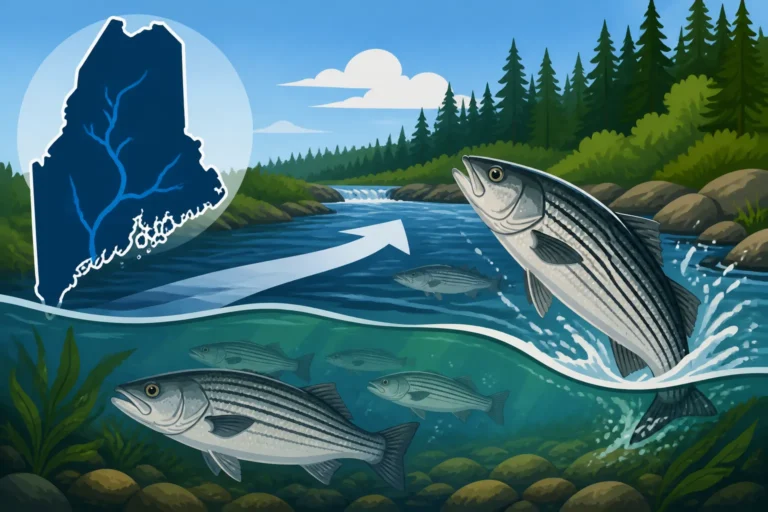
Landlocked salmon are survivors, thriving in the cold, clear, oxygen-rich waters of Maine's deepest lakes and ponds. They've adapted to a specific environment, which makes them quite particular. Unlike some other freshwater species that might hit anything that moves, salmon are often discerning. They have excellent eyesight, especially in clear water, and they're highly sensitive to vibrations, scent, and unnatural presentations. If your bait doesn't look, smell, or move like something they'd naturally encounter, you're likely to get passed over.
Think about it: these fish spend their lives hunting in vast, open water, often targeting fast-moving prey. They aren't scavenging bottom feeders. This means your presentation needs to mimic the behavior of their natural food sources. Factors like water temperature, light conditions, and time of year can all dramatically influence their metabolism and, consequently, their willingness to strike. A hot summer day might find them deep, lethargic, and only interested in a perfectly presented, slow-moving meal, while a cool spring morning might have them actively chasing down fast-trolled lures near the surface.
Natural Forage in Maine Lakes
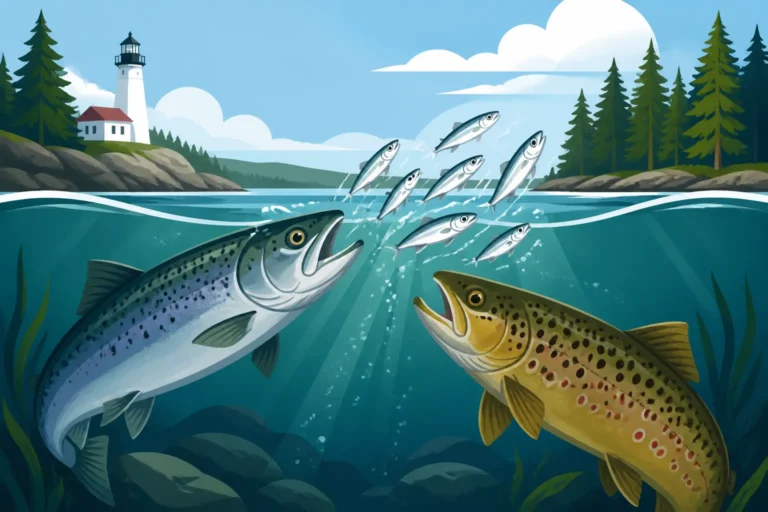
The cornerstone of a landlocked salmon's diet in Maine is typically the rainbow smelt. These small, silvery baitfish are abundant in many of Maine's premier salmon waters and are the primary reason why salmon grow to such impressive sizes here. If you've ever gutted a salmon and found a belly full of tiny silver fish, you've seen firsthand how important smelt are to them. Beyond smelt, salmon will also prey on other small baitfish like alewives or even juvenile white perch, especially in lakes where smelt populations might be less dominant.
But it's not all about the fish. Depending on the time of year and specific water body, landlocked salmon will also opportunistically feed on a variety of insects. During specific hatches, particularly in shallower areas or near stream inlets, they can become quite focused on emerging mayflies, caddisflies, or even terrestrial insects that fall into the water. This is where fly fishing really comes into its own and why understanding the local entomology can be a game-changer. Knowing when the Maine Smelt Run Timing occurs is crucial because it dictates a major feeding opportunity for salmon. This shift in diet and feeding behavior throughout the seasons means that the "best bait" isn't a static answer; it's a dynamic choice based on current conditions. To learn more about where these fish thrive, check out our guide on Where Landlocked Salmon Live in Maine Lakes.
Top Natural Baits for Maine Landlocked Salmon
When it comes to tempting a finicky landlocked salmon, sometimes nothing beats the real thing. Natural baits offer the scent, texture, and natural movement that artificial lures try to imitate, often making them irresistible.
The Unbeatable Smelt
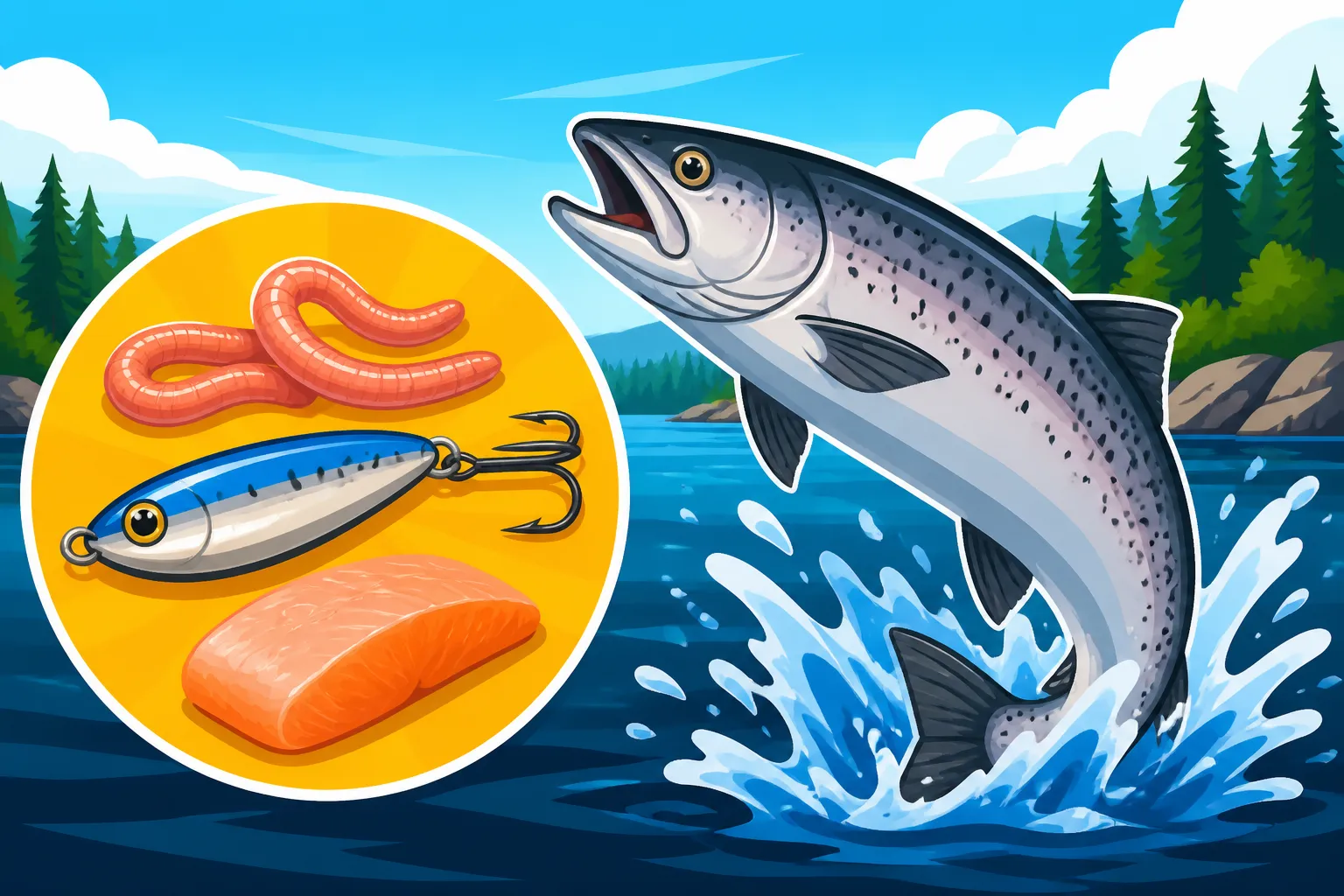
If there's one bait that reigns supreme for landlocked salmon in Maine, it's the smelt. Fresh, live smelt are truly gold, especially for open water trolling or even still-fishing through the ice. Their natural scent trail and erratic swimming action are exactly what a salmon is looking for. However, live smelt aren't always easy to come by or keep alive, so many anglers rely on dead smelt, and they can be incredibly effective too, provided they are fresh and rigged properly.
For live bait, you'll need a good aerated bait bucket to keep them frisky. When rigging, consider a quick-strike rig with two small hooks – one through the nose or lip, and another near the dorsal fin – to ensure a good hookup without hindering the smelt's natural action. For dead smelt, freshness is key. Frozen smelt that have thawed and refrozen multiple times lose their appeal. A common method for rigging dead smelt is to use a sewing needle to pass a leader through the smelt's body, exiting near the tail, then securing a treble hook in the tail section. This allows the smelt to be trolled or drifted with a lifelike spinning motion, mimicking an injured baitfish. Some anglers even inject air into the smelt's belly with a syringe to give it a more buoyant, natural appearance.
Other Productive Natural Offerings
While smelt are king, other natural baits can certainly put salmon in the boat. Shiners, especially golden shiners, are another excellent option, particularly if smelt are scarce or if you're fishing a lake where shiners are a more prevalent baitfish. Like smelt, shiners are best used live, providing that natural wiggle and flash. Rig them similarly to live smelt, often on a single small hook through the lips or dorsal fin, ensuring they can swim freely.
Worms, specifically nightcrawlers, might seem too basic for a predator as refined as a salmon, but don't underestimate them, especially in certain situations. While not a primary food source for mature salmon in open water, worms can be incredibly effective when salmon are near stream inlets, river mouths, or in shallower areas where they might be feeding on insects or smaller bottom-dwelling prey. A simple worm on a hook, drifted slowly or trolled behind a dodger or worm harness, can sometimes surprise you with its effectiveness. This is often more of a tactic for opportunistic salmon rather than actively hunting ones. Always ensure your bait is as fresh as possible and consider adding a scent attractant if using dead bait to boost its appeal.
Effective Artificial Lures for Landlocked Salmon
For many anglers, the thrill of fooling a landlocked salmon with an artificial lure is unmatched. Modern lures are incredibly advanced, mimicking baitfish with stunning realism in terms of action, color, and flash.
Trolling Staples: Spoons and Plugs
Trolling is perhaps the most popular and effective method for targeting landlocked salmon across Maine's vast lakes. And at the heart of trolling success are spoons and plugs. Spoons, with their erratic wobbling and flashing action, perfectly imitate injured baitfish, making them irresistible to hungry salmon. Classics like the Mooselook Wobbler, DB Smelt, and Sutton Spoons have been putting salmon in Maine boats for generations, and for good reason. They come in a variety of colors, but silver, blue/silver, gold, and green/silver patterns are almost always excellent starting points. Experiment with different sizes; sometimes a smaller profile is key, especially if the salmon are keyed into smaller forage.
Plugs, on the other hand, offer a different kind of action. They typically dive to a specific depth and have a distinct swimming pattern, often mimicking a baitfish trying to escape. Brands like Rapala (especially the J-series or Countdown models), Yo-Zuri, and Bomber Long A's are perennial favorites. Again, natural baitfish patterns are a safe bet, but don't shy away from brighter colors like firetiger or hot pink, especially on overcast days or in stained water. The key with both spoons and plugs is to ensure they're running true in the water. A bent split ring or a fouled hook can kill a lure's action and reduce its effectiveness to zero. Always check your lure after deploying it to ensure it's swimming correctly. We've got more in-depth advice on Trolling Techniques for Maine Lakes that can really help you dial in your presentation. If you're looking to stock up on these tried-and-true lures, many excellent options can be found online through retailers like Amazon.
Jigging and Casting Options
While trolling gets a lot of attention, jigging and casting can be incredibly effective, especially when you've located a school of salmon or are fishing near structure. Jigging is often a prime technique for ice fishing, but it can also work in open water, particularly when fish are suspended over deep water or holding tight to underwater humps. Vertical jigs, like Swedish Pimples, Crippled Herrings, or even a simple bucktail jig, can be dropped to the fish's depth and worked with short, sharp snaps of the rod. Tipping your jig with a piece of dead smelt or a worm can add an extra layer of enticement.
Casting is best for shallower areas, around points, inlets, or where salmon might be chasing baitfish near the surface. Small spoons, inline spinners (such as Mepps or Panther Martins), and even twitch baits can be cast and retrieved to cover water. The key here is often matching the size of the lure to the available forage. If you see salmon crashing on tiny baitfish, a small spoon or spinner will outperform a larger lure every time. Understanding Maine Open Water Line Limits can help you determine how many rods you can have rigged and ready for these varied techniques.
The Art of Fly Fishing for Landlocked Salmon
For the purist, fly fishing for landlocked salmon is an art form, a challenging yet incredibly rewarding endeavor. These fish can be incredibly wary of a poorly presented fly, but a well-executed cast with the right pattern can lead to an explosive strike. Fly fishing is most effective when salmon are actively feeding on insects or when they push baitfish into shallower waters, often in spring or fall.
Streamers are perhaps the most popular fly choice for salmon, mimicking baitfish. Patterns like the Gray Ghost, Supervisor, Black Ghost, and Smelt patterns are legendary in Maine waters. These are typically fished with a sinking line or a sink-tip line, retrieved in short, erratic strips to imitate a darting smelt. Vary your retrieve speed and depth until you find what the fish prefer.
When salmon are rising to insects, dry flies can be exhilarating. Matching the prevailing hatch is crucial, so having a selection of mayfly, caddisfly, and even ant or beetle imitations in various sizes is wise. Nymphs, fished sub-surface, can also be highly effective when insects are drifting in the water column but not yet emerging. Patterns like Prince Nymphs, Hare's Ears, and Pheasant Tails are solid choices. Fly fishing often requires a delicate approach and understanding of currents, making it a truly immersive experience. Our Fly Fishing Techniques for Maine Rivers guide can provide even more detail for those looking to hone their skills.
Bait Presentation and Strategy
Having the best bait or lure is only half the battle. How you present it, and your overall strategy, will ultimately determine your success. Landlocked salmon are intelligent predators, and a thoughtful approach is paramount.
Matching the Hatch and Water Conditions
This is perhaps the most critical piece of advice for any angler targeting landlocked salmon: "match the hatch." Observe your surroundings. Are there schools of baitfish flickering on the surface? What size are they? If you catch a salmon, what's in its stomach? The more you can mimic the natural food source in terms of size, color, and action, the better your chances. If the salmon are gorging on 2-inch smelt, throwing a 5-inch lure might get you ignored.
Water conditions also play a huge role. In clear water, salmon are incredibly visual. This means you might need longer, lighter fluorocarbon leaders to avoid spooking them. In stained or choppy water, a brighter lure or one that produces more vibration might be more effective, as visibility is reduced. Light conditions matter, too. On bright, sunny days, fish often prefer deeper, more subdued colors. On overcast days or at dawn and dusk, brighter, more flashy lures can grab their attention. Don't be afraid to experiment throughout the day, as conditions can change rapidly on large Maine lakes. Knowing the Best Time of Year to Catch Landlocked Salmon in Maine can help you anticipate general conditions.
Trolling Depths and Speeds
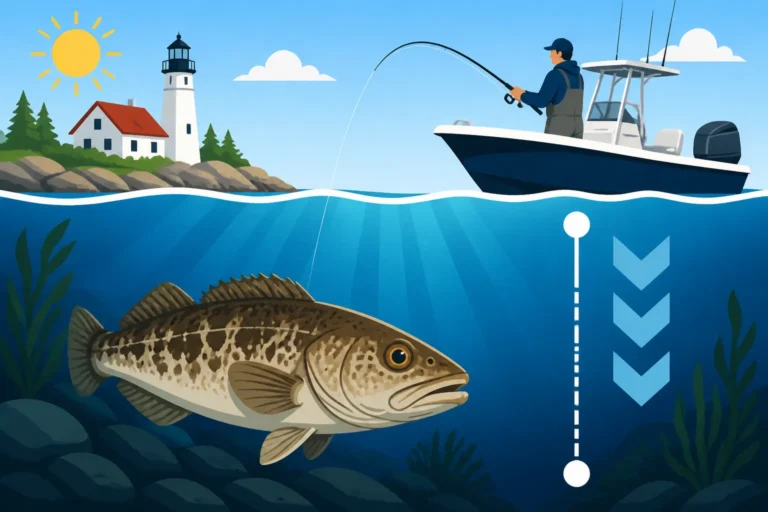
Trolling is a game of depth and speed, especially for landlocked salmon that often suspend in the water column. The specific depth salmon will hold at changes dramatically with water temperature and time of year. In the spring and fall, when the entire water column is cool, salmon might be found near the surface. In summer, they'll retreat to the colder, oxygen-rich waters below the thermocline. Using a fish finder to locate schools of baitfish and salmon is invaluable. If you're not seeing fish on the screen, try different depths until you find them.
| Season | Typical Depth Range | Notes on Strategy |
|---|---|---|
| Spring (Ice-out to early June) | Surface to 25 feet | Salmon are actively feeding and can be found near shore, stream inlets. |
| Summer (June to August) | 25 to 60+ feet | Fish follow the cold water; concentrate on thermocline and deeper main lake basins. |
| Fall (September to November) | Surface to 30 feet | Salmon move shallower for spawning, become more aggressive. |
| Winter (Ice Fishing) | 10 to 50+ feet | Depths vary; often follow bait schools, can be found near structure or in open basin. |
Trolling speed is equally important. Landlocked salmon often prefer a relatively fast troll, typically between 1.8 and 3.0 miles per hour, but this can vary. Faster speeds can make a spoon or plug dart more enticingly, mimicking an escaping baitfish. However, sometimes a slower presentation, especially with natural bait or in cold water, can be more effective. Experiment! Vary your boat speed in subtle increments until you find what triggers bites. Tools like downriggers, lead core line, and even simply adding weight to your line can help you achieve the desired depth consistently. For more in-depth knowledge on this specific topic, check out Trolling Depths for Landlocked Salmon.
Tips for Finicky Salmon
Even with the best bait and perfect presentation, landlocked salmon can sometimes be frustratingly finicky. When they're being particularly stubborn, a few extra tricks can make a difference. First, stealth is crucial. These fish are wary, and loud noises, sudden movements, or even the shadow of your boat passing over them can send them scattering. Approach your fishing spots quietly.
Second, consider your leader material. Fluorocarbon line is nearly invisible underwater, making it an excellent choice for leaders, especially in clear water. Keep your leaders long, often 8-12 feet, to separate your lure from your main line and any weights. Third, don't underestimate the power of scent. Even with artificial lures, adding a scent attractant can sometimes trigger bites, especially if the fish are hesitant. There are many commercially available scents designed to mimic baitfish or other natural smells. These can be applied to spoons, plugs, or even soft plastic jigs. You can find a wide array of options for leader material and scent attractants on Amazon.
Finally, patience and persistence are your greatest allies. Keep adjusting your depth, speed, and lure choices until you crack the code. Sometimes, it's just a matter of waiting for the right moment or finding that one subtle adjustment that turns a slow day into a memorable one. Don't be afraid to try different baits and techniques. What worked yesterday might not work today, and the most successful salmon anglers are those who are adaptable and willing to learn from every trip. For a broader understanding of regulations, you might want to read Maine Fishing Regulations Explained.
Disclaimer
This article is for general informational purposes only and does not constitute professional advice. Laws, prices and regulations vary by location and change over time. Consult a qualified professional for guidance on your specific situation.